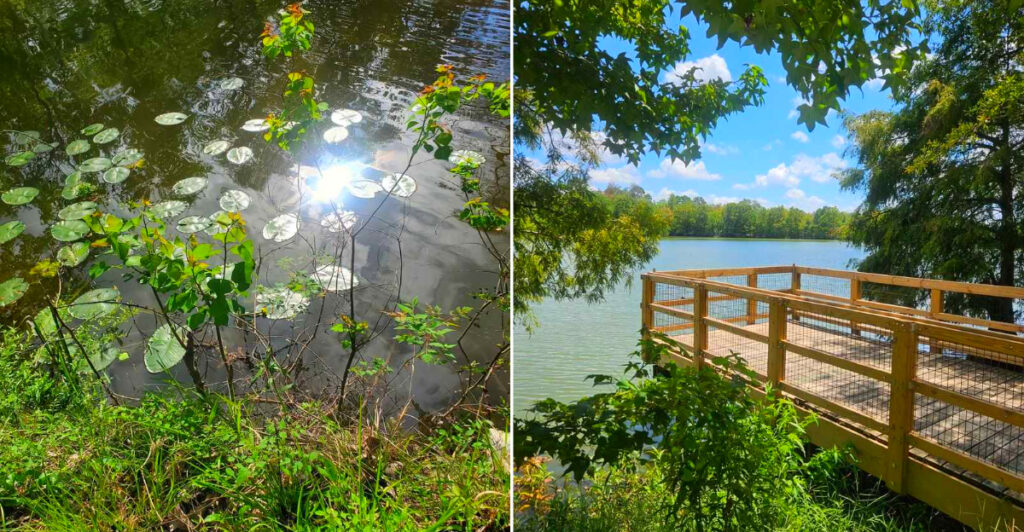
Three feet from the boardwalk, an alligator stared back at me. I stopped walking. It stopped moving. We held that gaze for what felt like two full minutes before it slid off the log and disappeared into water so dark I could not see where its body ended.
That is the thing about this refuge. The boardwalk is safe and well-maintained, but the swamp on either side does not care about your comfort zone.
Birds call from trees I could not name. Turtles lined up on every log like they were waiting for the same bus.
The trail is short enough that anyone can walk it and long enough that you forget you drove there from a city. I went expecting a casual nature walk.
I left with a healthy respect for every creature that lives between those cypress trees. Louisiana keeps its wildest places quiet.
Check Access Rules Before You Go
Reaching the refuge is easy, but entry rules surprise people. You need a car since transit skips Atlas Road entirely.
From I-59, Exit 11 is the usual approach for drivers.
Parking works, though it may not look freshly upgraded today. Before walking, check whether a hunting or fishing license applies.
A Wildlife Stamp can also cover entry for many visitors.
Day-use cards are required, with age-based exceptions clearly listed onsite. Anyone under sixteen or over sixty gets an exemption here.
Rules sound fussy until you remember what the refuge protects.
Protected land needs support, paperwork, and a little patience sometimes. I fill out forms before wandering, then forget about them.
It feels better than guessing and backtracking at the trailhead.
Prep saves hassle and keeps the visit simple for everyone. That is excellent trade for a peaceful walk ahead there.
Exit 11 Trades The Interstate For Cypress Swamp
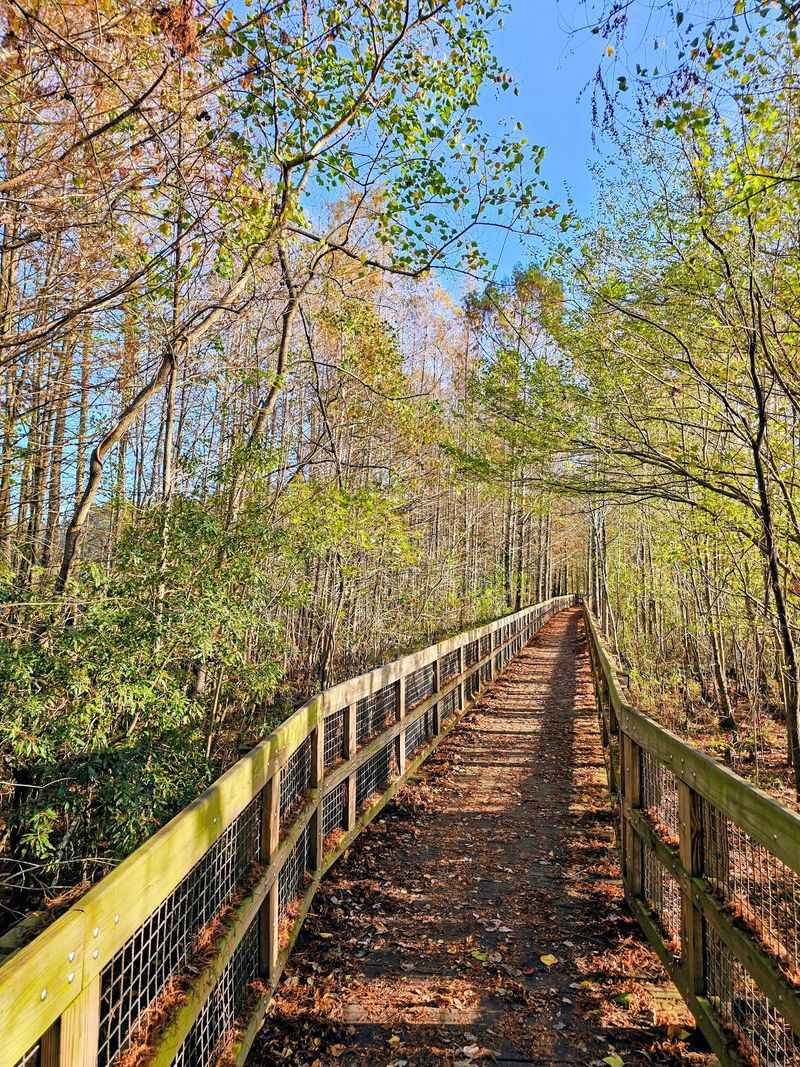
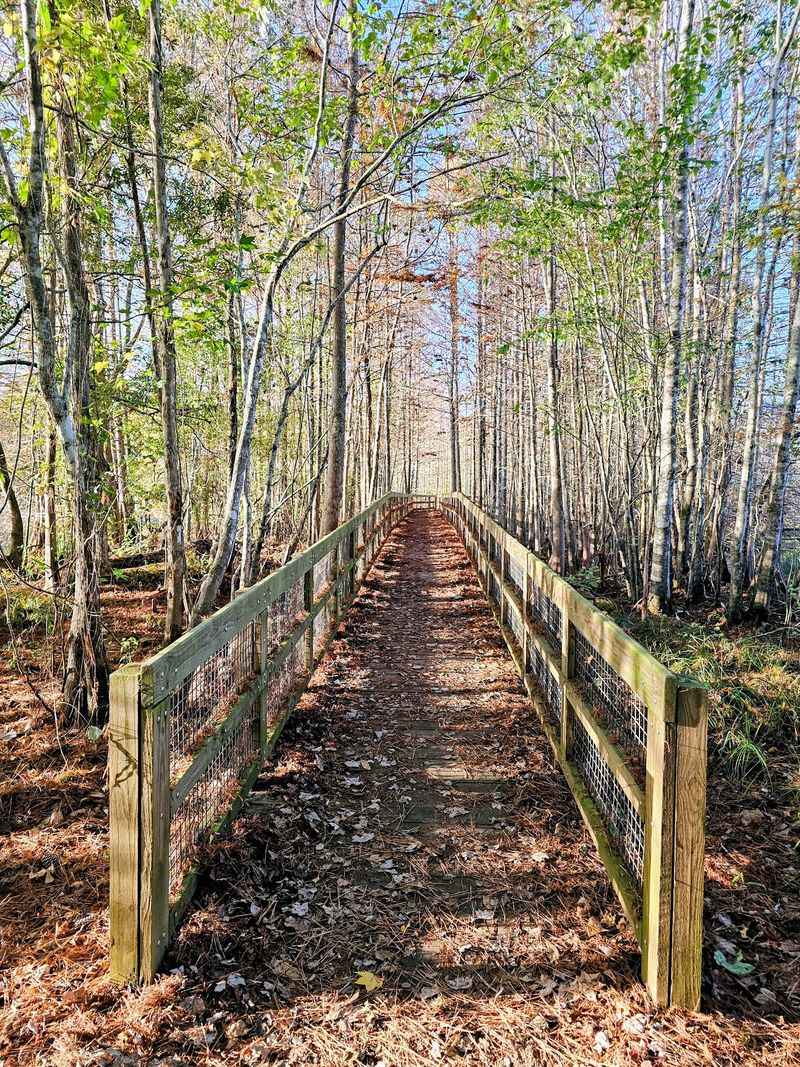
The Jim Schmidt Interpretive Boardwalk sits at the Pearl River Turnaround access point of Bogue Chitto National Wildlife Refuge near Pearl River, Louisiana. From I-59, take Exit 11/Pearl River Turnaround, about 15 miles north of Slidell.
After leaving the interstate, follow the frontage road on the east side of I-59 south toward the Bogue Chitto Refuge fishing pond entrance. The boardwalk begins at this access site, where the paved approach gives way to the refuge’s bottomland forest and wetlands.
Pull into the Pearl River Turnaround fishing access area and park near the pond, fishing pier, and picnic pavilion. From there, pick up the Jim Schmidt Boardwalk and Trail, a short loop beginning directly from the visitor access area.
Give Alligators Plenty Of Space
Nothing sharpens your focus like spotting an alligator beside water. Sightings happen here especially around ponds and backwater areas nearby.
Louisiana has millions statewide though individual encounters remain unpredictable anyway.
The safest habit is simple, watch quietly and keep distance. Never feed one, never crowd one, never test luck here.
Their shy nature does not cancel their wild strength entirely.
Boardwalk rails help, but your judgment matters even more today. Scan muddy edges, floating logs, and narrow side waters carefully.
A hidden shape can look like driftwood until it moves.
I keep my phone ready, yet my feet stay planted. Good wildlife watching means respect first, photo second, story third.
That order keeps everyone calmer, including the reptiles themselves nearby.
Seeing a gator feels thrilling because the place is wild. Staying sensible lets that thrill remain a good memory afterward.
Bring Binoculars For The Bird Show
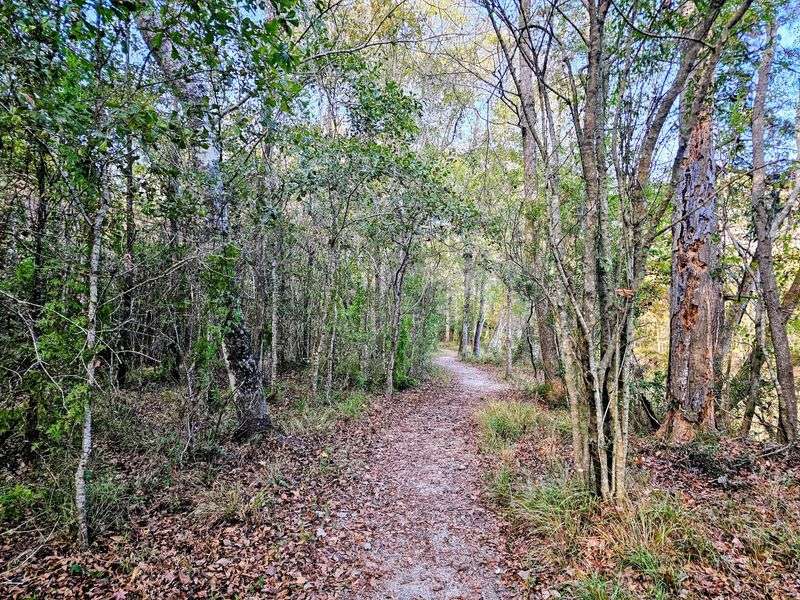
Then the swamp changes, and suddenly every tree has movement. Birdlife here can steal the show from larger animals easily.
Spring and fall migrations bring the busiest skies here overhead.
Prothonotary warblers flash gold through the darker forest shade beautifully. Herons and egrets patrol edges with patient, deliberate steps daily.
Black-bellied whistling-ducks add a wonderfully odd note overhead at times.
Lucky visitors might catch a bald eagle flying through overhead. Bring binoculars if you have them, but ears work too.
Calls often reveal more than color in tangled habitat here.
Early light helps, especially when heat and glare build later. I linger near openings where reflections double every passing bird.
Even a short visit can turn into a quiet checklist.
The refuge rewards people who pause before the next step. Feathers flicker fast, so patience beats speed every time here.
Time Your Visit Around Water Levels
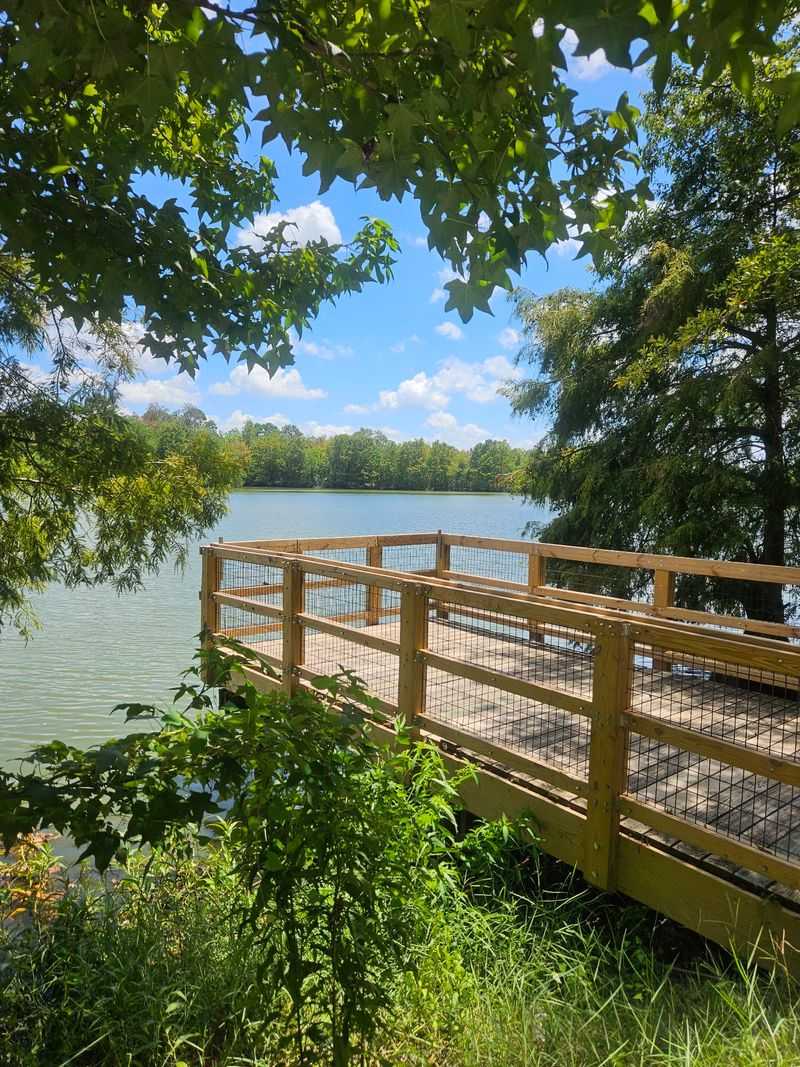
Water decides the mood here more than any signboard does. In winter and spring, flooding can cover most refuge land.
During high river periods, access sometimes changes without much drama.
Late May into early June may affect boardwalk use sometimes. Summer usually brings the lowest water and easier footing overall.
Autumn often feels best for simple hiking and photographs there.
Seasonal shifts keep the same trail from feeling repeated ever. One month offers mirrors, another offers mud lines and roots.
Check conditions before leaving home, especially after heavy regional rain.
Refuge websites and local updates are more useful than guesses. I like seeing flood marks because they explain the landscape.
Swamp trails stay dynamic, and that is part of it.
Expecting change makes sudden closures less frustrating for careful visitors. It also helps you appreciate how alive this refuge remains.
Use The Pier And Pavilion Too
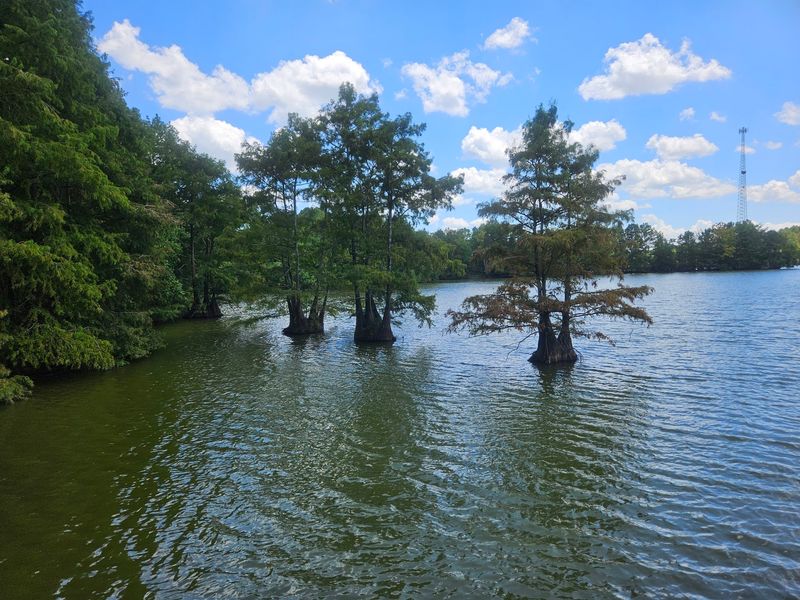
One pleasant surprise is how welcoming the day-use area feels. Near the boardwalk, a fishing pier offers accessible water access.
A picnic pavilion gives families a simple resting place nearby.
Flat walking also helps visitors who dislike rough trails greatly. The setting remains swampy and wild without feeling forbidding today.
That balance matters when you want nature, not struggle alone.
Casual hikers, older visitors, and curious kids can all manage. Good shoes still help, especially after wet weather here conditions.
Bring snacks or lunch if you plan to linger awhile.
Tables and shade can turn a short stop comfortable quickly. I appreciate places that remove barriers without removing character either.
The refuge manages that trick better than many bigger parks.
Accessibility here does not feel like an afterthought at all. It feels built into the visit from the start nicely.
Expect A Little Highway Noise
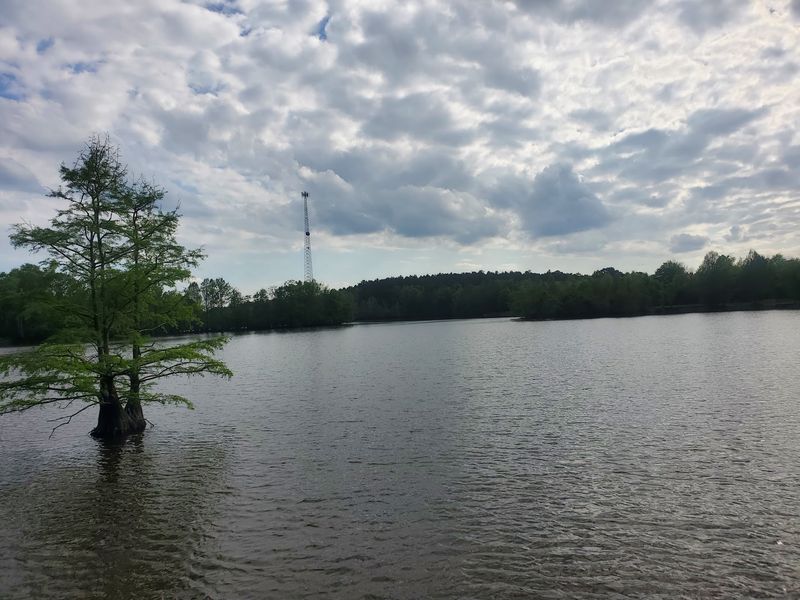
A funny contrast defines this place before you notice it. The swamp looks ancient, yet interstate noise sometimes drifts nearby.
At first, the sound can feel like a spoiler there.
Then birds call, reeds rustle, and the scene takes over. I stopped fighting the contrast and enjoyed the honesty instead.
Wild places near roads still matter, maybe even more today.
They offer access to people who might never roam farther. The boardwalk becomes a pocket of refuge within modern life.
If traffic bothers you, come early for softer surroundings overall.
Quieter light often pairs well with better wildlife movement too. Midday makes every sound seem louder in humid air there.
Still, the boardwalk keeps its calm more than expected somehow.
The setting wins by staying interesting from one end through. Few places mix convenience and swamp atmosphere this naturally nearby.
Learn Why The Refuge Matters
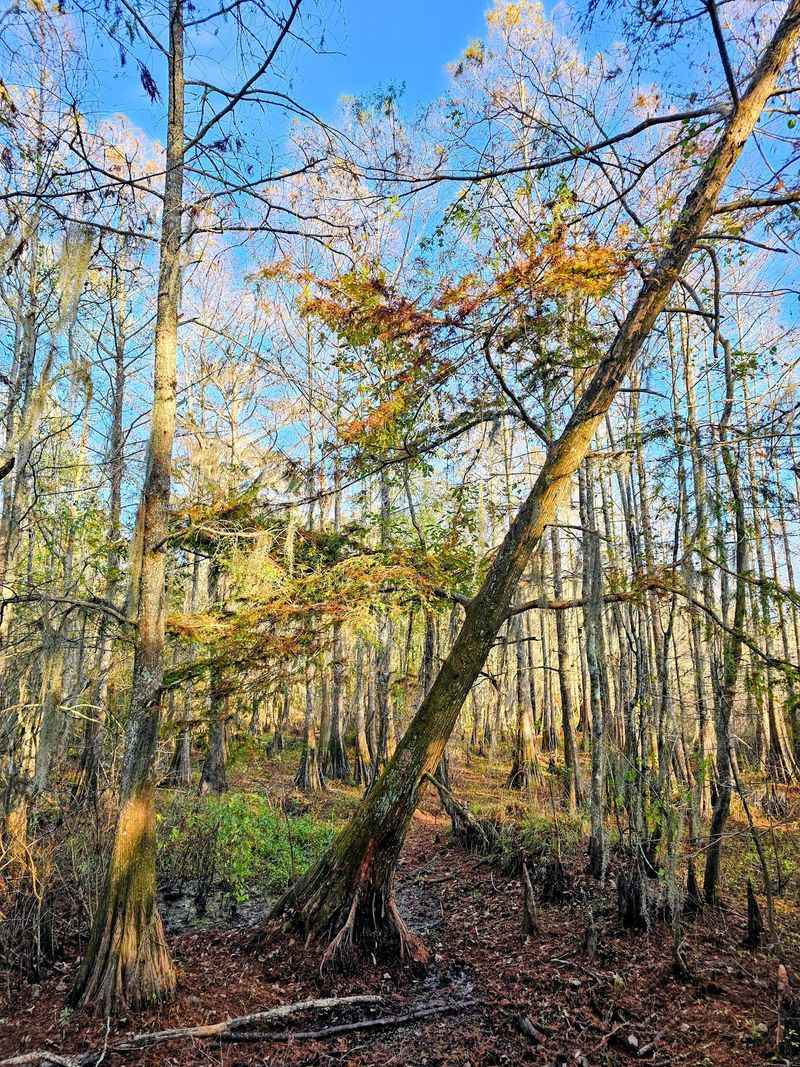
Under the beauty sits a serious conservation story worth knowing. Bogue Chitto National Wildlife Refuge was established in 1980 officially.
President Jimmy Carter authorized the refuge during a protection era.
Its mission centers on bottomland hardwood forest conservation here first. That habitat once stretched farther across the Mississippi Delta region.
Today, remaining pieces matter because so much has disappeared already.
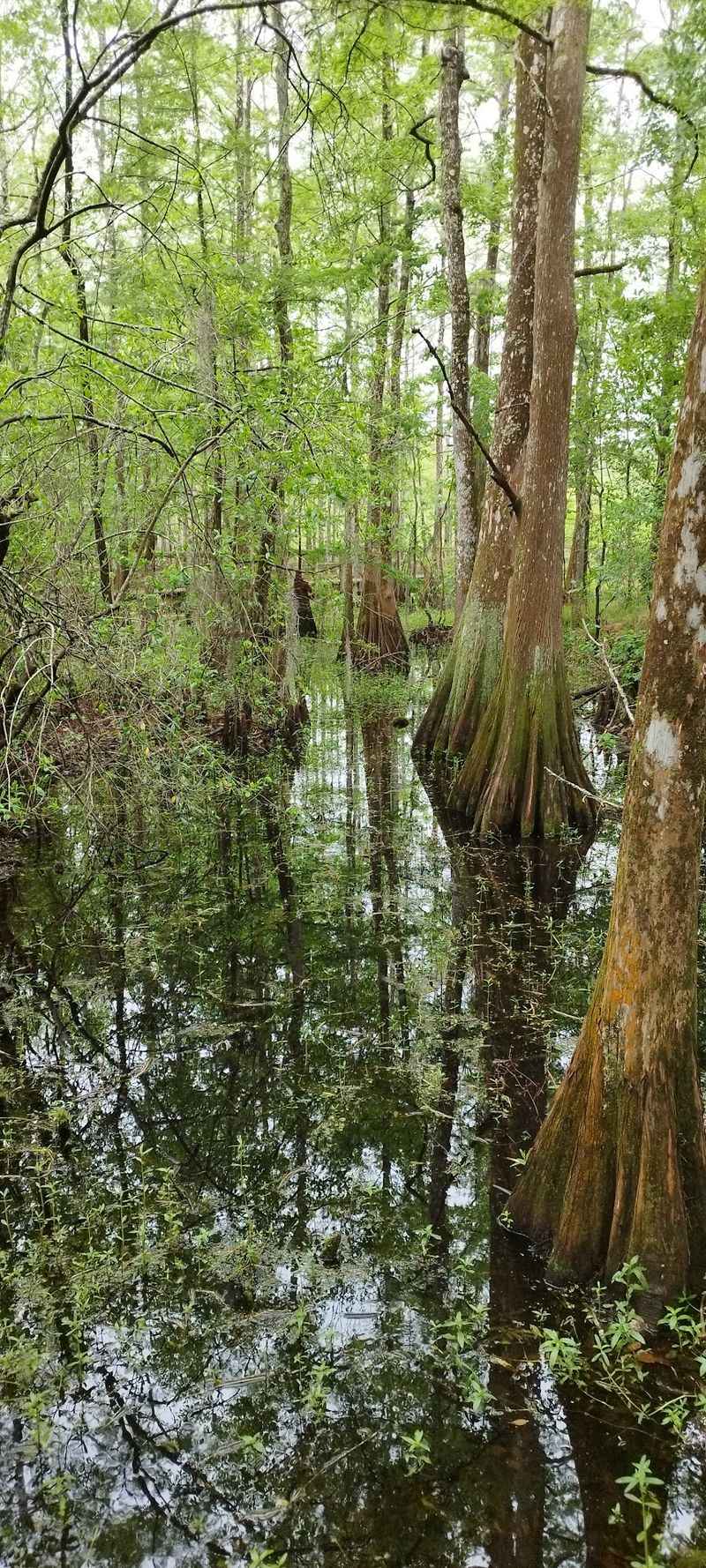
Walking the boardwalk helps you see what those words mean. Trees rise from wet ground that rarely follows straight lines.
Marsh, swamp, bayou, and forest meet without neat borders there.
I like places that quietly teach without sounding like classrooms. The interpretive setting does exactly that when you pay attention.
Conservation can feel abstract until your shoes cross protected ground.
Then it becomes local, physical, and surprisingly personal fast there. That shift may be the trail’s best lesson for visitors.
Photograph Reflections And Small Details
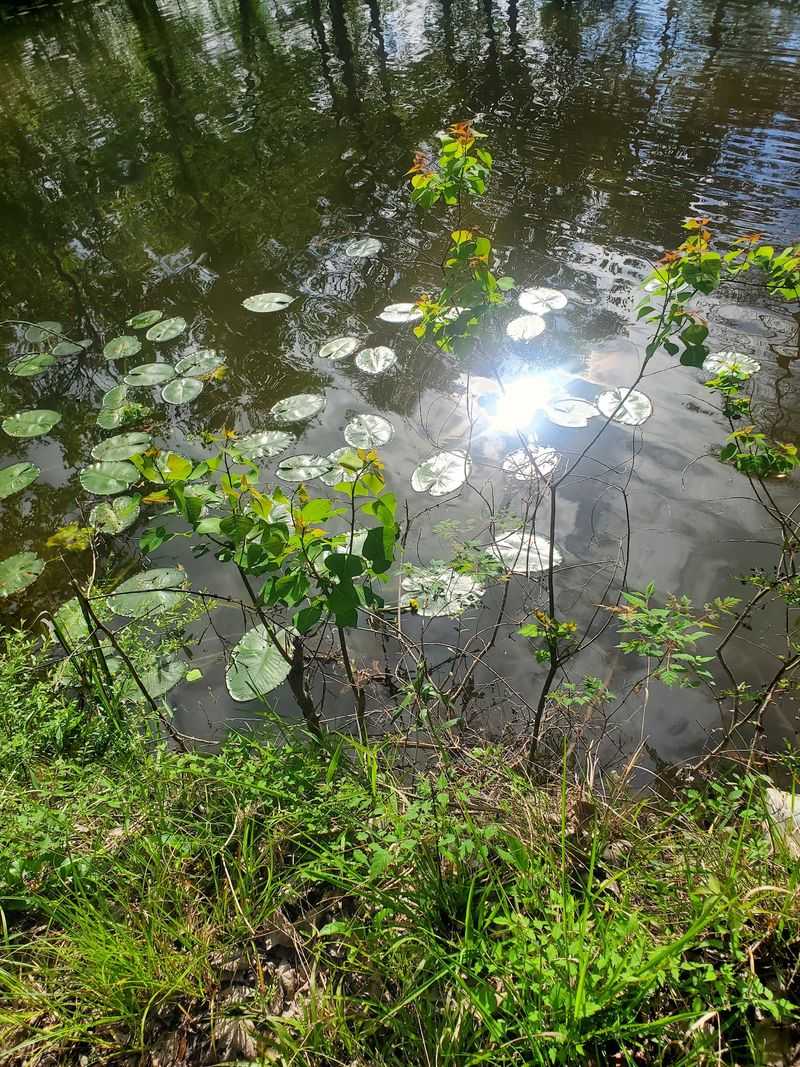
Light behaves strangely over swamp water, and that helps photographers. Reflections double trees, birds, and even passing clouds beautifully there.
Morning often gives softer color and calmer surfaces for photos.
Later sun can be bright, harsh, and very humid there. The boardwalk’s rails also create neat leading lines for compositions.
Openings near water are ideal for patient framing work there.
Wildlife photos require distance, stillness, and realistic expectations always there. A phone works fine if you avoid sudden movements nearby.
Binoculars can help you spot subjects before photographing them clearly.
I like shooting details, like bark textures and floating plants. Wide scenes are lovely, but tiny patterns tell stories too.
Keep your camera strap secure on narrow sections always there.
Humidity can fog lenses, especially when stepping from air-conditioning outside. Give the glass a minute, then start looking closely around.
Make Time For The Fishing Area
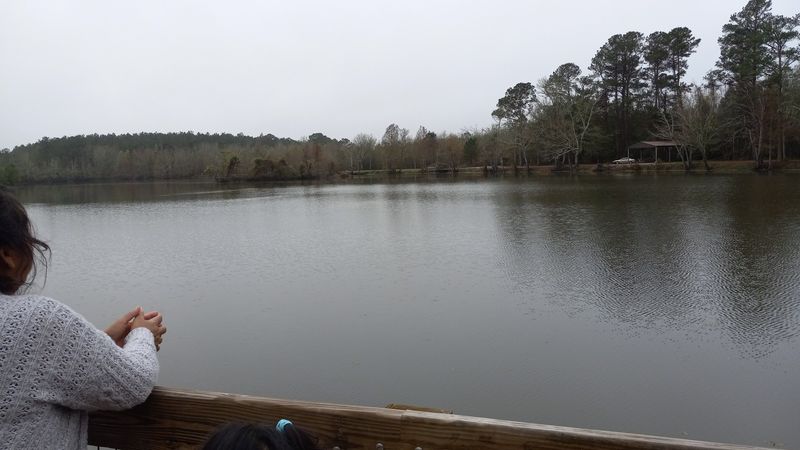
Even nonanglers notice the fishing pier because it changes pace. Water access invites longer pauses than the boardwalk alone does.
People can cast a line or simply watch ripples there.
Flathead catfish have been seen, and other wildlife appears too. The pier broadens the visit beyond a standard trail walk.
Nearby water often becomes a stage for patient observation alone.
I have spent extra minutes there without feeling idle once. That is a good sign in any nature stop anywhere.
If you bring children, this area helps break things up.
Walking, sitting, scanning, and talking quietly all fit here nicely. Just remember the same wildlife caution applies near water too.
Stay aware of edges, movement, and sudden splashes there always.
A short stop can become surprisingly full with simple options. That flexibility makes the boardwalk easier to recommend widely around.
Slow Down Enough To Notice Everything
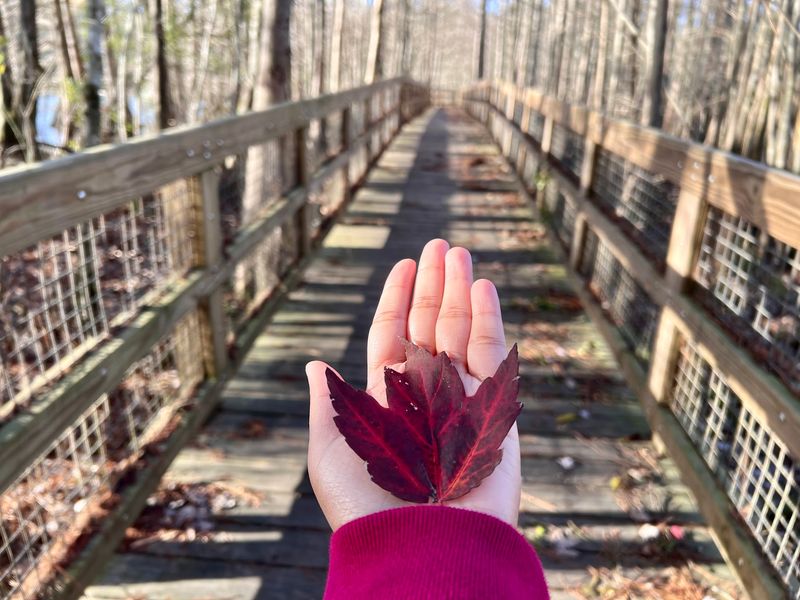
The best tip is the least glamorous one, slow down. Swamp country does not reveal itself on a rushed schedule.
Movement hides when footsteps are loud and constant nearby today.
Quiet waiting can turn empty water into a wildlife scene. Even plants become more interesting when you study them closely.
Cypress knees, floating leaves, and vine tangles start talking visually.
The refuge teaches observation better than it teaches exercise here. That is one piece of its charm and its value.
I leave calmer whenever I match the place’s pace outside.
The boardwalk is not long, but it changes your attention. That may be the rarest travel souvenir now for anyone.
Bring water, bring patience, and bring your listening ears too.
You will get more from the refuge that way easily. Sometimes the smartest plan is simply to notice everything around.