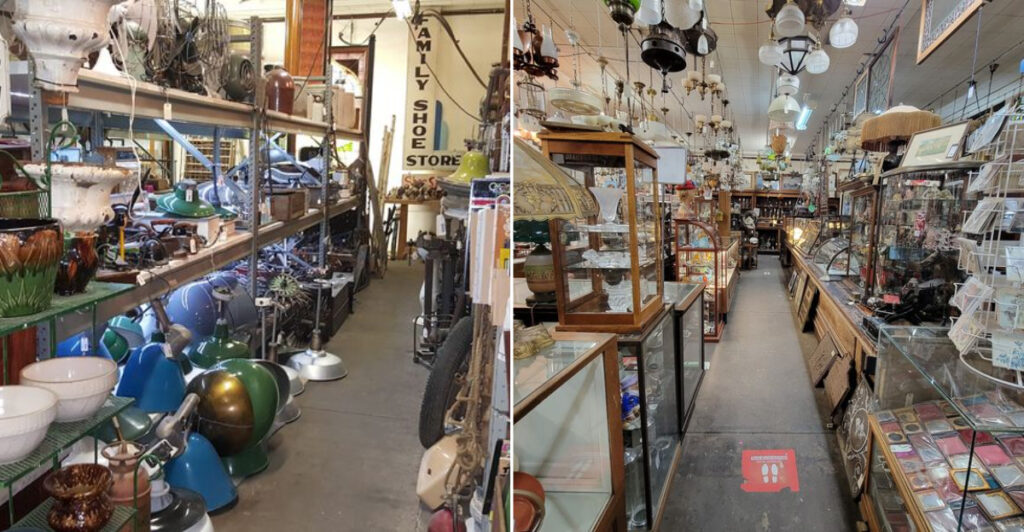
Some stores sell old furniture. Others make you wonder if an entire historic building was taken apart and put on display.
That is the thrill behind this Kansas architectural salvage spot. The inventory has the kind of scale that can stop you mid-aisle, especially if you like pieces with a past.
Instead of browsing for something ordinary, you may find yourself imagining where an old door, mantel, or fixture once lived before it ended up here.
The fun is in the hunt. Nothing feels predictable, and even serious antique shoppers can stumble onto something they did not expect to want. Kansas does not always get credit for places this unusual, which makes the surprise even better.
My weakness is anything that looks like it came out of a century-old house. I can ignore practical purchases for hours, then spot one worn architectural detail and start inventing a whole renovation around it.
At that point, restraint is usually no longer part of the shopping plan.
A Warehouse That Hides Its Size Behind A Plain Front
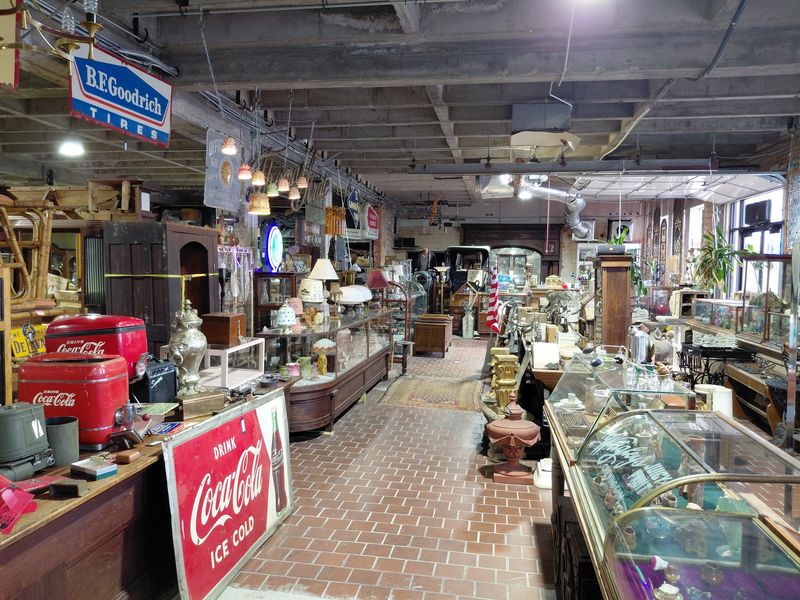
The front of the building gives away almost nothing.
Step through the door and the room keeps unfolding, aisle after aisle, until you realize the walls are much farther away than you guessed.
I have visited plenty of antique shops that fit in a single room. Old Town Architectural Salvage runs more like a working warehouse, with tall racks, wide bays, and stacks of salvaged material sorted by type rather than crammed together at random.
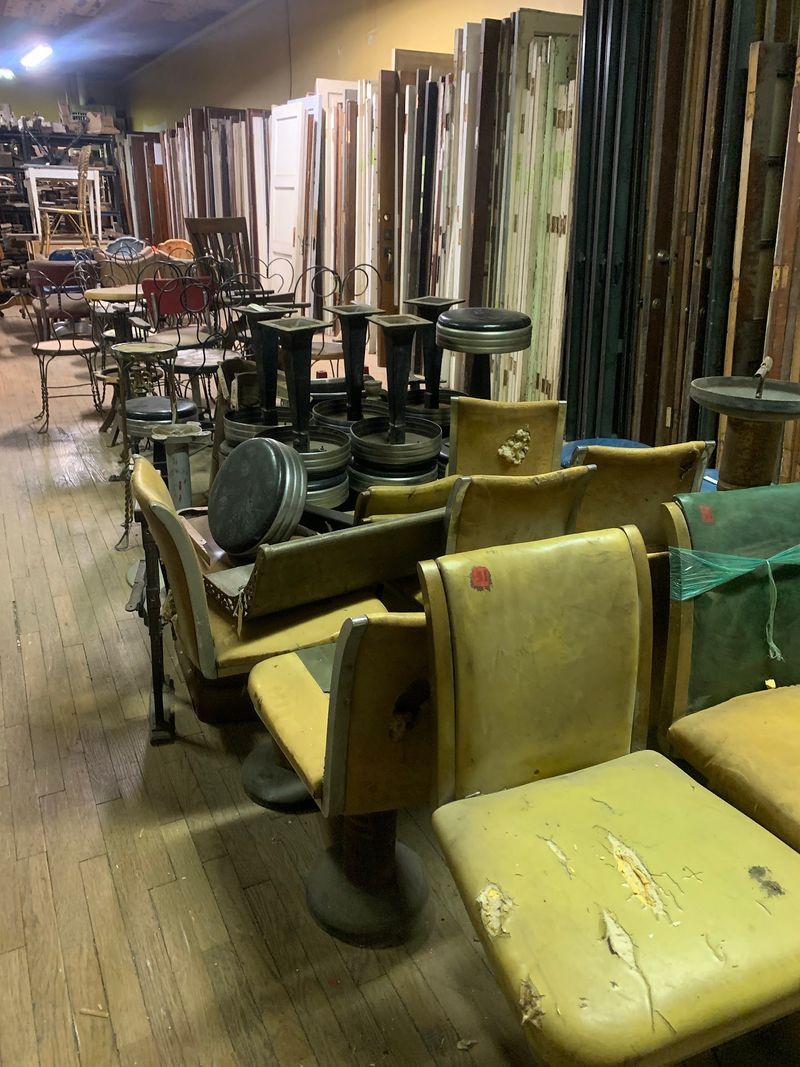
Doors lean in long rows. Columns stand upright like they are waiting for a porch to come claim them.
Overhead, dozens of light fixtures hang in clusters.
My advice is simple: plan for more time than you think you need. A quick fifteen-minute stop turns into an hour without warning, and rushing means missing the small shelves where the odd, wonderful pieces hide.
Wear shoes you can walk in and leave the heavy coat in the car. You will be covering real ground here.
Doors, Doors, And Then Even More Doors
If you have ever hunted for a door in a strange size, you know the frustration of standard hardware store options.
Here, the door selection is the headline attraction, and it is genuinely enormous.
Paneled doors, French doors with wavy old glass, screen doors, pocket doors, and heavy solid slabs from houses built more than a century ago all wait in rows. I flipped through one section for twenty minutes and never reached the end.
People remodeling older homes come specifically for this. When a doorway measures something unusual and nothing modern fits, an original salvaged door often solves the puzzle.
Bring a tape measure and write down your opening height, width, and thickness before you arrive. Note which way the door needs to swing too.
A photo of the room on your phone helps enormously when you are comparing wood tones. Trust me, memory alone will let you down once you are standing in front of fifty choices.
Stained Glass That Turns Sunlight Into Color
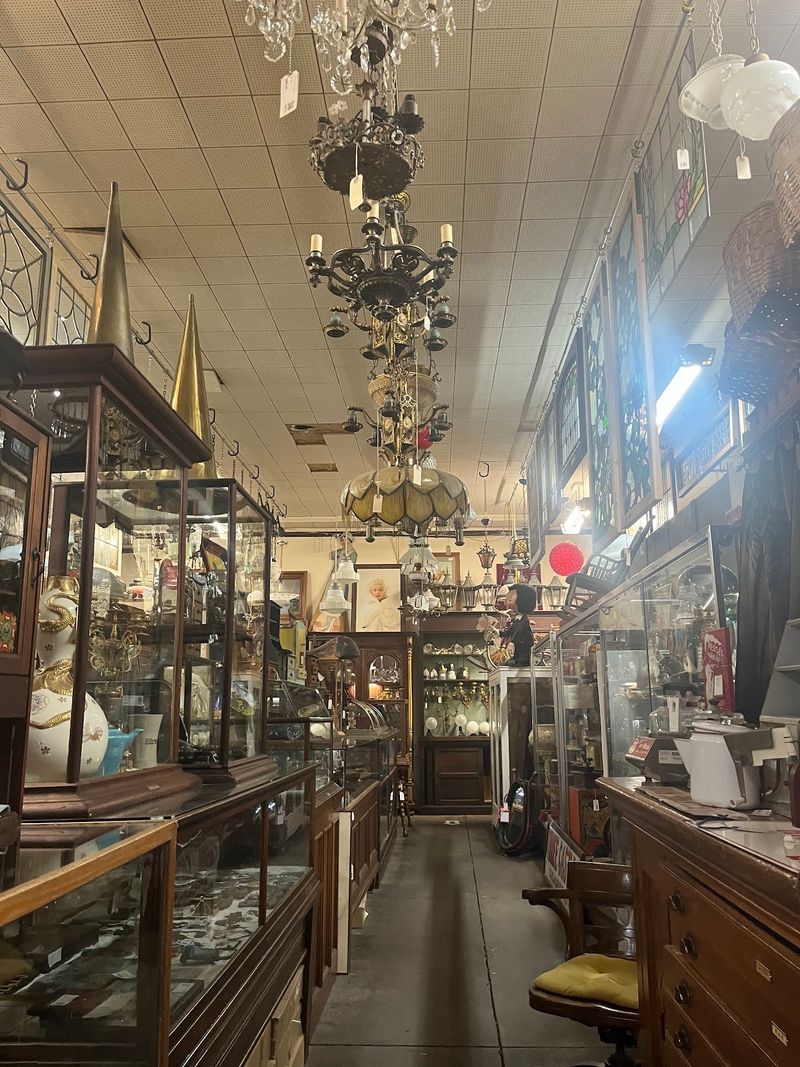
Sunlight hitting a row of old stained glass panels is the sort of thing that stops conversation.
Deep reds, ambers, greens, and cool blues throw patterns across the floor, and suddenly everyone in the aisle is quiet.
The stained glass collection here gets mentioned constantly, and for good reason. Transoms, sidelights, and full window panels come from churches, storefronts, and old Kansas homes that were taken apart rather than left to crumble.
Each panel carries small imperfections, tiny bubbles in the glass or slightly uneven lead lines, which is exactly what tells you it was made by hand a long time ago.
Handle these carefully. Old leaded glass flexes more than you expect, and it should always be carried upright rather than flat.
If you buy one, ask about proper hanging support before you leave. A well-mounted panel in a bathroom window or above a doorway looks incredible and costs far less than commissioning something new.
Hardware Bins Worth Digging Through
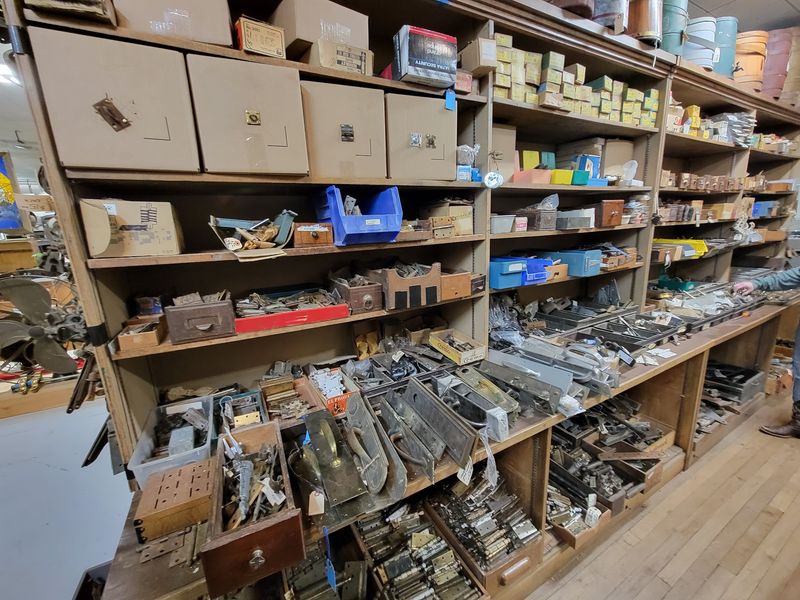
Small things matter in an old house, and nothing proves it faster than swapping a plastic knob for a heavy cast one.
The hardware section here rewards patient hands.
Bins and shelves hold porcelain knobs, brass sets, ornate hinges with pressed floral patterns, latches, escutcheon plates, and bin pulls in more finishes than you can name. I lost a solid half hour sorting through a single tray.
Old door knobs come up again and again when people describe what they found. They are affordable compared to the big pieces, and they instantly change how a room feels.
Here is a practical tip: bring one of your existing spindles or a sample knob from home. Old hardware sizes vary wildly, and matching in person beats guessing.
Pick up a few extras while you are at it. Spare hinges have a way of becoming useful about six months after you wish you had bought them.
Art Deco Pieces With Serious Presence
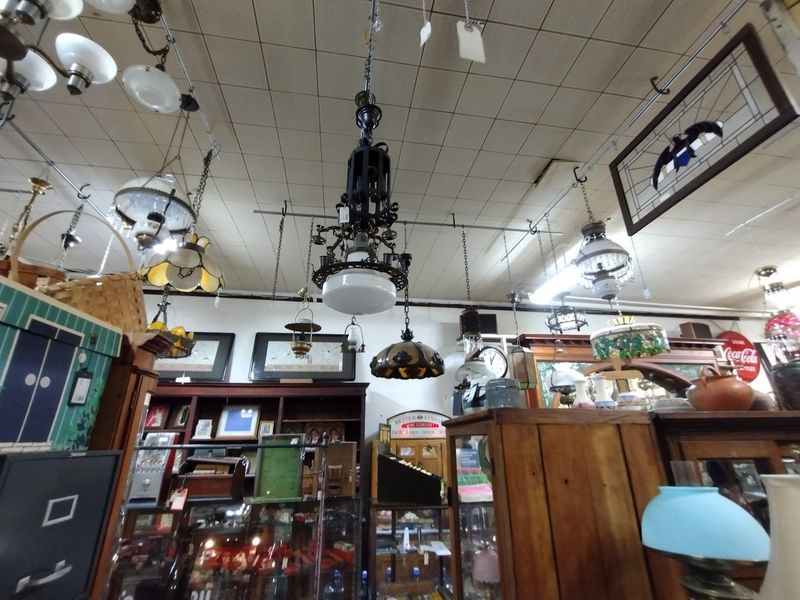
Geometry, chrome, and confidence. That is Art Deco in three words, and this store keeps a genuine stash of it.
Bar fronts with stepped wooden panels, geometric light fixtures, mirrored details, and floor torches from the 1920s and 1930s show up in the mix. Some of it came out of buildings that no longer stand, which makes each piece a small piece of preserved design history.
Deco items tend to sit at the higher end of the price range, and honestly, that tracks. Original fixtures from that era are getting harder to find anywhere in the country.
What I like is how a single Deco piece changes a plain room. One fixture over a dining table does more work than a whole set of new furniture.
Take measurements of your ceiling height before falling in love with a hanging fixture. Deco lighting often drops lower than modern designs expect.
Mantels, Columns, And Big Statement Salvage
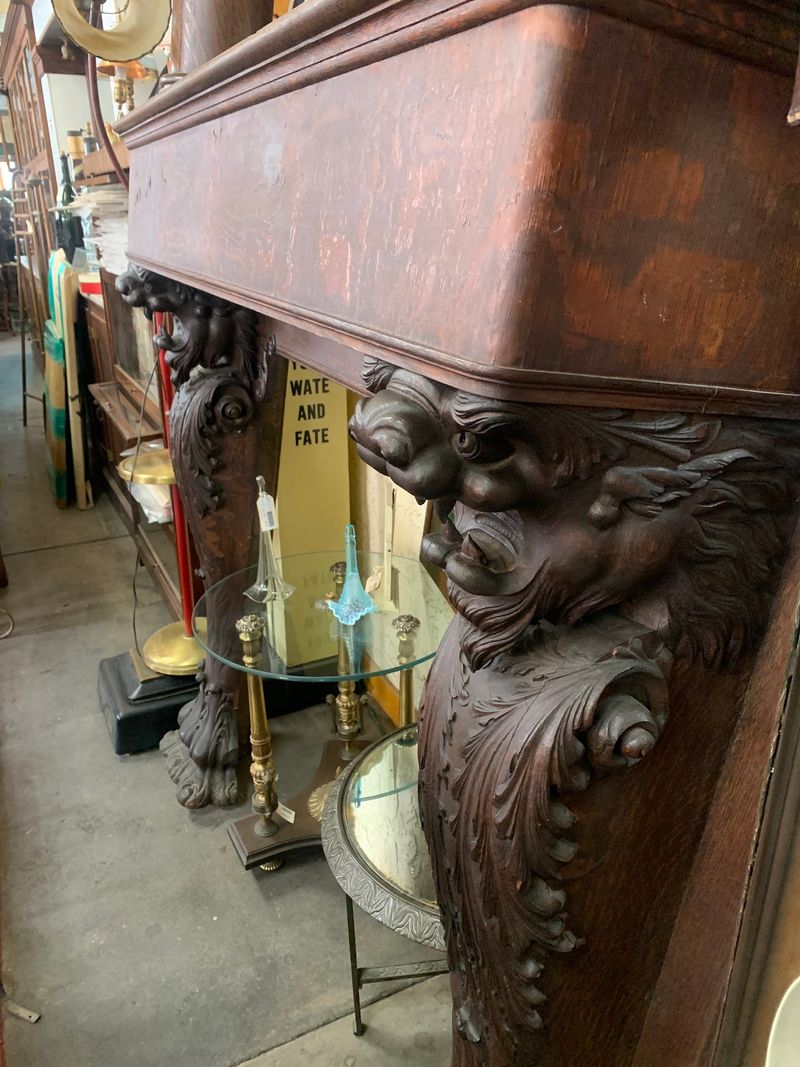
Some items here need two people and a truck. Fireplace mantels with carved corbels, tall porch columns, newel posts, and heavy corbels fill the larger bays.
Standing next to a mantel that once anchored a family room in a 1900s Kansas house feels different from browsing new furniture.
The wear on the wood is real, and the carving was done by someone who did it for a living.
These pieces work beautifully in remodels. A salvaged mantel can be mounted around a modern insert, and columns often get repurposed as porch supports, pedestals, or room dividers.
Plan your transportation before you commit. Measure your vehicle, bring moving blankets, and consider whether a friend with a pickup owes you a favor.
Also check the back side of any large piece. Old mantels sometimes have modifications from previous installations that affect how they mount in your space.
Oddities You Did Not Know Existed
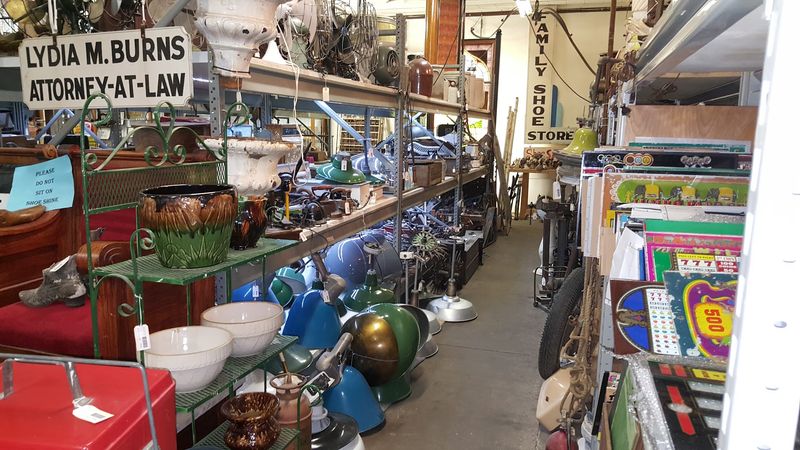
An old shoe-fitting X-ray machine from the 1930s. That is a real thing sitting in this building, and it stopped me cold.
Alongside the expected building materials, the inventory wanders into wonderfully strange territory. Vintage medical equipment, old phonographs, lead figurines, claw feet from cast iron tubs, barn spires, ceramic gadgets, and display cases all turn up.
I found an aisle where nothing matched anything else, and that turned out to be my favorite stretch of the whole visit. You cannot predict what appears, which is exactly the appeal.
Collectors and set designers love this section. So do people who just want one conversation piece for a shelf.
My suggestion is to walk the odd corners first, before decision fatigue sets in. The unusual items sell to whoever spots them first, and there is rarely a second one waiting in the back.
Prices Sit High, But There Is Room To Talk
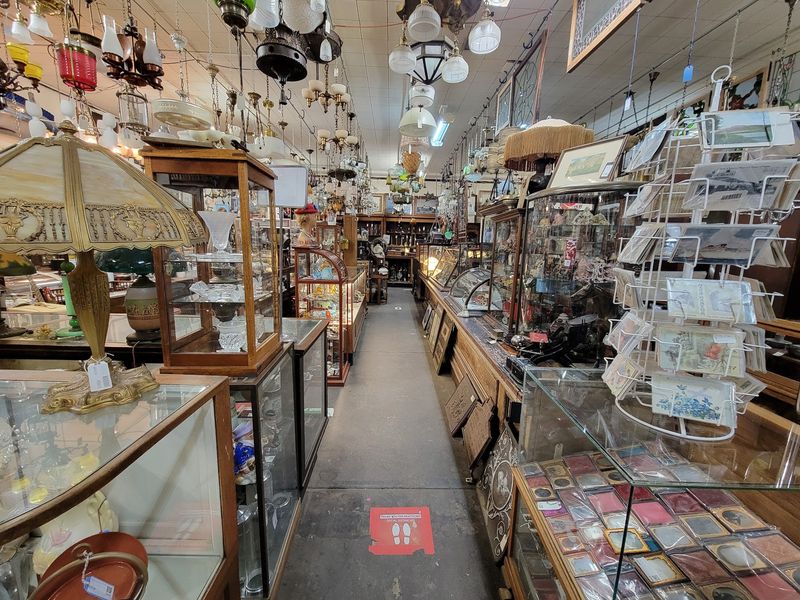
Let me be straight with you: this is not a bargain bin operation across the board.
Plenty of items carry serious price tags, especially the rare lighting and stained glass.
That said, the pricing reflects what these things actually are. Original hand-carved and hand-blown pieces from a hundred years ago are not being manufactured anymore, and replacement is often impossible.
Reasonable offers get a fair hearing, particularly if you are buying several items at once. Being polite and realistic goes much further than lowballing.
Cash tends to smooth conversations along nicely. Bring some if you plan to negotiate.
There are also genuine finds at low prices scattered throughout, especially in hardware, trim, and smaller salvage. I have seen people walk out thrilled with something under fifty dollars.
Set a budget before you arrive, then add a small cushion. Something will surprise you, and you will want the room.
Staff Who Actually Know The Inventory
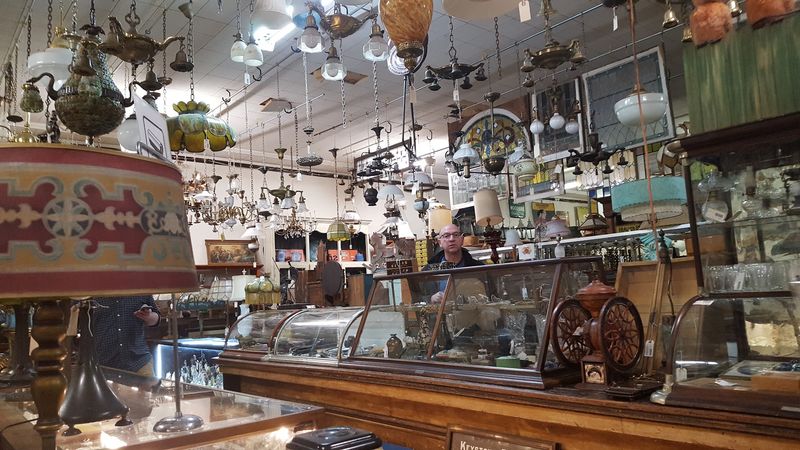
Asking a question here gets you an answer, not a shrug.
The people working the floor know where things are and what era they came from.
When I described an unusual measurement I was trying to fill, the response was immediate and specific, including a suggestion about where else in the building to look. That kind of knowledge saves enormous amounts of wandering.
Because inventory shifts constantly, staff often know about pieces that arrived recently and have not been fully displayed yet. It never hurts to describe what you need.
Service comes up repeatedly in how people talk about Old Town Architectural Salvage, and the helpfulness feels genuine rather than rehearsed.
Come with your project details written down. Room dimensions, opening sizes, existing wood species, and photos all help someone point you in the right direction quickly.
A friendly question can turn a frustrating hunt into a five-minute success.
Planning Your Visit To Douglas Avenue
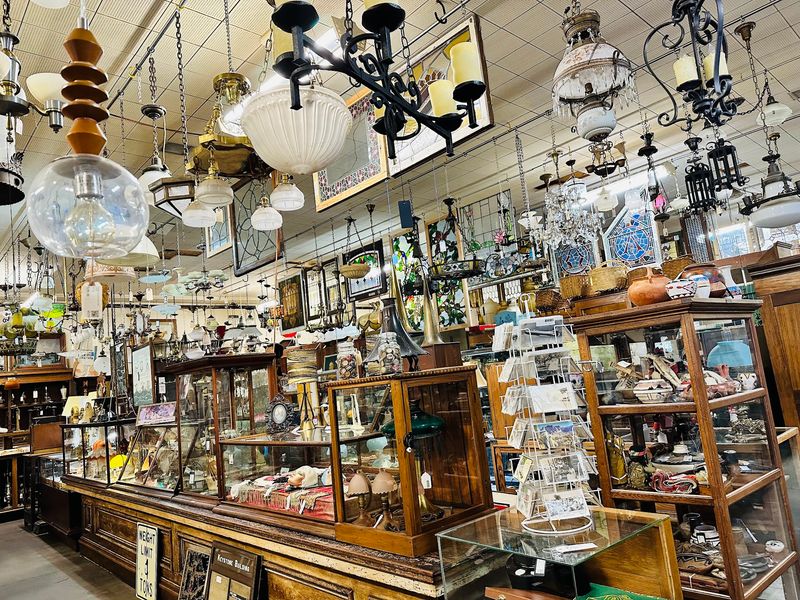
Timing matters more than you might think. Doors open Tuesday through Saturday from 9 AM to 4 PM, and the shop stays closed Sunday and Monday.
That seven-hour window disappears fast once you start browsing, so arriving early in the day gives you the best shot at seeing everything without watching the clock.
The location sits on East Douglas Avenue in Wichita, which puts you within easy reach of other stops in the area once you have finished digging.
One honest heads up: some aisles get narrow and crowded, and the layout is not friendly to wheelchairs or strollers. Plan accordingly if mobility is a concern.
Dress in clothes you do not mind getting dusty. Old buildings and old materials come with a certain amount of grit, and that is part of the deal.
Kansas has no shortage of antique shops, but few reward a slow, careful walk quite like this one.