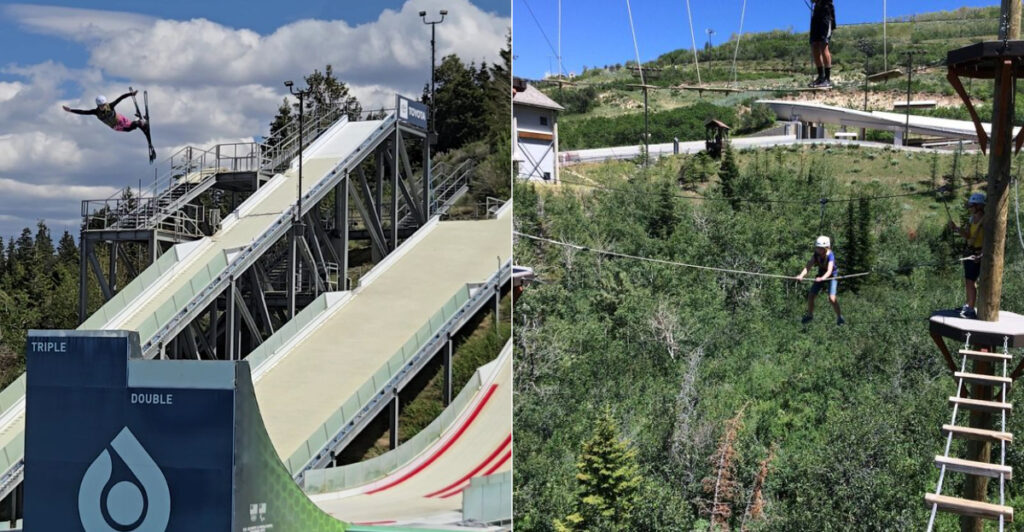
Olympic history feels different when you can hear the track, see the training grounds, and imagine the speed for yourself. This mountain complex keeps the spirit of the 2002 Winter Games alive without turning it into a museum-only experience.
Visitors can explore exhibits, watch athletes train, and, during certain seasons, climb into a bobsled for a ride that gets serious very quickly. That mix of history and adrenaline gives the stop its personality.
In the mountains of Utah, the Olympic story still feels active rather than frozen in time. You are not just reading about what happened here, you are standing where elite competitors once chased fractions of a second.
Even if you skip the fastest activities, the setting and venues make the visit feel bigger than an ordinary sightseeing stop. For a day out with more energy, Utah delivers a rare chance to experience Olympic legacy up close today.
A Park City Stop Where The Plan Suddenly Gets Easier
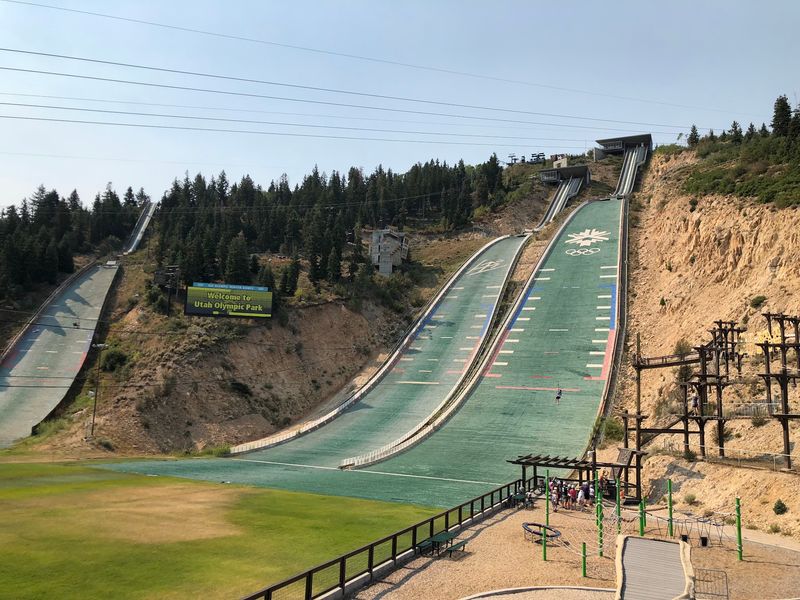
Some outings need six group texts, three backup plans, and one person bravely pretending to understand everyone else’s schedule. Utah Olympic Park makes the choice simpler because its identity is clear before you even park: Olympic venues, mountain activities, and museums in one place.
The official address is 3419 Olympic Parkway, Park City, UT 84098, and the setting fits the story. Built for the 2002 Olympic Winter Games, the park still has the bobsled track, ski jumps, and training areas that give it more purpose than a regular sightseeing stop.
That matters for families, couples, solo travelers, and weekend planners because nobody has to invent the reason for going. One person can care about sports history, another can care about the view, and someone else can quietly calculate whether the bobsled is bold or deeply unnecessary.
Both reactions are valid.
In Utah, where mountain drives can turn an afternoon into a real outing, Utah Olympic Park gives visitors a specific destination with a known address and a big story. It is practical, unusual, and much easier to explain than another vague plan to just wander around somewhere.
The Bobsled Track Is The Headline For A Reason
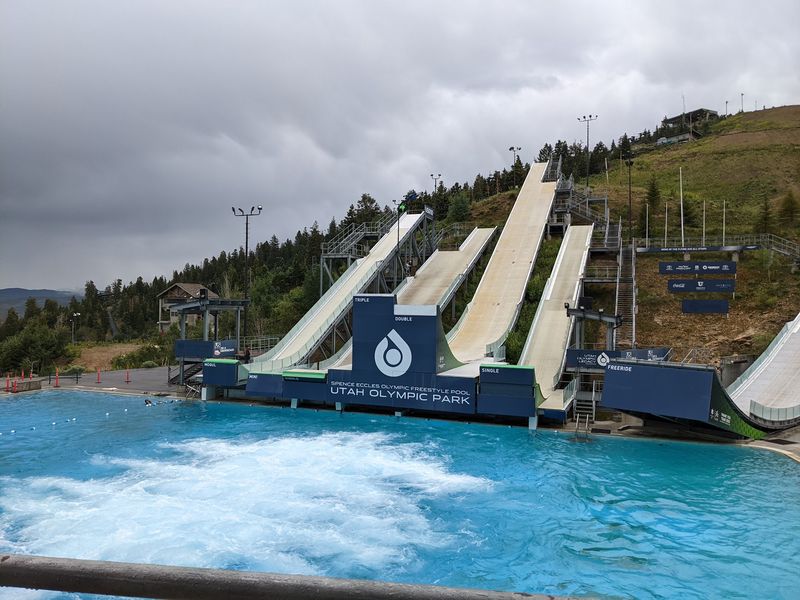
The bobsled ride is the detail that tends to make people stop scrolling. At Utah Olympic Park, the public bobsled experience can reach up to 70 miles per hour in less than a minute, which is a tidy way of saying the ride does not waste anyone’s afternoon.
The track was built for the 2002 Olympic Winter Games, so this is not a theme park copy of an Olympic idea. It is part of the real competition and training complex that helped put Park City on the global winter sports map.
Availability depends on season, conditions, and the park’s current schedule, so travelers should check the official Utah Olympic Park site before promising the ride to a teenager who already owns the emotional victory. Some experiences require tickets, reservations, age limits, weight limits, or other safety rules.
The value is not only the speed. The ride connects ordinary visitors to a sport most people only see on television while sitting comfortably under a blanket.
In person, the track’s curves and grade make the engineering feel real. Utah Olympic Park turns that split second Olympic curiosity into a concrete Park City plan.
Ski Jumps Give The Mountain Its Strange Architecture
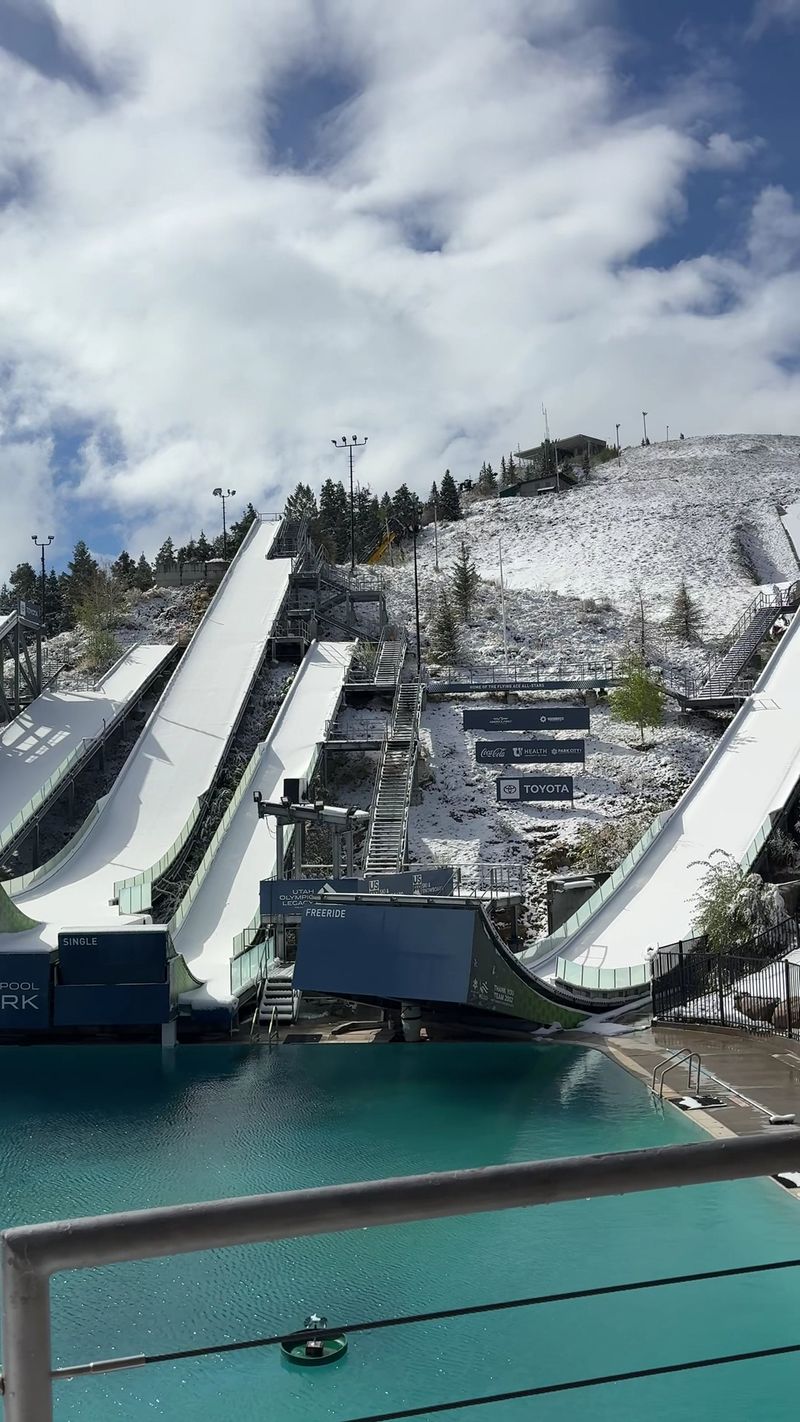
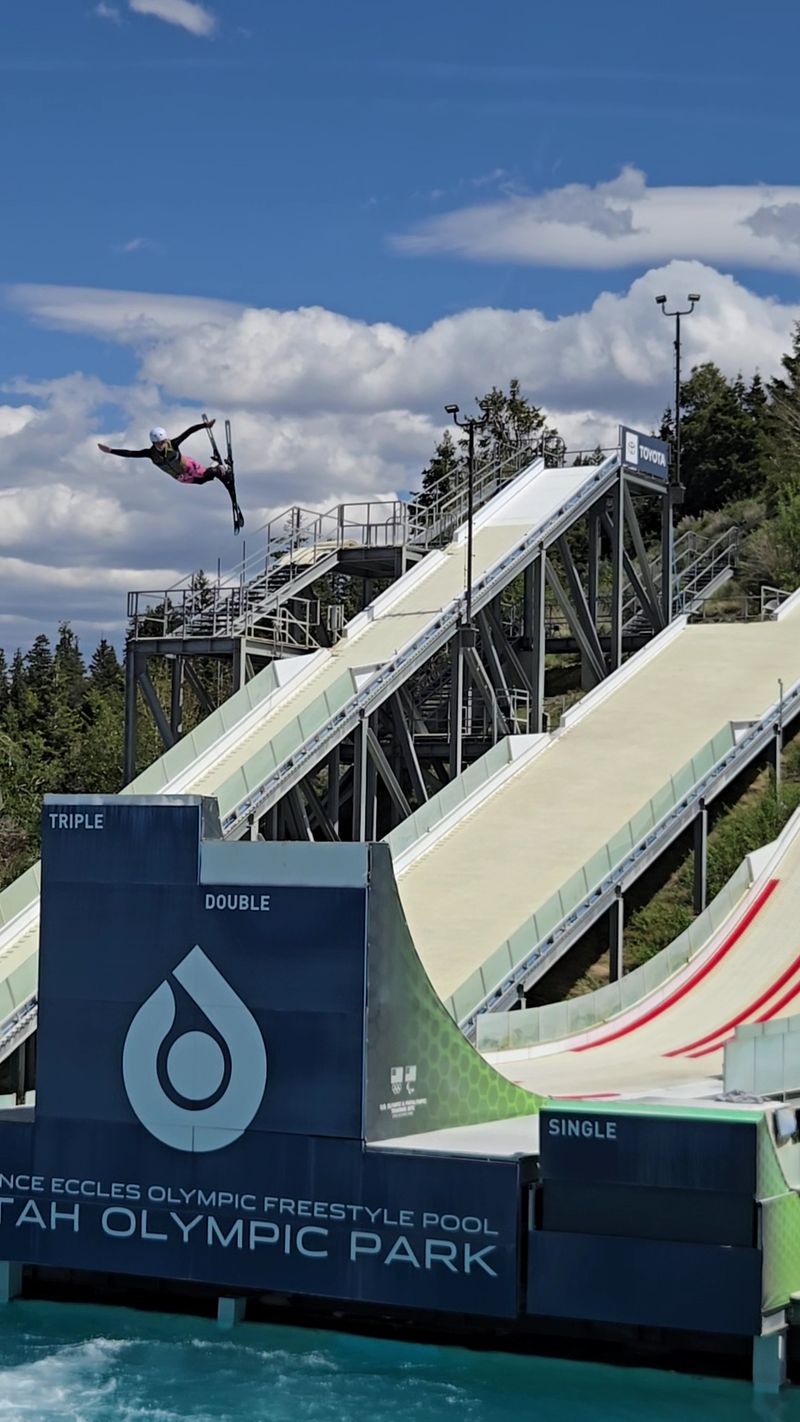
Most parks have benches, trees, and maybe a statue that looks more serious than anyone expected. Utah Olympic Park has ski jumps rising over the landscape like giant ramps designed by someone who trusted gravity a little too much.
Those jumps are part of the park’s verified Olympic legacy. The venue was used during the 2002 Olympic Winter Games and continues to serve as a training and competition site through the Utah Olympic Legacy organization.
That ongoing role keeps the place from feeling like a frozen postcard from the past.
For visitors, the jumps also help with orientation. They are visible, unmistakable features that explain the park’s scale without needing a lecture.
You can understand quickly that this is a sports complex built for serious winter events, not just a museum with a nice logo.
The setting in Park City adds another layer because the venues sit within Utah mountain country, where winter sports are not a decorative theme. They are part of the regional identity.
Utah Olympic Park uses that landscape in a practical way, with slopes, tracks, and training areas shaped around real athletic use rather than simple scenery.
Museums Add Context Before The Fast Stuff Starts
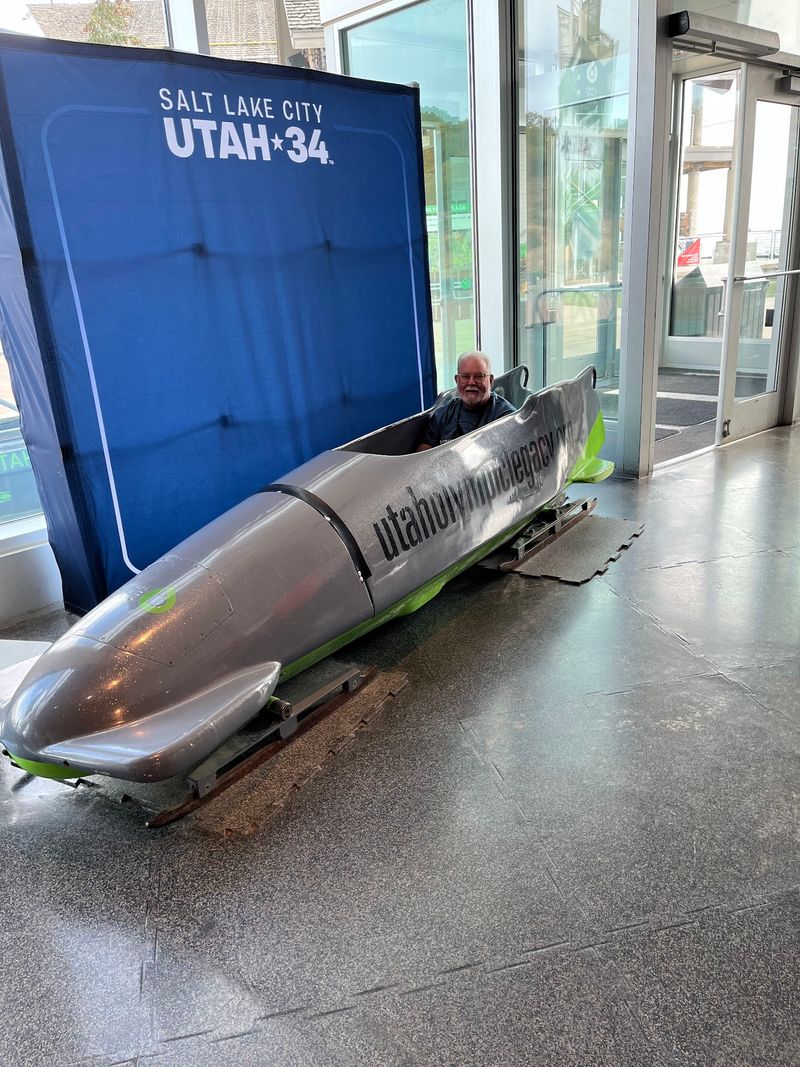
A smart stop does not make every visitor choose between learning and doing. Utah Olympic Park includes museum spaces that explain why the venues exist, which is helpful if your personal bobsled knowledge begins and ends with television commentators speaking very quickly.
The park is home to exhibits connected with the 2002 Olympic Winter Games and Utah ski history, including the Alf Engen Ski Museum and the Eccles Salt Lake 2002 Olympic Winter Games Museum. These spaces give context to the track, jumps, athletes, and regional sports culture.
Good To Know: Museum admission has been promoted by the official park as free, but tickets and fees apply to many activities, so check the current details before building the day’s budget.
The museums are useful for mixed groups. A visitor who wants a calmer hour can spend time with displays, while another person studies the activity list with the focus of someone choosing a college major.
Families get an educational piece without turning the trip into homework.
That balance is part of why Utah Olympic Park stays interesting beyond one photo stop. The exhibits explain the Utah story behind the venue, then the outdoor features show how that story still has a job to do.
Summer Activities Keep The Olympic Venue From Hibernating
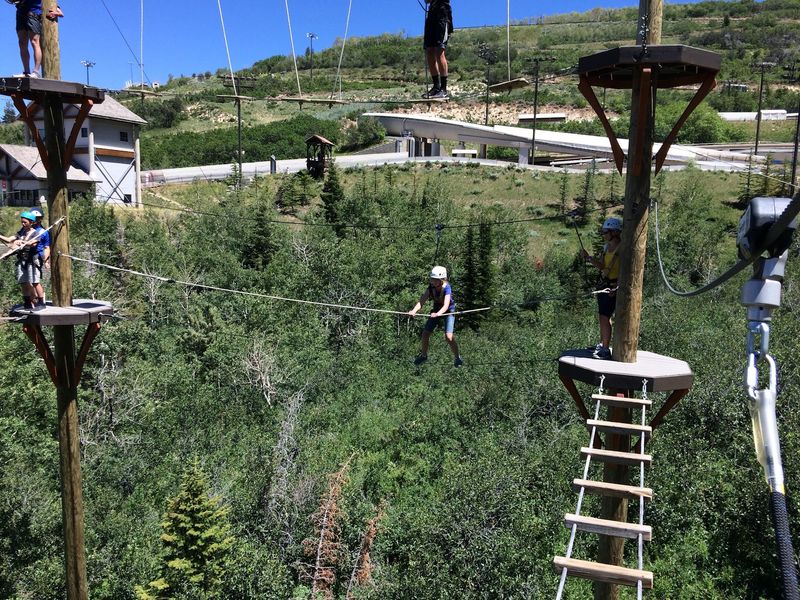
Olympic sites can sometimes feel like they are waiting for winter to return with the keys. Utah Olympic Park avoids that sleepy problem by offering seasonal warm weather activities, which may include zip lines, ropes courses, alpine slide experiences, tubing, and the summer bobsled, depending on the current schedule.
The important phrase is current schedule. Activities change by season, weather, maintenance, and operating needs, so the official website should be the final word before anyone packs the car with heroic confidence.
For families, the practical appeal is choice. Not every child, parent, or grandparent needs the same level of speed, and posted restrictions help sort out what is realistic.
Couples can build a visit around one big activity and still leave time for the museums. Solo visitors can focus on history, training venues, or a ticketed adventure without negotiating with a committee.
Weekend travelers in Utah often want a plan that feels specific but not exhausting. Utah Olympic Park fits that middle ground well.
It has enough structure to justify the drive to Park City, yet visitors can scale the day up or down. That is useful because vacation energy is real, but so is the need for snacks and sensible shoes.
A Simple Saturday Detour With One Very Specific Address
A good mini outing should not require a binder. Start with 3419 Olympic Parkway, Park City, UT 84098, then let Utah Olympic Park do the heavy lifting with one recognizable destination, clear activity options, and an official schedule that tells you what is running.
As a simple Saturday detour, it works best when visitors decide their pace before buying tickets. Some people may only want the museums and a look at the Olympic venues.
Others may want to book a timed activity, take a guided tour if available, or aim for the bobsled experience when it is operating.
The park generally lists daily hours and seasonal offerings online, but mountain venues are not vending machines. Weather, training, events, and maintenance can affect what is open.
Checking the official Utah Olympic Park website shortly before leaving is the adult version of wearing a jacket because someone sensible suggested it.
Park City also attracts travelers with very different agendas, from sports fans to road trippers passing through northern Utah. Having one address and one main subject keeps the day from becoming a scavenger hunt.
Utah Olympic Park gives the outing a center: Olympic history, active venues, and enough speed based temptation to make the car ride home livelier.
Why The Speed Still Matters After The Ride Ends
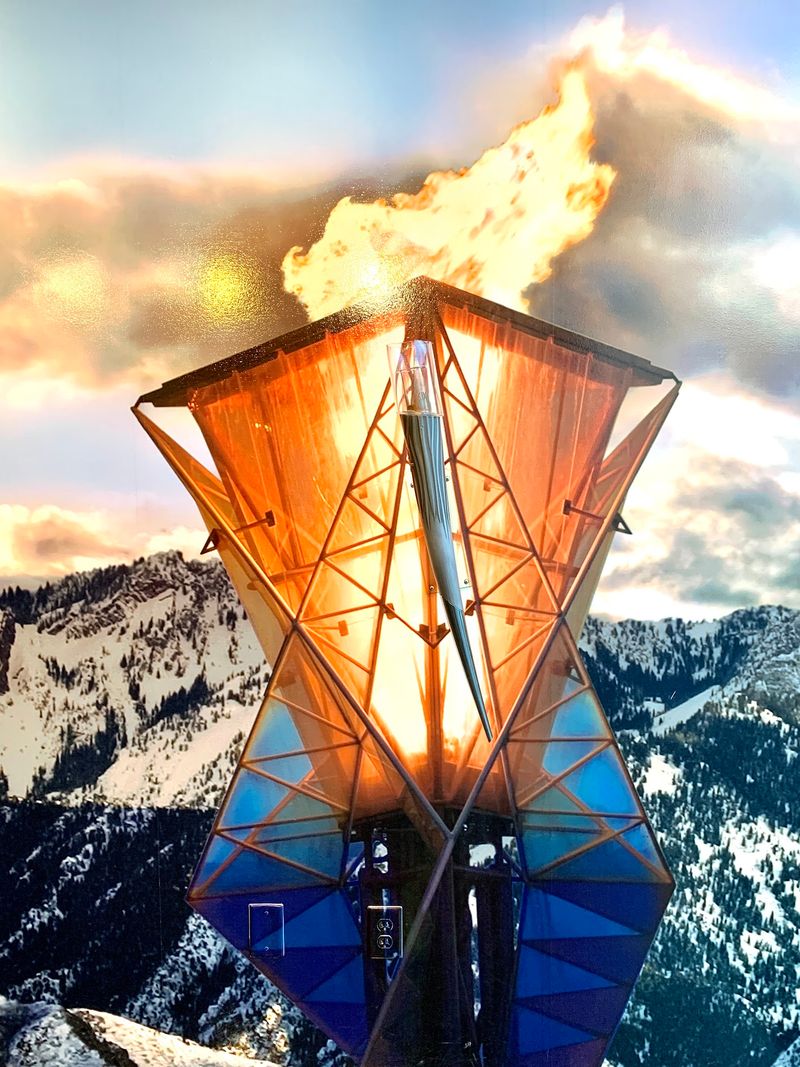
The 70 mile per hour detail is flashy, but the lasting appeal is more grounded. Utah Olympic Park lets ordinary visitors stand near infrastructure built for Olympic competition and understand, in a practical way, how serious winter sports are shaped by design, training, and terrain.
That makes the park different from a general recreation stop. Its museums connect the story to the 2002 Olympic Winter Games.
Its jumps and track show the physical scale of sports many people usually watch from a couch. Its seasonal activities turn that history into a present day visit rather than a framed memory.
For Utah, the park also serves as a clear reminder that Olympic legacy can be active instead of decorative. Venues need maintenance, programming, training, and public interest to remain meaningful.
Utah Olympic Park has continued operating as part of that larger legacy in Park City.
The best reason to go is not bragging rights, though the bobsled story will probably survive longer than most vacation anecdotes. It is the rare chance to combine a museum visit, a mountain setting, and a track built for elite speed in one understandable stop.
Text a friend: the Olympic bobsled in Park City is real, fast, and oddly practical as a day plan.