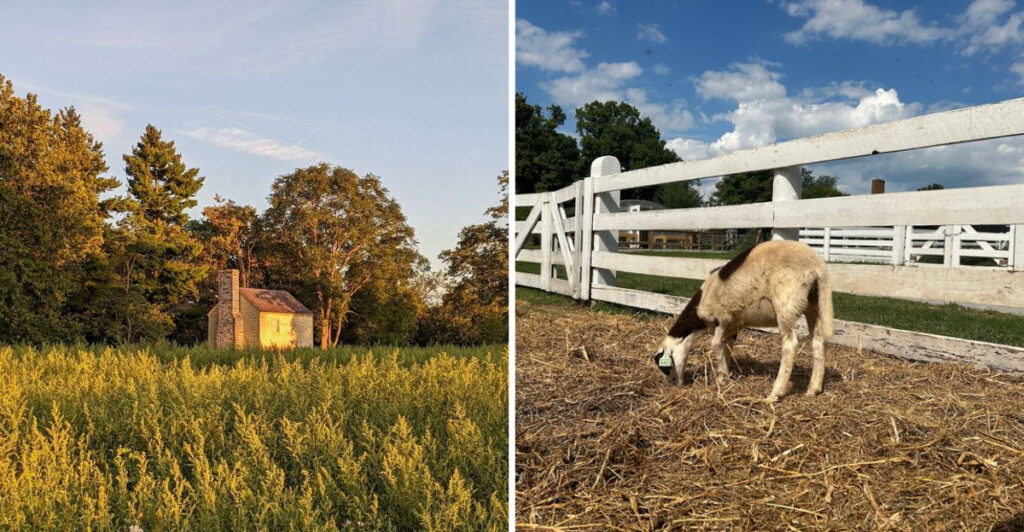
Fall gets a little sweeter when sorghum joins the plan.
This Kentucky festival brings harvest season into a historic setting, where old traditions still have a place alongside the autumn fun.
Sorghum processing is part of the experience, giving you a closer look at a practice tied to the community that shaped this land generations ago. The rest of the day stays relaxed, with plenty of reasons to wander without packing the schedule too tightly.
If you enjoy fall outings that come with a bit of history, this one gives you more than pumpkins and pretty scenery.
I’d come for the harvest atmosphere and stay curious about how the sorghum gets made.
Harvest Season Has Deep Roots At Pleasant Hill
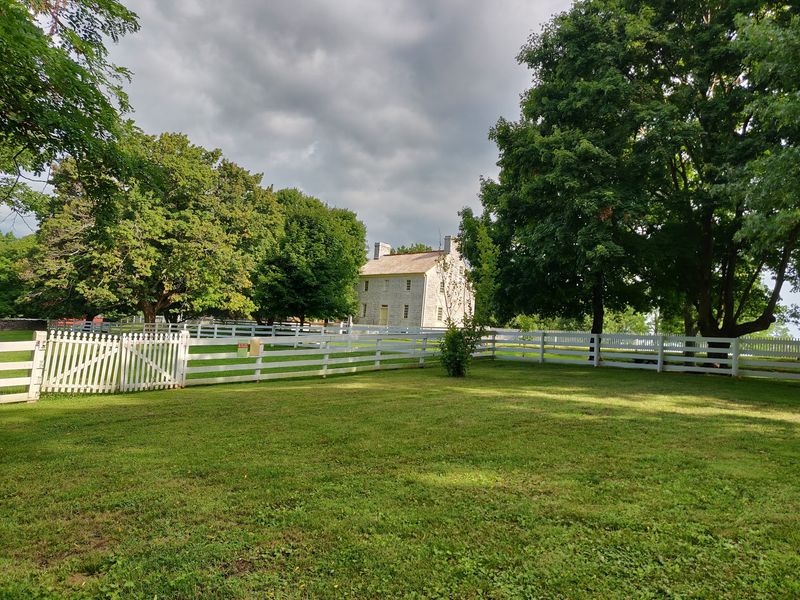
Long before pumpkin painting and hayrides, Pleasant Hill was home to a Shaker community that began taking shape in the early 1800s. Missionaries arrived in Kentucky in 1805, and the community moved to the hilltop known as Pleasant Hill a few years later.
Farming and skilled craftsmanship became central parts of daily life. At its busiest, the community counted nearly 500 residents, with the population peaking at 491 in 1823.
Over its 105-year history, Pleasant Hill included more than 260 structures. Today, 34 original Shaker buildings remain, many arranged along the mile-long gravel turnpike that still runs through the historic center.
That surviving landscape gives Harvest Fest a setting with real agricultural history behind it. The festival brings crop demonstrations, handmade goods, farm activities, and seasonal food back into a place where farming once supported an entire communal society.
A private nonprofit educational corporation formed in 1961 to preserve and restore the property. That work helped protect the buildings and landscape you can explore today.
More than two centuries after the Shakers established Pleasant Hill, harvest season still brings attention back to the land that supported the community.
Sorghum Returns To The Spotlight Every Fall
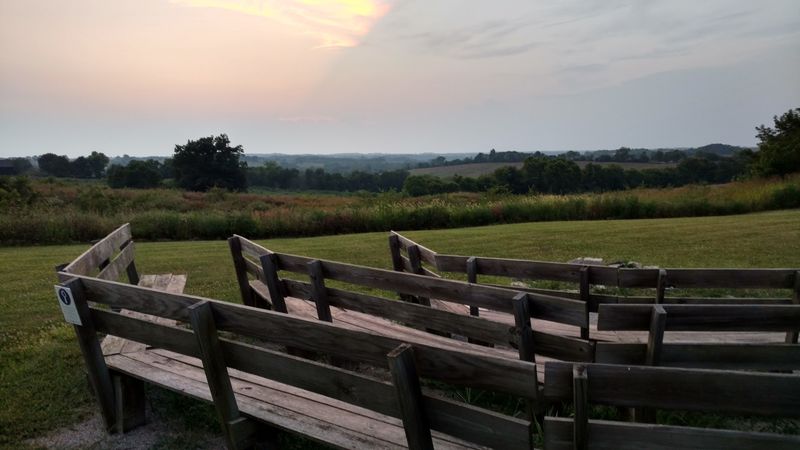
Sweet and deeply tied to Kentucky food traditions, sorghum takes a central role during Harvest Fest. The 2026 event includes sorghum processing as one of its featured agricultural demonstrations.
You can watch the process, learn about the crop’s history at Pleasant Hill, and taste the finished product afterward. That turns sorghum from something you might only see in a bottle into a crop with a visible story behind it.
The demonstration also connects directly to the site’s documented agricultural past. Sorghum production formed part of Pleasant Hill’s broader farm economy, alongside the many crops and products needed to support the Shaker community.
Harvest Fest gives that history a practical form. Rather than only reading about what grew here, you can see part of the process happening on the same property where agriculture once shaped everyday life.
The 2026 festival runs September 26 and 27 from 10 a.m. to 4 p.m. both days, giving you a full afternoon to fit the demonstration in alongside the rest of the event.
A taste at the end makes the history easy to remember. It also gives you a reason to slow down and watch the full demonstration instead of treating sorghum as just another fall flavor.
The process puts a familiar Kentucky ingredient into context, showing how much work stands between a field crop and the syrup that reaches the table.
An Old Kentucky Crop Connects The Festival To The Past
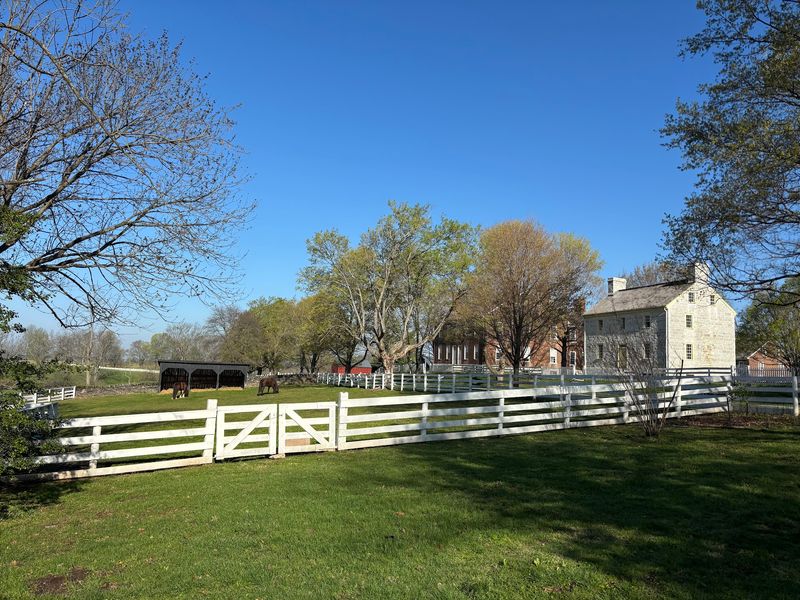
Sorghum is more than a seasonal flavor at Pleasant Hill. Historical research at Shaker Village ties its production directly to the community’s agricultural work.
The Shakers managed a broad farming operation designed to support hundreds of residents while also producing goods for trade. Crops, livestock, orchards, gardens, and skilled processing all played roles in keeping the community functioning.
During Harvest Fest, the sorghum demonstration brings one part of that larger story into focus. You can learn how the crop fits into Pleasant Hill’s history while standing on land that remains part of the same historic property.
That setting matters because the festival does not separate the demonstration from the place it interprets. The crop story, historic buildings, farm, and surrounding acreage all belong to the same site.
The result is a more direct way to understand why agriculture mattered here. You see the historic village around you, watch a crop being processed, and connect the two without needing a long classroom explanation.
Sorghum may be the sweetest part of the lesson, but it points back to a much larger agricultural system that once sustained Pleasant Hill.
The Harvest Celebration Spreads Across The Historic Village
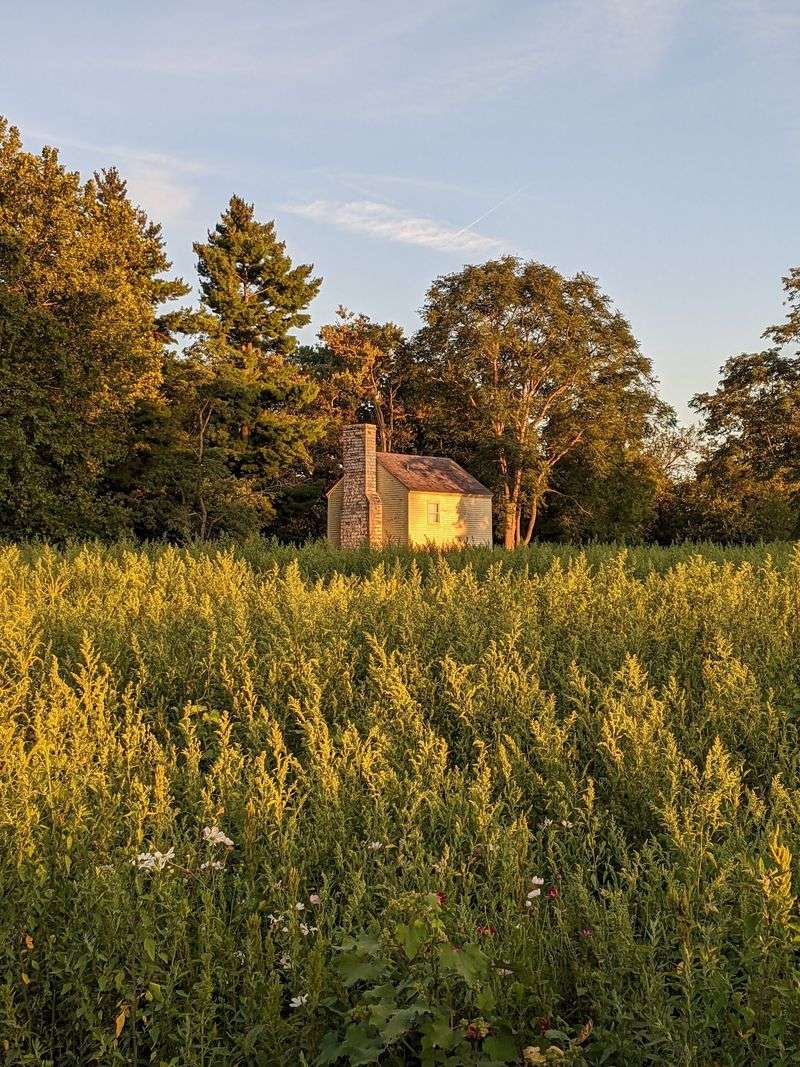
Picture the historic village filled with seasonal activity, and you have a good sense of Harvest Fest. The celebration spreads across the grounds rather than staying confined to one tent or stage.
Apple pressing is part of the 2026 program, along with tastings that let you sample the results. Hayrides add another way to move through the property while taking in more of the fall setting.
Pumpkin painting gives younger visitors something hands-on, while craft demonstrations bring traditional skills into the weekend. Festival games, a hay caterpillar, archery, and axe throwing add still more options to the schedule.
You can move between agricultural demonstrations, family activities, and historic interpretation at your own pace. That variety makes it easy to build a day around the parts that interest you most.
General admission also includes historic tours and exhibits, so Harvest Fest does not replace the regular Pleasant Hill experience. It adds another layer to it.
You will find the event at 3501 Lexington Rd, Harrodsburg, KY 40330, about 25 miles southwest of Lexington. One admission gives you access to both the seasonal celebration and the historic setting around it.
That makes it easy to pair a hayride or pumpkin activity with time inside the historic buildings rather than choosing between festival fun and the deeper Pleasant Hill story.
Handmade Goods Give The Weekend An Old-Fashioned Market Feel
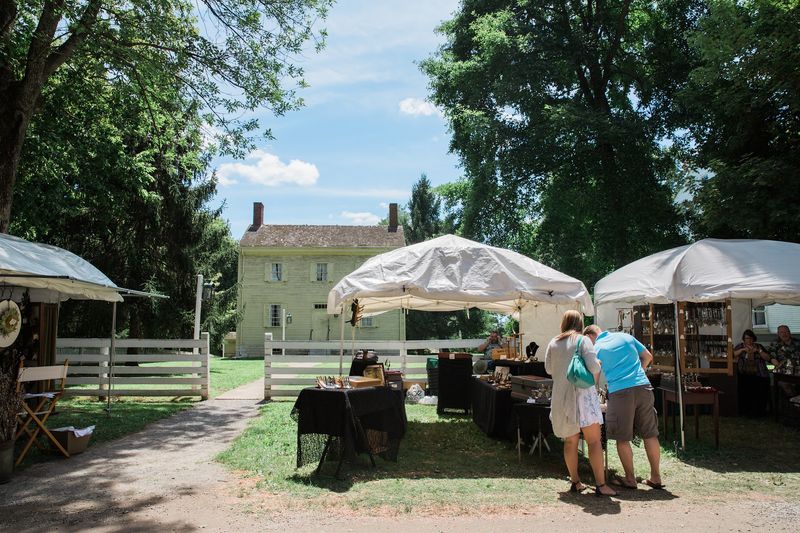
Handmade goods bring a market element to Harvest Fest without pulling the weekend away from its agricultural focus. The Harvest Market is part of the 2026 program and gives you time to browse items made by participating artisans and makers.
That fits naturally into a place where craftsmanship was once a major part of daily Shaker life. Furniture, textiles, tools, household goods, and other practical objects all played roles in the historic community.
The modern market is not a recreation of a nineteenth-century Shaker marketplace, but it does keep handmade work visible within the weekend.
You can browse between demonstrations or use the market as a slower break from the more active parts of the festival. Gifts, decorative pieces, and other handmade items give the day another kind of discovery beyond food and farm activities.
Because vendors and inventory can vary, the exact selection may change from one festival to the next. That makes browsing part of the experience rather than a checklist of guaranteed products.
Whether you leave with something for home or simply spend time looking, the market adds a hands-on shopping element to a weekend already centered on things grown, made, and demonstrated on site.
Farm Life Becomes Part Of The Fall Celebration
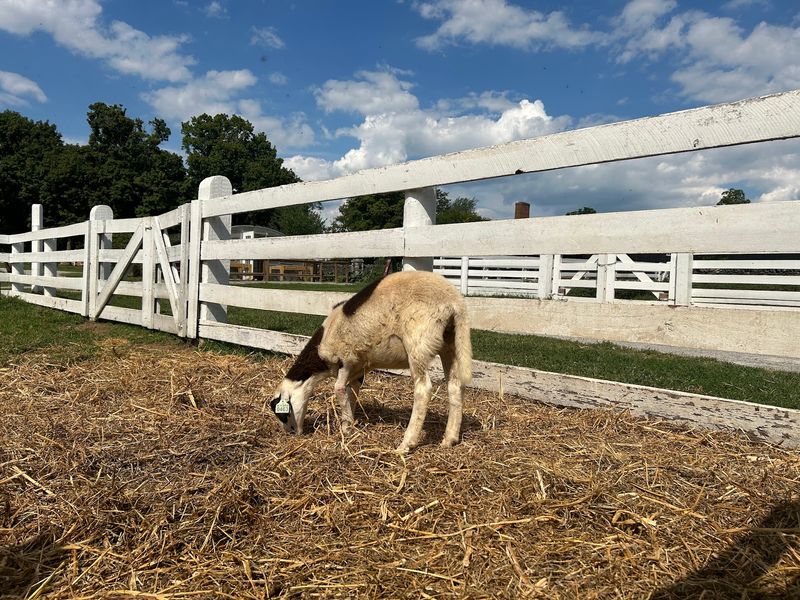
Farm life is woven directly into Harvest Fest. The current program invites visitors to meet Farm animals and explore activities connected to the working agricultural side of Shaker Village.
That connection is especially fitting on a property that still includes active farmland as part of its larger mission. Shaker Village encompasses roughly 3,000 acres, including The Historic Centre, The Farm, and The Preserve.
Those acres include conserved farmland, native prairie, forests, wetlands, and historic resources, giving the festival far more space than a typical fairground setting.
During Harvest Fest, farm-made concoctions and agricultural demonstrations keep the working-land side of Pleasant Hill visible alongside the historic buildings.
You can move from the village to farm-focused activities without leaving the property, which makes the day feel connected rather than divided into separate attractions.
Comfortable shoes are a good idea because there is plenty of ground to cover. A water bottle and a light layer can also make the changing September weather easier to handle while you move between indoor and outdoor stops.
The farm component gives you another way to understand Pleasant Hill as more than a collection of preserved buildings. Agriculture is still part of how the property is interpreted and used.
That balance between preservation and working land gives the festival a setting where harvest activities make sense rather than feeling added on for a single weekend.
September Brings A Centuries-Old Agricultural Story Back To Life
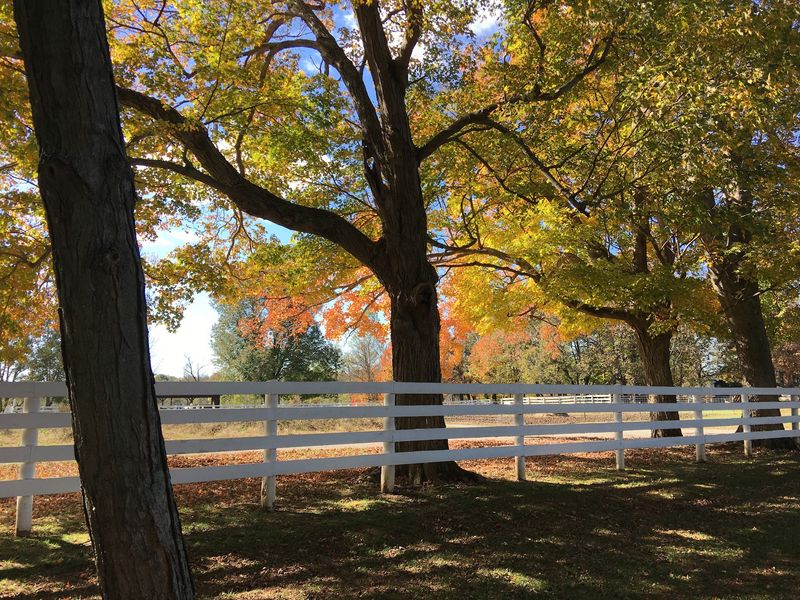
By late September, Pleasant Hill is ready to tell its agricultural story through another Harvest Fest weekend. The 2026 celebration runs September 26 and 27 from 10 a.m. to 4 p.m.
Across the two days, you can watch sorghum processing, see apples pressed for cider, browse handmade goods, meet Farm animals, take a hayride, paint pumpkins, try festival games, and step into historic tours and exhibits.
The mix works because the activities share the same setting. Historic buildings, farmland, craft demonstrations, food traditions, and outdoor activities all connect back to a property shaped by more than two centuries of use.
Set across roughly 3,000 acres, Shaker Village gives you room to turn the festival into a full day rather than a quick seasonal stop.
The historic center alone includes 34 original Shaker structures, while The Farm and The Preserve extend the experience well beyond the village core.
If you want a Kentucky fall outing where the harvest theme comes with real history behind it, Harvest Fest gives you two September days to see, taste, and explore that story for yourself.