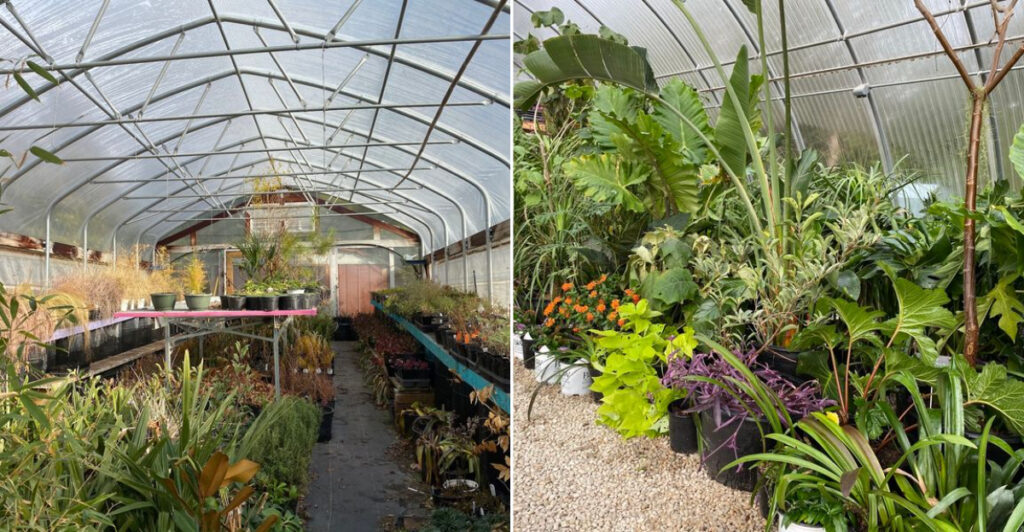
Plant shopping gets dangerously persuasive when the prices make every extra pot seem like a perfectly reasonable idea. This Kansas plant rescue has built its charm around exactly that kind of temptation.
Instead of feeling precious or overly polished, the place rewards people who enjoy digging around for something useful, affordable, or unexpectedly interesting.
A cheap plant can become a new favorite, and a forgotten planter can suddenly look like the start of a weekend project. That loose treasure-hunt feeling is what makes the stop fun.
You are not just shopping for greenery. You are seeing what deserves a second chance and what might fit into your own space without stretching the budget. My personal danger zone is the clearance corner.
I can ignore a dozen perfect plants, then spot one slightly scruffy survivor and immediately start rooting for it. Give me a bargain pot beside it, and now I am mentally redesigning a windowsill I had no intention of changing.
A Backyard Nursery Hiding In Plain Sight
Driving in, I kept checking the map, because nothing about the street suggested a working nursery.
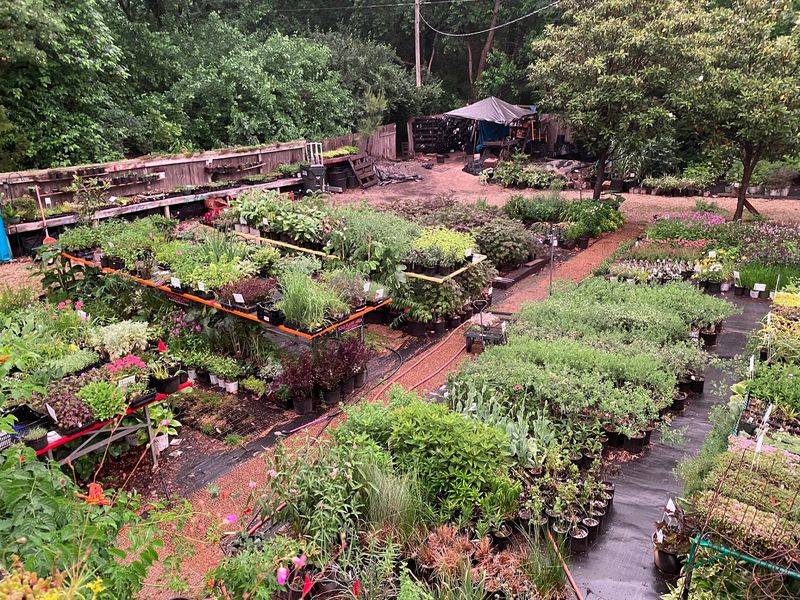
Then the pots appeared, hundreds of them, lined up in tidy rows across a residential lot in Lawrence, Kansas.
The address is 1210 Lakeview Ct, and it really is a neighborhood property rather than a commercial strip with a giant sign out front. That surprise is part of the charm, and it also explains why prices stay friendly.
There is no fancy showroom to pay for, no seasonal display of plastic flamingos, just plants grown and cared for on site.
Parking is simple, the walk from car to cactus takes seconds, and the whole place feels calm compared to a weekend rush at a chain store.
My advice is to trust the directions and keep going, even when the houses make you doubt yourself. Once you pass the gate, the scale of the collection makes it clear you found the right spot.
Saturday Mornings Are The Main Event
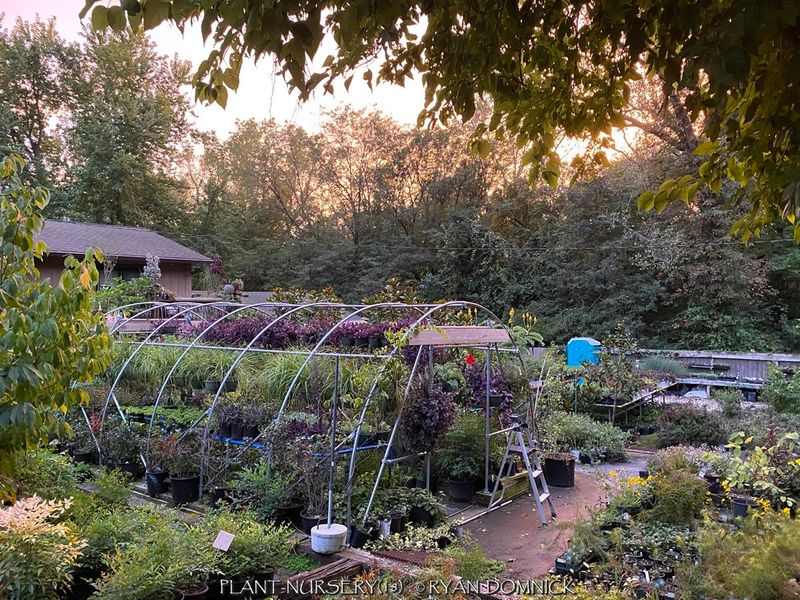
Timing matters more here than at most garden centers.
The gates open Saturday from 9 AM to 2 PM, and that five hour window is the only regular walk-in shopping time all week.
I showed up close to opening and had room to browse slowly, ask questions and change my mind twice about a fig tree.
By late morning the aisles filled with regulars who clearly knew exactly which section they wanted.
Because the week stays closed, the plants get watered, potted and organized without interruption, which shows in how healthy everything looks on Saturday. Nothing sits wilting under fluorescent lights for days.
Plan your trip like a farmers market run rather than a spur of the moment errand. Bring a tray or a box, wear shoes that can handle damp gravel, and give yourself an hour minimum.
Leave early if you want first pick of anything rare, since the best finds do not linger.
Appointment Shopping For A Slower Look
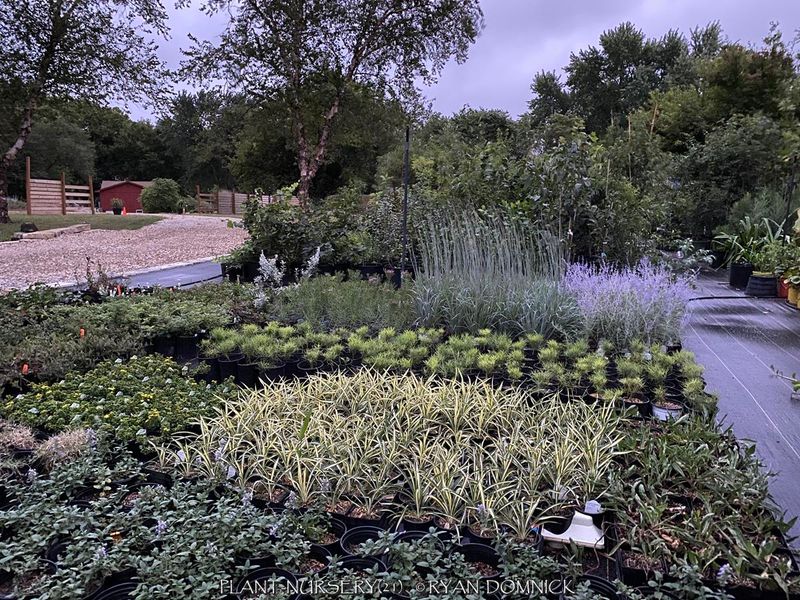
Not everyone can make an advertised public sale work, and that is where the appointment option earns its keep.
Scheduling a shopping visit gives you dedicated time to browse the nursery and ask plant-selection questions.
The nursery specifically advertises one-on-one help with plant choices during shopping appointments, so comparing similar shrubs or asking where something will grow best fits the service well.
Appointments can also help if you are planning a bigger project, like converting a lawn corner into a native bed or choosing several plants at once.
For more involved help, Kansas Plant Farm separately offers paid private educational garden tours and landscape-design consultations.
Anyone shopping for a hard to source plant should mention it ahead of time, since inventory shifts and some website items require an availability check before purchase.
Booking ahead is useful, but a regular shopping appointment should not be described as a private garden tour or full landscape consultation by default.
The Cactus Section Steals The Show
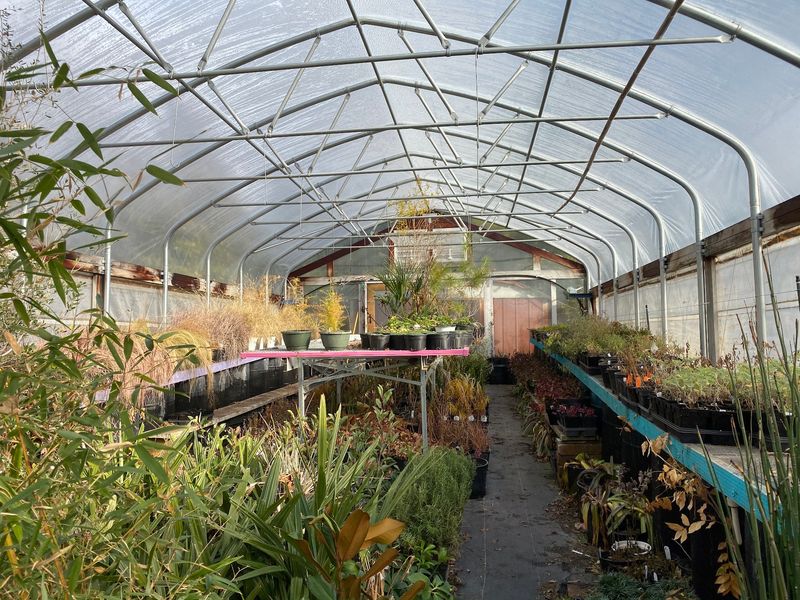
Spines everywhere, and I mean that in the best possible way.
The cactus area is one of the most talked about corners of the property, packed with shapes that look imported from somewhere far drier than eastern Kansas.
Barrel forms, prickly pear pads and small potted specimens sit together, and staff will tell you straight which ones can tough out a Kansas winter outdoors and which belong on a sunny windowsill.
I visited on a misty morning and the whole section looked polished, every spine holding tiny water droplets. It is a strangely lovely sight for a plant most people call unfriendly.
Practical tip: bring thick gloves or a folded towel for transport, and ask about potting mix before you leave. Cactus fail far more often from soggy soil than from cold.
Anyone building a low water collection should budget extra time here, because choosing just one is nearly impossible.
Native Prairie Plants Grown For Real Yards
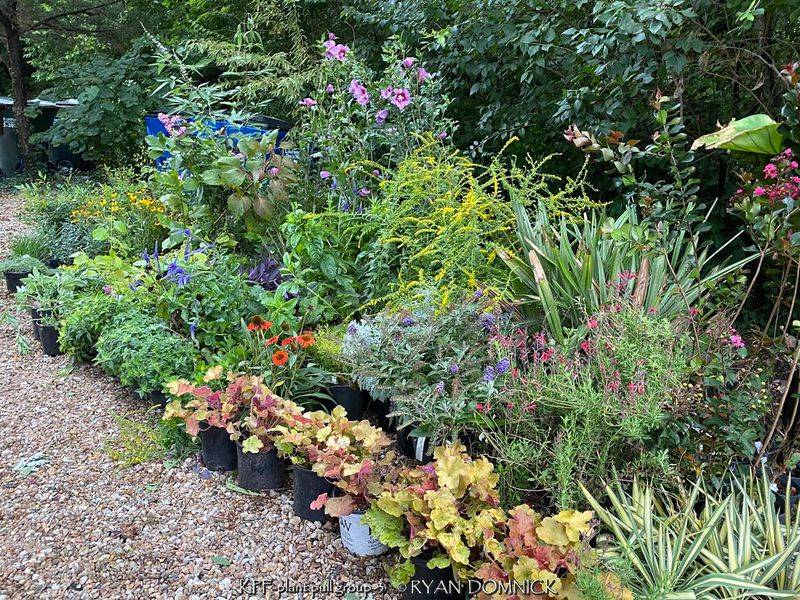
Anyone trying to swap thirsty turf for something wilder will find a whole section built for that goal.
Native plants are a specialty here, and the nursery carries perennials, shrubs, trees, grasses, and pollinator-friendly choices.
Different natives have different soil requirements, so it is not accurate to assume every plant here will thrive in heavy Kansas clay.
The nursery’s plant pages spell out drainage, moisture, light, and soil preferences by species.
That detail matters because some plants tolerate clay well while others need richer or faster-draining ground. Choosing by site conditions is more reliable than treating every native as interchangeable.
Starting small is smart. Pick several species with complementary bloom seasons, group them according to their mature size, and let the bed develop over time.
The payoff can include butterflies, bees, seasonal flowers, and plants chosen specifically for the conditions in your own Kansas yard through heat and cold.
Cold Hardy Tropicals That Actually Survive Winter
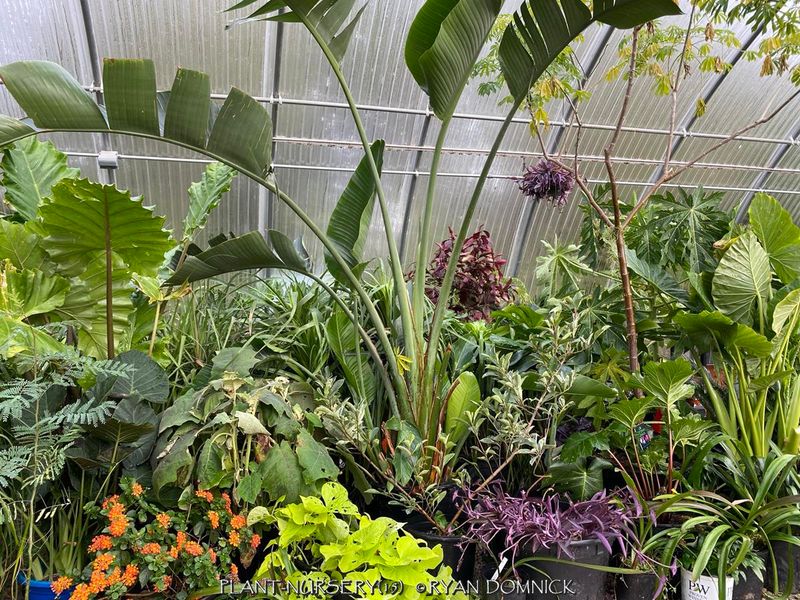
Palms in Kansas sound like a joke until you see them growing here.
Cold hardy tropicals are one of the biggest draws, and people drive in from other states specifically for them.
Hardy palms, tropical looking foliage plants and other bold leaved varieties fill part of the growing area. Many reach their full size and bloom in late summer and fall, so a spring purchase rewards patience.
What impressed me was the honesty about protection. Some of these plants need mulch mounded over the crown, a wind break or a wrap during the coldest stretch, and nobody pretends otherwise.
If you want a backyard that looks like a vacation postcard without leaving the Midwest, this section is where the plan starts.
Ask about siting before you buy, since a south facing wall or a sheltered corner can add several degrees of winter safety and make the difference between thriving and struggling.
Fruit Trees And Edibles Priced For Regular Gardeners
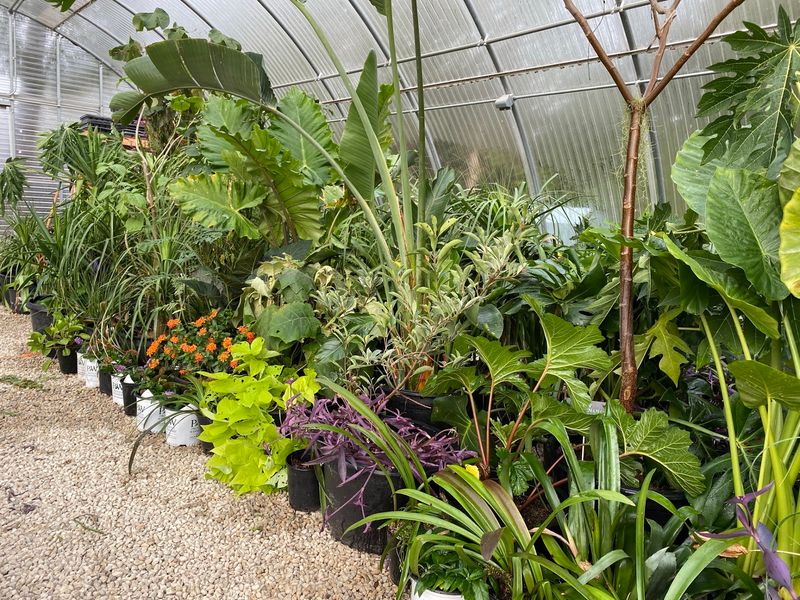
Edible plants get real attention here, with figs, pawpaws and other fruiting choices sold for gardens in and around Kansas.
The current catalog includes several sizes of hardy figs, while pawpaw offerings range from the native species to named fruiting cultivars when available.
Pawpaws deserve a special mention. The nursery lists improved cultivars such as Potomac, but it also sells ordinary Asimina triloba, so it is misleading to say improved varieties replace plain natives entirely.
Fresh pawpaw fruit is currently listed as an August-to-September item, while frozen pawpaw fruit is offered year round. Availability still changes, so treat fresh fruit as seasonal rather than guaranteed.
For beginners, checking pollination requirements, mature sun needs, and watering guidance before planting is smart.
Pawpaws in particular have different needs when young than established fruiting trees, and the nursery provides detailed care notes for them online for local gardeners.
Rare Finds You Will Not Spot At A Chain Store
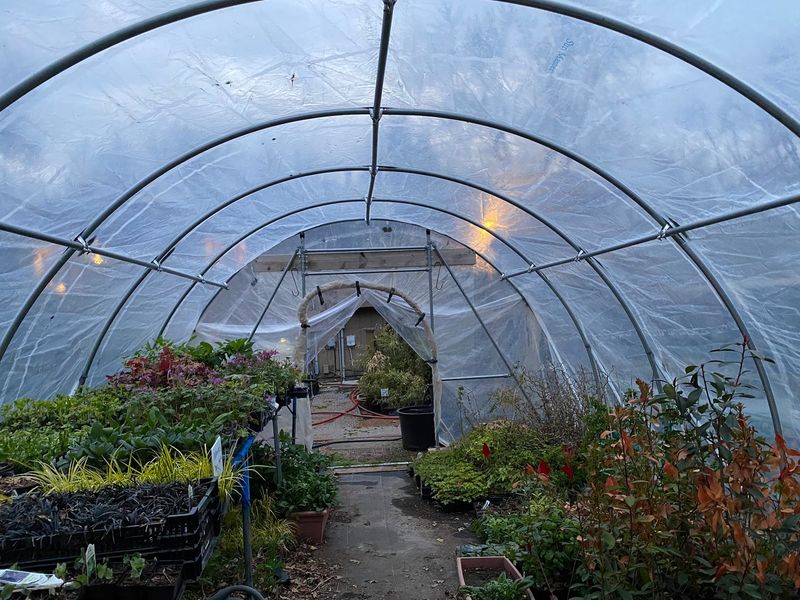
Hunting for something obscure? Shoppers have tracked down clumping bamboo, hardy begonia and clivia here after other nurseries came up empty.
The inventory shifts constantly, which is exactly why repeat visits pay off. What sat on the bench in May may be gone by July, replaced by something even harder to find.
Trees are another strong category, including varieties that other sellers claimed could not be grown in the region. Getting a straight answer plus an actual plant beats a shrug at a service desk.
Rare does not automatically mean expensive here either, and that combination is unusual enough to be worth the drive.
My approach now is to keep a running wish list on my phone and check it against each visit. Mention your list, because sometimes the plant exists in a back row that has not made it onto the sales tables yet.
Shipping, Landscaping And Repeat Visits
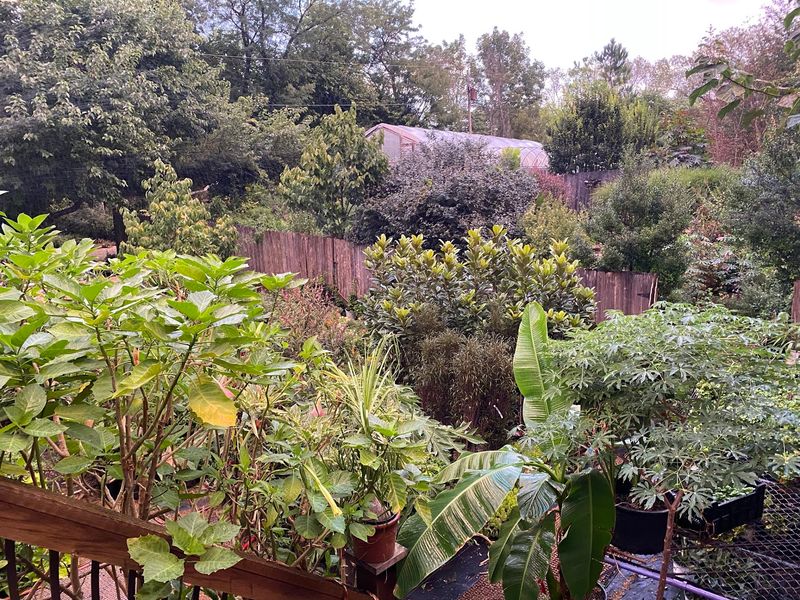
Distance does not have to end the relationship.
Kansas Plant Farm says shipping may be available on shippable items, with customers asked to request a quote before ordering.
The site says approved orders are manually shipped within five to ten days. It does not promise every plant can ship or that late-season orders are automatically scheduled around specific weather windows.
Closer to home, the service listing includes paid landscape-design consultations with Ryan Domnick.
I could not verify the broader claim that a nursery crew takes on yard work or reshapes customers’ landscaping across multiple seasons.
Kansas Plant Farm rewards repeat browsing because the catalog is extensive and availability changes. Online listings let shoppers check many plants before arranging pickup or an appointment.
Seasonal visits can still turn up different plants, but check current availability, nursery access, and shipping eligibility before building a trip around one specific item.