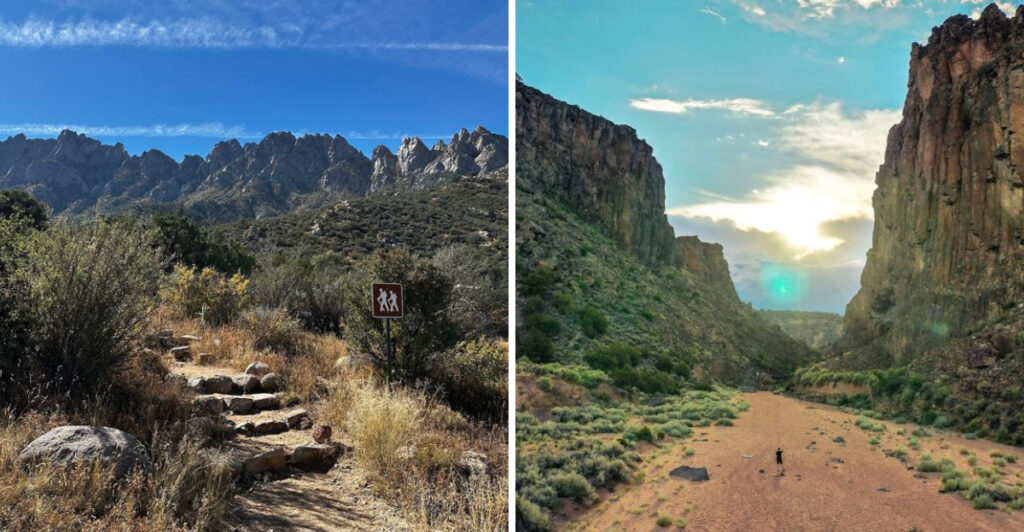
You know that feeling when a trail gets good almost immediately? The parking area drops behind you and the landscape starts changing.
Suddenly your phone is out because the view keeps getting better. New Mexico has plenty of hikes that deliver that feeling without sending you into the busiest trailheads.
Some wind through volcanic terrain, while others climb into cooler mountain country. A few follow paths shaped by centuries of human use.
The distances vary, so you can build a quick outing or turn the hike into the main event of your day. What connects these routes is the sense that there is still plenty to notice around every bend.
They feel adventurous without needing a sales pitch. For 2026, these hikes are worth keeping close when you want a quieter trail and a strong view.
Having enough breathing room to enjoy the walk makes the day even better.
1. Nambe Badlands Trailhead
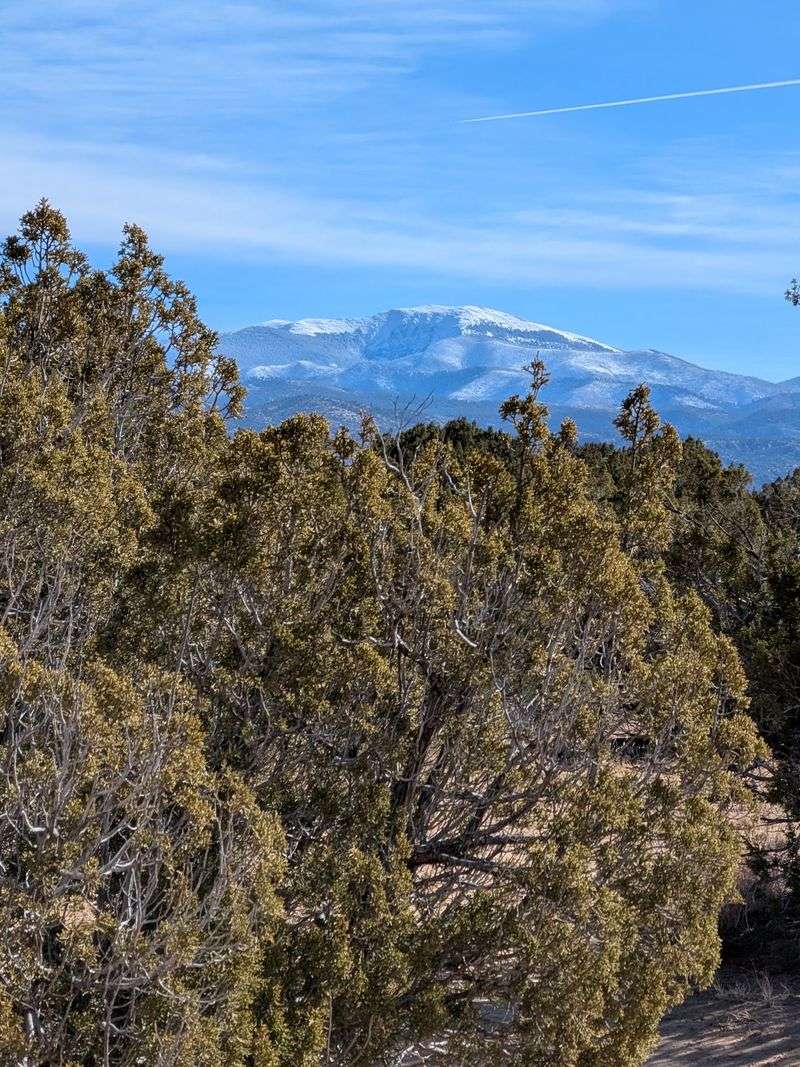
Picture stepping onto a landscape so strange it could pass for the moon. Off Nambé High Road north of Santa Fe, this quiet spot in Nambé, New Mexico shows off eroded badlands, dramatic mud-rock shapes, and towering mesas.
The stone spires scattered across the ground are a real treat for anyone who loves photography. This Bureau of Land Management area holds two main loops covering roughly five to six miles of rolling, steep, and rocky ground.
You might do a little rock scrambling here, which adds a fun jolt to the walk. Keep your eyes up too, because the hilltops are known for golden eagles, bighorn sheep, and pronghorn antelope moving across the ridges.
I love that a place this wild sits so close to a busy city yet feels totally forgotten. The trails stay open all year, though spring, fall, and winter usually bring the friendliest weather for a long day out.
Since almost nothing shades these paths, water and sunscreen belong at the top of your packing list. Wear shoes with solid grip, since the rocky footing can shift under your weight.
Few hikes deliver this much otherworldly scenery with so little company along the way.
2. Hoodoo Trailhead
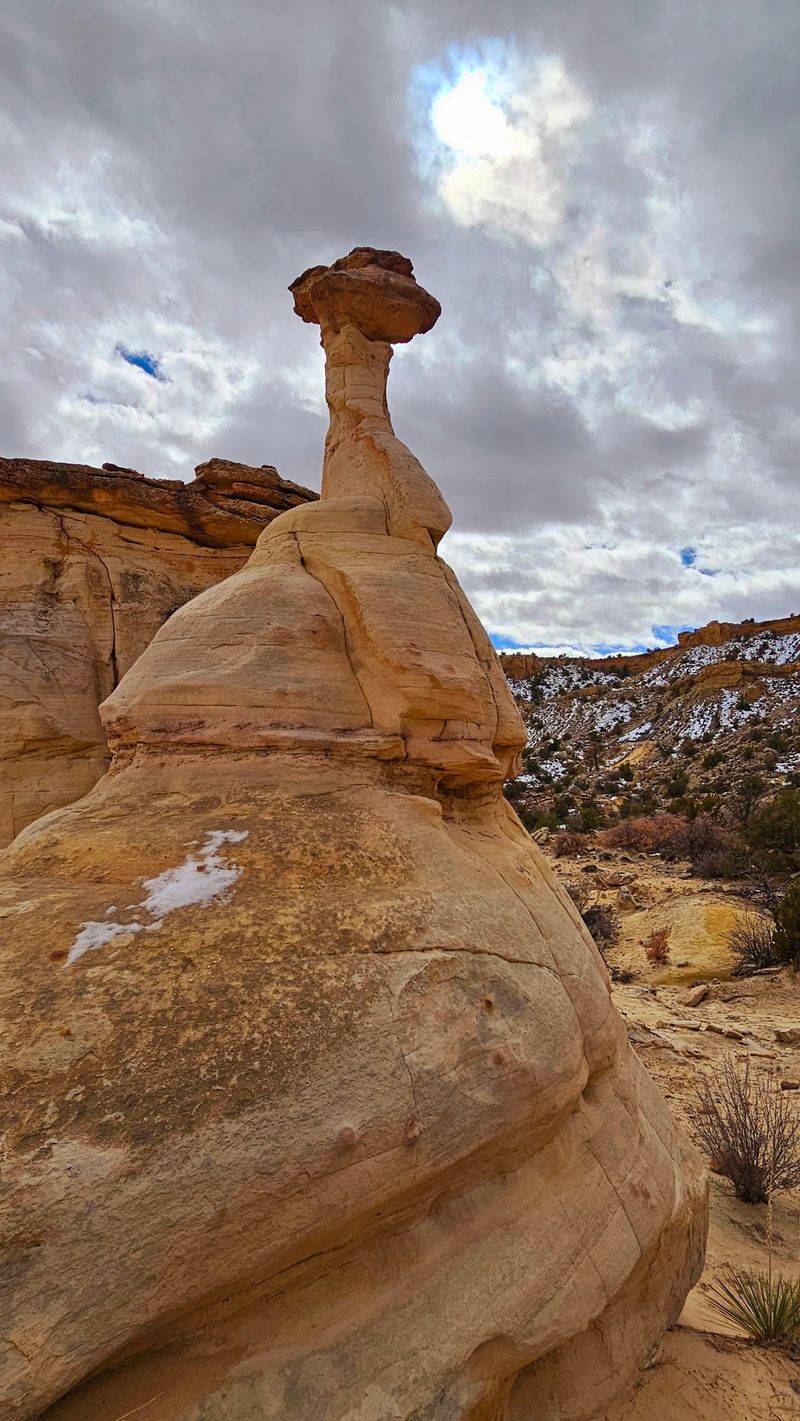
Geology gets downright playful along the Hoodoo Trail in the Ojito Wilderness Area, southwest of San Ysidro, New Mexico. This high desert stretch works like a natural sculpture garden filled with steep mesas, box canyons, and the whimsical hoodoos themselves.
These totem-shaped rocks wear soft shades of creamy yellow, muted peach, and rosy pink, glowing against a deep blue sky. Wind and water spent ages carving these odd shapes, and the result stops most hikers in their tracks.
The route runs a short two-mile round trip, or a slightly longer out-and-back of about three and a half miles with barely any climbing. Along the way you pass cholla, piñon, and juniper, plus petrified sand dunes tucked into the terrain.
The wilderness also carries quiet echoes of the past, with signs of Ancestral Pueblo, Navajo, and Hispano homesteads, fossil beds, and petrified wood. I find it wild that so much history sits along such a gentle walk.
Since the sun beats down with no cover at all, late fall through early spring makes the trip far more pleasant. Bring a hat and start early if you visit during warmer stretches.
This trail proves that short hikes can still pack serious wonder into every step.
3. Tsankawi Prehistoric Sites
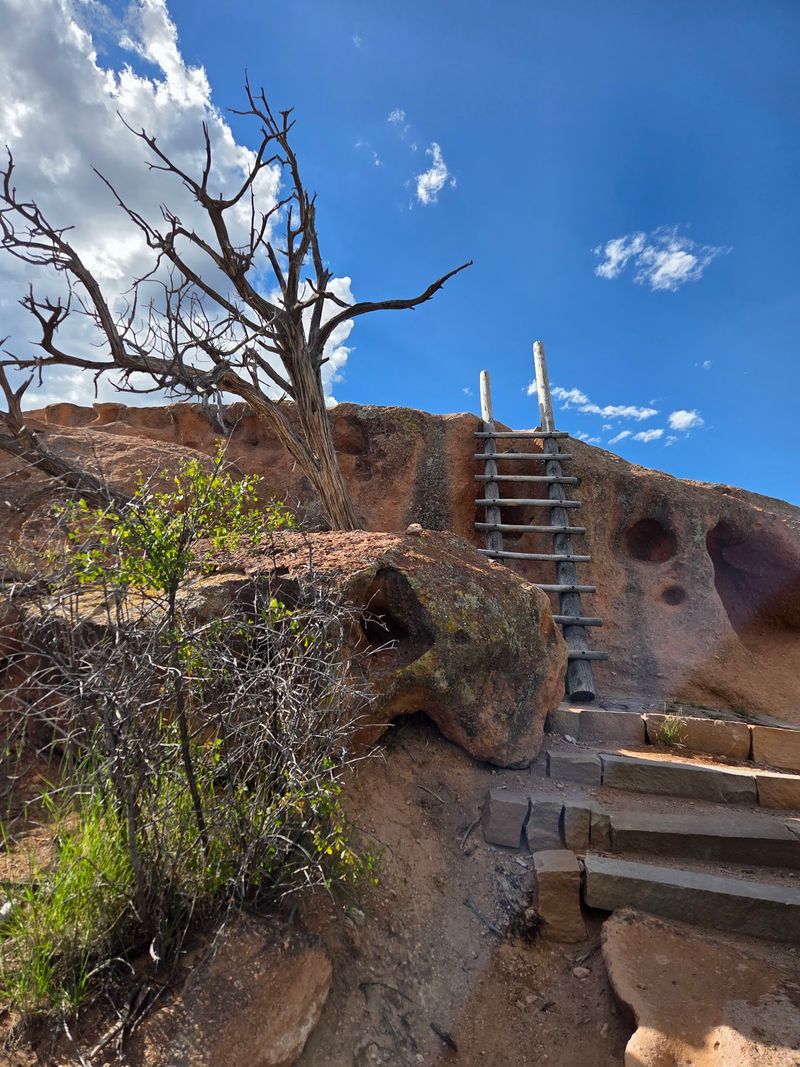
Ever wanted to walk in footsteps worn by people from centuries ago? At the Tsankawi Prehistoric Sites, a separate piece of Bandelier National Monument near Los Alamos, New Mexico, you can do exactly that.
The 1.5-mile loop follows ancient paths pressed into soft volcanic tuff by the Ancestral Pueblo people. The grooves in the rock make the connection to the past feel real under your own shoes.
The trail rewards curious hikers with cavates, which are little cave-like rooms carved right into the cliffs, along with detailed petroglyphs. Narrow passageways and a few ladders keep the walk exciting from start to finish.
Reach the mesa top and you earn wide 360-degree views of nearby mesas, the Jemez Mountains, and the far-off Sangre de Cristo range. I honestly think those ladders make this one of the most fun short hikes anywhere in the state.
Because the site belongs to Bandelier National Monument, you will need a pass to enter. Sturdy shoes help on the smooth, slippery rock, and gloves can steady you on the climbs.
Take your time reading the petroglyphs, since each one tells a small piece of a very old story.
4. Osha Trail Trailhead
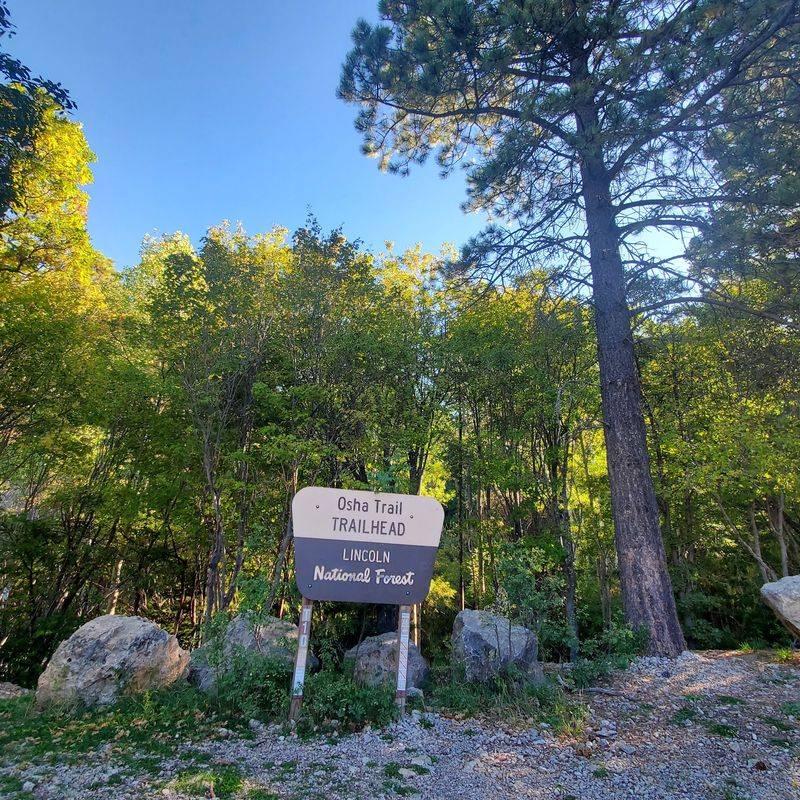
Cool mountain air greets you high in the Sacramento Mountains near Cloudcroft, New Mexico. The Osha Trail winds through thick pine forests and open meadows, offering a calm break from the hot desert below.
The path takes its name from the osha plant, a medicinal root that local healers have prized for generations. I find it charming that a whole trail honors a humble little plant with such deep roots in the area.
This loop runs somewhere between two and four miles, with gentle ups and downs that keep it moderate. Summer brings bright wildflowers, while September and October light up the slopes with golden fall colors.
Several openings along the way reveal sweeping views of the Tularosa Basin, and on clear days you can even spot the pale dunes of White Sands in the distance. Those wide vistas alone make the climb worthwhile.
Compared to busier routes nearby, this trail stays wonderfully peaceful, so it suits anyone craving quiet time in the trees. Bring a light jacket, since the higher elevation keeps temperatures cooler than you might expect.
Pack a snack and settle in at one of the overlooks to soak up the mountain calm before heading back down.
5. Acoma-Zuni West Trailhead
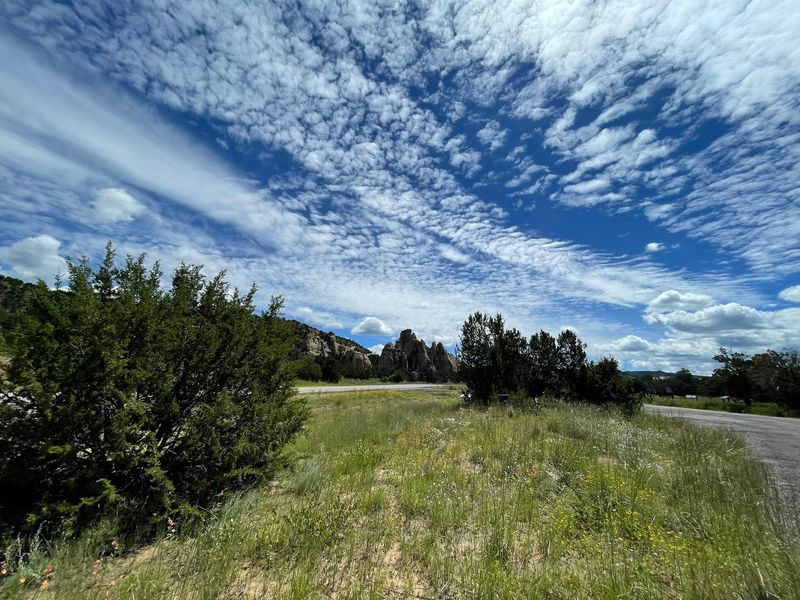
Adventure and ancient history collide at the Acoma-Zuni West Trailhead near Grants, New Mexico. Set inside El Malpais National Monument, this route traces a pathway that has connected the Zuni and Acoma Pueblos for at least a thousand years.
Walking ground crossed by so many generations gives the whole hike a quiet sense of meaning. The trail stretches about 7.5 miles one way across sharp, rubbly, jagged lava flows that test every step.
Finding your way here is a real puzzle, since the route follows rock cairns that blend into the charcoal-colored lava. A sharp eye and slow, careful footing matter more than speed on this one.
Because the terrain is rough and strenuous, sturdy boots with ankle support, trekking poles, and even leather gloves come highly recommended. I would not want to tackle those lava fields without a good pair of gloves ready.
Shade is nearly nonexistent out here, so the cooler stretch from October through May makes the safest window. Carry more water than you think you need and tell someone your plans before you set out.
This hike suits experienced walkers who crave both a physical challenge and a genuine link to the past.
6. Big Tubes Area
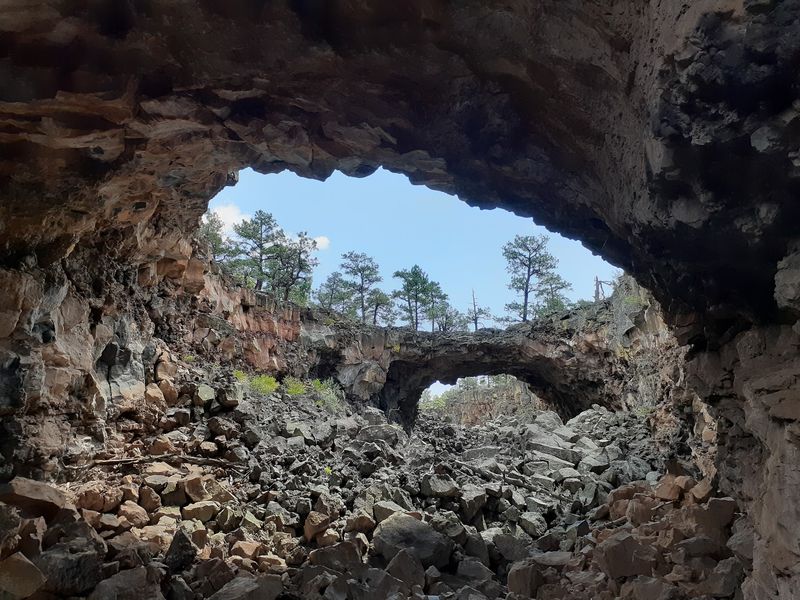
Otherworldly barely covers the Big Tubes Area near Grants, New Mexico, another rugged corner of El Malpais National Monument. This vast volcanic terrain overflows with dramatic geological features that look plucked from a different planet.
You will cross extensive ‘a’ā lava flows, famous for their rough and jagged surfaces, plus remarkable lava tube caves and huge collapse pits. The main trail forms a rough figure-8 stretching about two miles, though shorter loops exist for a lighter day.
Make no mistake, this hike ranks as extremely strenuous thanks to that punishing lava footing. The reward is a truly immersive walk through a landscape few people ever see up close.
Beyond hiking, the area opens the door to caving inside undeveloped wilderness caves, though permits are required and often limited. I think the idea of exploring wild, untouched caves gives this place an irresistible pull.
Getting here is half the challenge, since the road usually calls for a high-clearance, four-wheel-drive vehicle. After heavy rain or snow, that road can turn tricky, so check conditions before you go.
Wear tough boots, carry a headlamp for the caves, and take your time across the uneven rock. Big Tubes rewards patient hikers with scenery that feels utterly untamed.
7. Pine Tree Loop Trail Head
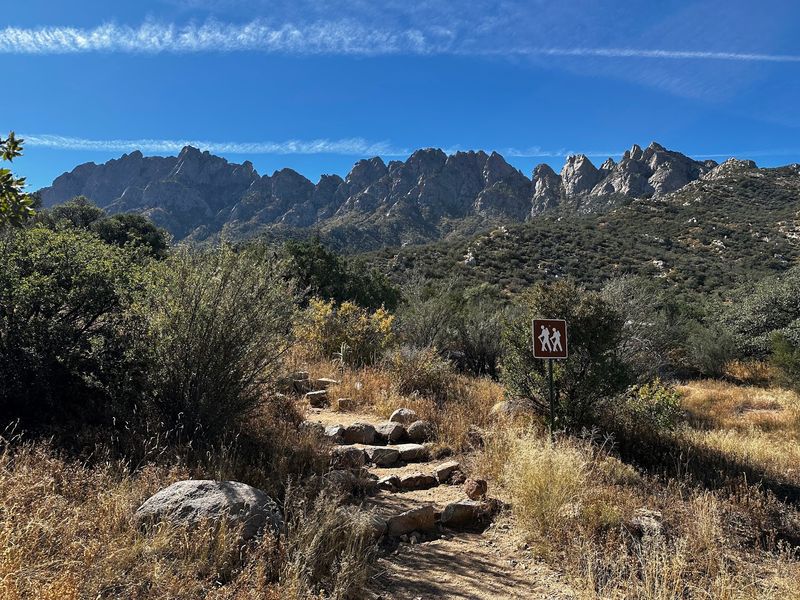
Trade the hot desert floor for shady pines on the Pine Tree Loop Trail at 15000 Aguirre Springs Road in Las Cruces, New Mexico. This climb carries you from high desert scrub into a refreshing ponderosa pine forest.
The scenery earns every bit of the effort, with wide looks at the Tularosa Basin and the jagged needles of the Organ Mountains. On a warm afternoon, that shift in scenery feels like a small miracle.
The loop runs four to five miles and gains roughly a thousand to twelve hundred feet, making it a satisfying moderate workout. Rocky patches pop up here and there, but the trail offers more shade than most routes in these mountains.
As part of the Organ Mountains Wilderness, this path lets you soak in a protected slice of rugged country. I love that the higher you climb, the cooler and calmer everything gets.
Leashed dogs are welcome, so your four-legged buddy can share the views right alongside you. Bring layers, since the temperature drops noticeably as you gain elevation.
Pause at the shady overlooks to catch your breath and let those mountain needles fill your camera frame before the descent.
8. Achenbach Canyon Hiking Trail
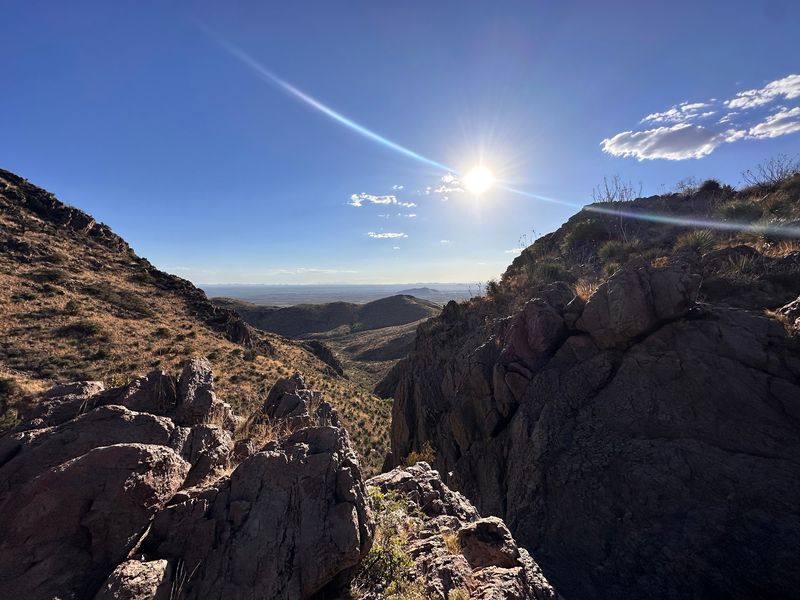
Hidden in a rough pocket of the Chihuahuan Desert near Las Cruces, New Mexico, Achenbach Canyon delivers a surprisingly wild and quiet hike. Found off Cuates Canyon Road, the trail threads through dramatic canyon terrain where rock walls climb around you.
Hardy desert plants cling to the ledges while the Organ Mountains loom in the background. Those peaks shift shape as the light changes, keeping the view lively from start to finish.
The route ranges from about 3.3 to 5.5 miles out and back, with steep, rocky sections that ask for careful footing. A shallow cave along the way invites a little exploring and adds a dash of mystery.
History runs deep here too, with morteros tucked into an alcove and recently protected public access keeping the area wild. I appreciate that folks worked to shield this canyon so future hikers can enjoy it.
The desert sun can turn fierce, so cooler months or early mornings make for the most comfortable outing. Carry plenty of water and watch your step on the loose rock.
Solitude seekers will find this canyon a welcome escape from the region’s busier and better-known trailheads.
9. Picacho Peak Recreation Area
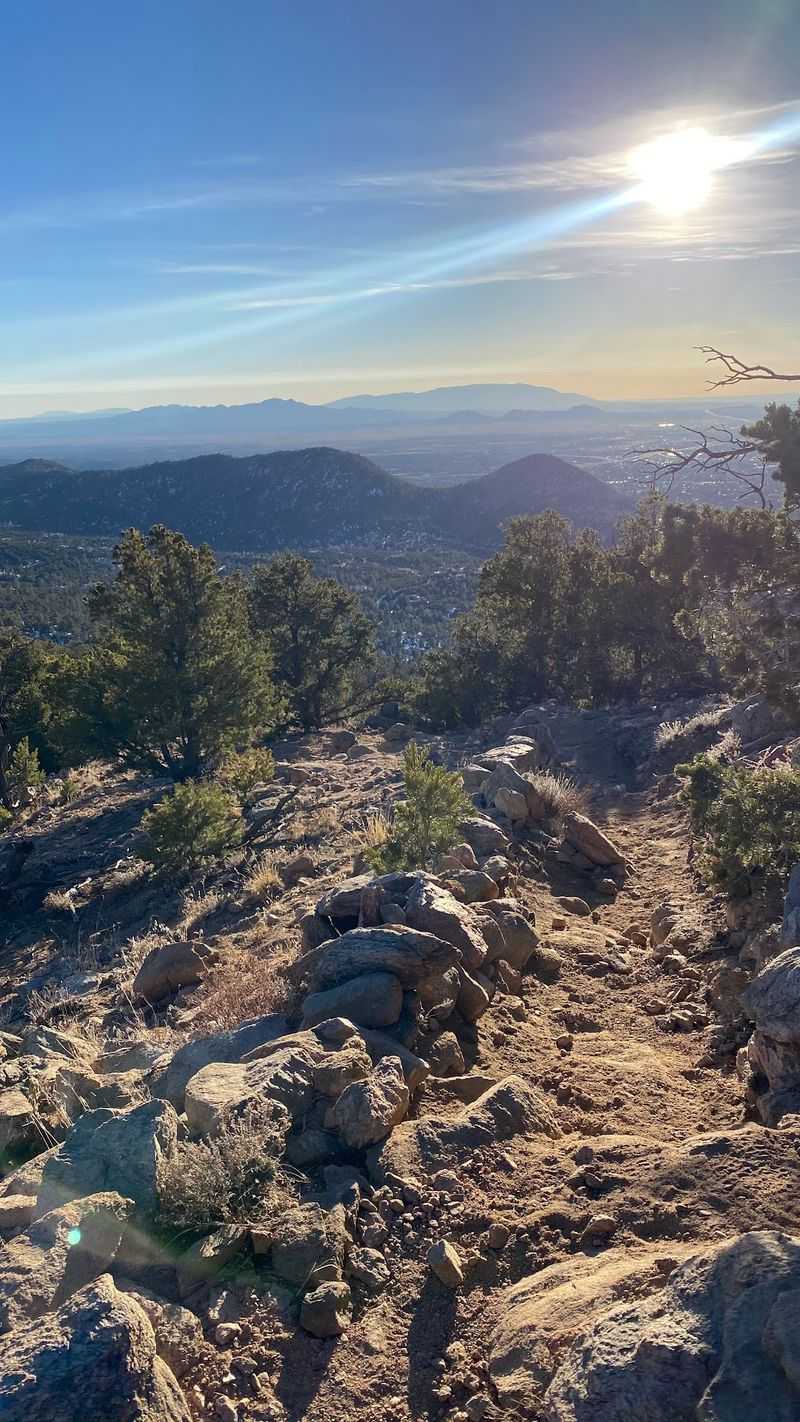
Northwest of Las Cruces, New Mexico, Picacho Peak Recreation Area packs over fifteen miles of trails into one rugged playground. This volcanic peak, built of rhyolite, serves up sweeping panoramas of the Mesilla Valley and the craggy Organ Mountains.
The wide-open scenery makes it a fine spot to appreciate just how vast New Mexico really feels. The main trail to the summit runs about a mile and a half and takes roughly forty-five minutes to climb.
The peak is only the beginning, though, since the area also holds large canyons and mesa tops to roam. Nearby Box Canyon carries history from the old Butterfield Trail, with Spring Canyon just beyond it.
The volcanic rock even creates unusual blue-tinted canyons that catch the eye. I find those blue hues genuinely surprising in the middle of the tan desert.
The area stays open all year, but the mild winters here make cooler months the standout time to visit. Crisp, clear desert air rewards early risers with especially sharp views.
Wear grippy shoes for the climb and bring water even on chilly days. Picacho Peak offers a full menu of exploring for hikers who want variety in one easy-to-reach place.
10. Diablo Canyon Recreation Area
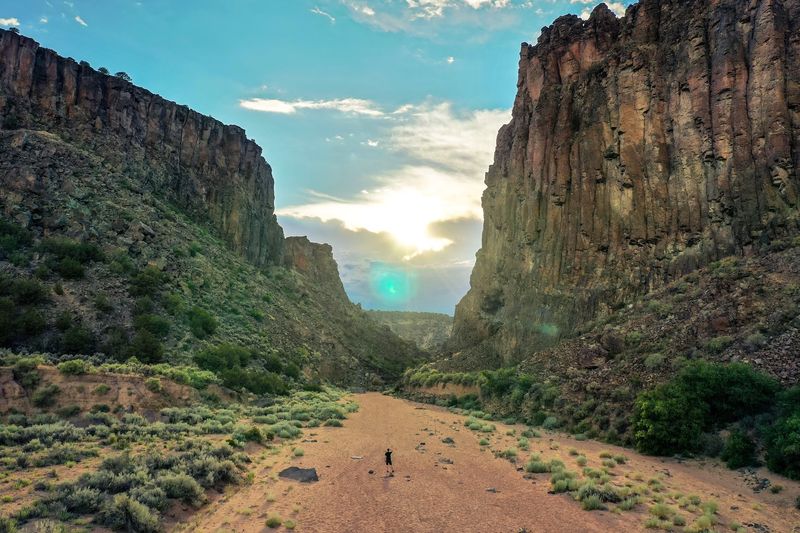
A short drive from Santa Fe, New Mexico drops you into the striking scenery of Diablo Canyon Recreation Area. Towering vertical basalt cliffs plunge straight to the canyon floor, creating a bold and breathtaking scene.
These cliffs, rising several hundred feet, feel like a doorway into another world. The whole place stands as a reminder of the region’s fiery volcanic past.
Rock climbers adore this canyon for its hundred-plus routes, but hikers find plenty to love here too. A sandy trail running roughly 7.5 miles out and back leads toward the Rio Grande, showing off the canyon from fresh angles.
The dramatic walls have even starred in films like 3:10 to Yuma and Cowboys and Aliens. I think it says a lot about a place when movie crews travel out just to film those cliffs.
Heads up on the access road, which can turn sandy and tough, so a high-clearance or four-wheel-drive vehicle helps a lot. Soft sand underfoot also makes the walk a bit more of a workout than the flat distance suggests.
Bring water, watch the road conditions, and set aside plenty of time to gaze up at those soaring basalt walls.