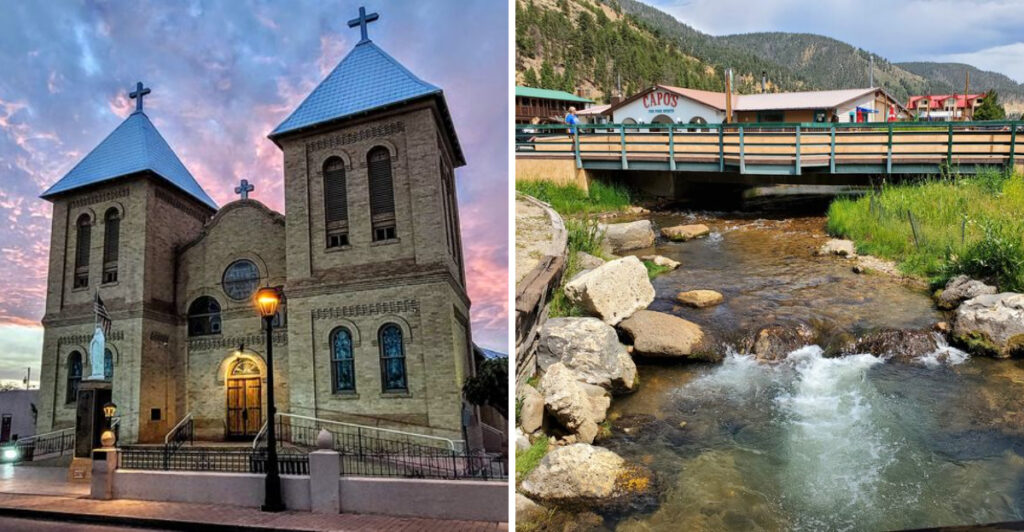
A good walking town changes the pace of a trip almost immediately. You stop thinking about traffic and start noticing the details right in front of you.
In New Mexico, that might mean an old plaza opening onto quiet side streets, or a downtown where galleries sit close enough to browse without moving the car. The appeal is simple.
You can follow your curiosity instead of a route. One block leads to another.
A storefront pulls you inside, and suddenly lunch is later than planned. That is usually a good sign.
These towns also make history feel easier to absorb because so much of it is built into the streets themselves. Mountain air shows up in some places, while desert light defines others.
Each stop has its own rhythm. For travelers who like to explore at sidewalk speed, these towns make a strong case for slowing down in 2026.
1. Taos
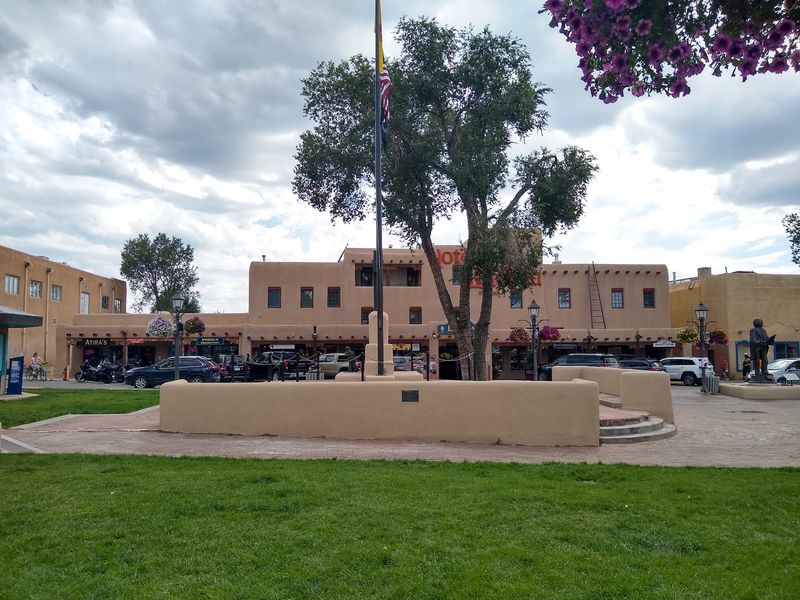
Artists have been drifting into this corner of Taos County for generations, and the pull has not faded. Taos Plaza sits at the center of it all, ringed by galleries, jewelry cases, and shops tucked behind thick adobe walls.
Wandering the surrounding lanes takes barely an hour, though most visitors stretch it into an afternoon because every doorway seems to hide another studio. Thick-walled buildings with rounded corners and wooden beams give the streets a soft, hand-shaped look that photographs never quite capture.
Taos Pueblo, a multi-storied adobe complex and World Heritage Site, offers a look at a living Native American community that has continued here for centuries. The respect visitors show there is part of what makes the experience meaningful.
Water still moves through town in acequias, the old irrigation ditches that murmur alongside footpaths and gardens. I find that quiet trickle to be one of the more charming sounds in any Southwestern town.
Cool mornings make spring and fall the friendliest walking seasons, and shade from the cottonwoods helps in summer. Northern New Mexico light does something flattering to the adobe around midday, so bring a camera.
Between the galleries, the pueblo, and the plaza benches, Taos at ZIP code 87571 rewards slow feet and curious eyes.
2. Silver City
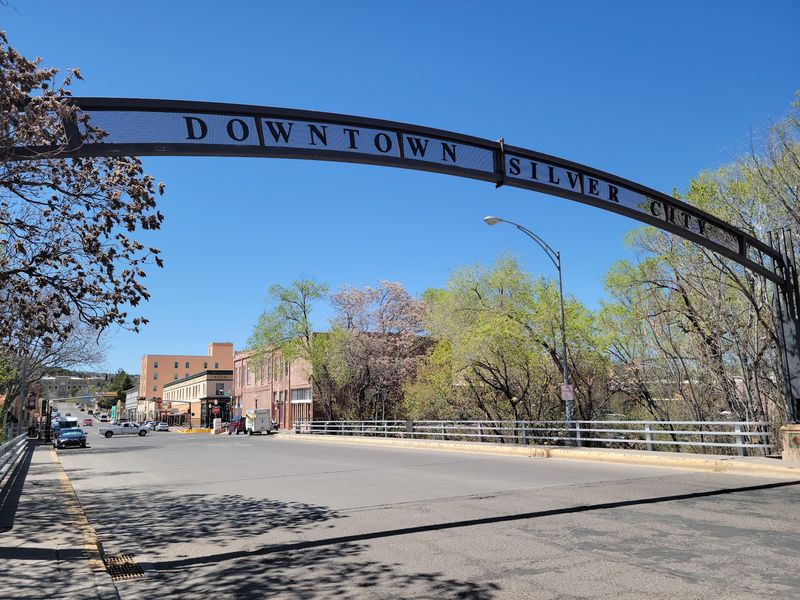
Murals turn ordinary walls into open-air exhibits across this Grant County town in southwestern New Mexico. More than fifty of them splash color across brick and stucco, and spotting them becomes a game as you cover the compact downtown grid.
Victorian-era facades line the main streets, holding galleries, bookshops, and small storefronts that reward browsing. The whole core is tight enough that you can circle back twice without tiring.
Big Ditch Park tells one of the strangest stories in town. What is now a shaded green corridor was once the main street, until floods in the late nineteenth century carved it away and left a canyon behind.
Local history gets a proper showcase at the Silver City Museum, set inside an Italianate mansion built in 1881. Mining tools, photographs, and household relics fill the rooms.
Art here really does spill onto the pavement, which I consider the best kind of clutter. Weekend afternoons bring the liveliest sidewalk energy, with musicians and vendors adding to the mix.
Elevation keeps summers milder than you might expect for the desert Southwest, so walking remains pleasant well into July. Wild West legends linger around the edges of the story too.
At ZIP code 88061, Silver City proves a small downtown can hold plenty.
3. Mesilla
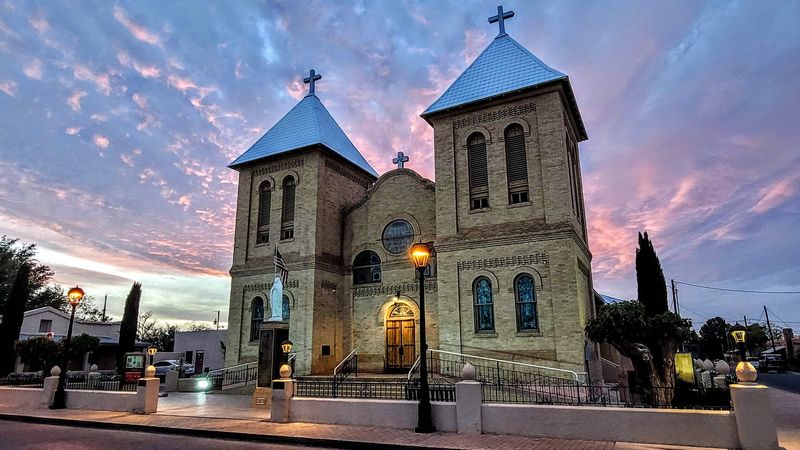
Few plazas in the Southwest feel as intact as the one at the heart of Old Mesilla. Set in Doña Ana County in southern New Mexico, the square carries National Historic Landmark status and still hosts markets and community celebrations through the year.
The Basilica of San Albino anchors one side, its current yellow-brick church dating to 1906 and its bell towers rising above the rooftops. Step inside for the stained glass and the hush.
Just off the plaza stands the former courthouse where Billy the Kid once faced trial, a building that draws Old West buffs from all over. Signage helps piece the story together as you walk.
Boutiques, galleries, and small restaurants fill the surrounding adobe rows, many with shaded portals and strings of dried chile hanging by the doors. Prices tend to be friendlier than in bigger tourist towns.
The Gadsden Purchase was formalized in this very area, a detail that always surprises visitors expecting a sleepy village. History packed into a few square blocks makes for efficient sightseeing.
Cooler months suit walking best, since summer sun in the Rio Grande valley means business by noon.
Mesilla’s 88046 streets deliver more stories per step than seems reasonable.
4. Cloudcroft
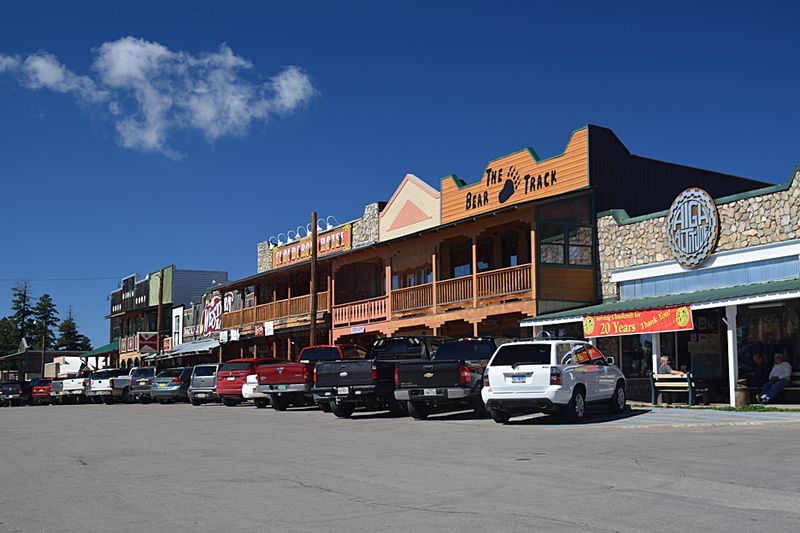
Pine air hits you the moment you step out of the car in this Otero County mountain village. Cloudcroft sits high in the Sacramento Mountains, and its walkable core runs along Burro Avenue, where wooden storefronts hold crafts, sweets, and local art.
Browsing takes about as long as you let it. Benches and boardwalks encourage the kind of pause that mountain towns do well.
At the Sacramento Mountains Museum and Pioneer Village, restored buildings including a chapel and a general store sit alongside artifacts from the area’s rugged early days. Kids usually gravitate to the old tools and wagons.
The Osha Trail loops easily through the forest and opens onto views of the Mexican Canyon Trestle, a wooden railway bridge built in 1899 that once carried trains up the steep grade. Photographers stake out that overlook for good reason.
Crisp temperatures make summer a relief for anyone escaping the desert floor, and winter brings snow that dusts the rooftops. Layers help year-round, since mornings run chilly even in July.
Trailheads sit close enough to town that you can swap shopping for hiking without moving your vehicle. That combination is rarer than it sounds.
Cloudcroft, ZIP code 88317, keeps its pace unhurried and its air wonderfully cool.
5. Ruidoso
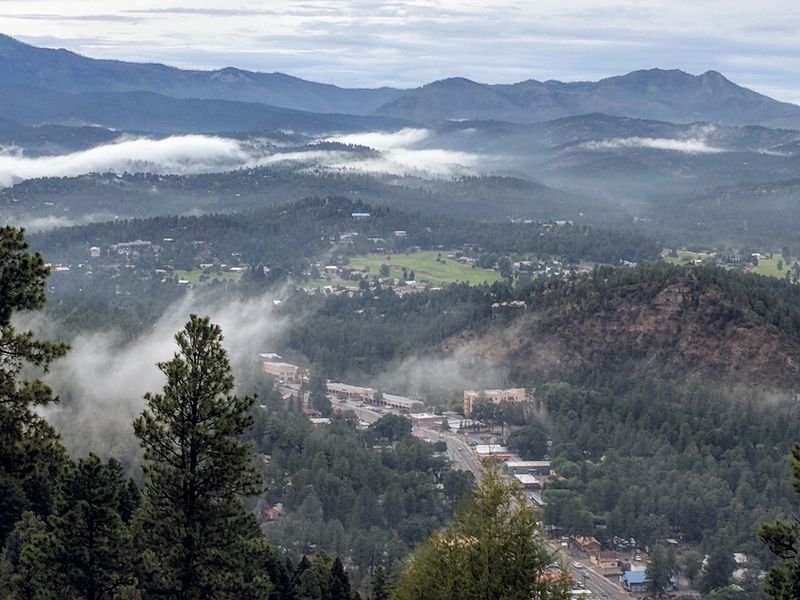
Midtown Ruidoso packs boutiques, galleries, and handcrafted Native American jewelry into a few blocks that beg to be walked. The village sits in Lincoln County beneath the Sierra Blanca peaks, so mountain views frame nearly every storefront.
Shop windows here lean toward turquoise, leather, and Western art rather than mass-produced souvenirs. Sidewalk tables outside the cafes make good rest stops between browsing rounds.
The Hubbard Museum of the American West is temporarily closed for renovations in 2026, although the outdoor Free Spirits at Noisy Water bronze horse installation remains open beside the museum for visitors to see.
Nearby, the Lincoln Historic Site preserves streets connected to Billy the Kid and Pat Garrett, and walking that ground makes the legends feel oddly close.
Grindstone Lake and Alto Lake sit within easy reach for hiking, fishing, and boating, which means a shopping morning can turn into a lakeside afternoon.
Summer draws crowds escaping the heat farther south, while autumn brings gold to the aspens along the ridges. I appreciate a town where pine shade counts as a feature.
Between the mountain scenery and the Old West storytelling, Ruidoso balances relaxation with real history. Bring comfortable shoes and a jacket for the evening chill.
6. Red River
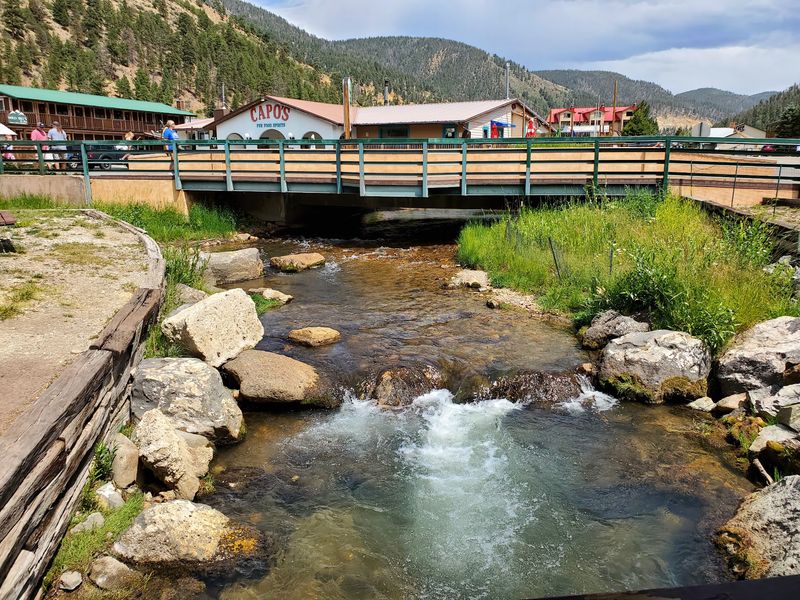
Old West storefronts line Main Street in Red River, and the whole town center reads like a stage set that happens to be functional. Located in Taos County within the Sangre de Cristo Mountains, it puts shops, restaurants, and lodging within a few easy blocks.
Mornings suit a slow wander past the wooden facades, coffee in hand, before the day heats up.
Winter turns attention to the Red River Ski and Summer Area, where the slopes sit practically at the edge of town. Warmer months swap skis for scenic chairlift rides and tubing runs.
The Red River Nature Trail offers an accessible path for anyone wanting greenery without a strenuous climb. Fishing in the town ponds and nearby streams keeps plenty of visitors happily occupied.
Live music spills out of venues on summer evenings, and festivals fill the calendar with a small-town buzz that never feels forced. Few mountain towns this size stay so busy across all four seasons.
Elevation means thin air, so newcomers should sip water and pace themselves on the uphill stretches.
Colors along the surrounding slopes turn spectacular in early autumn, drawing photographers up the highway.
Red River, ZIP code 87558, keeps its boots on and its music playing.
7. Madrid
Coal built this place, and art saved it. Madrid sits along the Turquoise Trail in Santa Fe County, and its former mining buildings now house galleries, studios, and cafes painted in colors no mining company ever ordered.
The main street runs short and straight, making it one of the simplest walks on this list. Storefronts show off ceramics, metalwork, and folk art, often with the maker sitting right there.
Reinvention on this scale always fascinates me, and Madrid wears its second act proudly.
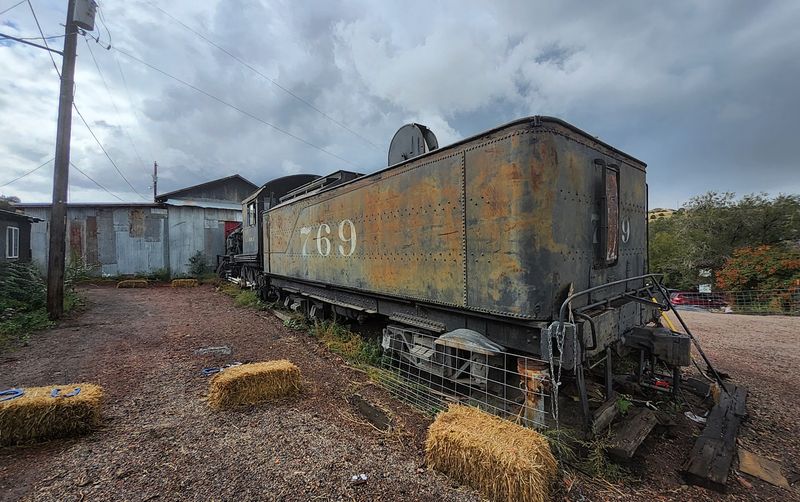
The Old Coal Town Museum keeps the industrial past close, with mining equipment and an old steam locomotive among its displays. The museum sits along the strip, making it an easy history stop while exploring town and former mining buildings.
A short drive brings you to Cerrillos Hills State Park, where hiking, horseback riding, and mountain biking trails climb toward wide desert views.
Weekends bring the most open studios, though the town keeps quirky hours, so checking ahead saves disappointment. Sunlight on those painted walls looks best in late afternoon.
Photographers, collectors, and road-trippers all find something worth stopping for here.
Madrid proves a mining camp can retire into something far more colorful.
8. Truth Or Consequences
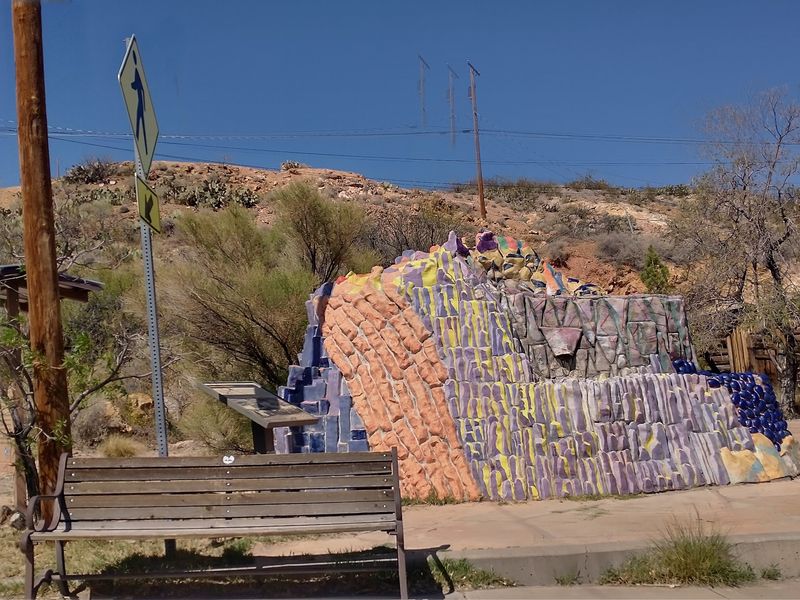
A radio show dare gave this Sierra County town its unusual name back in 1950, and locals shortened it to T or C soon after. Set along the Rio Grande in southwestern New Mexico, the town is best known for the geothermal water bubbling beneath it.
The historic hot springs district is compact and flat, with bathhouses tucked into old buildings within a few walkable blocks. Soaking after a day of sightseeing ranks among the more restorative things a traveler can do.
Murals and small galleries brighten the downtown streets, evidence of an art community that keeps growing. Vintage signage adds a pleasantly retro layer.
The Geronimo Springs Museum covers a lot of ground, with Mimbres pottery, Apache history, and the full account of that name change. Staff-curated displays make the local timeline easy to follow.
Cooler months are ideal, since soaking in hot mineral water loses appeal when the desert already sits at triple digits. Winter afternoons here feel especially generous.
Nearby Elephant Butte Lake pulls in boaters and anglers, but the town itself stays refreshingly low-key.
Slow rhythms and steaming water define ZIP code 87901, and nobody seems in a hurry to change that.
9. Las Vegas
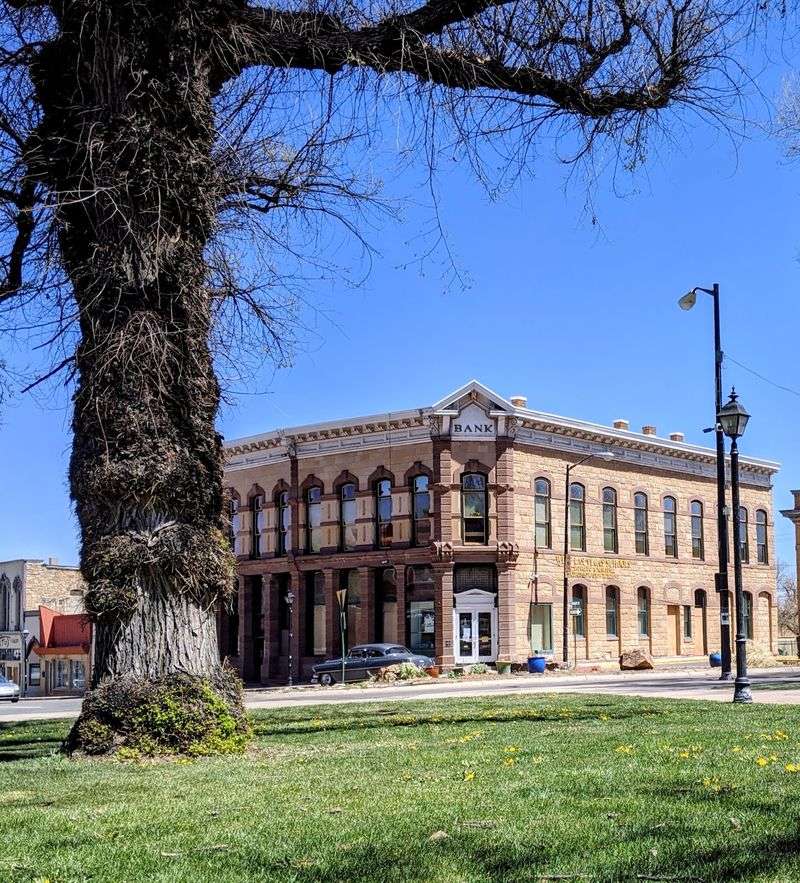
Over nine hundred buildings on the National Register of Historic Places turn this San Miguel County city into a walking museum. Not the Nevada one, mind you.
This Las Vegas sits in northern New Mexico and keeps a much quieter profile.
Self-guided walking tours thread through the historic districts, with the plaza and Bridge Street forming the natural starting point. Adobe, Victorian, and California Mission styles stand shoulder to shoulder, sometimes on the same block.
The sheer density of preserved architecture here still surprises me every time it comes up.
Las Vegas Plaza once served as a major stop on the Santa Fe Trail, and its shaded park remains a fine spot to sit and people-watch. The Santa Fe Trail Interpretive Center fills in the wagon-road history nearby.
Just outside town, Montezuma Hot Springs offers free public access to natural pools, an unusual bonus for a place already full of things to see.
Film crews have used these streets for Western productions, which explains why some corners look strangely familiar.
Spring and fall bring the most comfortable temperatures for a long architectural stroll. Printed tour maps are available around the plaza.
Las Vegas at ZIP code 87701 hands you the Old West without a single ticket booth.
10. Socorro
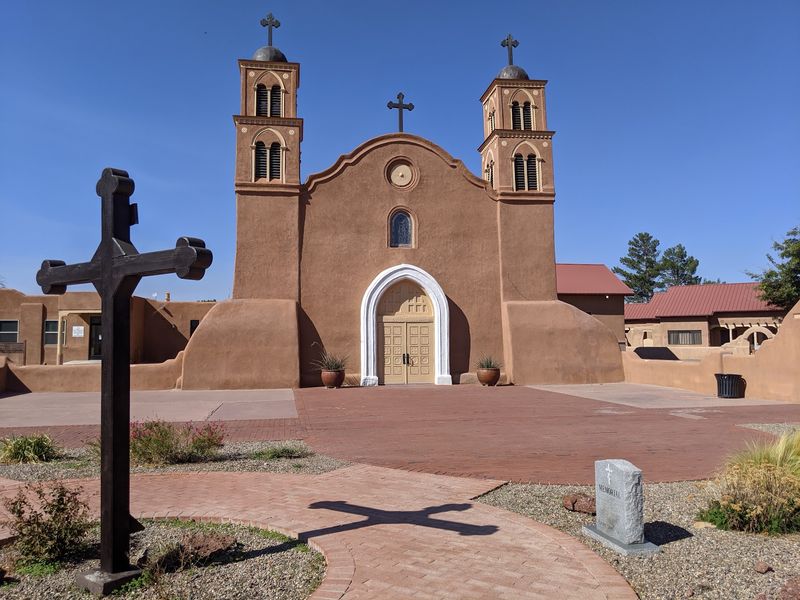
History, science, and birdwatching share the same small town in central New Mexico. Socorro, seat of Socorro County, offers a historic walking tour built around its plaza and three separate historic districts.
The route is manageable in a morning and reveals architectural details most drivers speed right past. Shaded benches on the plaza make good pauses.
San Miguel Mission Church holds parts dating to the seventeenth century, making it one of the oldest standing structures in the region. Standing beneath those thick white walls quiets a person down quickly.
The Mineral Museum surprises visitors with gold, silver, and gemstones pulled from local ground, plus exhibits tracing the area’s mining chapters. Rock hounds could lose an hour in there easily.
Outside town, Bosque del Apache National Wildlife Refuge draws serious crowds of birdwatchers, especially when cranes and snow geese gather in cooler months. Trails and viewing decks make the refuge accessible for casual visitors too.
A research university gives the town an unexpected academic buzz, with lectures and public events sprinkled through the calendar.
Cooler seasons work best for combining the walking tour with a refuge visit in one trip.
Socorro, ZIP code 87801, mixes centuries-old adobe with telescopes and feathered visitors.