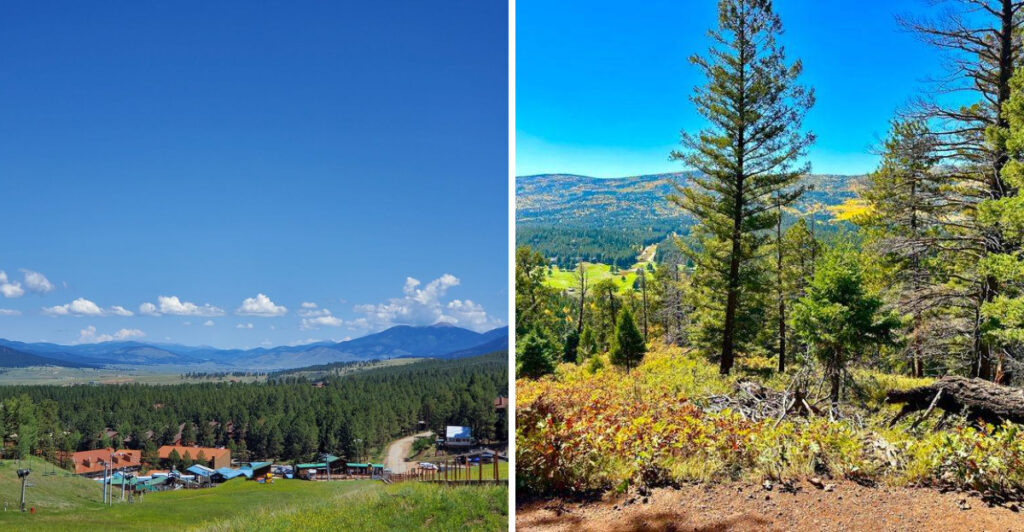
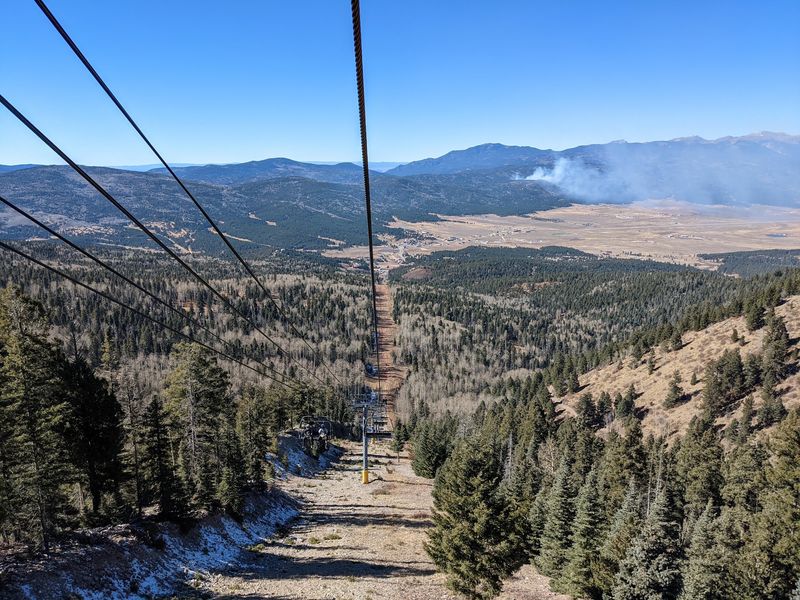
The first photo might fool you. Steep chalet-style roofs sit below forested slopes, while a chairlift climbs above the trees.
It can look more like a European mountain village than a small community in New Mexico. That comparison gets harder to shake once the peaks come into view.
The village sits high in the Moreno Valley, where ridges make almost every road feel scenic. Golden aspens add color later in the season, but the mountain scenery already does plenty of heavy lifting.
The chairlift keeps running during the warmer months, giving visitors an easy ride to sweeping valley views without a demanding climb. A large mountain lake sits nearby as well, adding another reason to slow down and look around.
Nothing here feels oversized or flashy. It simply fits together unusually well, and after a few photos, the European comparison starts to make a lot more sense.
Mountain Peaks Frame Nearly Every View
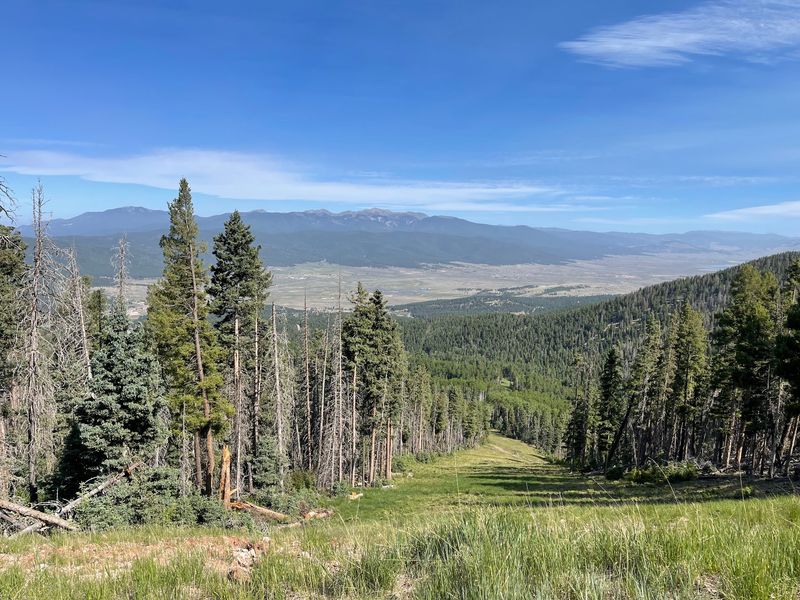
Peaks crowd the horizon here, and the valley floor already sits higher than 8,000 feet above sea level. Sangre de Cristo summits rise on one side, while long forested ridges close off the other.
Wheeler Peak, the tallest point in the state at 13,161 feet, stands within view of nearby valley roads. Drivers crossing the passes often slow down because the skyline keeps stealing their attention.
Morning light touches the ridgelines first, turning the upper slopes soft gold before the valley below fully wakes. I find it remarkable that a community this small sits inside scenery on such a grand scale.
Snow clings to the high shoulders into late spring, keeping the backdrop dramatic long after ski season ends. Photographers get lucky almost anywhere, since meadows and rooftops nearly always have a summit standing behind them.
Distances play tricks at altitude, and ridges that look close can sit miles away. Locals judge weather by watching clouds gather over the highest crests.
Elevation shapes the mood as well, since the thin air sharpens shadows and deepens the blue overhead. Even a quick errand can feel scenic when mountains sit constantly in the frame.
Every angle feels arranged, as though the terrain organized itself for the benefit of visitors. That village is Angel Fire, New Mexico, resting in the Moreno Valley of the Rocky Mountains.
The Ski Slopes Feel Like Part Of The Village
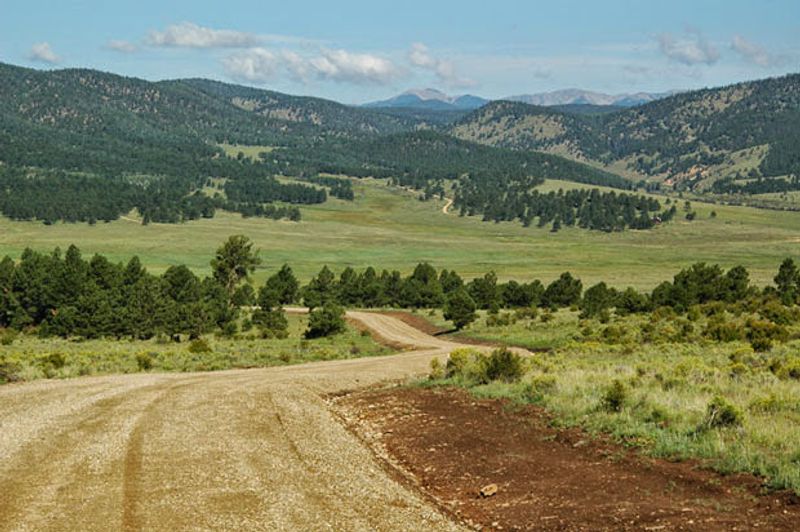
Lift towers stand close enough to town that skiing feels stitched into everyday life. Angel Fire Resort spreads across the mountain right above the village core, so the slopes never seem distant.
Its 96 trails wind down the face, with a vertical drop of roughly 2,000 feet. Beginners get wide, forgiving terrain up high, which makes early lessons far less stressful.
Snowmaking covers a large share of the trails, helping the season hold steady through dry stretches. Groomers work overnight, so mornings often start on smooth corduroy.
Night skiing is one of the resort’s signatures, with floodlit runs glowing against the dark valley. Watching those lights trace the mountain after sunset strikes me as the town’s best free show.
Many condos and lodges sit within a short walk or shuttle hop of the base area. Families often ski in the morning, break for lunch indoors, then head back out without moving the car.
Terrain parks add rails and jumps for riders who prefer catching air over carving turns. Snowboarders and skiers share the mountain easily, and lift lines rarely stretch the way they do at bigger resorts.
Season passes and lesson packages tend to cost less than at famous Colorado destinations. Skiing here stays refreshingly unpretentious, which regulars quietly consider the mountain’s finest quality.
Alpine Architecture Brings A European Touch
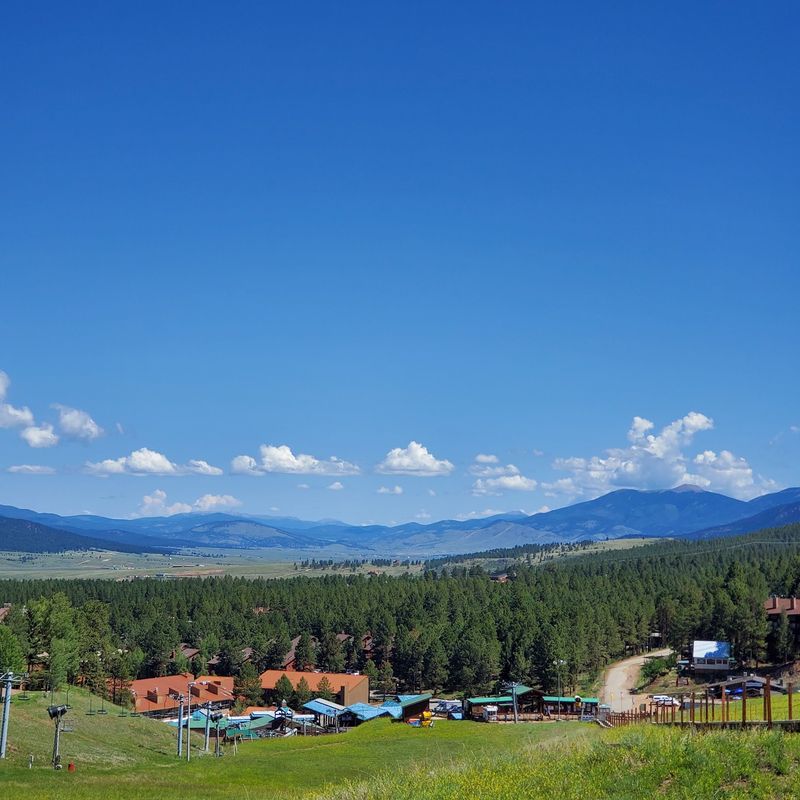
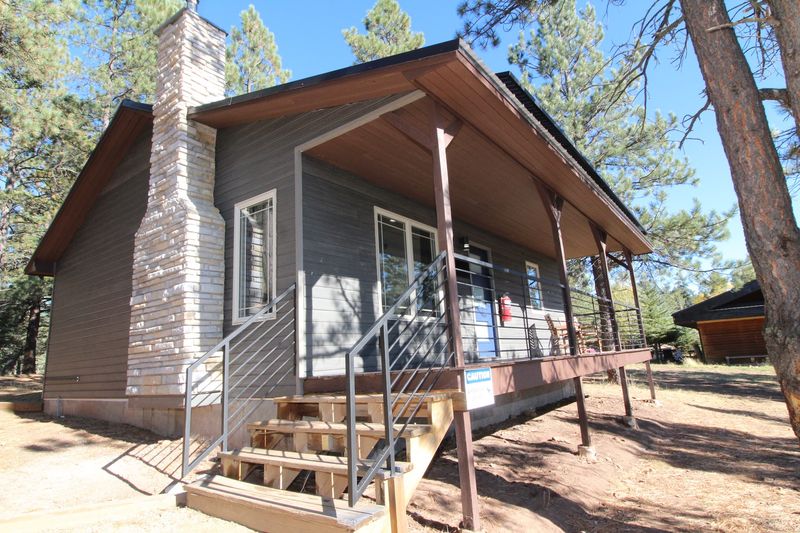
Steep pitched roofs and carved wood balconies give the village an unmistakably alpine look. Adobe defines much of New Mexico, yet here timber and gables take charge.
Snow-shedding rooflines are practical at this elevation, though they also create a Tyrolean silhouette against the peaks. Lodges and condo clusters lean into that chalet feeling with heavy beams and wide covered entries.
Shops and restaurants around the resort base continue the theme, wrapping storefronts in warm wood tones. String lights and lantern-style fixtures glow after dark, softening the whole streetscape.
Fireplaces are practically standard in rentals, since nights stay cool even during summer months. Guests often end up on balconies with blankets and hot cocoa, watching stars appear over the ridges.
Winter deepens the effect once snow settles on the eaves and smoke curls out of chimneys. Streetlamps catch drifting flakes, turning ordinary corners into scenes worth photographing twice.
The blend feels genuine rather than staged, partly because the terrain truly demands mountain-style building. I appreciate how the architecture answers the weather instead of merely posing for pictures.
Comparisons to Austrian or Swiss villages come up constantly among visitors scrolling through their own photos. The resemblance runs deep enough that first-time guests double-check where the images were actually taken.
A Mountain Lake Adds A Mirror-Like View
Just north of the village, a broad mountain lake sits ringed by high ridges. Eagle Nest Lake State Park covers roughly 2,400 surface acres of water at about 8,300 feet.
Calm mornings turn the surface into glass, doubling the surrounding peaks in near-perfect reflection. Anglers arrive early for trout and kokanee salmon, both stocked in these cold waters.
Kayaks and small boats appear once summer settles in, though the water never really warms up. Wind can rise fast in the afternoon, so paddlers usually plan around the early hours.
Winter freezes the lake solid enough for ice fishing, and small huts dot the white expanse. Elk and mule deer sometimes graze the shoreline meadows at dusk, adding to the scene.
The drive there takes only about fifteen minutes along the Enchanted Circle Scenic Byway. Pullouts let travelers stop for photos without competing for space, which surprises visitors expecting crowds.
A visitor center explains local geology and the valley’s ranching past through plain, readable displays. Day-use fees stay modest, and campsites sit close enough to hear water lapping the shore.
Storm light over the lake produces some of the moodiest scenery in the entire valley. Reflections and clouds shift by the minute, rewarding anyone patient enough to wait.
Chairlift Rides Open Up Sweeping Valley Scenery
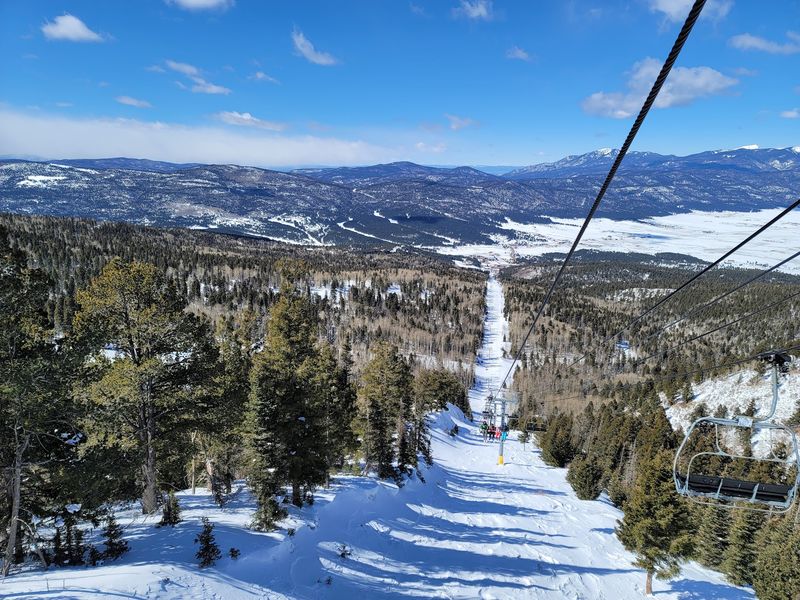
Summer does not shut the lifts down, and that changes the whole mountain experience. The Chile Express high-speed quad runs daily through the peak summer, carrying sightseers instead of skiers.
Riders climb above 10,000 feet in minutes, watching the Moreno Valley stretch out below. Wildflower meadows replace snowfields, and the forest smells strongly of warm pine and spruce.
Mountain bikers use the lift too, since Angel Fire Bike Park sends riders down dozens of downhill trails. Bikes travel up on special carriers, which explains the steady clanking rhythm at the base.
An 18-hole disc golf course adds another reason to linger at the summit for a while. Players can bring their own discs or rent equipment at the mountain base nearby.
Hikers often ride up and walk down, trading a hard climb for an easier descent. Signs at the summit point toward viewpoints where the valley opens dramatically in both directions.
Weather changes quickly up top, and afternoon thunderstorms build most days in July and August. Lift crews watch the sky closely and pause operations whenever lightning moves in.
Sunset rides occasionally run for special events, painting the ridges orange and violet. Few things beat that soft mountain light, at least according to the photographs.
Golden Aspens Set The Hillsides Ablaze
Late September flips a switch on these hillsides, and the aspens turn brilliant yellow. Whole groves shift color together, since aspens share root systems and change almost in unison.
The Enchanted Circle Scenic Byway loops for about 83 miles through this high country, linking the village with Eagle Nest, Red River, Questa, and Taos. Autumn traffic picks up, though the road rarely feels crowded by big-city standards.
Dark evergreens fill the space between gold patches, making the contrast even sharper on steep slopes. Cameras struggle to capture it, which is probably why so many people simply stop and stare.
Peak color usually lands in the last week of September or the first days of October. Elevation matters, so higher groves change first while valley trees hold on a little longer.
Along the byway, Angel Fire Vietnam Veterans Memorial sits above the valley with its striking white Peace and Brotherhood Chapel. The curved walls stand out against golden hills, and entry to the grounds is free.
Hiking trails through the groves crackle with fallen leaves underfoot during those weeks. Quiet mornings bring the sound of aspen leaves rattling in the slightest breeze.
Nights turn crisp in fall, with frost on windshields and afternoons still pleasantly warm. Northern New Mexico wears autumn well, and this valley makes a strong case for itself.
Fresh Snow Turns The Village Into A Postcard
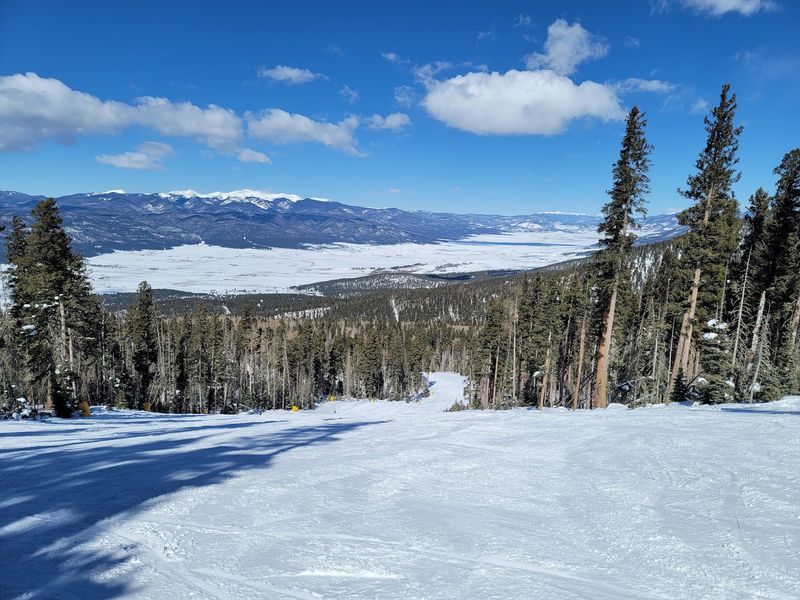
Winter storms roll in and rewrite the village overnight in soft white. Rooftops and spruce boughs disappear under fresh powder well before breakfast.
Average snowfall reaches around 200 inches on the upper mountain in a strong season. Snowmaking fills the gaps, keeping the ski season running roughly mid-December through March.
Sunshine follows most storms, a habit of the southern Rockies that surprises northern visitors. Bluebird days after heavy snow bring blinding light and unusually comfortable temperatures.
Snowshoeing and cross-country skiing take over the gentler terrain around the valley floor. Sledding hills draw kids who have no interest whatsoever in lift tickets.
Chimney smoke hangs low on cold mornings, and the light stays golden until late in the day. Honestly, few winter scenes look more like a holiday card than this village under new snow.
Roads get plowed promptly, though tire chains or all-wheel drive help on the mountain passes. Storm days can slow the drive over Palo Flechado Pass, which climbs above 9,000 feet.
Lodging fills quickly around holidays, so winter bookings often close out months ahead. Midweek visits usually mean quieter slopes and easier parking near the base area.
Deep cold settles in overnight, with temperatures often dropping well below freezing. Warm layers matter more than fashion once the sun drops behind the ridges.
Forest Trails Slip Into The High Country
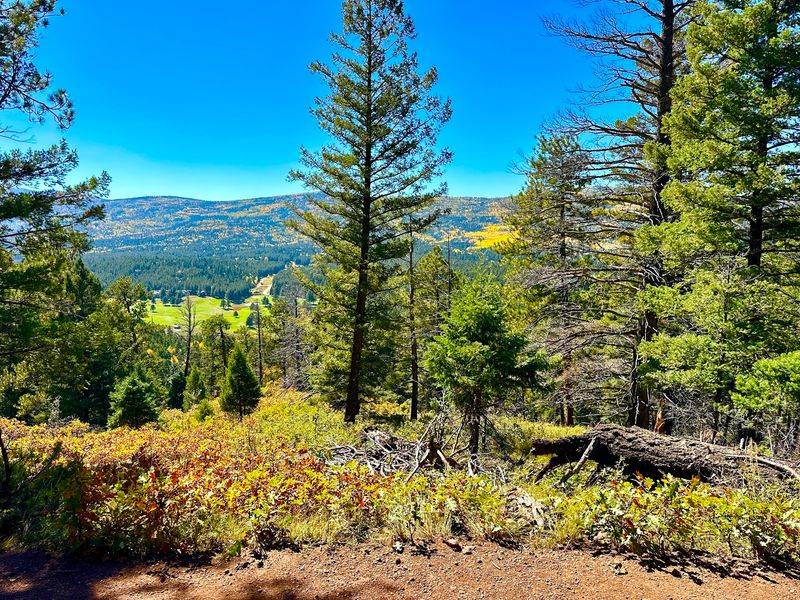
Trails leave the valley edges and climb straight into Carson National Forest. South Boundary Trail is the famous one, running roughly 20 miles toward Taos across high ridges.
Mountain bikers treat that route as a rite of passage, and hikers use sections of it too. Aspen groves give way to dark spruce stands and open meadows as the path gains elevation.
Wildflowers peak in July, filling the meadows with purple lupine and bright red paintbrush. Elk bugling echoes through these forests each September, a sound visitors remember long afterward.
Altitude makes every mile feel longer, and hikers arriving straight up hill country notice quickly. Extra water and an early start matter more here than raw fitness does.
Afternoon storms build fast, so most people plan to be off exposed ridges by two. Trailheads sit close to the village, meaning long approach drives are rarely necessary.
Bears and mountain lions live in these woods, though sightings stay uncommon and brief. Proper food storage keeps campsites boring, which is exactly the goal.
Put it all together and this valley earns every European comparison it collects. Peaks, chairlifts, golden groves, and quiet trails sit only minutes apart.
Angel Fire shows that alpine scenery does not require a passport, only a drive into northern New Mexico.