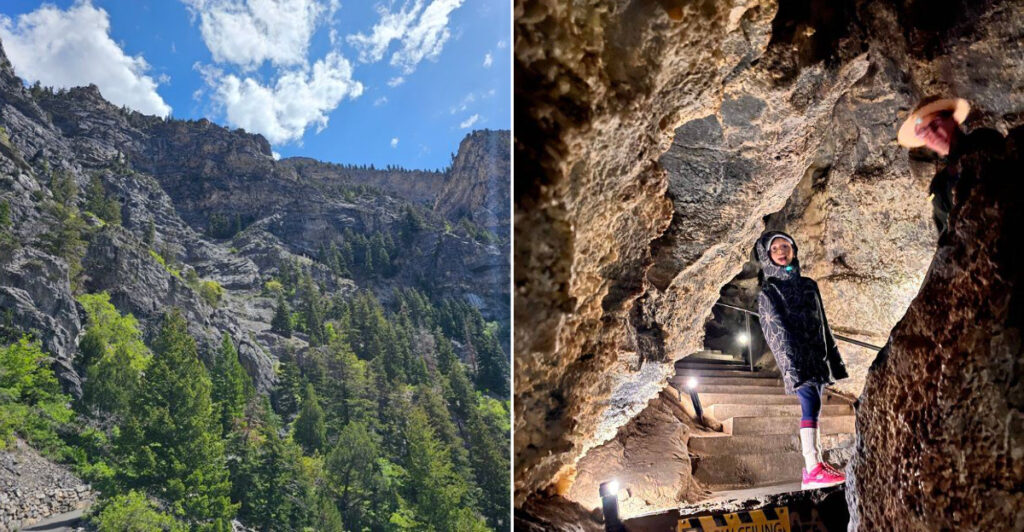
Ancient sharks once swam over land that now rises into mountain country. That sounds impossible until you remember how dramatically the planet can change over millions of years.
Hidden in the limestone of northern Utah, fossils preserve evidence of a time when warm seawater covered this landscape and marine life moved through a world that looked nothing like it does today. The caves make that deep history feel strangely close.
You are standing inside rock formed from an ancient sea, surrounded by proof that mountains, canyons, and coastlines are never as permanent as they seem. There is no monster waiting in the dark, just something better: real geology with a plot twist.
For anyone who likes science, road trips, or stories that completely rearrange your sense of place, this is a memorable stop. Few corners of Utah make millions of years feel quite so immediate.
Ancient Sharks In A Mountain Cave Are Not As Strange As They Sound
The phrase ancient sharks inside a Utah cave sounds like somebody mixed up a science museum with a campfire story. At Timpanogos Cave National Monument, the truth is quieter and better: the cave sits in limestone that formed from an ancient sea.
That rock can preserve signs of marine life from hundreds of millions of years ago. Scientists study fossils in and around cave systems like this to understand what lived in those vanished waters, including animals related to early sharks and other sea creatures.
Timpanogos Cave National Monument is not a place where visitors stroll past giant shark skeletons in the passageway. The story is about fossil clues, old ocean floors, and rock that later rose into the Wasatch Range through huge geologic change.
For travelers, that makes the visit more interesting than a simple cave tour. You are not just looking at formations.
You are stepping into a mountain made from the remains of an ancient underwater world, which is a tidy reminder that Utah has never been afraid of a plot twist.
The Address Points To American Fork Canyon, Not A Museum Hall
Timpanogos Cave National Monument sits at 2038 E Alpine Loop Rd, American Fork, UT 84003, in American Fork Canyon. That matters because the fossil story is tied directly to the canyon walls, the steep trail, and the limestone cliffs above the visitor center.
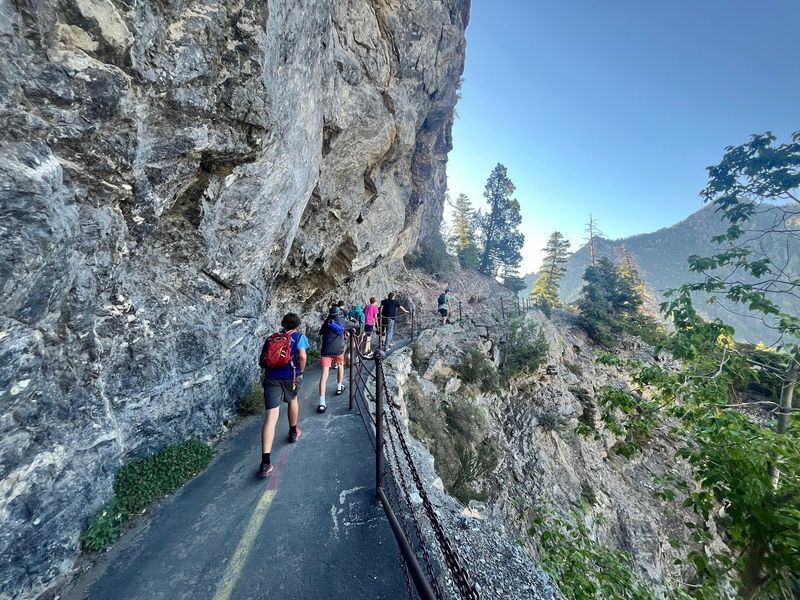
The National Park Service manages the monument, and cave entry is by guided tour during the operating season. Visitors begin below, then hike a paved trail about 1.5 miles to reach the cave entrance, gaining roughly 1,100 feet along the way.
That climb is part of the lesson, even if your legs file a formal complaint. The higher you go, the more obvious it becomes that the cave is not sitting politely beside a parking lot.
It is set into a mountain face.
American Fork gives the visit a practical base, while Utah gives it the geologic drama. Timpanogos Cave National Monument works because the science is not sealed behind glass.
The landscape itself is doing much of the explaining, without asking anyone to pronounce every fossil name correctly before lunch.
Limestone Is The Real Clue Keeper Here
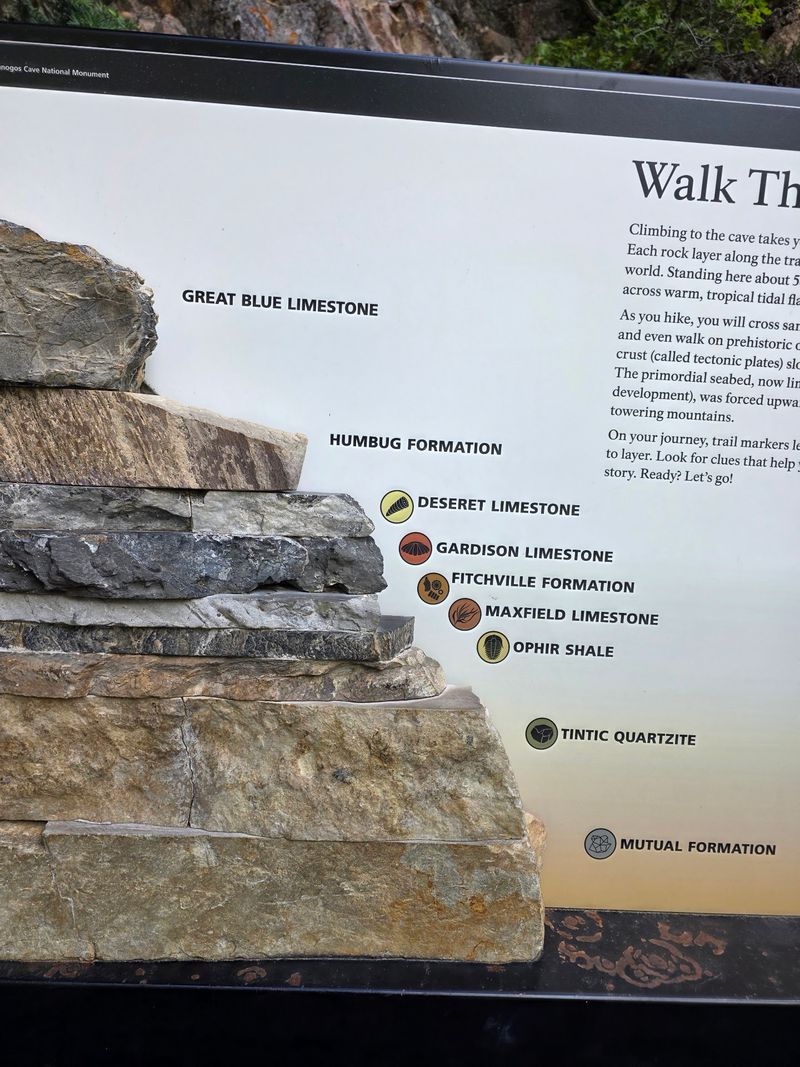
Limestone may not look dramatic at first glance, which is rude considering how much history it is carrying. At Timpanogos Cave National Monument, the caves formed in Deseret Limestone, a rock unit known for ancient marine fossils.
Long before the Wasatch Range looked like mountains, the area that became Utah was covered by warm shallow seas. Tiny shells, corals, crinoids, brachiopods, and other marine life left remains that became part of the rock over immense spans of time.
That is where the shark angle becomes understandable. Early sharks and shark relatives lived in ancient seas, and paleontologists use fossil teeth, scales, and related remains to trace those old ecosystems.
The cave walls are not a fish tank from the past, but they are part of the same marine record.
For a visitor, the useful takeaway is simple. When a ranger points out fossil rich limestone or cave features, you are seeing evidence of a place that changed completely.
Timpanogos Cave National Monument turns plain gray rock into a very old receipt from the ocean.
The Cave Tour Adds Shape To The Science
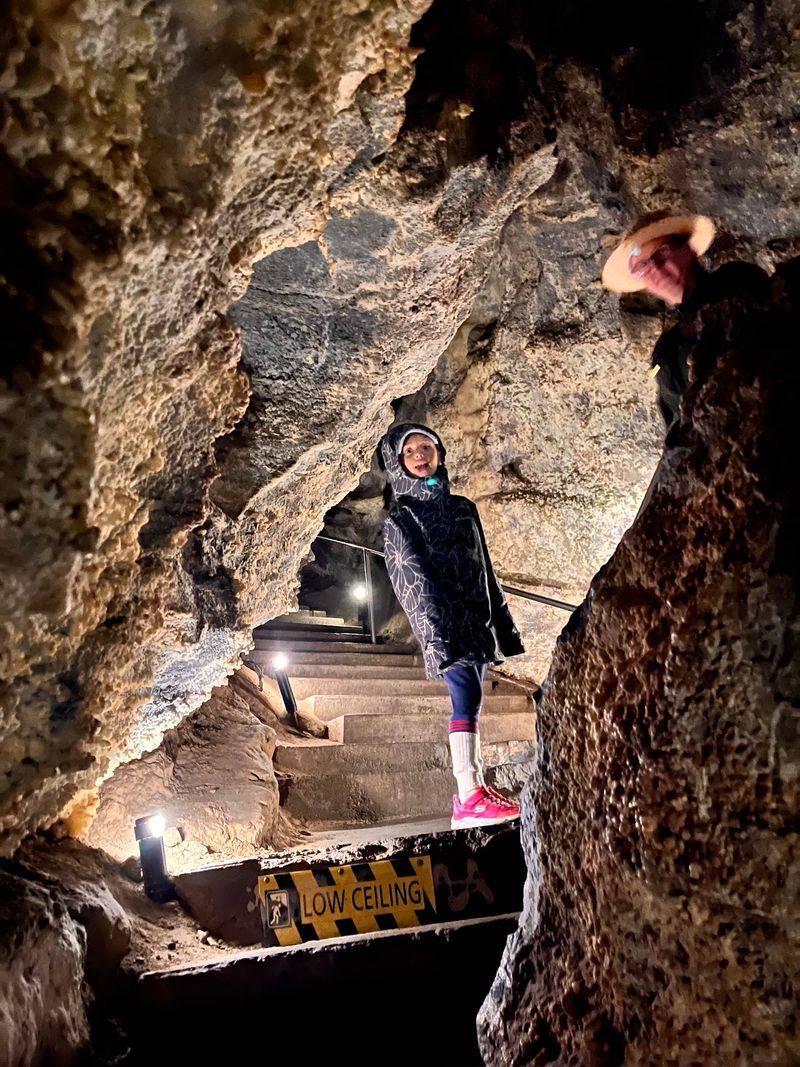
A good cave tour does more than keep people from wandering into the wrong dark hole, which is already a public service. At Timpanogos Cave National Monument, ranger led tours connect the cave formations with the older story of the rock around them.
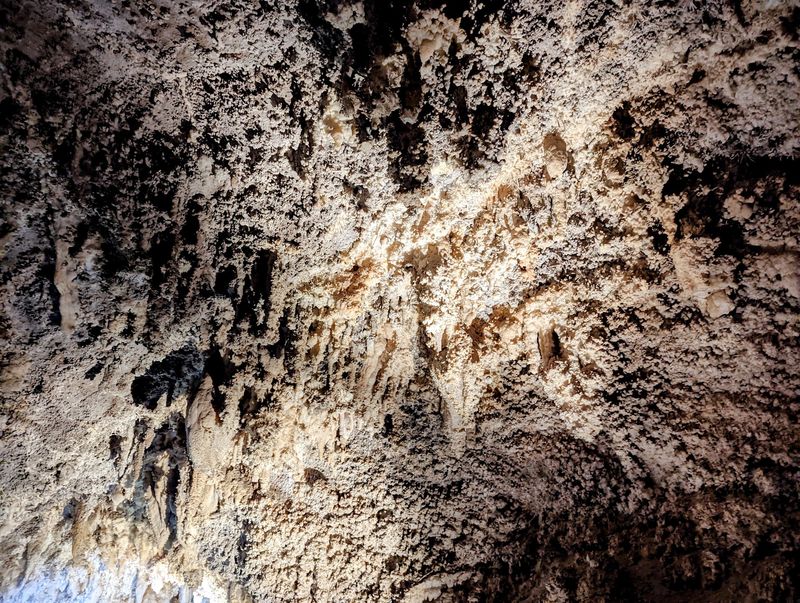
The tour route passes through a connected cave system that includes Hansen Cave, Middle Cave, and Timpanogos Cave. Visitors see formations such as stalactites, stalagmites, flowstone, and helictites, while learning how water, minerals, and time shaped the chambers.
Good To Know: Cave tours are seasonal and ticketed, so advance planning is smart, especially for weekend travelers who prefer not to build a day around wishful thinking.
The fossil topic gives the tour extra depth. Formations show what happened after the cave began developing, while the limestone tells a much older ocean story.
Those two timelines sit together in one mountain, which is wonderfully inconvenient for anyone who likes history in neat folders.
Families can keep the idea simple: first came the sea, then came the rock, then came the cave. Adults may appreciate that Timpanogos Cave National Monument makes deep time feel less abstract and more like something under your shoes.
The Steep Trail Makes The Discovery Feel Earned
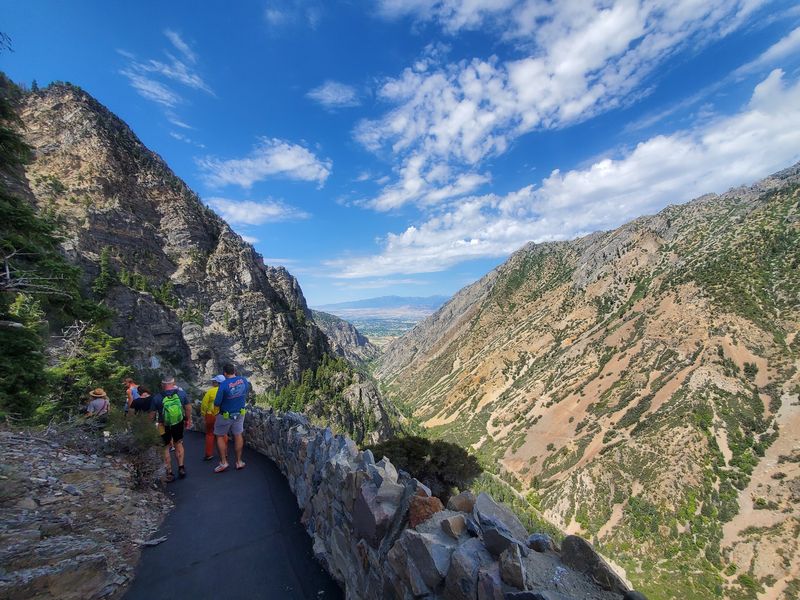
The cave does not hand over its secrets from a roadside overlook. Reaching Timpanogos Cave National Monument requires a paved but strenuous trail, about 1.5 miles each way, with a major elevation gain before the guided cave tour begins.
That detail should shape your plan. Bring water, allow enough time, and treat the walk as a real hike rather than a scenic hallway.
The National Park Service advises visitors to be prepared for the climb, and that advice is not decorative.
The effort also changes how the fossil story lands. By the time you reach the cave entrance, the idea that these rocks once formed beneath an ancient sea feels less like trivia and more like a small personal victory.
You climbed to an ocean that no longer exists.
Couples, solo travelers, and families with older children may all find the rhythm appealing if they are comfortable with the trail. Younger kids and less mobile visitors may need extra care in deciding whether the hike fits the day.
Utah scenery supplies the backdrop, but the legs still do their own paperwork.
A Simple Saturday Detour With A Very Old Backstory
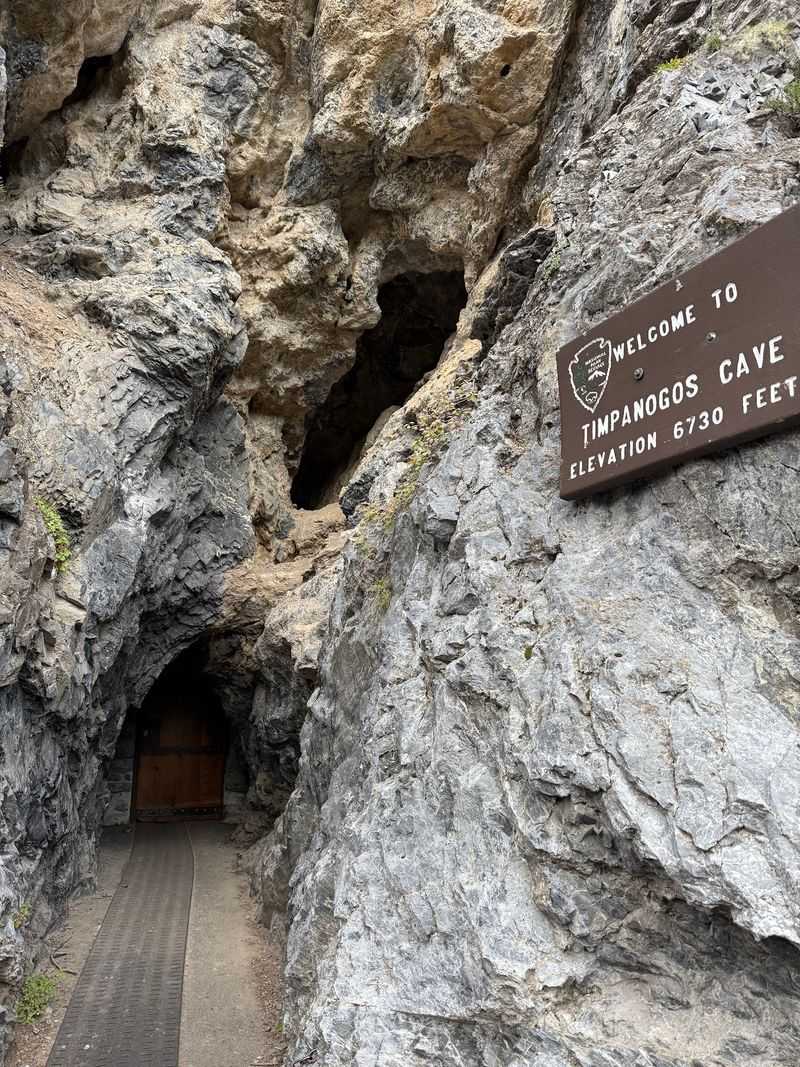
A visit to 2038 E Alpine Loop Rd, American Fork, UT 84003 can work as a simple Saturday detour, provided the tour schedule and trail demands match your group. Nobody needs a laminated binder, but a little planning saves the day from becoming a geology themed scramble.
Start with the official Timpanogos Cave National Monument information before you go. Cave tours are generally offered seasonally, and tickets are required for entering the caves.
The trail itself begins near the visitor center and leads uphill to the cave entrance.
Practical choices matter here. Wear walking shoes with grip, carry water, and remember that the cave environment can feel different from the canyon outside.
A light layer is a sensible addition, especially for anyone who gets chilly while standing still.
The outing fits travelers who like a clear goal: hike up, tour the cave, learn why ancient sea life appears in a Utah mountain, then head back down. It is focused, active, and educational without feeling like homework.
The ancient shark connection becomes the conversation starter, while Timpanogos Cave National Monument supplies the setting that makes the story believable.
Why The Shark Story Sticks After The Tour Ends
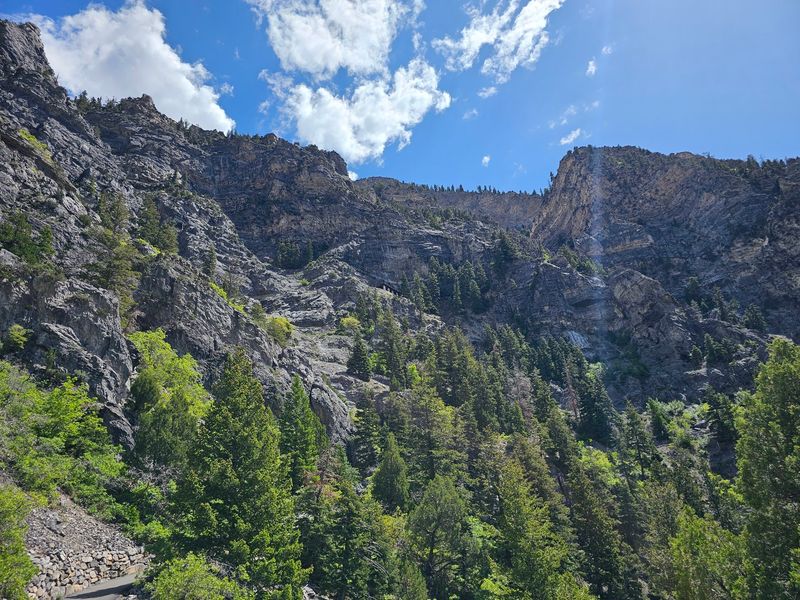
The best part of the ancient shark story is how it changes the way a familiar landscape feels. Timpanogos Cave National Monument is famous for its caves, but the deeper surprise is that the mountain records a time when marine life occupied the region.
That idea stays with people because it is easy to picture and hard to casually dismiss. Utah, now known for mountains, canyons, deserts, and high country drives, also holds evidence of seas that vanished long before modern maps had anything to say.
The monument brings those timelines together in a way that feels practical rather than grandiose. You hike a specific trail, enter with a ranger, look at real cave features, and hear how limestone connects the place to ancient water and marine fossils.
Ancient sharks make the headline sparkle, but the larger reward is perspective. Timpanogos Cave National Monument reminds visitors that ordinary rock can be a record, a cave can be a classroom, and a mountain in American Fork Canyon can quietly point back to an ocean.
Text a friend: Utah put sharks in a cave, but made you hike uphill to meet the evidence. Few corners of Utah make millions of years feel quite so immediate.