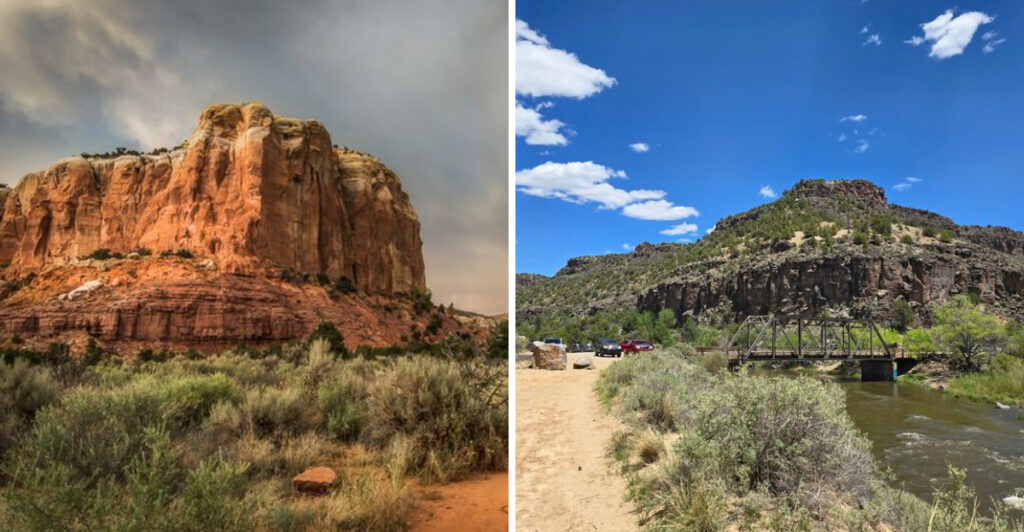
Some weekends call for a long vacation. Others just need an early start and a destination that makes you forget how close home really is.
Albuquerque is good for the second kind. New Mexico surrounds the city with ancient sites and dramatic landscapes that can turn a single free day into something memorable.
One route leads toward cliff dwellings carved into rock. Another points toward enormous radio antennas standing against a wide sky.
You can also trade city streets for a deep river gorge and still make it back before the day is over. These trips range from relaxed walks to outings that ask for a little more effort, so there is room to match the drive to your mood.
Here are standout day trips worth putting on your calendar when Albuquerque starts feeling a little too familiar and you want to spend the day somewhere that feels completely different.
1. Bandelier National Monument, Los Alamos
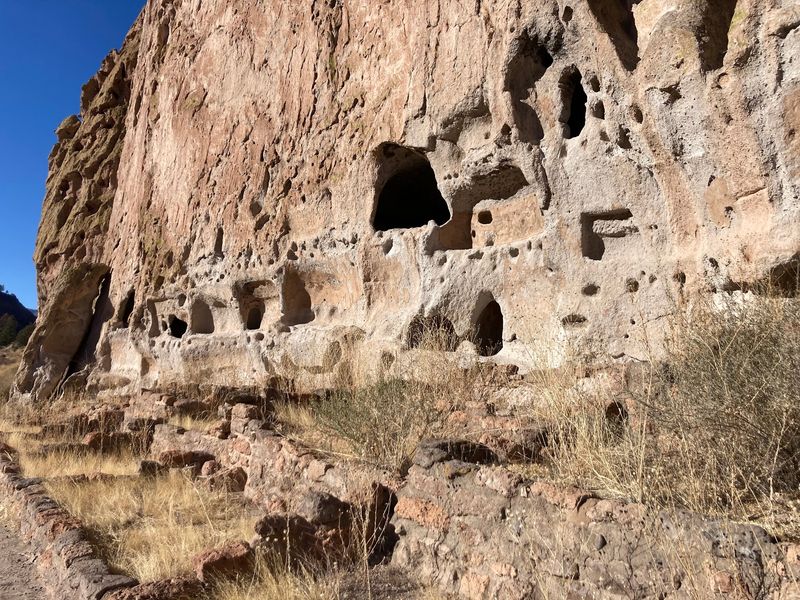
Ladders, cliffs, and rooms carved right into soft rock greet you at Bandelier National Monument in Los Alamos. The Ancestral Pueblo people once lived in these canyon walls, leaving behind petroglyphs and sturdy masonry pueblos.
The Main Pueblo Loop runs about 1.4 miles through Frijoles Canyon and stays gentle enough for most families. Along the way you can climb short ladders into small carved rooms called cavates, which gives you a real sense of what daily life felt like here.
For a bigger thrill, the Alcove House sits high above the canyon floor and asks you to scale four ladders and stone steps.
Beyond the main sites, over seventy miles of trails fan out across mesa and wilderness. Some are easy strolls, while others push into rugged backcountry for serious hikers.
What amazes me most is that people made their homes here thousands of years ago, and the plants and animals still fill the canyon today. Bring water, wear sturdy shoes, and give yourself plenty of time to linger.
A quiet afternoon spent tracing these ancient footsteps feels like time travel done the right way.
2. Valles Caldera National Preserve, Jemez Springs
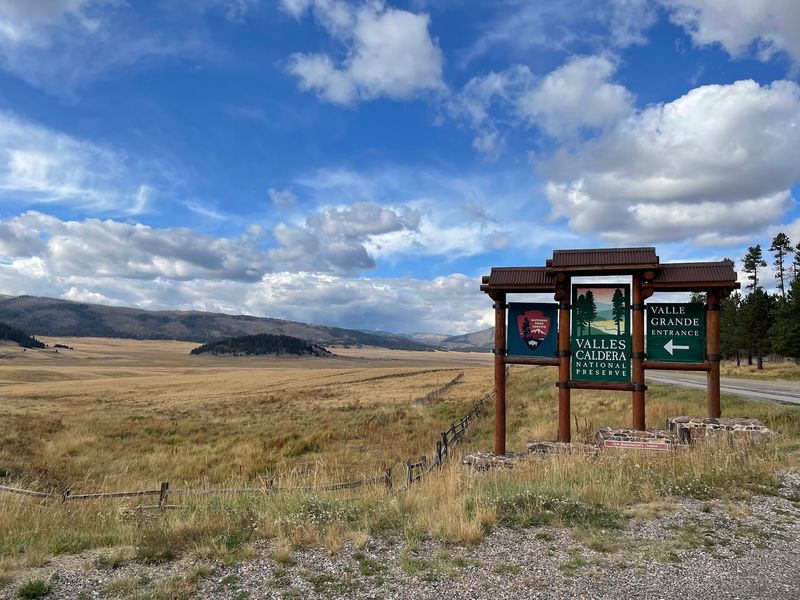
Drive a short way north of Jemez Springs and the land suddenly opens into the enormous Valles Caldera National Preserve. This wide circular bowl formed after a colossal volcanic eruption long ago, leaving behind sweeping mountain meadows and streams that curl through the grass.
Wildlife runs the show here. Elk, bear, coyote, and bright mountain bluebirds all call the preserve home, and spotting them feels like winning a small prize.
History lingers too, with old ranch cabins hinting at the cattle days of the past.
I think the sheer scale of the caldera is genuinely humbling, the kind of view that makes your worries shrink for a moment. San Antonio Creek draws anglers hoping to hook brown trout, while hikers and mountain bikers spread across the open terrain.
When snow arrives, the meadows turn into a playground for cross-country skiing and snowshoeing. That means the preserve gives you a reason to visit no matter what the calendar says.
Pack layers, because weather up here shifts quickly and the air stays cool even in warmer months. Few spots near Albuquerque feel this vast, this green, and this wonderfully quiet.
3. Jemez Historic Site, Jemez Springs
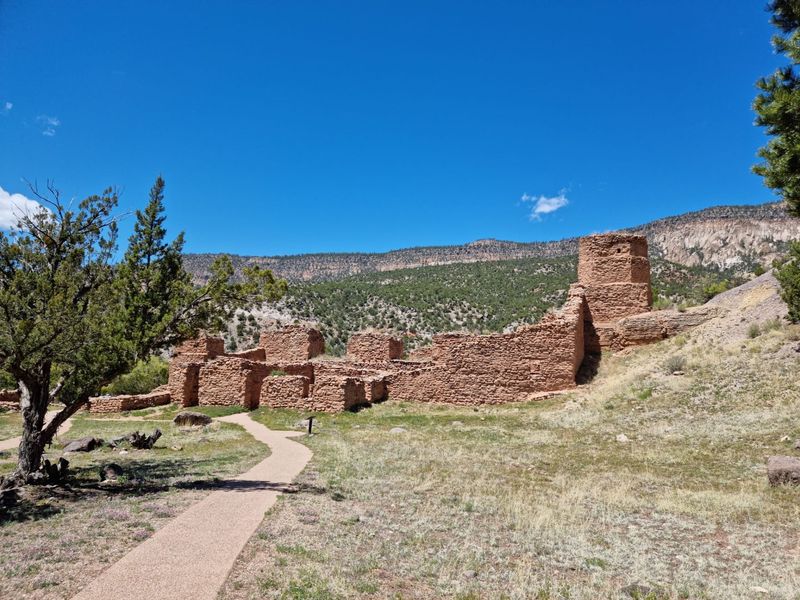
Centuries of Indigenous and Spanish history sit quietly just north of Jemez Springs at the Jemez Historic Site. The stone ruins of Giusewa, a village constructed roughly seven hundred years ago, once sheltered a large Jemez community tucked into these hills.
Towering nearby are the remains of the San Jose de los Jemez Mission church, built with massive stone walls roughly seven feet thick. Those walls have weathered a great deal and still command attention today.
The name Giusewa points to the natural springs that made this spot so important to the Jemez people for generations. A short interpretive trail loops through the ruins, sharing stories of the Walatowa ancestors and the blending of Pueblo traditions with Catholic practices.
Winter turns the place into something magical during the Lights of Giusewa, when hundreds of glowing paper lanterns line the ancient walls. Traditional dances and local crafts often join the celebration, warming up the cold desert nights.
I find the contrast between crumbling stone and flickering light strangely moving. Come during daylight for the history, or after dark for the glow, and either way you will leave with plenty to think about.
4. Pecos National Historical Park, Pecos
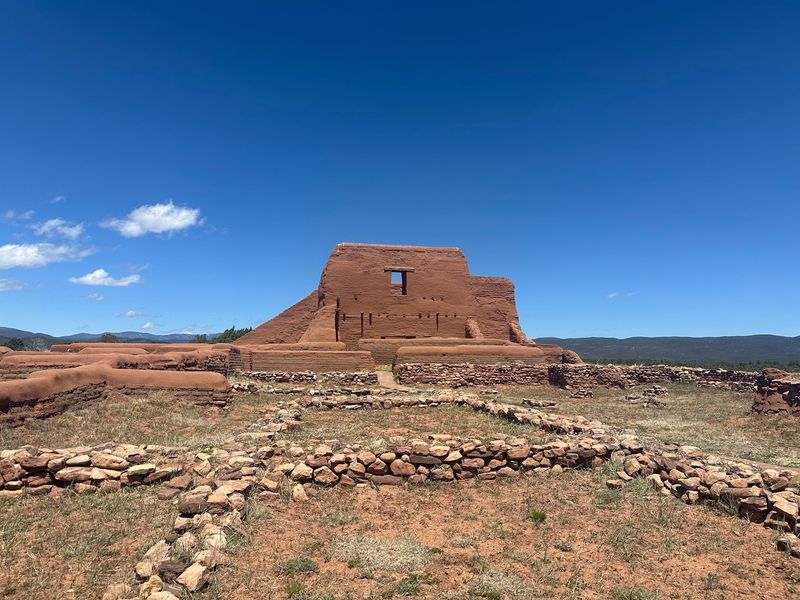
Head east from Albuquerque and you land at Pecos National Historical Park, a place stacked with thousands of years of stories. The ruins of Pecos Pueblo, also called Cicuye, once buzzed as a trading hub linking Plains peoples with communities along the Rio Grande.
Standing beside the pueblo are the remains of a seventeenth-century Spanish mission with a long and complicated name. Together they show how two very different cultures met and mixed in this valley.
The park keeps telling stories right up to more recent times. You will find traces of the Santa Fe Trail, a twentieth-century ranch, and the ground where the Battle of Glorieta Pass unfolded during the Civil War.
A self-guided loop of about 1.25 miles circles the pueblo and mission at an easy pace. Want more walking?
A longer trail dives into the battlefield’s tangled past.
Ranger-led caravan tours have visitors drive out to the historic Forked Lightning Ranch, once tied to a rodeo star and later a famous actress. That single visit hands you ancient pueblos, colonial churches, and cowboy legend all at once, which is a pretty generous deal.
5. Salinas Pueblo Missions National Monument, Mountainair
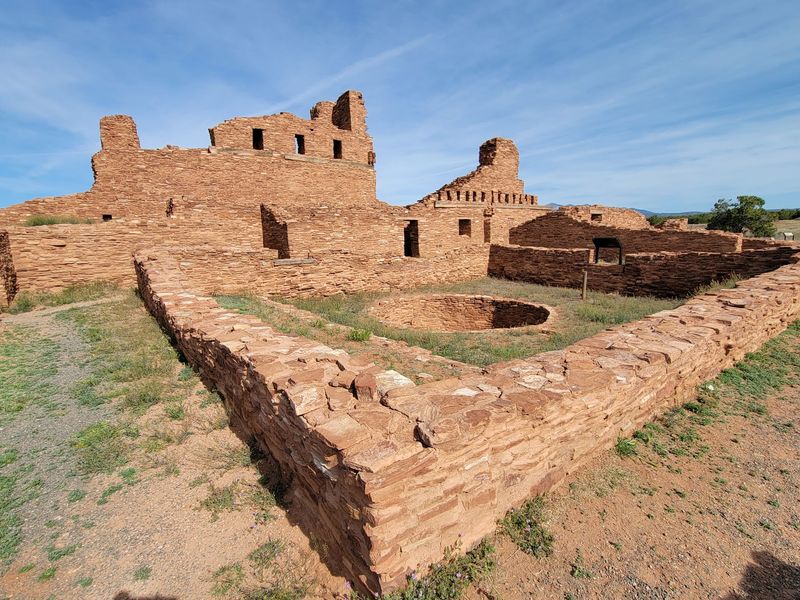
Three sites for the price of one trip make Salinas Pueblo Missions National Monument near Mountainair a real treat. The monument gathers together Gran Quivira, Abo, and Quarai, each holding its own set of stone ruins.
These places mark where thriving Indigenous villages once stood alongside Spanish mission churches raised in the early seventeenth century. Walking among them, you feel the weight of cultural exchange, hardship, and big changes that swept through the Southwest.
The whole area earned the name Salinas Province thanks to valuable salt deposits nearby, and the communities grew into important trading centers. Interpretive trails at each unit reveal how Puebloan and Spanish Franciscan building styles blended into something new.
Quiet hangs over these ruins in a way that feels almost sacred. The story of the villages being left behind, brought on by drought, illness, and conflict, adds a serious note to the visit.
Cooler months tend to make exploring far more comfortable, since shade can be scarce out on the grasslands. Spreading your day across all three units takes some driving, yet each stop offers a fresh angle on the same fascinating chapter of history.
6. El Malpais National Monument, Grants
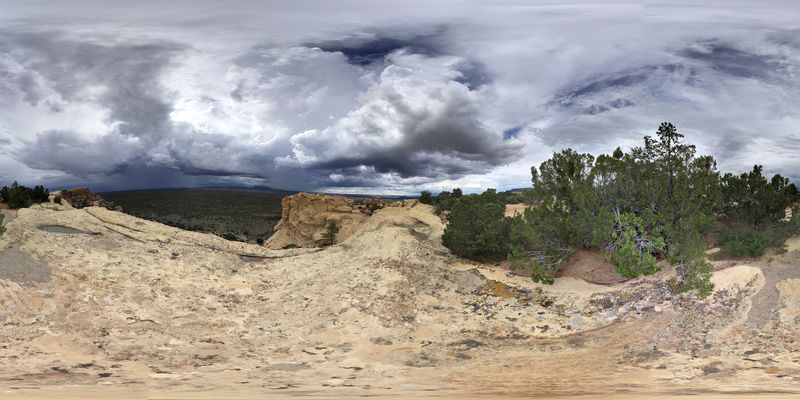
Volcanic drama takes center stage at El Malpais National Monument near Grants, where lava once reshaped the whole landscape. This western New Mexico site shows off black basalt flows, cinder cones, hidden lava tube caves, and tall sandstone bluffs all in one place.
Geology fans call it one of the planet’s best continuous records of volcanic activity, which is a bold title to carry. You can soak it in from scenic overlooks or lace up your boots for a real challenge across the rugged rock.
Trails like the Zuni-Acoma route test your footing, while the Lava Falls area offers a shorter cairn-marked hike over young lava flows. Slipping into a lava tube feels like stepping onto a strange new world, cool and dark and totally unlike the desert above.
Here is a heads-up worth remembering. Many paths are marked by cairns, those little stacks of rocks, instead of clear-cut trails, so keeping an eye out matters.
Bring sturdy shoes because sharp lava can chew up thin soles fast. Between the caves, the cones, and the wide-open badlands, El Malpais serves up scenery you simply cannot find in town.
7. Bosque del Apache National Wildlife Refuge, San Antonio
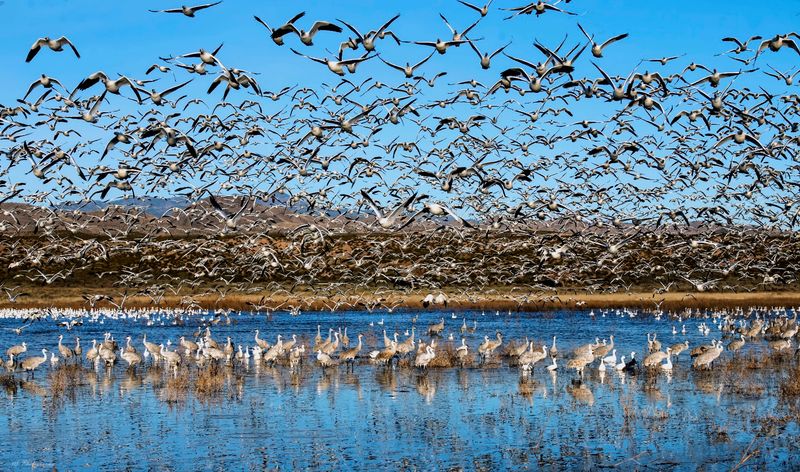
Bird lovers and photographers, this one is calling your name. Bosque del Apache National Wildlife Refuge near San Antonio turns into a wildlife spectacle every winter, especially in the colder months.
The name means Forests of the Apache, and the refuge stretches along the Rio Grande valley between two mountain ranges. Tens of thousands of migrating birds stop here to rest, filling the wetlands with sound and motion.
Sandhill cranes, snow geese, and countless ducks steal the show, and hundreds of bird species have been spotted here over the years. I have seen photos of the famous blast-offs, where flocks of snow geese lift into the sky at sunrise, and it looks unforgettable.
Twelve nature trails wind through the refuge, giving you plenty of spots for birdwatching, photography, and easy walking. Early morning and late afternoon usually bring the best light and the most action.
Each fall the Festival of the Cranes celebrates the return of these travelers with events across the refuge. Pack binoculars, dress warmly, and arrive before the sun climbs too high.
Watching that many wings fill the air is a memory worth chasing all the way from Albuquerque.
8. Very Large Array, Magdalena

Science fiction becomes real out on the Plains of San Agustin at the Very Large Array near Magdalena. This world-class radio observatory lines up dozens of enormous white dishes, each one stretching about eighty-two feet across and weighing a staggering amount.
The antennas sit in a giant Y-shaped pattern and can actually roll along rails to spread out or bunch together. Watching those huge dishes tilt toward the sky in unison is oddly mesmerizing.
Inside the visitor center you can catch a documentary narrated by actress Jodie Foster, plus exhibits that break down how radio astronomy works. A self-guided walking tour brings you right to the base of one antenna, where its true size really sinks in.
On Saturdays, guided tours dig deeper into how scientists use this powerful instrument to study the universe. Even if you barely remember your science classes, the sheer scale here sparks wonder.
The wide, empty plains make the dishes feel even more otherworldly, like a set from a space film. Bring a camera and a curious mind, because staring up at these giants pointed at distant galaxies is a memory that sticks around.
9. Ghost Ranch, Abiquiu
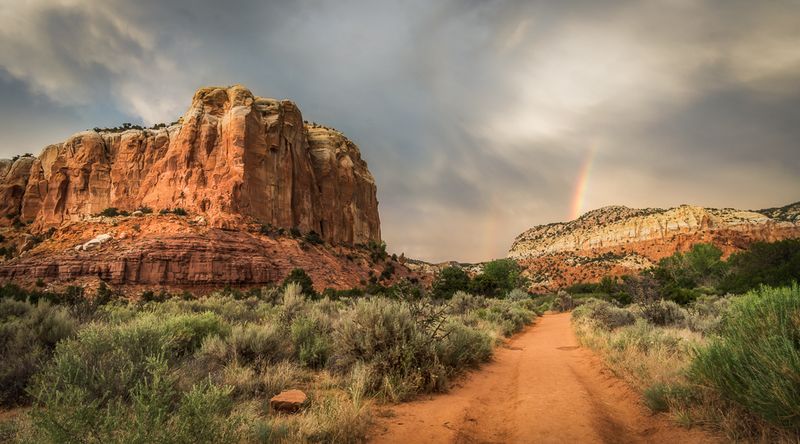
Red and yellow cliffs rise like a painting come to life at Ghost Ranch near Abiquiu. These are the very landscapes that captured artist Georgia O’Keeffe, who lived and painted here during summers for several decades.
An O’Keeffe Landscape Tour takes you to the exact spots she turned into famous canvases. Standing where she stood, you start to understand why she never wanted to leave.
The ranch’s backstory runs wild too, tangled up with cattle rustlers, a legendary poker game, and important dinosaur discoveries. One of those finds, the Coelophysis, became New Mexico’s state fossil, which is a fun bit of trivia to pocket.
On-site museums focus on anthropology and paleontology, sharing ancient cultures and remarkable fossil finds. I can almost feel the creative buzz that must have filled this place during O’Keeffe’s years here.
Adventure is not in short supply either. Hiking trails like Kitchen Mesa and Chimney Rock deliver big views, while horseback riding and kayaking on nearby Abiquiu Lake round out the options.
Wear a hat and carry water, since shade grows scarce among the sunbaked rock. Art, history, and outdoor fun all share one unforgettable stretch of desert here.
10. Rio Grande Del Norte National Monument, Questa
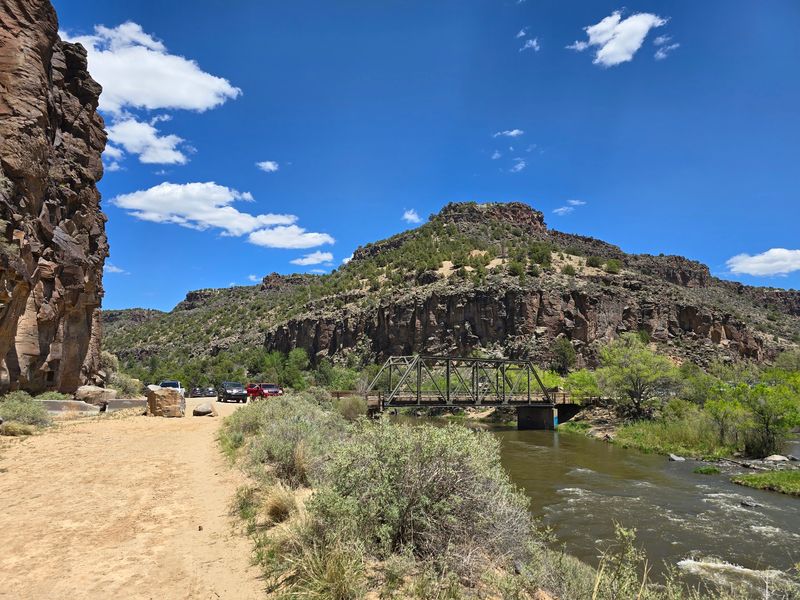
Wild and wide-open, the Rio Grande del Norte National Monument near Questa shows off the untamed side of northern New Mexico. Rolling plains stretch toward the horizon, broken by dramatic canyons and old volcanic cones like Ute Mountain.
The star of the show is the Rio Grande itself, which slices a deep gorge into the earth. Peering down into that plunging canyon is enough to make your knees a little wobbly.
People have used this land for a very long time, leaving petroglyphs and remnants of ancient dwellings behind. Today the monument shelters mule deer, elk, bighorn sheep, and even river otters, plus flocks of migrating birds passing through.
Adventure seekers get spoiled here. Whitewater rafting churns through the gorge, fly fishing draws patient anglers, and hiking, mountain biking, and camping fill out the menu.
The high elevation keeps temperatures cooler, so bring layers even when Albuquerque feels toasty. Sunsets over the plains paint the sky in colors that feel almost unreal.
Whether you want heart-pounding rapids or a quiet spot to watch wildlife, this rugged expanse delivers. It is one of those places that reminds you how big and beautiful the outdoors can be.
11. El Morro National Monument, Ramah
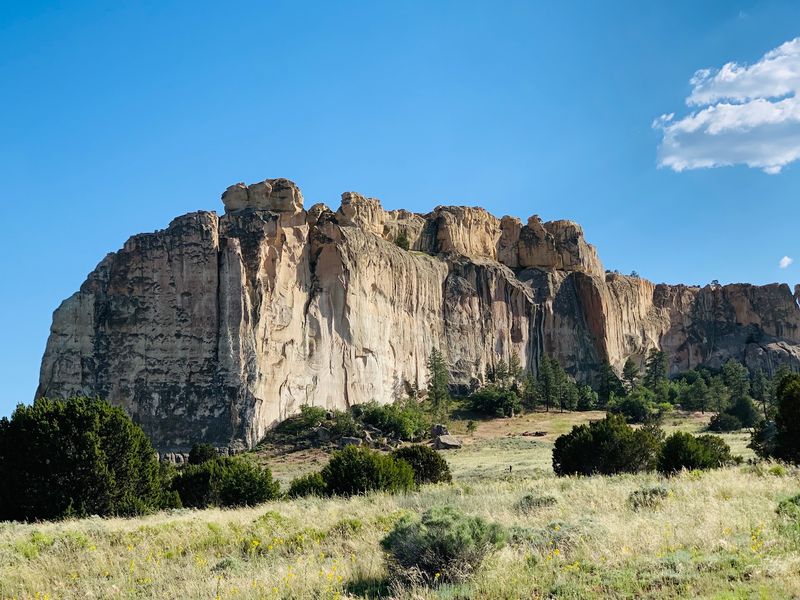
Weary travelers once spotted El Morro National Monument near Ramah and felt instant relief. This towering sandstone bluff, known as The Headland, holds a reliable pool of water at its base that has welcomed people for hundreds of years.
What sets El Morro apart is the rock face itself, covered with more than two thousand inscriptions, dates, messages, and petroglyphs. Ancestral Puebloans, Spanish explorers, and early American travelers all left their marks here.
Among them sits the oldest known European inscription in New Mexico, carved by Don Juan de Onate in 1605. The Zuni people, whose ancestors lived here, call the place Atsinna, meaning place of writings on the rock.
The Inscription Trail, a paved loop of about three-quarters of a mile, guides you past these historical carvings up close. Reading names etched centuries ago feels strangely personal, like flipping through an old guest book.
Feeling energetic? The two-mile Headland Trail climbs to the mesa top, where ruins of the ancient Zuni village of Atsinna await alongside sweeping views.
Bring water and comfortable shoes for the uphill stretch. Few spots pack this much human story into a single wall of stone.