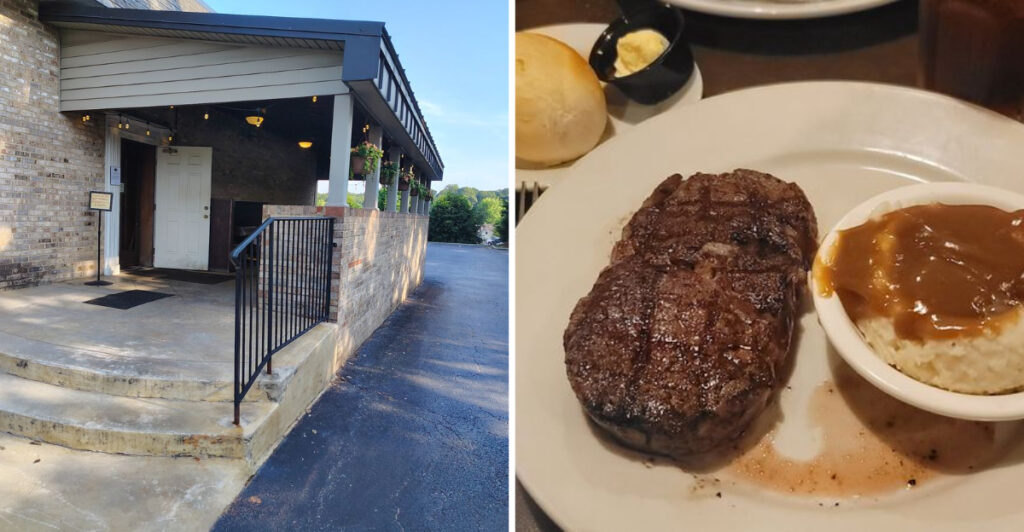
Good steak starts before the grill ever gets involved.
At this Forest restaurant, the beef gets serious attention behind the scenes. Steaks are cut daily, and the restaurant ages its beef in-house before it ever reaches the heat.
Prime rib gets its own slow-cooked treatment, which gives dinner a clear direction before you even start scanning the rest of the menu.
Virginia has been serving this steakhouse tradition since the early 1990s, but the menu has grown well beyond beef over the years.
That means one person can stay loyal to steak while someone else takes dinner somewhere completely different.
If the beef has already done this much homework, I’m at least letting it ace the final exam.
The Beef Is Aged Before The Knife Comes Out
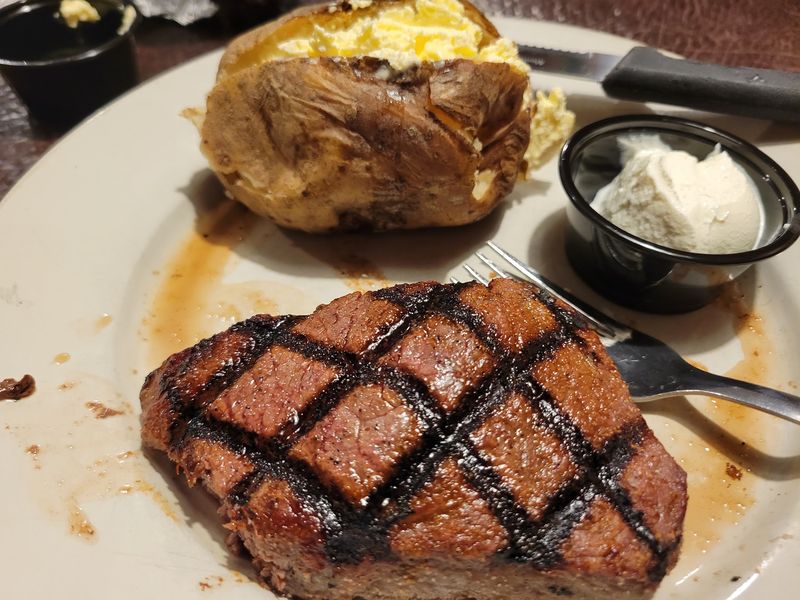
Bulls puts some of its most important steakhouse work behind the scenes. The beef is aged in-house, and steaks are cut daily by a trained meat cutter. That means the restaurant handles more of the preparation itself before a steak ever reaches the cooking surface.
For a ribeye or sirloin dinner, that process matters because the cut begins with the beef itself rather than with elaborate toppings. You can decide how substantial you want the meal to be, choose your steak, and let the rest of the plate stay comparatively simple.
The restaurant has specialized in steaks and prime rib for decades, so beef is not a small corner of a much larger concept. It remains one of the central reasons the menu exists in its current form.
If you usually compare steakhouses by what happens before the grill, this is the detail to notice. Aging and cutting in-house give Bulls a hands-on role in preparing the steaks rather than relying only on pre-portioned cuts.
That does not require a complicated order on your part. Pick the cut that matches your appetite, decide how you want it cooked, and let the kitchen handle the rest of the steakhouse routine.
Forest Has Been Home To Bulls Since 1991
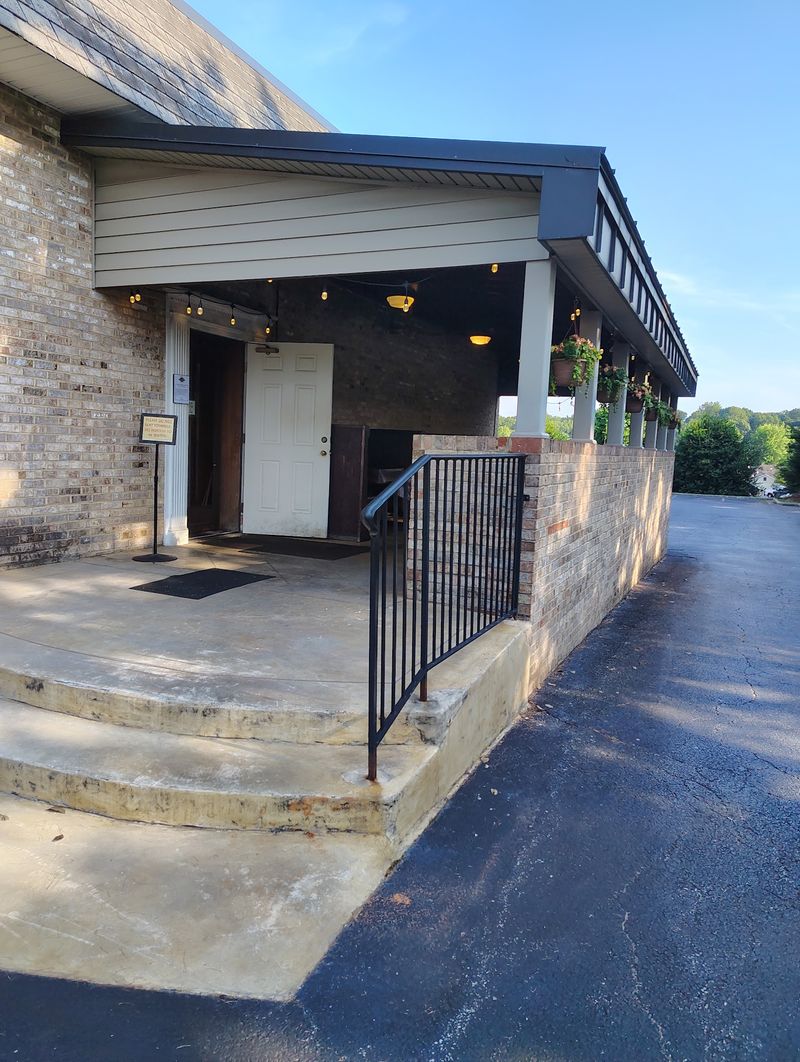
Bulls Steakhouse was established in 1991 as a casual family steakhouse. The restaurant began with a much smaller menu centered on prime rib, steaks, chicken, and sandwiches before adding more categories over the years.
You will find Bulls Steakhouse at 1887 Graves Mill Rd, Forest, VA 24551. The restaurant is open from eleven in the morning until nine at night Tuesday through Friday. Saturday begins later, at four thirty in the afternoon, and closes at nine.
Monday and Sunday are closed.
That schedule gives weekday diners room for either lunch or dinner, while Saturday is strictly an evening visit. If a midday steak is the plan, Tuesday through Friday are the days that give you that option.
More than three decades in business have given Bulls plenty of time to expand beyond the tighter steakhouse menu it started with. The core remains familiar, but the range around it is much broader now.
For a first visit, the hours are the main practical detail to remember. Saturday lunch will not work, and neither will Sunday or Monday. On the other open days, the schedule leaves plenty of room to build a meal around steak, prime rib, or something beyond beef.
Prime Rib Gets A Different Kind Of Preparation
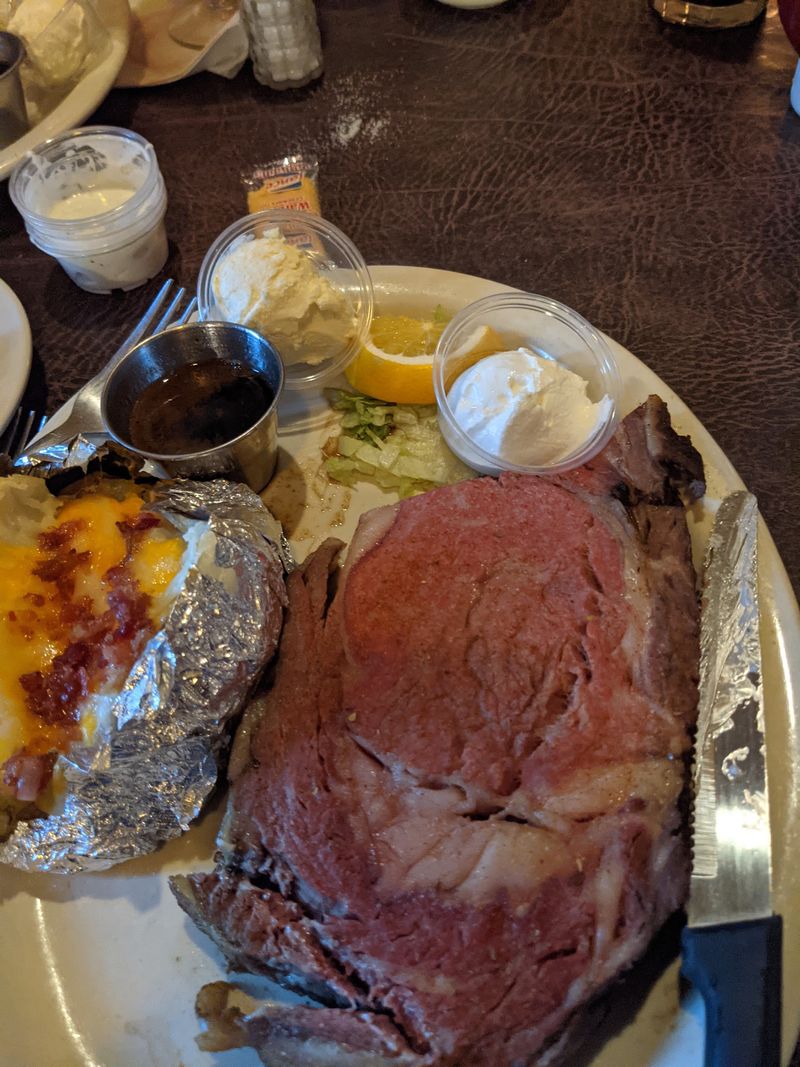
Prime rib follows a different path from the steaks. Bulls prepares and slow-cooks it in a special oven intended to protect tenderness, flavor, and juices during the cooking process.
That makes it a natural alternative when you want beef but not a steak cut cooked to order on the grill. The slower preparation changes the texture and the style of the meal, giving the menu two distinct ways to approach a beef dinner.
Prime rib was also part of the restaurant’s original narrower menu, along with steaks, chicken, and sandwiches. It remains one of the foods Bulls specifically identifies as a specialty.
If prime rib is what brings you in, let that choice shape the rest of dinner. A slower-cooked cut naturally calls for a different pace than a quick sandwich or lighter lunch.
You can also use it as the comparison point for another visit. Order prime rib once, then try a ribeye, sirloin, or filet later and see which style suits you better.
The important part is that prime rib is not treated as an incidental extra. It has its own preparation method and a longstanding place within the restaurant’s steakhouse identity.
Ribeye, Sirloin, And Filet Keep The Steak Choices Familiar
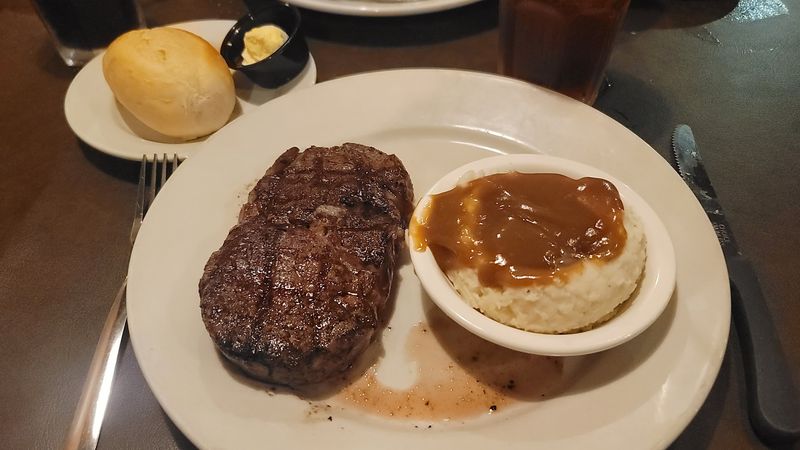
The steak side of the menu stays rooted in familiar cuts. Ribeye, center-cut sirloin, and filet give you several ways to approach beef without requiring unusual preparations or unfamiliar names.
The ribeye is the choice for someone who wants a steak known for richer marbling. Sirloin offers a leaner direction, while filet gives you another traditional steakhouse cut with a softer texture.
Bulls also offers a Ribeye Ranchero, which moves away from the simplest steak presentation by adding a blackened treatment with salsa and cheese. That gives the ribeye a second personality for anyone who wants more seasoning and a Tex-Mex influence.
The broader point is choice without losing the steakhouse core. One diner can stay with a classic cut while another takes the ranchero route.
If you are deciding between steaks, appetite and texture can do most of the work. Choose ribeye when richness sounds right, sirloin when you want something leaner, or filet when tenderness is the priority.
The menu does not ask everyone at the table to agree on one version of steak. It gives you enough variation to make the same restaurant work for different preferences.
The Menu Grew Beyond Its Original Steakhouse Basics
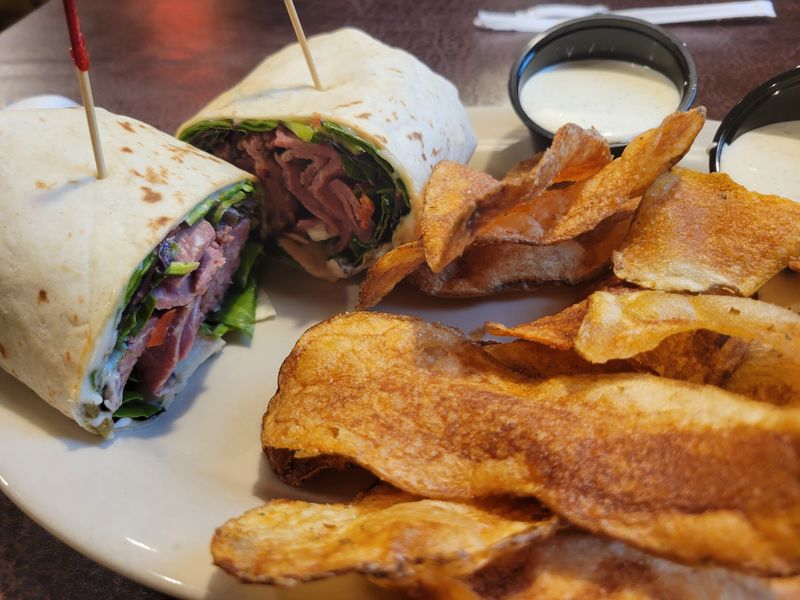
Bulls did not begin with the wide menu it has now. In its early years, the focus was limited to prime rib, steaks, chicken, and sandwiches. Seafood, Tex-Mex dishes, pork, entree salads, and a larger appetizer selection were added later.
That expansion matters when you are dining with someone who does not want beef. The current mix includes seafood, chicken, pork chops, fajitas, burgers, salads, and sandwiches alongside the steaks and prime rib.
A table can therefore move in several directions without splitting up for dinner. One person can stay focused on a hand-cut steak while another chooses seafood, chicken, or a Tex-Mex-style plate.
The variety also changes what a return visit can look like. You do not have to repeat the same steak order simply because Bulls is a steakhouse.
If you want to keep the meal lighter, a salad or sandwich shifts the pace. If dinner calls for something more substantial, pork, seafood, or another grilled entree can take over.
The menu has grown, but the original steakhouse foundation is still easy to recognize. Beef remains central while the surrounding choices give everyone else more room.
A Casual Dining Room Fits The Food
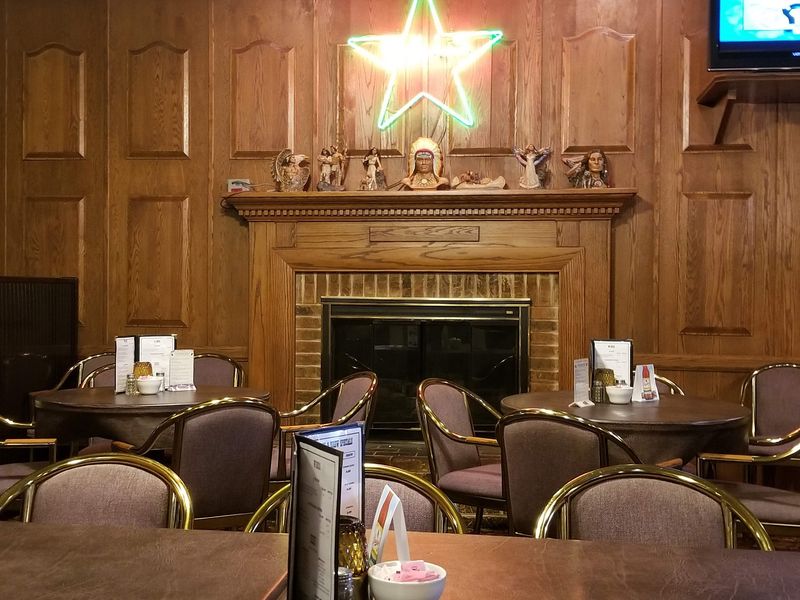
Bulls is a casual family steakhouse, and that keeps expectations clear before dinner begins. This is not a white-tablecloth format built around formal service. The focus is a relaxed room where steak, prime rib, and a broader American menu can handle lunch or dinner.
The owners and managers take an active role in the dining room, adding a hands-on element to the restaurant’s service style.
For you, the practical advantage is simple. A steak dinner does not need to become a special-occasion production. You can stop for lunch during the week, come in for dinner, or use Saturday evening for a slower meal.
The casual setup also makes mixed orders easier. A ribeye can share the table with a sandwich, seafood, chicken, or Tex-Mex dish without the meal feeling mismatched.
If the steak itself is your priority, spend more time deciding on the cut than worrying about the setting. Bulls keeps the dining-room side relaxed enough for the food to do most of the work.
A meal here can stay as simple as a steak and side or stretch into a longer dinner with several courses. The room does not force either approach, which leaves the pace largely up to you.
The Week Has Two Different Dining Rhythms
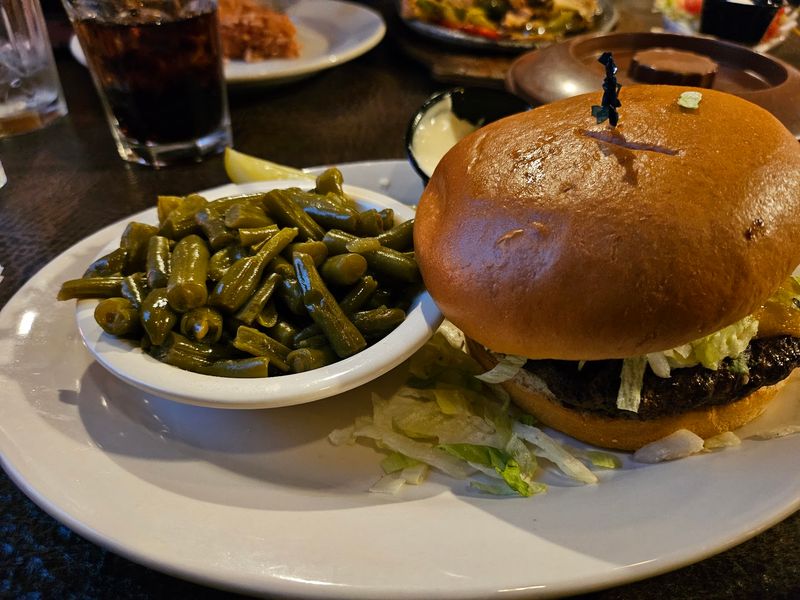
Tuesday through Friday give Bulls its longest service window, from eleven in the morning until nine at night. Those days can handle lunch, an early dinner, or a later evening meal without much scheduling pressure.
Saturday changes the pattern. The doors open at four thirty in the afternoon and close at nine, making the restaurant an evening-only choice. Sunday and Monday are closed.
That split can help you decide what kind of visit makes the most sense. A weekday lunch gives you a different pace from a Saturday steak dinner, while the evening hours leave room for prime rib or another substantial entree.
Start with the day, then let appetite take over. If you want beef, decide between slow-cooked prime rib and a hand-cut steak.
If someone at the table wants another direction, the expanded menu gives seafood, pork, chicken, salads, sandwiches, and Tex-Mex-style dishes room to step in.
For a Virginia steakhouse that still ages beef in-house and cuts steaks daily, the appeal comes from a straightforward combination of preparation, choice, and a casual setting that has been part of Forest dining since 1991.