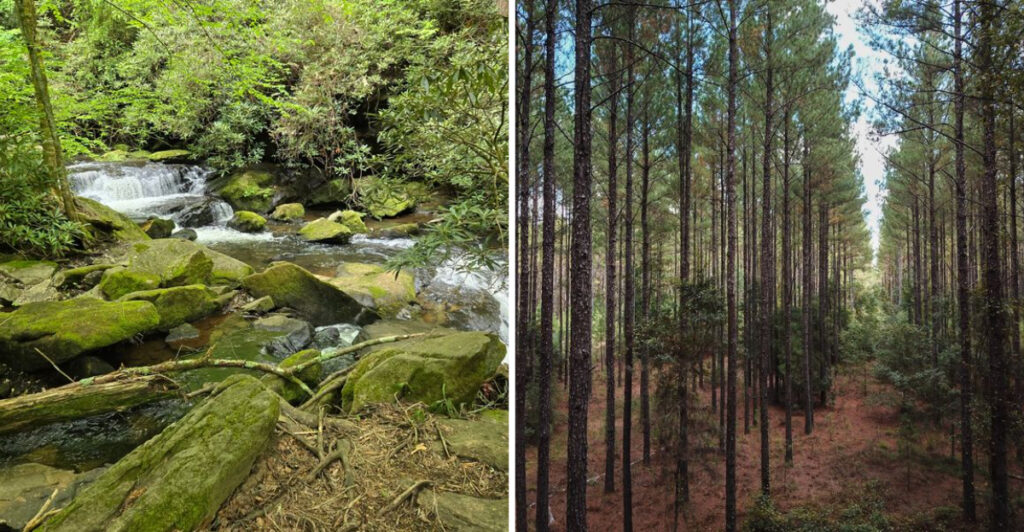
Fall is when Georgia starts tempting you outside again, and the snakes did not get the memo.
The air cools down. The trails get easier to enjoy. Weekend plans suddenly start drifting toward parks and back roads.
Snake activity can still continue well into the season, especially while temperatures stay mild. Early fall also overlaps with a more active period for several rattlesnake species.
That does not mean every walk turns into a wildlife encounter. Most snakes in Georgia are nonvenomous, and many would rather avoid you altogether.
I treat it like poison ivy: know where it hides, watch your step, and keep moving.
1. Cumberland Plateau
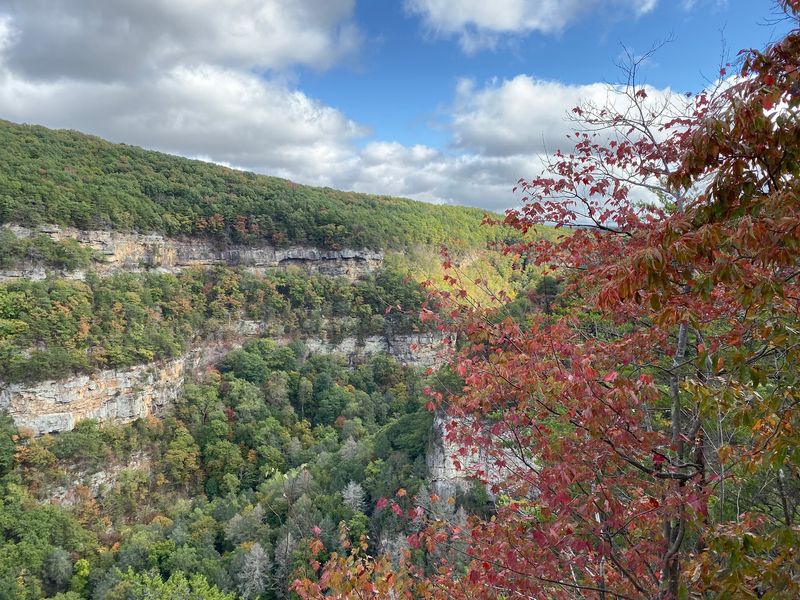
Georgia’s Cumberland Plateau occupies the far northwestern corner of the state, where steep slopes, sandstone ledges, wooded ridges, and rocky terrain shape places around Dade County.
That landscape provides plenty of shelter for snakes. Cracks between rocks, fallen logs, wooded slopes, and sunny openings can all offer places to hide or warm up as temperatures shift during the day.
Copperheads and timber rattlesnakes occur in northwestern Georgia. Timber rattlesnakes can be more mobile during their late-summer and early-fall breeding period as males search for females.
Cool mornings can also make sunny rocks appealing once the day begins warming.
That does not mean hikers need to avoid rocky trails. It simply helps to look ahead before stepping onto a ledge, sitting beside a rock outcrop, or moving around fallen timber.
Cloudland Canyon is one of the best-known outdoor areas in this part of the state, and its mix of forest, cliffs, rock, and shaded trail corridors illustrates the kind of habitat found across the plateau.
Keep feet on visible surfaces whenever possible. Step over logs only after checking the other side, and never put a hand into a rock crevice you cannot see clearly.
Snakes encountered along a trail should be given plenty of distance rather than approached for a closer look.
In this rugged corner of Georgia, paying attention to the ground becomes just another part of enjoying the overlooks, forests, and rocky terrain.
2. Ridge And Valley
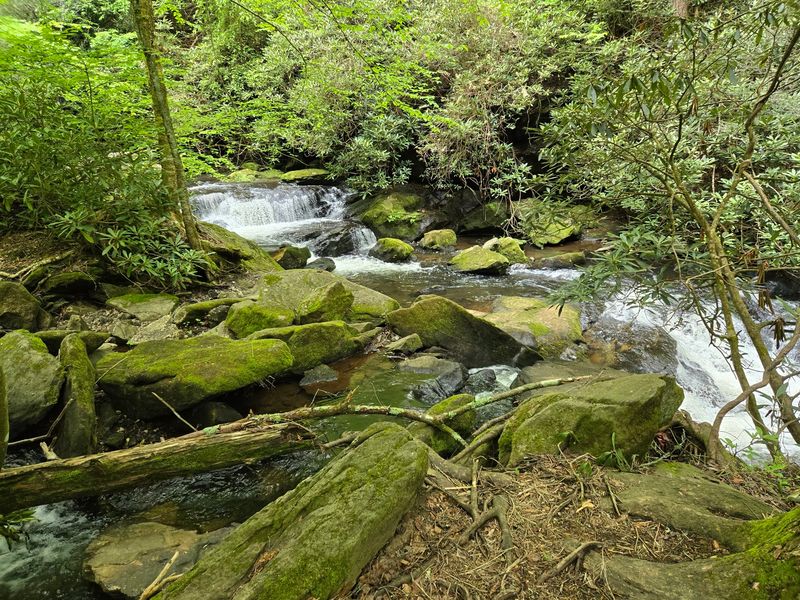
Long parallel ridges and lower valleys create a different landscape as you move east and south from Georgia’s northwestern plateau.
Wooded slopes alternate with open areas, farmland, streams, limestone terrain, and exposed rock. Those changes create many small habitat zones within a relatively short distance.
Much of northwest Georgia around Rome, Dalton, and Calhoun falls within the Ridge and Valley province. Copperheads and timber rattlesnakes both occur in this broader part of the state.
Timber rattlesnakes may become more mobile during their late-summer and early-fall breeding period. A snake traveling between wooded areas can occasionally cross trails, roads, or more open ground rather than staying concealed in one small patch.
Rock piles deserve a little extra attention.
So do brushy trail margins, sunny openings beside woods, fallen logs, and slopes where leaf litter makes the ground harder to read.
There is no need to treat every pile of leaves like a threat. Georgia has far more nonvenomous snake species than venomous ones, and snakes generally prefer avoiding close contact with people.
A steady walking pace gives you more time to notice what is ahead.
Keep hands away from unseen spaces beneath rocks, watch where you place your feet, and leave a snake an open route away from you rather than trying to move it.
Fall hiking through the Ridge and Valley can still be relaxed. The goal is awareness, not constant worry.
3. Blue Ridge
Higher elevations change the rhythm of autumn quickly in northern Georgia.
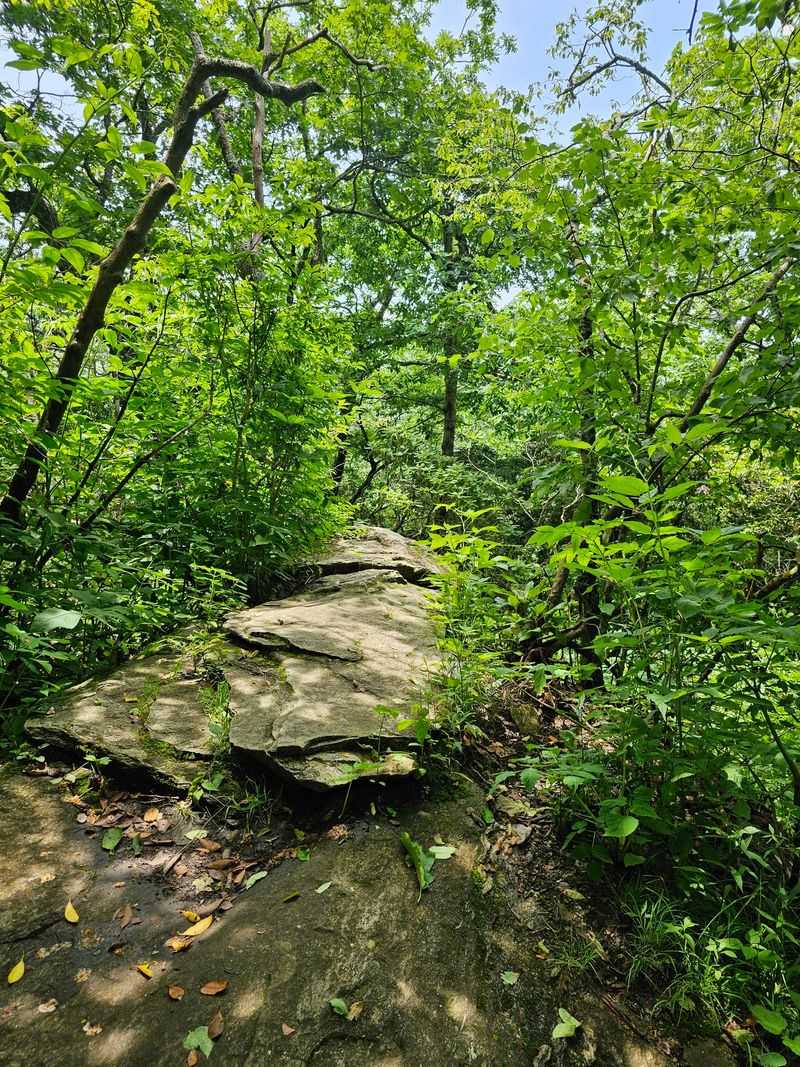
Forests cool earlier, fallen leaves begin covering trail edges, and rock outcrops can become valuable warm spots during sunny portions of the day. That combination can make a snake harder to notice when its colors blend with leaves, bark, or stone.
Copperheads and timber rattlesnakes both occur in Georgia’s mountain counties.
The Blue Ridge includes the state’s highest elevations and places around Blairsville, Dahlonega, Helen, and Brasstown Bald. Northern pine snakes, a large nonvenomous species, also occur in parts of northern Georgia.
For fall hikers, the most useful places to watch are not necessarily the middle of a wide trail.
Look carefully along edges where leaf litter meets rock, around logs, beside stone steps, and near open areas where sunlight reaches the ground.
A snake warming itself may remain motionless until you are fairly close, especially on a cool morning.
Before sitting on a rock ledge or reaching beside a log, take a quick look at the surface and surrounding leaves.
Timber rattlesnake breeding activity can extend into early fall, although actual movement depends on local temperatures and conditions.
Temperatures matter too. Snakes are less active during very cold conditions, but a mild sunny afternoon can still bring activity even after a chilly morning.
The mountains remain excellent fall-hiking territory. Watching the next several steps ahead is usually enough to reduce the chance of an unexpectedly close encounter.
4. Piedmont
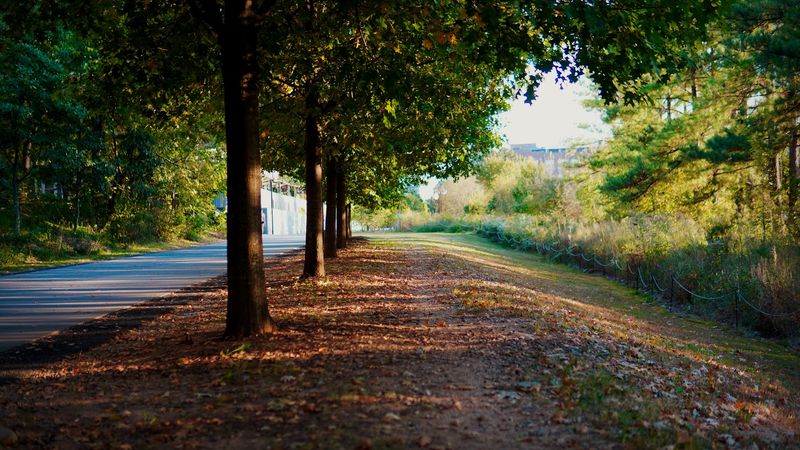
The Piedmont covers a large stretch of central and north-central Georgia, including much of the state’s most heavily populated area.
Here, snake habitat often sits surprisingly close to everyday life.
Creeks wind through suburban neighborhoods. Wooded greenways cut between housing developments. Rock outcrops appear beside trails, and backyard brush piles can offer the same kind of cover a snake would use farther from town.
Georgia wildlife guidance notes that copperheads are particularly capable of living in suburban settings. Timber rattlesnakes also occur in portions of this broad region, though their distribution and preferred habitat are not the same as a copperhead’s.
Around Atlanta, Athens, and surrounding communities, simple yard habits can reduce unwanted surprises.
Keep firewood organized, remove unnecessary brush piles, and avoid leaving dense debris pressed against areas where people regularly walk or work.
Streams and ponds deserve ordinary caution too.
Several nonvenomous water snakes occur around Georgia waterways and are sometimes mistaken for cottonmouths. Cottonmouth distribution is more limited and does not cover the entire state.
On trails, greenways, and wooded park paths, closed shoes and a clear view of the ground are usually more useful than worrying about every patch of vegetation.
After sunset, a flashlight makes it easier to see sidewalks, trail edges, patios, and yard areas before stepping into them.
The Piedmont is a good reminder that snake awareness is not only a wilderness skill. Sometimes it matters just as much a few blocks from home.
5. Fall Line
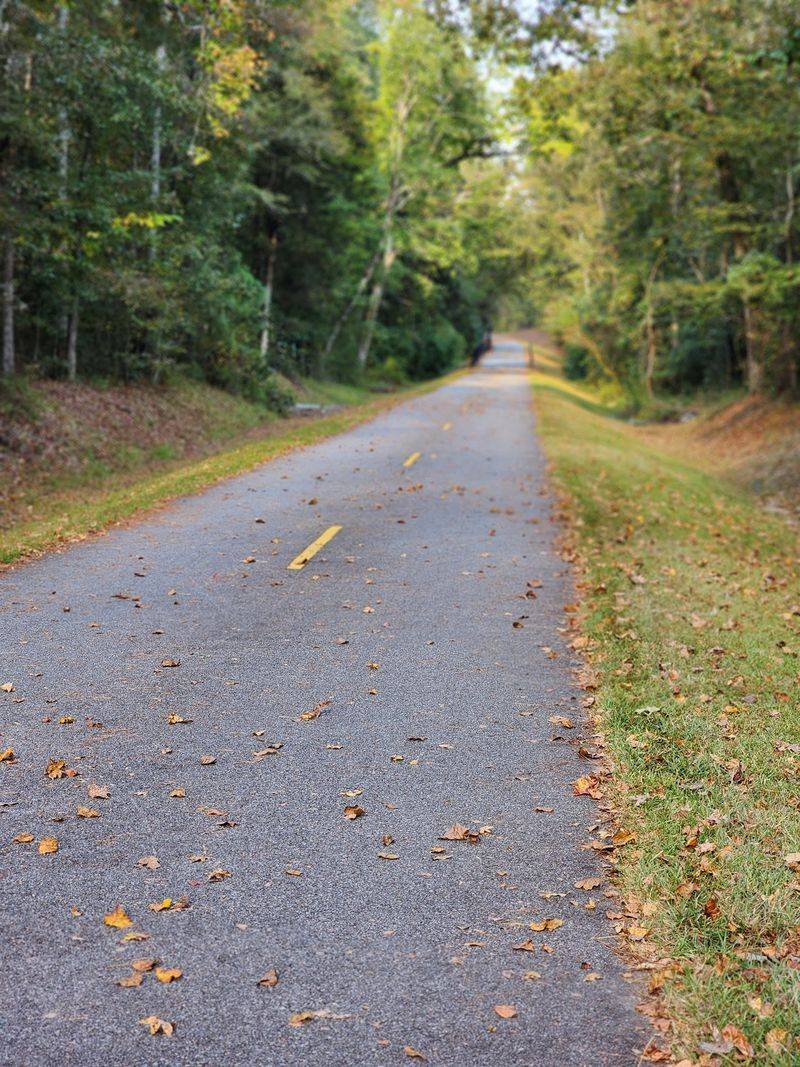
Central Georgia contains an unusual transition where hard Piedmont rock gives way to the softer sediments of the Coastal Plain.
The change is visible in the landscape and especially along rivers, where rapids and falls historically helped define cities such as Columbus, Macon, and Augusta.
Different soils, forests, waterways, and elevations meet through this broad geological boundary.
That combination also means the ranges of several snake species can meet or overlap near different parts of the transition.
The Fall Line itself is not one of Georgia’s five major physiographic provinces. It is a geological transition zone separating the Piedmont to the north from the Coastal Plain to the south.
For someone spending time outdoors here, habitat matters more than the label on the map.
Rocky river corridors may create one set of hiding places, while sandy ground, pine woods, brush, and wetter low areas create another.
Depending on the exact location, venomous species can include copperheads, timber rattlesnakes, pigmy rattlesnakes, and cottonmouths.
Their ranges are not identical, so a species present near one part of the Fall Line should not automatically be assumed to occur everywhere along it.
Watch around wooded riverbanks, trail edges, fallen timber, brush piles, and places where open ground meets cover.
When crossing a log, step onto it first and look at the ground on the far side instead of blindly stepping over.
Around water, give any unidentified snake plenty of room. Many Georgia water snakes are harmless, and approaching closely enough to identify one is rarely necessary.
6. Upper Coastal Plain
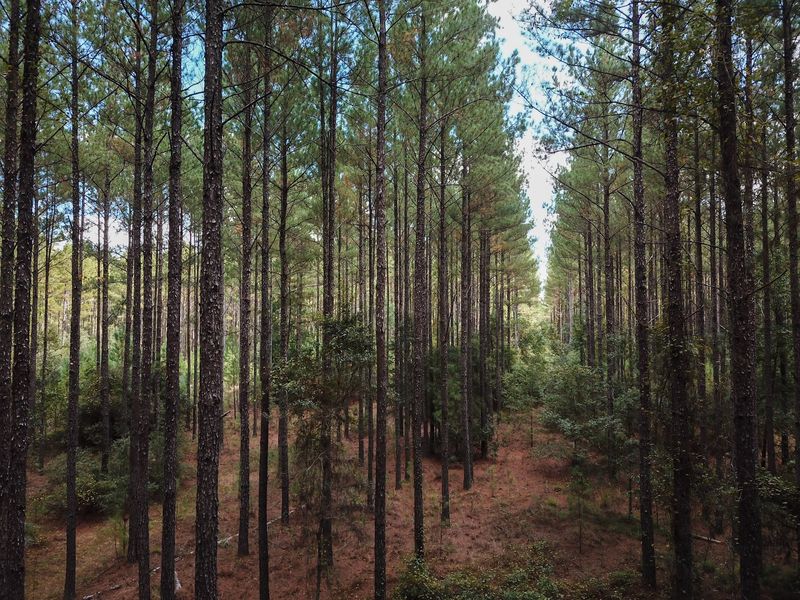
Once you move south of the Fall Line, the ground increasingly opens into sandy uplands, agricultural areas, pine woods, wetlands, and broad stretches of relatively low terrain.
That change in habitat also brings a different mix of snakes.
Pigmy rattlesnakes, cottonmouths, timber rattlesnakes, and eastern diamondback rattlesnakes can occur within portions of southern Georgia, although their exact distributions differ considerably.
Eastern diamondbacks occur in Georgia’s Coastal Plain rather than across northern Georgia.
Autumn deserves some added attention because Georgia wildlife officials have documented increased rattlesnake movement in South Georgia during the late-August-through-mid-October breeding and dispersal period.
Males can move while searching for females, and young rattlesnakes may spread away from where they were born.
Farm edges and sandy roads can therefore be worth scanning before stepping into taller vegetation.
Pine woods, brush, fallen logs, field margins, and unused equipment or debris can provide cover as well.
The Upper Coastal Plain stretches across a large part of inland southern Georgia, so conditions vary dramatically from one county to another.
A dry pine stand and a wet creek bottom should not be treated as identical snake habitat.
Stay on visible paths when possible, wear appropriate footwear in tall vegetation, and avoid reaching into places you cannot inspect first.
Most outings will pass without any snake encounter at all.
The goal is simply to notice the places where a resting or moving snake could blend easily into the landscape.
7. Lower Coastal Plain
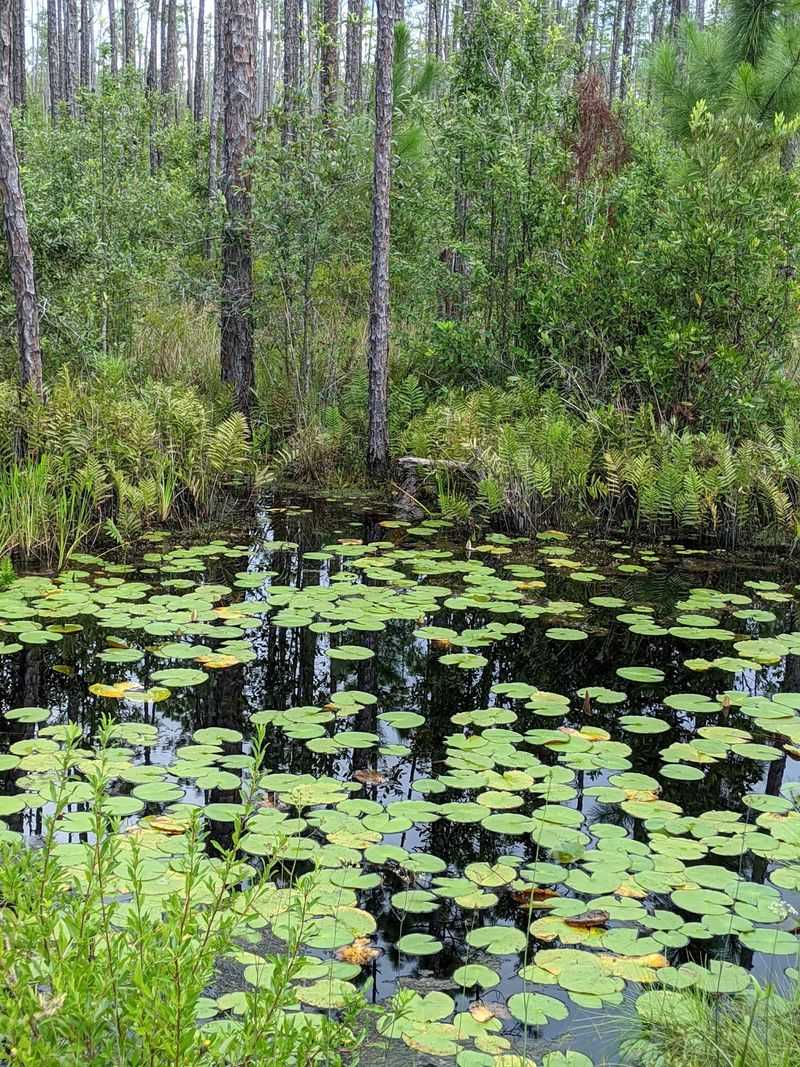
Wetlands, pine forests, sandy uplands, swamps, and low-lying terrain dominate much of southeastern Georgia.
The Lower Coastal Plain includes some of the state’s richest reptile habitat, particularly where longleaf pine landscapes, wetlands, and relatively undeveloped tracts remain.
Eastern diamondback rattlesnakes are closely associated with the Coastal Plain and can use open pine woods, grassy areas, sandy uplands, dunes, and habitats connected with gopher tortoise burrows.
Other venomous snakes found in portions of southern Georgia include cottonmouths, pigmy rattlesnakes, timber rattlesnakes, often called canebrakes in southern parts of their range, and eastern coral snakes.
Not all of them favor the same habitat.
Cottonmouths are more strongly associated with aquatic and wet environments, while eastern diamondbacks are commonly tied to drier upland habitats.
That difference matters when deciding where to pay attention.
Around wetlands, watch the edges of boardwalks, trails, logs, and dense vegetation.
In pine country, scan sandy paths, palmetto cover, fallen timber, and open spots where sunlight reaches the ground.
South Georgia’s documented increase in rattlesnake movement during early fall makes these habits especially useful from late August through mid-October.
The Okefenokee area is one of the best-known examples of Lower Coastal Plain habitat, but there is no reason to step off a boardwalk or established path just to look for wildlife.
Snakes should be observed from a comfortable distance and left alone.
A little extra attention to footing is enough to keep the focus where it belongs: on the forests, wetlands, and remarkable wildlife diversity of southern Georgia.
8. Georgia Coast And Barrier Islands
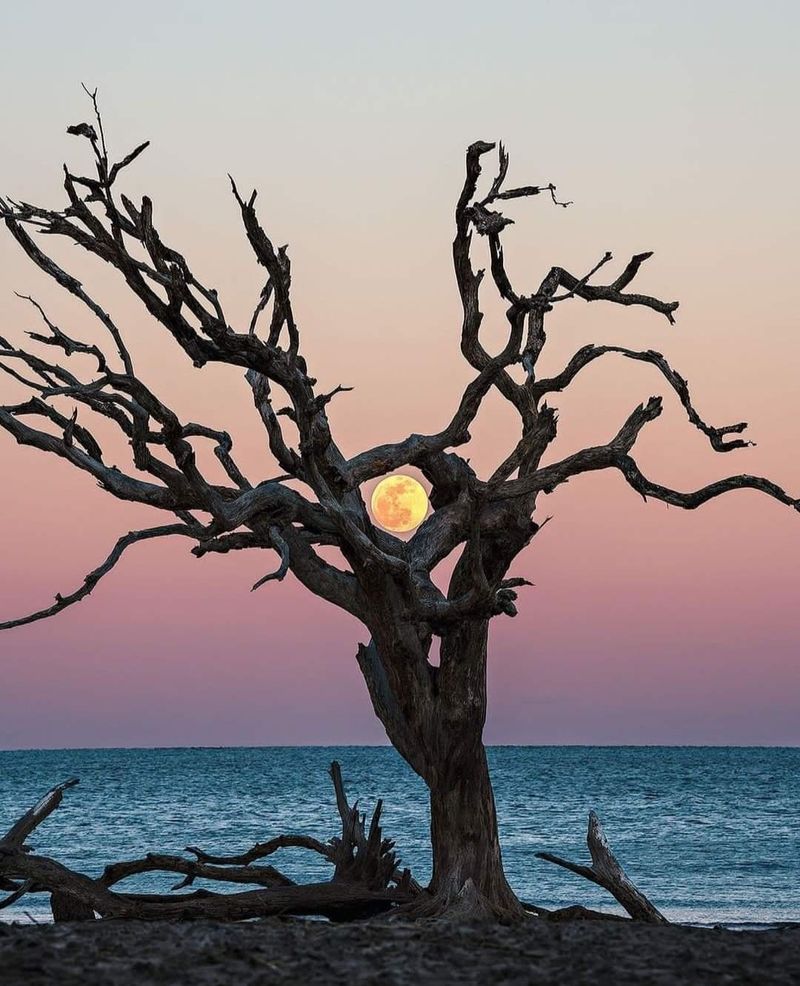
Salt marshes, maritime forests, sandy dunes, palmetto thickets, and barrier-island uplands create yet another set of habitats along Georgia’s Atlantic edge.
Beachgoers spending the day on open sand may never think about snakes at all.
Move into a quiet maritime forest or natural dune system, however, and the surroundings change considerably.
Eastern diamondback rattlesnakes occur within Georgia’s Coastal Plain and can inhabit coastal environments, including barrier islands and sandy uplands.
Cottonmouths occur in parts of coastal Georgia as well, particularly around suitable wet habitats. Other snake species, many of them harmless, occupy maritime forests, marsh margins, freshwater areas, and undeveloped island interiors.
Georgia wildlife education materials also distinguish the state’s coast and islands as an ecological area, even though it is not a separate physiographic province on the same level as the Piedmont or Blue Ridge.
Early fall overlaps with the breeding and dispersal period of several rattlesnake species in South Georgia, so quieter natural areas deserve the same sensible awareness used on inland trails.
Watch where sandy paths narrow through vegetation.
Scan the ground near fallen logs, palmetto cover, woodland edges, and places where marsh or wetland habitat meets higher ground.
Dunes protected from heavy foot traffic should be left undisturbed for many reasons beyond snakes, so use established paths and boardwalks when they are provided.
Places such as Cumberland Island, Jekyll Island, St. Simons Island, Tybee Island, and natural areas around the Savannah coast can all combine recreation with wildlife habitat.
There is no need to search for snakes or worry about every trail.
Keep your feet where you can see them, avoid grabbing unseen vegetation or logs, and leave wildlife alone when you encounter it.
That is usually all it takes to enjoy Georgia’s coast through fall without turning snake awareness into the main event.