Calendar alerts are not usually part of dinner, yet Connecticut diners have learned that certain tables reward early planning. You should learn from this, not from experience.
These restaurants have built demand through consistency, personality, and the kind of reputation that spreads quietly before reservations disappear.
You will find different approaches across the state, but the common thread is simple: each place gives people a reason to organize an evening around the meal.
That level of loyalty cannot be manufactured, and it rarely lasts without attention behind the scenes.
Consider this your timely reminder that spontaneous plans do not always win. You may need to book ahead, coordinate schedules, or choose a less obvious night, but the effort can lead to a dinner worth remembering.
Connecticut proves that anticipation can become part of the experience.
Especially when a coveted table turns one ordinary date on the calendar into something everyone has been looking forward to for weeks.
1. Arethusa Al Tavolo
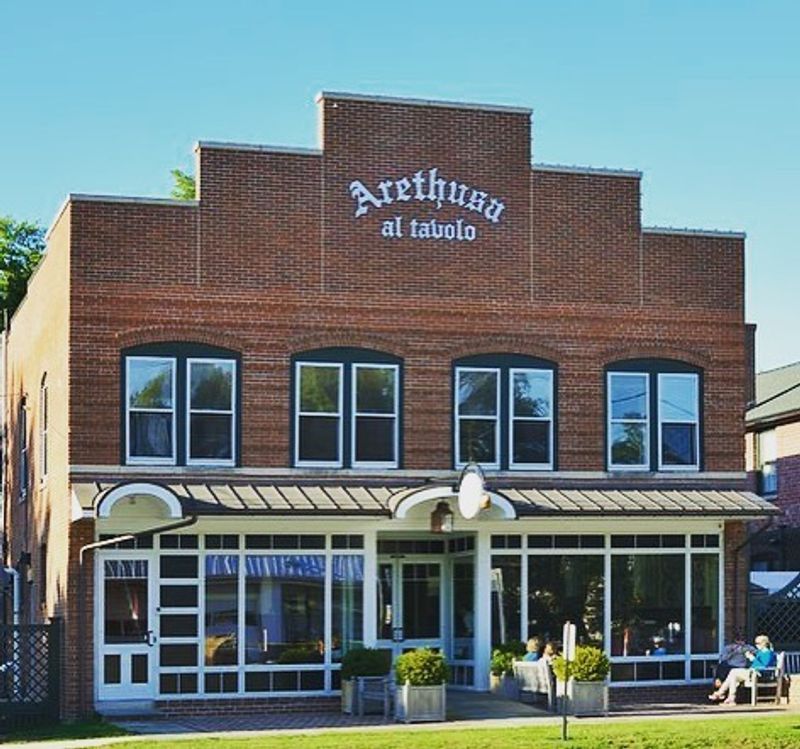
A restaurant connected directly to a working dairy farm begins dinner with an advantage most kitchens can only describe.
Seasonal changes arrive quickly because nearby production influences ingredients before the menu settles into a permanent routine. Each visit connects to a particular month instead of a generic version of farm-to-table cooking.
Arethusa Al Tavolo operates at 828 Bantam Road, Bantam, Connecticut, near the farm supplying many of its ingredients.
Handmade pasta and carefully handled vegetables gain depth from ingredients that travel very little before reaching the kitchen. Duck preparations and seasonal courses follow the same philosophy.
Richness meets whatever the farm currently provides.
The dining room stays understated, keeping attention on timing, texture, and the quieter details of each plate. A nearby creamery stop can extend the evening when dinner renews your interest in the farm’s dairy work.
The short distance between farm and table also changes expectations.
Freshness becomes something diners can understand instead of merely trust. This meal is built around proximity, discipline, and enough confidence to let ingredients explain themselves.
2. Materia Ristorante
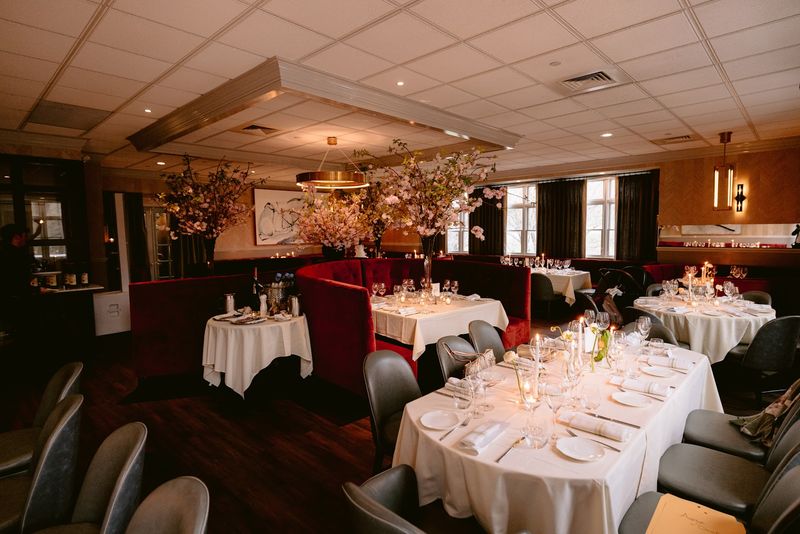
Materia approaches Italian cooking through Puglia and Calabria, giving Bantam a second dining destination with a completely different personality.
House-made pasta carries the menu, but the stronger impression comes from how confidently simple ingredients are allowed to stay. Olive oil, legumes, chili, and developed breads create depth without heavy sauces or excessive decoration.
The compact dining room sharpens the occasion.
Every reservation represents a meaningful share of the evening’s available tables. Weekend demand can build quickly when visitors arrange a full Litchfield County escape around dinner.
The kitchen’s regional focus keeps the experience specific instead of broadly Italian.
That precision makes each course easier to remember. Bread receives the same attention as pasta, turning the opening minutes into more than a delay before the main event.
Southern Italian cooking rewards restraint.
Materia understands when to stop adding before a dish loses its original direction. The small room makes each course appear more deliberate after you have worked to secure the table.
Materia Ristorante operates at 637 Bantam Road, Bantam, Connecticut, only a short distance from another highly sought dining room.
3. Community Table
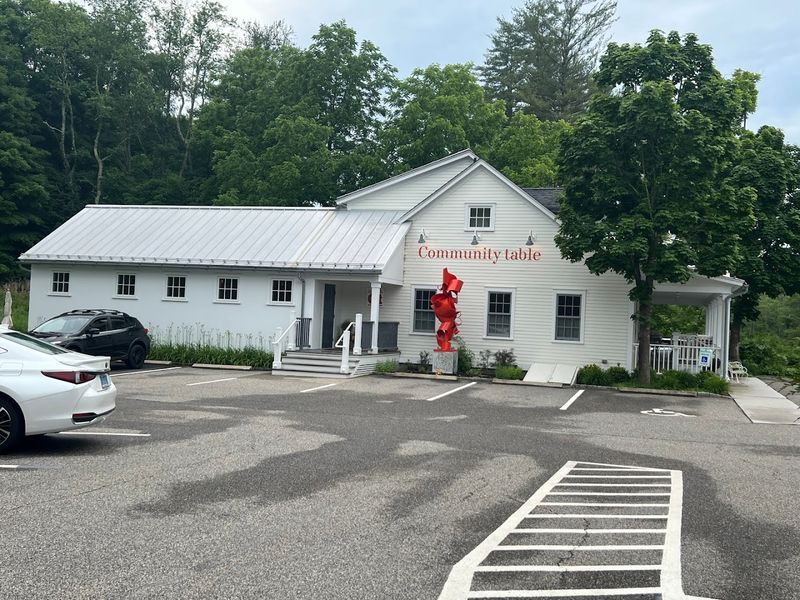
A village this small should not create such intense dinner planning, yet Community Table keeps giving visitors a reason.
Community Table operates at 223 Litchfield Turnpike, New Preston, Connecticut, within the rolling landscape of the Litchfield Hills.
Nearby farms influence the menu throughout the year. Vegetables can move from supporting roles into the center of entire courses.
That shift gives dinner a lighter sense of discovery because produce is treated as a source of drama instead of decoration.
The modest dining room encourages conversation without turning the space cramped or overly formal. Weekend brunch follows the same seasonal logic.
Repeat guests rarely encounter an exact copy of their previous meal.
Local sourcing sounds familiar on paper, but here it becomes visible through texture, ripeness, and combinations tied to the moment. New Preston’s quiet setting changes the approach as well.
The drive becomes a transition instead of an inconvenience.
The village contributes calm instead of distraction. By dessert, the restaurant seems less improbable and more perfectly placed.
Community Table gives one small village an outsized dining reputation by trusting farms, seasons, and restraint more than spectacle.
4. Grano Arso
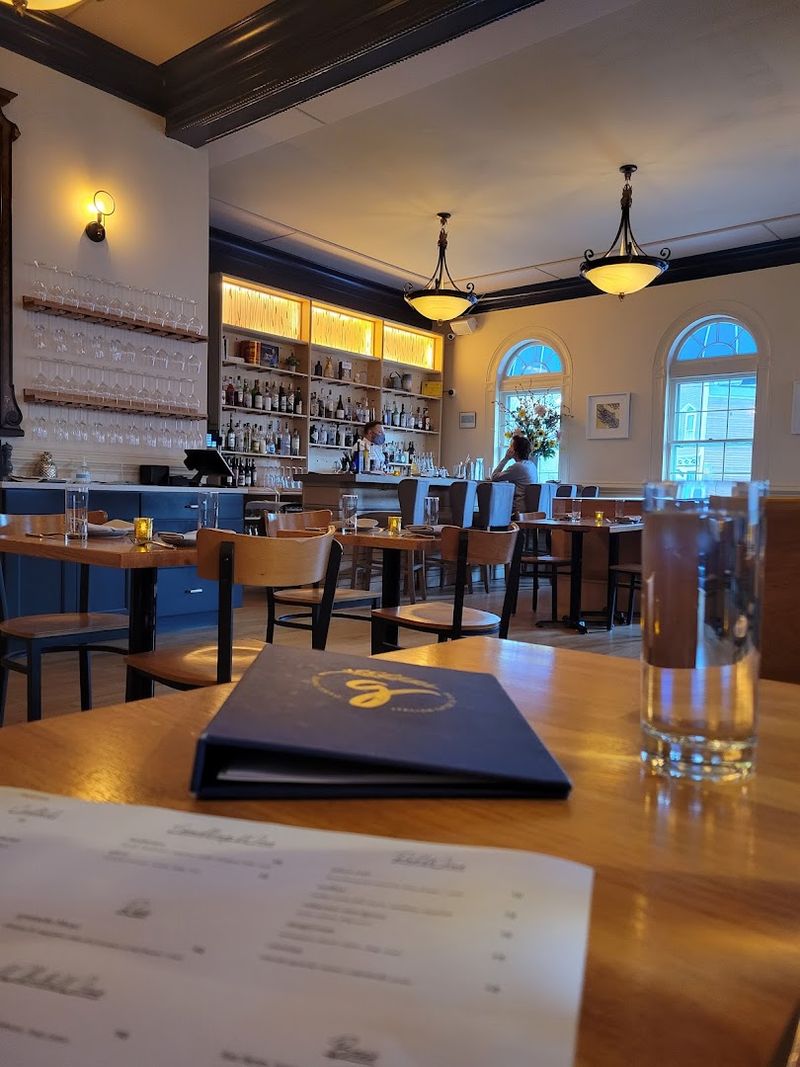
Burned grain sounds like a mistake until one plate explains why Southern Italian cooks turned it into a tradition.
The toasted flour gives pasta a darker, nuttier character. Flavor begins developing before sauce or filling enters the conversation.
Chester’s creative atmosphere suits a restaurant built around such a specific idea, especially along its walkable downtown streets.
Grano Arso operates at 6 Main Street, Chester, Connecticut, near galleries and shops that can stretch dinner into an evening.
The signature pasta does not depend on shock value. Its smoky depth settles naturally beside direct, ingredient-focused preparations.
Other Southern Italian dishes support the concept without distracting from the grain technique giving the restaurant its identity.
The smaller dining room makes timing important, particularly when weekend visitors arrive after exploring the surrounding town. A stroll along Main Street before dinner can give the reservation more context.
It also allows anticipation to build at a useful pace.
The dish carries history without becoming an academic exercise. Its appeal arrives through flavor before any explanation becomes necessary.
Grano Arso succeeds because one old technique becomes a complete point of view instead of a clever detail repeated for attention.
5. The Cottage
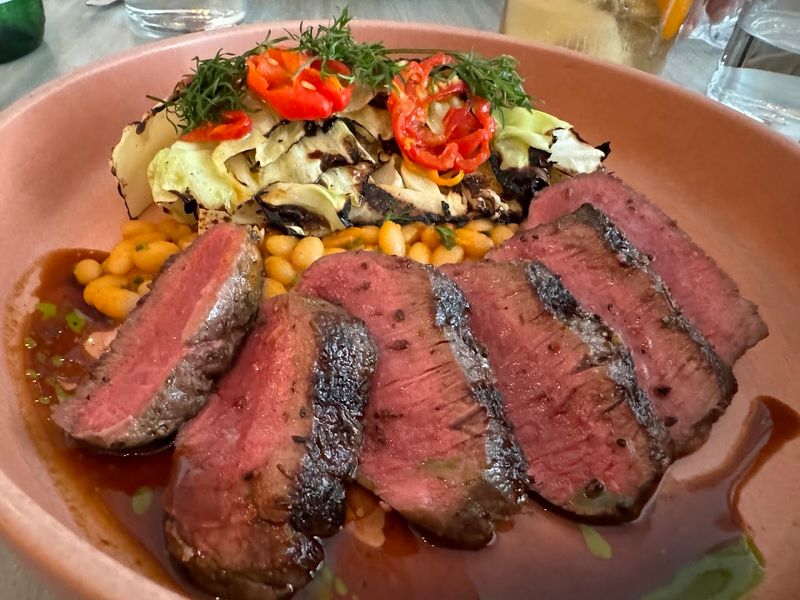
Fairfield County diners have plenty of options, yet The Cottage keeps attracting people through menus that refuse to stand still.
The Cottage operates at 256 Post Road East, Westport, Connecticut. Its bright dining room fills quickly during popular weekend hours.
Seasonal sourcing guides both brunch and dinner, allowing familiar formats to change as nearby farms move through the year.
Egg dishes and grain-based plates can shift with current produce. Regulars receive another reason to look beyond their usual order.
Dinner follows the same approach, using clean preparation to keep individual ingredients recognizable across each course.
The compact room creates energy without loud design. Every table turns toward a menu that may look different during the next visit.
Reservations can protect the evening from a long wait, but anticipation rarely seems wasted once the first course arrives.
The Cottage earns loyalty by treating flexibility as a discipline instead of changing dishes merely to appear inventive.
Brunch crowds create urgency, while dinner reveals the restaurant’s fuller range. Both reward diners who book before deciding to act spontaneously.
Its strongest meals appear current without becoming temporary. That balance explains why diners return before the season changes again.
6. Restaurant L’Ostal
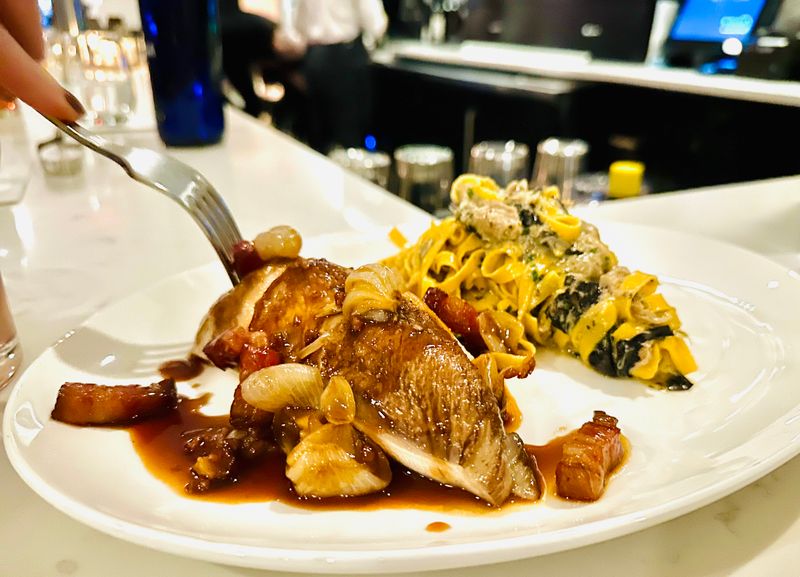
Occitan cooking gives this Darien restaurant a regional identity narrower and more interesting than a general French label.
Duck confit, cassoulet, and selected cheeses reflect the Languedoc. Rustic depth carries more importance than decorative precision.
The cassoulet requires long cooking and confident sourcing, making it a natural signature for a kitchen built on patience.
Restaurant L’Ostal operates at 22 Center Street, Darien, Connecticut, bringing Southern French tradition into Fairfield County.
The room gives these dishes enough formality to make dinner special. It does not remove the warmth that makes them satisfying.
Cheese is treated as a genuine course instead of an optional closing detail, continuing the restaurant’s regional direction.
Each visit becomes more engaging when diners understand the geography behind the flavors.
Darien may seem distant from the Languedoc, but the kitchen closes that distance through technique, restraint, and deeply savory cooking.
The restaurant’s confidence comes from depth, not breadth. Each regional choice reinforces the same Southern French story.
L’Ostal earns calendar attention because specificity creates stronger memories than another broad menu trying to please every diner at once.
7. Millwright’s Restaurant
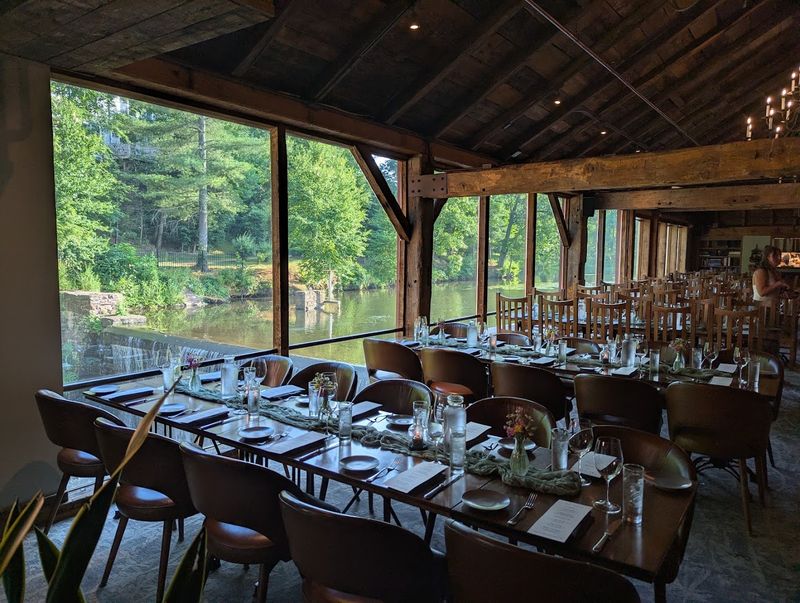
A two-century-old mill gives this Simsbury restaurant an atmosphere that new construction and decorative shortcuts cannot copy.
Original stone and timber surround a seasonal menu shaped by New England farms, local dairy, and selected produce.
Millwright’s Restaurant operates at 77 West Street, Simsbury, Connecticut, beside moving water on the Farmington River. The waterfall adds sound and motion outside.
That natural rhythm begins before the first course reaches the table.
Chef Tyler Anderson’s approach keeps regional sourcing central, allowing the seasons to influence savory dishes and the pastry program.
The dining room uses the building’s structure as its strongest design element. The space does not need theatrical additions.
A reservation here secures more than dinner because the mill, river, and kitchen contribute to the entire evening.
The setting could easily overpower weaker cooking. The menu carries enough focus to stand equal to its surroundings.
The river also changes with the weather.
Rain, snow, and summer greenery each give the same room another character. Millwright’s turns history into atmosphere without making the building carry the whole experience alone.
8. Union League Cafe
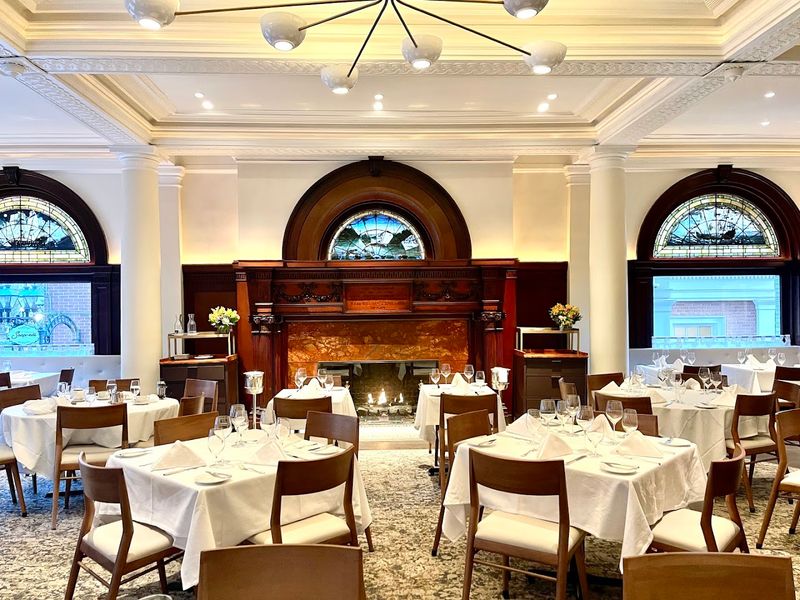
New Haven’s dining identity extends well beyond pizza, and this long-running French brasserie proves the point with quiet authority.
Steak frites and seasonal preparations follow classic methods. The kitchen does not chase whichever style currently dominates restaurant conversations.
Chef Jean-Pierre Vuillermet’s French training supports the consistency, especially when technical precision carries more weight than reinvention.
Dark wood, high ceilings, and the building’s former club history give the room an atmosphere suited to measured service.
Its Chapel Street location places dinner close to Yale. Academic energy enters the evening without making the restaurant dependent on campus novelty.
The menu succeeds because tradition is refined instead of frozen, allowing seasonal movement inside a clear French framework.
A table here suits celebrations, serious conversation, or evenings when dependable technique carries more appeal than surprise.
The brasserie format also gives New Haven useful range. It balances the city’s louder culinary signatures with another enduring identity.
Service follows the room’s measured pace, giving each course time without allowing dinner to drift.
Union League Cafe operates at 1032 Chapel Street, New Haven, Connecticut, near Yale’s historic campus and downtown cultural landmarks.
9. Olea
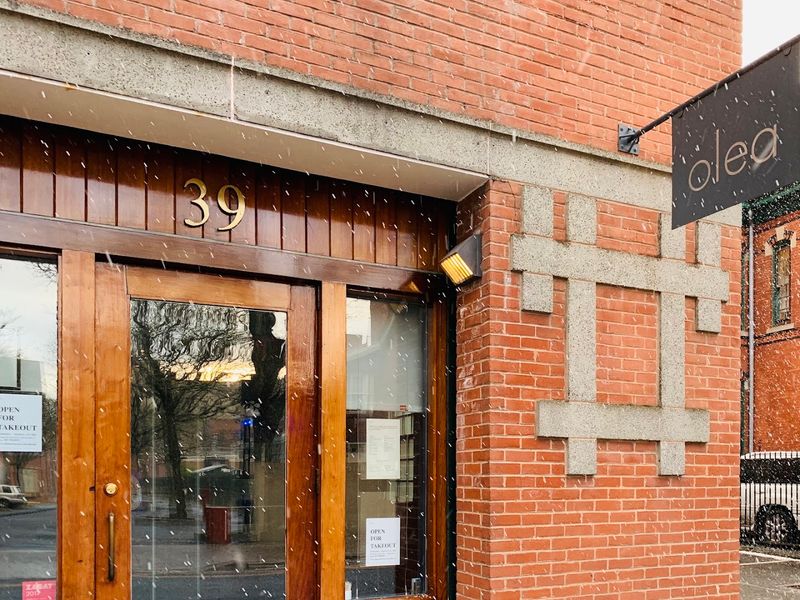
Olea brings Spanish and Middle Eastern influences together through a sharing format that keeps the table active throughout dinner.
Olea operates at 39 High Street, New Haven, Connecticut, close to Yale and the city’s downtown arts activity.
Lamb, vegetables, and house-made spreads can move across the meal. One cuisine never has to dominate every course.
The cross-regional approach succeeds because the kitchen treats Mediterranean cooking as a connected landscape instead of a single national category.
Warm textures and compact seating give the room enough intimacy for small groups while allowing larger shared meals.
Vegetable-forward choices also help mixed groups order comfortably. Meat and seafood do not have to become token additions.
The strongest evenings develop gradually as plates arrive, disappear, and create reasons to place another order.
New Haven already owns a powerful pizza identity. Olea proves that the city’s appetite extends comfortably toward other shores.
Sharing also turns preference into conversation.
One plate may divide the table, while the next creates immediate agreement. A calendar reminder makes sense because this style of dining improves when everyone can linger.
10. Kawa Ni
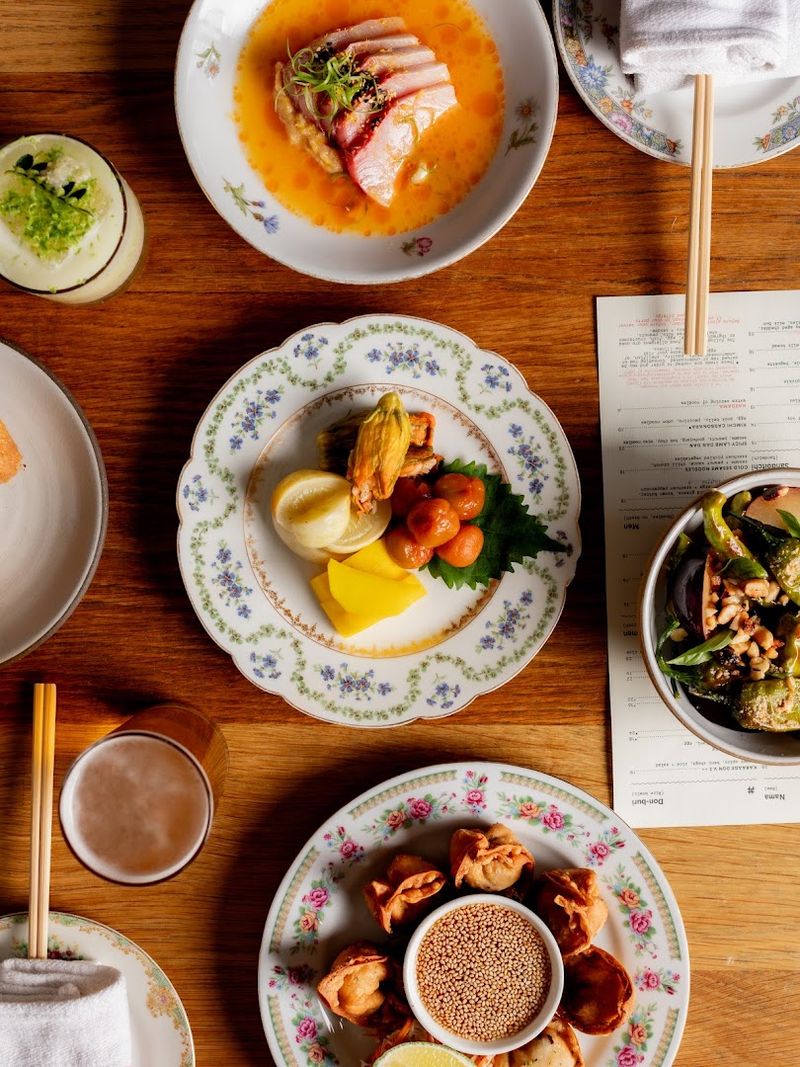
Kawa Ni brings Japanese izakaya dining into a town better known for European-influenced restaurants and established coastal routines.
Small plates encourage the table to move together. Every order creates another decision about what should arrive next.
Ramen and bao bring comfort, while miso-based preparations and rotating dishes keep the meal from following one predictable path.
The compact room supports that rhythm because conversation, passing plates, and ordering again happen naturally.
Casual energy gives Kawa Ni an advantage over more formal nearby dining rooms. Dinner can stay lively without becoming complicated.
The menu rewards curiosity more than strict planning, although securing the table itself benefits from advance attention.
A shared format also makes the kitchen easier to understand. Contrasts appear quickly across several small preparations.
The relaxed room makes experimentation easier.
Nobody becomes trapped by one large order when another small plate can change the direction of the meal. Westport may seem like an unlikely setting for a focused izakaya, which makes the restaurant more distinctive.
Kawa Ni operates at 19A Bridge Square, Westport, Connecticut, where its compact dining room rarely rewards last-minute confidence.