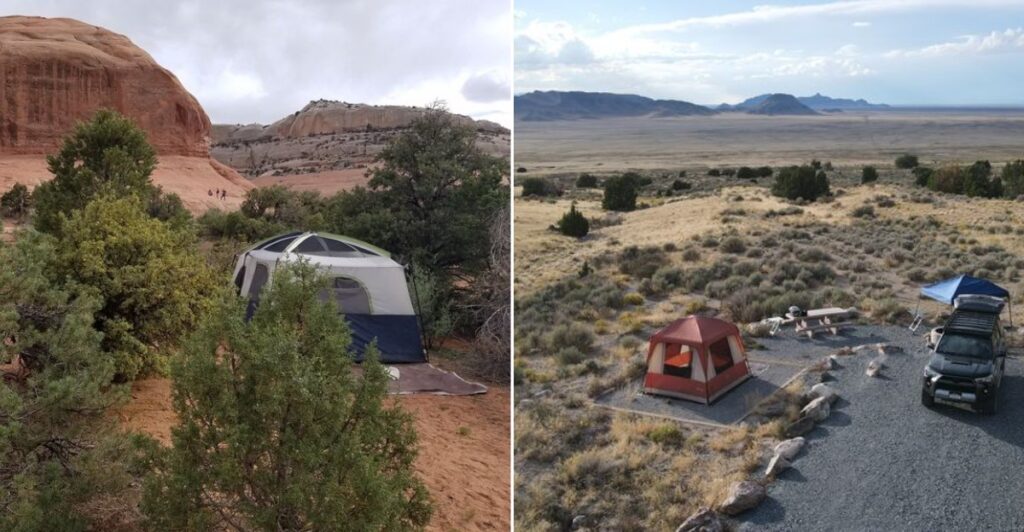
Crowds are useful for concerts, not always for campfires. When the goal is a quieter night outdoors, the best campsite may sit well beyond the famous park entrance and nowhere near a gift shop.
Some of the most rewarding camping in Utah happens along canyon roads, beside reservoirs, and down routes where pavement eventually gives up. These places ask a little more from you.
You may need to check road conditions, study the map twice, and arrive prepared for fewer conveniences than a developed campground offers. In return, the trip can feel slower, roomier, and far more your own.
That tradeoff is exactly what makes lesser-known sites so appealing. A remote corner of Utah can still deliver huge scenery without turning every sunset into a competition for elbow room.
Pack carefully, know the route before you lose service, and remember that “quiet” often starts where the easy road ends.
1. Clover Spring Campground, Tooele County
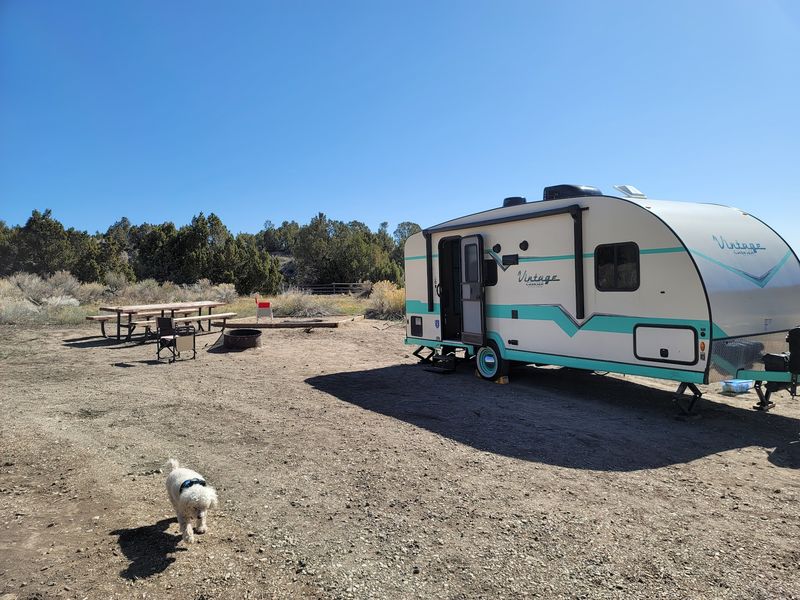
A spring in Utah’s dry country is not just a water source. It is a reason a campground exists at all, and Clover Spring Campground feels like the mapmaker left a quiet note for people willing to look closer.
Clover Spring Campground sits in Tooele County on public land in the state’s wide western desert region. Campers should expect a simple, lightly developed setting rather than a resort-style basecamp.
The draw is the location: open basin country, low hills, and the kind of space that makes even a normal folding chair seem philosophical.
Because services are limited, come prepared with drinking water, food, fuel, trash bags, and a real plan for navigation. Cell service can be unreliable in remote parts of western Utah, so offline maps are more useful than hopeful optimism.
High-clearance vehicles may be helpful depending on road conditions, especially after storms.
Clover Spring Campground works best for campers who like quiet public-land stops, wide skies, and simple nights. Check current land agency information before going, since desert roads and access can change with weather or maintenance.
2. Little Creek Campground, Randolph
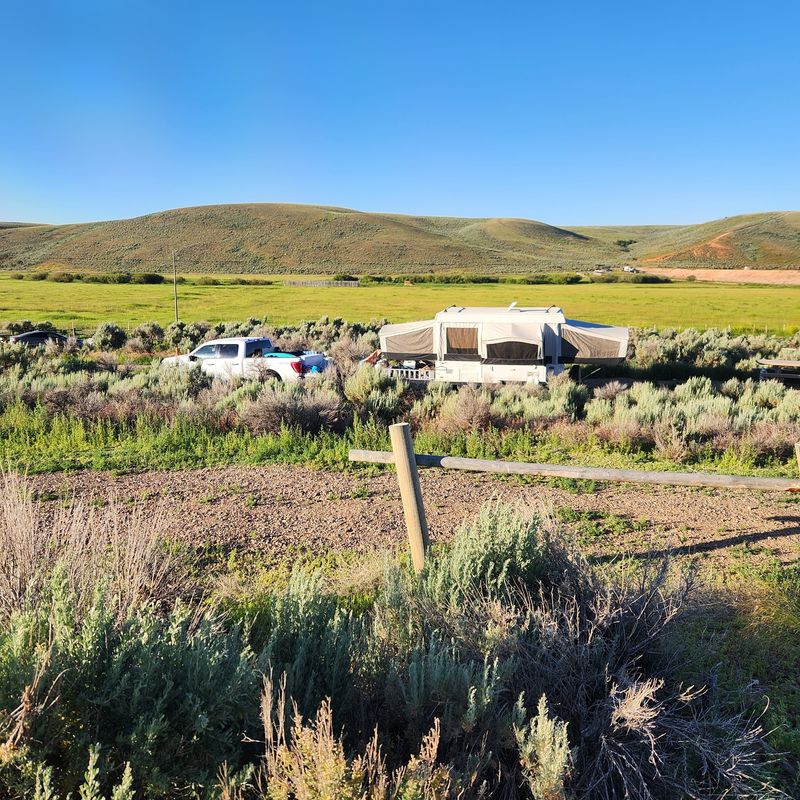
Not every Utah camping trip has to begin with red rock and a line of rental SUVs. Little Creek Campground near Randolph offers a different state entirely, one with northern valleys, cooler country, and ranchland close by.
Little Creek Campground is associated with the Randolph area in Rich County, a part of Utah closer in character to Bear Lake country than to the canyon corridors farther south. The setting is useful for travelers who want a quieter place to camp while exploring the high northern edge of the state.
It is also a reminder that Utah has more moods than sandstone.
Expect a modest campground experience, not a packed vacation complex. Before setting out, verify current access, open dates, and available facilities through the managing agency or local information sources.
In this part of the state, weather can shift the camping season, and spring or fall conditions may be colder than visitors from southern routes expect.
Little Creek Campground belongs on this list because it sits outside the usual visitor loop. Bring layers, confirm road details, and do not assume every Utah campground comes with desert heat and red dust.
3. Ponderosa Grove Campground, near Kanab
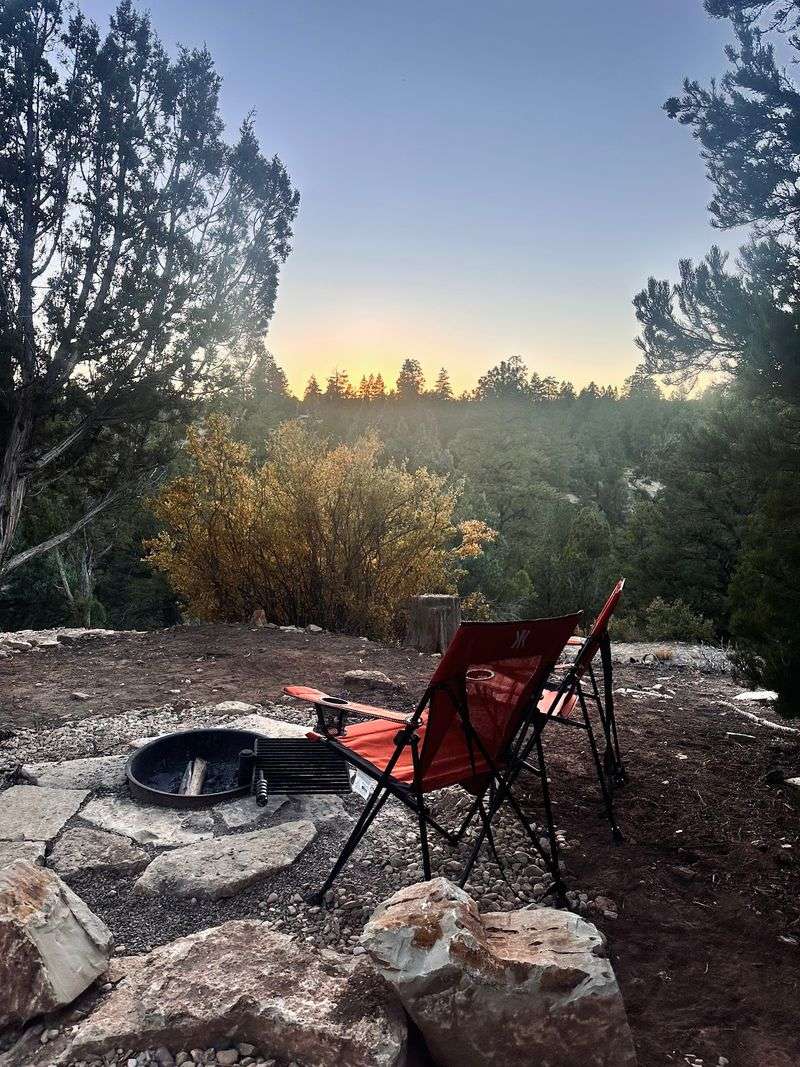
Kanab is often treated like a launching pad, which means many travelers hurry through with coolers rattling in the back. Ponderosa Grove Campground asks for a slower decision: stop where the trees begin to change the conversation.
Ponderosa Grove Campground is located north of Kanab in southern Utah, in country where ponderosa pines meet the larger red rock landscape. That mix is the useful detail here.
Campers can stay near the Kanab area without sleeping in the middle of town or fighting for a more famous park campsite.
The campground is relatively small and simple, so planning matters. Check current site availability, road status, fire rules, and seasonal access before counting on it.
Southern Utah can have dry conditions, and fire restrictions are not decorative suggestions. Bring water and be ready for basic facilities.
Ponderosa Grove Campground is a smart pick for travelers who like Kanab’s access to public lands but would rather camp under trees than in a parking-lot mood. It is not flashy, which is exactly why many visitors miss it while chasing louder names.
4. Baker Dam Campground, north of St. George
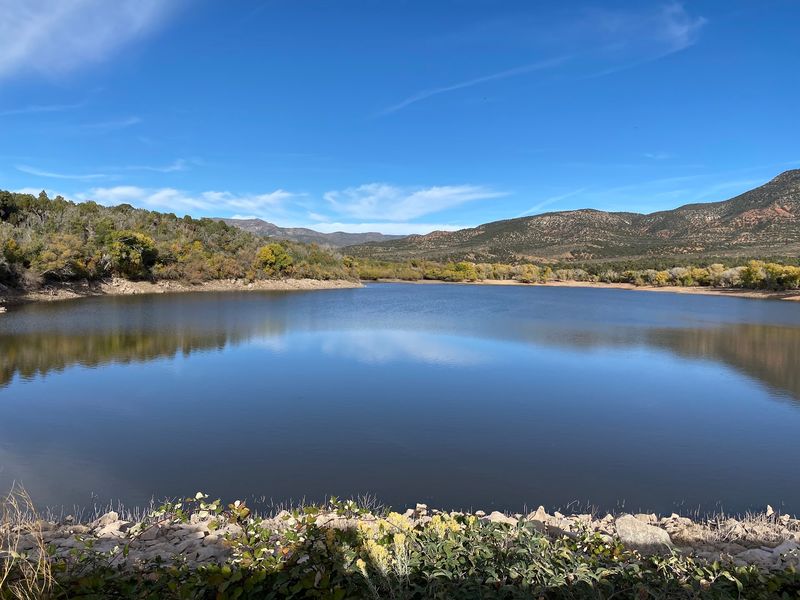
Just north of St. George, the landscape changes fast enough to make a traveler question the map app’s emotional range. Baker Dam Campground sits by Baker Reservoir, a small water body in a desert region better known for heat, cliffs, and busy trailheads.
Baker Dam Campground is managed as part of a recreation area in southwestern Utah, and the reservoir is the practical centerpiece. Visitors may use the area for camping and water-based recreation when conditions and rules allow, but it is wise to confirm current water levels, restrictions, and campground status before driving out.
The appeal is not luxury. Campsites here are basic, and shade can be limited, so campers should plan for sun, wind, and desert temperature swings.
Bring drinking water, sunscreen, sturdy stakes, and the patience to treat simple facilities as part of the bargain.
Baker Dam Campground makes sense for people who want to be near St. George without staying in the busiest developed corridors. It gives the trip a rougher edge, in a good way, and keeps the reservoir at the center of the plan.
5. Sand Island Campground, Bluff
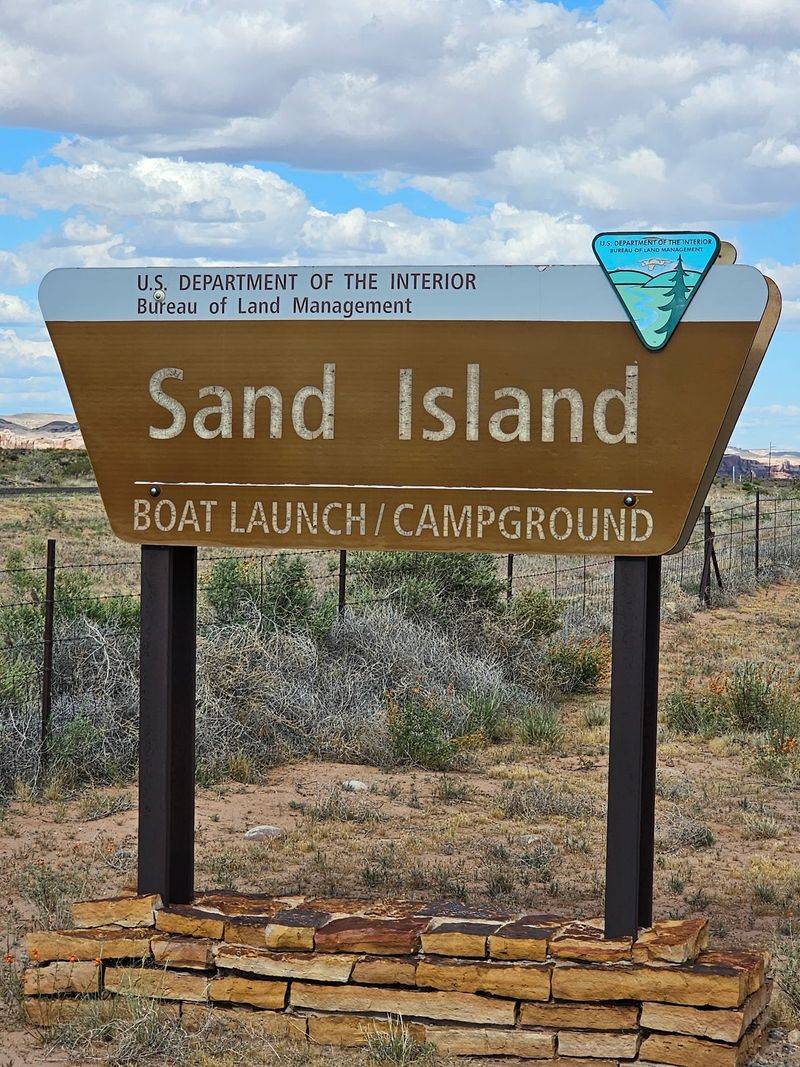
A campground beside a desert river always feels like a small negotiation with geography. Sand Island Campground near Bluff gets its character from the San Juan River, sandstone walls, and its role as more than just a place to park a tent.
Sand Island Campground is a Bureau of Land Management site west of Bluff in southeastern Utah. It is known for access to the San Juan River and for the Sand Island Petroglyph Panel nearby, where rock art images are visible along the cliff face.
That cultural resource deserves care, distance, and common sense. Look, photograph respectfully, and do not touch or mark the rock.
The campground is popular with river users, especially those starting or ending permitted San Juan River trips. Campers should check current BLM information for fees, reservations or first-come rules, seasonal conditions, and river-related regulations.
Shade may be limited outside established tree areas, so water and sun protection matter.
Sand Island Campground is hidden mostly by comparison. Many travelers race toward Monument Valley or Moab, while this Bluff-area stop quietly combines river access, archaeology, and practical camping in one compact place.
6. Price Canyon Recreation Area Campground, north of Price
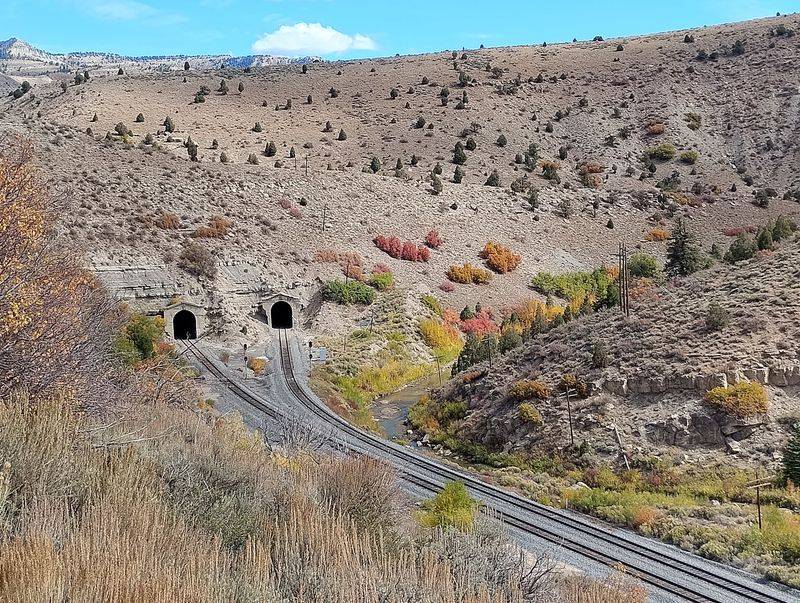
Price Canyon is easy to treat as scenery outside the windshield, especially when the road ahead has a schedule attached. Price Canyon Recreation Area Campground gives central Utah travelers a reason to quit hurrying for a night.
The campground is located north of Price in a canyon landscape managed for public recreation. Unlike the marquee campgrounds near national parks, Price Canyon Recreation Area Campground has a quieter, more practical personality.
It works well for campers crossing the state who want public-land surroundings rather than another motel sign.
Details matter here. Verify current access, facilities, fire restrictions, and road conditions before arrival, since public recreation sites can change with maintenance, weather, or seasonal management.
Bring your own drinking water unless official sources confirm availability. A trash plan is also part of the kit, because remote campgrounds do not benefit from wishful thinking.
The nearby city of Price gives this campground a useful advantage: supplies are not impossibly far away, yet the setting still feels removed from town routines. For road trippers, Price Canyon Recreation Area Campground is a practical pause with canyon country around the edges.
7. Hatch Point Campground, Canyon Rims Recreation Area
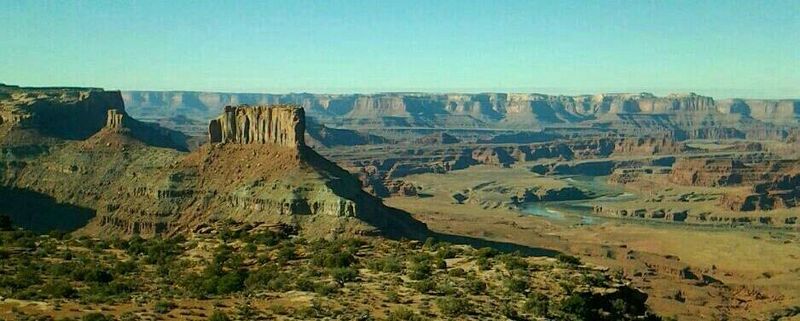
Some campgrounds hide by being high, dry, and slightly out of the conversation. Hatch Point Campground sits in the Canyon Rims Recreation Area, where the plateau south of Moab opens toward canyon overlooks instead of gift-shop traffic.
Hatch Point Campground is managed by the Bureau of Land Management within Canyon Rims Recreation Area in southeastern Utah. The area is known for dramatic viewpoints over canyon country, including overlooks reached by roads within the recreation area.
The campground itself offers a base for people who prefer broad desert space and simpler facilities.
Do not confuse this with camping inside a national park. Hatch Point Campground is more remote and requires more self-reliance.
Confirm road conditions, site rules, fees, water availability, and seasonal access through BLM sources before traveling. Desert plateau weather can bring wind, heat, cold nights, or muddy roads after storms, all in ways that make casual packing look silly.
The reward is a campground that places visitors near canyon-rim scenery without putting them in the usual Moab campground shuffle. Hatch Point Campground is best approached with preparation, curiosity, and a cooler that actually closes properly.
8. Windwhistle Campground, southwest of Moab
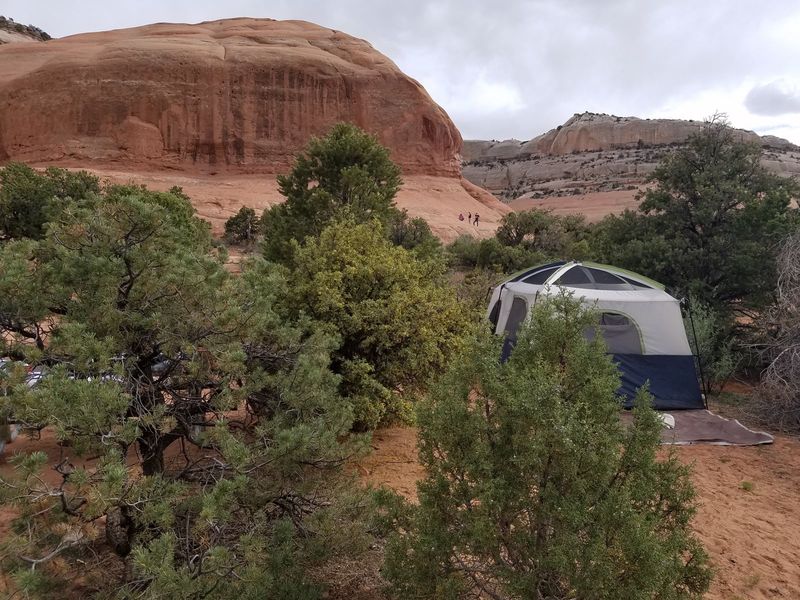
The name sounds like weather giving a review, and honestly, Windwhistle Campground does not need much branding help. Southwest of Moab, it offers a smaller public-land camping option in the Canyon Rims area, away from the most crowded overnight zones.
Windwhistle Campground is a Bureau of Land Management campground set among red rock and desert vegetation. Its location southwest of Moab makes it useful for travelers exploring the broader canyon country without insisting on sleeping as close as possible to Arches or downtown Moab.
That small difference can change the whole mood of a trip.
Facilities are limited compared with full-service campgrounds, so check current BLM information for water, toilets, fees, fire rules, and access before heading out. Roads in this region can be affected by storms, and desert campsites offer little forgiveness for poor planning.
Pack water, shade, layers, and secure gear for wind.
Windwhistle Campground earns attention because it is close enough to the Moab orbit to be useful, but far enough from the loudest planning patterns to feel separate. The name may joke about wind, but preparation should be completely serious.
9. San Rafael Swinging Bridge Campground, San Rafael Swell
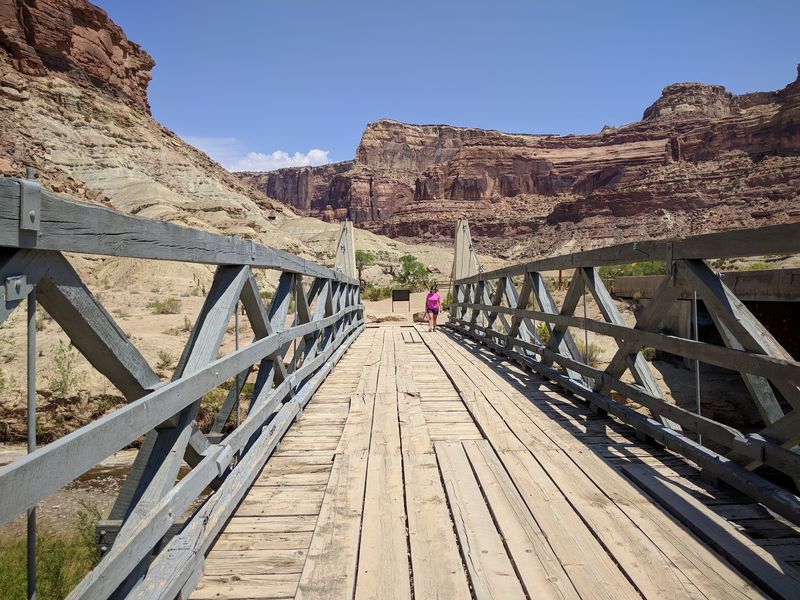
A suspension bridge in the desert has a way of making everyone stand a little straighter, as if the old engineering is checking posture. San Rafael Swinging Bridge Campground sits near the historic San Rafael Bridge, a landmark in the rugged San Rafael Swell.
The San Rafael Swinging Bridge was built in the 1930s by the Civilian Conservation Corps and crosses the San Rafael River. Today, the bridge is preserved for pedestrian use, while vehicle traffic uses a newer crossing nearby.
That one fact gives San Rafael Swinging Bridge Campground more identity than many small desert camp areas ever get.
Camping here is primitive, and visitors should verify current road conditions, fire restrictions, and site rules with the managing public land agency before going. The San Rafael Swell includes unpaved routes where weather can quickly change travel plans.
Bring water, food, extra fuel, and a willingness to turn around if roads are poor.
For travelers who like a campground with a built-in story, San Rafael Swinging Bridge Campground delivers history without requiring a museum lobby. The bridge does the explaining, quietly and with better bolts than most vacation plans.
10. Buckhorn Draw Dispersed Campground, San Rafael Swell
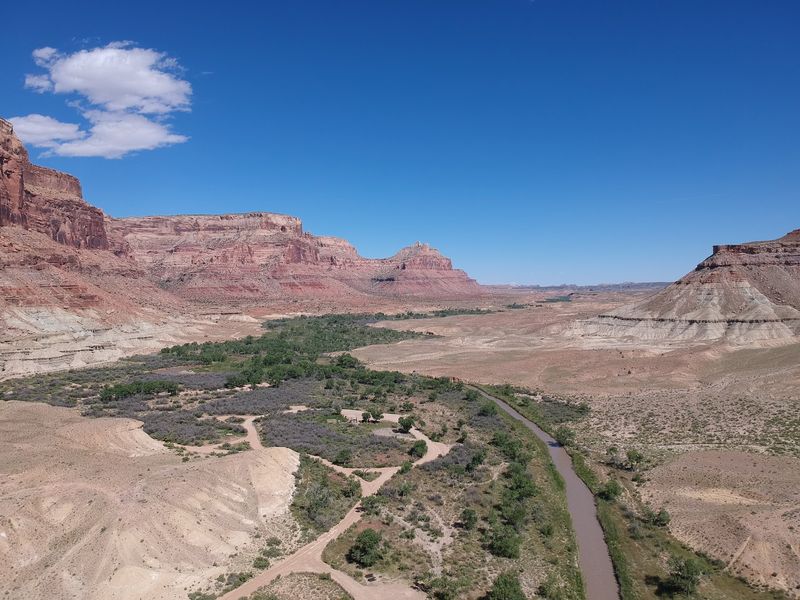
Buckhorn Draw is the sort of road that makes a paper map feel useful again. The Buckhorn Draw Dispersed Campground area in the San Rafael Swell is not a manicured campground so much as a public-land camping zone shaped by canyon walls and distance.
Buckhorn Draw is known for sandstone scenery and for the Buckhorn Wash Pictograph Panel, an important rock art site in the area. Campers should treat cultural sites with real care: stay back, avoid touching the panels, and never add marks.
A campground can survive careless footprints better than ancient rock art can survive one bad decision.
Dispersed camping means fewer built-in comforts. Visitors need to confirm current BLM rules, stay in allowed areas, pack out trash, manage human waste properly, and bring all drinking water.
Road conditions can be rough or impassable after wet weather, so high-clearance vehicles and careful route planning may be necessary.
Buckhorn Draw Dispersed Campground fits the list because many Utah visitors pass the San Rafael Swell with only a vague sense that something big is out there. Here, the big thing is right beside the road, provided the road cooperates.
11. Temple Mountain Townsite Campground, near Goblin Valley
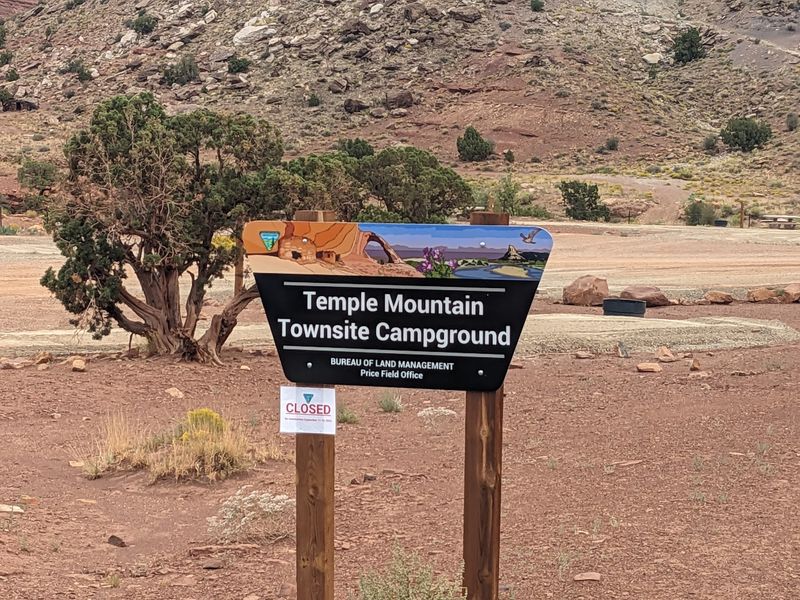
Temple Mountain Townsite Campground carries a name that sounds like it should come with a mystery novel and a rattling screen door. Near Goblin Valley, it occupies a desert area tied to the Temple Mountain mining district, not a polished resort scene.
The campground is on public land near the San Rafael Reef and the road systems that lead toward Goblin Valley State Park and nearby recreation areas. Temple Mountain is historically associated with uranium mining activity, a fact that gives the landscape a human layer beyond the rock formations.
Visitors should stay out of old mine openings and respect posted warnings, because abandoned mining features are not informal playgrounds.
Facilities are basic, so confirm current BLM campground details, access, fees, toilets, water availability, and fire restrictions before relying on it. Summer heat can be serious in this part of Utah, and storms can affect unpaved routes.
Carry more water than seems polite.
Temple Mountain Townsite Campground suits campers who want to be near Goblin Valley country without camping in the busiest obvious place. Its history is rough-edged, practical, and still visible enough to make the name feel earned.
12. Simpson Springs Campground, Utah West Desert
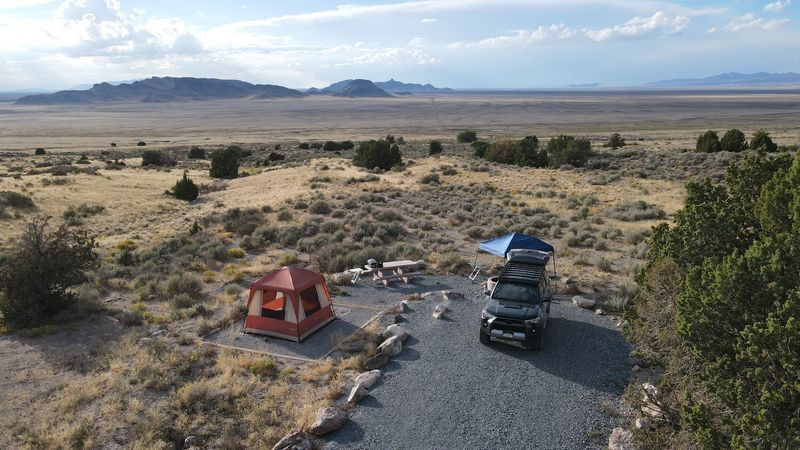
Out in the Utah West Desert, distance becomes part of the itinerary. Simpson Springs Campground sits near Simpson Springs, a historic stop on the Pony Express route, which already gives the place more backstory than most campsites with a picnic table.
The Bureau of Land Management manages the Simpson Springs area, and visitors can see interpretive information connected to the Pony Express National Historic Trail. The original mail route operated only from 1860 to 1861, a short life with an oversized place in western travel lore.
That makes Simpson Springs Campground feel less like random desert camping and more like a pause beside a very old deadline.
Remote travel rules apply here without mercy. Check current BLM guidance, road conditions, weather, and fire restrictions before departure.
Bring drinking water, food, spare tire supplies, extra fuel if needed, offline maps, and a clear plan shared with someone else. Services are far apart in the West Desert.
Simpson Springs Campground closes the list with the clearest lesson: hidden camping often asks for responsibility first. Come prepared, and the reward is a rare overnight stop linked to one of the shortest, strangest chapters in American mail history.