There’s a particular kind of thrill that comes with an unexpected discovery, isn’t there? One minute you’re merely driving through the rolling, verdant countryside of Pennsylvania, your stomach rumbling softly, thoughts turning to a quick bite or maybe just stretching your legs.
The next, a subtle sign hints at something more, a whisper of history tucked away among the trees. You pull over, curiosity piqued, and step into a place plucked straight from a forgotten painting, far more memorable than you ever imagined.
A Colonial Landmark Hidden in Delaware County
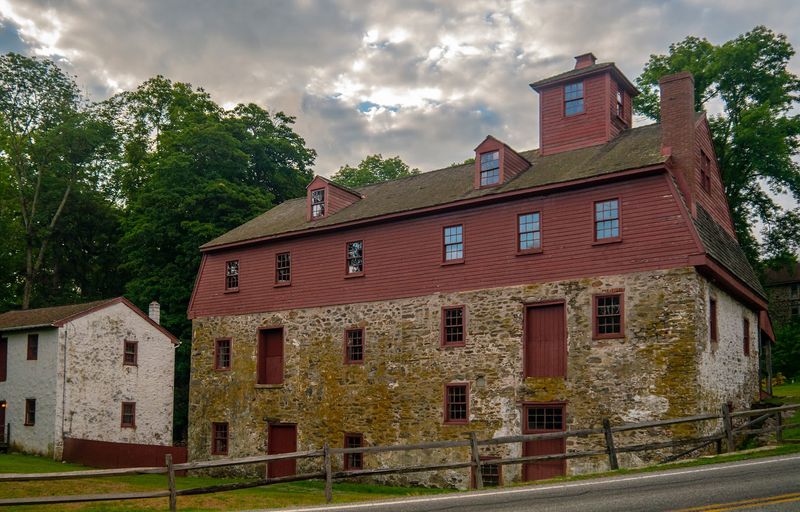
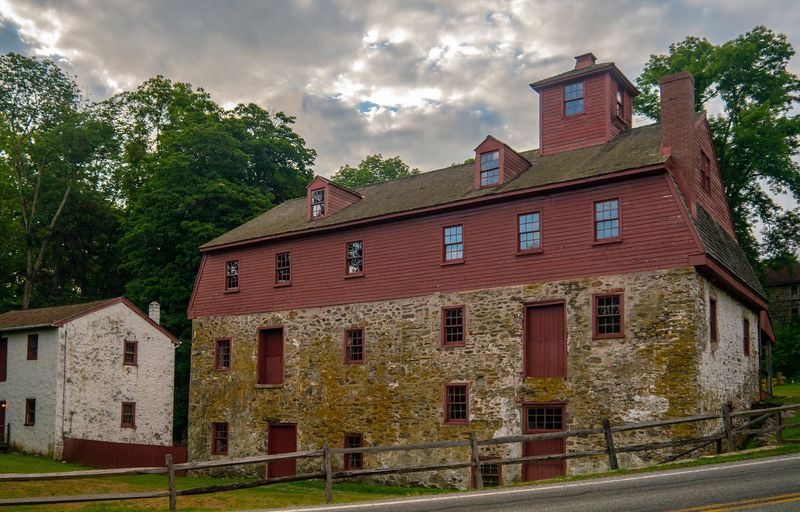
Tucked into 160 acres of woodland in Concord Township, this working museum sits quietly along a creek, easy to miss if you aren’t paying attention. The stone mill dates all the way back to 1704, when Nathaniel Newlin built it to serve a growing farming community.
What makes it special isn’t just the age, though that alone is remarkable. It’s the fact that the mill still runs, grinding corn into fresh cornmeal exactly the way it did generations ago.
You can watch the whole process unfold, powered entirely by water.
Recognized as the oldest operational water-powered grist mill from the colonial era open to the public, it holds a title few places can claim. Visitors describe stumbling in without expectations and leaving hours later, fully absorbed.
Families, hikers, and history buffs all find something here, whether it’s the trails, the restored buildings, or the steady rhythm of turning stones. For a spot barely marked from the road, it delivers a surprisingly rich window into early American life.
The Newlin Family Legacy Across Nine Generations
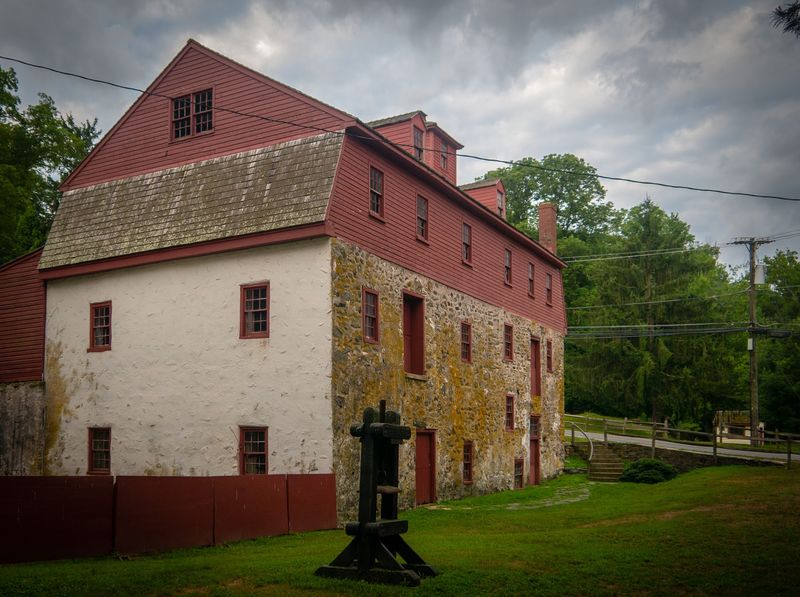
Few landmarks can trace their story through a single family for centuries, yet this one does. Nathaniel Newlin raised the mill in 1704, and it stayed in commercial operation grinding grain right up until 1941.
The tale doesn’t end there. In 1956, E.
Mortimer Newlin, a ninth-generation descendant of the original builder, purchased the property and set about restoring it with obvious devotion.
To keep that work alive for good, the Nicholas Newlin Foundation was established in 1960, dedicated to preserving the land and historic buildings for public education and enjoyment. It’s a rare thing, a family holding onto a piece of history across more than nine generations.
Some visitors arrive specifically to connect with their own heritage, walking the same paths their ancestors might have known. Others simply appreciate how the continuity gives the place an authenticity you can’t manufacture.
That unbroken thread, from a colonial builder to modern stewards, is part of what makes wandering the grounds feel less like a tour and more like stepping into a living story.
Fresh Cornmeal Ground the Old-Fashioned Way
Ever watched food get made the way it was three centuries ago? Here, corn still tumbles between heavy stones, and the whole thing runs on nothing but the push of flowing water.
The result is fresh cornmeal, ground right on site and available to take home from the Visitor Center. There’s something satisfying about buying a bag knowing exactly how, and where, it was made.
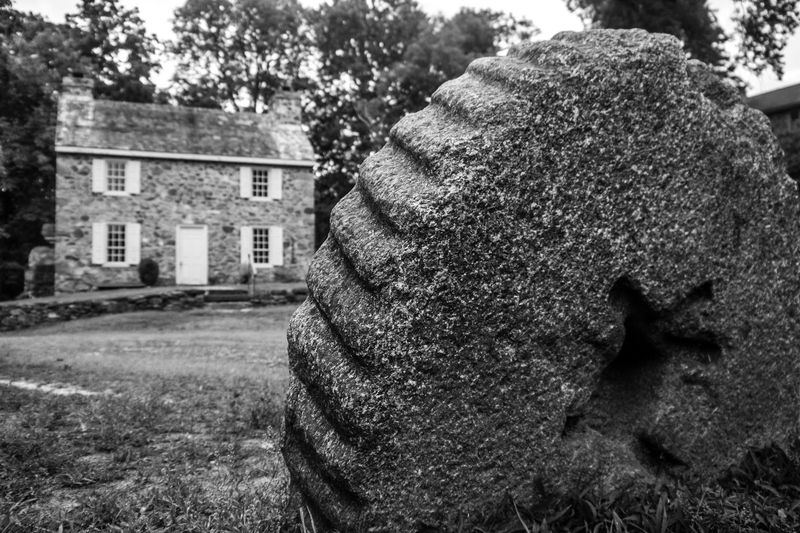
Historically, the mill processed far more than corn. Wheat, oats, buckwheat, and rye all passed through here, feeding a region that was one of colonial America’s great grain-producing hubs.
Southeastern Pennsylvania supplied not just local families but international markets, and mills like this one sat at the center of that economy. Standing beside the grinding stones, you get a real sense of how vital they once were.
The steady grind, the smell of fresh meal, the turning gears overhead, it all adds up to a hands-on lesson no textbook could match. Grab a bag on your way out and taste a bit of living history at home.
The Rebuilt Waterwheel That Powers It All
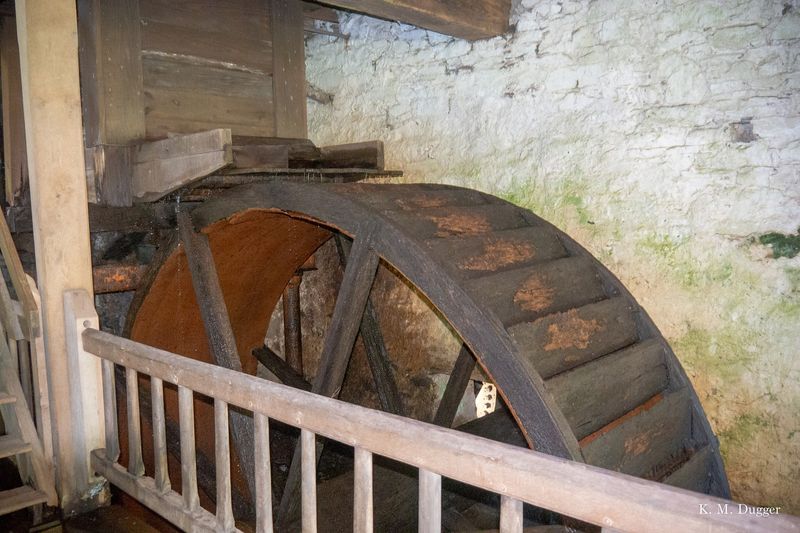
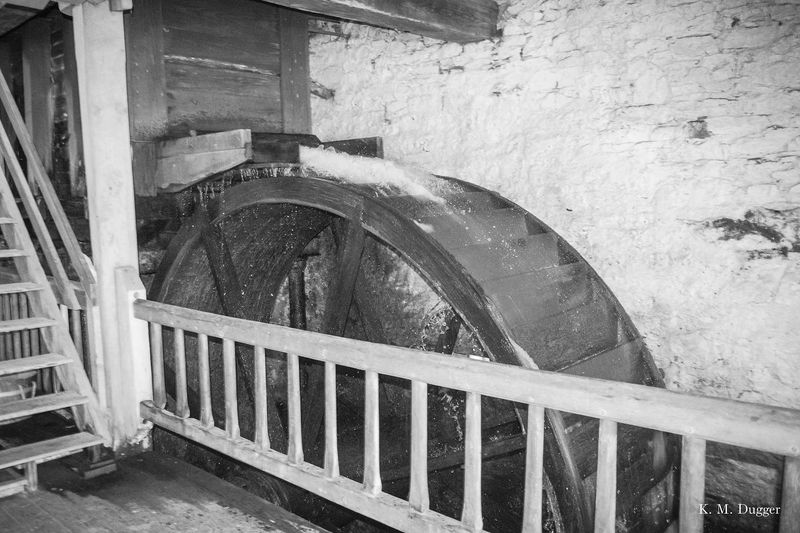
Craftsmanship like this rarely gets a second life, but the mill’s waterwheel just did. As of spring 2026, volunteers finished meticulously rebuilding a wooden wheel measuring more than 15 feet across, using 18th-century tools and methods.
The timing wasn’t accidental. This restoration formed part of the preparations for America’s 250th anniversary, a fitting tribute to the trades that helped build the country.
Now fully functional, the wheel powers two large stones capable of grinding wheat, just as it did in colonial times. Watching it turn, water spilling over each paddle, you understand instantly why these machines mattered so much.
The entire water system, with its dams, gates, and canals channeling flow toward the wheel, reflects centuries of engineering refinement and careful upkeep. It’s a quiet marvel of practical design.
Visitors often gravitate toward the water, and it’s easy to see why. The sight and sound of that enormous wheel spinning under its own natural power is genuinely mesmerizing, a working reminder of ingenuity that predates electricity by generations.
Eight Miles of Trails Through 160 Acres
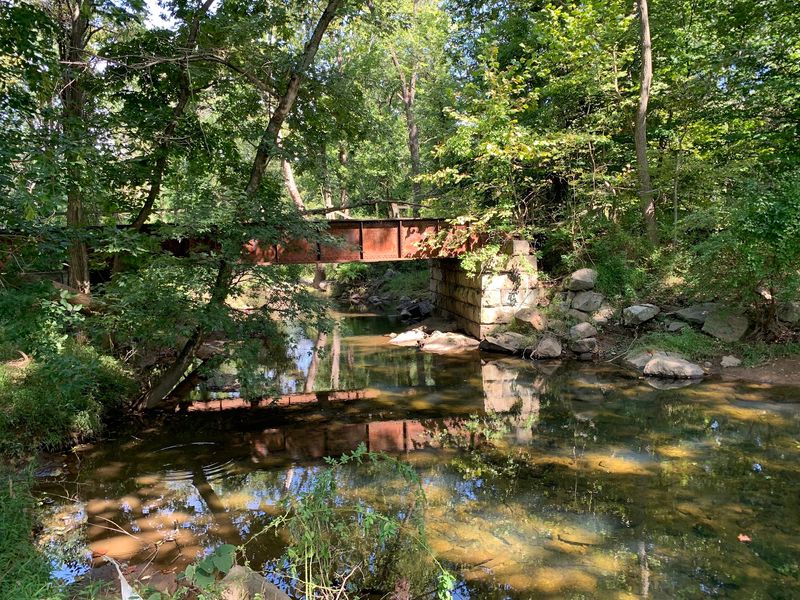
Lace up your walking shoes, because the grounds stretch well beyond the mill itself. Over eight miles of nature trails wind through the property’s 160 acres, blending environmental variety, natural beauty, and cultural history in one place.
The paths suit all kinds of walkers. Regulars mention that most trails are gentle enough for little ones, making it an easy outing for families who want fresh air without a strenuous trek.
Along the way you’ll find creekside spots perfect for pausing, including a few where small waterfalls make a pleasant place to rest. Some visitors say the creek views can get a touch obscured by summer overgrowth, so spring and autumn offer clearer sightlines.
A standout feature is the frog ponds, threaded with boardwalks that carry you right into the habitat for an up-close look at the wildlife. Nature lovers find this stretch especially rewarding.
Between the ball field, picnic areas, and fly fishing weirs scattered across the grounds, there’s plenty of reason to linger. Pack a lunch and make an afternoon of it.
The Blacksmith Shop and Its 18th-Century Forge
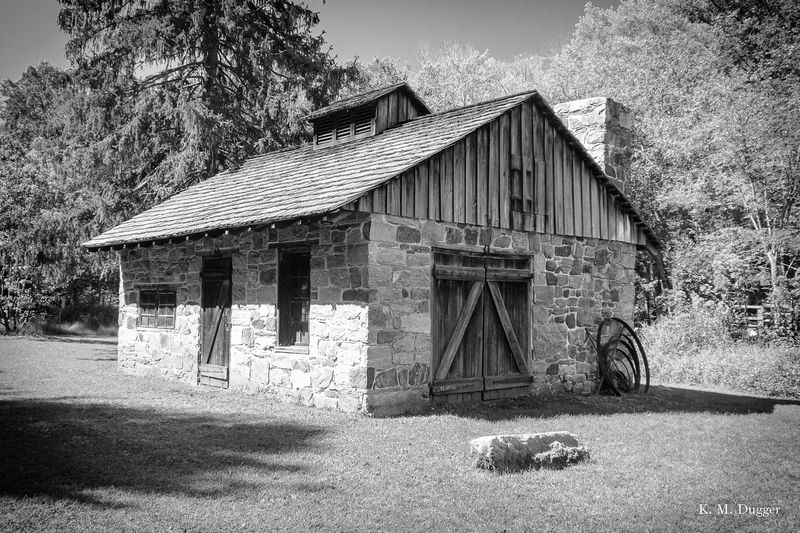
Sparks, heat, and the ring of hammer on iron, that’s what waits inside the reconstructed blacksmith shop. Though the building itself was rebuilt, it houses an original 18th-century forge, giving demonstrations an unmistakable air of authenticity.
On certain days, skilled smiths fire up the coals and show how everyday tools and hardware were shaped by hand long before factories existed. Watching metal glow and bend is oddly hypnotic.
The forge pairs perfectly with the mill next door, painting a fuller picture of how a colonial community met its own needs. Grain got ground, iron got worked, and life carried on largely self-sufficient.
Visitors who catch a live demonstration often name it a highlight, especially younger ones fascinated by the fire and noise. It’s history you can hear and feel, not just read about.
Weekend timing tends to be your best bet for seeing the smiths in action, as demonstrations frequently line up with the site’s busier days. Ask at the Visitor Center about the schedule so you don’t miss the show.
A Cluster of Historic Buildings Frozen in Time
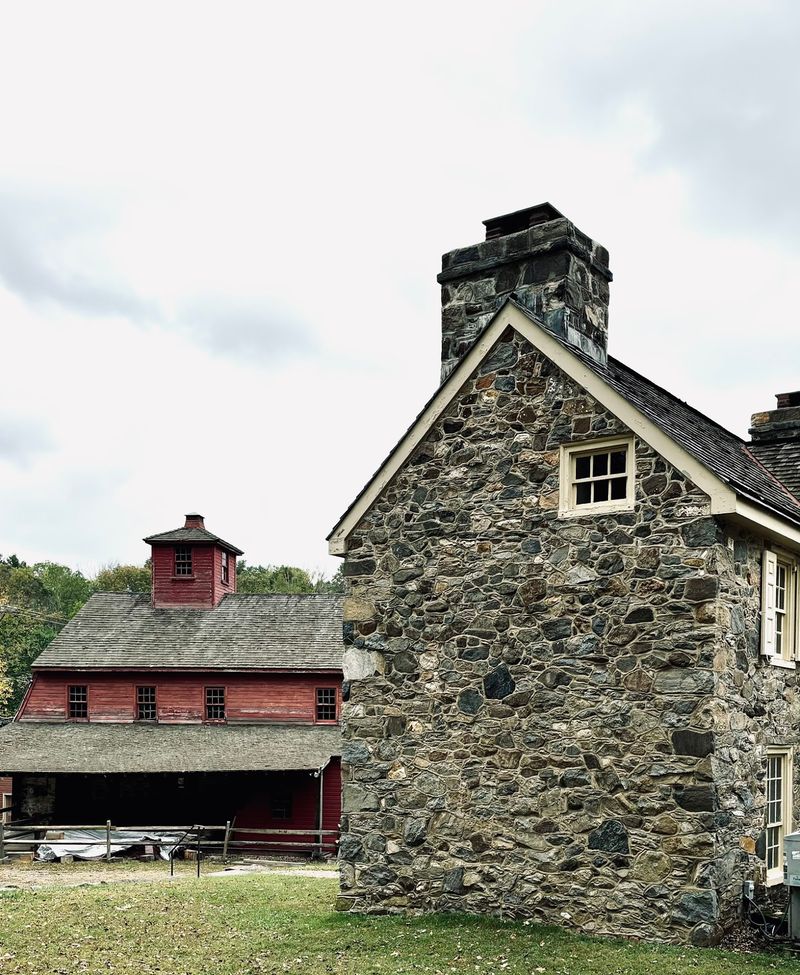
Beyond the mill, the complex reads like an open-air chapter of early American life, each building holding its own small story. The miller’s house, built in 1739, still stands as a window into how the family who ran the operation once lived.
Nearby sits the Trimble House, adding another layer to the residential history of the site. Wandering between them, you start to picture the daily rhythm of a working colonial settlement.
Some structures have taken on new roles over the years. The Visitor Center was originally a railroad station, a nod to the transportation networks that once connected the region to wider markets.
The archive building, meanwhile, began life as a general store, the kind of place where locals gathered for supplies and news. Its shelves once stocked far more than paperwork.
Together these buildings turn a simple mill visit into something richer, a chance to trace how a single community grew and adapted. Take your time moving from one to the next, and the whole property starts to feel wonderfully alive.
Hands-On History for Curious Visitors
Learning here doesn’t happen behind glass, and that’s the whole point. The site offers guided tours, live demonstrations, workshops, and special events, all designed to give visitors a genuine hands-on connection to early American life and historic trades.
One couple mentioned arriving with no plan and ending up spending over four hours talking with staff, hiking, and joining tours. That kind of unexpected immersion seems common here.
Volunteering is a big part of the culture too. During Archaeology Day, participants actually dig alongside experts, describing it as real work but rewarding fun in service of a good cause.
Weekend visitors often catch tours led by blacksmiths and archaeologists, turning a casual stop into an interactive lesson. The staff’s enthusiasm consistently comes up as a highlight.
Whether you’re a curious kid, a dedicated history enthusiast, or simply someone who enjoys learning by doing, there’s a way to get involved. The atmosphere stays welcoming and unhurried, encouraging questions rather than rushing you along.
Check ahead for the events calendar, since special programming often adds an extra dimension worth planning your visit around.
Planning Your Visit and the Verdict
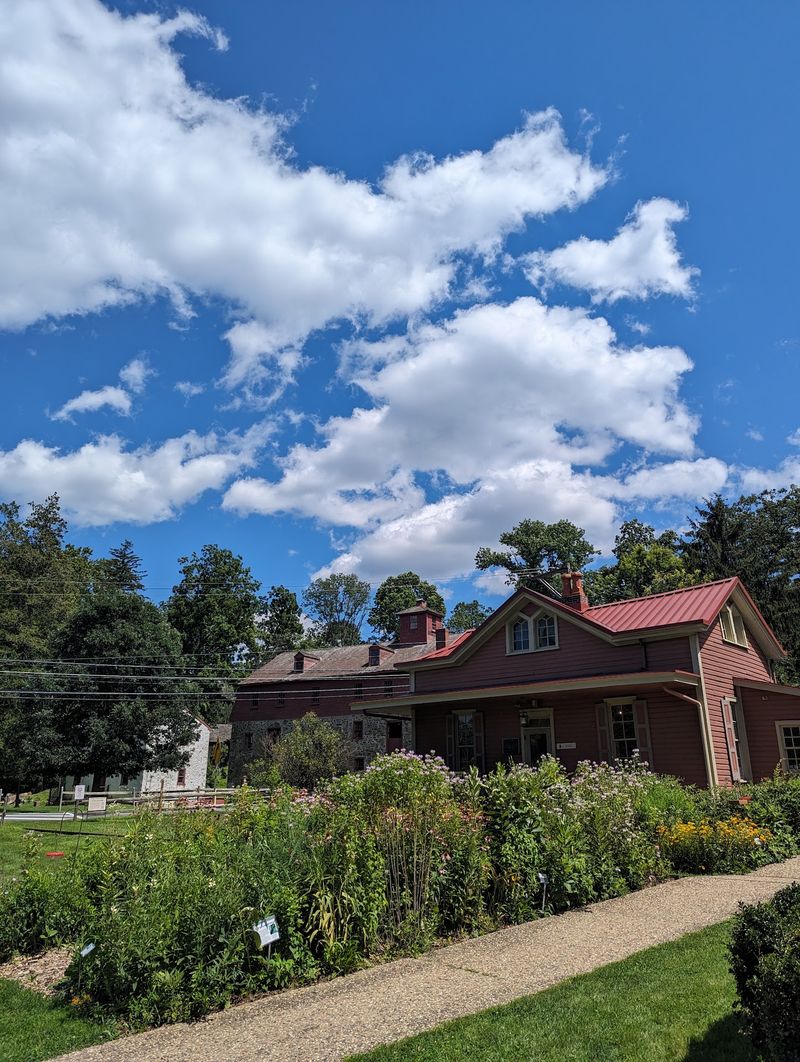
Ready to go? The mill sits in Glen Mills, Pennsylvania, tucked into Delaware County’s scenic countryside and easy to fold into a day trip from the surrounding area.
Start at the Visitor Center, the converted railroad station, where you can pick up fresh cornmeal and get oriented before exploring. Weekends tend to offer the fullest experience, since that’s when tours, blacksmith demonstrations, and archaeology programs most often run.
Come dressed for walking if you plan to tackle the trails, and pack a picnic to enjoy in the grounds. Spring and autumn bring the clearest creek views and the most comfortable temperatures for wandering the property.
As for whether it’s worth the detour, the answer leans strongly yes. People arrive expecting a quick look and leave having filled an afternoon with history, nature, and genuine conversation.
For families chasing an easy adventure, history lovers hunting the real thing, or anyone craving a peaceful escape into the past, this quiet Pennsylvania gem delivers well beyond its modest roadside presence. Put it on your list for this weekend, and let the turning stones surprise you.