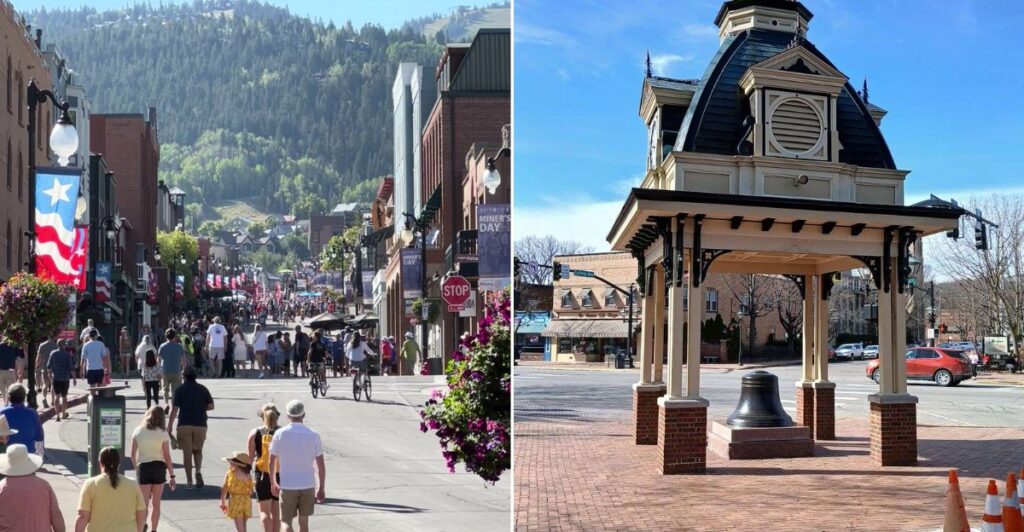
The best road-trip stops are the ones that make you forget you were trying to get somewhere else. A main street can turn a break into lunch, a history lesson, and an excuse to wander another block.
Old signs, courthouse squares, galleries, pioneer-era buildings, and railroad stories give these towns plenty to notice without demanding a packed itinerary. Small-town travel feels especially rewarding across Utah, where one sidewalk can connect generations of history in a few minutes.
Comfortable shoes matter more than a schedule here, because the interesting part is often whatever catches your eye next. Mining stories might sit beside art studios, while red rock views frame streets that still feel lived-in rather than preserved behind glass.
Road trips gain a different rhythm in Utah when the stop itself becomes part of the destination. Leave some blank space in the day, park once, and let curiosity choose the route.
1. Helper – Historic Main Street
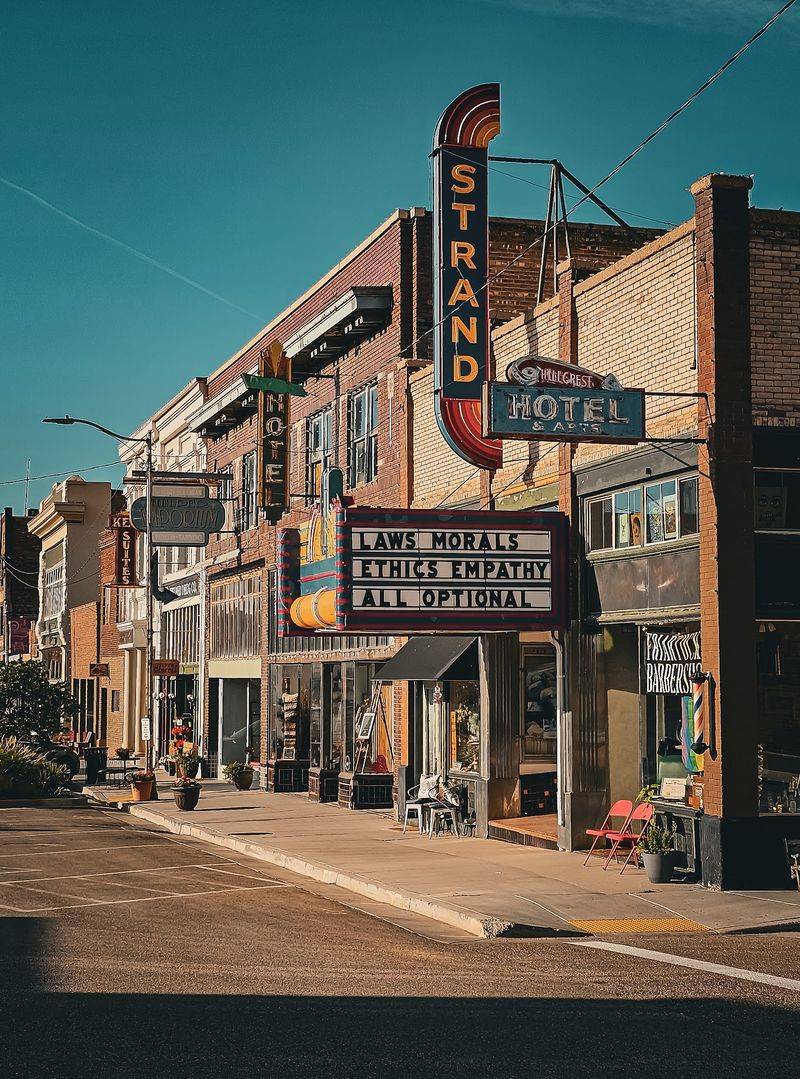
Helper has the rare main street that can make a simple road trip feel oddly well edited. Historic Main Street follows the story of a railroad and coal town that grew in the late 1880s, when helper locomotives helped trains climb toward Soldier Summit.
The district is known for early twentieth century commercial buildings, many tied to the years between 1898 and 1939. Fires in 1919 changed parts of the streetscape, so the rebuilt brick blocks carry a practical, work town character rather than museum polish.
Today, Helper Historic Main Street mixes railroad history with galleries, studios, restaurants, and preserved signs. The Western Mining and Railroad Museum at 294 South Main Street adds context without making visitors pretend they brought a notebook.
Plan time for a short walk, especially if you enjoy towns that still show their working past. Helper sits along U.S.
Route 6 and U.S. Route 191 in Carbon County, with the Price River and nearby canyon country giving the stop a stronger sense of place than the average leg stretch.
2. Panguitch – Main Street Historic District
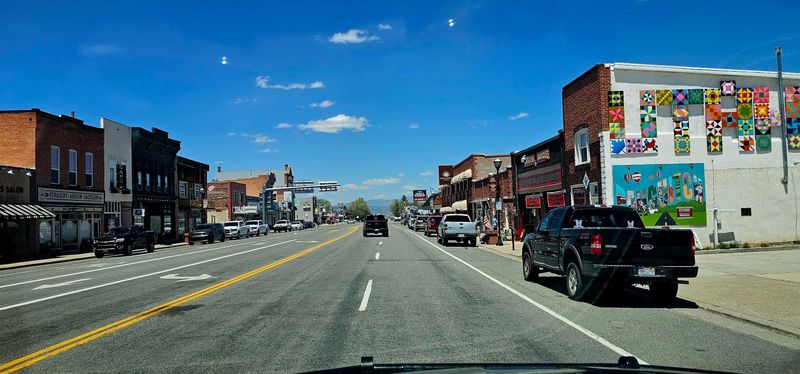
Panguitch feels like a town where the main street still knows how to host a traveler who has been sitting too long. Its Main Street Historic District is tied to a pioneer community founded in the 1860s, with a name often translated from Paiute as meaning big fish.
The downtown blocks make sense as a road trip pause because they sit in a region many visitors cross while traveling between Bryce Canyon country, Highway 89, and southern Utah scenery. That does not mean rushing through is the best move.
Look for older commercial buildings, brick facades, local shops, lodging, and the kind of practical town layout that rewards wandering without requiring a formal tour. Panguitch also has a well known Quilt Walk story connected to early settlers traveling for supplies during a hard winter.
A stop here works best when treated as part history break, part leg stretch, and part reminder that southern Utah towns existed long before vacation schedules got involved. Give yourself time to read signs, cross the street slowly, and decide lunch without turning it into a committee meeting.
3. Park City – Historic Main Street
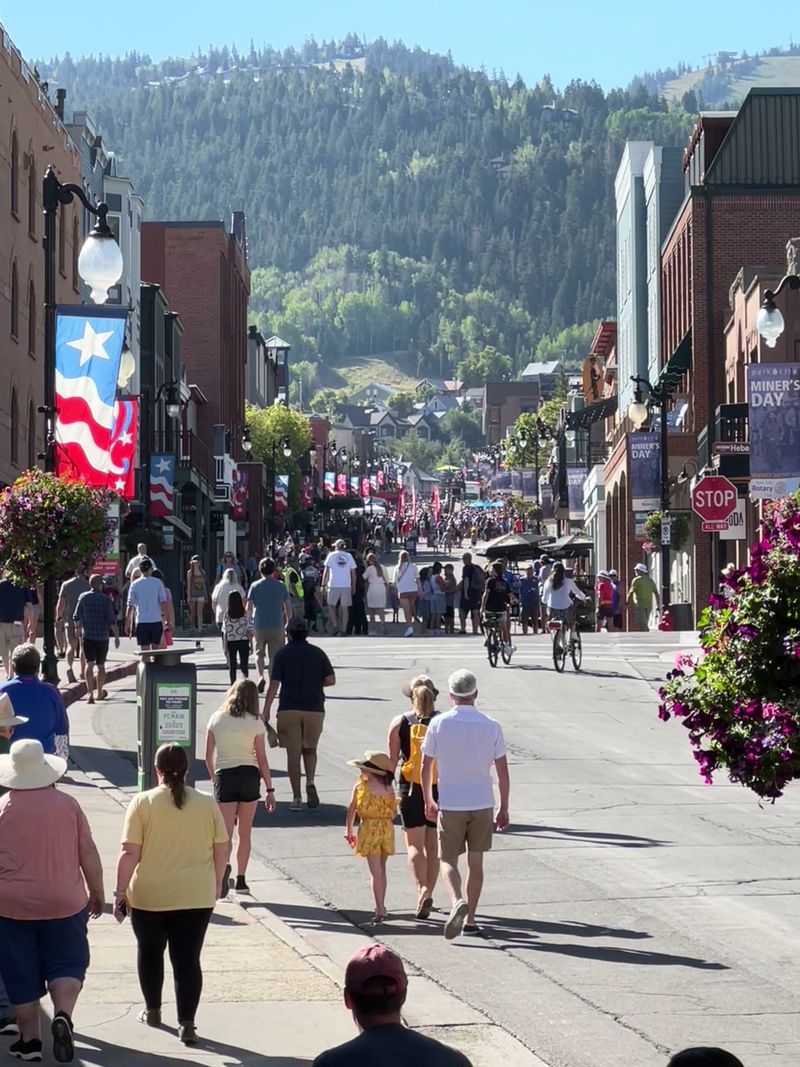
Park City’s Historic Main Street is the polished overachiever of this list, but it earned the attention before ski jackets became part of the scenery. The street began as the commercial center of a silver mining town, and its older buildings still climb the hillside with the confidence of structures that have seen several versions of prosperity.
The area is listed as a historic district, and the street now holds restaurants, shops, galleries, lodging, and cultural venues. It is busier and more developed than many Utah small town main streets, so the best approach is to treat it like a real downtown, not a drive by photo stop.
Walking is the point here. Historic Main Street has steep grades, preserved facades, narrow storefronts, and mountain views that remind visitors the town was shaped by terrain as much as ambition.
Couples can make an unhurried afternoon of it, families can focus on window shopping and snacks, and solo travelers can enjoy the people watching without needing an agenda. Park City rewards patience, especially when you notice that the old mining town bones are still under all the newer polish.
4. Midway – Main Street
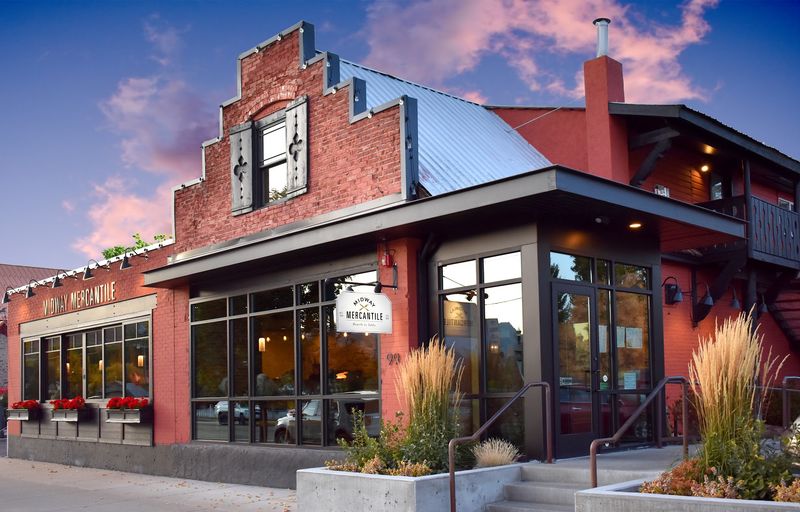
Midway does not shout for attention, which is a useful quality in a road trip stop. Main Street runs through a Wasatch County town known for Swiss influenced buildings, mountain views, and a slower pace than nearby resort corridors.
The town’s Swiss identity shows up in architecture and civic design, giving the main street a look that differs from Utah’s mining and pioneer grid towns. It is not a theme park version of Europe, thankfully.
It is a Utah town with its own local habits, surrounded by Heber Valley scenery.
Visitors can use Main Street for a simple stroll, a meal, or a reset between bigger outdoor plans. The scale is manageable, which helps when nobody in the car wants a parking strategy worthy of a congressional hearing.
Midway also works well for travelers who like seeing how Utah communities vary from valley to valley. Park the car, walk the core, look at the details on the buildings, and leave enough time for the town to feel like a place rather than a checkbox between louder attractions.
5. Kanab – Center Street And Downtown Core
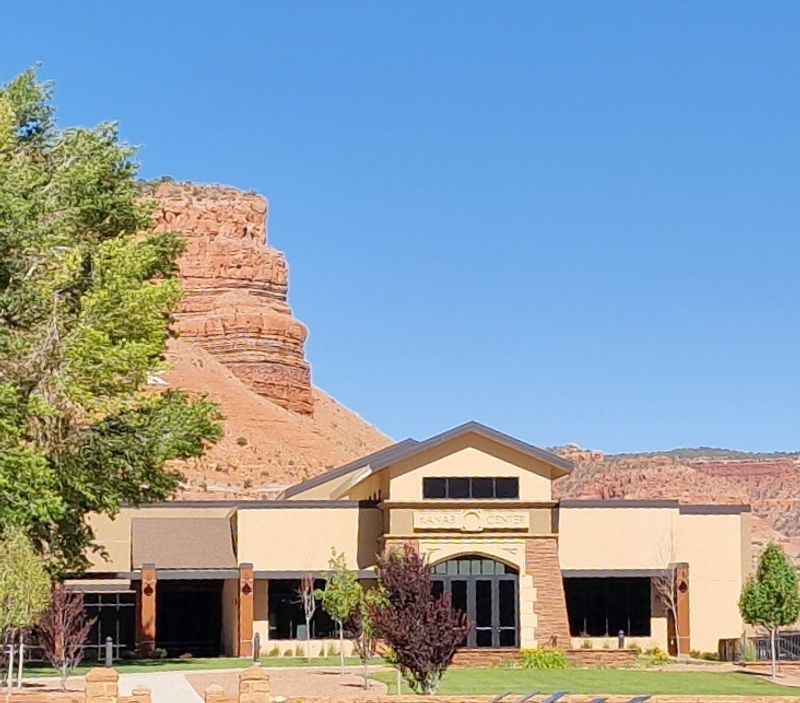
Kanab has a downtown that understands road trippers because it has been dealing with them for generations. Center Street and the surrounding core sit in a red rock region long used as a base for visiting southern Utah and northern Arizona landscapes.
The town also has a film history, especially from the mid twentieth century, when western productions used the surrounding scenery. That background still gives Kanab a slightly cinematic feel, even when your own travel scene involves sunscreen, water bottles, and someone searching for the car keys.
Center Street offers shops, restaurants, lodging, visitor services, and walkable blocks that make practical sense before or after scenic drives. It is a good place to gather information, eat, and recalibrate the day without turning every decision into a group project.
Families can keep the stop simple, couples can wander the downtown core at an easy pace, and solo travelers get a useful town center with enough texture to hold attention. Kanab works because the main street serves both real local life and travelers headed into big country.
6. Spring City – Main Street And Spring City Historic District
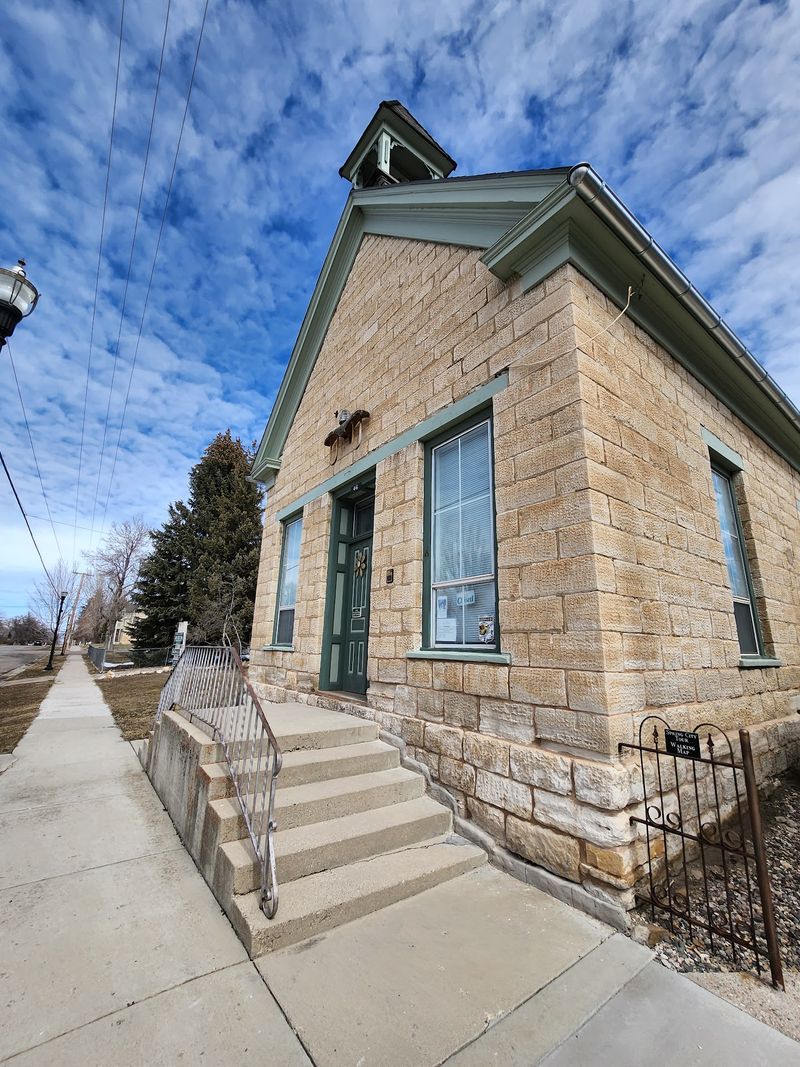
Spring City is the stop for travelers who like their history in building stone instead of slogans. Main Street and the Spring City Historic District contain a remarkable collection of nineteenth century and early twentieth century architecture, including limestone homes and pioneer era buildings.
The district is recognized for its preservation, and the town’s layout reflects the settlement patterns of Sanpete Valley. Compared with busier road trip towns, Spring City asks visitors to slow down and notice proportions, fences, rooflines, and the way old houses sit in relation to wide streets.
This is not the place to hunt for manufactured excitement. The reward is quieter: a walk through a town where much of the historic fabric remains visible and useful.
Bring comfortable shoes, keep the outing respectful, and remember that many historic buildings are private homes rather than attractions. Spring City works especially well for architecture fans, couples who like unhurried drives, solo visitors with a camera, and families who can enjoy a short walk before attention spans file a formal complaint.
7. Mount Pleasant – Historic Main Street
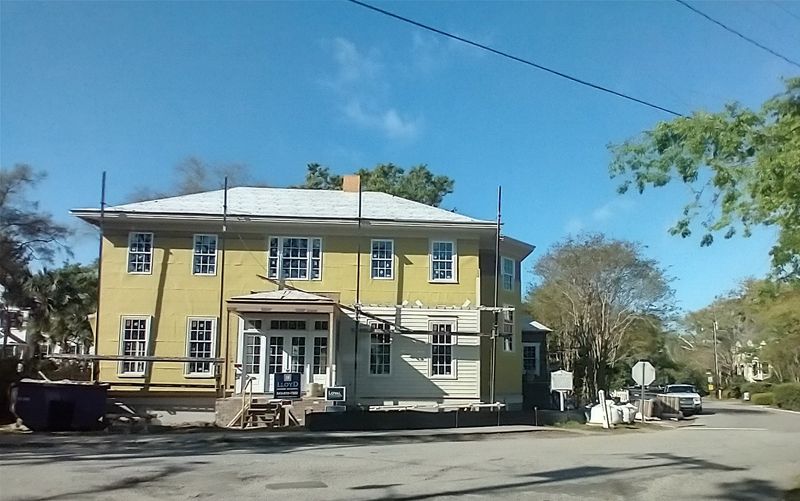
Mount Pleasant has the kind of Historic Main Street that reminds you county towns once had to provide nearly everything people needed. In Sanpete County, the downtown core grew as a commercial and civic center for an agricultural region, and many older buildings still shape the street.
The appeal is practical as much as historical. Main Street gives road trippers a walkable place to pause, look at storefronts, find food, and understand how central Utah towns organized daily life before every errand required a highway exit.
Architecture watchers will notice brick commercial blocks, older homes nearby, and a street pattern that feels built for actual use rather than display. That is a compliment.
Not every town needs to behave like it has auditioned for a postcard.
Mount Pleasant pairs well with a Sanpete Valley drive because it offers enough structure for a stop without demanding a full day. Families can keep the visit short, couples can stretch it into a leisurely wander, and solo travelers may appreciate the readable history found in ordinary buildings.
The town rewards people who look twice.
8. Torrey – Main Street
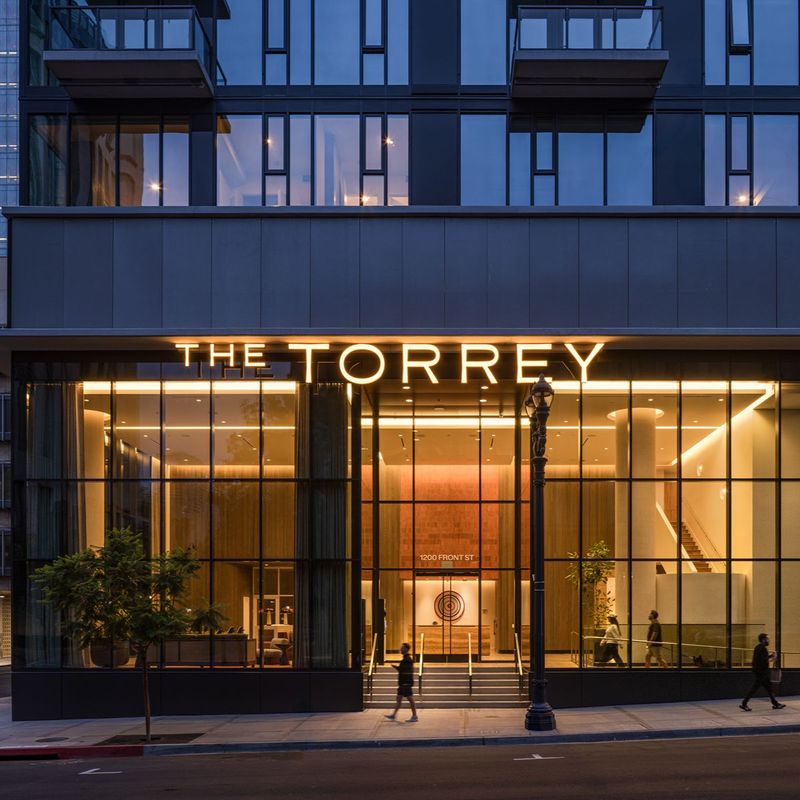
Torrey’s Main Street has a different rhythm from Utah’s courthouse towns and mining districts. It sits in Wayne County near the gateway area for Capitol Reef National Park, so the street often serves travelers who are balancing scenic ambition with very real needs like lunch and fuel.
The town’s setting is the headline: red rock country, high desert light, and access to Highway 24 travel routes. Main Street itself is modest, with lodging, eateries, shops, and services spread through a small community that has learned to meet visitors without losing its rural scale.
Torrey is also recognized as an International Dark Sky Community, a designation tied to efforts that protect night skies. For daytime wanderers, that detail still says something about the town’s relationship with its landscape.
Use Main Street as a low pressure pause before or after park time. Families can regroup, couples can linger over a meal, and solo travelers can make the stop as brief or as slow as the day allows.
Torrey does not need a grand entrance. The surrounding country handles that assignment with no apparent interest in subtlety.
9. Eureka – Historic Main Street And Tintic Mining District
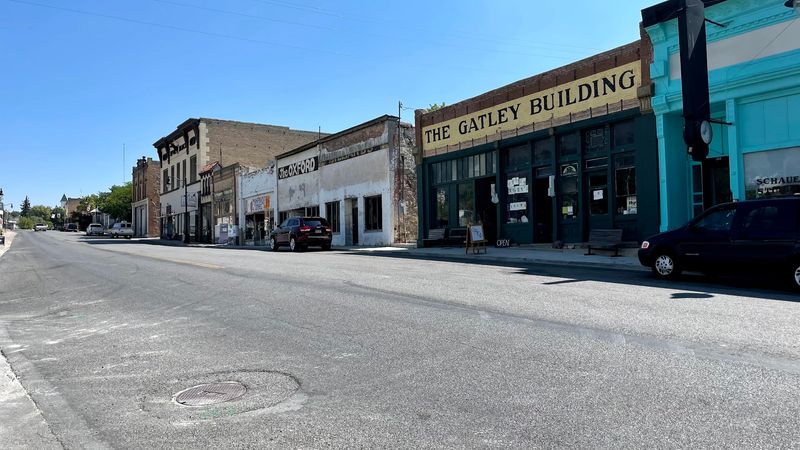
Eureka is where Utah mining history still feels close to the curb. Historic Main Street belongs to the larger Tintic Mining District, one of the state’s important hard rock mining regions, and the town developed as a service center for nearby mines.
The downtown buildings give visitors a visible lesson in boom era ambition, when banks, stores, offices, and gathering places served a busy mining population. Some structures show age plainly, which is part of the honesty here.
History rarely arrives freshly painted and perfectly level.
A wander through Eureka works best for travelers interested in old commercial streets, mining landscapes, and towns that carry evidence of changing fortunes. The Tintic context matters because Main Street was not decorative; it was tied to work, money, transportation, and community life.
Keep expectations realistic and respectful. This is a living town as well as a historic district, and not every old building is open to the public.
As a road trip stop, Eureka offers a strong sense of place in a compact visit, especially for anyone curious about how mineral wealth shaped parts of Utah.
10. Beaver – Historic Downtown And Main Street
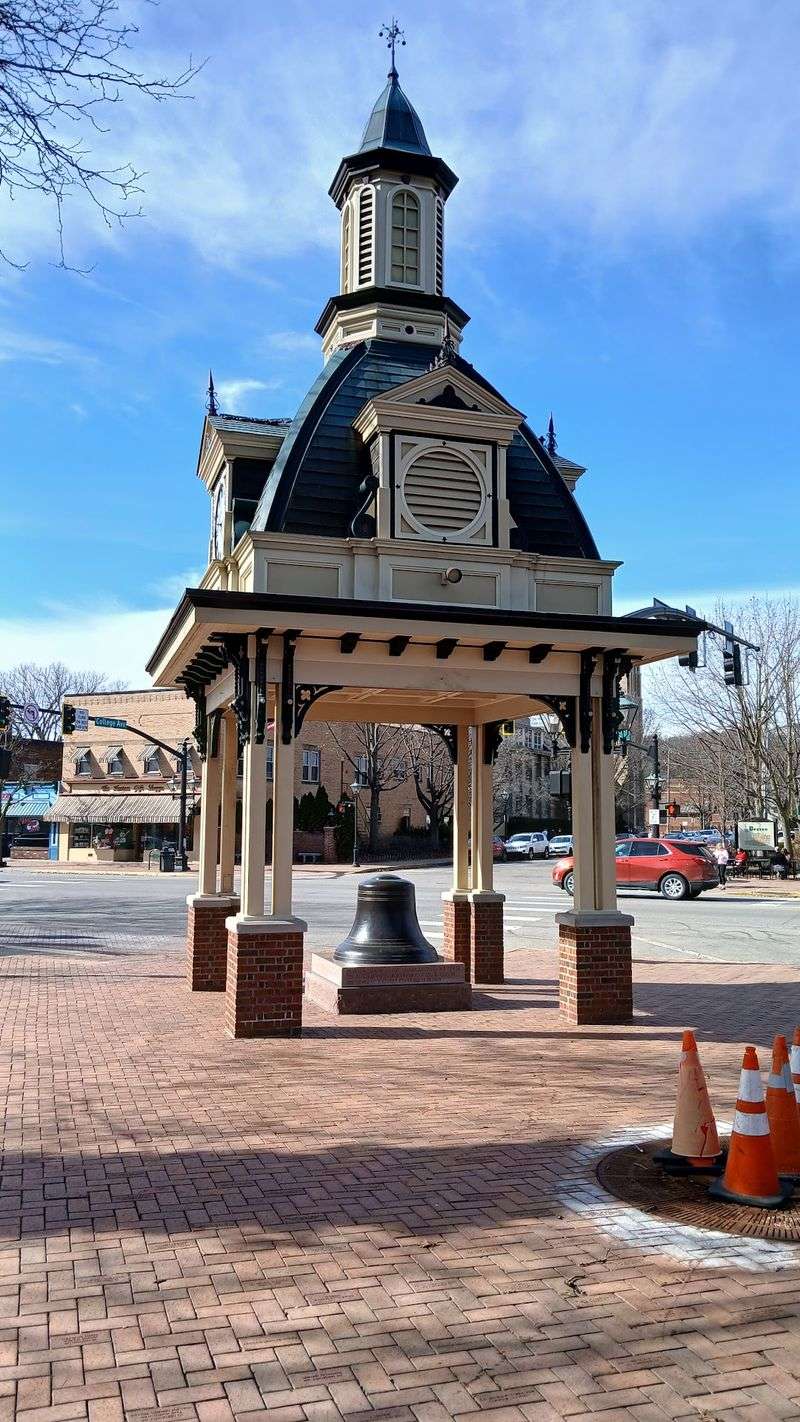
Beaver makes a sensible stop because its Historic Downtown and Main Street sit along a long used travel corridor in southwestern Utah. The town was settled in the nineteenth century, and its central blocks still show the role it played as a regional service community.
Travelers often know Beaver from Interstate 15 signs, but the older downtown deserves more than a glance through a windshield. Main Street offers historic buildings, local businesses, and a town layout that is easy to understand on foot.
The Beaver County Courthouse, built in the late nineteenth century, is one of the area’s notable historic landmarks. Details like that help the stop feel anchored, not random, which is helpful when a road trip day starts to blur into exits, receipts, and snack negotiations.
Beaver works for a quick stop while already in town or a longer stroll if you enjoy courthouse towns and practical main streets. Families can keep the visit uncomplicated, couples can add it to a weekend loop, and solo visitors can use the downtown as a calm reset before the next stretch of highway.
11. Escalante – Main Street Along Scenic Byway 12
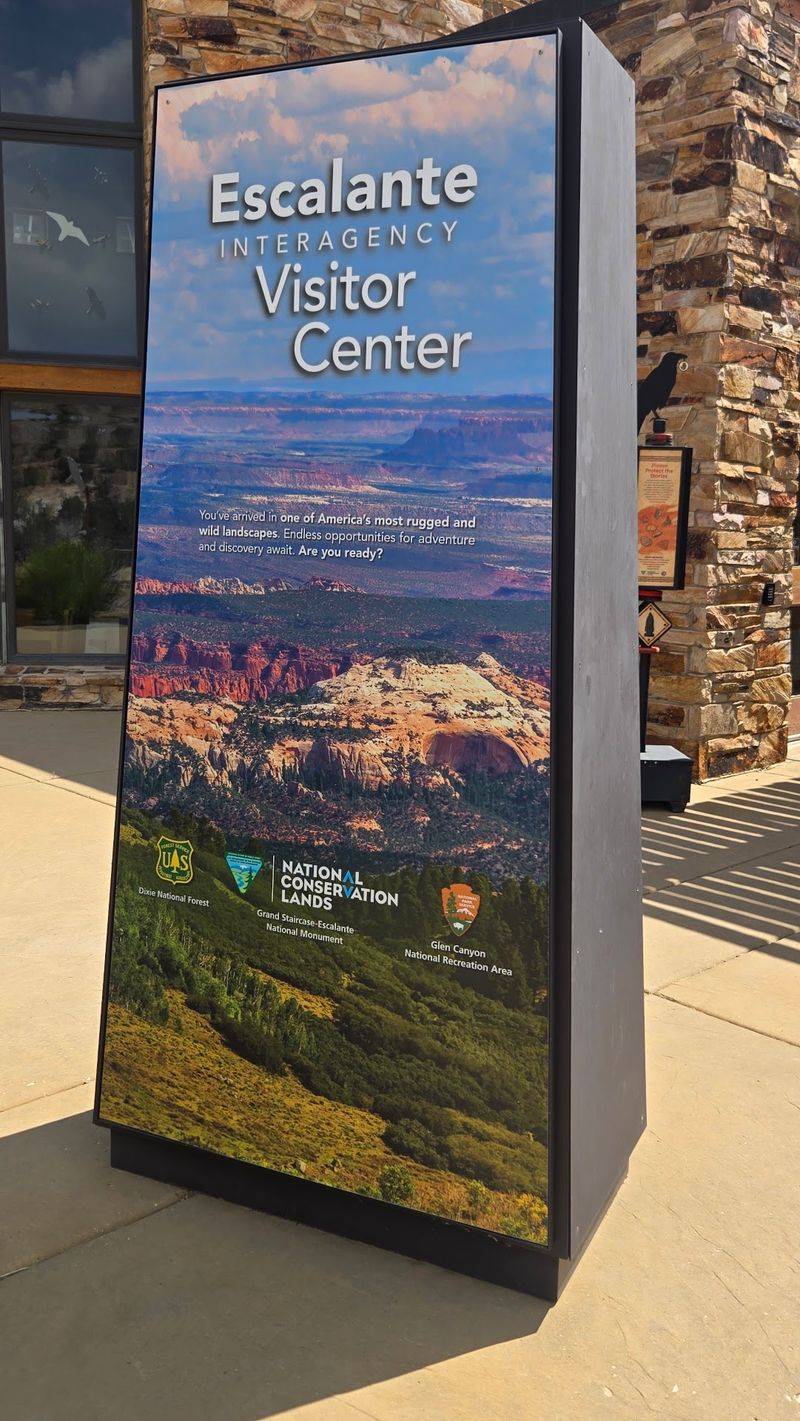
Escalante’s Main Street has the useful confidence of a town placed along one of Utah’s great scenic drives. Scenic Byway 12 runs through the community, linking travelers to red rock plateaus, canyons, and the vast Grand Staircase area.
The town itself began as a pioneer settlement in the late nineteenth century, and today Main Street provides lodging, food, supplies, outfitters, and visitor services for people moving through demanding country. That practicality is not glamorous, but it is deeply appreciated when the map starts looking ambitious.
Escalante rewards a slower stop because the main street connects the human scale of town life with the huge surrounding landscape. Walk a few blocks, check posted information, and give yourself time to adjust plans before heading into remote areas.
Weekend travelers can use Escalante as a base, families can make it a manageable pause, and solo visitors can appreciate a town where the street is both a community center and a launch point. Along Scenic Byway 12, Main Street is not just scenery.
It is the place where the day becomes realistic again.