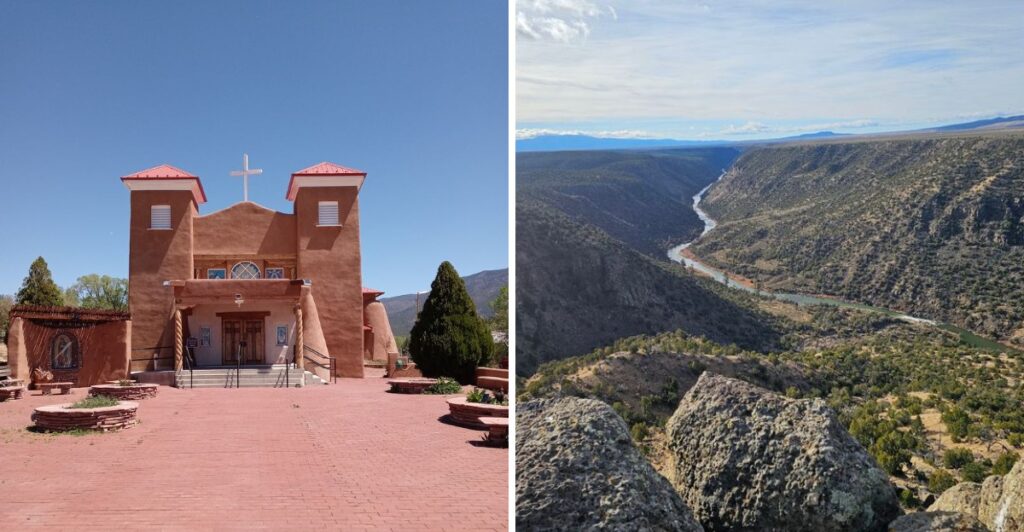
You could drive straight past this little mountain village and never realize how much scenery sits just beyond the road. That would be a shame.
In northern New Mexico, this small community rests beneath the Sangre de Cristo Mountains with sagebrush country stretching nearby and the Rio Grande Gorge within easy reach. The first impression is quiet, but a closer look brings out much more.
Adobe architecture gives the streets a strong sense of place, while local history appears in an old church and along a self-guided trail. The village also has an active arts community that turns the surrounding landscape into inspiration.
Travelers chasing bigger names may miss it entirely, which is part of the appeal. Give the place a little time and it starts to feel less like a quick stop and more like a destination worth remembering long after the road trip continues through the mountains ahead.
Where Adobe Walls Meet Mountain Drama
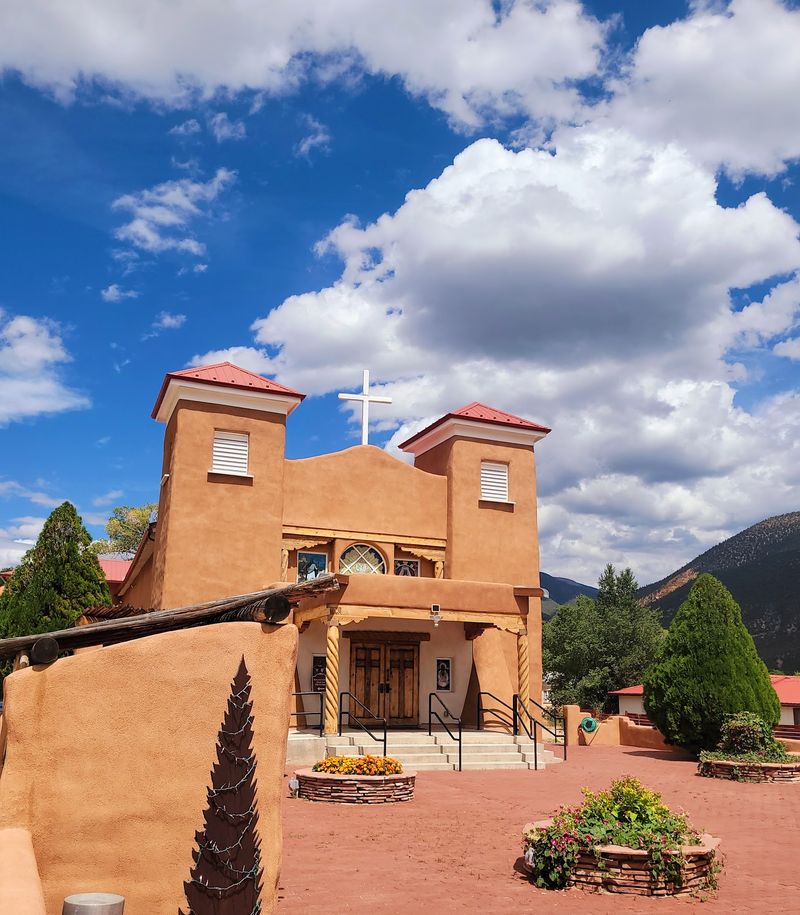
Low earthen buildings sit quietly against a wall of green and gray mountains, and the contrast catches you off guard. The rounded adobe corners glow warm in the late afternoon light, while the peaks behind them stay cool and shadowed.
These handmade walls have stood through many seasons, holding heat in winter and staying cool through summer days. The style feels rooted in the land, built from the same earth that stretches out toward the hills.
Somehow the combination of soft clay curves and sharp mountain edges makes the whole scene feel like a painting. I find that pairing genuinely striking, the kind of view you keep glancing back at.
Small chapels and older homes show off thick walls and simple wooden details that reward slow walkers. The buildings do not shout for attention, yet they quietly anchor the entire village.
Behind it all, the Sangre de Cristo Mountains provide a backdrop that shifts color as clouds drift by. You will not find flashy signs or crowds here, just honest structures framed by big scenery.
All of this quiet charm belongs to the village of Questa, located at New Mexico 87556, where adobe and altitude share the same address.
A Tiny Village Beneath Giant Peaks
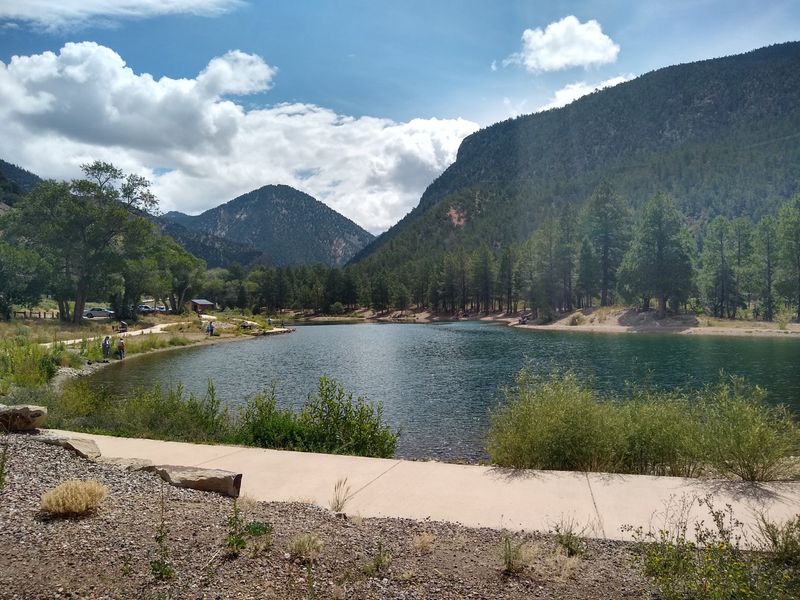
With fewer than two thousand people, this village feels like a place where everyone knows the mountains by name. The population sits around 1,800, which keeps the streets calm and unhurried.
Being small does not make it dull, though. The community fills its days with fishing trips, garden plots, and gatherings that feel close and familiar.
Towering above the rooftops, the Sangre de Cristo range makes even the tallest building look modest. That size difference gives the whole place a humble, tucked-away feeling that I find oddly comforting.
Life moves at a slower pace here, and that slowness becomes part of the charm rather than a drawback. Visitors used to crowded cities often notice how quickly their shoulders relax.
The mountains provide more than a pretty backdrop, offering trails, lakes, and cool air during warmer months. Residents grew up watching these peaks change with the seasons, and that connection shows.
You will hear birds, wind, and the occasional passing truck instead of constant traffic noise. It is the sort of quiet that feels earned rather than empty.
Small in size but rich in setting, this little community proves that a tiny map dot can hold big surprises for curious travelers.
Streets With Deep Northern New Mexico Character
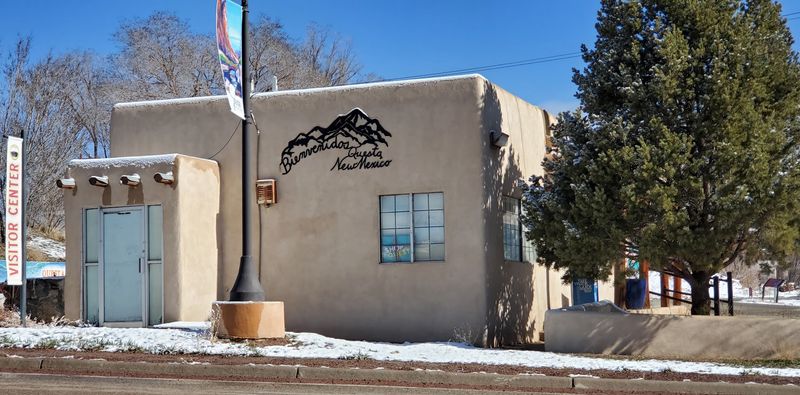
Wander down the main roads and you feel the pull of northern New Mexico tradition in every corner. The streets carry a mix of old and new, with weathered homes standing beside simple gardens and quiet yards.
Spanish and Native influences shaped the way this place grew, and those roots still show in the architecture. Wooden fences, hand-built walls, and modest chapels tell stories without saying a word.
People here take pride in keeping tradition alive through food, faith, and family gatherings that stretch back generations. That kind of continuity feels rare, and I appreciate how genuine it seems.
The pace on these streets stays gentle, so you can actually notice small details others might rush past. A carved doorway or a faded sign becomes something worth a second look.
Local culture leans on community bonds rather than flashy attractions, which gives the village a warm and grounded feel. Neighbors wave, dogs nap in the sun, and time seems to soften.
These roads may be quiet, but they hold the flavor of a region proud of its heritage. Walking them offers a real taste of mountain life shaped by history, land, and a strong sense of belonging.
Historic Details That Reward A Closer Look
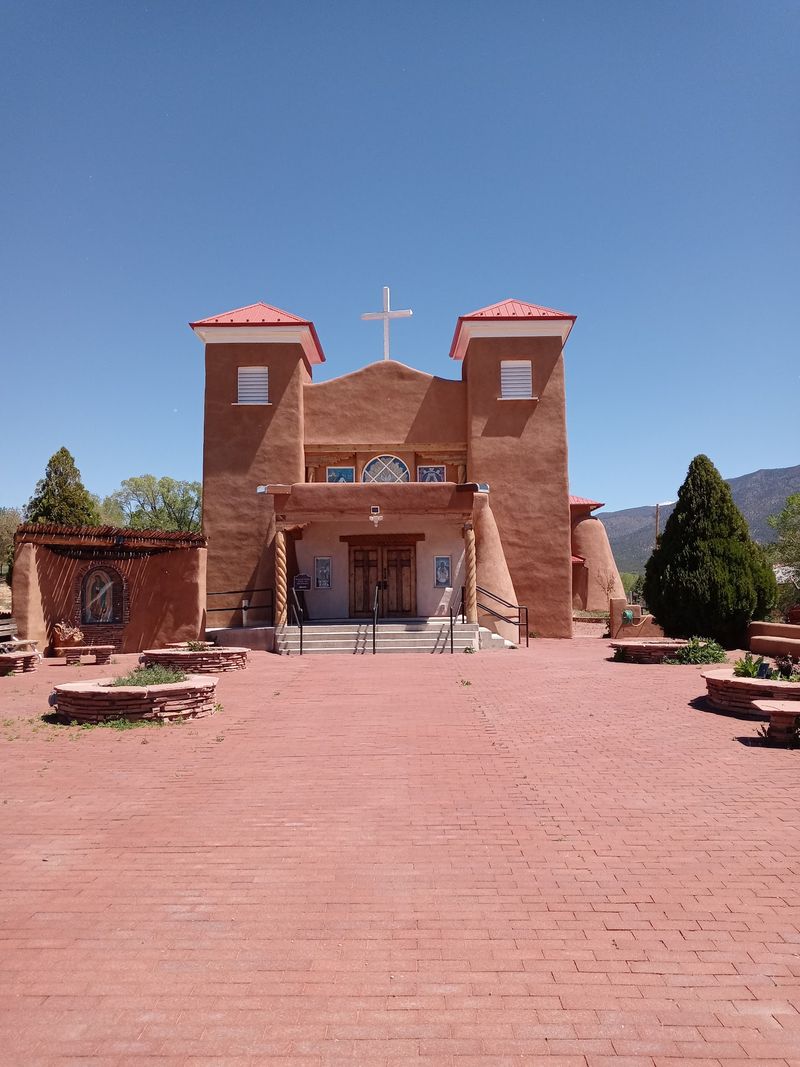
Slow down near the older buildings and small treasures start to appear everywhere you look. Thick adobe walls, hand-hewn beams, and simple carved details show the care that went into building this village long ago.
A historic parish church anchors much of the town’s history, its walls rebuilt and cared for over many years. Standing before it, you sense the effort locals poured into keeping the past alive.
Mining once shaped part of the area’s story too, bringing workers and changing the rhythm of daily life. Traces of that history linger in the surrounding hills and the memories of longtime families.
Every worn threshold and faded beam seems to whisper about seasons that came before. I find that quiet layering of history far more interesting than any polished museum display.
The details here are not grand or gilded, and that plainness is exactly what makes them feel honest. You have to look closely to catch the beauty hiding in simple lines and rough textures.
Curious travelers who take their time will notice how the past and present sit comfortably side by side. This village rewards patience, offering little historical surprises to anyone willing to pause and truly observe.
Sagebrush Views That Stretch Toward The Horizon
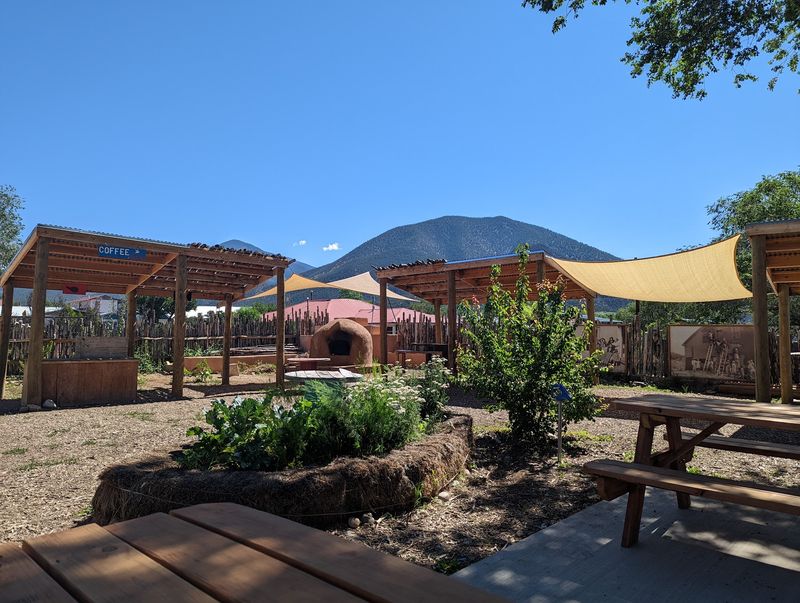
Step just outside the village and open country rolls out in every direction. Silvery-green sagebrush covers the high desert floor, stretching far until it meets the base of distant hills.
The wide space feels almost endless, giving your eyes room to travel without hitting a single wall. That kind of openness is hard to find, and it genuinely makes you breathe deeper.
Sunlight plays across the sage all day, shifting shades from pale silver to deep olive as clouds pass. The scent of the plants rises after rain, filling the air with a clean, earthy smell.
These plains connect the mountains to the famous river canyon, tying the whole landscape together. Standing in the middle of it, you feel small in the best possible way.
Wildlife moves through the brush too, so patient watchers might spot birds, rabbits, or grazing animals. The quiet out here lets you notice tiny movements you would otherwise miss.
Sunsets turn the whole scene gold and pink, painting the horizon with colors no camera fully captures. I find these wide views strangely calming, the sort that clear your mind.
Open, honest, and beautifully plain, this sagebrush country gives the village its wide, breathing sense of space.
Scenic Roads With Surprise Around Every Bend
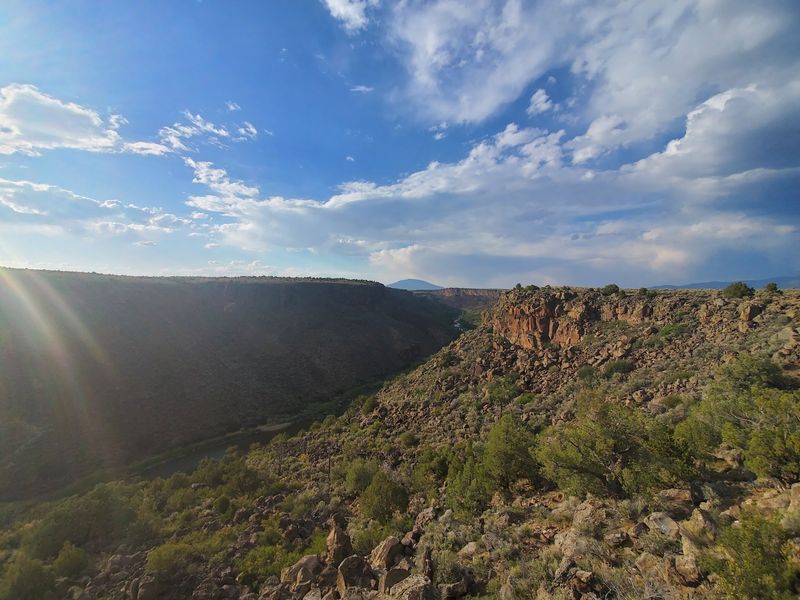
The drive toward the village becomes half the fun, thanks to roads that curve through changing scenery. One moment you roll past open sage, and the next a bend reveals sudden mountain walls.
The route between town and the surrounding area keeps travelers guessing, with fresh views appearing around each turn. Every curve seems to offer a new photo you did not expect.
These roads link the village to the river gorge, mountain lakes, and quiet trailheads scattered nearby. That easy access makes wandering feel effortless and full of little rewards.
Slow, careful driving pays off here, since rushing means missing the best glimpses. I think the unhurried pace suits the whole area perfectly.
Some stretches climb gently toward higher ground, opening up sweeping looks back across the valley below. Others dip and wind through brush, keeping your attention on the changing land.
Seasons add their own twist, painting the roadside green in spring and golden in autumn. The scenery never quite repeats itself, no matter how many times you travel through.
Every mile brings something worth noticing, whether a distant peak or a sudden sweep of sky. These winding roads make simply getting around feel like a small adventure of its own.
Wild Canyon Country Just Beyond Town
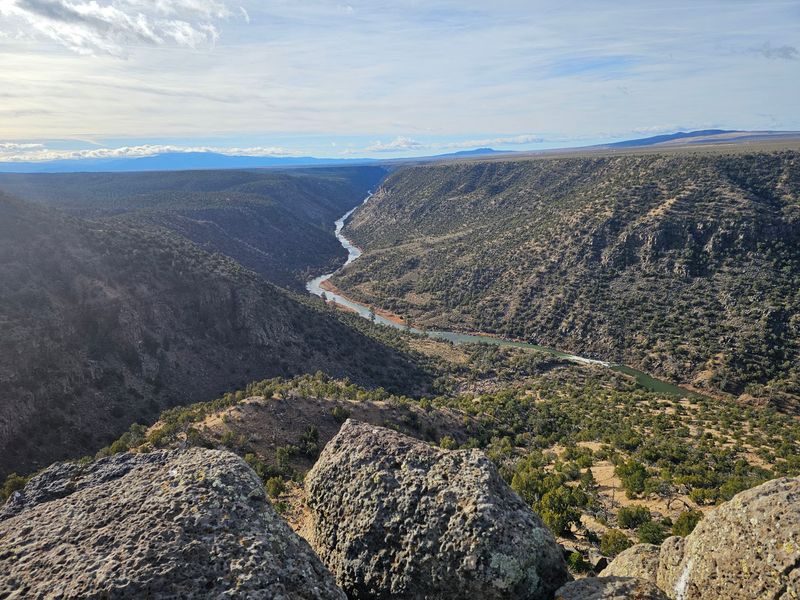
Just beyond the village, the land splits open into the dramatic Rio Grande Gorge. Steep rocky walls plunge down to a rushing river far below, creating a scene that stops people in their tracks.
Trails lead right into this canyon country, giving hikers a chance to explore its rugged edges. The paths range from gentle to steep, so different visitors can find a route that fits.
Down near the water, anglers cast for trout in the cool, moving current. Fishing here feels peaceful, with canyon walls rising all around and only the sound of flowing water.
The gorge shows off layers of rock formed over enormous stretches of time, and the sight is humbling. Standing at the rim, I find the sheer depth genuinely breathtaking.
Birds of prey often circle overhead, riding wind currents between the towering walls. Watching them glide adds a wild, untamed feeling to the whole experience.
Mountain lakes and more trails sit nearby too, connecting the canyon to the higher Sangre de Cristo peaks. Adventure seekers find plenty of ground to cover in this corner of the state.
Rugged and raw, this canyon country gives the quiet village a bold, wild neighbor worth exploring.
An Artsy Mountain Spirit Hiding In Plain Sight
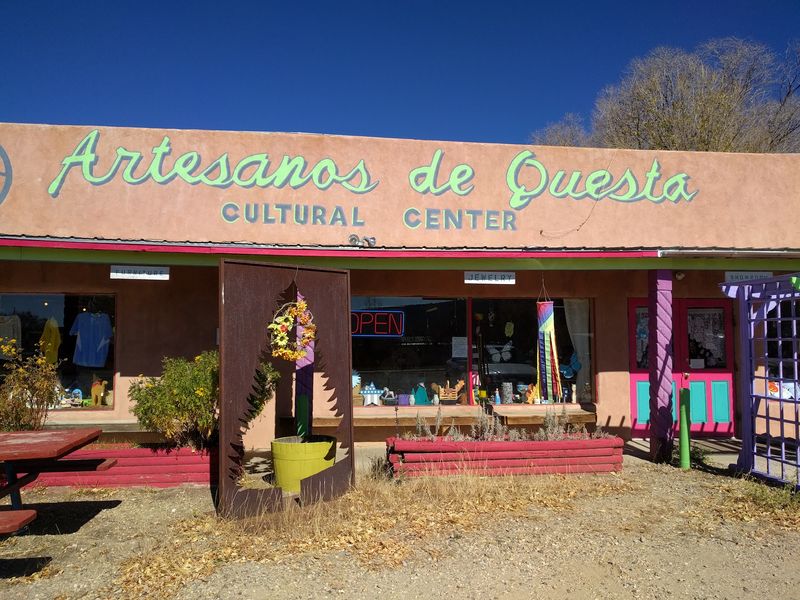
Look a little closer and a creative spark shines through this small mountain village. Handmade crafts, colorful touches, and local artwork pop up in unexpected corners, hinting at a community that loves to create.
Northern New Mexico has long drawn painters and makers to its light and landscape, and that spirit reaches here too. The wide skies and mountain colors clearly inspire the people who call this place home.
Art here feels personal rather than commercial, woven into daily life instead of packaged for crowds. I find that low-key creativity refreshing, the kind that grows from genuine passion.
Simple galleries, murals, and craft traditions reflect both old heritage and new ideas. Each piece seems tied to the land, the seasons, and the stories of the region.
Visitors who explore beyond the main road often stumble onto small artistic surprises. A painted sign or handmade detail can turn an ordinary walk into a treasure hunt.
The mix of mountain quiet and creative energy gives the village a gentle, inspiring mood. It is easy to see why makers feel at home in such a peaceful setting.
Understated yet alive with imagination, this artsy heartbeat is one more reason the village deserves a closer look.