Bargain shopping gets tricky the second curiosity grabs the cart.
This Ohio liquidation stop is not built for a neat little in-and-out mission.
The merchandise changes, the bins keep things unpredictable, and the used-book section can easily pull you in a completely different direction.
That is the fun here. You are not following the same shelves every week. Overstock and returns keep the hunt moving, so browsing matters more than arriving with one exact item in mind.
Some days may lean toward household finds. Another visit could end with a stack of books or something you never planned to buy.
I’d give myself extra time. Bargain hunting and “just one quick look” have never been especially good friends.
Liquidated Retail Goods Give The Store Its Core Mix
A liquidation warehouse starts with merchandise that did not follow the normal retail path.
Miami Valley Liquidation Center purchases pallet-sized overstock items and customer returns from retailers, while its broader inventory also includes lightly used and liquidated merchandise.
Current product categories include clothing, household décor, electronics, toys, bedding, linens, furniture, small appliances, home-improvement equipment, tools, baby products, and other general merchandise.
That range leaves plenty of room to change direction once you start browsing. You could arrive looking for a household item and end up spending more time with electronic accessories, kitchen pieces, or clothing.
Treating each department as a separate stop works better than expecting the shelves to resemble a conventional department store.
New liquidated merchandise arrives routinely, so exact products can shift. Start with the category that matters most, then work outward.
A shopper looking for home goods might check décor, lamps, curtains, bathroom accessories, and kitchen accessories before moving on.
Returned and lightly used merchandise can appear alongside overstock and other liquidation goods, so condition may vary by item. Taking a moment to look at packaging and the product itself is a sensible part of this kind of shopping.
Bargain Bins Turn Browsing Into A Different Kind Of Search
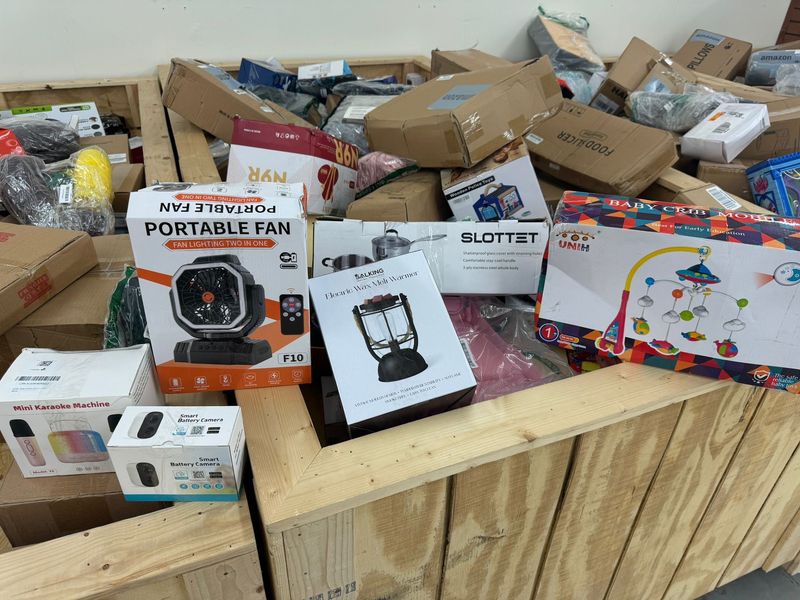
Bins change the pace because the point is less about walking directly to a labeled shelf and more about sorting through mixed merchandise.
The Piqua operation includes bargain-bin sales stocked with liquidated goods from retailers and wholesalers.
Product types can include headphones, toys, beauty products, fashion accessories, home décor, electronics, apparel, and other smaller retail items.
One easy route is to make a quick first pass through the bins, pull aside the items that interest you, and then give those finds a closer look before deciding what belongs in the cart.
Since the stock can include returned, slightly used, and liquidated merchandise, condition and packaging can differ from piece to piece.
Miami Valley Liquidation Center also gives shoppers a choice between its regular retail categories and the more exploratory bin format. The bins suit a visit where you are open to mixed categories rather than hunting for one guaranteed product.
You will find the Piqua store at 8225 Looney Rd, Piqua, OH 45356. Once you are there, letting the bins set the pace can be more useful than trying to rush through them with a strict checklist.
Discount Groceries Add Pantry Shopping To The Same Stop
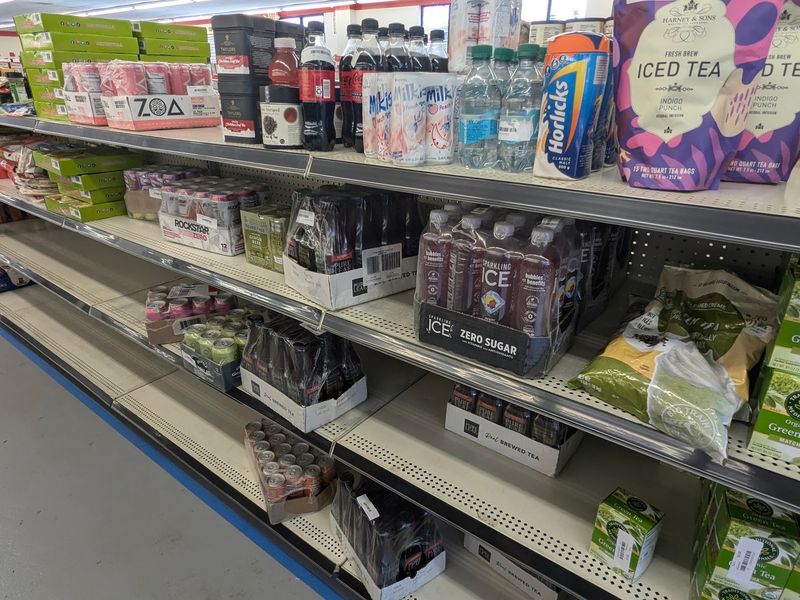
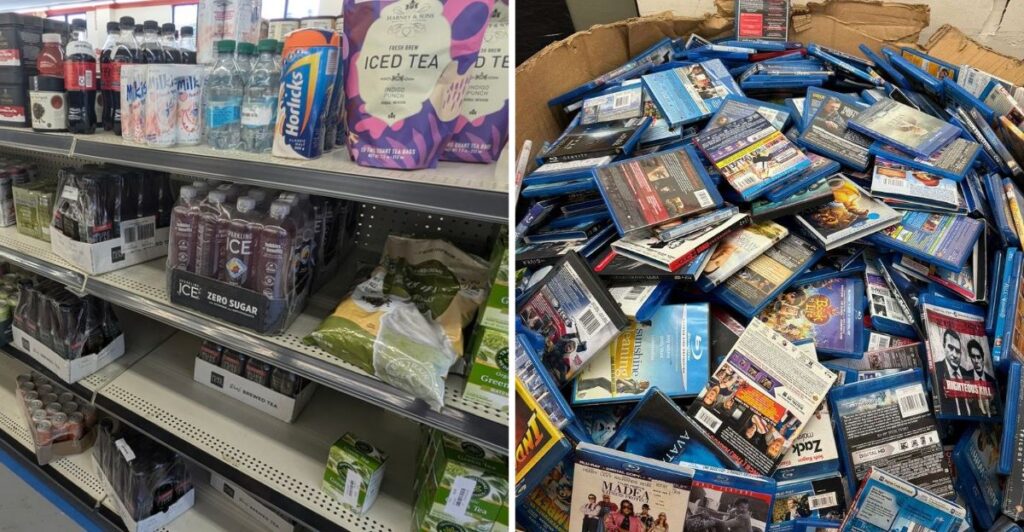
Coffee, rice, pasta, cereal, canned goods, protein bars, snacks, chips, candy, and pet food all appear among the current discount-grocery categories.
That gives the warehouse a practical pantry section in addition to its home goods, clothing, and electronics.
Shoppers can move from a bargain-bin search into grocery browsing without treating the trip as two separate errands.
Food shelves are stocked daily, with new food and drinks arriving regularly, so availability can vary. A useful approach is to scan the shelves for staples you already use rather than building an entire meal plan around an item that may not be there on the next trip.
There is also one detail worth reading carefully on packaged food. Grocery products can be before, close to, or slightly past the printed best-by date. That makes label checking part of the decision.
You can decide item by item what works for your household instead of treating every package the same.
Not in the mood to dig through general merchandise for long? The grocery shelves give you a more focused section, especially if coffee, pasta, rice, cereal, canned goods, or snacks are already on your list.
From there, you can return to the broader retail floor or head toward the books.
Pallet Sales Put Bulk Buying On A Much Bigger Scale
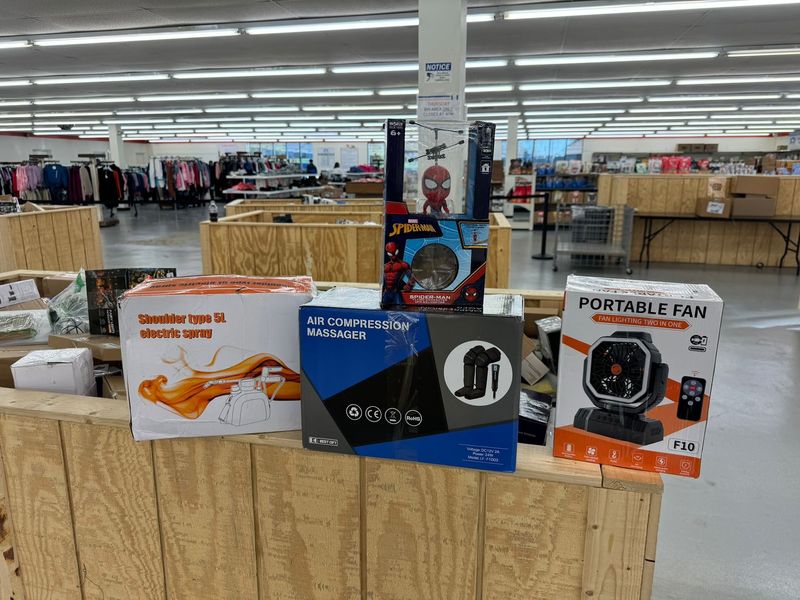
Single-item shopping is only one side of the business.
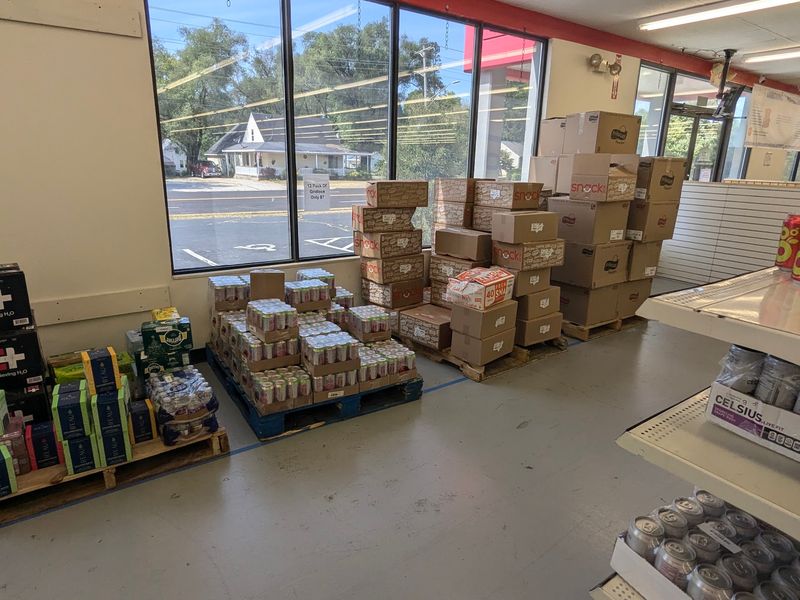
In-person pallet sales give buyers another way to purchase liquidation merchandise.
The inventory categories include home goods, bedding, linens, appliances, baby products, toys, tools, electronics, clothing, beauty products, bathroom accessories, and kitchen accessories.
A pallet changes the decision completely. Instead of comparing two lamps or choosing one small appliance, you are considering a larger quantity of goods at once. That format can suit resellers, small businesses, or buyers who already have a clear use for bulk inventory.
The practical questions get bigger along with the purchase. Storage space, product categories, intended use, and the amount of merchandise all matter more when you move beyond individual items.
Looking through the available pallet inventory with those limits already in mind can keep a bulk purchase manageable.
Shoppers who are there for a few household items can simply stay with the regular retail floor and bins. Anyone interested in bulk merchandise has the option to shift into the in-person pallet side of the business.
Home Goods, Electronics And Clothing Keep The Search Broad
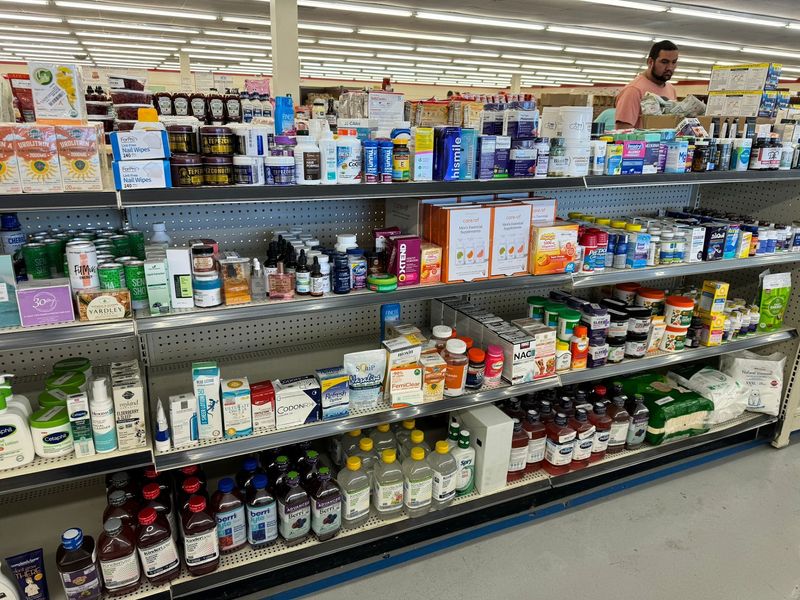
Your biggest decision may be which category deserves attention first.
The current retail selection covers wall art, décor, curtains, lamps, home-improvement tools, televisions, bathroom accessories, and kitchen accessories.
Bedding, linens, furniture, toys, baby products, and small appliances also sit within the broader merchandise mix.
Someone updating a room can stay with household categories, while another shopper can move directly toward electronics or apparel. Families may spend more time around toys and baby goods. Splitting the browsing by department can keep a broad trip manageable.
Because this is liquidation retail, the categories are more dependable than any exact item. You may find electronic accessories without finding the specific model you had in mind, or home décor without the exact size or pattern you pictured.
Shop the current selection rather than assuming the warehouse carries a permanent catalog.
The regular retail floor also gives you a counterpoint to the bins. When digging through mixed items is not your preferred style, the broader merchandise categories offer a more straightforward route.
Go with the section that matches the reason you stopped, then add the others if time and interest allow.
The Dollar Book Swap Adds Another Reason To Slow Down
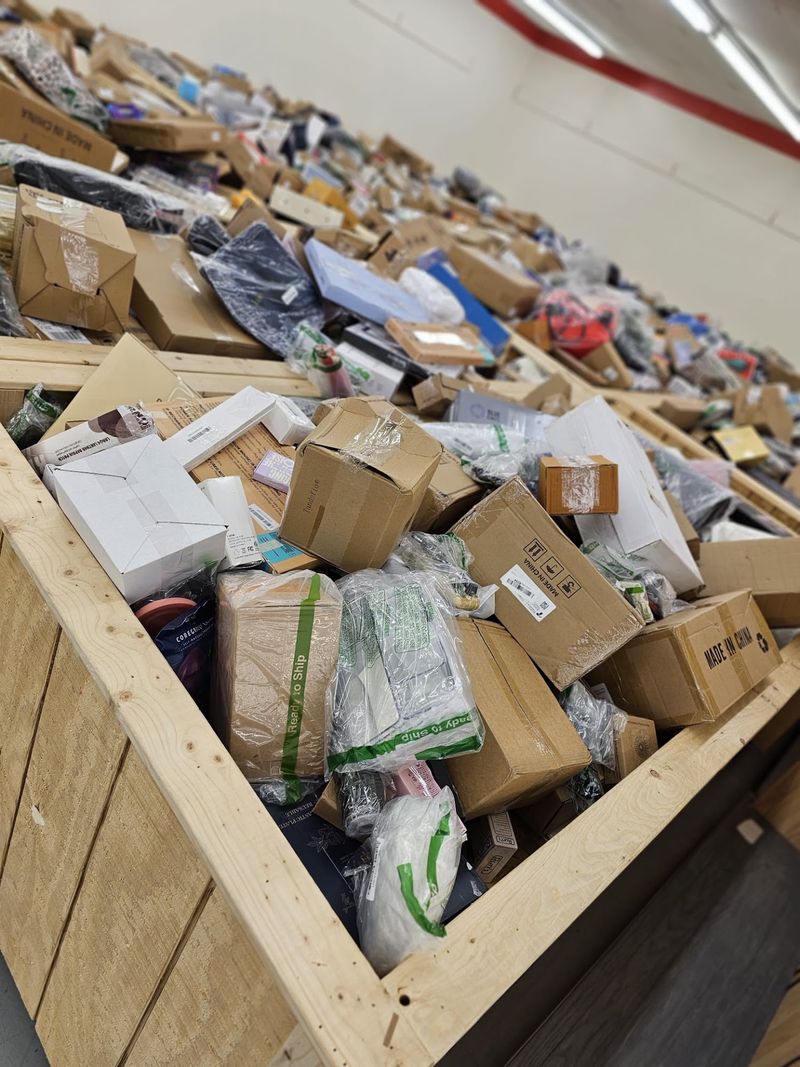
Used books change the rhythm of the visit. The Piqua location brings Miami Valley Liquidation Center together with The Dollar Book Swap.
This gives shoppers access to general liquidation merchandise and a collection of used books under the same roof.
The Piqua location opened on July 26, 2024, with the two businesses sharing the building from the start.
After groceries, bins, or home goods, you can switch to shelves of secondhand books and browse by interest instead of merchandise category.
The Dollar Book Swap centers on low-cost used books and a broad selection, so the search can cover many kinds of reading rather than one specialty subject.
Save the book section for later if you know it tends to slow you down. Browsing used books rewards a different kind of attention than checking a package of household goods or comparing electronic accessories.
The selection can change as books move through the store, so it makes sense to work through the shelves that match what you actually read.
The shared location lets a bargain-shopping trip end in a completely different department.
You can move from practical household purchases to fiction, nonfiction, children’s books, or whatever happens to catch your eye.
That shift gives the last part of the visit a quieter pace after the bins and general merchandise.
Current Hours Make Timing The Final Shopping Decision
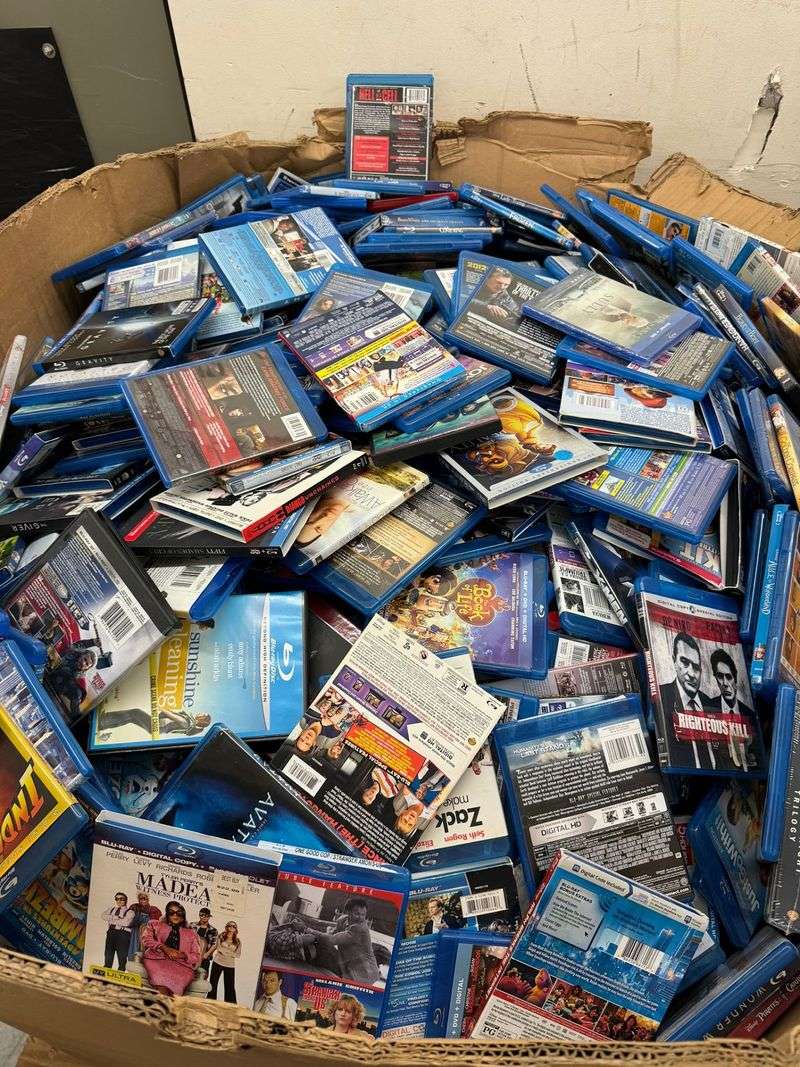
The length of the visit depends partly on the day you choose. The Piqua store currently opens Monday through Saturday from 10 a.m. to 6 p.m. Sunday hours run from 11 a.m. to 4 p.m.
Weekday and Saturday shoppers therefore have a longer window than Sunday visitors.
Let the schedule decide how ambitious the trip should be.
A longer weekday or Saturday visit gives you more room to move through bins, retail categories, groceries, books, and any pallet-shopping questions without compressing everything into a shorter period.
Sunday works better for a focused route through the sections that matter most.
Around midday, you can start with the categories most likely to take time, then leave the quicker sections for later.
The bins and used books invite slower browsing, while groceries or a specific retail category may be easier to scan with a short list in mind.
A flexible plan suits a store where new liquidated merchandise can change the mix from one visit to another. Arrive with a priority, stay flexible about exact products, and let the current inventory decide what else deserves a closer look.
The store’s mix of retail shelves, bins, groceries, pallet merchandise, and used books gives you several ways to browse without needing every section to be part of the trip.