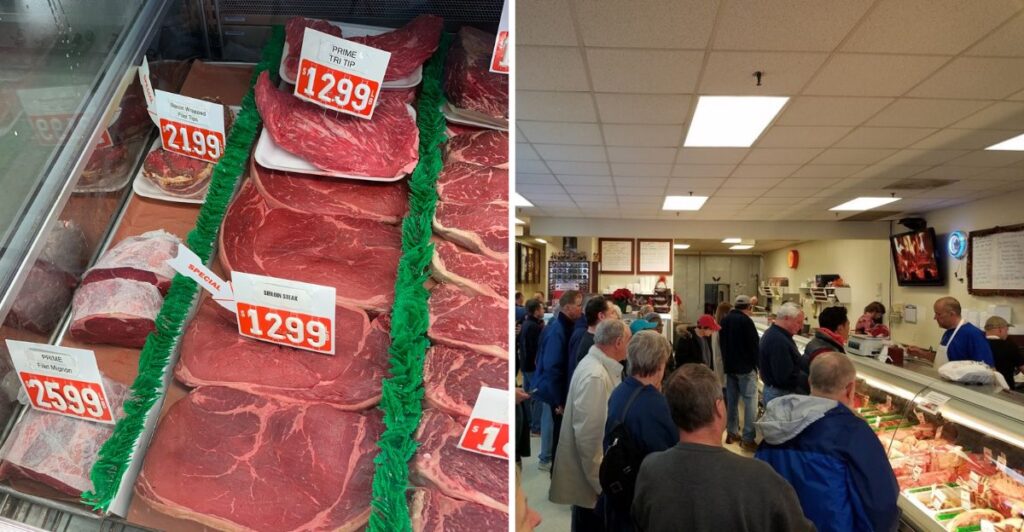
A good butcher counter can make your freezer feel wildly underprepared.
This Northern Virginia shop has been around since the 1970s, and the dry-aged steaks still give dinner plenty of direction. You can keep things simple with one cut or start planning several meals before you leave.
The selection goes well beyond steak, which makes the stop useful when the weekend menu is still undecided.
Online ordering helps when you already know what you want, but browsing the counter is half the temptation.
So, how much freezer space are you willing to make room for dinner?
Springfield Butcher Has Been Operating Since 1977
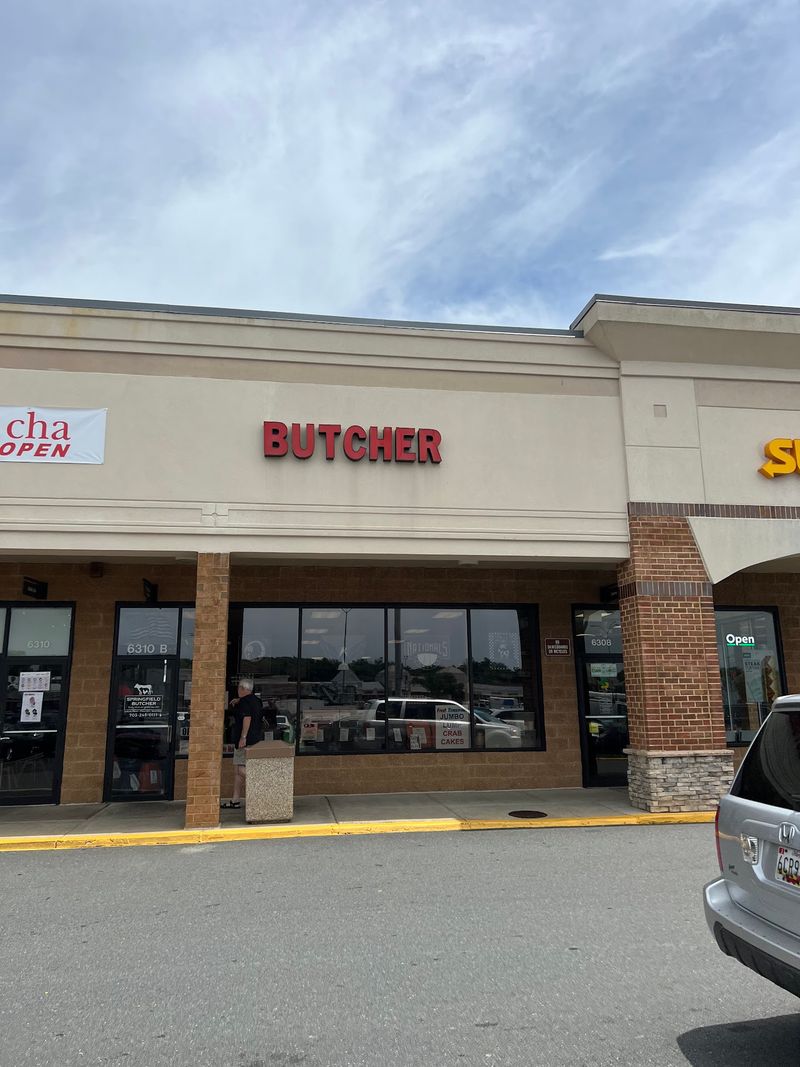
Springfield Butcher traces its operation back to 1977, giving the shop nearly five decades in Northern Virginia.
That long run matters most when you look at what the business still does today: butchered meats remain the center of the store, supported by seafood, poultry, sausages, seasonings, and specialty foods.
The counter is built for shoppers who want more choice than a standard package of beef. You can compare familiar steakhouse cuts, look at ground-beef options, or move into pork, poultry, and seafood depending on what is planned for dinner.
A butcher shop also gives you room to think about meals differently. Instead of starting with a recipe and hunting for whatever cut it demands, you can start at the case and work backward.
A ribeye can become Saturday dinner, ground chuck can cover burgers the next day, and a package of sausage can wait for a busier night.
The current schedule makes that planning fairly easy. Springfield Butcher is open Tuesday through Saturday from 10 a.m. to 6 p.m. and Sunday from 10 a.m. to 3 p.m., with Monday closed.
If you prefer a quieter plan, decide what you need before arriving. If you enjoy browsing, leave space in the list for one extra idea.
Dry-Aged Steaks Give The Counter A Strong Starting Point
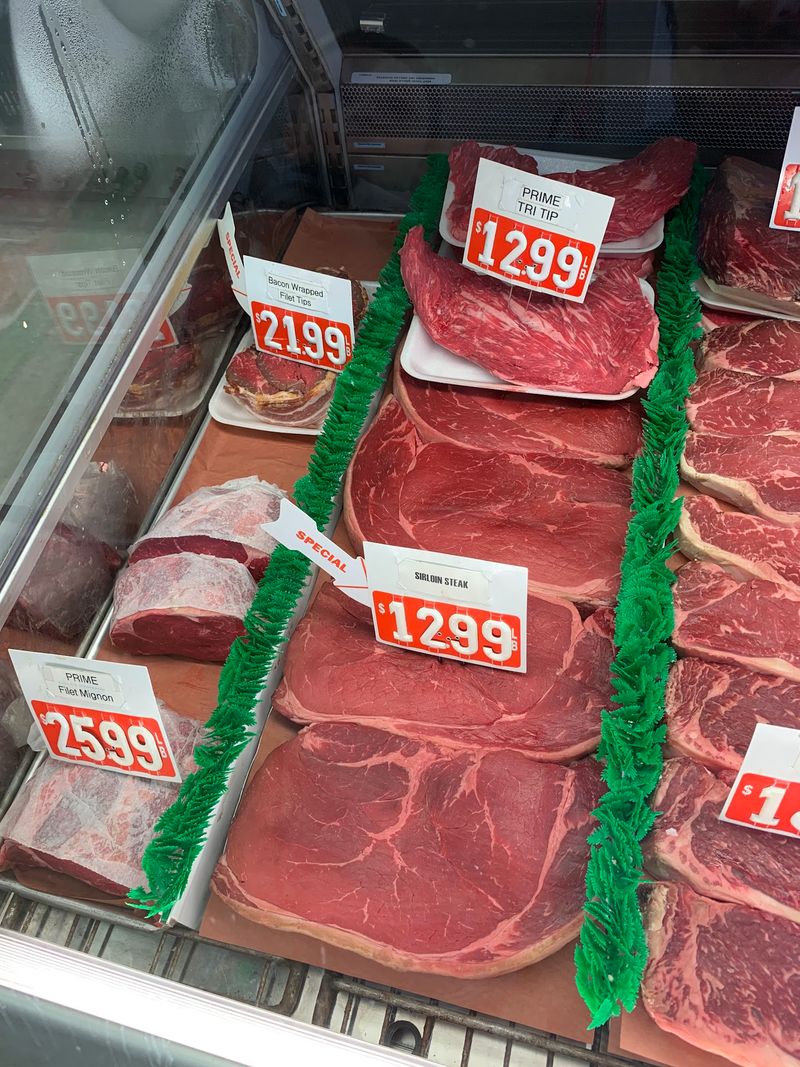
Dry-aged beef is one of the shop’s featured specialties. Springfield Butcher offers premium aged steaks and identifies ribeye, New York strip, and filet mignon among the cuts available in that part of the selection.
Dry aging changes beef by allowing time for moisture loss and natural enzymatic activity, which can concentrate flavor and alter tenderness. For you, the practical part is simpler: these are steaks meant to stand on their own without requiring a complicated dinner plan.
A thick ribeye can handle a hot skillet or grill, while New York strip gives you a firmer texture and a strong beef-forward bite. Filet mignon goes in another direction, with a leaner profile and softer texture.
If you are deciding among the three, think about how you actually like to eat steak rather than automatically reaching for the most familiar name. Ribeye brings more marbling. Strip balances tenderness and structure.
Filet keeps things mild and tender.
The shop’s steak category extends beyond those featured cuts, so you do not have to stop with the classics. That makes the counter useful when dinner calls for something more specific or when you simply want to try a cut you do not buy every week.
Ribeye, Porterhouse And Picanha Expand The Steak Choices
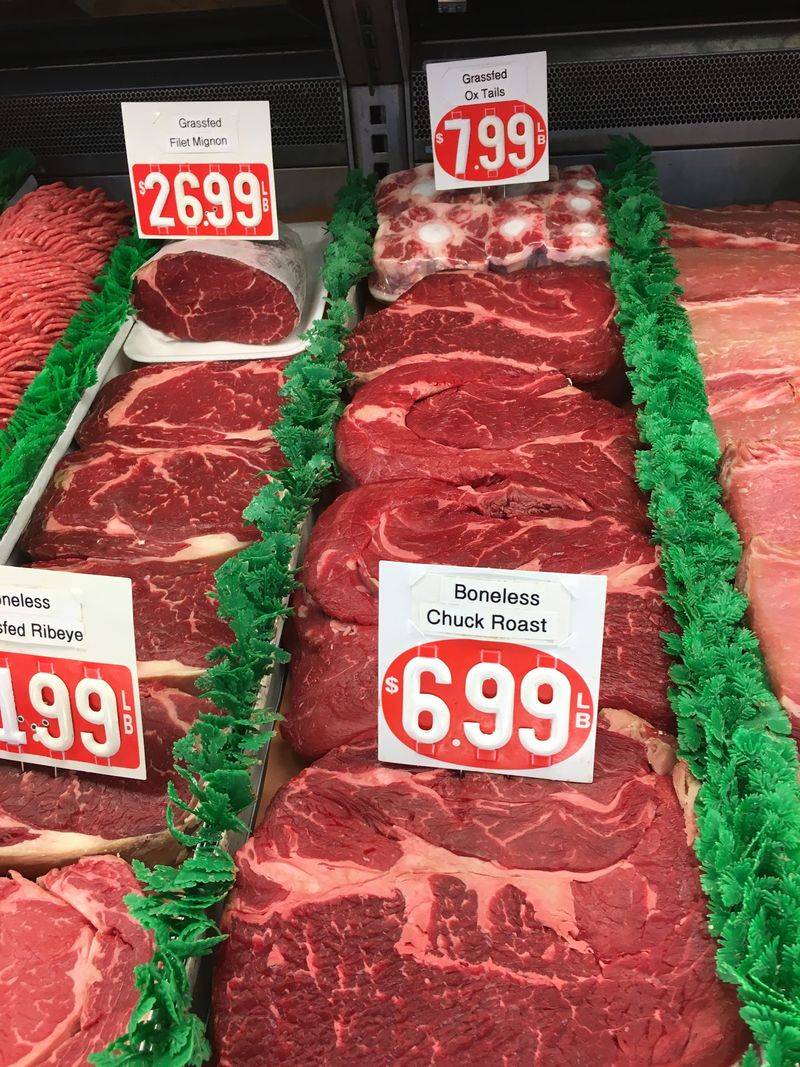
The steak selection goes well beyond three familiar names. Current offerings include tomahawk ribeye, porterhouse, T-bone, sirloin, tri-tip, skirt steak, flank steak, picanha, New York strip, prime filet mignon, and boneless ribeye.
That range gives you different options for different cooking plans. Skirt and flank can suit quick, high-heat cooking before being sliced across the grain. Tri-tip works well when you want one larger piece to carve for several people.
Porterhouse and T-bone put two textures on the same steak, while tomahawk ribeye makes sense when the meal itself is meant to be the occasion.
There are also distinctions within familiar cuts. The current selection includes prime versions of filet mignon, New York strip, tri-tip, and boneless ribeye, along with a grass-fed boneless ribeye.
You do not need to turn the choice into homework. Start with the number of people you are feeding, the equipment you plan to use, and how much attention you want to give the cooking. A fast weeknight steak and a long Saturday dinner do not need the same cut.
This is also where a butcher counter becomes useful. When several options look tempting, a specific plan usually makes the decision much easier.
Fresh Ground Beef Covers Burgers, Meatballs And More
Not every visit needs to revolve around a steak. Springfield Butcher currently carries several ground-beef choices, including ground chuck, ground round, ground sirloin, ground Wagyu, and prepared patties.
The different blends give you room to match the beef to the job. Ground chuck carries more fat than the leaner ground round and ground sirloin options, which makes it a natural place to start for juicy burgers.
Leaner grinds can make sense for recipes where you want less rendered fat in the pan.
Prepared patties are another practical option when speed matters.
Current choices include ground chuck patties, ground sirloin patties, and grass-fed patties, so a cookout does not have to begin with weighing and shaping every portion at home.
Ground beef can also be the smartest item to add when you are already buying steaks. The steaks handle the special dinner; the ground beef handles tacos, meatballs, meat sauce, or burgers later in the week.
If you are filling the freezer, divide larger purchases into meal-size portions before freezing them. That small bit of planning keeps a good shopping trip from becoming one oversized package you have to thaw all at once.
House-Made Sausages Bring More Variety Home
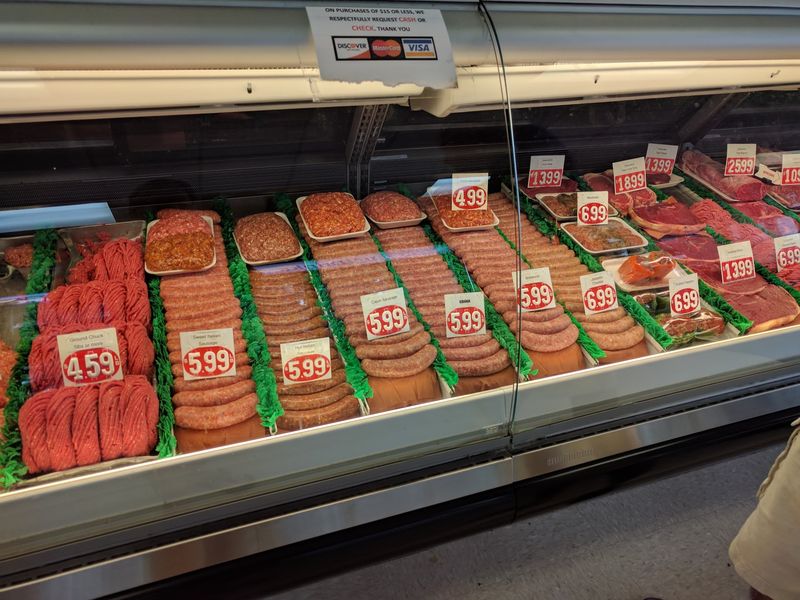
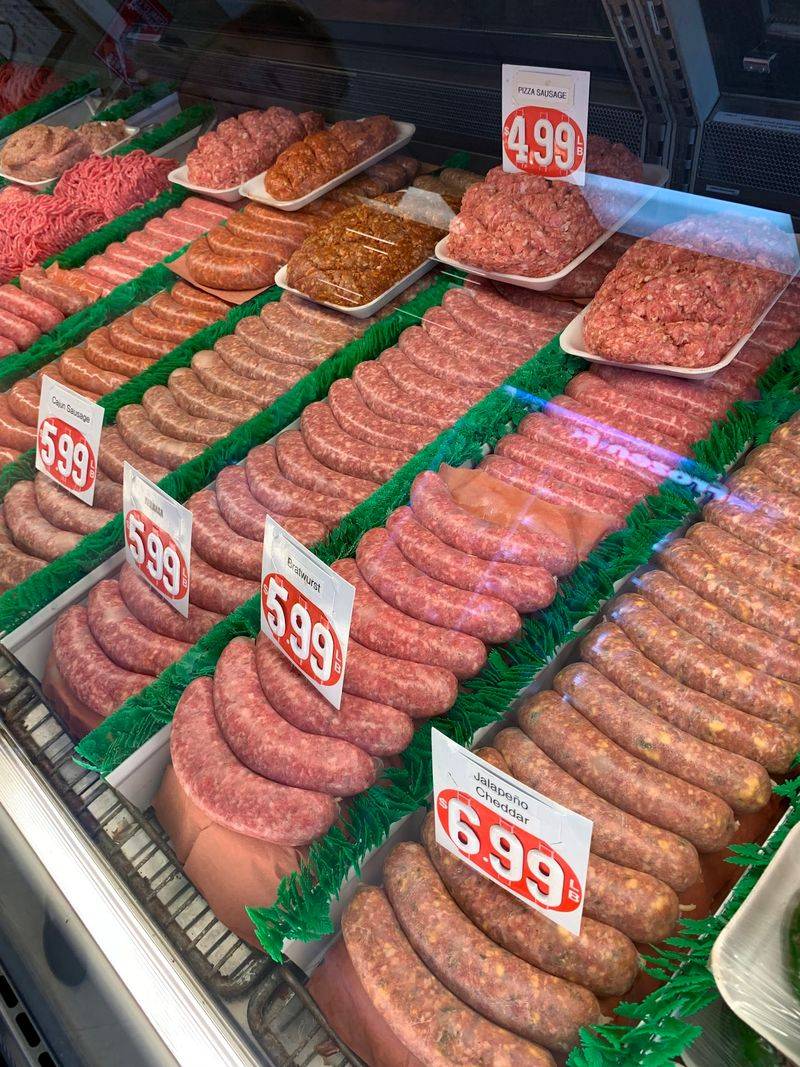
Springfield Butcher also makes sausage in-store, giving you another section of the counter to explore before settling on the week’s meals.
Current varieties include mild Italian, hot Italian, bratwurst, kielbasa, Cajun sausage, jalapeño cheddar, country sausage, chorizo, English bangers, and an Italian sausage made with provolone and parsley.
That is enough variety to keep sausage from becoming one predictable dinner. Bratwurst can head toward the grill, Italian sausage can move into pasta or sandwiches, and country sausage can cover breakfast without requiring much preparation.
If heat is what you want, chorizo, hot Italian, or jalapeño cheddar push things in a different direction. For a milder meal, bratwurst or mild Italian keeps the seasoning easier to pair with simple sides.
Sausage is also useful when you are stocking up because the meal planning is flexible. A package can become the main dish, get sliced into another recipe, or wait in the freezer until the week gets busy.
Choose two contrasting varieties if you are unsure where to start. One familiar option and one you have not tried before gives the shopping bag more range without turning dinner into an experiment every night.
Custom Requests And Online Ordering Make Planning Easier
A butcher shop becomes especially useful when the cut in the case is not exactly what you had in mind. Springfield Butcher’s ordering system allows special requests on many products, and several steak listings include selectable sizes or thicknesses.
That gives you room to plan around the meal instead of reshaping the meal around a fixed package. A thicker steak may suit a slower reverse-sear approach, while a smaller portion can be easier for a quick dinner.
Some products also allow preparation requests; for example, slab bacon can be ordered sliced, cubed, or with the skin removed.
You can also order online for store pickup. The online shop covers meat, seafood, specialty foods, poultry, sauces, spices, and other categories, so advance ordering can be useful when you already know the exact list.
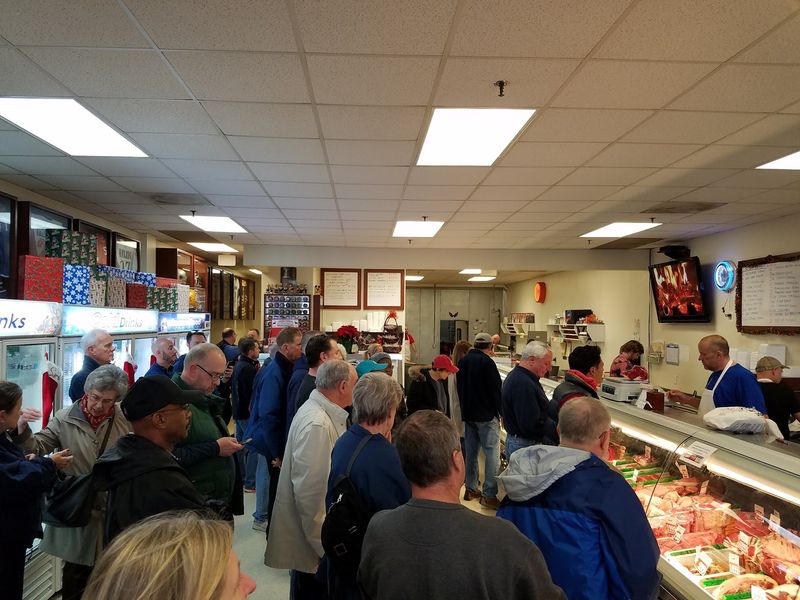
Browsing in person still has its advantages. Seeing the range can change your plan, especially when several steak cuts or sausage varieties are available at once. Online ordering works better when the goal is speed.
Think of the two options as tools for different days. Browse when choosing is part of the fun. Order ahead when dinner is already decided and you simply want to get the ingredients home.
Seafood Poultry And Pantry Extras Round Out The Shop
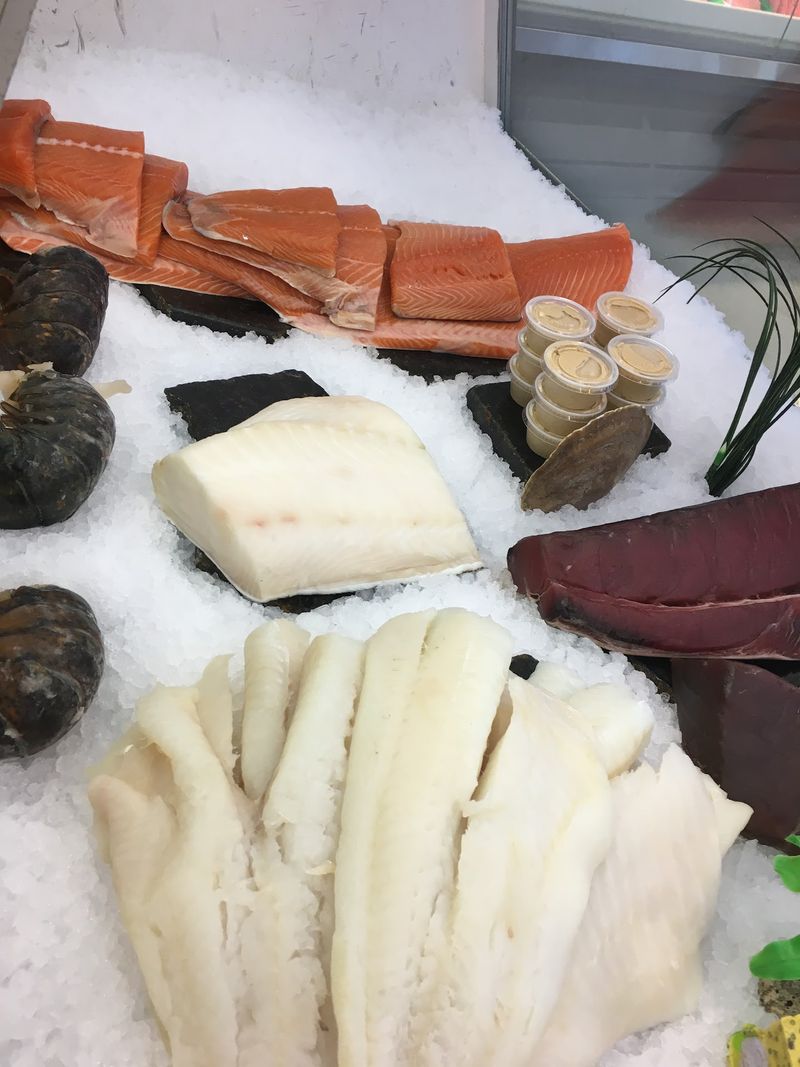
Beef may take center stage, but the current inventory reaches into several other dinner categories.
The poultry section includes chicken, turkey, duck, and specialty poultry, while the seafood selection can include salmon, Chilean sea bass, sea scallops, yellowfin tuna, Gulf shrimp, lobster tails, clams, crab cakes, and stuffed seafood items.
The specialty shelves and cases add another layer. Sauces, mustard, remoulade, horseradish sauce, marinades, finishing butter, seasonings, meatballs, baked beans, eggs, and other prepared or pantry items can help finish a meal without another grocery stop.
That range is useful when people at the table want different things. One person can choose steak while another heads toward seafood or chicken, and the sides or seasonings can come from the same shop.
Current hours are Tuesday through Saturday from 10 a.m. to 6 p.m. and Sunday from 10 a.m. to 3 p.m., with Monday closed. Online ordering with store pickup gives you another way to organize the visit when the week is crowded.
Ready to find your new favorite butcher? Swing by 6310B Springfield Plaza, Springfield, VA 22150, and give yourself time to browse the counter before choosing what comes home.