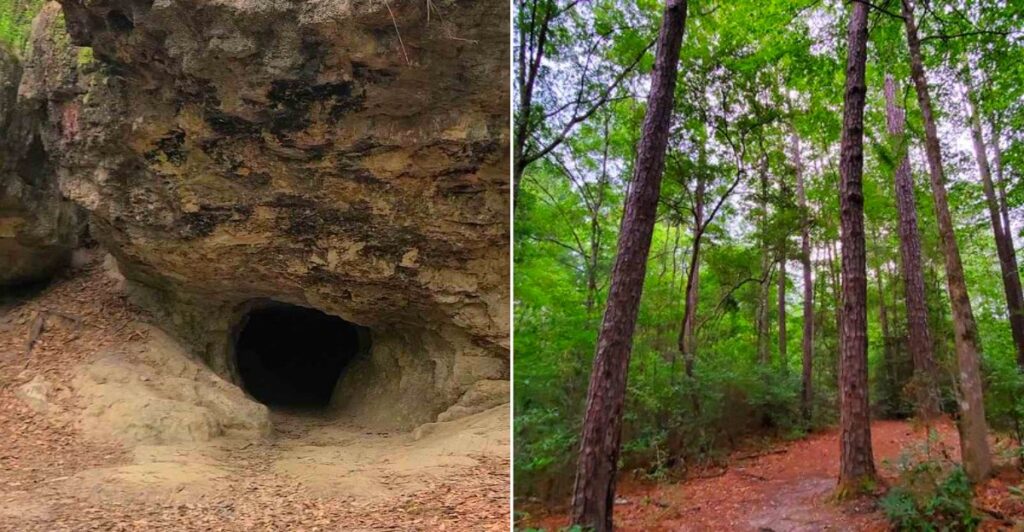
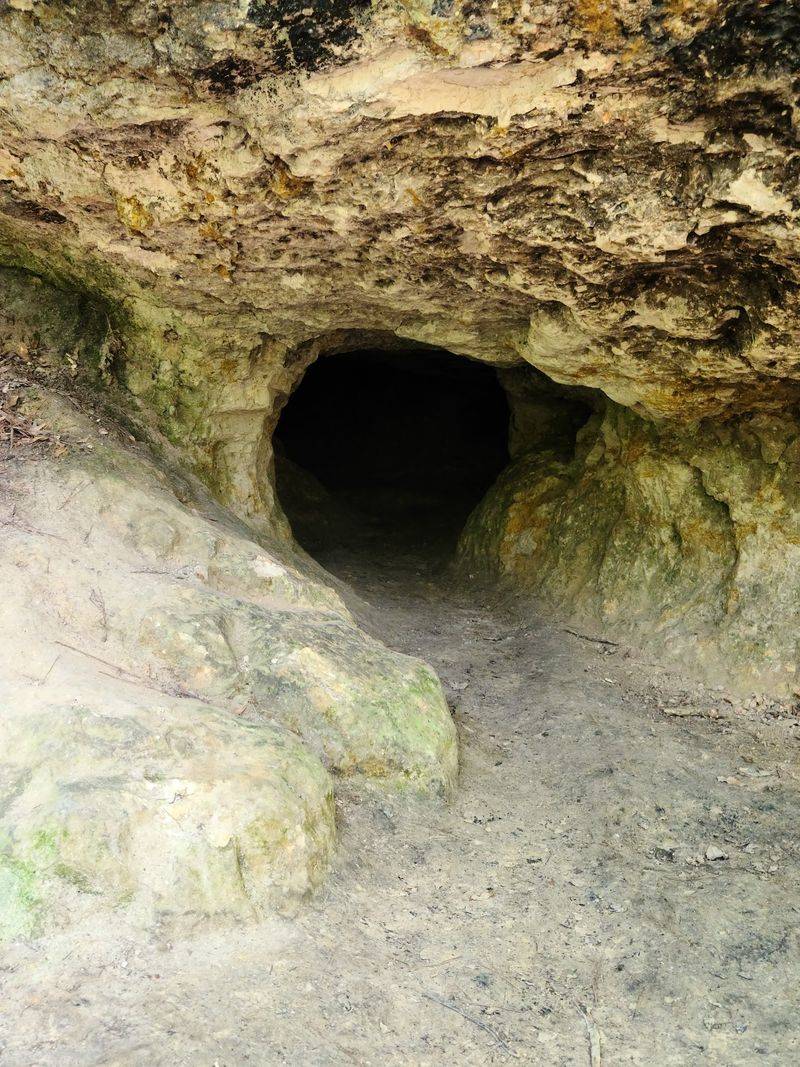
A trail drops into a ravine thick with pines plus palmettos that block the sun until the rock formation comes into view. Sandstone walls rise from the understory like an anomaly that the flat landscape cannot explain.
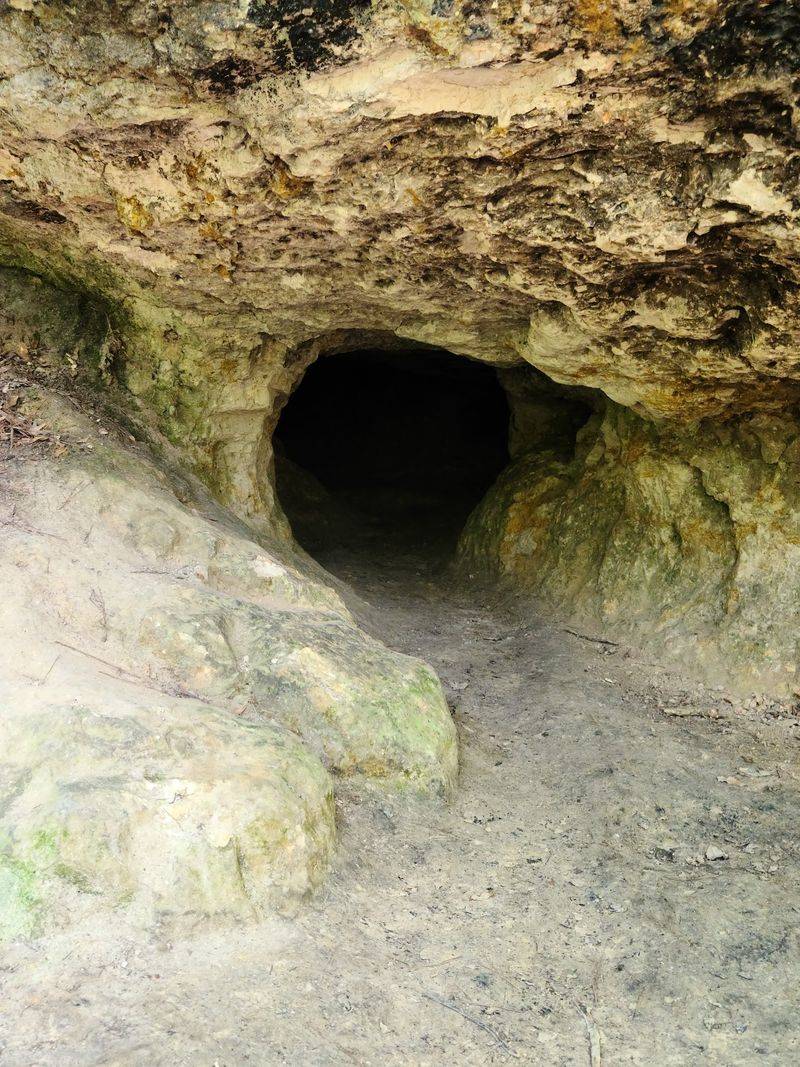
Erosion carved an overhang wide enough to walk into without ducking, plus the interior stays cool enough to drop the temperature by degrees that register on the skin before the eyes adjust.
Marks on the walls show where water once ran across the surface in channels that dried long before anyone thought to study them.
The cave sits far enough from the main road that most drivers pass the turnoff without noticing it, which is likely the reason it remains the only documented cave in the state rather than the first of many. The only known cave sits deep inside a national forest in Louisiana where most visitors never think to look.
Start With The Ancient Geology
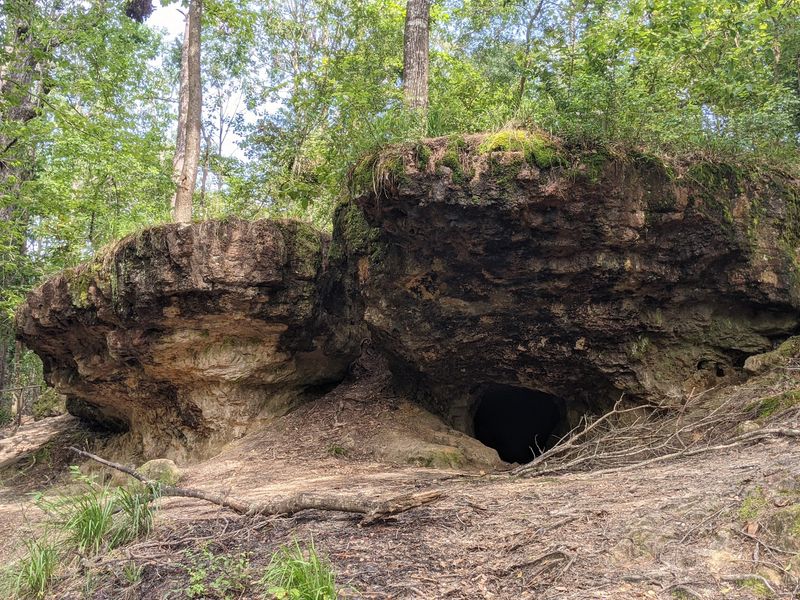
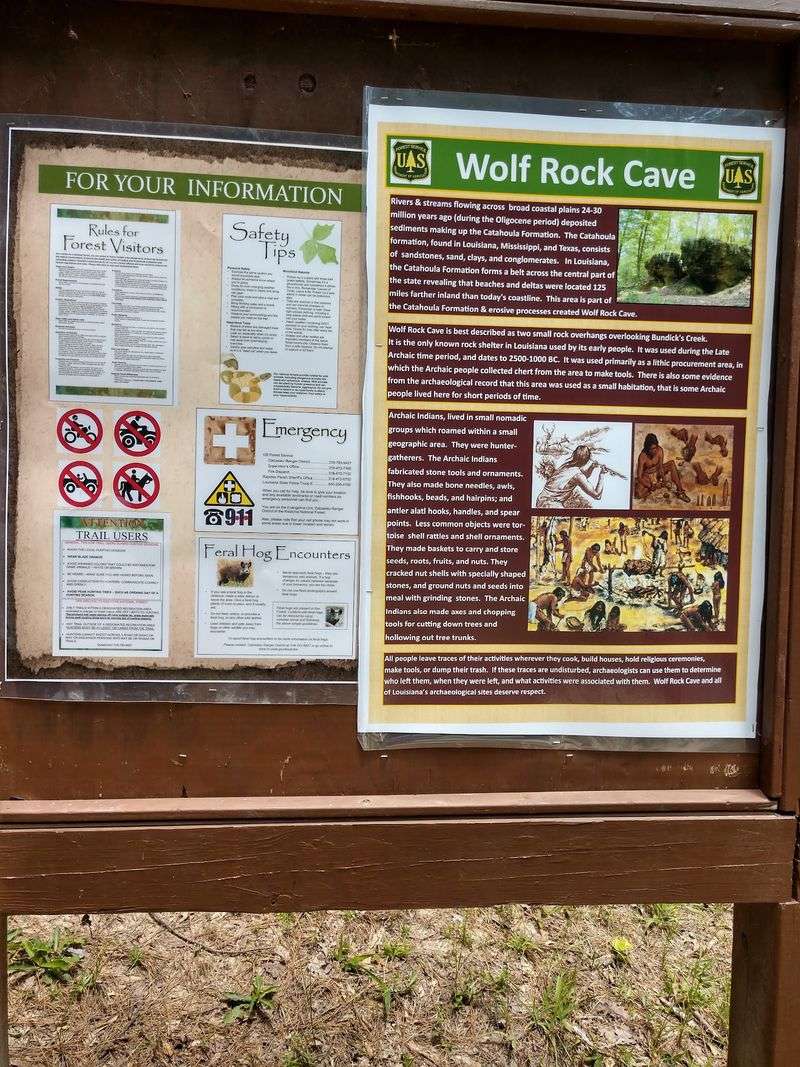
Under your shoes sits a landscape that began forming roughly 24 to 30 million years ago. Wolf Rock is part of the Oligocene Catahoula Formation, built from sandstones, sands, clays, and conglomerates left behind by ancient rivers and streams crossing broad coastal plains.
That sounds technical, but standing there makes it easier to picture. Long before the modern Gulf Coast took shape, sediments gathered here while beaches and deltas lay far inland compared with today.
Erosion later carved the overhangs that give Wolf Rock its cave nickname. For a visitor, this means every wall and ledge is part of a very old story, not just a photogenic backdrop.
Pause long enough to notice the grainy surfaces and uneven layers. The rocks look quiet, yet they hold evidence of a Louisiana that was arranged very differently from the one on current maps.
The Pavement Gives Up Before The Cave Begins
Wolf Rock Cave sits deep in the Vernon Unit of Kisatchie National Forest near Leesville, Louisiana, and the final approach feels more like finding a forest access point than arriving at an attraction. Parish Road 455, locally known as Johnsonville Road, is the road to aim for once you leave the main highways behind.
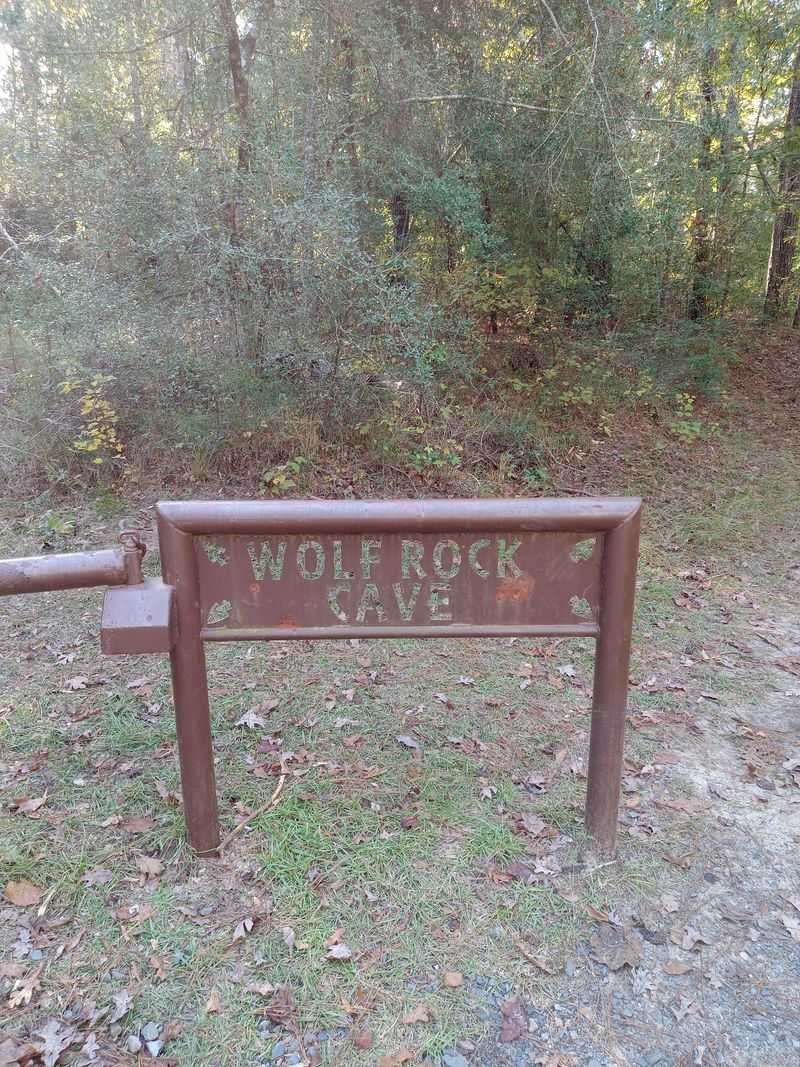
The useful clue comes when the route turns into narrower forest roads and the Wolf Rock Cave signage finally appears. The cave is tucked beside Bundicks Creek, so by the time the surroundings have become fully wooded and the pavement feels far behind you, you are on the right stretch.
Park at the designated cave parking area, then continue on foot along the short wooded trail to the rock shelter. The walk is brief, but the terrain is rough enough that this final step feels more like a small forest hike than a roadside stop.
Picture The People Who Sheltered Here
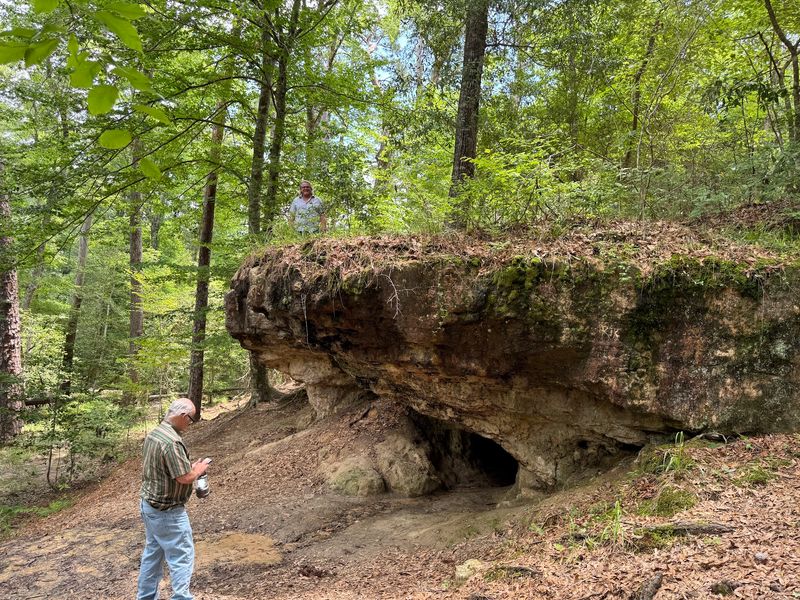
Some places ask you to imagine the past, and Wolf Rock makes that easy. Archaeological evidence shows people used these shelters about 4,500 years ago, making this the only known rock shelter in Louisiana tied to early human use.
Archaic groups likely came here in part for chert, a useful stone for tools and ornaments. The site worked as a lithic procurement area, which is a formal phrase for something very human: finding good material, shaping it, and getting on with daily life.
Because of that history, the cave feels less empty than it looks. You are standing where people once worked, rested, and watched the woods.
Resist the urge to treat the area like a treasure hunt. Leave artifacts where they belong and bring your curiosity instead.
Respect is the best way to keep the place connected to the people who knew it first.
Use The Forest Roads Carefully
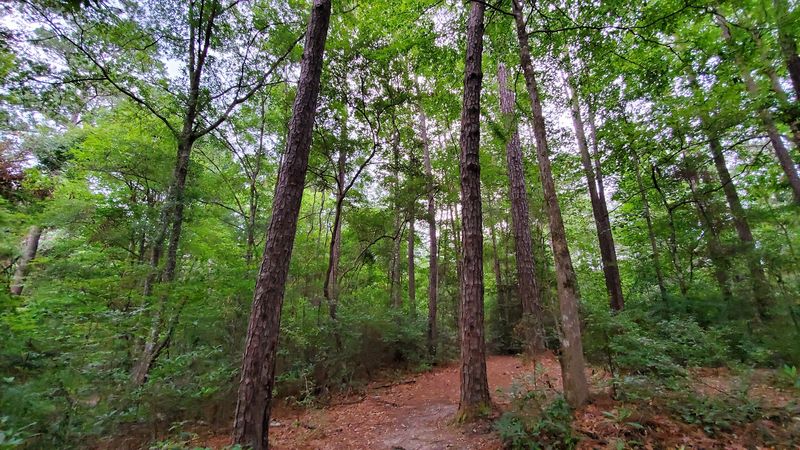
Reaching Wolf Rock feels a little like being let in on a secret, and the last stretch helps sell that mood. The site sits in the Calcasieu Ranger District of Kisatchie National Forest near Leesville, with access commonly described from Highway 171 through Pickering onto LA-10, then Forest Service roads 421 and 403.
Road conditions can change with weather, so do not assume a map from last year is enough. Check with the ranger district before you go, especially after heavy rain.
A GPS app with offline capability is smart because cell service can be unreliable in secluded forest areas. The approach is part of the adventure, but it is not the time to be careless.
Drive slowly on gravel and dirt, keep an eye on puddles or loose patches, and remember there are no big tourist services waiting at the end. That quiet is exactly the point.
Do Not Underestimate The Short Walk
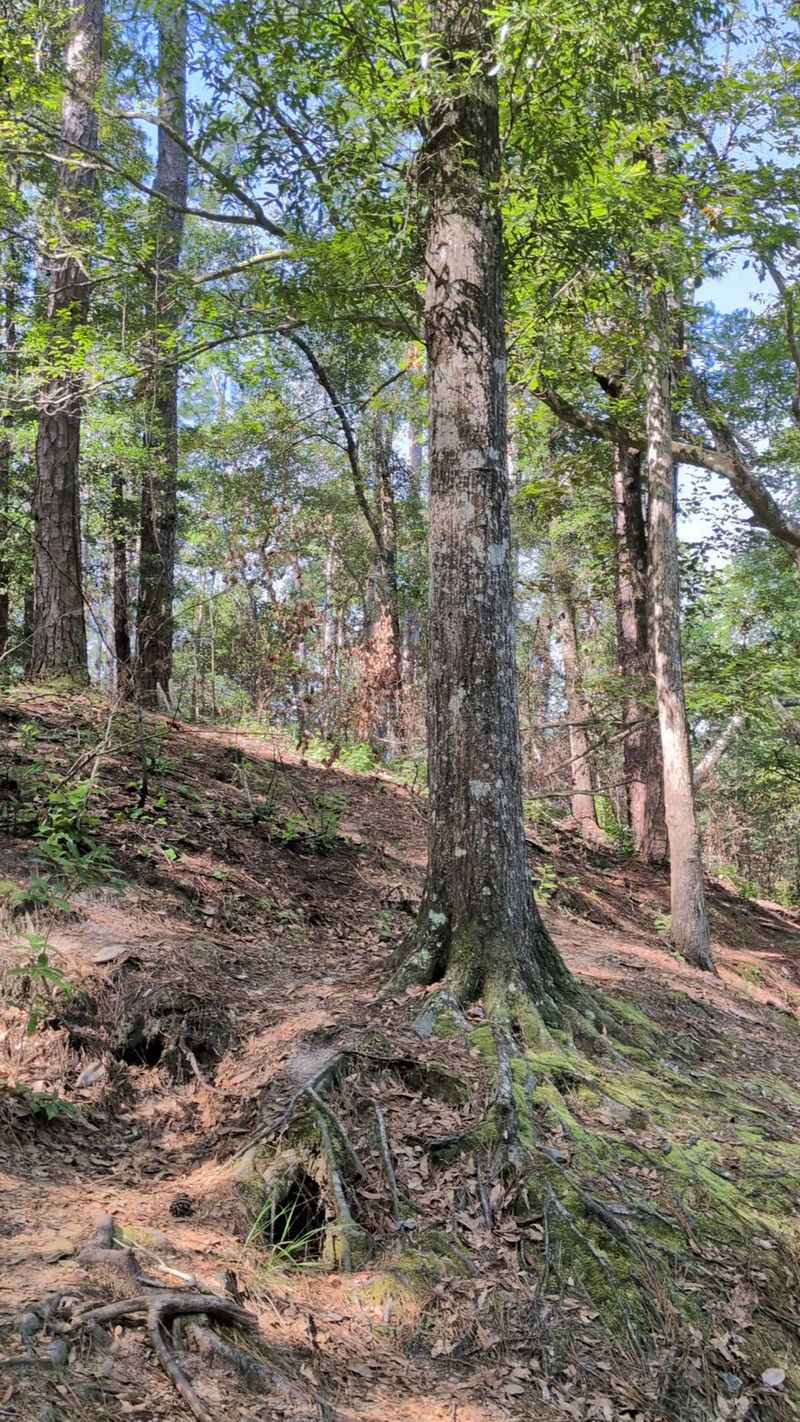
The walk from the parking area is brief, which is wonderful news if you are traveling with kids or anyone who prefers low-effort adventures. Still, a short trail can fool people into thinking the footing will be simple, and near the cave it can get uneven and a little slippery.
Good shoes matter more than distance here. Wear something with grip and move carefully when you approach the slope and rock shelter entrance.
The trail passes through a peaceful stand of trees, and then the sandstone appears with almost theatrical timing. I liked that the hike never turns into a chore; it leaves your attention free for the place itself.
Because the walk is easy to reach, visitors sometimes rush. Try the opposite.
Slow down, notice the change in temperature and sound, and let the cave arrive gradually instead of charging toward it like a checkpoint.
Choose Your Season On Purpose
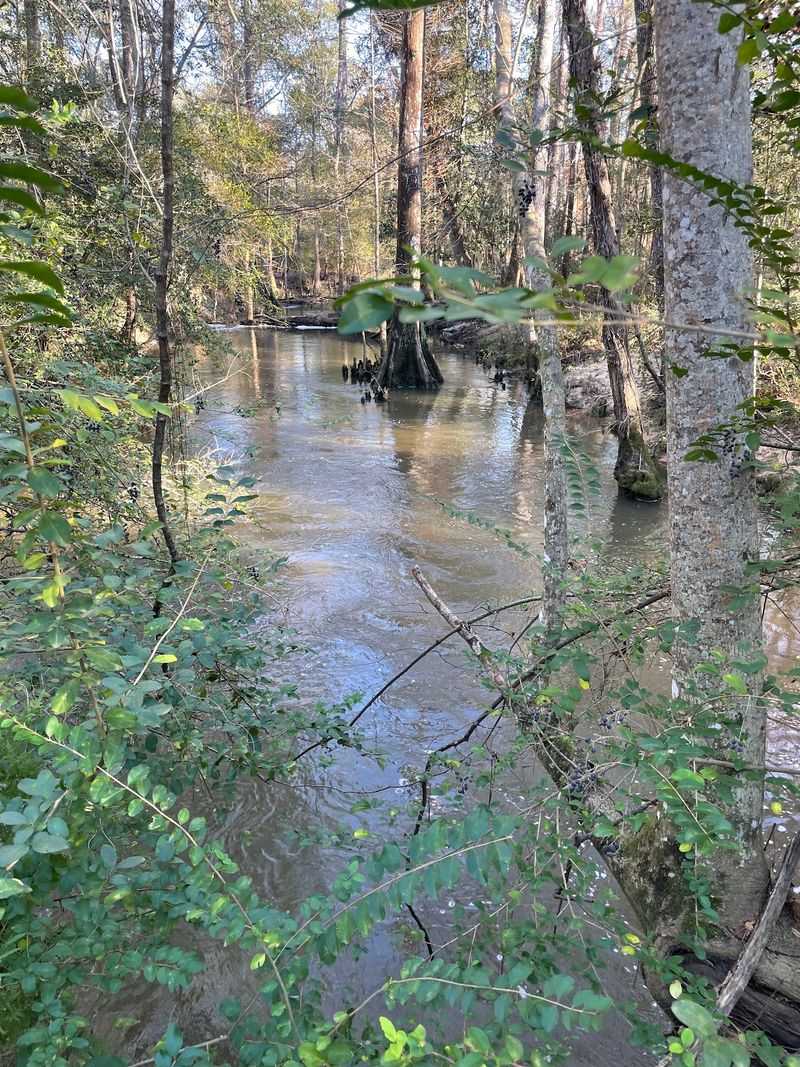
Weather shapes this visit more than the mileage does. Spring and fall usually bring the most comfortable temperatures, while winter offers thinner foliage, fewer insects, and a cleaner look through the trees toward the shelter and nearby creek area.
Summer can still be worth it, but it asks more from you. The forest canopy traps heat, humidity builds fast, and bugs can become part of the story in a way nobody asked for.
Bring more water than you think you need, plus insect repellent if you visit in warmer months. Cooler seasons make it easier to linger and notice details instead of counting down until you return to the car.
If your goal is a calm, unhurried experience, winter may be the sneaky best choice. The woods feel still, the rocks stand out better, and the whole place seems to exhale more slowly.
Respect The Closed Interior Areas
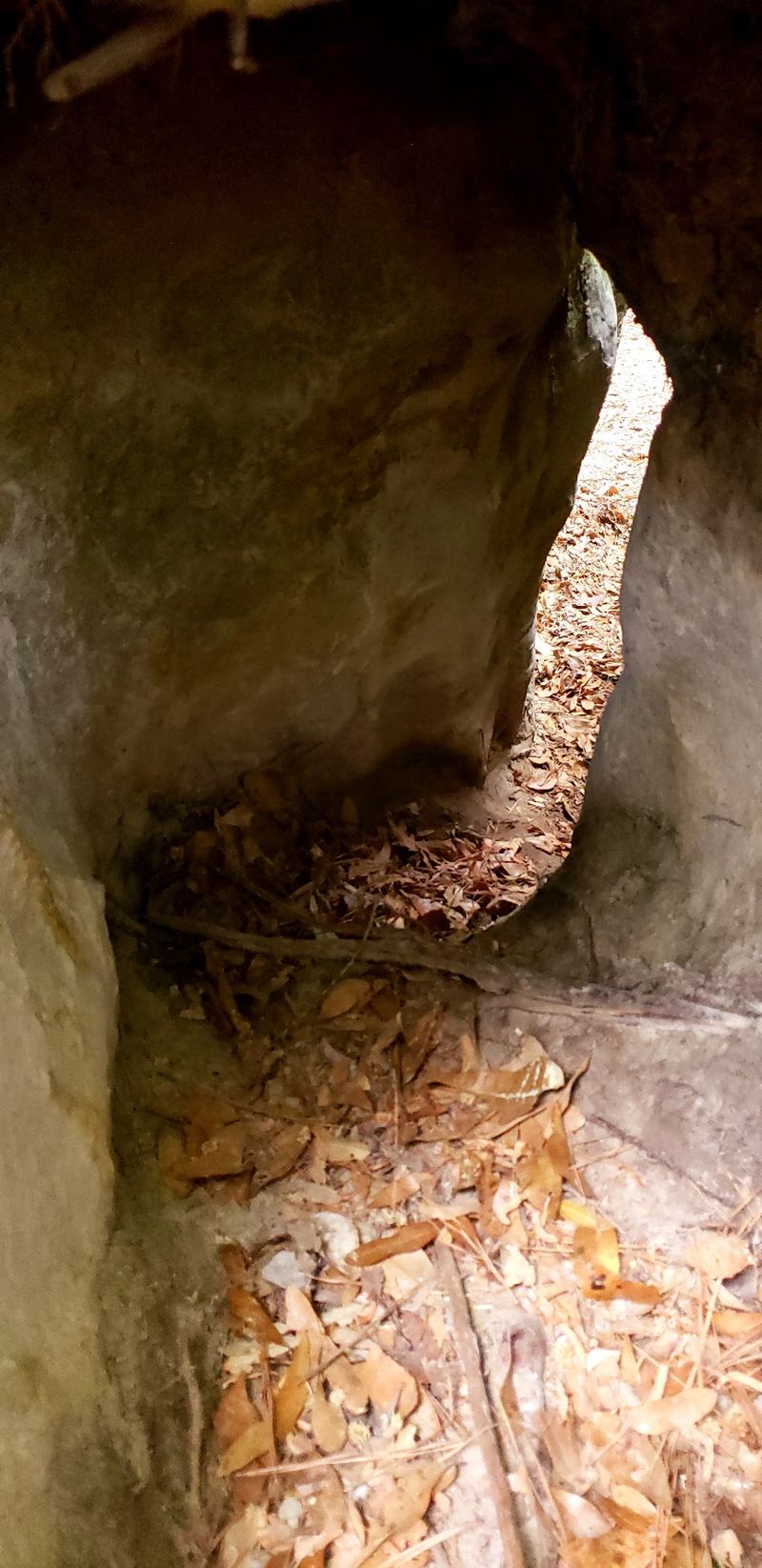
One of the easiest mistakes at Wolf Rock is expecting a full cave exploration. Parts of the old back rooms were sealed by the U.S.
Forest Service in the 1970s because they were considered unstable, so the accessible experience today centers on the main overhangs.
That may sound limiting, but it is actually a useful reminder that wild places do not owe us complete access. Safety and preservation come first here.
If you bring a flashlight, use it to examine visible textures and openings rather than pushing into spaces that are tight, questionable, or clearly not meant for public entry. The site already gives plenty without turning reckless.
A little restraint keeps the trip enjoyable and honest. Wolf Rock is at its best when treated as a rare geological shelter with layered history, not as a challenge course.
Curiosity belongs here. So does common sense, which is less glamorous and far more helpful.
Read The Site For Stories, Not Just Legends
Wolf Rock has picked up a halo of local lore over the years, including stories about Civil War use and even tales linking the spot to Jesse James. Those claims are intriguing, and they add atmosphere, but they are not verified in the same way the geology and archaeology are.
That does not make the stories worthless. It simply means you should hold them lightly while focusing on what can be supported.
The Civil War tradition suggests the back chambers may once have provided hidden refuge, and it is easy to see why people would imagine that. The setting feels tucked away, almost conspiratorial, especially under heavy tree cover.
Let the legends color the visit without taking over the whole picture. The true wonder is already strong enough: a rare Louisiana rock shelter, millions of years old, used by ancient people, and still quiet enough to stir the imagination without much help at all.
Pack For A Small Wild Place
Wolf Rock is a low-key stop, but the smartest visitors pack like they are heading somewhere more remote than the mileage suggests. Sturdy shoes, water, insect repellent, a flashlight, and downloaded directions make a big difference when the setting is quiet, wooded, and lightly developed.
There are no big visitor-center comforts waiting here, so handle basics before you arrive. Bring snacks if needed, keep dogs leashed, and consider carrying a small trash bag so the area leaves with you cleaner than you found it.
That tiny act feels especially fitting at a place with so much natural and cultural significance. I also recommend keeping expectations simple.
You are not coming for an all-day attraction packed with amenities. You are coming for a brief encounter with something rare and oddly moving.
A little preparation frees you to enjoy the stillness instead of fussing over what you forgot in the car.
Look Beyond The Cave Mouth
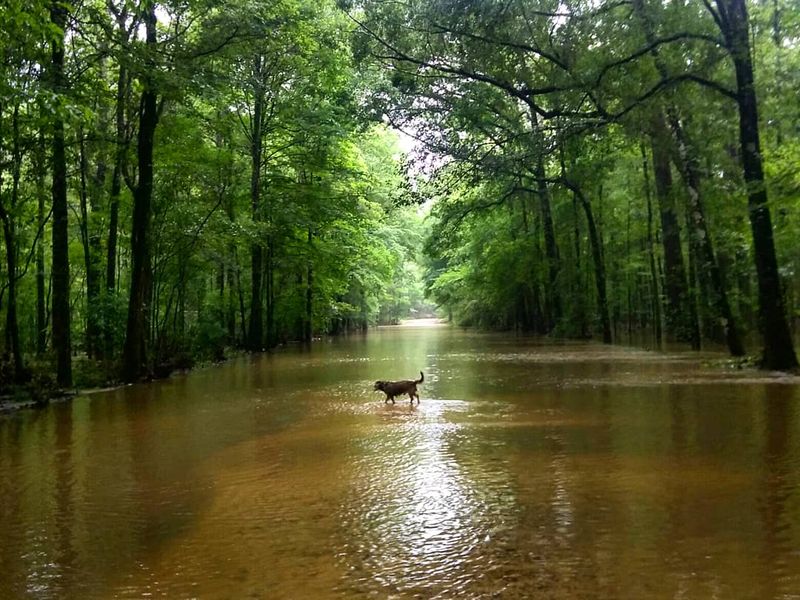
It would be easy to rush in, snap a photo at the overhang, and leave, but the surrounding forest deserves its own attention. Wolf Rock sits within a part of Kisatchie that shows off rolling ground, pines, creeks, and rocky features that feel different from the Louisiana many visitors expect.
That contrast is part of the pleasure. The state often gets flattened in people’s minds into marshes and bayous, yet here the terrain has a firmer, hillier personality.
Take a few extra minutes to listen to the woods and notice how the shelter overlooks the landscape around Bundick’s Creek. The cave is the headline, but the forest supplies the mood, scale, and sense of isolation.
If you have time, pair the stop with more exploration in Kisatchie National Forest for a fuller day outdoors. Wolf Rock works best not as a standalone gimmick, but as one memorable chapter in a larger landscape.
Leave The Place Better Than You Found It
Rare places can be damaged by ordinary bad habits, and Wolf Rock has little protection beyond the choices visitors make. Because it is Louisiana’s only known cave site of this kind, every bit of care matters, from staying aware of footing to leaving rocks, artifacts, and natural features undisturbed.
The best attitude here is gentle usefulness. Pack out trash, avoid carving or scratching surfaces, keep noise down, and remember that the place has outlasted centuries of human traffic by being left mostly alone.
Preservation is not a grand speech. It is the small discipline of not taking more than a memory and maybe a photograph.
I came away feeling that Wolf Rock does not need polishing or reinvention. Its charm lies in being slightly hidden, a little rough around the edges, and deeply rooted in time.
Treat it well, and the next visitor gets to feel that same quiet jolt of discovery.