Retirement gets very real when every monthly expense starts competing for the same fixed income. Housing matters, but so do groceries, medical appointments, transportation, taxes, and the freedom to enjoy Tuesday without checking the bank app first.
That balancing act can still work in parts of Utah, where certain cities pair manageable costs with useful services and enough convenience to keep life comfortable. The cheapest address on paper is not automatically the smartest choice, especially if family lives far away or health care requires a long drive.
Think about weather, walkability, community, access to nature, and how much quiet actually sounds pleasant after six months. Some retirees want neighbors nearby; others would happily trade bustle for breathing room.
The better question is not simply what costs less. It is where your money supports the life you want.
Across different corners of the state, Utah offers several answers worth comparing carefully.
1. Price, Utah
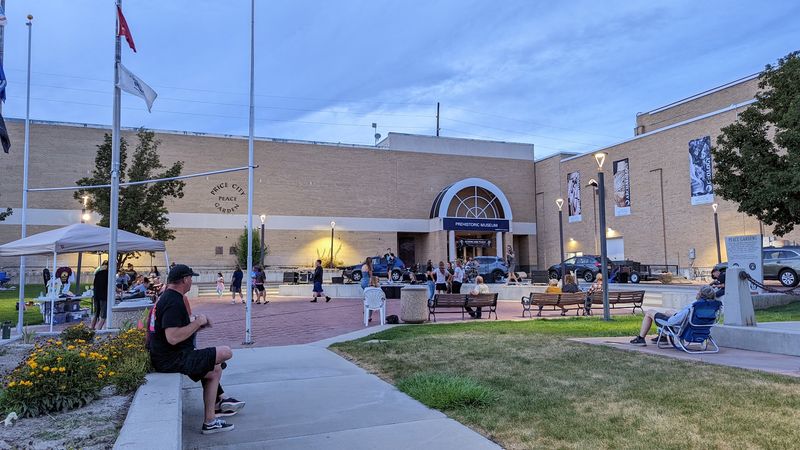
Price has the useful habit of behaving like a service center without pretending to be a big city. As the county seat of Carbon County, Price gives retirees access to basic government offices, shopping, and daily errands in one eastern Utah hub, which can matter when every extra drive nibbles at the budget.
The city sits in the 84501 ZIP code area and has long been tied to the coal and rail history of Carbon County. That working-town background still shows in its practical layout and no-nonsense feel.
For retirees comparing housing costs, Price often stands out because typical home values have recently been around the low $300,000 range, far below many Wasatch Front markets.
Budget planning here should include the realities of location. Price is not a suburb of Salt Lake City, and that distance is part of the trade.
The upside is a regional base with more everyday services than many smaller eastern Utah towns. For retirees who want affordability without feeling marooned between grocery trips, Price makes a sturdy, sensible case.
2. Vernal, Utah
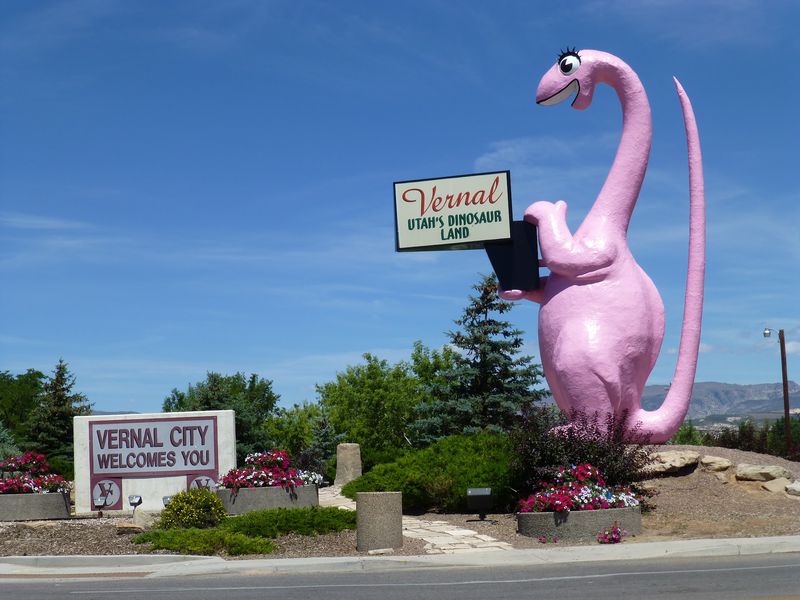
A pink dinosaur statue is not a retirement plan, but in Vernal it does remind you that the city has a personality. Vernal is an incorporated municipality in Uintah County, located in northeastern Utah in the 84078 ZIP code area, and it operates its official city services through vernalcity.org.
For retirees watching monthly costs, Vernal earns attention because typical home values have been reported just under $300,000, with average rents around $1,400 as of July 2026. That combination can help buyers and renters compare options without immediately drifting into higher-priced Utah markets.
The city also functions as a practical base for the Uintah Basin rather than a tiny dot on the map.
Vernal is known nationally for its dinosaur connections, especially its relationship to nearby Dinosaur National Monument, though living in town is more about groceries, appointments, utilities, and winter heating bills than vacation brochures. Retirees should weigh the distance from larger metro hospitals and airports.
Still, Vernal offers a grounded northeastern Utah choice where affordability and actual municipal structure meet in plain daylight.
3. Richfield, Utah
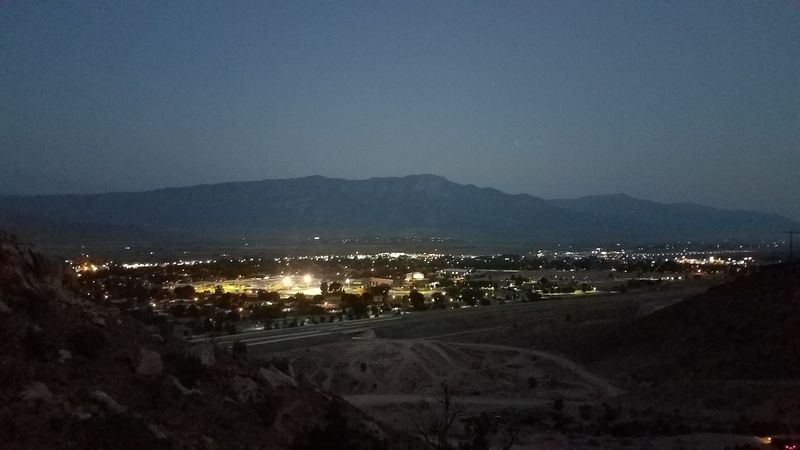
Richfield is the kind of central Utah city that helps a spreadsheet breathe a little. Located in the 84701 ZIP code area, it is the county seat of Sevier County and sits along the I-70 corridor, a detail that gives it a different rhythm from more isolated small towns.
That highway access matters for retirees who still want to visit family, reach appointments, or make regional trips without turning every outing into a map-folding ceremony. Richfield also brings more services than many tiny communities in central Utah, which can reduce the hidden costs of living far from routine needs.
Typical home values around the mid $300,000 range place it among the more approachable city options in the state.
The city is not trying to be a resort town, and that is useful for a fixed-income budget. Its appeal is more practical: county-seat functions, a central location, and a scale that feels manageable.
Retirees should compare health care access, utility costs, and winter travel comfort before committing. For many, Richfield offers a middle-ground choice, not remote, not flashy, and not priced like the Wasatch Front.
4. Brigham City, Utah
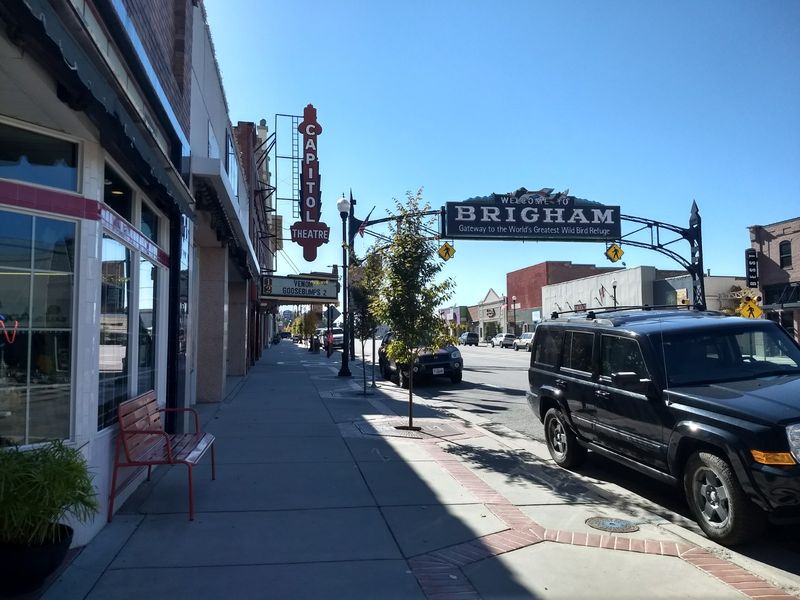
Brigham City costs more than most places on this list, so it has to earn its chair at the table. Its argument is geography.
As the county seat of Box Elder County in northern Utah, Brigham City gives retirees access to the upper Wasatch Front region while staying outside the most expensive Salt Lake-area housing pressure.
Typical home values around the low $400,000 range are not bargain-basement by rural standards, yet they can look more reasonable compared with many northern Utah communities closer to the biggest job centers. Average rent was about $1,273 in July 2026, which is the kind of number renters will want to verify carefully but may find encouraging.
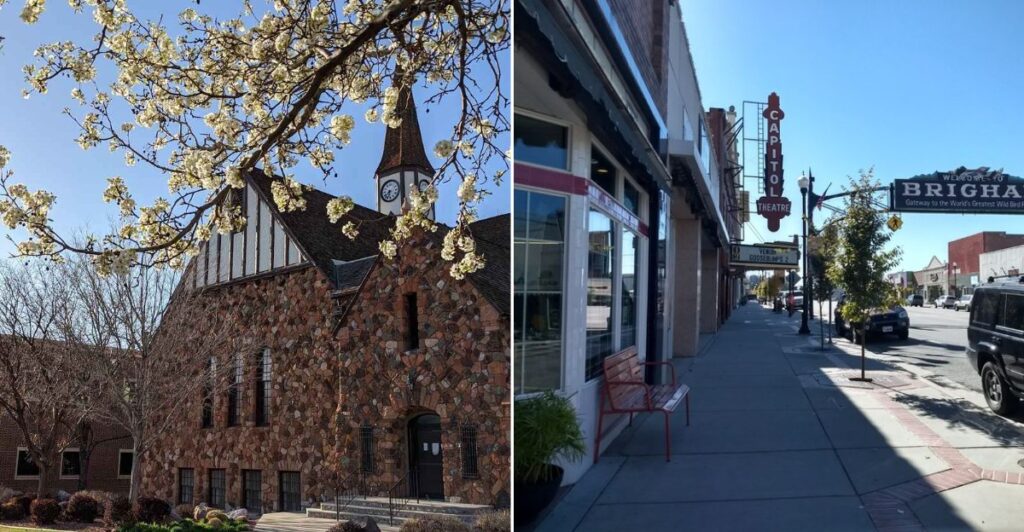
The city also has a historic identity, including a traditional downtown core and well-known public buildings.
Brigham City works best for retirees who want northern access without paying for a busier metro address. Budget shoppers should still check property taxes, insurance, and transportation needs, because cheaper housing can lose its shine if weekly driving balloons.
Even so, Brigham City provides a realistic northern option with county-seat services and a less frantic pace.
5. Cedar City, Utah
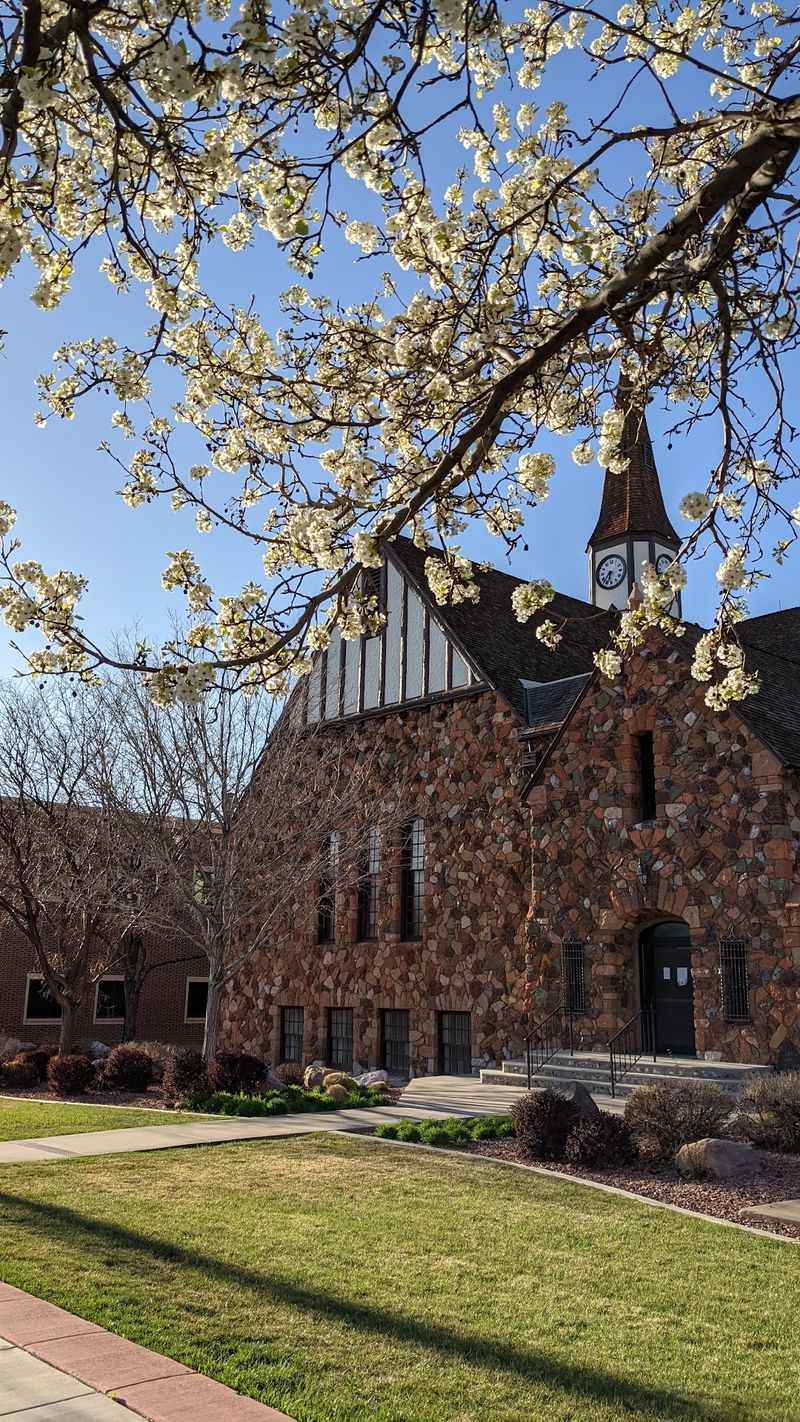
Cedar City is the list’s practical reminder that southern Utah does not have to mean St. George prices. Located in Iron County, Cedar City is an incorporated city with broader community amenities, health care access, and services that can make retirement planning feel less like a camping trip with bills.
The city is known for its connection to Southern Utah University and the Utah Shakespeare Festival, giving it a cultural backbone unusual for many smaller markets. That does not mean every retiree is hunting for theater tickets, of course.
It does mean Cedar City has an established civic and educational presence, plus more year-round activity than some quieter rural choices.
For fixed-income retirees, Cedar City can be attractive because it offers a more complete menu of daily needs while remaining a cost-conscious alternative to pricier southwestern Utah communities. Housing costs should be compared block by block, since larger towns have wider price swings.
Weather also deserves thought, because Cedar City sits at a higher elevation than many people expect from a southern Utah address. The reward is a city with services, culture, and room to budget carefully.
6. Roosevelt, Utah
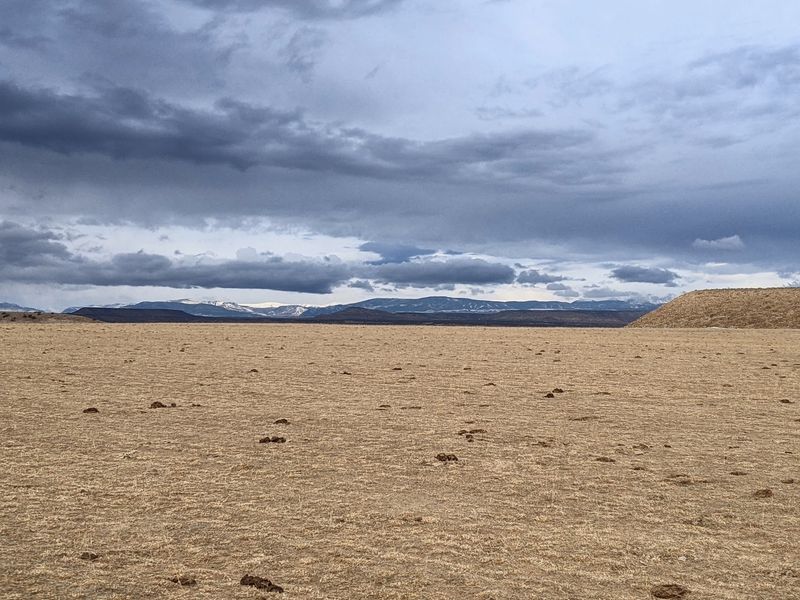
Roosevelt does not need a glossy sales pitch; its strength is being a functioning city in a part of eastern Utah where distances get real fast. Located in Duchesne County in the 84066 ZIP code area, Roosevelt is an incorporated city with municipal information available through rooseveltcity.com.
For retirees trying to stretch income, that official city structure matters more than it sounds. Utilities, public works, local notices, and civic services are easier to understand when a town has clear municipal channels.
Roosevelt serves residents in the Uintah Basin, where daily life tends to revolve around practical access rather than decorative extras.
Housing costs in Roosevelt can appeal to retirees priced out of larger Utah communities, but the budget math should include fuel, medical travel, and winter conditions. A low mortgage does not automatically fix a long drive to specialized care.
Still, Roosevelt may suit retirees who prefer smaller-city living, want eastern Utah space, and do not need a metro calendar packed with events. The best fit here is someone who values ordinary services, a steadier pace, and the financial breathing room that comes from looking beyond the usual retirement hot spots.
7. Delta, Utah
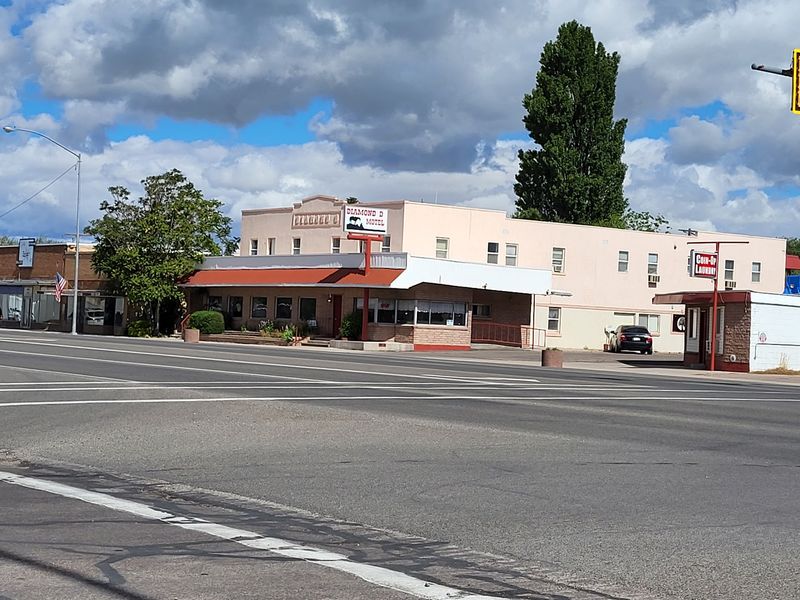
Delta is a place for retirees who read the phrase low-key and do not immediately ask where the nearest luxury mall is. Located in west-central Utah in the 84624 ZIP code area, Delta is an incorporated municipality in Millard County, with civic information listed through delta.utah.gov.
Typical home values around the mid $300,000 range have made Delta a genuine affordability candidate, especially for buyers comparing it with fast-growing communities closer to the Wasatch Front. The city also has a practical role in a broad rural area, so residents are not relying on a purely vacation-town economy.
That can be comforting when retirement decisions are less about novelty and more about pharmacy runs, water bills, and whether the roof needs work.
Delta’s setting asks for honest planning. It is in a more open, rural part of the state, so retirees should think carefully about driving distances, health care needs, and how much social activity they want nearby.
For the right household, though, Delta offers a quieter west-central Utah base where housing costs may leave more room for groceries, grandkid visits, and the occasional entirely unnecessary hardware store purchase.
8. Ephraim, Utah
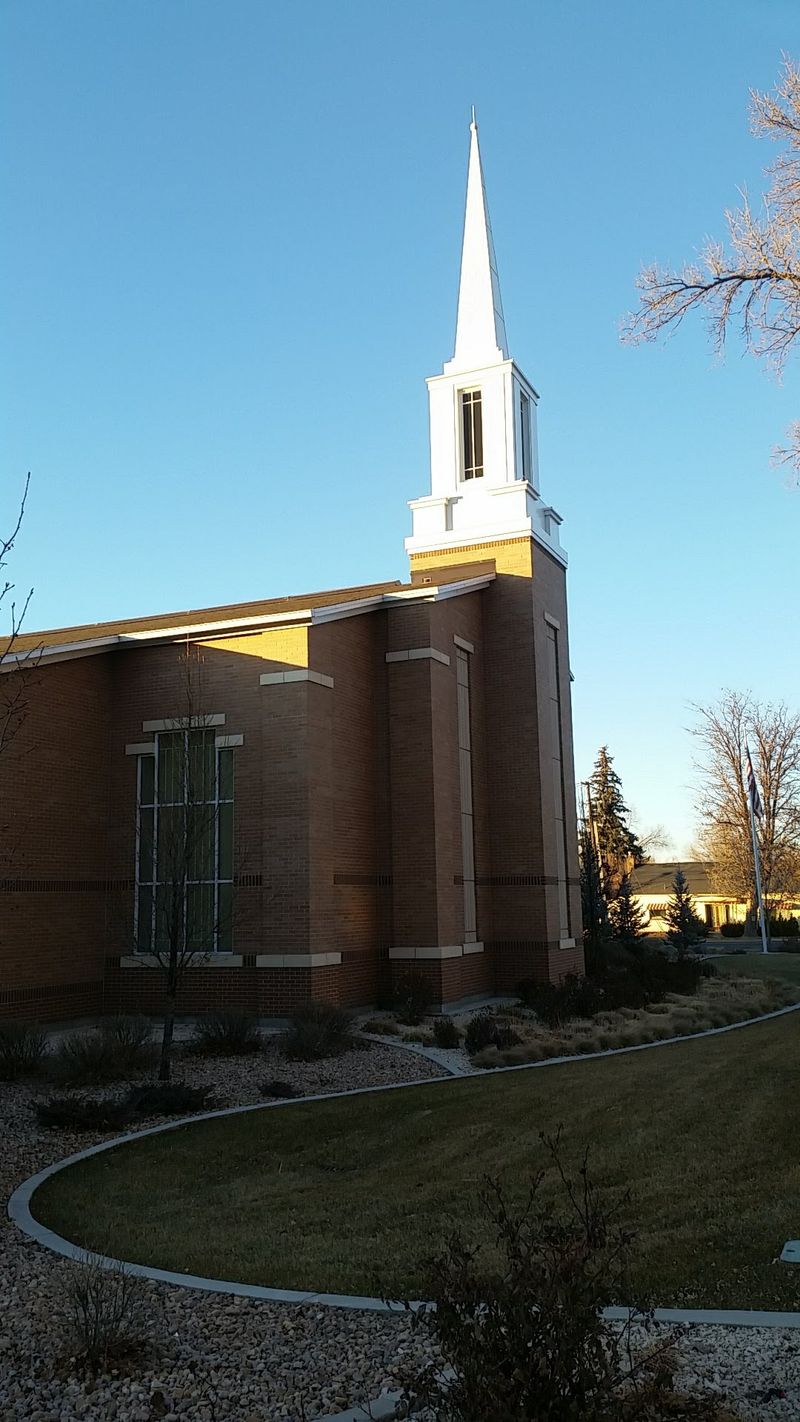
Ephraim brings a college-town wrinkle to the affordability conversation, which is not something every central Utah city can claim. Located in the Sanpete Valley in the 84627 ZIP code area, Ephraim is an incorporated city in Sanpete County and manages municipal information through ephraimcity.org.
The city is home to Snow College, a public two-year college with a long history in the valley. That presence gives Ephraim a different civic texture than many similarly sized towns.
Retirees may appreciate the sense of an established community anchor, even if their own classroom days ended when calculators still felt suspiciously advanced.
From a budget angle, Ephraim can make sense for retirees who want a smaller central Utah setting without losing all connection to public institutions and local services. Housing prices should be checked carefully, since college towns can have rental and ownership patterns that vary by neighborhood and school calendar.
The Sanpete Valley location also means residents should consider winter driving and access to specialized medical care. Ephraim’s appeal is specific: small-city costs, a recognizable civic identity, and enough structure to feel settled rather than improvised.
9. Logan, Utah
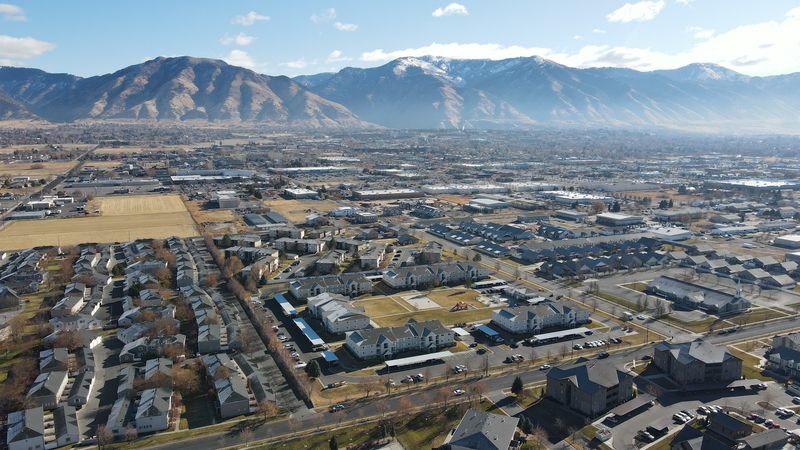
Logan is the budget pick for retirees who want northern Utah access but are not ready to give up city services, higher education, and a real downtown. Located in Cache Valley, Logan is an incorporated municipality in Cache County, with civic administration handled through loganutah.org.
The city is also home to Utah State University, a major public university founded in 1888. That gives Logan a level of cultural, educational, and community activity that smaller retirement options cannot easily copy.
Of course, university energy comes with traffic patterns, rental demand, and housing competition, so retirees should study neighborhoods rather than assume the whole city prices the same.
Logan may not be the cheapest name on this list, but affordability is not only about the lowest house number. Access to services, clinics, shopping, classes, parks, and public programs can reduce the need for longer trips.
The Cache Valley setting adds a distinct northern character, with mountains close enough to shape the city’s daily identity. For retirees who want more amenities than a tiny town provides, Logan offers a fuller package while still avoiding the highest-priced pockets of Utah.
10. Manti, Utah
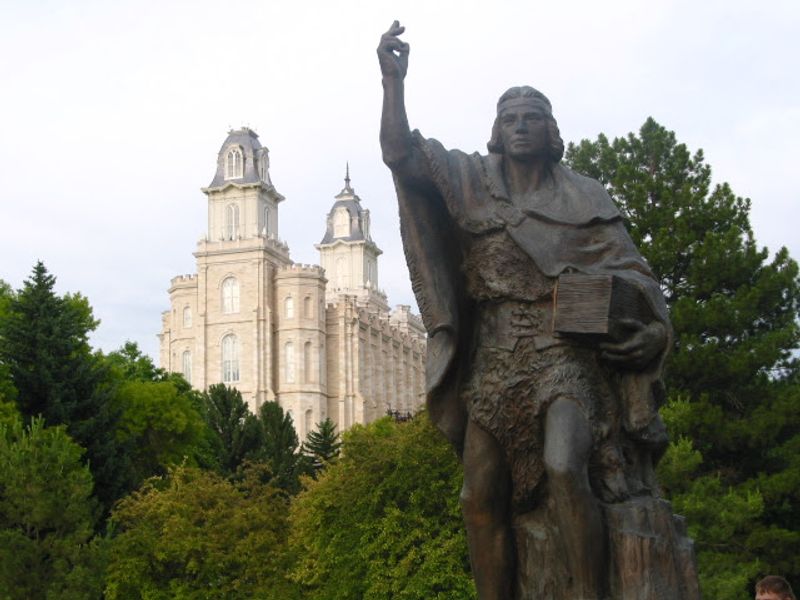
Manti has the rare ability to make a small city feel historically weighty without making retirees pay resort-town prices for the privilege. Located in central Utah, Manti is the county seat of Sanpete County and maintains official city operations through manticity.com.
The city’s most recognizable landmark is the Manti Utah Temple, a large stone building of The Church of Jesus Christ of Latter-day Saints that was dedicated in 1888. Even for residents who are simply comparing grocery costs and property taxes, that landmark gives Manti a strong visual identity.
County-seat status also matters because it brings civic functions into town rather than sending every errand down the highway.
For retirees, Manti is best viewed as a quieter central Utah option with a defined sense of place. It will not suit everyone, especially those who need frequent access to major medical centers or large shopping districts.
But typical small-city living costs, county services, and a location in Sanpete County make it a serious candidate for careful budgeters. Manti’s appeal is not flash.
It is the steadier math of a place where retirement dollars may have a little more room to stand up straight.