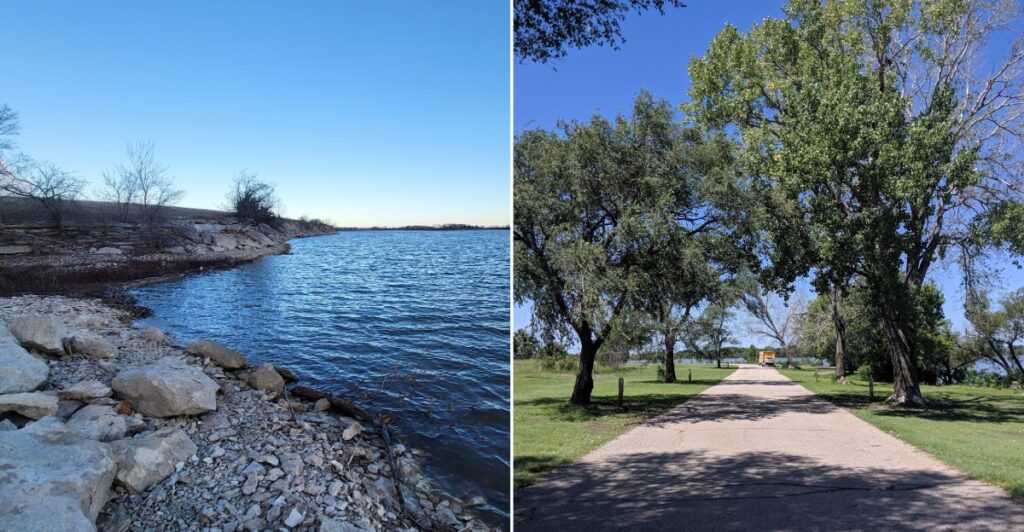
A quiet lake can change character fast when the shoreline starts rustling back.
At this massive Kansas reservoir, snake activity can become part of the conversation during warmer stretches, especially around rocky edges, brush, and water.
That does not mean every visit turns into a close encounter, but it does make awareness part of the plan.
The lake is still scenic, spacious, and popular, yet the idea of sharing the landscape with snakes adds a little extra tension to an otherwise easy day outside.
I learned that lesson on a lakeside walk when something moved through the grass just ahead of me.
I never got a clear look, but I stopped treating every step like background scenery after that.
For the rest of the walk, I watched where I placed my feet and gave every patch of brush more respect than usual.
That small moment was enough to change the mood. Around a Kansas lake this big, I would rather stay alert than assume the shoreline belongs only to me.
A Reservoir Built On Prairie Water
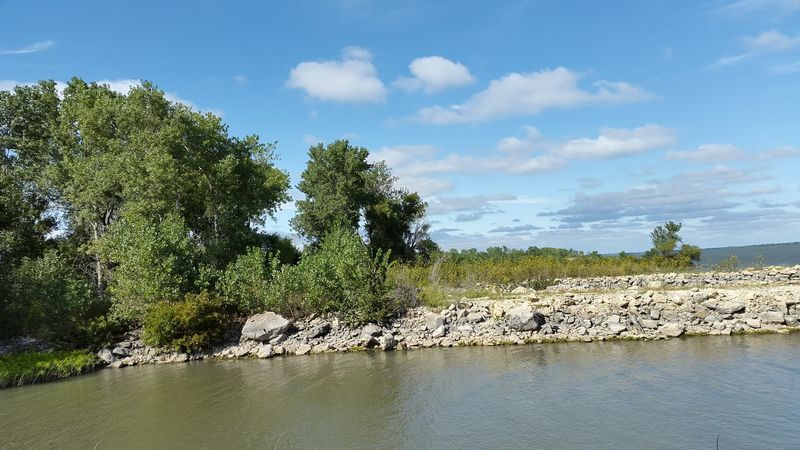
Water this big does not happen by accident in the middle of the prairie.
Construction on El Dorado Lake began in 1973, and the U.S. Army Corps of Engineers completed the reservoir in 1981, creating roughly 8,000 acres of water in Butler County.
The surrounding state park still sits at 618 NE Bluestem Rd, El Dorado, Kansas, in the United States, spread across several separate areas rather than one tidy square.
What that flooding left behind matters for anyone curious about snakes.
Old river channels, submerged railroad beds, brushy coves, and stretches of rocky shoreline now provide shelter for small animals.
Frogs and minnows moved in, and predators followed. Snakes did not invade this lake so much as inherit a ready-made neighborhood with food, cover, and sunshine.
Standing on the dam my first evening, I counted four distinct habitats within a hundred steps.
That variety is the whole reason reptile sightings can happen here, and it explains why the lake keeps surprising people.
Water Snakes Are Among Kansas Reservoir Residents
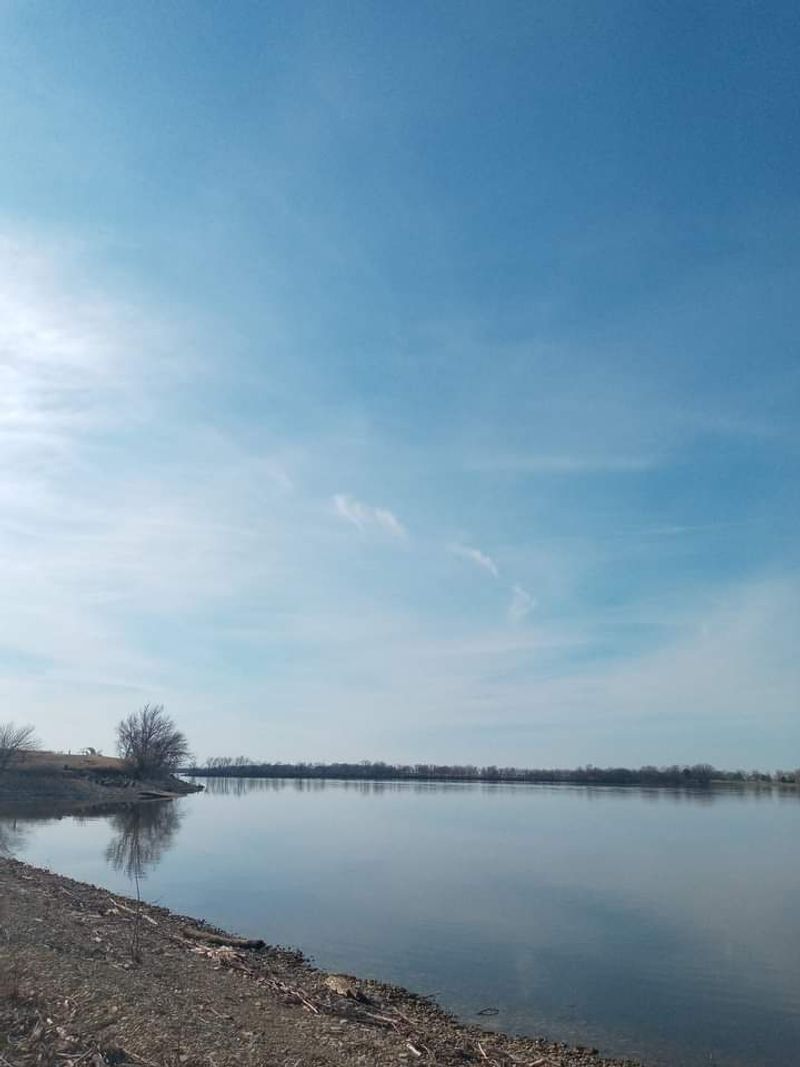
Here is the fact that calms most nerves.
The snake swimming past your kayak could be a northern water snake, a non-venomous fish eater found in Kansas lakes, rivers, marshes, and wetlands.
They are thick-bodied, brown to reddish, and they flatten their heads when startled, which is exactly why people mistake them for something far worse.
I watched one for ten minutes near a brush pile while it hunted small fish, coming up, gulping, and diving again. It never once looked my way.
Water snakes do bite if grabbed, and they thrash and musk with impressive drama, but that is defense rather than aggression. Leave one alone and it leaves you alone.
Kansas is home to several harmless species around aquatic habitats, and El Dorado offers ample suitable shoreline cover.
Learning to recognize the banded brown pattern turned my walks from tense to genuinely interesting.
Curiosity replaced dread fast, and my camera roll got a lot weirder.
The Copperhead Question, Answered Honestly
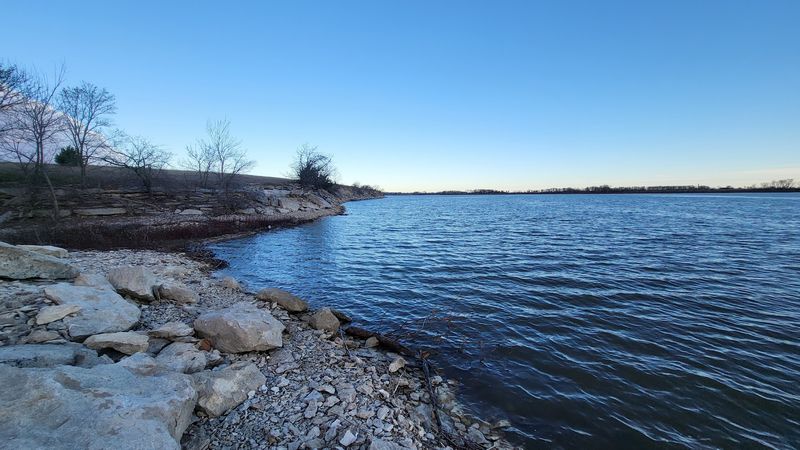
Butler County sits inside documented copperhead range, so yes, venomous snakes occur in this region.
They favor rocky woodland, woodland edges, and brushy meadows rather than open beaches.
Broad-banded copperheads can be gray to light brown with dark crossbands, and they rely heavily on camouflage. Their instinct is to remain still or avoid trouble.
I hiked the wooded trail sections in boots and long pants, watching where I put my hands on rock ledges. That single habit helps reduce the risk.
Bites in Kansas are uncommon, and many happen when someone gets too close or tries to handle the animal. Giving snakes space reduces the problem.
Western massasauga rattlesnakes also have documented records in Butler County, though encounters at this park are not routinely reported.
None of this kept me out of the water or off the trails at El Dorado State Park. It simply made me a more observant visitor, which honestly improved the whole trip.
Riprap Rocks Are Reptile Apartment Buildings
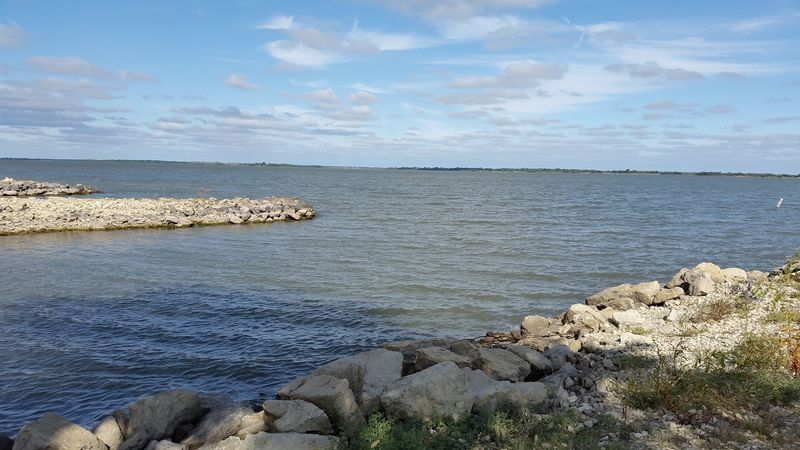
Fishing the dam taught me something quickly.
Those tumbled limestone blocks stacked along the shoreline are not just erosion control, they are prime snake real estate.
Gaps between rocks stay cool underneath and bake on top, giving reptiles a thermostat they can adjust by sliding a few inches.
Crayfish and small fish hide in the same crevices, so the food delivery is built in. I spotted two water snakes wedged into shady cracks while casting for crappie.
My rule became simple. Step on top of rocks, never into the dark spaces between them, and place my tackle box on flat open stone.
Anglers who reach blindly into crevices to retrieve snagged lures are asking for a startled reaction. A cheap lure is not worth it.
Once I understood the riprap, the whole shoreline read like a map. Knowing where snakes prefer to rest made choosing my own fishing spot far easier and much less jumpy.
Flooded Timber Creates Endless Hiding Spots
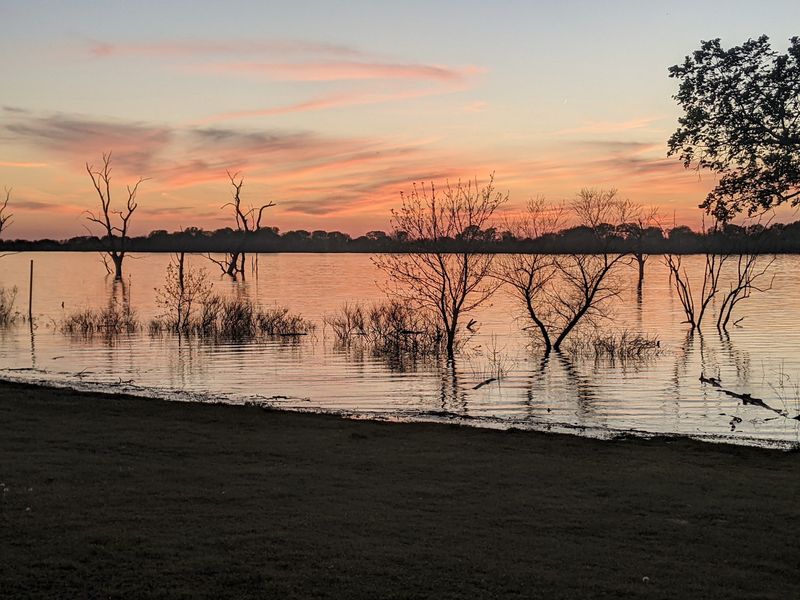
Some stretches of this lake still hold standing trees and submerged branches from the original river valley.
Boaters grumble about them, and I understand why.
For wildlife, though, that timber is a gift. Branches hold basking spots above the waterline and tangled cover below it.
Paddling a quiet cove one morning, I saw a slim dark shape ripple across the surface between two snags, head held just clear of the water.
Water snakes swim like that, and it is genuinely impressive. Turtles shared the same logs, stacked like they were waiting in line.
The practical lesson is to slow down near flooded timber, both for your propeller and your nerves. A snake dropping off a branch into a boat is startling but not an attack.
I kept a paddle handy purely to gently nudge branches away. Those cluttered coves ended up being my favorite part of exploring the reservoir.
Spring Flooding Can Change Shoreline Conditions
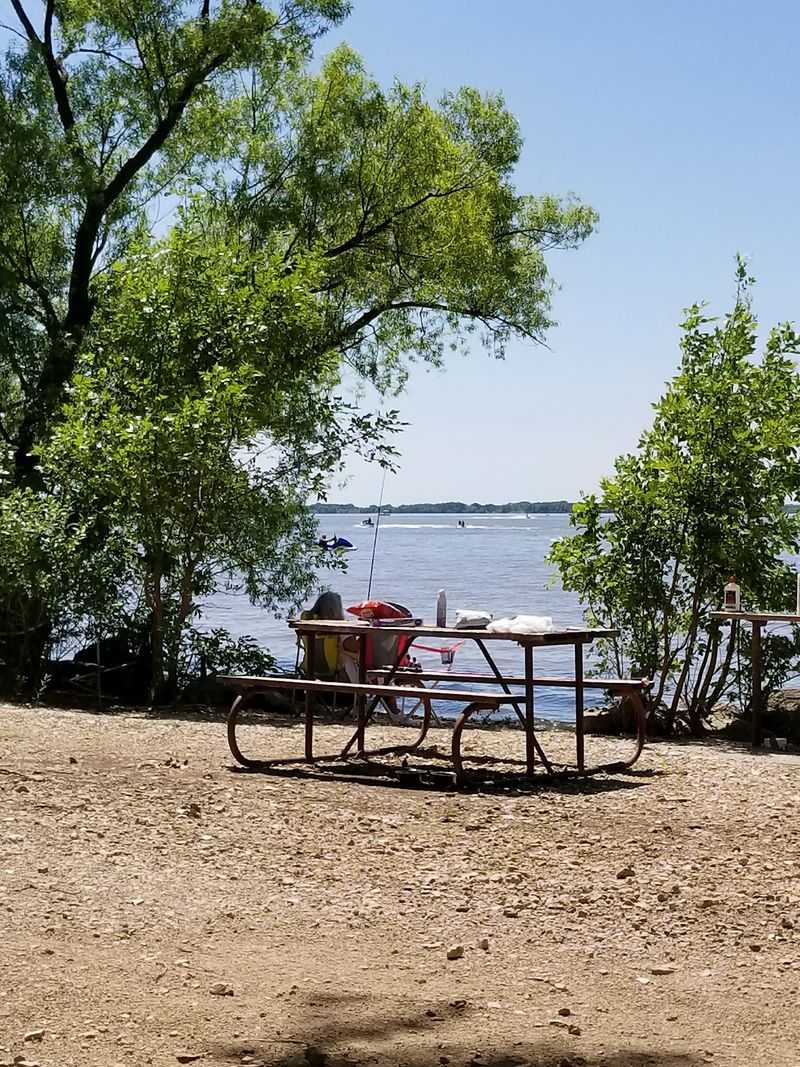
High water changes everything here. Spring rains can swell the reservoir until beaches close, boat ramps become difficult, and debris lines the shore with branches and foam.
When water rises, animals that live along the bank may move toward higher ground, including mowed areas near campsites.
I visited once in late May when a debris line sat twenty feet from a picnic table. Frogs were everywhere that evening, which meant snakes had a reason to follow.
Nothing dramatic happened, but I used a flashlight for every trip to the shower house.
Conditions vary from year to year. Water levels can rise or fall in any season, and swimming areas may close when conditions require it.
Checking conditions before booking saved me a soggy weekend the second time around.
Flood years are part of life at a Kansas reservoir, and treating them as a scheduling detail rather than a disaster made planning much simpler.
Camping Smart Keeps Critters At A Distance
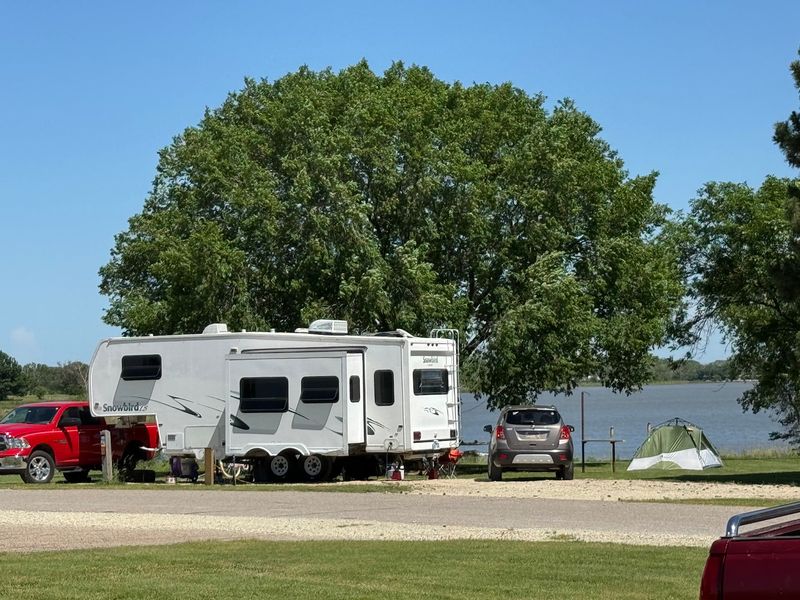
Snakes are not the only wildlife around campsites, and good camp habits help with problems.
Do not leave food, wrappers, or crumbs outside overnight. Loose food attracts rodents, rodents attract snakes, and suddenly your cozy campsite has a guest list you never wrote.
I kept everything in sealed bins inside the vehicle, shook out my shoes each morning, and zipped the tent fully instead of halfway. Simple habits, zero surprises.
Choosing a mowed, open site rather than one backed against thick brush also helps, since snakes prefer cover over exposed grass.
The park offers electric and primitive sites plus cabins, and the cabins provide an enclosed option for anyone still uneasy.
Modern shower houses made the whole setup feel civilized after a dusty day.
By the third night I was sleeping soundly with the rain fly rolled back, listening to owls instead of scanning shadows. Good camp hygiene buys a surprising amount of peace.
Swimming Beaches Stay Surprisingly Snake-Free
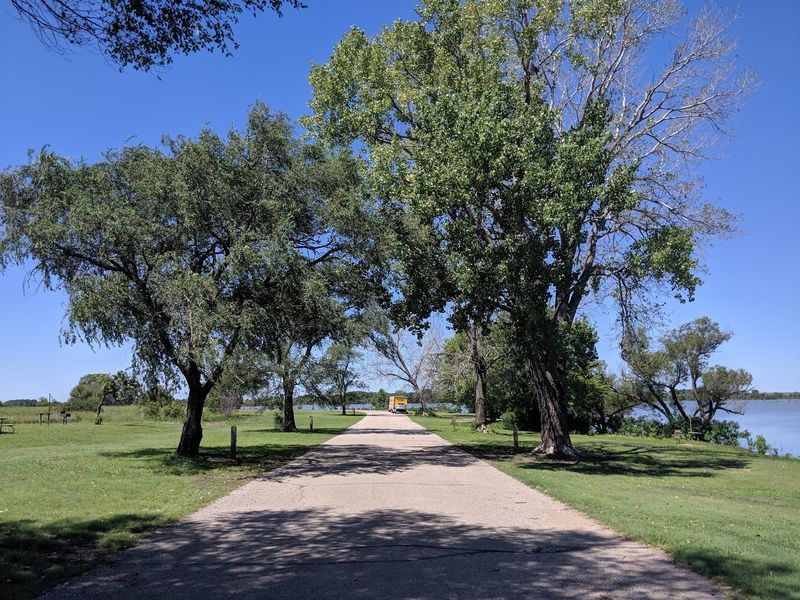
Ninety-nine degrees and climbing, and I still walked straight into that lake.
Open sandy beaches generally provide less cover than rocky, brushy shoreline where snakes can shelter.
There are fewer crevices and less vegetation, though wildlife can still move through any suitable area near water.
The designated swim area here has almost no shade, which visitors mention often, so I brought a pop-up canopy and plenty of water. That trade of trees for visibility felt fair.
Murky, warm water is normal in a prairie reservoir and does not signal danger.
My only real rule was avoiding brushy, weedy shoreline just outside the swim area, especially in early morning when animals are most active.
Pets are prohibited on designated state park swimming beaches, and elsewhere dogs must remain restrained.
Cooling off in a Kansas lake on a scorching day beat every air-conditioned alternative, and the beach never gave me a single scaly encounter.
Snakes Share The Stage With Deer And Armadillos
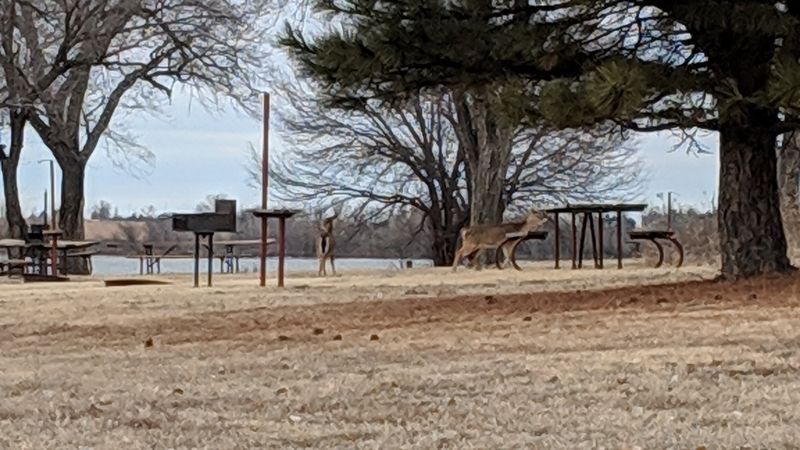
Reptiles get the headlines, but the wildlife roster here is far richer.
White-tailed deer wander through campground loops at dusk like they pay rent.
Pelicans, herons, and hawks work the shoreline, and armadillos occasionally rustle through the leaf litter, which genuinely startled me more than any snake did.
Bird watching from a lakeside site turned into my favorite morning routine, coffee in hand, binoculars on the picnic table.
The same conditions that support snakes, meaning water, cover, and abundant small prey, support all of this.
Healthy snake populations actually signal a functioning ecosystem rather than a failing one. They keep rodent numbers in check around campgrounds.
Once I reframed them as part of the crew instead of the villains, sightings became something I hoped for.
Watching a heron stalk the shallows while a water snake worked the rocks nearby was the kind of quiet show no ticket could buy at El Dorado Lake.
Trails, Disc Golf, And Room To Roam
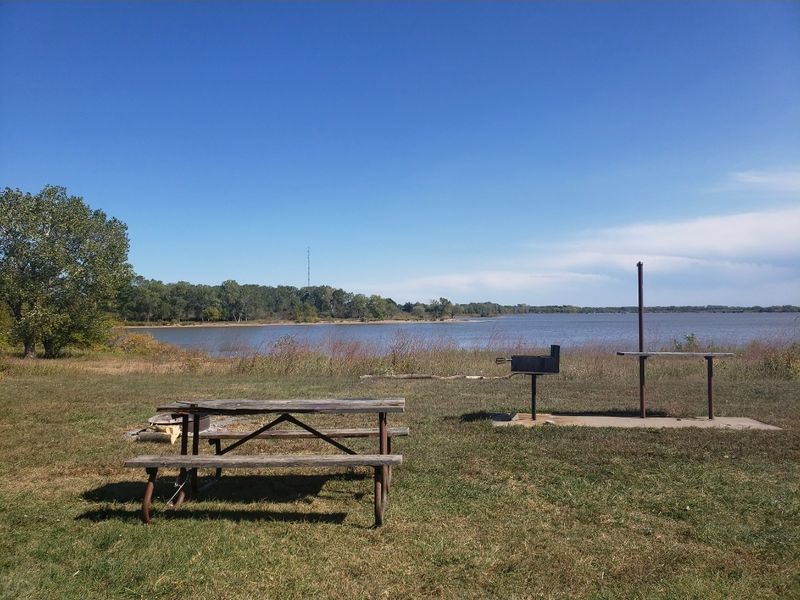
Between snake talk and swimming, I nearly forgot how much land this park covers.
Hiking and multi-use trails wind through timber and prairie, with several routes open year-round for walking, biking, or horseback riding.
Boat ramps and marina facilities serve the reservoir, while Bluestem Point includes camping areas and access to the lake.
Trail walking is where footwear matters most. I stuck to the path, skipped tall grass shortcuts, and scanned sunny rock patches ahead of me.
That habit cost nothing and let me relax completely.
Fall brought cooler air, thinner crowds, and far fewer reptiles above ground, making it my favorite season for long walks here.
A one-mile cross country course also runs through the park, adding another route for walkers to explore.
El Dorado State Park gave me prairie horizons, shady loops, and a lake that never felt crowded. The snakes were just one chapter in a much bigger Kansas story.