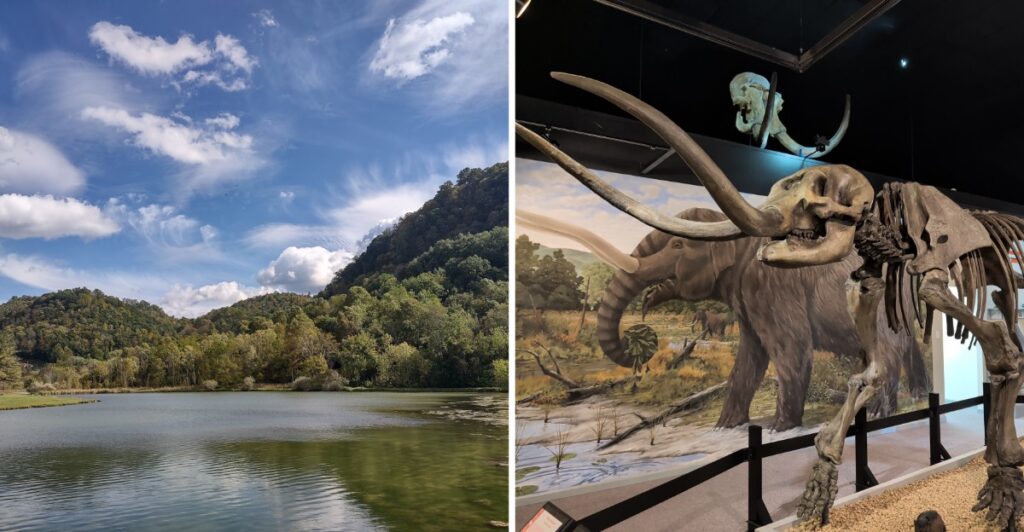
I like towns that make you think you understand them, then casually hand you another thousand years of backstory.
This Virginia mountain town does that almost immediately.
At first, it looks small and quiet. Then fossils enter the conversation. After that come ancient salt deposits, Civil War history, industry, and even a connection to the space program.
That is a lot for one Appalachian valley to keep under its hat.
The town itself is easy enough to reach, sitting only a short drive from Interstate 81, but the history gets deeper the longer you stay.
I’d give this one more time than a quick pass-through.
Every chapter seems to open the door to another one.
Salt Beneath The Valley Explains The Town’s Name
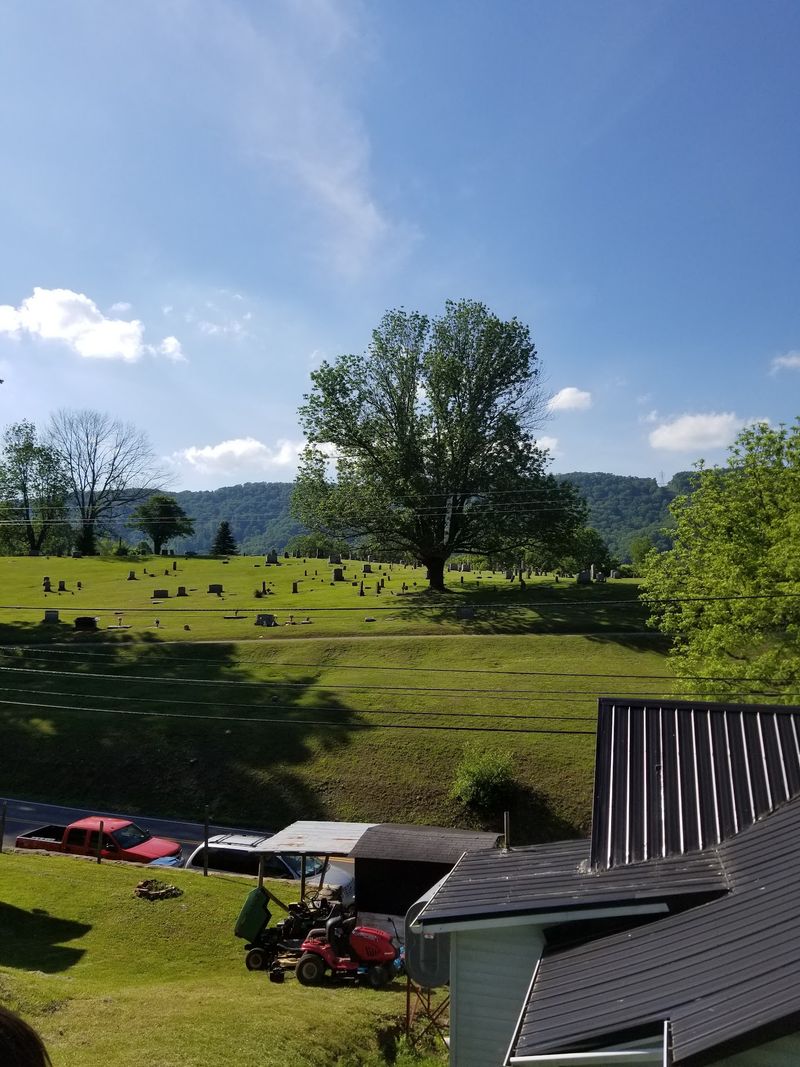
The first clue is right in the name. Saltville sits in Virginia’s Valley and Ridge Province, an area shaped by ancient geologic processes that left deposits of salt and gypsum beneath layers of shale and limestone.
Brine formed where groundwater reached those deposits, creating the resource that would eventually define the community.
Commercial salt production began here in the 1780s. Early workers dug or bored wells to reach brine and then evaporated that water in iron kettles heated by wood-fired furnaces.
By the middle of the nineteenth century, the saltworks were producing hundreds of thousands of bushels a year.
The geography also gives the town an unusual natural feature. Small ponds around the old well fields can contain varying levels of salt, and some support plants adapted to saline environments. Such habitat is unusual in an inland Appalachian valley.
Start your visit with that basic idea in mind: Saltville is not simply a town where salt happened to be produced. The geology under the valley influenced nearly every major chapter that followed.
The Museum Gives You The Long View First
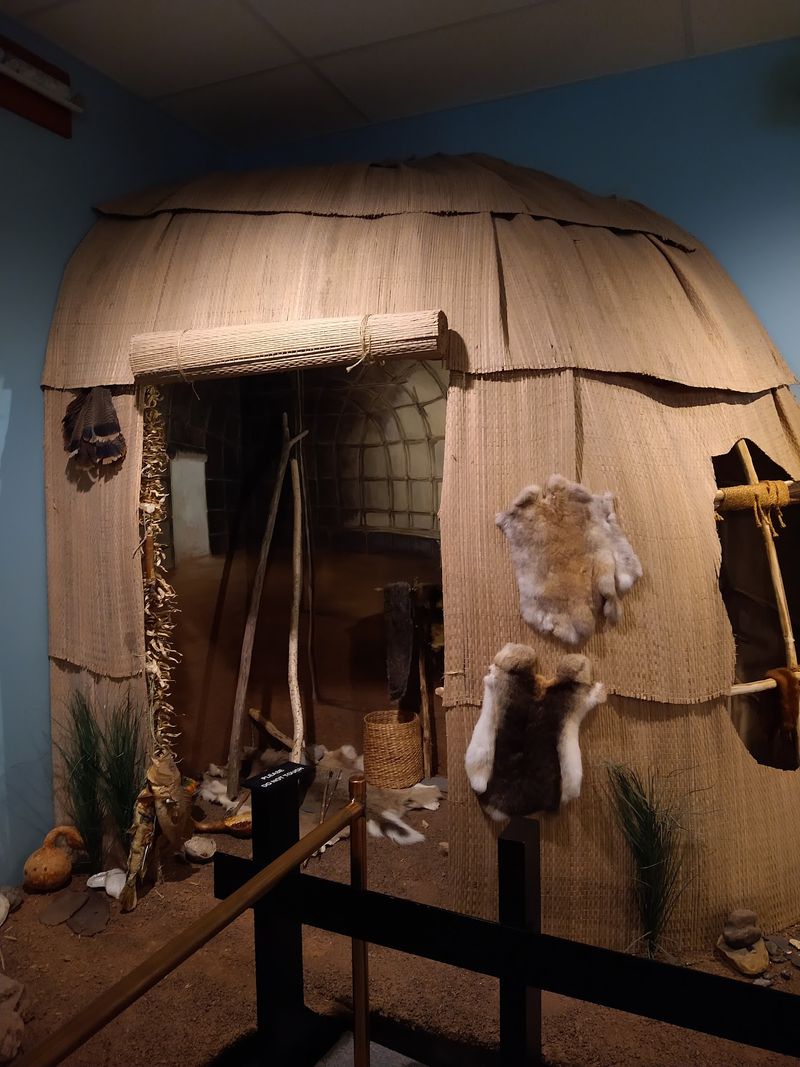
Before trying to piece together the story outdoors, the Museum of the Middle Appalachians gives you a useful framework. Its exhibits cover geology, Ice Age animals, early people, salt production, the Civil War period, industrial development, the company-town era, and the space age.
The museum presents the region as a connected timeline rather than a series of unrelated episodes.
Seventeen natural and cultural exhibits cover roughly 30,000 years of history. You can move from fossil material and full-size casts to displays on early industry, twentieth-century chemical production, and Saltville’s link to the American space program.
A separate Salt Theater includes short programs about the saltworks and the two Civil War battles.
Timing matters here because the hours change on Sunday. The museum is open Monday through Saturday from 10 a.m. to 4 p.m. and Sunday from 1 p.m. to 4 p.m., with closures on several major holidays and possible weather-related changes.
Starting here earlier in the day leaves room to explore other parts of town afterward.
Because Sunday admission begins later, a Sunday visit naturally shifts more of the museum time into the afternoon. On weekdays and Saturdays, the 10 a.m. opening makes it easier to start indoors before moving through town.
The museum is at 123 Palmer Ave, Saltville, VA 24370. Give it more than a quick walk-through if you want the rest of the town to make more sense.
Ice Age Fossils Push The Story Far Beyond Recorded History
Long before factories, furnaces, or battles, the Saltville Valley was attracting animals to its mineral-rich environment.
Fossils have been recovered from ancient lake beds beneath the marshes for more than two centuries, placing the valley among the earliest recorded North American localities for Pleistocene fossils.
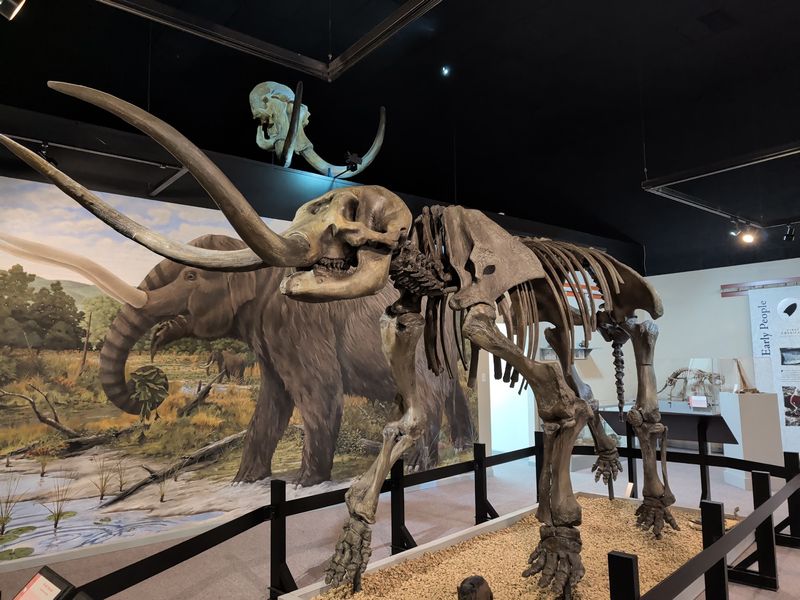
Finds from the area include mastodon, woolly mammoth, musk ox, horse, bear, smaller mammals, birds, and fish.
The museum’s Ice Age exhibit includes a full-size mastodon cast, a woolly mammoth skull cast, a giant beaver cast, and fossil material tied to animals that once occupied the region.
The scientific story also reaches into early American history. In 1782, Arthur Campbell wrote Thomas Jefferson about unusually large bones found in the area. Jefferson later referred to the local salines in his 1787 “Notes on the State of Virginia.
There is also evidence connected with very early human presence. Archaeological work in the valley has produced bone material that some researchers have interpreted as tools associated with ancient people.
The museum presents this material alongside the broader archaeological record of the valley.
Salt Production Turned A Small Valley Into An Industrial Center
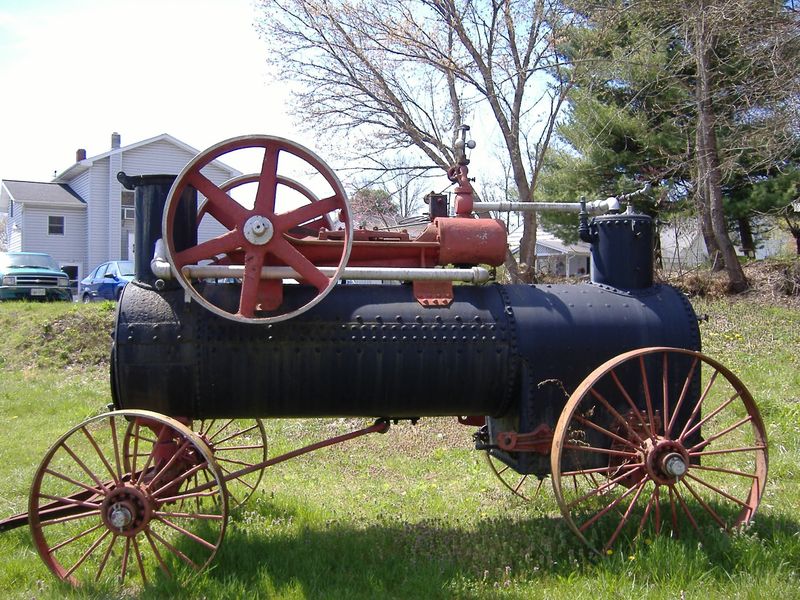
By the nineteenth century, Saltville’s underground resource had become the foundation of a large working landscape. Production expanded well beyond small-scale boiling, and the saltworks became one of the most important industrial operations in the region.
The technology evolved as output increased. In the 1850s, investors expanded production and introduced larger enclosed furnaces that evaporated brine in heavy cast-iron kettles. During the Civil War, demand pushed production dramatically higher.
The saltworks went from a prewar level of about 250,000 bushels annually to more than four million bushels a year by 1864.
Industrial growth did not stop with salt. By the late nineteenth century, Saltville also had the raw materials needed for chemical manufacturing. Mathieson Alkali Works was built in the 1890s, and production began in 1895.
The operation eventually spread across hundreds of acres and employed a large workforce.
That industrial chapter later connected Saltville to the space program. During the 1960s, hydrazine made from products produced at the local Olin-Mathieson operation was used in the Titan II rocket and the Apollo lunar module.
The town’s history therefore stretches from ancient geology to modern engineering without leaving the same valley. Follow that sequence and Saltville’s scale begins to look very different from what its population alone might suggest.
Two Civil War Battles Put The Saltworks At The Center
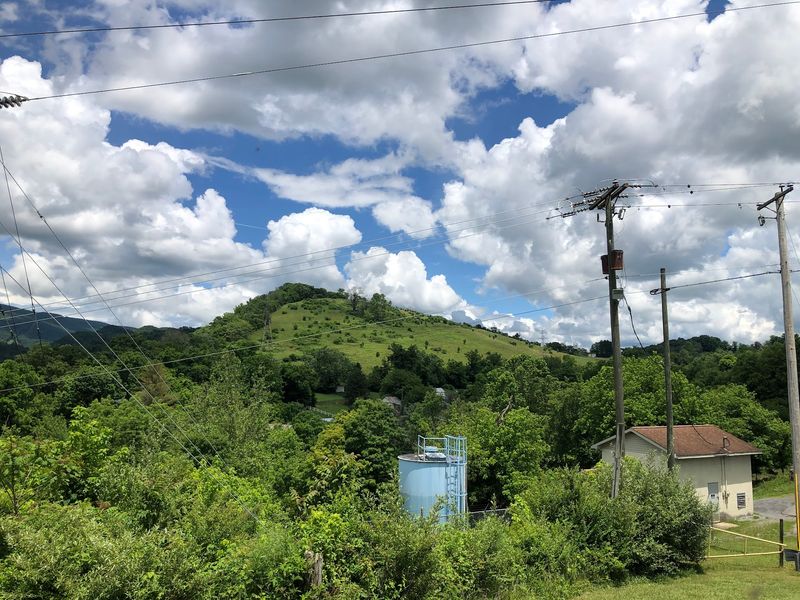
Salt made Saltville strategically important during the Civil War. With other sources restricted or lost, the town’s saltworks supplied as much as two-thirds of the salt used in the Confederate war effort.
That made the valley a military target and led to extensive fortifications on the surrounding ground.
Two major battles took place here in 1864. Union forces attempted to disrupt or seize the salt production that supported Confederate supply lines, while Confederate forces defended the valley. The first battle came in early October, followed by another attack in December.
Today, the Saltville Battlefields Historic District covers 2,737 acres across portions of Smyth and Washington counties. It includes the two battlefield areas, remains connected with salt extraction and transportation, and surviving field fortifications built to defend the works.
The historic district includes private property, so not every location is open for wandering. View historic properties only from places where public access is clearly available, and respect private land along the way.
If military history is your main interest, spend time with the museum’s battlefield material first. The landscape becomes easier to read once you understand why the saltworks mattered and how the surrounding ridges shaped defense.
The Historic District Still Shows The Company Town Era
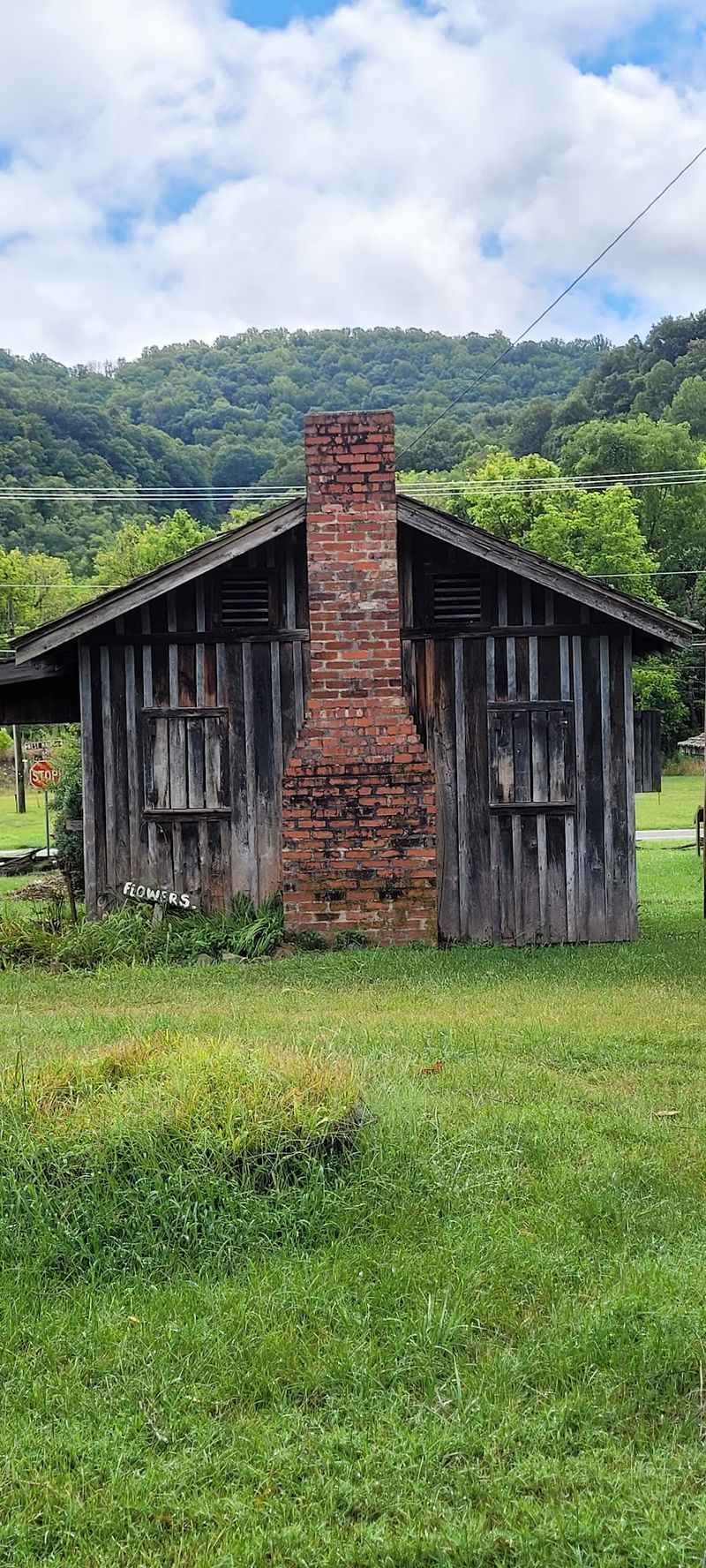
Saltville’s next transformation came through large-scale industrial development. Mathieson-Alkali Works developed the community as a company town from 1892 to 1930, building a close relationship between the factory operation and everyday life around it.
The Saltville Historic District includes many surviving commercial, institutional, and residential buildings tied to that period.
The district was listed on the National Register of Historic Places in 2002, and its layout still reflects a town built inside a narrow valley paralleling the North Fork of the Holston River.
Rather than looking for one grand landmark, pay attention to how the streets and older buildings fit together. The northern part of the historic district contains much of the commercial and institutional fabric, while residential structures extend along streets to the south.
That arrangement shows how closely the community developed around industry.
The chemical operation continued through much of the twentieth century. The plant eventually closed in 1972 as economics in the chemical industry changed, bringing a major shift for the town. Salt production itself did not disappear.
A modern operation still produces food-grade salt from local brine.
Give The Town Enough Time To Connect The Pieces
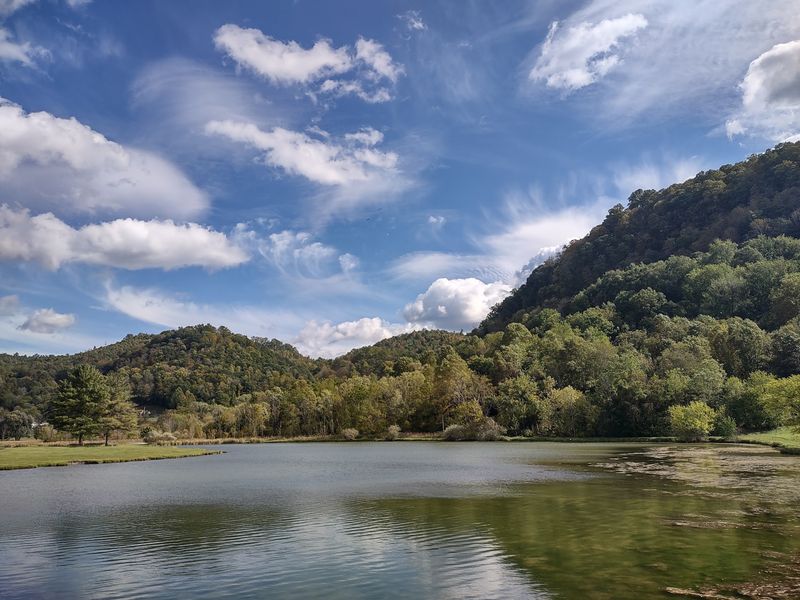
Saltville makes more sense when you resist the urge to treat each stop as a separate attraction. The museum, the historic district, the old well-field landscape, the battlefield story, and the surrounding valley all explain one another.
A half-day can cover the museum and a look around town, but a slower schedule gives the details more room. The town sits about ten minutes from Interstate 81, so it can fit naturally into a Southwest Virginia road trip without requiring a major detour.
Let your interests decide where the extra time goes.
Fossil fans may linger over the Ice Age material, while industrial-history travelers can spend longer tracing the company-town period.
The unusual wetlands add another layer. Saline ponds around the former well fields support an environment that stands apart from the surrounding mountains, and the area is part of the Clinch Mountain loop of the Virginia Birding and Wildlife Trail.
One natural resource keeps reappearing across thousands of years of local history. Salt shaped wildlife, drew human attention, powered industry, influenced wartime strategy, supported a company town, and even connected the valley to space-age technology.
Follow that thread, and this small Virginia town becomes remarkably easy to remember.