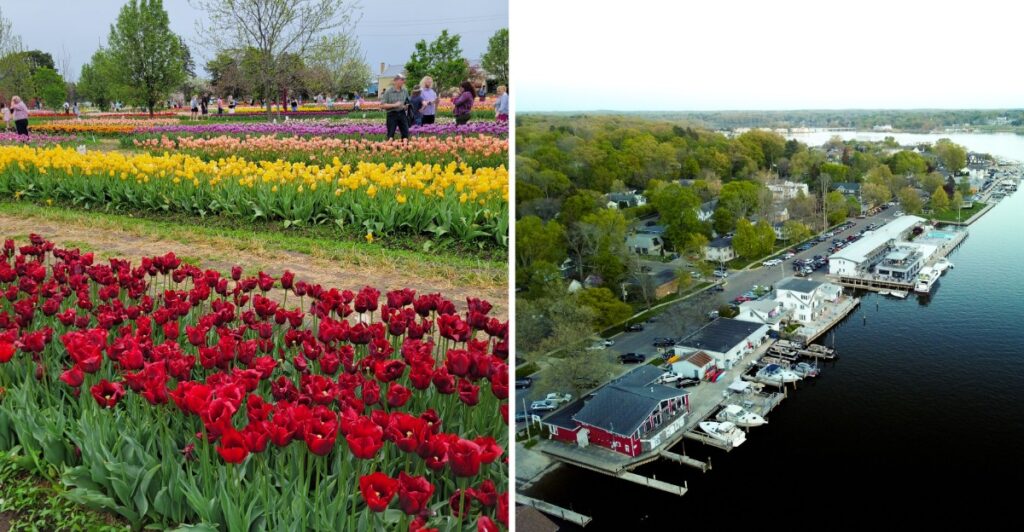
Michigan can be wonderfully quiet right up until the calendar flips and everybody remembers the same beach exists.
That is when things get interesting.
A sleepy waterfront suddenly needs traffic control. A small downtown starts filling block by block. One festival weekend can make a familiar place look like it doubled overnight.
The strange part is that every destination has its own breaking point.
Some build slowly through summer. Others stay calm until one big event hits and everything changes at once.
That is why timing matters more than people expect.
The same town can feel relaxed on Tuesday and completely different by Saturday.
So before you blame the place for being crowded, ask one question first: did you accidentally show up on everybody else’s favorite weekend too?
1. Traverse City
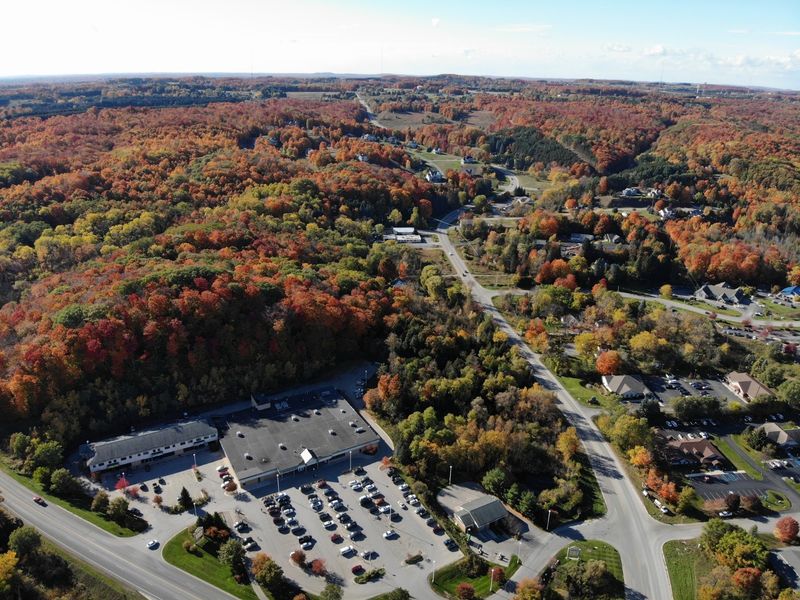
Summer changes the pace quickly around Grand Traverse Bay. In Traverse City, seasonal population increases place extra demand on beaches, waterfront areas, parking, and event spaces, especially once the warm-weather calendar gets moving.
The National Cherry Festival adds another layer. Festival operations require special parking arrangements, longer meter limits, lot closures, parade changes, and separate plans around fireworks and other high-demand events.
Free park-and-ride service through the Bayline gives you another option when driving straight into downtown sounds more complicated than useful.
Start the day early if Front Street and the waterfront are your priorities. A morning walk lets you cover shops, coffee stops, and the bayfront before the heaviest part of a festival day develops.
Later in the afternoon, moving between downtown and the waterfront can require more patience.
The city also works well outside its largest events. Late spring and the stretch after the busiest summer weeks still give you access to the bay, downtown shops, and surrounding attractions without every activity competing for the same few hours.
One easy route is to begin at the visitor center, get your bearings, then decide whether the waterfront or downtown deserves the first part of the day.
2. Saugatuck
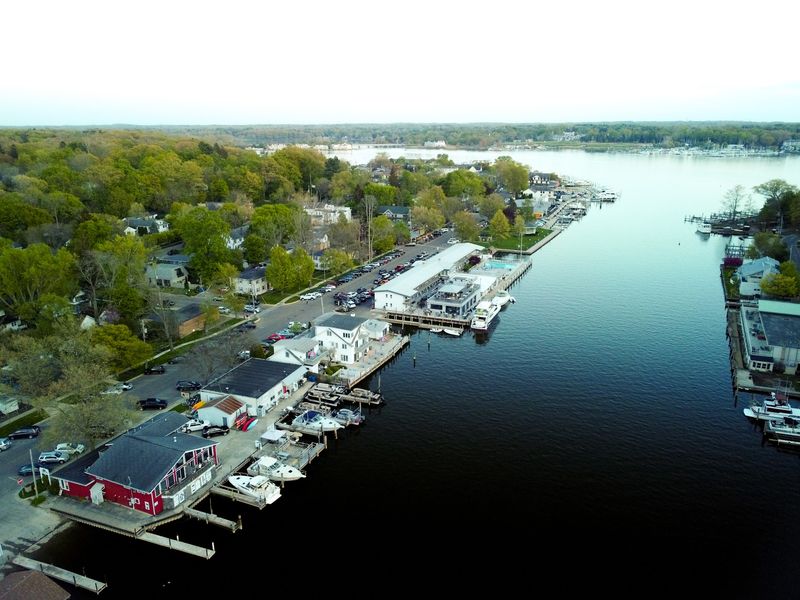
Parking becomes a serious part of the summer conversation here. Seasonal visitor traffic has put enough pressure on downtown access that the city has been working through parking improvements, remote parking ideas, employee parking, and other ways to handle demand.
Saugatuck’s compact center is part of the reason. Galleries, boutiques, dining, and waterfront stops sit close together, so a large number of visitors can converge on a relatively small collection of streets.
That is where the Interurban helps. Park-and-call service and a weekend shuttle between Saugatuck High School and downtown give you a way to leave the car outside the tightest part of the district.
Once you reach Butler Street, walking is usually the easier choice anyway. Pick a direction, browse several blocks, and save the car for the next part of the day rather than moving it between short stops.
The surrounding Saugatuck-Douglas area also gives you room to spread things out. Pair downtown with an outdoor stop, a waterfront walk, or another nearby attraction rather than asking one compact district to carry the whole day.
City Hall makes a useful central reference point when you are orienting yourself downtown.
3. Mackinac Island
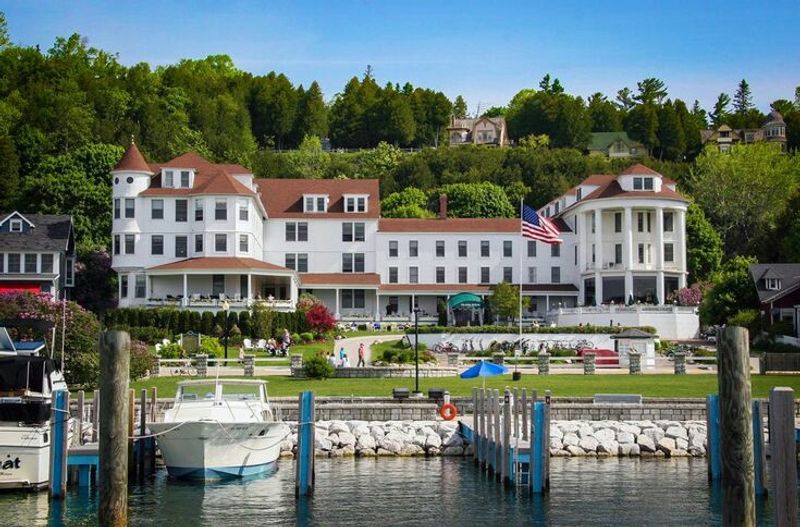
Mackinac Island welcomes more than one million visitors a year, and July and August are its busiest months. Weekends also draw more traffic than weekdays, which matters when most visitors first arrive in the same general part of town.
Ferries unload near Main Street, where bike rentals, carriage tours, restaurants, fudge shops, and other services are concentrated. That creates a natural bottleneck even though the island itself extends well beyond the commercial waterfront.
Handle anything you need near the docks first, then change direction. Renting a bike, walking farther inland, or heading toward quieter roads quickly changes the experience.
The island covers less than five square miles, but downtown is only one piece of it. Trails, historic sites, shoreline roads, and interior areas give you plenty of ways to spread out once you leave the busiest blocks.
Spring and fall offer another version of the trip. Visitor traffic drops outside the July-August peak, although fall has become increasingly popular too.
Most travelers arrive by passenger ferry from Mackinaw City or St. Ignace, so your schedule begins before you even step onto the island. Check ferry timing first, then build the rest of the day around how long you actually want to stay.
4. Mackinaw City
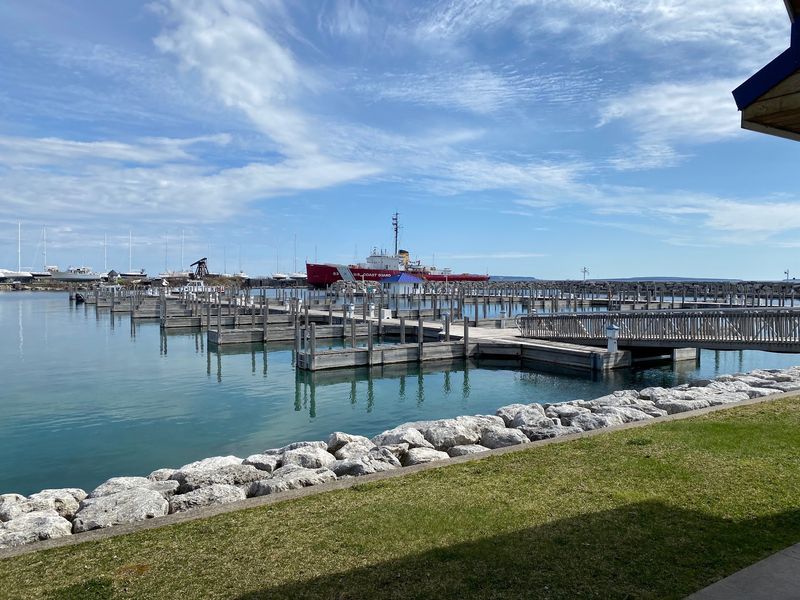
A small community handles an enormous number of travelers at the tip of Michigan’s Lower Peninsula.
More than 1.2 million visitors come through each year, while more than 100 retail shops, restaurants, lodging properties, attractions, marinas, and transportation services serve the tourism economy.
Mackinaw City also sits beside the Mackinac Bridge and acts as one of the main ferry gateways to Mackinac Island. That means bridge traffic, ferry passengers, shoppers, overnight guests, and day-trippers can all overlap during the same summer morning.
If the island is your priority, take care of ferry parking and boarding before adding downtown browsing. Trying to squeeze shopping into the minutes before departure creates more stress than fun.
Staying in town for the day gives you more freedom. Park once, walk between shops and waterfront areas, and leave enough time for the bridge views and nearby historic stops.
Summer evenings can draw another wave when scheduled fireworks or other events are taking place. Checking the calendar before you arrive helps you decide whether you want to join that activity or finish the day earlier.
The local visitors bureau is a practical first stop when ferry schedules, attractions, and lodging are all part of the plan.
5. Frankenmuth
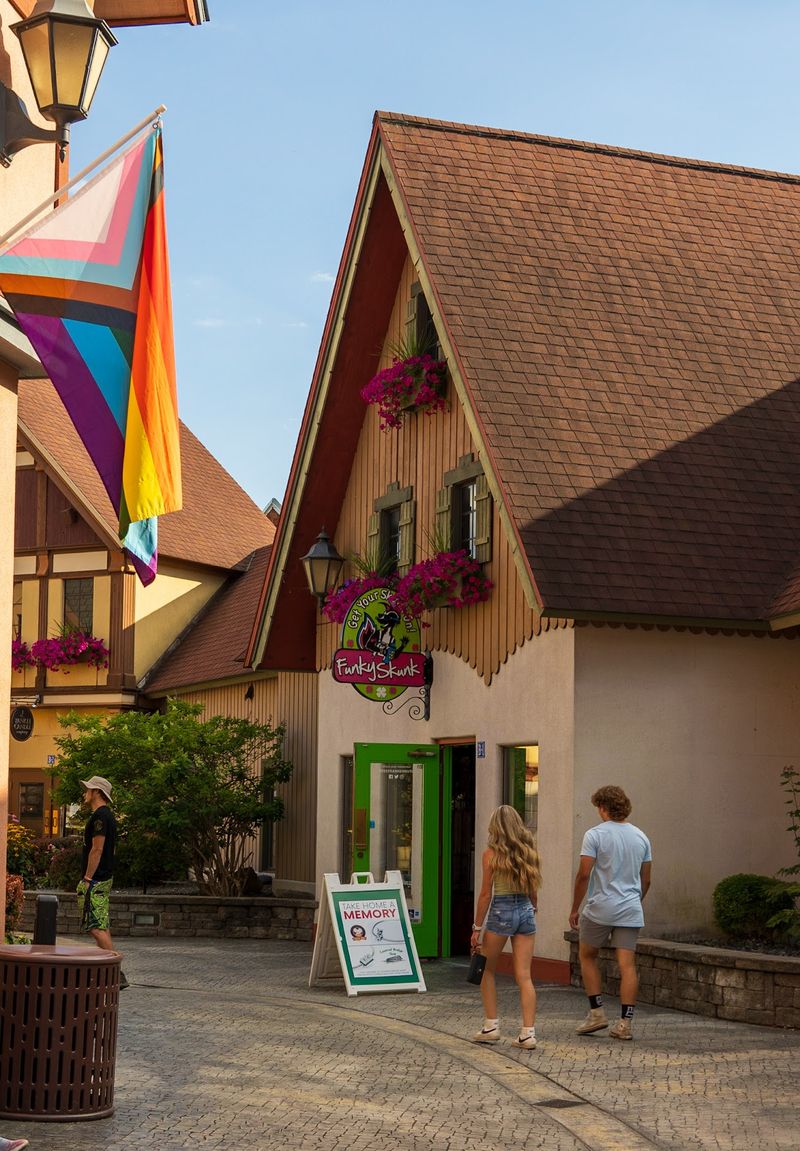
More than three million visitors come to this small Michigan city each year. They arrive for festivals, family attractions, shopping, holiday experiences, restaurants, and the Bavarian-style center that gives the city its most recognizable look.
In Frankenmuth, Main Street carries much of that activity. Festival periods and peak travel days can create congestion through the tourism district, especially when visitors are all aiming for the same central attractions.
The calendar matters as much as the season. A weekday without a large event can be much easier to navigate than a festival Saturday only a few days later.
Park-once planning works well here. The central district stretches along Main Street and around the Cass River, so moving between shops, riverfront areas, and major attractions on foot can be simpler than repeatedly relocating the car.
Free parking is available in multiple areas, including behind the Visitor & Welcome Center.
Frankenmuth was settled in 1845, while much of its familiar Alpine-style commercial architecture developed later, particularly during the twentieth century as tourism expanded.
Give yourself enough time to walk instead of treating Main Street like a drive-through attraction. The Visitor & Welcome Center can help you decide which part of town deserves the first stop.
Address: 635 S Main St, Frankenmuth, MI 48734.
6. Holland
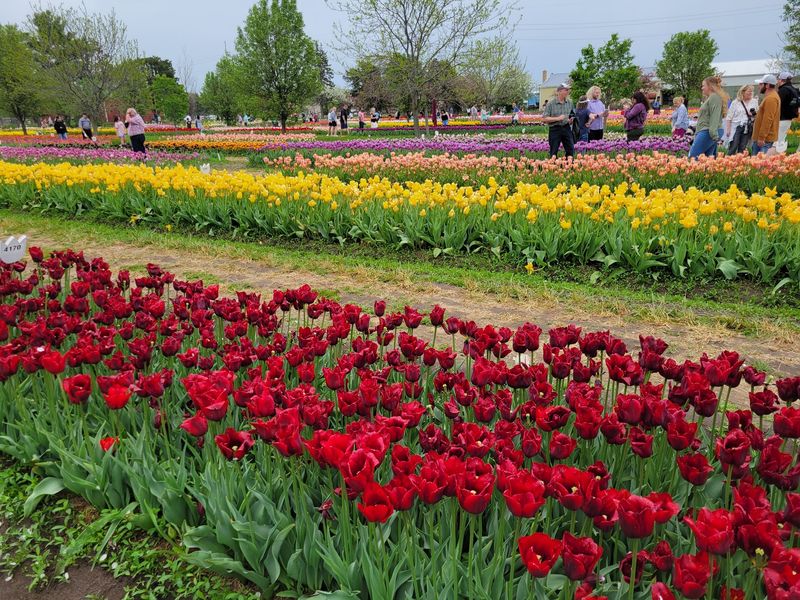
Spring is when this city experiences its most concentrated tourism surge. Tulip Time ran from May 1 through May 10 in 2026, with events and flower displays spread across multiple sites rather than one enclosed festival ground.
The high visitor volume can make free public parking harder to find during the festival, so transportation planning matters before you reach downtown Holland.
Parade routes, event schedules, and flower-viewing areas can pull people toward different parts of the city at the same time.
Outside those special-event complications, downtown public parking is free in unrestricted street spaces, lots, and the city’s two parking decks.
Tulip Time began in 1929 after the city planted 100,000 tulips, and the modern celebration now stretches well beyond one garden or one street.
If the flowers are the entire point of your trip, embrace the schedule. Arrive with a parking plan, expect to walk, and decide in advance which events matter most.
wTrying to see every tulip display, parade, performance, and downtown shop in one day can turn the visit into a race.
Not tied to festival dates? Another spring week gives you much more freedom to explore the downtown and lakeshore at your own pace.
7. Grand Haven
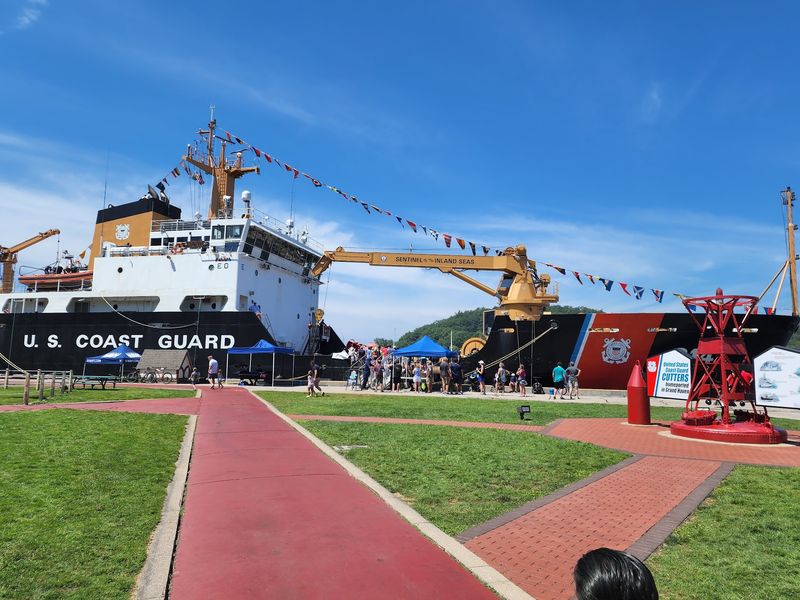
Grand Haven’s largest annual crowd arrives with the Coast Guard Festival. The ten-day celebration attracts more than 350,000 visitors, and the 2026 festival ran from July 24 through August 2.
Concerts, parades, ship-related activities, fireworks, and other events draw much of that activity toward downtown and the waterfront.
Washington Avenue, Harbor Drive, and nearby riverfront areas can therefore feel completely different during festival week than they do on an ordinary summer weekday.
Your biggest decision may be whether you want the festival itself or simply the city. If the event is the reason for coming, review parking and transportation information before leaving home and expect to walk between activities.
If you mainly want the beach, boardwalk, lighthouse, and downtown, another week gives you those same core attractions without the festival schedule controlling the day.
The Coast Guard Festival traces its roots to a 1924 picnic for Coast Guard personnel, with the first formal festival following in 1937. The event has since become closely tied to Grand Haven’s identity as “Coast Guard City, U.S.A.”
Start near downtown if you want to connect shopping with the waterfront, then continue toward the boardwalk rather than moving the car between every stop.
8. Charlevoix
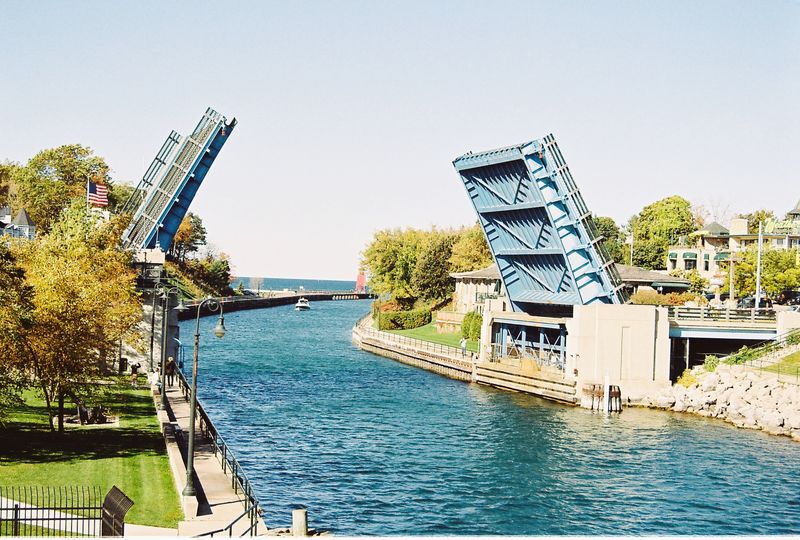
Busy summer weekends can push downtown parking close to capacity. Charlevoix combines a strong tourism industry with a large seasonal population, so the number of people using the central district changes significantly once warm weather arrives.
The smartest move may be the simplest one: take the first reasonable parking space and walk. Circling for a closer spot can use more time than the extra block or two would have taken on foot.
Seasonal parking rules also matter. Downtown meters and pay stations are enforced from May 1 through October 31, with a mix of metered, pay-station, and free public parking available.
Once the car is settled, Bridge Street and the waterfront are easy to combine. Shops cluster near the Pine River Channel, while the city’s distinctive stone houses give you another reason to extend the walk beyond the commercial core.
A weekday can make that route easier when your schedule allows it. September also changes the pace, although warm-weather travel does not disappear immediately after August.
Do not let parking become the whole story. Choose one central place to leave the car, explore on foot, and give the harbor and surrounding streets enough time to justify the stop.
9. Petoskey
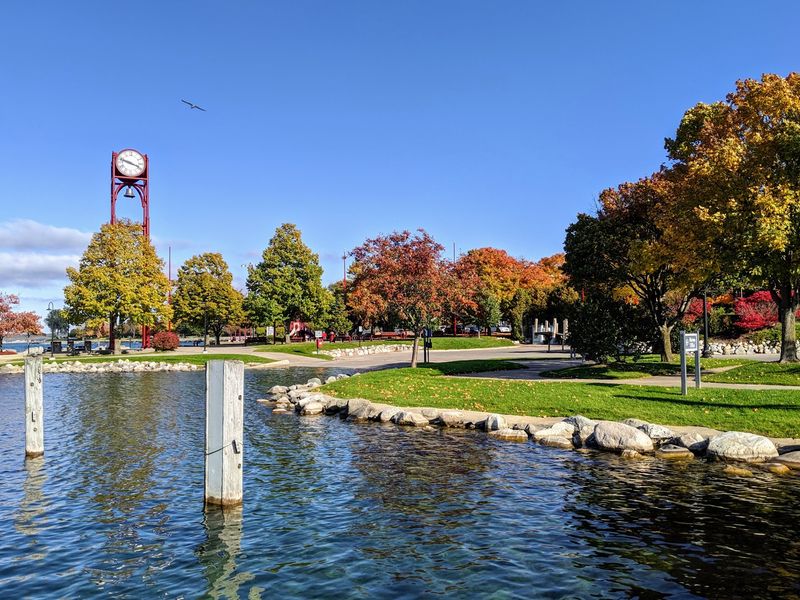
The busiest stretch lasts longer here than one festival weekend. Heavy vehicle traffic arrives around Memorial Day and can continue through the fall-color season, while summer tourism puts additional pressure on downtown parking.
That makes Petoskey a good place to stop thinking in terms of one peak month. June, July, August, and part of the fall can all bring different versions of the same transportation challenge.
The free seasonal trolley offers another way around it. During the 2026 season, service ran Thursday through Sunday from June 25 through September 6, connecting downtown with several other local stops.
Take one of those seats when moving the car starts creating more work than walking. The Gaslight District, parks, shops, and waterfront are well suited to a park-once plan.
Fall color keeps visitors coming after traditional summer vacations have ended, so September is not automatically quiet. Checking the event calendar can tell you more than the month alone.
Once downtown, let the day become pedestrian. Walk the historic blocks, continue toward the bay, and return to the car when you are actually ready to leave the district.
The regional visitors bureau on East Mitchell Street can help with maps, events, and current transportation details.
10. South Haven
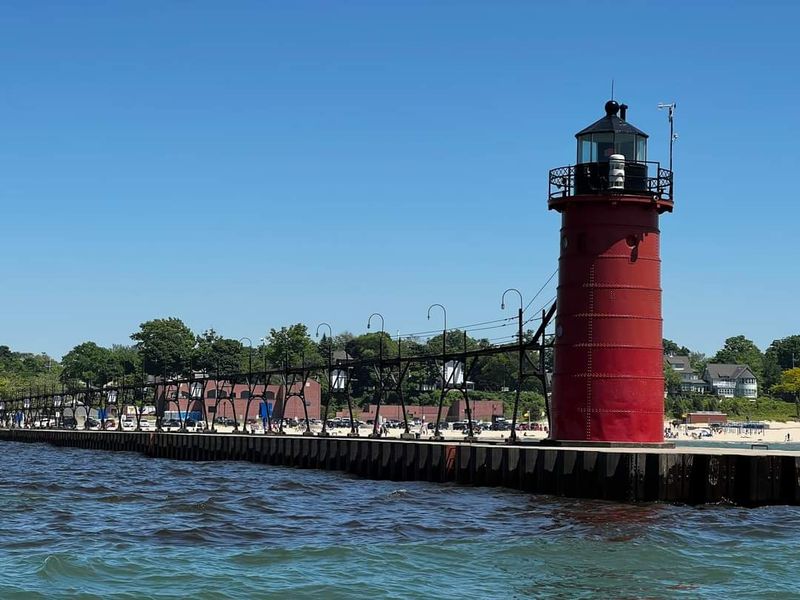
Beach traffic, downtown activity, marinas, and the pier all converge within a relatively compact part of town. At the height of the tourist season, South Haven can therefore run into parking pressure that cannot simply be solved by adding one more nearby space.
Remote parking and shuttle ideas have been considered as ways to reduce downtown congestion, reflecting how much warm-weather demand can concentrate around the central waterfront.
Your easiest plan starts by choosing the main goal. If the beach comes first, handle beach parking before adding downtown stops. If shopping and dining are the priority, settle the car near downtown and walk instead of trying to move between short destinations.
Major summer weekends and local events can tighten things further. Midweek travel gives you a different version of the same lakefront town when your schedule allows that flexibility.
South Haven is also continuing to study visitor patterns and destination development, including the effect tourism has on the wider community. That matters because seasonal demand is not limited to one isolated event.
Give the waterfront enough time once you arrive. The Black River, pier, beaches, and downtown shops are close enough to combine without repeatedly returning to the car.
For current beach information, local events, and visitor resources, start at the Phoenix Street visitors bureau.