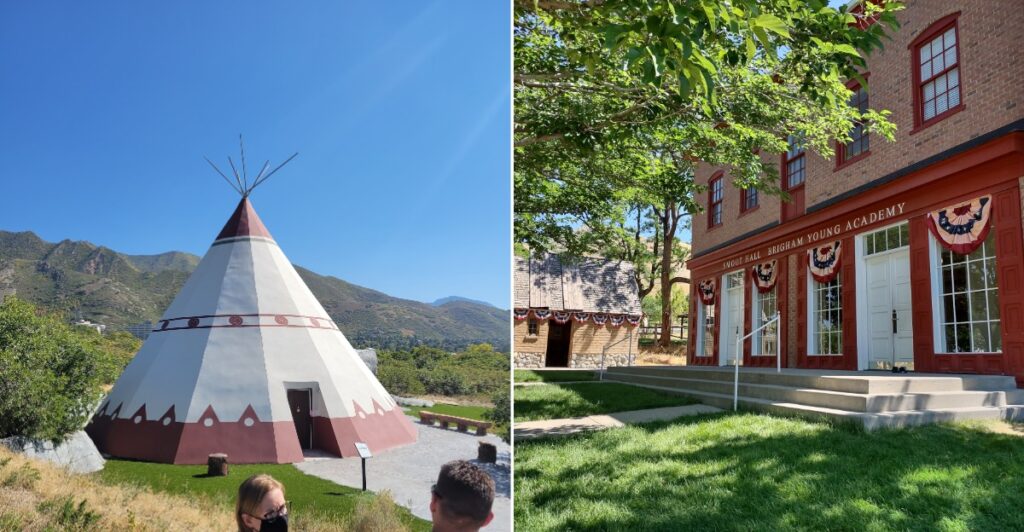
History gets a lot more interesting when you can walk through the details instead of reading them off a plaque. Historic buildings, demonstrations, and hands on activities turn an ordinary afternoon into something closer to time travel, minus the uncomfortable shoes.
For visitors exploring Salt Lake City, this corner of Utah makes early pioneer life easier to picture because the stories are spread across streets, homes, workshops, and gathering spaces. Kids can move, adults can linger, and nobody has to pretend that learning only counts when it feels serious.
The village format also gives the day breathing room, which helps when different ages want different things from the same outing. Families looking for an easy cultural stop can find plenty to explore here without overplanning.
By the end, Utah history feels less like a chapter heading and more like something people actually built, carried, cooked, repaired, and lived through together.
A 450 Acre Setting With Room To Roam
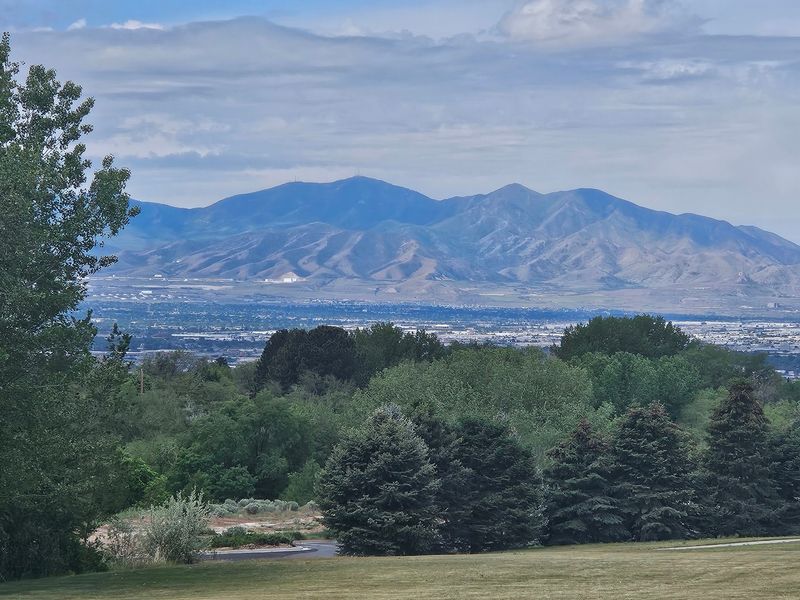
A day feels simpler when the destination has space to breathe, and This Is The Place Heritage Park has plenty of it. The park covers about 450 acres in Salt Lake City, giving visitors more than a single building or quick display case.
That scale matters because the village layout lets history unfold in layers. You can move from building to building, pause near the monument area, or take in the setting near Emigration Canyon without feeling boxed into one narrow route.
For families, that means children have room to reset between stops. For adults, it means the outing can be calm, curious, and pleasantly unhurried, which is sometimes the rarest travel feature of all.
More Than 50 Historic Buildings In One Village
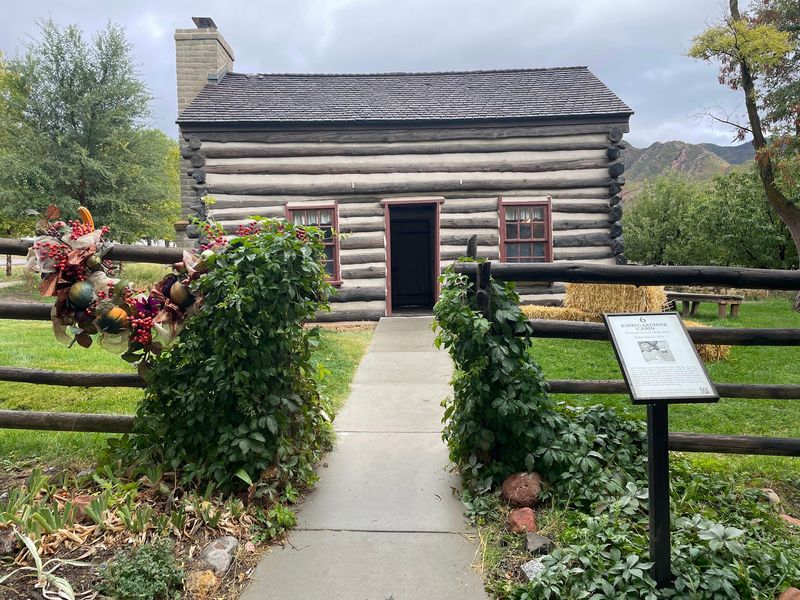
The headline number is not just decoration. This Is The Place Heritage Park contains more than 50 historic buildings, including original and replica structures that help show how people lived, worked, traded, and learned in earlier Utah communities.
Instead of asking visitors to imagine pioneer life from a single room, the park builds a whole village around the idea. Homes, shops, farm buildings, and public spaces create a setting that is easier to understand because it feels organized like a real community.
The practical advantage is simple. You do not have to be a history expert to follow the story.
The buildings do much of the explaining, which is very kind of them, considering how many plaques the modern world expects us to read.
The Address That Points To The Right Place
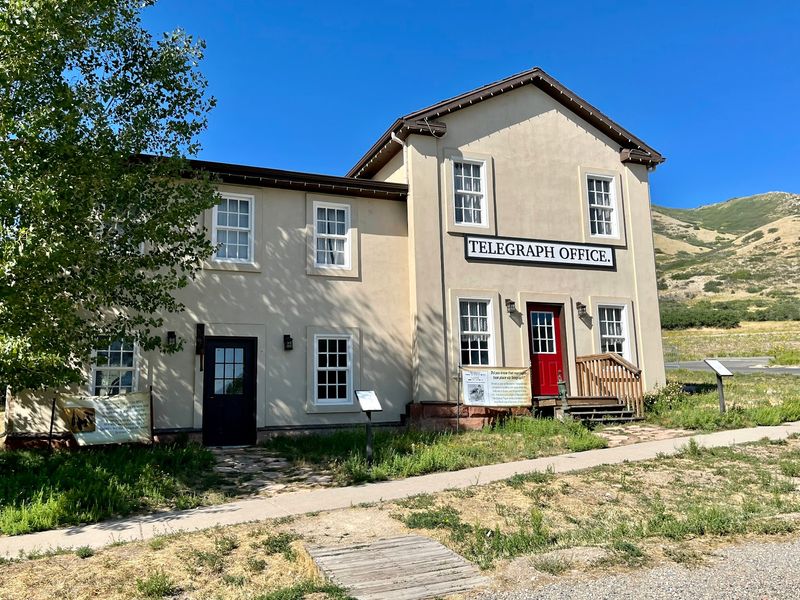
Travel plans go better when the address is not a guessing game. This Is The Place Heritage Park is located at 2601 E.
Sunnyside Avenue, Salt Lake City, UT 84108, placing it in the eastern part of Salt Lake City near the foothills.
That location is important because the park is tied to the route early Latter day Saint pioneers followed into the Salt Lake Valley. The setting is not random scenery added for effect.
It is part of the reason the place exists.
Use the official name when searching maps, because similarly worded historic references can appear online. The exact address helps keep your directions honest, which is useful when nobody in the car wants to hear a lecture about navigation.
A Monument With A Famous Utah Phrase
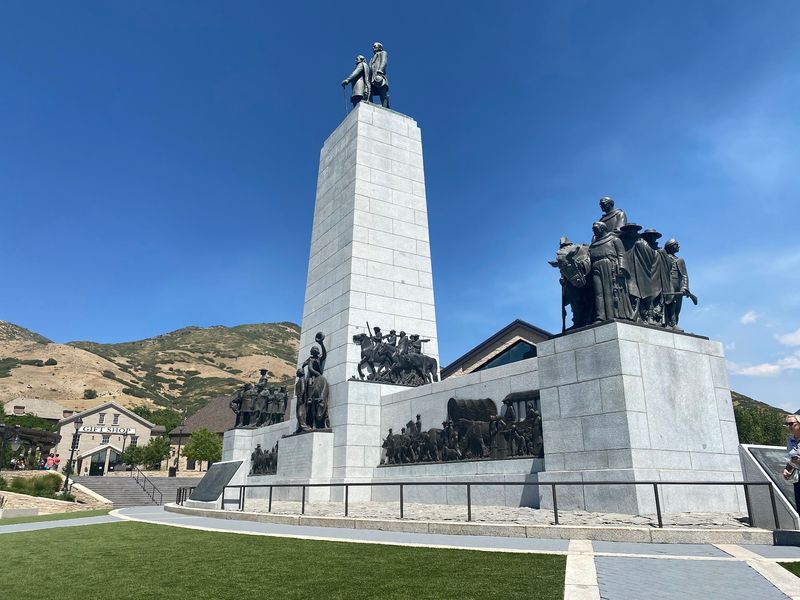
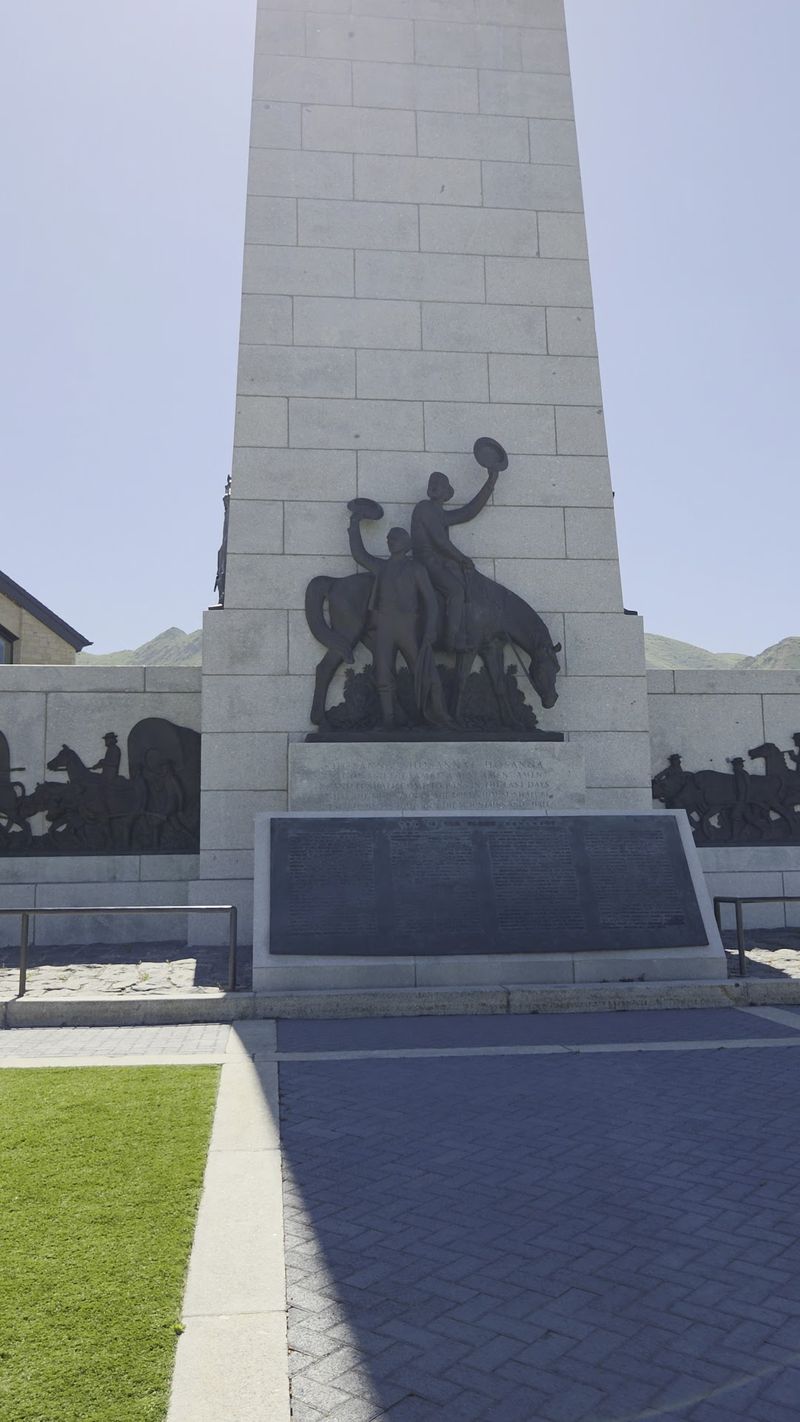
The park takes its name from a well known pioneer story. In 1847, Brigham Young is associated with the phrase that gave This Is The Place Heritage Park its identity, marking the arrival of Latter day Saint pioneers in the Salt Lake Valley.
The monument area gives the visit a clear starting point. It reminds visitors that the village is not just a collection of old buildings, but a memorial landscape connected to migration, settlement, work, faith, and community building in Utah.
Even visitors who are not drawn to pioneer history can understand the power of a place named after a sentence. Most destinations settle for a sign.
This one has a declaration, which is admittedly more confident.
A Living History Park Rather Than A Silent Museum
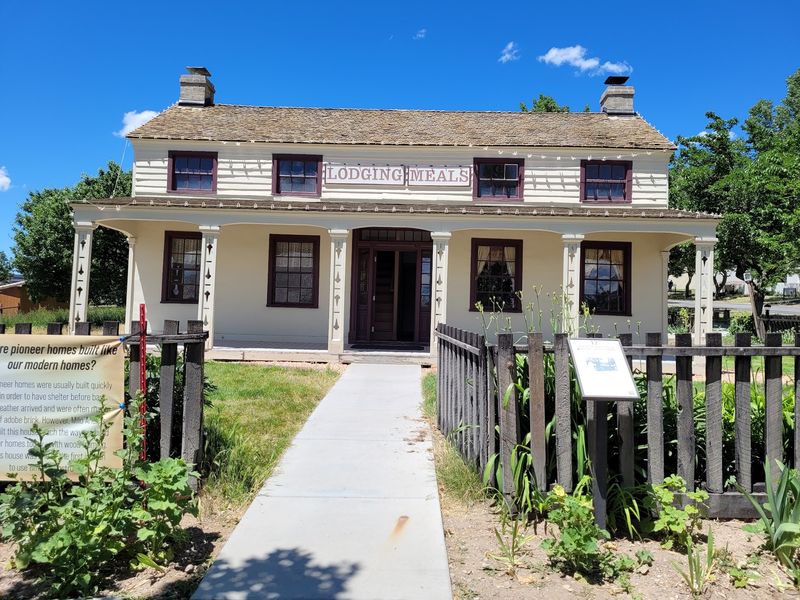
Some museums ask you to whisper and behave like your shoes are too loud. This Is The Place Heritage Park takes a more active approach by presenting history through buildings, interpreters, demonstrations, and village spaces that visitors can move through.
The living history format helps ordinary details make sense. A blacksmith shop, schoolhouse, home, or store can show more about daily life than a long paragraph alone.
Seeing related buildings together gives the past a practical shape.
This makes the park useful for adults as well as children. You can ask questions, watch demonstrations when available, and build your own pace instead of being carried through a fixed hallway of exhibits.
Heritage Village Makes The Past Easier To Picture
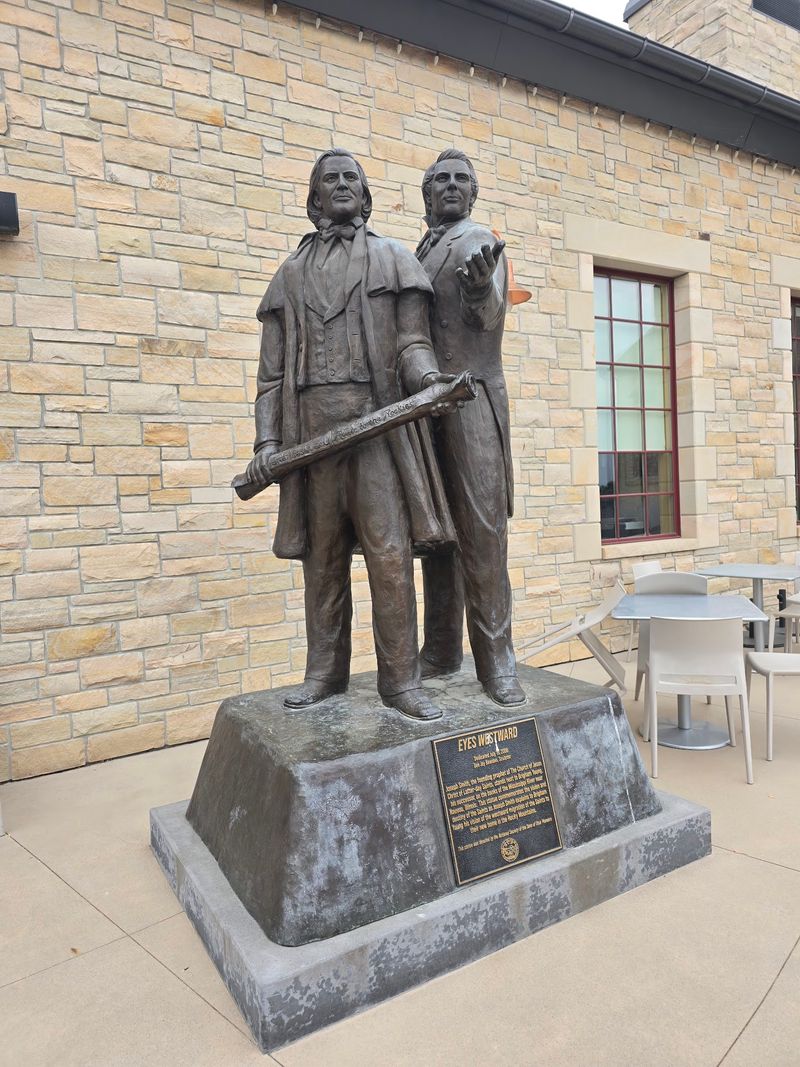
Heritage Village is the part of This Is The Place Heritage Park where the past starts looking less abstract. Buildings are arranged so visitors can imagine errands, chores, lessons, trades, and home life happening within walking distance.
That arrangement is helpful because history often arrives in scattered pieces. One date here, one name there, one heroic statue looking like it never had to do laundry.
A village puts human scale back into the story.
Visitors can use the village as a slow loop, giving extra time to buildings that catch their attention. It is a forgiving format for mixed groups, especially when one person reads every sign and another person has already located the next doorway.
Train Rides Help Visitors See The Scale
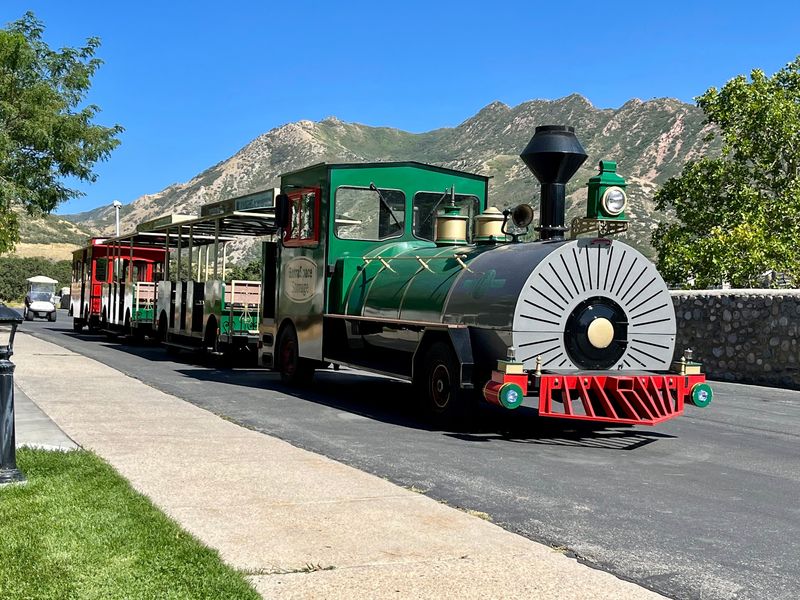
A train ride can be the difference between seeing a park and understanding its size. This Is The Place Heritage Park offers train rides as part of its visitor experience, helping guests get oriented across the broad grounds.
That is especially useful at a 450 acre property. Walking every corner with no plan can turn curiosity into a committee meeting.
A ride gives visitors a helpful overview before they decide where to spend more time.
Families may appreciate the break between buildings, while adults can use the ride to spot areas worth exploring on foot. It is practical, not fancy, and that is exactly the point.
History is easier when your legs remain on speaking terms.
The Blacksmith Shop Adds Sparks Of Context
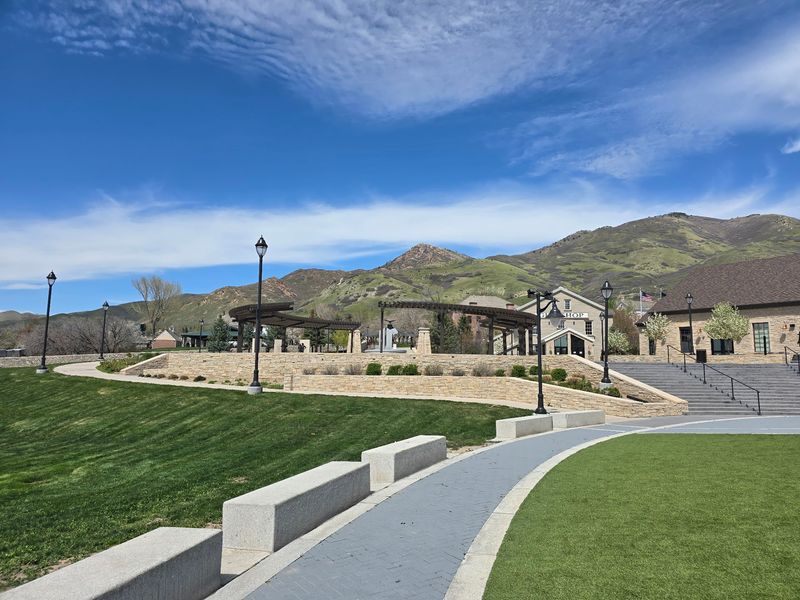
A blacksmith shop can make a modern person feel suddenly unqualified to complain about assembling furniture. At This Is The Place Heritage Park, the blacksmith setting helps explain how essential skilled trades were to pioneer communities.
Tools, repairs, hardware, and everyday metalwork mattered in places where ordering a replacement part was not an option. Demonstrations, when offered, connect that reality to the objects and buildings visitors see around the village.
The stop is useful because it turns labor into something visible. Children can understand that items came from hands and heat, not just shelves.
Adults may leave with renewed respect for anyone who could fix a wagon without watching three online videos first.
Pioneer Homes Show Ordinary Life Up Close
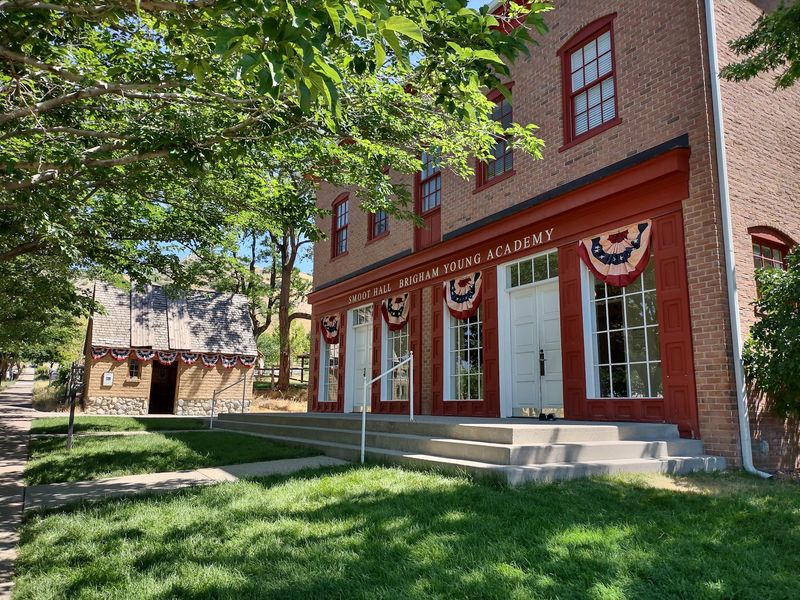
The most memorable history is often hiding in ordinary rooms. Pioneer homes at This Is The Place Heritage Park help visitors think about cooking, sleeping, storage, heating, and family routines in a way that big monuments cannot fully explain.
Domestic spaces make the past feel practical. A small room can say a lot about privacy, work, comfort, and what people had to make do with.
It also quietly challenges the modern belief that every household needs seventeen specialty gadgets.
These homes are good stops for visitors who prefer human details over grand timelines. They show that settlement history was not only about arrival and achievement.
It was also about meals, chores, repairs, and keeping daily life moving.
Schoolhouse Stops Make Learning Tangible
A historic schoolhouse has a way of making modern complaints about homework sound less persuasive. At This Is The Place Heritage Park, school related spaces help visitors picture education in an earlier Utah settlement setting.
Simple desks, classroom arrangements, and period interpretation can show how different learning once looked. The stop gives children a comparison point, while adults may remember that every generation has believed school was harder in its own day.
The schoolhouse also works well because it is familiar. Nearly everyone understands classrooms, so the differences stand out quickly.
That makes the building an easy conversation starter for families, especially when young visitors realize that old school did not involve tablets, chargers, or forgotten passwords.
A General Store Gives The Village A Social Center
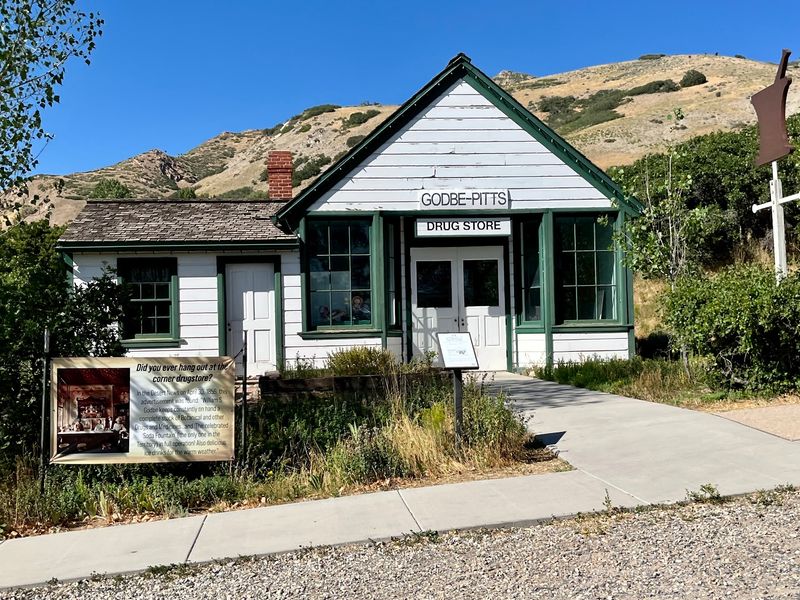
Every village needs a place where errands become news, and a general store fills that role neatly. In the Heritage Village at This Is The Place Heritage Park, store settings help visitors understand trade and daily supply in pioneer communities.
A general store was more than a shopping stop. It connected households to tools, fabric, food staples, small goods, and information.
That everyday importance is easy to miss until you see how many needs one building had to serve.
For visitors, the store adds social context to the surrounding homes and work spaces. It shows that early communities relied on practical networks, not just individual toughness.
Even rugged self reliance apparently needed shelves, counters, and someone keeping track.
Native American History Has A Place In The Story
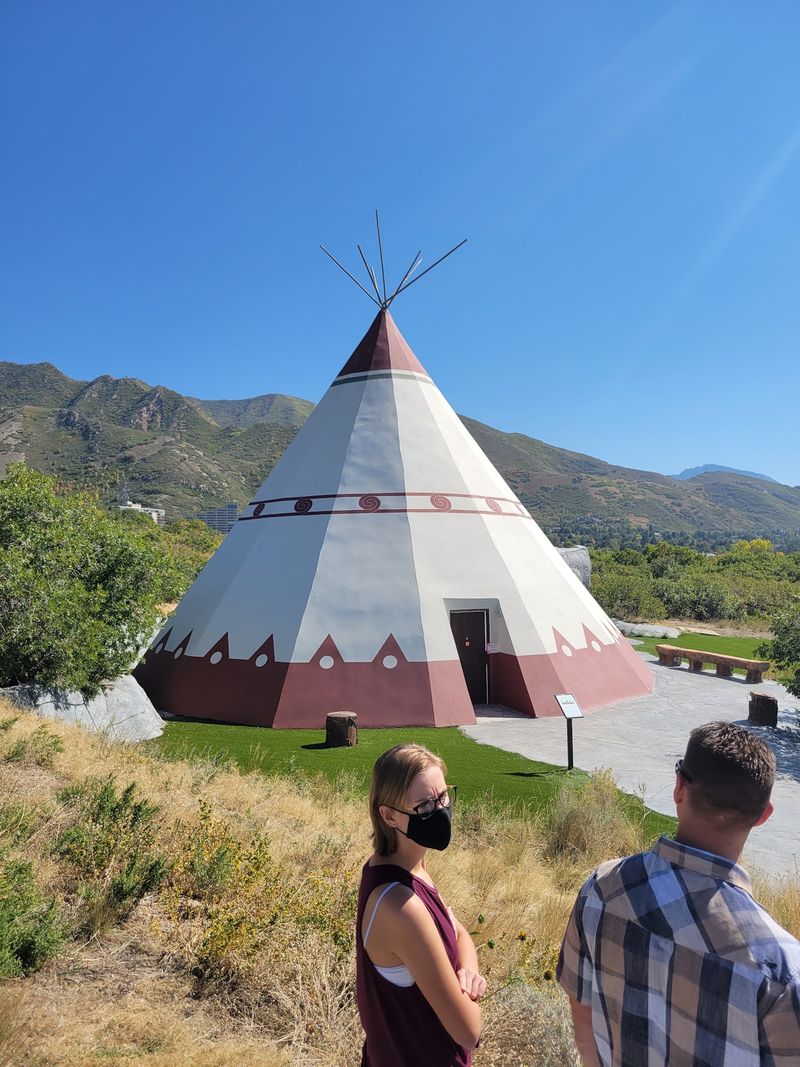
The story of Utah did not begin with pioneer wagons, and This Is The Place Heritage Park acknowledges a broader timeline through areas connected to Native American history. That context is important for a more complete visit.
Including Native American perspectives helps visitors remember that the Salt Lake Valley already had deep human history before nineteenth century settlement. A park about heritage should not flatten the past into one arrival story, and this broader framing gives the grounds more depth.
Visitors should approach this part of the park with attention and patience. It is a chance to widen the conversation, especially for families discussing how many groups shaped Utah long before it became a modern travel destination.