Corn has better timing than most people I know.
Here, fresh rounds are planted every ten days through the growing season, so summer keeps sending new ears to the stand instead of dropping everything at once.
That can turn dinner into a small negotiation.
How much corn is reasonable? Enough for tonight sounds sensible. Enough for tomorrow starts sounding even better.
By midsummer, this Virginia farm stand follows the fields more than the calendar. What shows up depends on what is ready.
I would let the produce make the first move.
There is no need to overthink what belongs in the bag when the season is already doing the editing for you.
The corn, meanwhile, has clearly mastered one useful trick.
It knows exactly when to show up hungry.
A New Corn Crop Goes Into The Ground Every Ten Days
Sweet corn does not arrive here as one giant harvest and then disappear. The family farming operation reaches back about a century, giving this summer routine a much longer agricultural backdrop.
Steve Gallmeyer plants a new crop every ten days through summer, creating staggered plantings that mature at different points in the season.
The idea is straightforward: keep fresh corn coming for longer rather than asking one field to carry the entire summer.
For shoppers, that rhythm makes repeat visits more useful. One weekend may catch an early planting at its best. Another trip can line up with the next round.
Weather still matters, of course, so farming never becomes as predictable as a supermarket shelf.
The easiest way to shop is to decide how quickly the corn will disappear at home. A small household may only need enough for one dinner. A gathering changes the arithmetic fast.
If several ears are headed for the grill or pot, buy with the guest count in mind before enthusiasm turns the kitchen into a corn-storage problem.
There is no need to complicate the cooking. Fresh sweet corn already has a clear job. Boil it, grill it, cut the kernels into a salad, or keep dinner simple enough that the corn gets most of the attention.
The Veggie Stand Keeps Daily Summer Hours
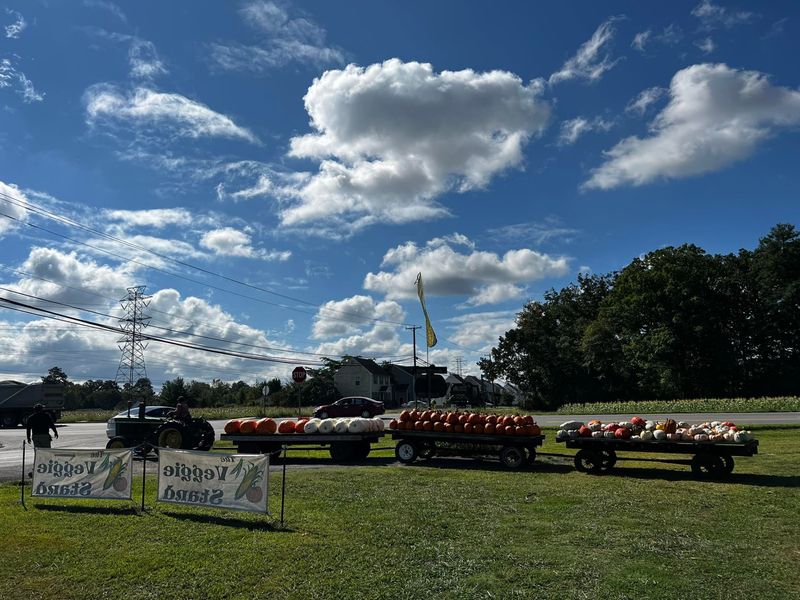
The Veggie Stand is an old-fashioned open-air farm market, and its current season runs seven days a week from 9 a.m. to 7 p.m. That gives a produce run plenty of flexibility. Morning works well for anyone who wants shopping finished before the day gets busy.
Late afternoon can turn the stop into a direct answer to the question, “What are we eating tonight?”
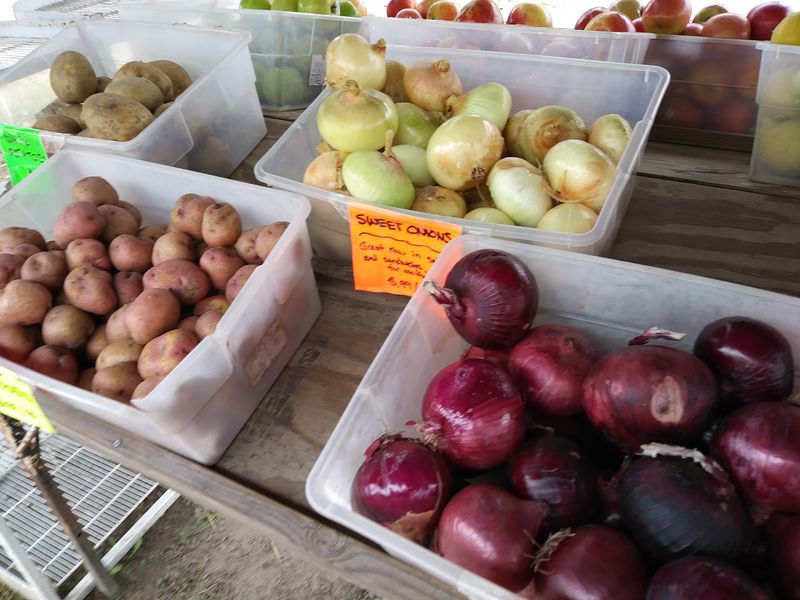
The selection changes with what is fresh and available, so treating the stand like a fixed grocery list misses part of the point. Tomatoes may steer dinner one way. Squash can take it somewhere else.
Corn can settle the main question before you even reach the rest of the tables.
The stand is at 4506 Millers Lane, Richmond, VA 23231. It shares the property with the farm’s seasonal pumpkin operation, so the address stays useful after summer produce begins giving way to fall.
For the easiest visit, bring a flexible shopping list rather than a rigid one. Know what you need, but leave one line blank. Farm stands are good at filling that line for you.
The Corn Flag Signals When The First Harvest Arrives
There is a wonderfully low-tech way to know when sweet corn season has started. When the first corn harvest comes in, a corn flag goes up at the corner of Millers Lane and Gay Avenue.
That little signal is more useful than it sounds. Corn maturity depends on planting dates and weather, so a calendar can only get you close. The flag marks the moment the crop itself has made the decision.
If you are nearby early in the season, keep an eye out. Once the flag appears, the first harvest is underway. After that, the ten-day planting rhythm helps keep new crops moving toward maturity through summer.
The flag also takes some pressure off trying to guess the perfect week from home. There is no need to turn corn shopping into agricultural forecasting. Let the field and the flag do that work.
Once the season is moving, the bigger question becomes quantity. Are you buying for tonight, for a weekend cookout, or for several meals? Decide before the ears start piling up.
Sweet corn has a funny way of making six look sensible right up until twelve suddenly does too.
The Produce Tables Change With The Fields
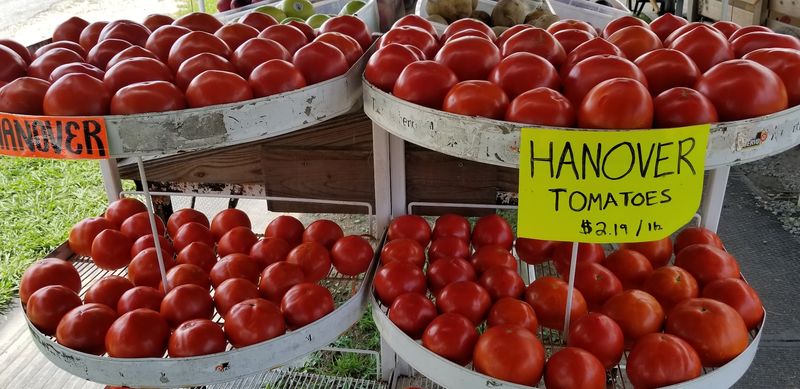
Corn may get the attention, but it is not the only reason to stop. The Veggie Stand carries Gallmeyer Farms’ homegrown produce along with seasonal specialties from other local farms and farm families. The selection varies daily according to what is fresh and available.
That makes a little flexibility useful in the kitchen. Instead of arriving determined to find one exact vegetable, start with the meal. Need something to grill?
Something for a salad? Something that can handle a few days in the refrigerator? Those questions work even when the day’s produce mix changes.
It also means two visits can produce different shopping bags. A farm stand follows harvest timing, not permanent shelf space. When one crop slows down, another may be ready to take over.
For cooks who like planning every dinner several days ahead, that unpredictability can feel like a challenge. Turn it around. Pick one or two vegetables first, then decide what dinner becomes.
Tomatoes can point toward sandwiches or salads. Squash can head for the skillet. Corn can become the side dish that quietly takes over the plate.
The field has already done the seasonal planning. You only need to handle supper.
Local Farms And Honey Add More To The Tables
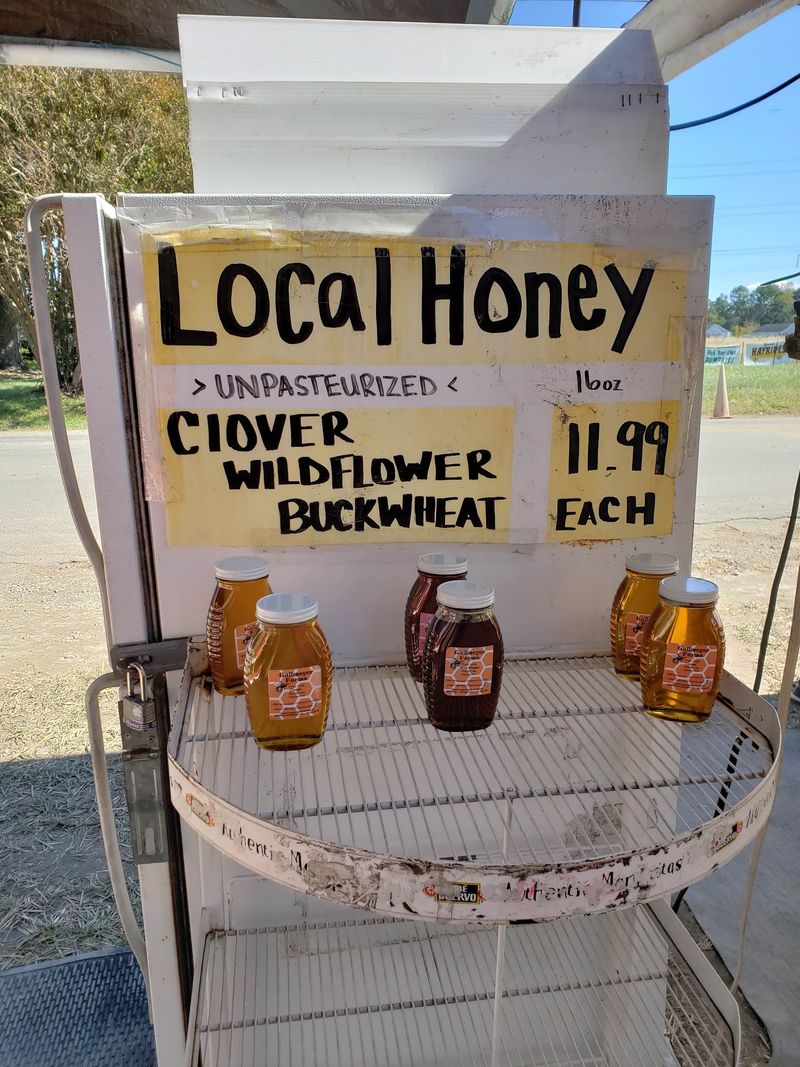
The stand reaches beyond what Gallmeyer Farms grows itself. Seasonal specialties from other local farms and farm families join the produce selection, widening the mix without pretending every crop comes from the same field.
That matters most when several ingredients are peaking at different places around Richmond at the same time. One grower may have the vegetable you came for while another has something that turns into the impulse buy of the day.
Gallmeyer Farms also sells its own local, unpasteurized honey at The Veggie Stand. That gives the shopping bag a shelf-stable option beside the vegetables, especially when you want something that will still be useful after the tomatoes and corn are gone.
Honey does not require a complicated plan either. It can go on toast, into oatmeal, over biscuits, or into recipes that need a little sweetness. If the produce haul already feels ambitious, one jar is enough to make the pantry part of the trip too.
The smart move is still restraint. Fresh vegetables first, honey second, then take one last look before deciding the basket needs anything else.
Free Picnic And Play Areas Slow The Stop Down
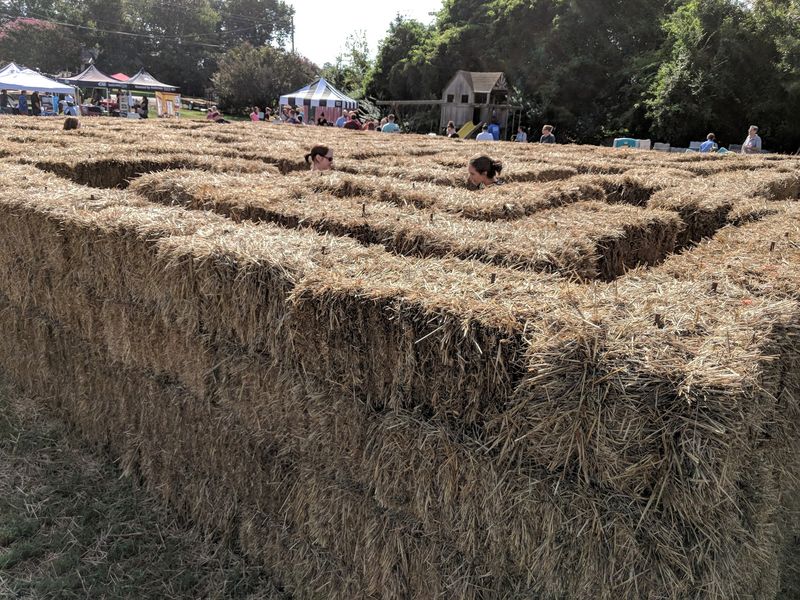
Not every farm-market visit needs to be a dash from car to produce table and back again. Gallmeyer Farms provides free admission and free parking at The Veggie Stand, along with a free shaded picnic area and a children’s play area with toys and equipment.
That gives families an easy way to make the stop less transactional. Bring your own picnic, let the kids use the play area, then shop when nobody is negotiating on an empty stomach.
The shaded picnic space is useful for adults too. A summer produce run can fit between other errands, but it can also become the quieter part of the day when there is no reason to hurry.
Eat first, shop second, or reverse the order if you would rather get the vegetables out of the sun quickly.
One practical rule matters: pets are not allowed at the farm, and visitors are asked to leave them at home rather than in the car. That is worth building into the plan before setting out.
Otherwise, the visit can stay simple. Comfortable clothes, enough time to browse, and a rough idea of what the refrigerator can actually hold will cover most situations.
Fall Turns The Same Property Toward Pumpkins
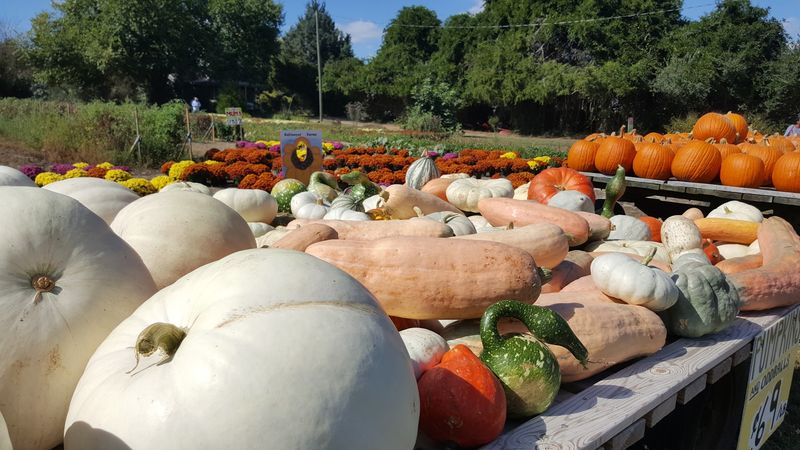
Summer vegetables are only one part of the calendar on Millers Lane. As the warm-weather growing season winds down, the property shifts toward Gallmeyer Farms’ Pumpkin Patch, where pumpkins grow in the fields for pick-your-own visits.
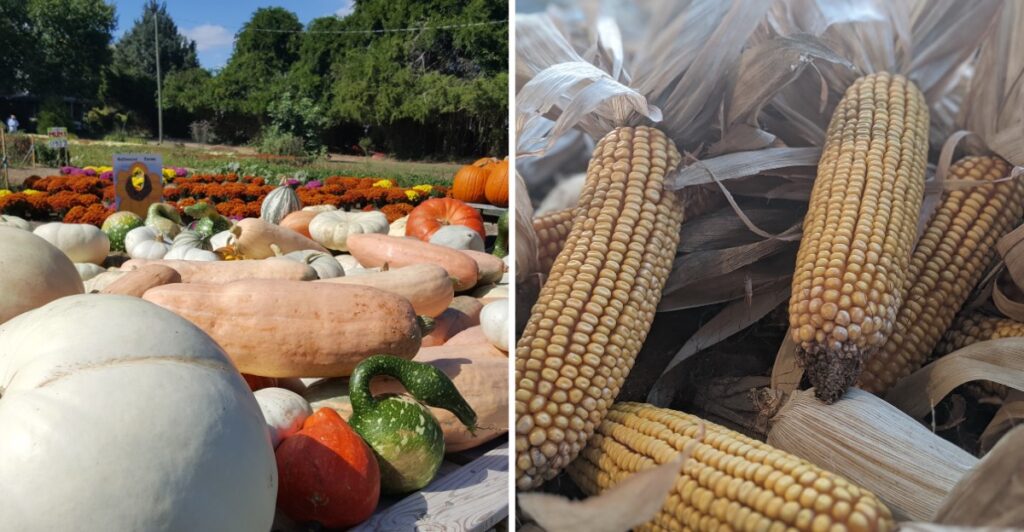
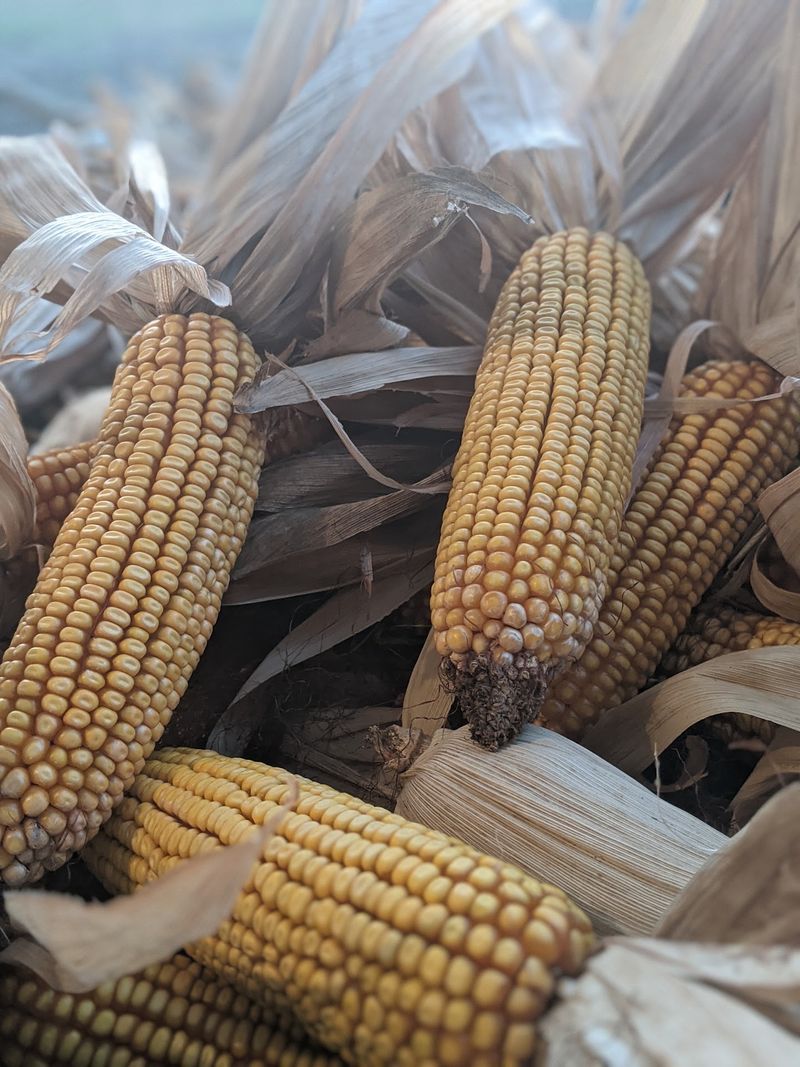
Past Pumpkin Patch seasons have included jack-o’-lantern pumpkins along with pie pumpkins, winter squash, gourds, Indian corn, straw bales, and corn shocks.
Free activities have included hayrides, spooky house tours, a straw bale maze, and a romping pile, giving the property a different rhythm once pumpkin season arrives.
That makes the transition easy to understand. Summer is the time to think about sweet corn, vegetables, honey, and picnic-table dinners. Fall changes the shopping list toward pumpkins and seasonal decorating.
If your main goal is corn, keep the focus on summer and watch for the corn flag. If pumpkins are the bigger draw, let the season move forward before planning the return trip.
Either way, the same farm gives you two very different reasons to stop. The calendar does most of the organizing. You just have to decide whether tonight needs corn on the table or whether it is time to start thinking about pumpkins on the porch.