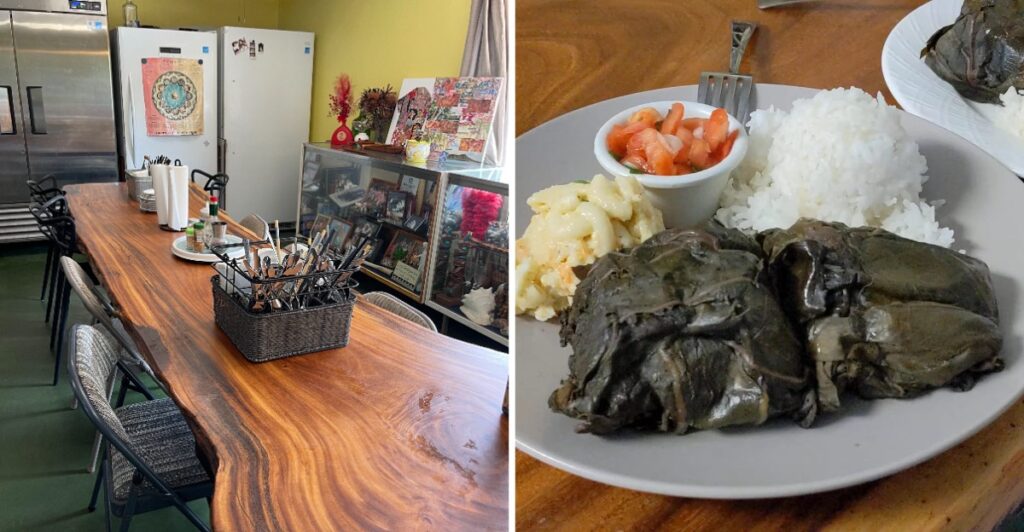
If your lunch is wrapped in ti leaves, you are already having a more interesting day.
At this South Kona counter, laulau gets straight to the point. Pork and chicken come wrapped and steamed, while kalua pig gives you another traditional option if you want to compare.
Honestly, first-timers have a pretty good excuse to order more than one.
The family behind this Hawaii spot has spent years sticking close to the dishes that built its reputation, so you are not flipping through pages of distractions while hunger gets impatient.
Pick your plate size and get on with the important part.
I like a menu that knows exactly why you came.
And if this is your first laulau, lunch becomes less about picking one perfect dish and more about figuring out which bite makes you understand the hype.
Three Main Entrées Keep The Plate-Lunch Menu Focused
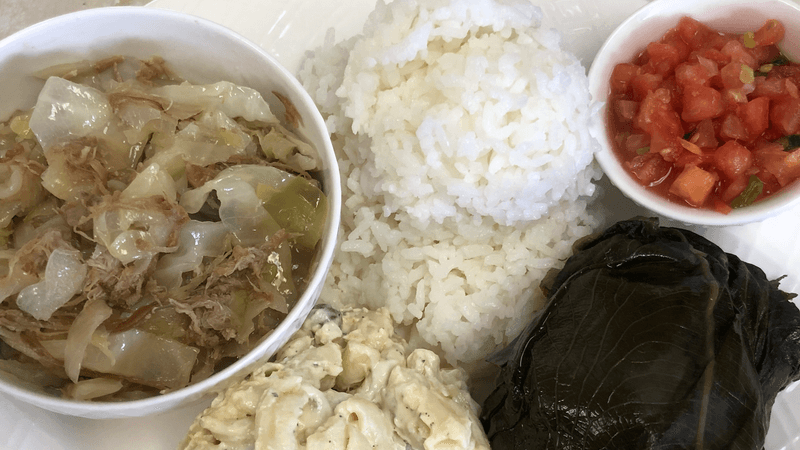
The heart of the menu is remarkably compact: pork laulau, chicken laulau, and kalua pig with cabbage.
You can order a one-choice, two-choice, or three-choice plate, which makes the menu flexible without making it complicated. A one-choice plate works when you already know what you want. Two choices let you compare.
Three choices cover the full core lineup in one sitting.
That structure is especially handy for a first visit. Instead of guessing whether you would rather have pork laulau or kalua pig, you can put both on the same plate and settle the question with a fork.
The limited entrée list also means the sides matter. Rice, potato-macaroni salad, and lomi salmon are part of the plate-lunch format.
There is no need to build the meal like a tasting menu. Start with the main dish you are most curious about, then use the extra choice slots only if your appetite agrees.
If three entrées sound ambitious, share the comparison with someone at the table. Hawaiian plate lunch is supposed to solve hunger, not create a personal endurance event.
Pork And Chicken Laulau Offer Two Versions Of The Same Tradition
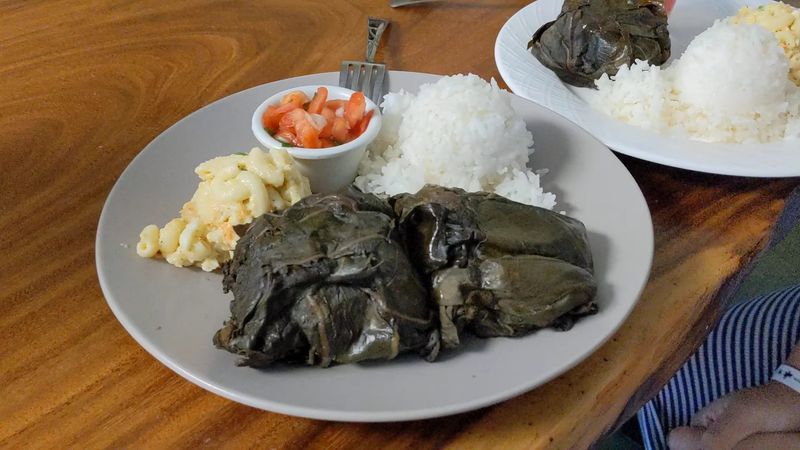
Laulau gives you two clear paths at Super J’s: pork or chicken.
The dish is built around meat wrapped in taro leaves and cooked until the leaves soften around the filling. Pork is the more familiar version for many diners, while chicken gives you a second way to try the preparation without changing the basic format.
Ordering both can be useful if you are new to laulau. The wrapping and cooking method stay in the same family, but the meat changes the character of the plate enough to make the comparison worthwhile.
Laulau is also available à la carte, including hot, cold, and frozen options depending on the order. Mini versions are available as well, which gives you another route when a full plate is more food than you need.
That flexibility matters if you are staying somewhere with a kitchen or refrigerator. Lunch can happen at the counter, while another portion waits for later.
Keep the sides in the equation when ordering. Laulau is only one part of the plate, and rice, potato-macaroni salad, and lomi salmon can quickly turn a modest-looking order into a complete meal.
The smartest first move is simple: try one laulau before deciding how many frozen ones belong in tomorrow’s plans.
Kalua Pig And Cabbage Can Be Ordered By The Plate Or Pound
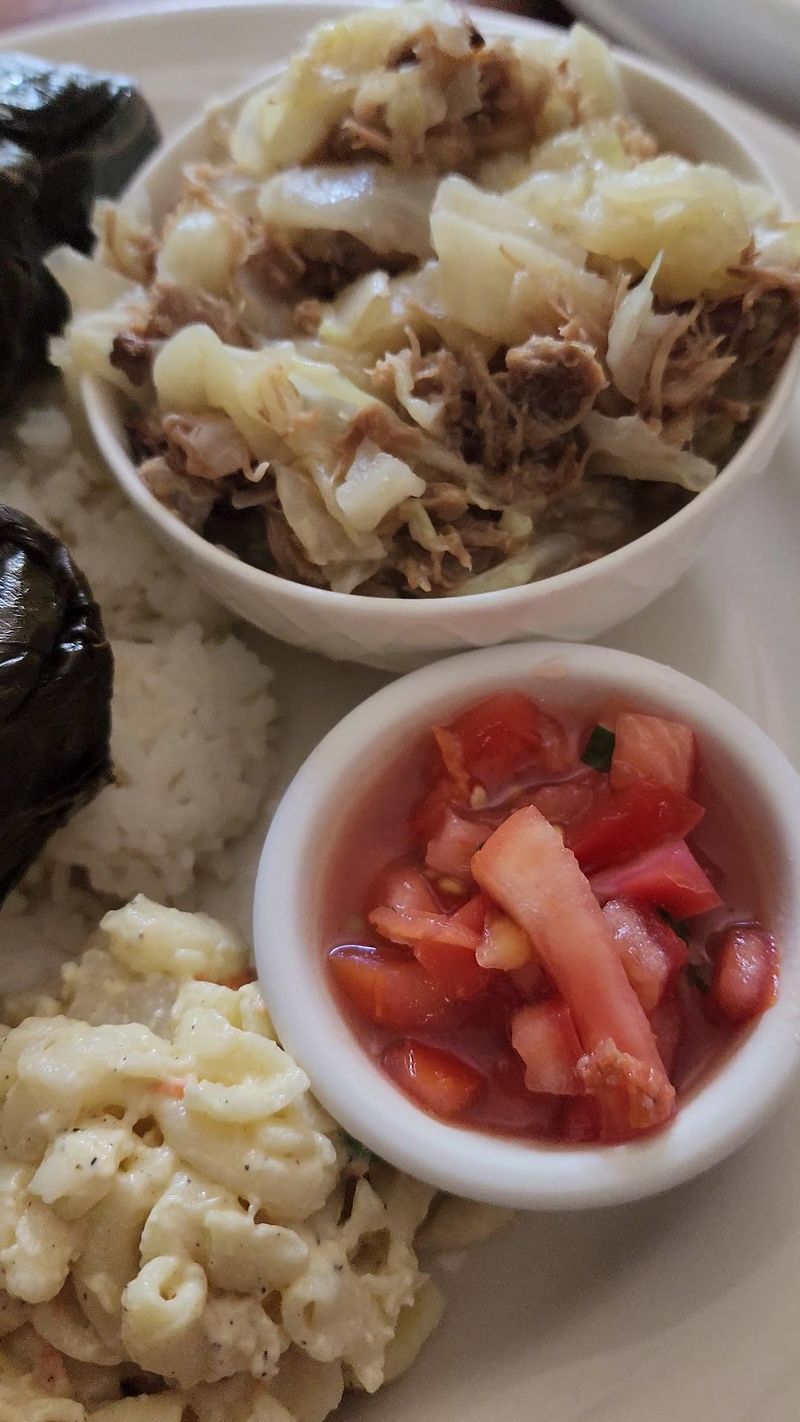
Kalua pig with cabbage is the third core entrée, and it is also one of the easiest items to scale beyond a single plate.
Kalua pig is available by the pound, with cabbage or without it. That option makes the dish useful for more than a sit-down lunch.
A plate handles one meal. A pound order can cover a group, a rental-house dinner, or leftovers without requiring everyone to order separately.
If you are planning food for later, decide first whether cabbage belongs in the package. It changes how you may want to reheat and serve the pork, so choosing before you leave is easier than improvising afterward.
The by-the-pound setup also pairs naturally with the side options sold separately. Lomi salmon and potato-macaroni salad can be ordered by the pound, while rice is available by the scoop.
This is where restraint becomes useful. Ordering meat by the pound can make lunch feel like grocery shopping with better smells.
Think about the number of people actually eating, not the number who might magically appear once the containers are opened. Then add rice and sides accordingly.
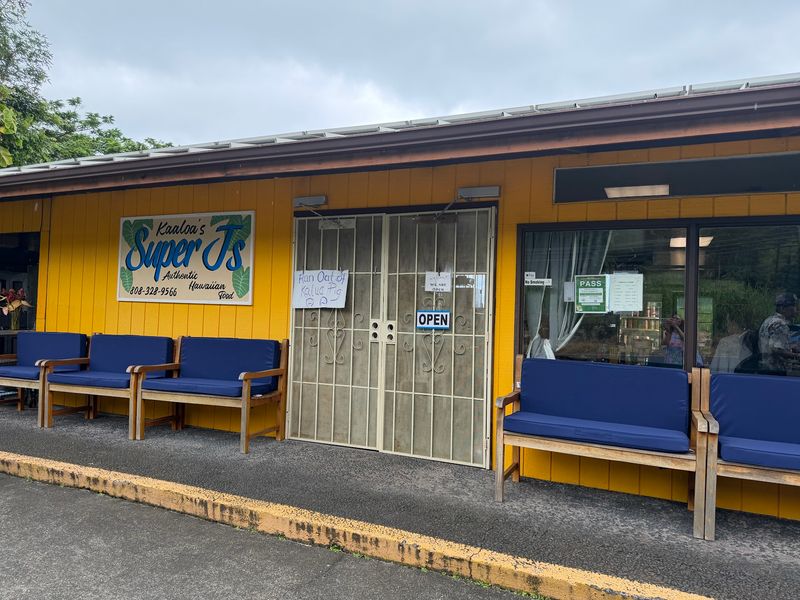
The Captain Cook Counter Sits Along Mamalahoa Highway
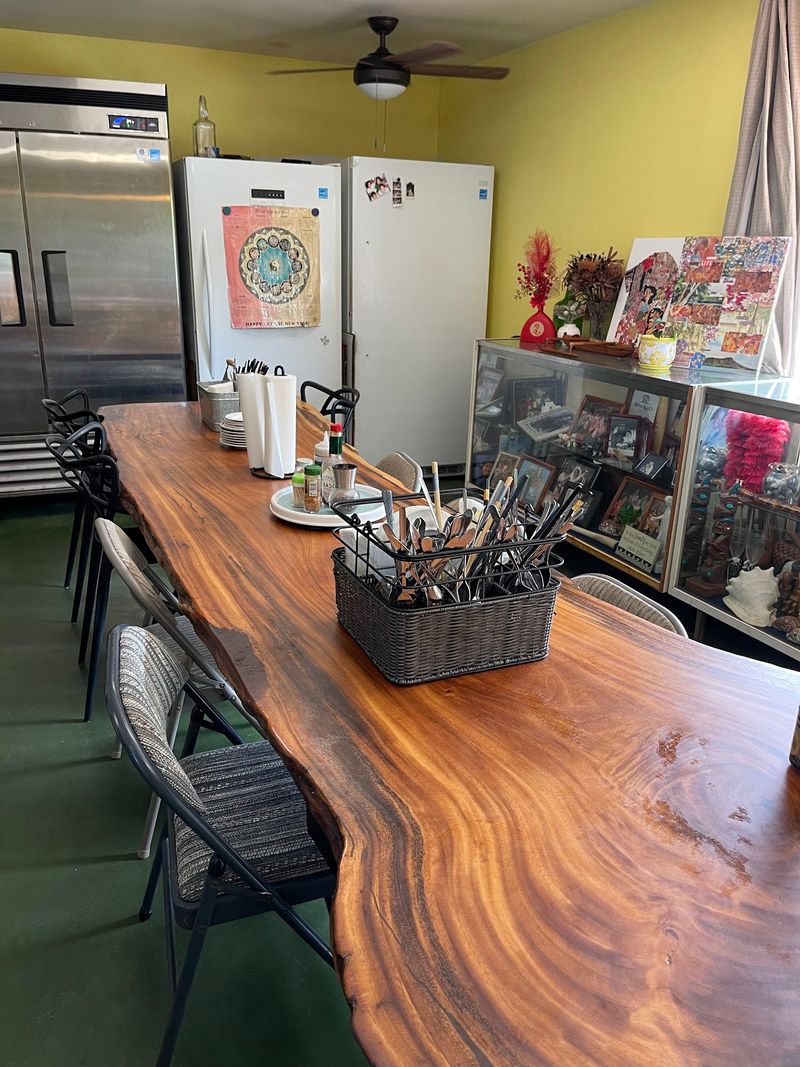
The roadside location keeps the visit straightforward. This is a counter-service meal built around a focused Hawaiian menu, so you can stop for lunch without turning the day into a formal dining plan.
If you are driving through South Kona, leave enough room in the schedule to order, eat, and decide whether anything should come along for later. Frozen laulau or a by-the-pound order changes the logistics slightly, especially if the car will stay warm for the rest of the afternoon.
A cooler can be more useful than another souvenir bag.
The simple rule is to treat the stop like food, not sightseeing. Know what you can keep cold afterward, decide whether you are eating there or carrying part of the meal away, and let the plate decide how long lunch lasts.
If the day includes several South Kona stops, this is also a good place to simplify the food plan. Three main entrées mean you can make the lunch decision quickly and get back on the road without studying a menu that reads like a small novel.
Kaaloa’s Super J’s is at 83-5409 Mamalahoa Hwy, Captain Cook, HI 96704.
Rice, Potato-Macaroni Salad And Lomi Salmon Complete The Plate
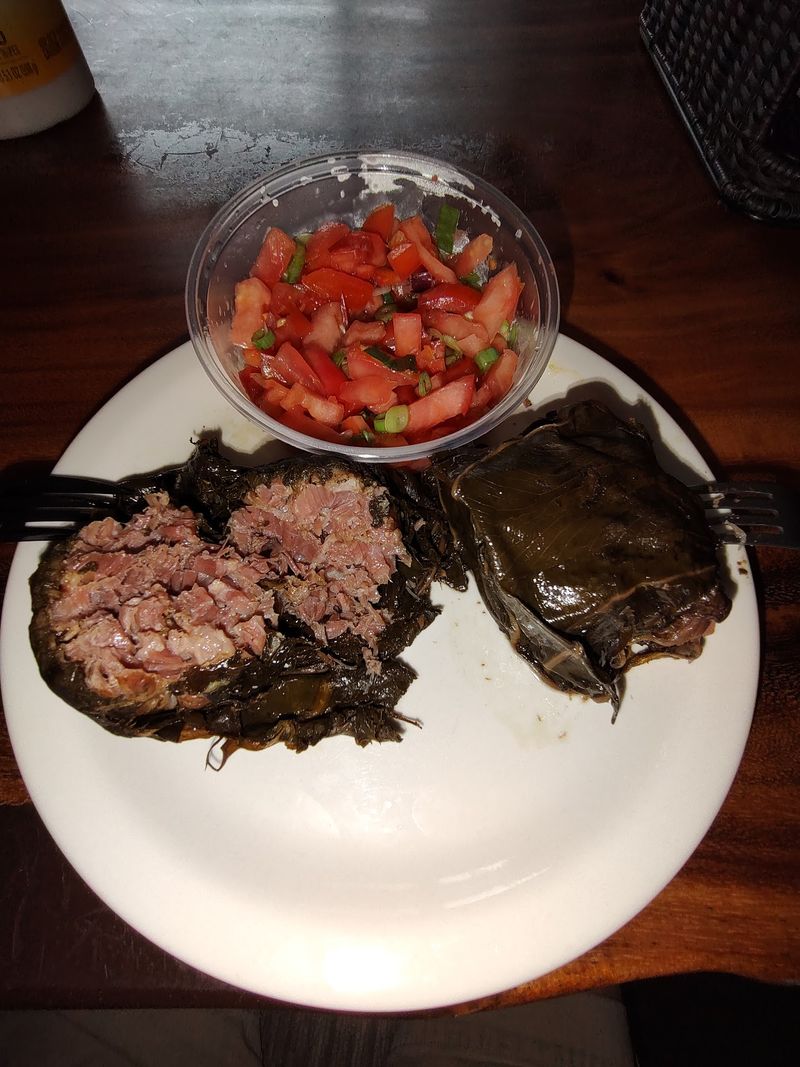
The side dishes are not random extras attached to the main course. They are part of the plate-lunch structure at Super J’s.
White rice gives the meal its neutral base. Potato-macaroni salad adds a chilled, creamy side, while lomi salmon adds another traditional Hawaiian side to the plate.
Those three elements make a one-entrée plate feel broader than the short entrée list might suggest. Add a second or third main choice, and the plate quickly becomes a tour of several textures and preparations at once.
Lomi salmon and potato-macaroni salad can also be bought by the pound, while rice is available separately. That makes it easier to build a larger take-home meal without relying only on meat.
If you are unfamiliar with one of the sides, do not overcomplicate the first taste. Try it alongside the entrée before reaching for extra sauces or mixing everything together. You can always combine flavors on the next forkful.
And if the plate starts looking crowded, that is a cue to slow down rather than stack it higher. The menu may be short, but the meal itself does not need help becoming substantial.
À La Carte Orders Make Take-Home Meals Easier
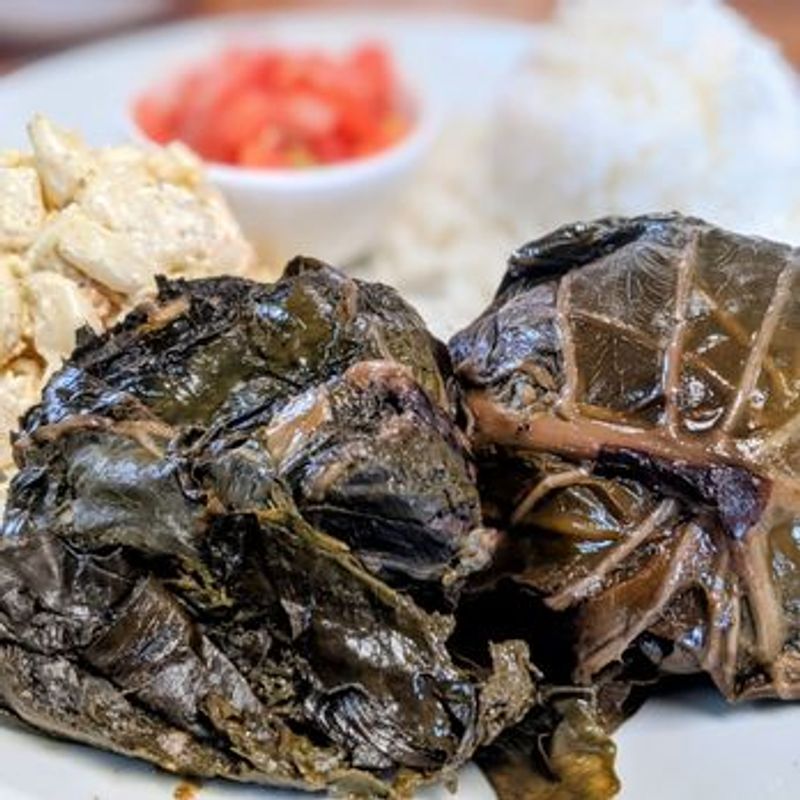
Super J’s is useful even when you do not want a full plate lunch.
Pork and chicken laulau can be ordered individually, and mini laulau portions provide a smaller option. Kalua pig, lomi salmon, and potato-macaroni salad can be purchased by the pound, while rice is sold by the scoop.
The laulau options can include hot, cold, or frozen preparations. That makes it possible to eat one portion now and organize another for later without ordering the exact same format twice.
For travelers, frozen food requires a little forethought. Know where it will be stored, how long it will stay out of refrigeration, and whether the next stop involves a hotel freezer, vacation-rental refrigerator, or a long drive.
For a family meal, think in components. Start with the main protein, then add the amount of rice and sides the group will actually use. It is easier to add one more scoop than to discover later that lunch has somehow become catering for twelve.
This approach also works if everyone wants something slightly different. One person can take laulau, another can focus on kalua pig, and the sides can sit in the middle.
A short menu becomes surprisingly flexible once the plate is no longer the only way to order it.
Five Open Days Keep This Strictly In Lunch Territory
Super J’s operates from 10 a.m. to 3 p.m. Monday and Wednesday through Saturday. Tuesday and Sunday are closed.
That five-hour service window makes this a lunch stop, not a place to leave until the end of the day. If the meal matters to your plans, give it a defined spot between the morning and afternoon rather than assuming you can circle back later.
The schedule also makes Monday and Saturday useful options for travelers whose sightseeing week does not line up neatly with traditional weekdays.
If you are picking up frozen laulau or food by the pound, earlier planning helps for another reason. You still need somewhere suitable to keep it afterward. Eating a plate at lunch is easy.
Carrying several pounds of food through a hot afternoon requires a bit more thought.
That does not make the visit complicated. It simply changes what belongs in the car.
Bring a cooler when take-home food is part of the plan, choose one, two, or three entrées according to the appetite at the table, and let the side dishes fill in the rest.
A compact menu can make lunch wonderfully efficient. The only real debate is whether pork laulau, chicken laulau, or kalua pig gets the first forkful.