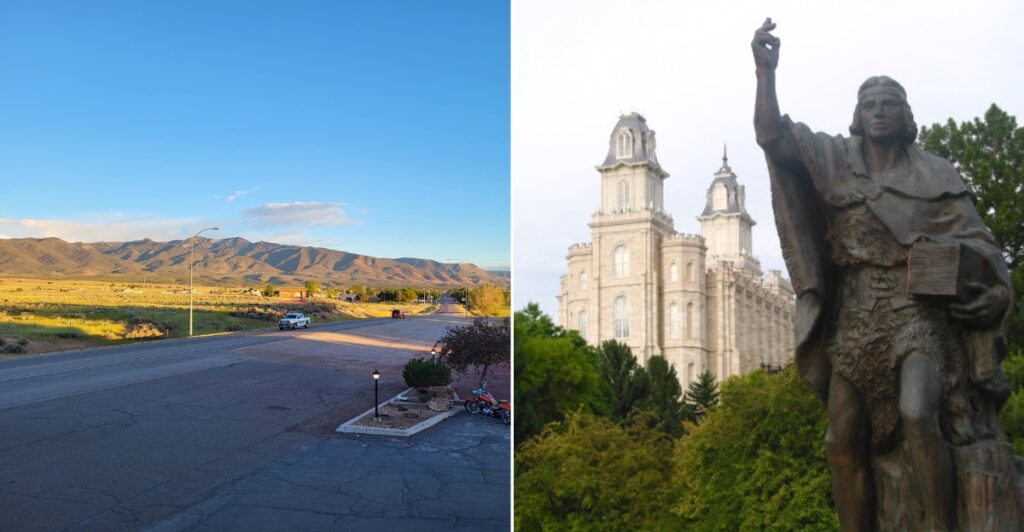
Retirement math changes fast when housing stops swallowing the biggest piece of the monthly budget. That is why old farming towns can look more interesting than places built around golf carts and gated entrances.
In rural corners of Utah, lower home costs have put overlooked communities back into the conversation for retirees. The catch is that cheap and convenient are not always neighbors.
One town may have groceries and clinics close by, while another asks you to drive farther for the basics. History adds another layer, especially in communities where agriculture still shapes the streets, landscape, and pace of life.
For anyone comparing quieter options in Utah, the smartest question is not simply, “What does a house cost?” Ask how Tuesday morning works. Can you reach a doctor, buy groceries, meet people, and still enjoy the space you moved there to find?
That answer matters more than a bargain listing.
1. Delta, Utah
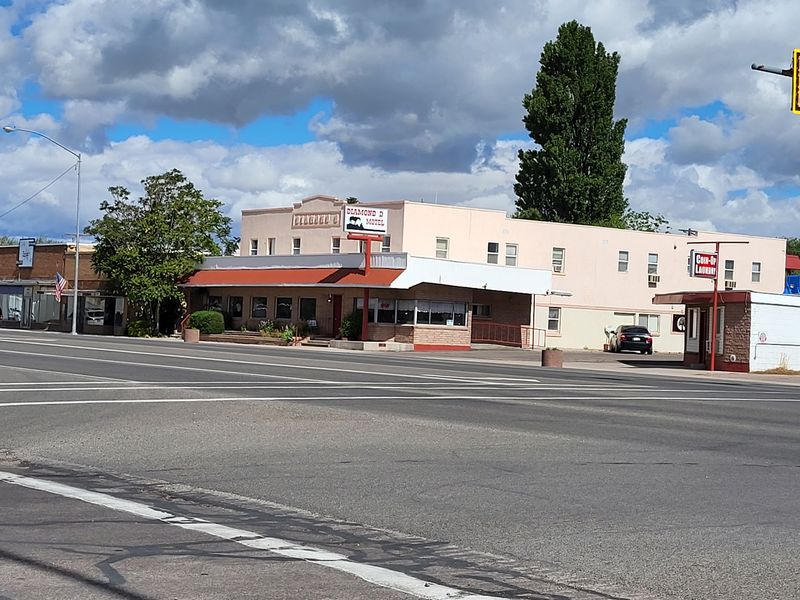
Delta has a neat origin story: early settlers took forty-acre plots and built a community around irrigated farming. Water, not a catchy town slogan, shaped its growth.
That history still gives Delta a useful identity for someone who prefers a working agricultural area to a place built mainly for visitors.
Housing is the other reason to look. The supplied local estimate puts a typical home around $351,000, below the Utah figure used for comparison.
Treat that as a starting point, not a price tag on every house. Listings can vary widely by size, condition, and the amount of land attached.
A lower purchase price also does not settle questions about insurance, repairs, or utility bills.
For retirement planning, make a list of trips you expect to take each month: groceries, appointments, family visits, and hobbies. Then check actual routes from homes you might buy.
Delta’s farming roots may appeal to people who want space and a slower daily schedule, but a map cannot tell you whether a particular address will suit your routine. Spend time comparing neighborhoods and available homes before deciding that the numbers work.
A town founded on careful use of water deserves an equally careful look at your own budget.
2. Salina, Utah

Before Salina had retirement appeal, settlers had a more urgent project: building irrigation works and raising grain. That practical beginning says plenty about the town.
Its agricultural past is not a decoration added later; it helped make the community possible in the first place.
Salina remains a small Sevier County community, and the supplied housing estimate of roughly $314,000 makes it a notable option beside higher statewide prices. Still, a typical value is an average-like guide, not a promise that a suitable house will be available at that price.
Check recent listings, property taxes, and the condition of any home you consider. An inexpensive house needing major work can become an expensive hobby remarkably quickly.
Think through the ordinary parts of retirement here, not just the pleasing idea of a smaller town. How far would you travel for the services you use most?
Could you manage those trips if driving became harder? Would the home itself be comfortable to maintain?
Salina deserves attention from buyers who like the idea of living near a community shaped by farming. The sensible next step is to compare real houses with real routines, rather than asking the town’s history to make the decision for you.
Grain helped build Salina; a workable weekly plan will matter more to a retiree.
3. Huntington, Utah
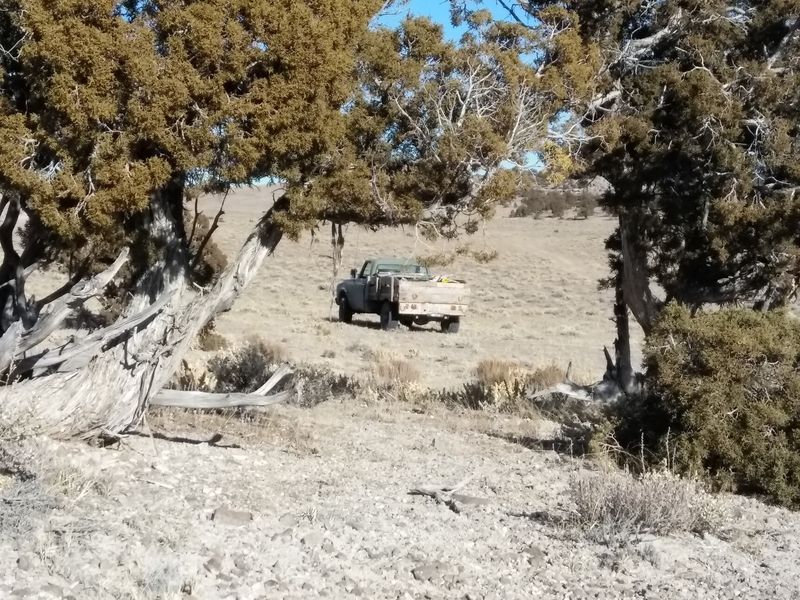
A farming town can have more than one kind of working history. Huntington, in Emery County, is tied to both irrigated agriculture and energy.
Ranching also remains part of the surrounding economy. That combination makes it a different prospect from a town whose identity rests mainly on old buildings or vacation traffic.
The supplied typical home value sits near $299,000, a figure that helps explain Huntington’s place on a retirement shortlist. It does not mean every available property is inexpensive or ready to occupy.
Look closely at heating and cooling systems, roof age, and the cost of any changes needed for easier movement around the house. Those details matter far more than a flattering listing photo.
Huntington may suit someone comfortable with a working rural community rather than a retirement development designed around a calendar of activities. Before making plans, identify the medical care, shops, and social connections you would actually use, then check the travel involved.
Ask yourself whether the area still works when errands are routine rather than an interesting new outing. Affordable housing can give a retirement budget breathing room, but only if daily needs remain manageable.
Huntington’s farming and energy story is distinctive; your own story there would depend on the practical details of the particular home and location.
4. Panguitch, Utah
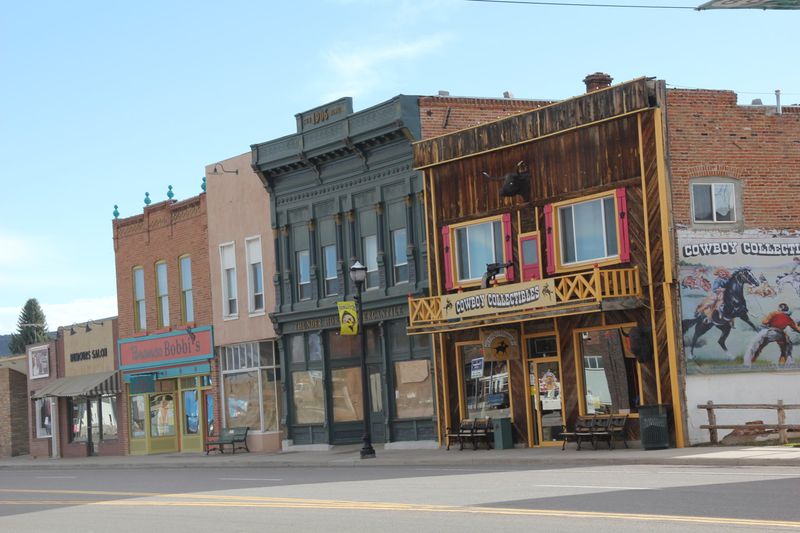
Panguitch might appear on a travel plan, but its story starts well before anyone thought about retirement budgets. Farming, cattle, and sheep helped form the community’s economic base.
Remembering that working past gives the town more depth than a quick glance at a house listing can provide.
Its supplied typical home value, around $241,000, is especially low compared with the Utah benchmark in the provided figures. That number is appealing, but it calls for careful questions.
What kind of homes make up the available listings? How much maintenance would an older property require?
Would a smaller home still have room for visiting family, hobbies, or a future change in mobility? The cheapest purchase is not always the least costly place to live.
Panguitch is in Garfield County, so examine travel times for medical visits and other regular needs before you grow attached to a particular address. A trip that feels easy on vacation can feel very different when it becomes a monthly obligation.
Talk with local service providers about what they can offer, and verify current availability rather than relying on old online posts. Panguitch’s agricultural roots and comparatively low housing figure make a strong case for a closer look.
Let the house, its upkeep, and your weekly schedule make the final case.
5. Richfield, Utah
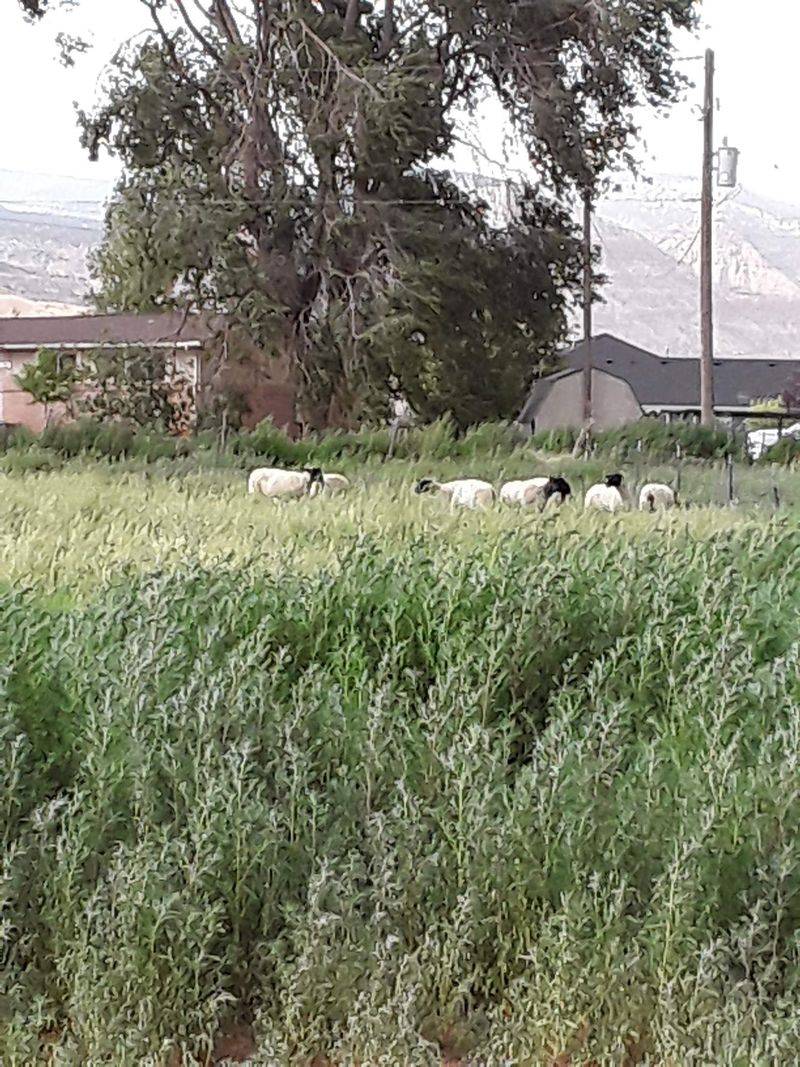
Small homes and big errands do not always mix. Richfield stands out because it serves as a regional center for shopping and medical services, giving retirees a practical reason to consider it beyond the asking price of a house.
For someone who expects regular appointments, that distinction may carry real weight.
The farming story is specific, too. Early settlers raised wheat on five-acre plots, and the railroad later helped expand the area’s agricultural economy.
Richfield grew into more than a farming settlement, but those fields remain part of the explanation for how it began. The supplied typical home value is about $337,000, below the comparison figure for Utah.
Do not assume a regional center will have every specialist or service you need. Make a personal checklist and confirm the current providers, appointment options, and travel required for care that is unavailable locally.
Then compare homes with the same care you would give a larger purchase anywhere else: layout, upkeep, taxes, and monthly costs all count. Richfield may offer a useful middle ground for a buyer who wants a town with agricultural roots but does not want every basic errand to become a major trip.
Its best selling point is not nostalgia. It is the chance to match a smaller-town budget with a more workable routine.
6. Fillmore, Utah
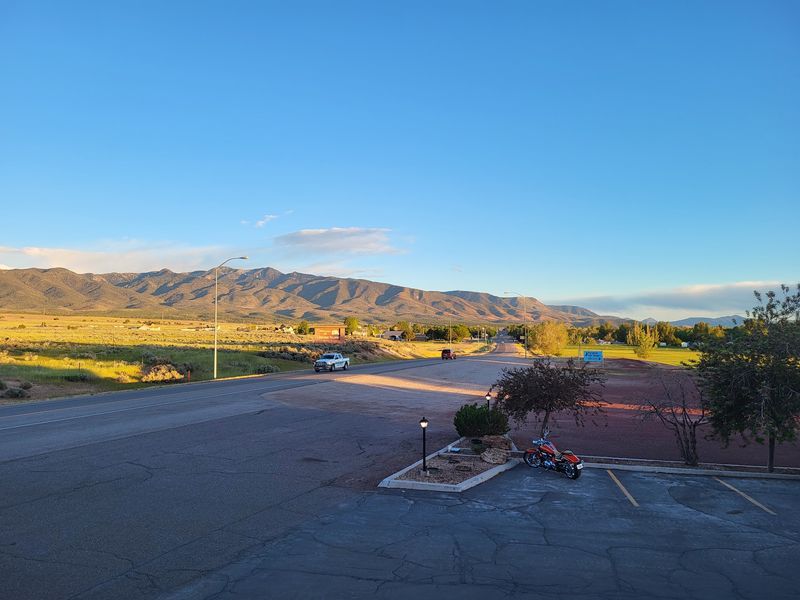
Fillmore asks buyers to look beyond the front door. The Millard County community sits in a landscape with irrigable farmland, a reminder that agriculture helped shape central Utah settlements.
For a retiree, that setting may be appealing, but the daily usefulness of a particular home matters more than the view from a real estate website.
The supplied typical home value is roughly $351,000, well below the statewide comparison used in the town list. Use it as a reason to investigate, not a reason to rush.
Ask what is included with a property and what it would cost to maintain. A large yard can sound like freedom until mowing and repairs become regular appointments you did not want.
Fillmore’s older settlement history makes it an interesting choice for people drawn to places with an established agricultural identity. It does not, by itself, answer questions about health care, transportation, or community life.
Test a possible move by mapping the trips you would take in an ordinary week and checking current services directly. If you plan to stay for many years, consider whether the house would still work if stairs or yard work became difficult.
Fillmore’s lower housing figure deserves attention. So does the difference between owning a place you can afford and maintaining one you can enjoy.
7. Beaver, Utah
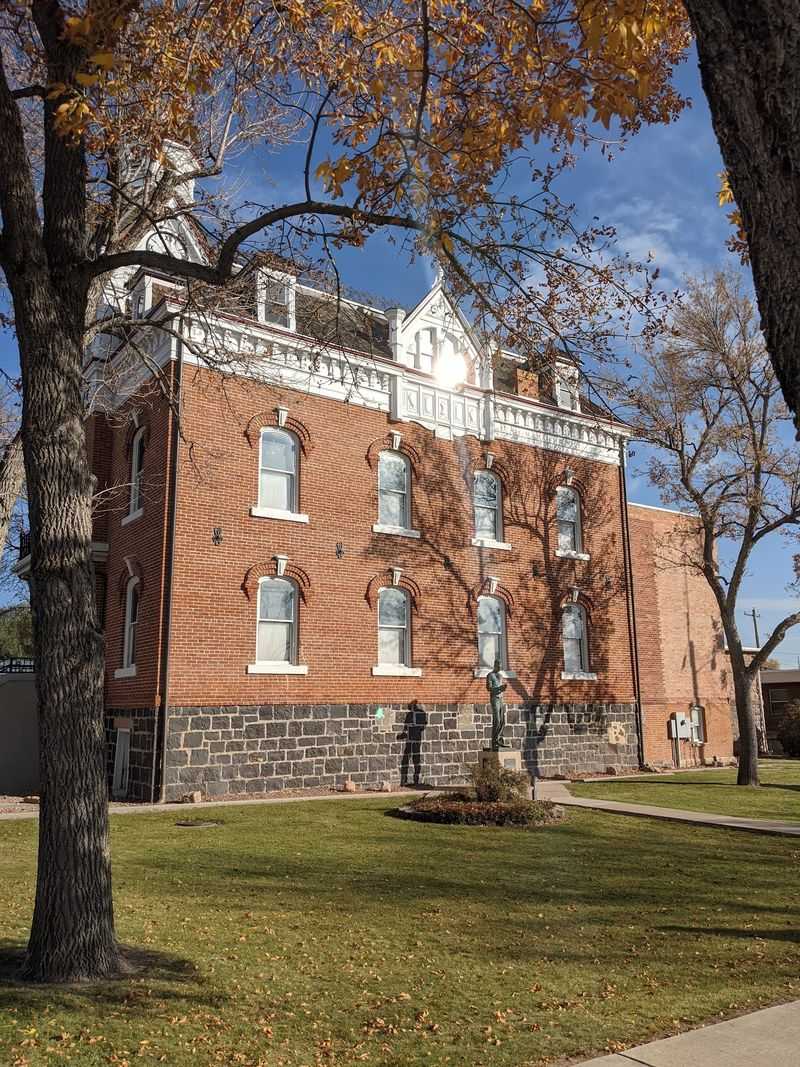
Beaver has a strong claim to the farming-town label. Agriculture was the city’s first major industry, while farming, dairying, and livestock remain central to how the surrounding county describes its history and culture.
Those are not three names for the same thing; together, they show how varied the area’s working landscape has been.
A supplied typical home value near $367,000 places Beaver below the statewide Utah figure used for this list. That gap could help a retiree preserve money for travel, home repairs, or an emergency fund.
It should not be mistaken for a complete cost-of-living comparison. The price of a house is only one line in a budget, and a good deal can lose its shine if the property needs extensive work.
Pay particular attention to the kind of home you want to maintain. Extra land may suit an active gardener, while a smaller lot could make future upkeep easier.
Confirm the services you expect to use and the travel each one requires. Beaver’s agricultural background offers more than a pleasant story for prospective buyers; it helps explain the community they would be joining.
The useful question is whether that community, and a specific home within it, fits the life you want after the working years are done.
8. Roosevelt, Utah
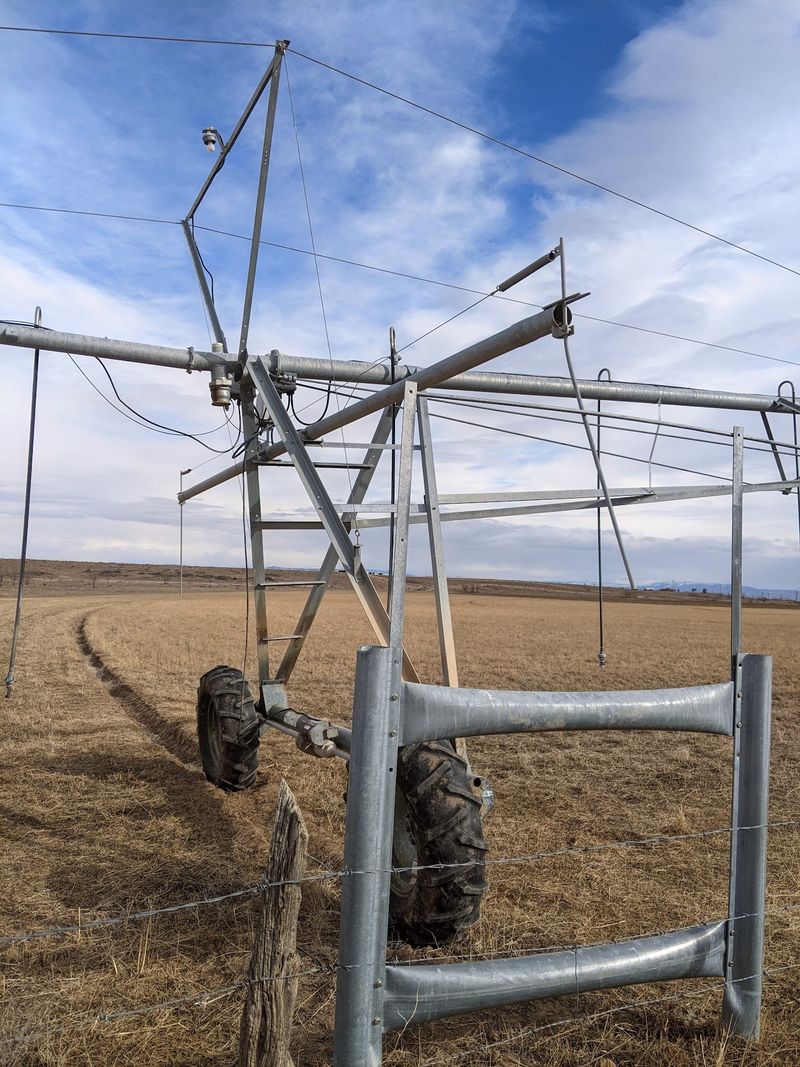
Roosevelt’s farming history covers more than a single crop. Homesteading helped the Uintah Basin town grow, and early agricultural activity included cattle, sheep, dairying, and alfalfa seed.
That range makes its rural roots easy to understand without pretending the town has remained unchanged.
For a retirement search, Roosevelt also offers more everyday services than many similarly priced rural communities. That can matter as much as a lower mortgage payment, especially when errands and appointments become part of a regular schedule.
The supplied typical home value of about $361,000 falls below the Utah comparison figure. As with every town here, it is a guide to the market, not a guarantee about a particular listing.
Build your search around the life you expect to lead. Confirm the current medical services you need, check routes to people you visit, and compare the cost of keeping different kinds of homes in good shape.
If you are moving from a larger city, take time to learn what is available locally and what would require a longer trip. Roosevelt’s advantage is not that it removes every rural tradeoff.
It pairs an agricultural background with a broader base of daily services, giving buyers a clearer set of practical questions to answer before they make a move.
9. Gunnison, Utah

Gunnison Valley still has an agricultural story that can be told in ordinary grocery words: small grains, alfalfa, beef cattle, and dairy products. Sanpete County identifies those as important parts of the valley’s economy.
For Gunnison, the farming-town description is about present surroundings as well as the past.
The supplied recent home-sales figure is around $389,000, below the Utah benchmark. Here is the catch worth remembering: the sample of sales was small.
When only a few homes change hands, one unusual sale can move a median sharply. A buyer should look at current listings and individual property conditions rather than treating that single number as a stable market price.
Gunnison may interest retirees who want a home in an agricultural valley without assuming that every property comes with land or livestock. Start with the practical details: the home’s layout, the work its yard demands, and the travel involved in regular errands.
Check current services before deciding what a weekly routine would look like. Then consider whether the town’s scale suits your plans for social life and family visits.
The farming economy gives Gunnison a clear identity. A careful look at a small housing market will tell you much more about whether living there makes financial sense.
10. Manti, Utah
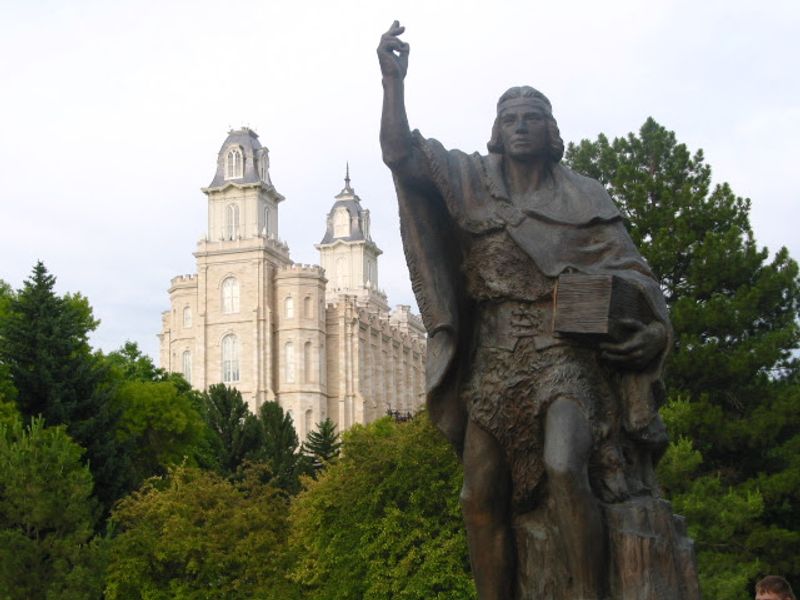
Manti’s link to farming reaches into the purpose of its early settlement. Developing agriculture in Sanpete Valley was part of the plan, and Sanpete County has remained strongly connected to agricultural work.
That history gives the town a more specific story than the broad label of a quiet place to retire.
The supplied median for recent home sales is roughly $390,000, below the statewide typical value used for comparison. Be careful with that pairing: a median sale price and a typical home value measure different things.
Neither tells you the cost of a home that meets your needs today. Check current listings, ask about taxes and upkeep, and leave room in your budget for repairs.
It also helps to picture an ordinary Tuesday rather than an occasional trip to town. Where would you go for appointments, groceries, and the activities that keep you connected to other people?
Confirm those options and the travel they require before choosing an address. Manti may appeal to someone who values a place with clear farming roots and a housing figure below Utah’s broader benchmark.
The best retirement choice, though, is rarely the town with the most appealing number on paper. It is the one where a suitable home and a workable daily life meet.