Rattlesnake season adds a little extra suspense to an otherwise ordinary trail day. In New Mexico, these reptiles are part of the landscape, especially when warmer weather brings them onto sunny rocks and open paths.
That makes awareness useful, not panic. The hikes ahead take you through the most interesting terrain around Albuquerque and Los Alamos, including petroglyph areas and volcanic ground, with canyon trails shaped by centuries of natural change.
A few routes are easy enough for a relaxed walk, while others demand more time and steady footing. Either way, it helps to scan the path before stepping around rocks or into brushy sections.
The reward is still the hike itself. You get wide desert views and ancient carvings, with plenty of moments that make you stop for a second look.
Stay alert and give snakes room. Enjoy the trail without turning every rustle into a reason to worry.
1. Rinconada Canyon Trail, Albuquerque
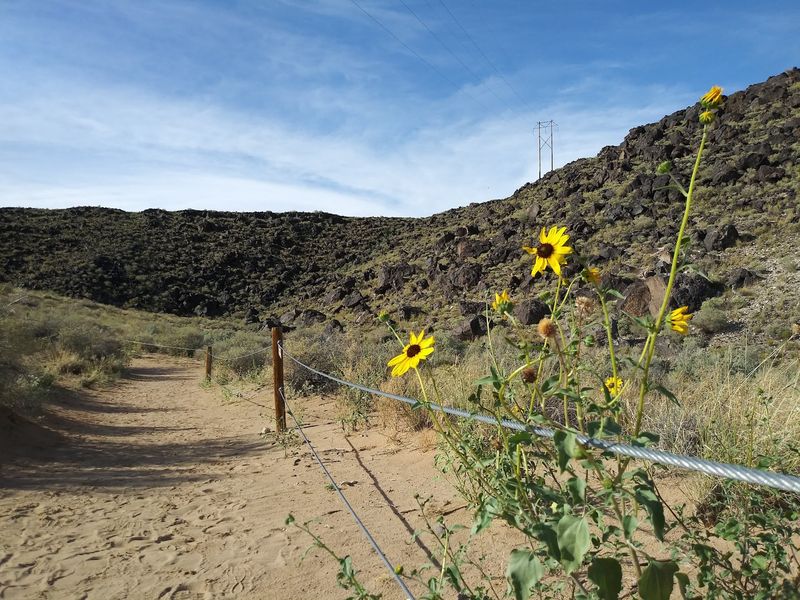
Ancient artists left their marks on the dark rocks here long before anyone laced up hiking boots. Rinconada Canyon Trail sits inside Petroglyph National Monument in Albuquerque, New Mexico, with its trailhead at 3701 Unser Blvd NW, Albuquerque, NM 87120.
It is an easy to moderate out-and-back walk that follows the curve of a volcanic escarpment on the city’s west side.
The big draw is the rock art. Ancestral Pueblo people carved images into the basalt boulders, and early Spanish settlers later added marks of their own.
Hikers can spot shapes, figures, and symbols tucked among the dark stones, and a pair of binoculars helps bring the faraway carvings into focus.
I find it amazing that a simple sandy path can feel like a walk through a history book. The trail also passes desert plants and wildlife, so keep your eyes open for lizards darting across the sand and doves resting in the brush.
Those same brushy spots and rock piles are exactly where rattlesnakes like to hang out.
Snakes use the boulders to warm up on cool mornings and slip into shady cracks when the afternoon heat gets strong. That means hikers should watch where they step and never reach into gaps between rocks.
Staying on the marked path also protects the fragile carvings, so it is a win for everyone, snakes included.
Shade is hard to find along this route. The sun bounces off the sand and dark rocks, so bring plenty of water, a hat, and sunscreen.
Morning hours tend to feel more comfortable in the warmer months.
The parking area has set daily hours, so check the park website before heading out. Leashed dogs are allowed throughout the trail, with a maximum leash length of six feet.
A short leash keeps curious noses away from snake hideouts, which matters a lot during the busy season.
Sturdy shoes and long pants add another layer of protection on the sandy ground. If you hear a rattle, freeze, find the source, and slowly back away.
Most snakes would rather slither off than stick around for a staring contest.
Out here, the oldest residents write on rocks, and the newest ones hiss from under them.
2. Falls Trail, Los Alamos
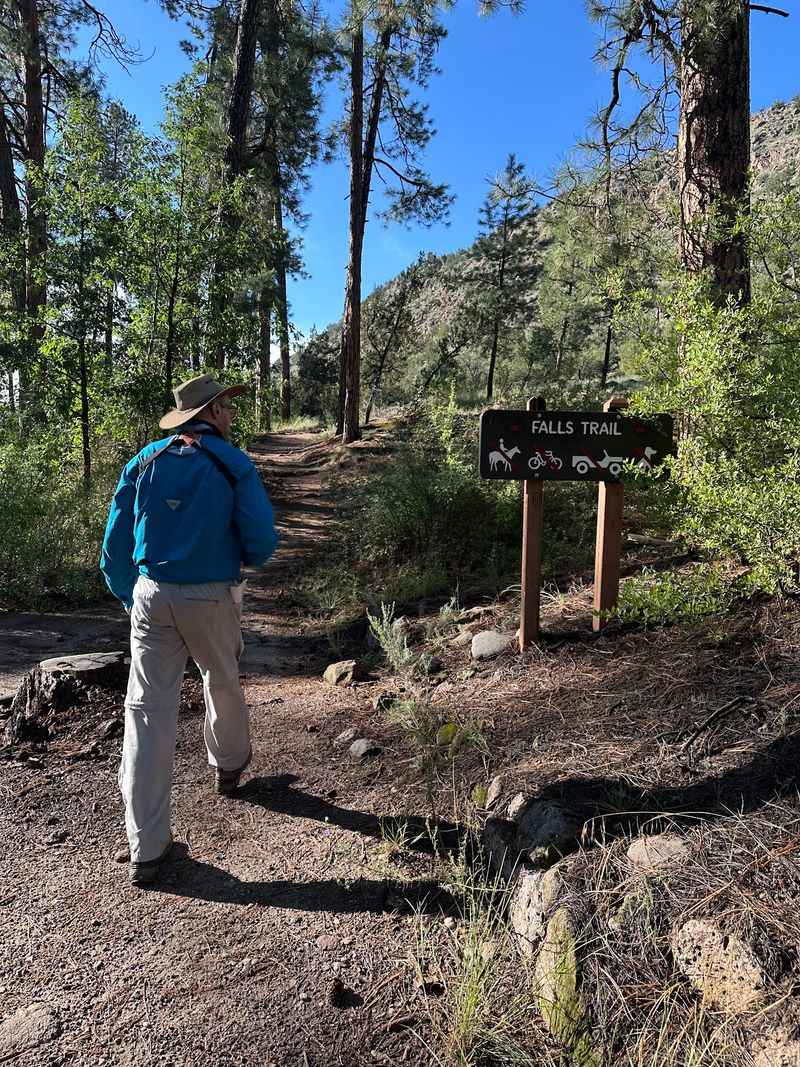
Water in the desert always feels a bit like a surprise party. Falls Trail, inside Bandelier National Monument near Los Alamos, New Mexico, starts at 15 Entrance Rd, Los Alamos, NM 87544.
It heads down Frijoles Canyon alongside Frijoles Creek toward the Upper Falls.
The trail is rated moderate, and it drops steadily as it winds deeper into the canyon. That means the walk back up takes more effort than the walk down.
Plan your energy and water with that climb in mind.
Along the creek, green trees and shrubs create a lush strip that stands out against the dry canyon walls. The cliffs themselves are made of volcanic tuff, a soft rock formed from ancient ash.
Wind and water have carved some of it into pointy shapes called tent rocks.
The story behind this landscape is huge. Massive eruptions in the Jemez Mountains long ago spread ash across the region and even changed the path of the Rio Grande.
I love how a quiet creek can sit right on top of such a dramatic past.
Rattlesnakes enjoy both sides of this trail. They may bask on sunny rock ledges or rest in cool, shady spots near the water.
Hikers should scan the path ahead, especially around rocky corners and thick plants by the creek.
Steep drop-offs and plank bridges show up along the route, so careful footwork is already a must. That extra attention helps with snake spotting too.
Keep your hands off ledges you cannot see, and give any coiled shape plenty of room.
Before starting, hikers can refill bottles at the water fountain near the trailhead. The Visitor Center offers an interpretive guide that explains the canyon’s geology in more detail.
It turns a simple hike into a rolling science lesson.
Pets are not allowed on any trails in the park, so four-legged friends will need to sit this one out. The trail is also not suitable for wheelchairs or strollers because of its rough terrain.
Sturdy boots with good grip work best on the rocky sections.
The falls reward patient hikers, while the snakes simply reward patience itself.
3. Pueblo Loop Trail, Los Alamos
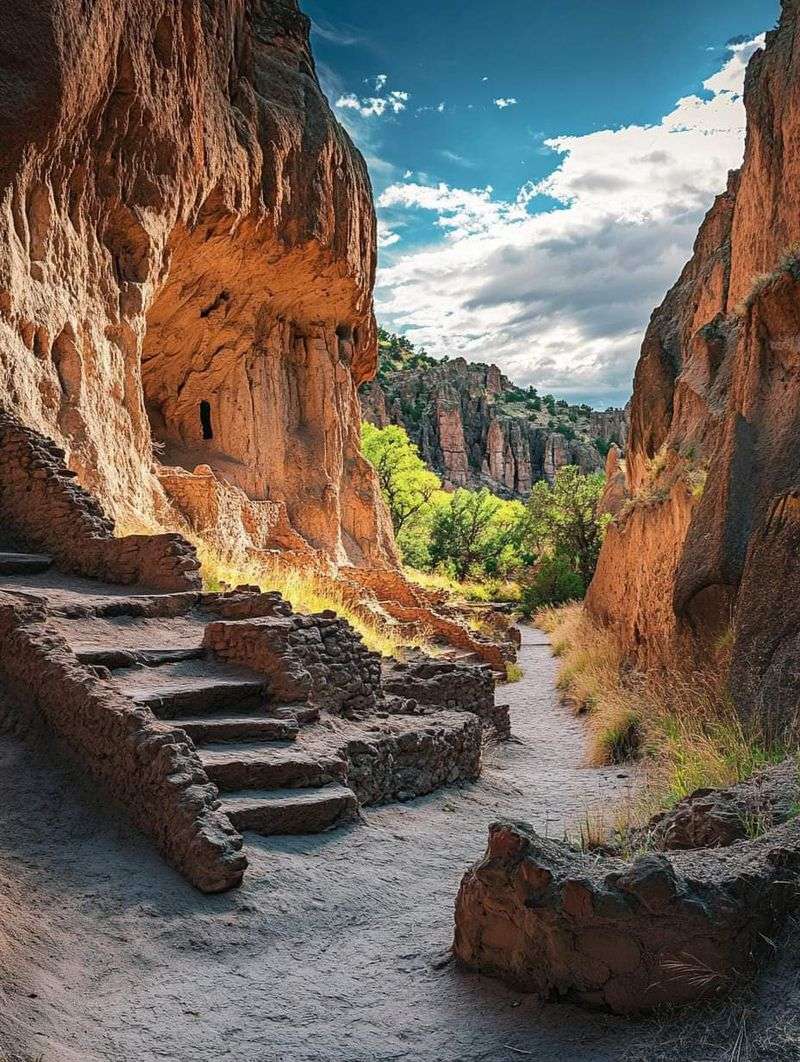
Wooden ladders lean against pale cliffs, inviting hikers to climb into rooms carved by hand centuries ago. Pueblo Loop Trail begins at the Visitor Center of Bandelier National Monument, 15 Entrance Rd, Los Alamos, NM 87544.
It is an easy loop through Frijoles Canyon and one of the most popular walks in the park.
History shows up at nearly every turn. The path passes the Big Kiva, a large round ceremonial space, and the circular remains of Tyuonyi Pueblo.
Farther along, hikers reach the reconstructed Talus House built against the cliff.
The real thrill comes at the cavates. These small alcoves were carved into the soft volcanic tuff by Ancestral Pueblo people.
Climbing a ladder and peeking inside gives a small taste of what daily life may have looked like.
Honestly, the idea of making a home by carving into a cliff wall makes my own weekend chores seem pretty tame. A trail guide sold at the Park Store explains numbered stops along the loop.
It adds stories and context that make the ruins come alive.
The surface changes as you go. It starts paved near the Visitor Center, turns to gravel, and then becomes a natural dirt path.
Some sections include stairs and drop-offs, so watch your footing.
Warm cliffs and old stone walls make comfy lounging spots for rattlesnakes. Crevices near the ruins and rocky edges along the path are worth a careful look.
Before grabbing a ladder rail or stepping onto a ledge, check the area first.
Families with kids should keep little explorers close, since small hands love poking into holes. A calm reminder to look before touching helps everyone stay safe.
Snakes generally avoid busy areas, but a quiet corner can still hold a surprise.
Pets are not permitted on park trails, which reduces run-ins between curious dogs and snakes. Hikers should also bring water and sun protection, as the canyon can warm up quickly.
Mornings tend to be cooler and calmer.
Some neighbors here moved out centuries ago, and a few scaly ones never left.
4. Piedras Marcadas Canyon, Albuquerque
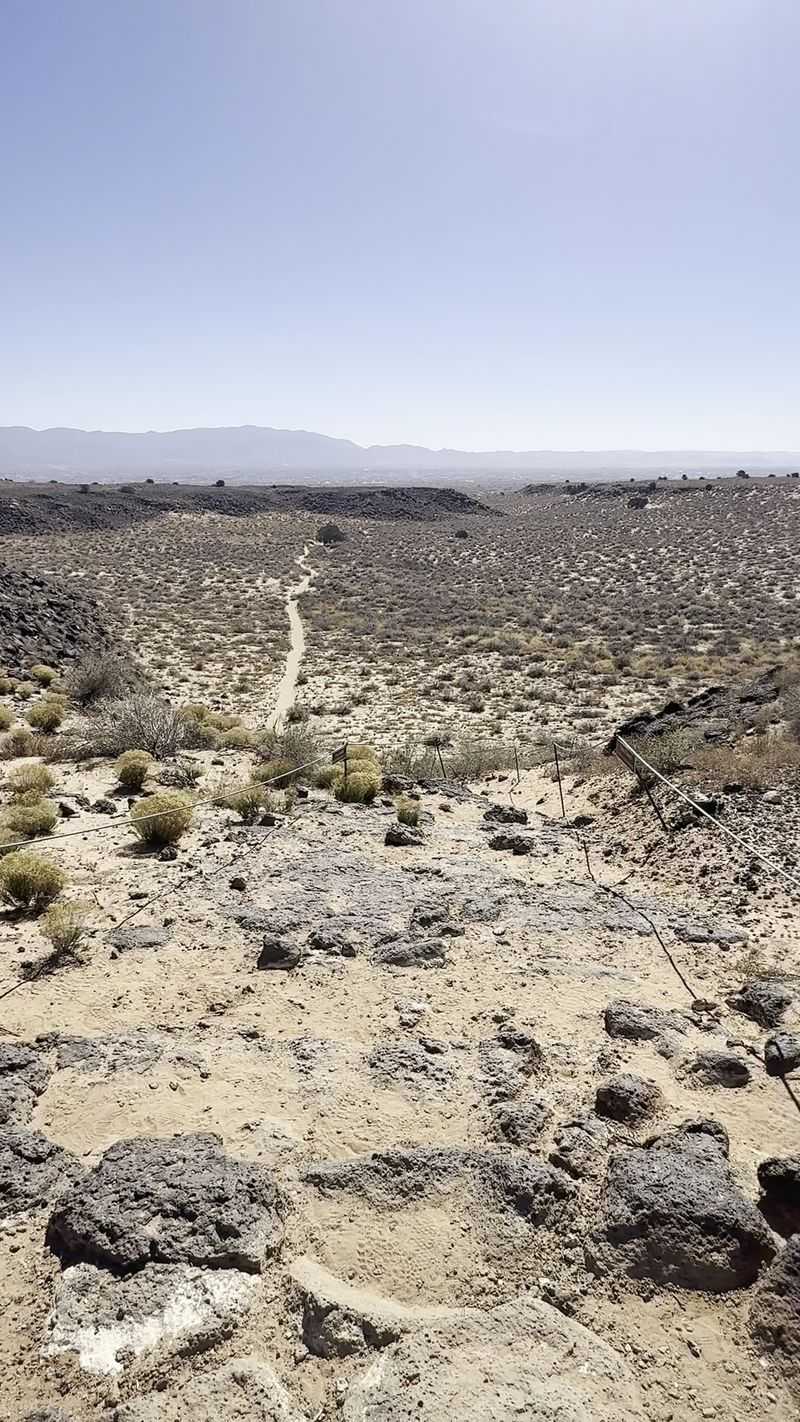
Spirals, handprints, and even carved snakes crowd the dark boulders of this quiet canyon. Piedras Marcadas Canyon is part of Petroglyph National Monument in Albuquerque, and its trailhead sits at 9421 Jill Patricia St NW, Albuquerque, NM 87114.
The easy to moderate path wanders along the volcanic escarpment in a neighborhood setting.
What sets this spot apart is how many petroglyphs are packed into one place. This canyon holds the densest collection in the entire monument.
Ancestral Pueblo people made most of the images, and Spanish settlers added some later.
Look closely and you will find animals, human figures, and swirling designs. Some carvings show snakes, which feels fitting for an article about rattlesnake season.
I can’t help smiling at the idea that the local reptiles have been famous here for centuries.
The trail itself is sandy and mostly undeveloped. It stays fairly low and follows the base of the rocks, which makes the carvings easy to view.
Those same boulders offer perfect hideouts for real snakes.
Hikers should stick to the path and avoid climbing on the rocks. That rule protects the petroglyphs and keeps feet away from shady cracks.
Scanning the trail a few steps ahead becomes second nature after a few minutes.
One handy perk is that the area is open from sunrise to sunset. Evening walks in summer can feel much cooler than midday outings.
Keep in mind that rattlesnakes also like those milder evening temperatures, so a flashlight is useful if the light starts fading.
Leashed pets are welcome here. Keeping dogs on a short leash stops them from sniffing into brush where a snake might rest.
It also helps protect the carvings and other wildlife.
There are no restrooms or water fountains at the trailhead. Pack enough water for both people and pets before arriving.
A hat and sunscreen are smart choices, since shade is scarce.
Long pants and closed-toe shoes make the sandy walk more comfortable and safer. If a rattle sounds, stop and step back slowly.
Carved snakes stay politely still, but the living ones prefer you keep moving along.
5. Five Volcano Trailhead, Albuquerque
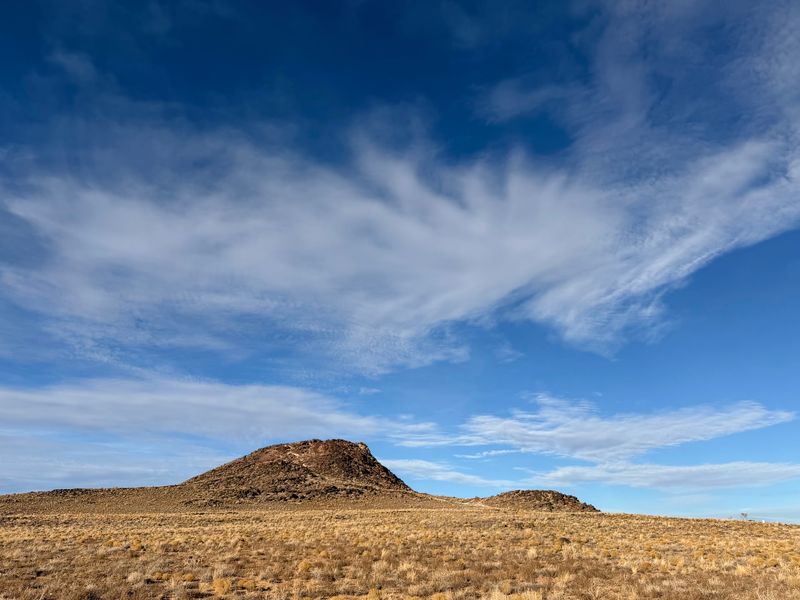
Volcanoes on the edge of a major city sound like the plot of a movie. At the Five Volcano Trailhead, also called the Volcano Day Use Area, that surprising scene is real.
It sits within Petroglyph National Monument off Atrisco Vista Blvd NW, Albuquerque, NM 87120.
Five cinder cones line up across the mesa. Their names are JA, Black, Butte, Bond, and Vulcan.
Visitor trails from this day-use area reach JA, Black, and Vulcan, while Butte and Bond remain farther north separately.
The views are the headline act. Hikers can see across the Rio Grande Valley, over the city of Albuquerque, and toward the Sandia Mountains.
On a clear day, the wide sky seems to stretch forever.
These cones formed through rare fissure eruptions, where lava poured from long cracks in the ground. The landscape mixes rough basalt rock with sandy stretches.
I think the contrast between black rock and pale sand gives this place a truly otherworldly look.
For many Indigenous tribes, these volcanoes are sacred sites. The trails respectfully guide hikers around the cones instead of up to the tops.
Following those paths is a simple way to honor the land.
Loose volcanic rock creates lots of hiding places for rattlesnakes. Sunny slopes warm up fast, which draws snakes out to bask.
Hikers should watch each step, especially where the trail crosses rocky patches.
Open ground here also means very little shade. Summer afternoons can get hot, so early starts often feel best.
Bring more water than seems necessary, plus sun protection.
A free parking lot with vault toilets serves the area. Leashed dogs are welcome, and keeping them close helps avoid surprise snake encounters.
A dog that stops to sniff under a rock might find more than a lizard.
Sturdy boots help on the crunchy basalt, and long pants protect legs from both brush and bites. If a snake crosses your path, give it time to move along.
It likely wants to avoid you just as much.
The volcanoes are quiet now, though the local wildlife still rattles now and then.
6. South Point Loop Trail, Albuquerque
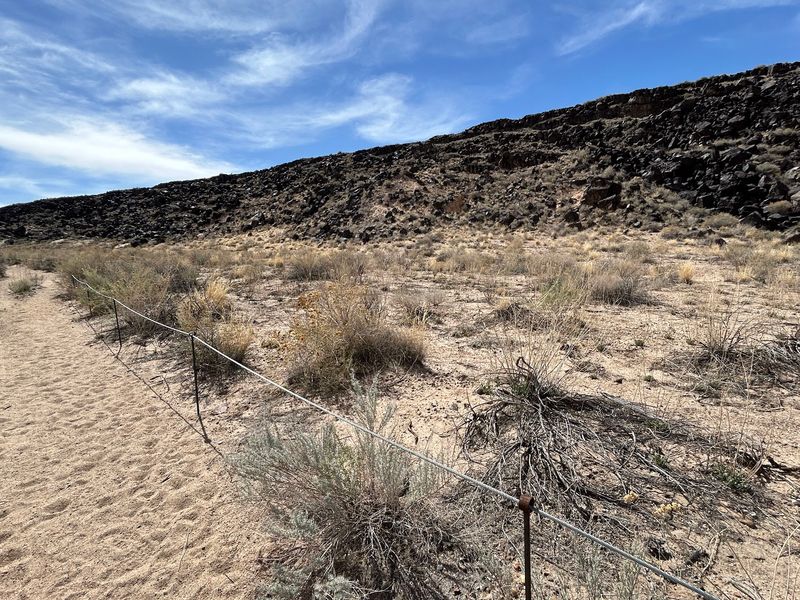
At the far southern tip of the volcanic escarpment, the desert opens up in every direction. South Point Loop Trail lies within Petroglyph National Monument, with its trailhead at Mirehaven Pkwy NW at Tierra Pintada Blvd NW, Albuquerque, NM 87120.
This section is known as the South Point Day Use Area.
Hikers have options here. The main loop is a strenuous route for those wanting a real workout.
A shorter petroglyph trail offers an easy to moderate walk past about 100 ancient rock carvings.
The wide views steal the show. The landscape rolls out across a web of natural paths and old historic roads.
Those big open spaces feel refreshing, and I find the sense of room out here pretty hard to beat.
Of course, open desert is prime rattlesnake territory. Snakes stretch out on warm trails in the morning and tuck under shrubs when the sun gets strong.
Hikers should keep their eyes on the ground, even while soaking in the scenery.
Rock piles along the escarpment deserve extra care. Stepping over rocks rather than onto them gives you a better view of what lies on the other side.
Trekking poles can also help you test uncertain ground.
The parking lot opens daily during set hours, so check the park website before your visit. Vault toilets are available, but there is no running water.
Pack plenty of water, since the loop can take a while.
There are no entrance or parking fees, which makes this an easy outing to plan. Leashed pets are welcome as long as owners clean up after them.
Short leashes keep dogs from poking into brush.
Long pants, sturdy shoes, and a wide-brimmed hat make a smart outfit here. Staying alert during the warmer months turns this hike into a relaxing trip instead of a jumpy one.
If a rattle sounds, stand still, spot the snake, and back away slowly.
Rattlesnakes are an important part of New Mexico desert life, keeping rodent numbers in check. Respecting their space lets everyone share the trail.
Out at South Point, the trail ends, but the horizon never quite does.