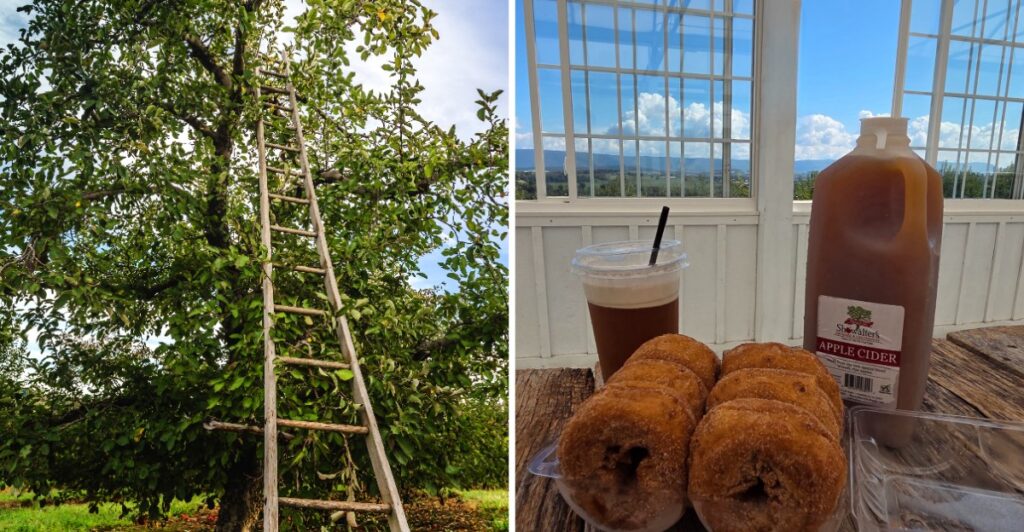
Pick a favorite apple.
Or at least try.
Now walk into an orchard growing more than 30 varieties and see how long that choice holds up.
This family farm has been growing apples since 1965, with different varieties taking their turn from summer into November.
Some are ready for you to pick straight from the rows. Others are already waiting in the market when carrying a half-peck through the orchard sounds less appealing.
The hillside setting adds a wide Shenandoah Valley view, but Virginia has another distraction waiting closer to the counter.
Sweet cider. Then cider doughnuts. At that point, your carefully chosen favorite apple may have bigger competition than expected.
So much for coming here with one clear mission.
The Showalter Family Began Farming Here In 1965
Apple trees were growing on this property before the Showalter family arrived. The orchard knows the land was planted in apples in the early 1900s, though the names of those first growers are not known.
Joe Showalter began farming the property in 1965. One of his early projects was creating a fresh market for local customers, which led to the construction of the building later used for other parts of the farm business.
In 1972, Joe and Frances Showalter added a greenhouse for spring plants and vegetable starts.
The orchard has continued through the family since then, with another generation now involved in the farm. That history gives the visit a clear agricultural focus. Apples are not scenery added around a fall attraction.
They are the reason the farm is here.
That distinction helps with planning. If the goal is fruit, start by checking what is ripe before worrying about anything else. A September visit will look different from one in mid-October, and an early November trip changes the choices again.
The calendar matters more than trying to recreate someone else’s visit.
More Than Thirty Apple Varieties Stretch The Harvest Across Fall
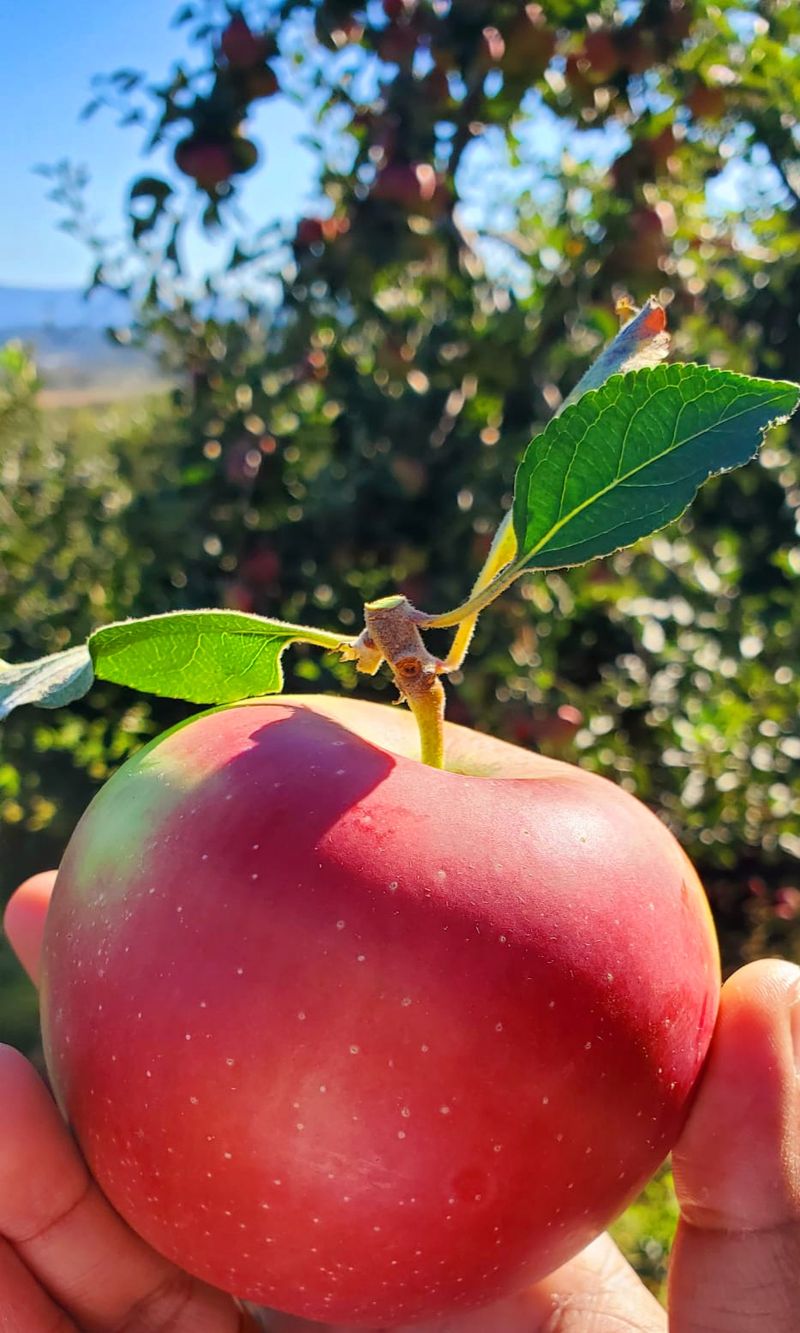
Showalter’s grows more than 30 apple varieties, which means the orchard changes noticeably as the season moves along.
The broad apple harvest begins around midsummer and can continue into November, while the main pick-your-own stretch generally runs from early August through late October.
Early fruit includes varieties such as Lodi, Summer Rambo, Gala, and Ginger Gold. September brings Golden Delicious, while October shifts toward Jonagold, Granny Smith, Stayman, Rome Beauty, Fuji, and York. Pink Lady arrives later, around early November.
Those dates are approximate rather than promises. Weather affects ripening, and the available fruit changes as each variety reaches the right stage on the trees.
That makes checking the current picking update useful before leaving home. If you want a specific apple, timing matters. If you are happy to see what is ready, the day becomes easier.
Different varieties also change what happens after the drive home. Some are better suited to eating fresh, while firmer or more tart apples can make more sense for baking, sauce, or cooking.
A mixed container can solve the problem nicely. Choose a few for snacking and leave enough room for whatever belongs in the next pie.
Pick Your Own Or Let The Market Do The Picking
The orchard offers two straightforward ways to leave with fruit. You can pick apples yourself during the harvest season, or choose fruit that has already been picked and brought into the market.
Pick-your-own works best when the orchard rows are the main event. It gives you time outside, lets you choose individual fruit, and makes the trip feel more like a farm visit than a grocery stop.
Already-picked apples are useful for the opposite kind of day. Maybe the weather turns, the group includes someone who does not want to walk the rows, or you simply need apples without turning the purchase into an afternoon project.
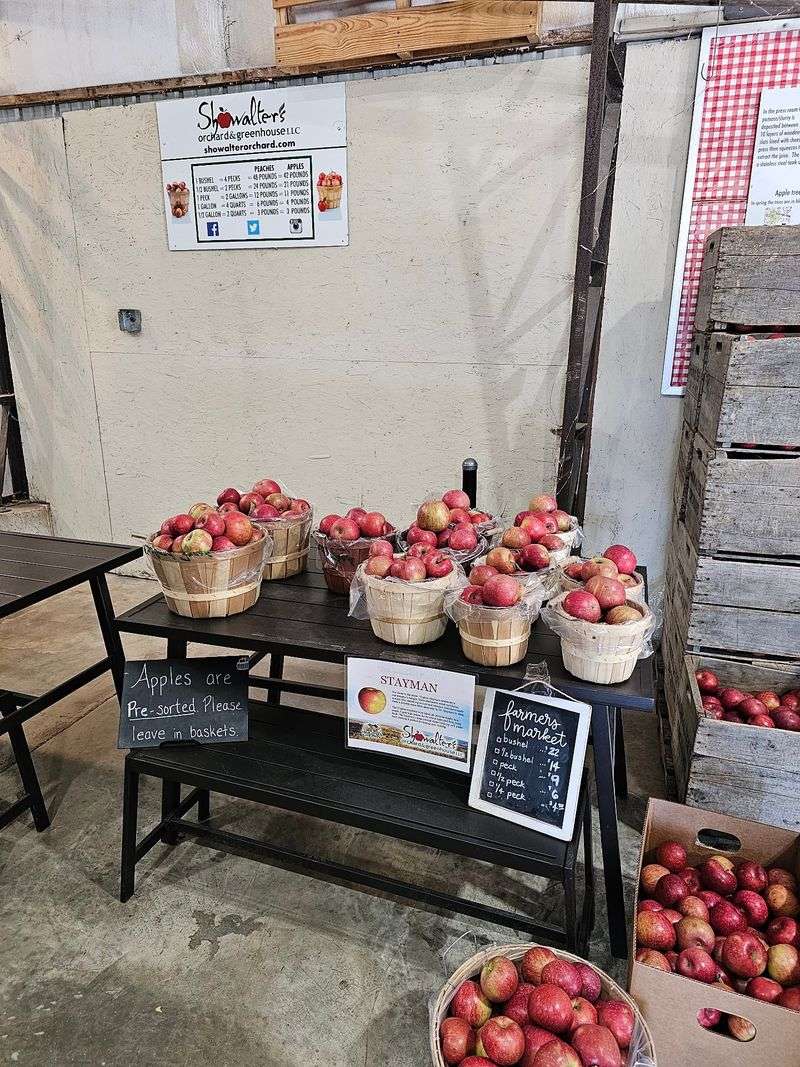
Fruit is sold by traditional volume measures rather than by individual pieces. Container sizes include half-peck, peck, half-bushel, and bushel. Once the container is level full, you have picked that amount.
The smaller sizes make sense for a household that mostly wants fresh apples. A bushel is a much bigger commitment and fits better when baking, preserving, sharing, or feeding a larger group is already part of the plan.
Choose the container after deciding what the apples need to do once they reach the kitchen.
Sweet Cider Has Been Part Of The Farm Since 1975
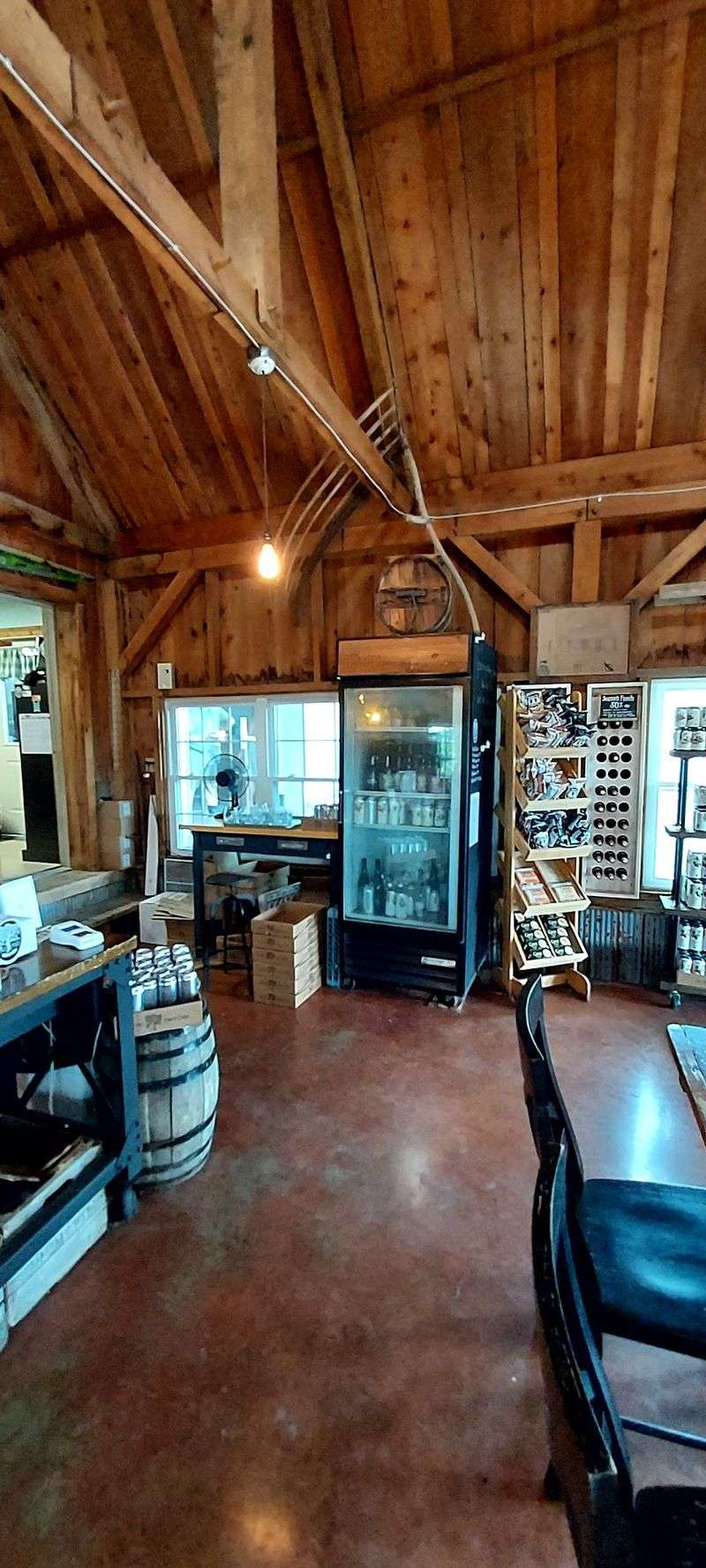
Showalter’s added a cider press in 1975 as a way to use blemished apples that were still suitable for pressing. The farm has continued making sweet apple cider since then.
The sweet cider season begins in early September and runs through Christmas, which puts it squarely into the main fall apple-picking window. That overlap makes it easy to pair fresh fruit with a jug of cider without planning a separate trip.
Cold cider works well after time in the orchard, while warming it at home gives the same jug a different job once the temperature drops. The useful thing is that it keeps the apple theme going after the picking is over.
If you are driving a long distance, think about cold storage before filling the car with perishable purchases. A cooler can make the ride home simpler, especially on a warmer September afternoon.
The orchard market is at 17768 Honeyville Rd, Timberville, VA 22853. Current market hours are Monday through Saturday from 9 a.m. to 5 p.m. and Sunday from 1 p.m. to 5 p.m.
That schedule gives you plenty of daylight for picking before bringing the rest of the fall haul home.
Apple Cider Donuts Join The Lineup In Fall
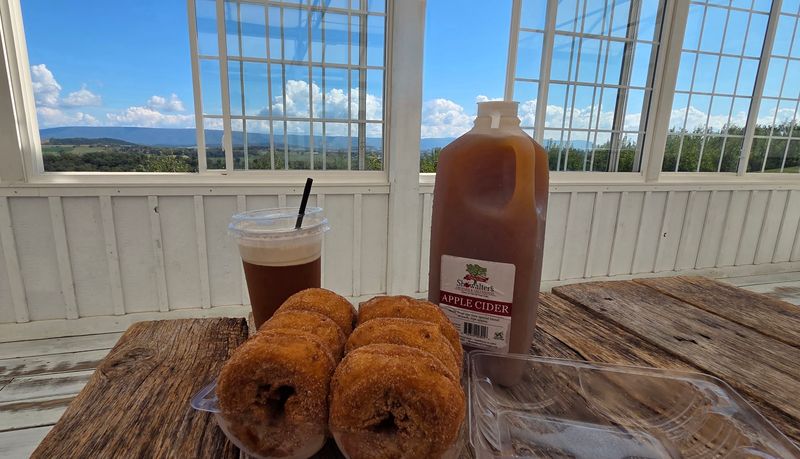
Fresh apple cider donuts are another seasonal part of the orchard. They come coated in cinnamon sugar and are available during the fall, when apple picking and sweet cider are both in full swing.
This is where pacing gets useful. If you arrive determined to pick apples first, keep the donut as the reward afterward. If the bakery smell wins immediately, there is no rule saying dessert has to wait until the end of the outing.
The orchard also schedules fall Saturdays with additional activity around the property, including pick-your-own fruit, ready-picked apples, food vendors, and seasonal orchard items.
Those days can make the farm feel busier than a weekday visit, so the right choice depends on what kind of afternoon you want.
For a quieter fruit-focused trip, a weekday gives the orchard itself more attention. For a fuller fall outing, Saturday can add more moving parts.
Either way, the donut is easy to understand. It is small enough to eat before the drive home and messy enough that a napkin is a smart idea.
Cinnamon sugar on the fingers is a minor problem compared with trying to keep everyone out of the box until the apples are loaded.
The Hilltop Setting Opens Across The Shenandoah Valley
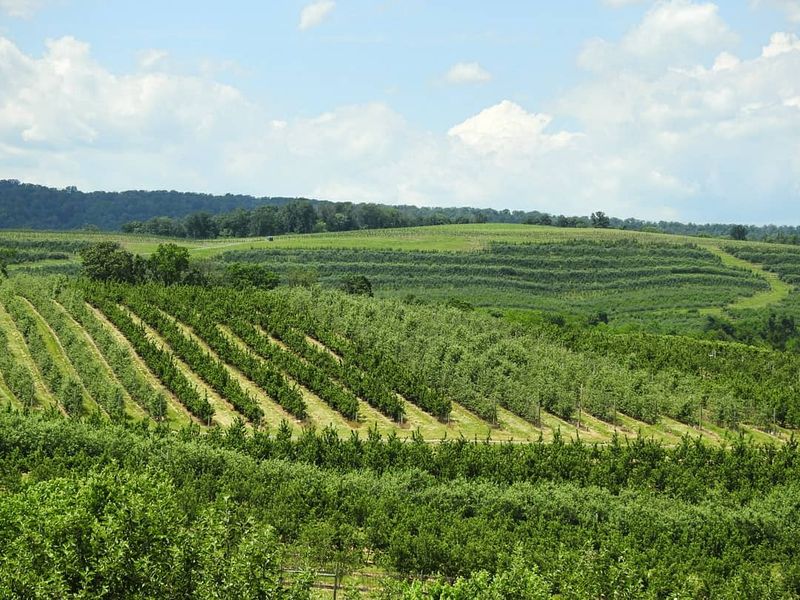
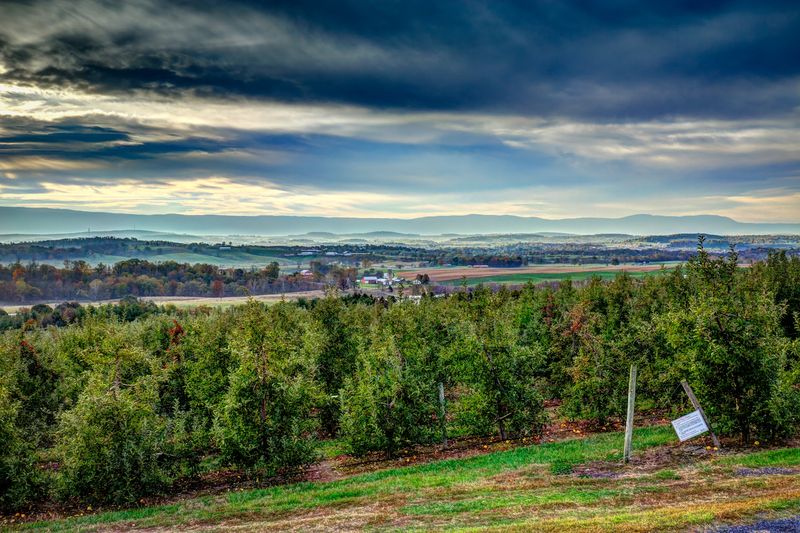
The orchard sits on top of an old hill with a 360-degree vantage point over the Shenandoah Valley. From the property, the view includes the valley and a section of the Blue Ridge Mountains.
That elevation changes an ordinary picking trip. You can spend time in the rows, return to the market, and still have the landscape pulling your attention beyond the apple trees.
Fall naturally sharpens that effect as the season moves deeper into October. The exact timing and intensity of foliage change from year to year, so it is better to treat color as a seasonal bonus rather than something the calendar can guarantee.
Layers are useful up here. A comfortable morning can feel cooler once the breeze picks up, particularly if you plan to stay through the afternoon.
The farm’s former greenhouse was also renovated to make use of the broad valley view, which shows how central the setting is to the property.
You do not need to photograph every angle. Sometimes the better move is to put the phone away for a few minutes, finish the cider donut, and look out past the rows before heading back to the car.
Let The Apple Calendar Decide When You Go
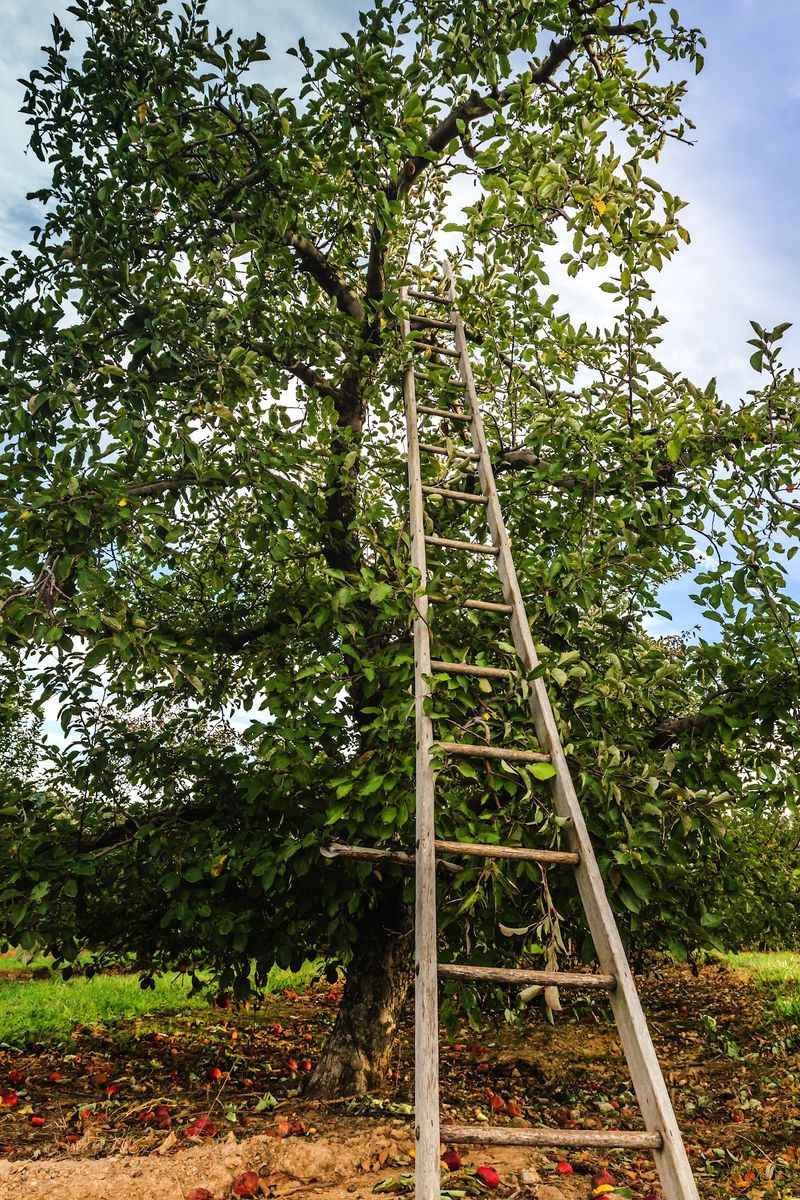
The best time to visit depends on which part of the orchard matters most to you. Late summer brings earlier apples. September adds Golden Delicious and the beginning of sweet cider season.
October brings several of the orchard’s later varieties, including Jonagold, Granny Smith, Stayman, Rome Beauty, Fuji, and York. Pink Lady follows around early November.
That makes fall less like one fixed window and more like a sequence of different harvests.
If pick-your-own is the priority, check what is currently available before starting the drive. If the market, sweet cider, and donuts matter more, the visit can stay flexible even when one apple variety has finished and another has not started.
A smaller group may be happy with a half-peck and a quick market stop. A household planning pies, sauce, or several weeks of snacks may need a peck or more. The orchard gives you enough choices without requiring every visit to look the same.
Showalter’s works best when you let the harvest set the pace.
Choose the apples that are ready, decide how much fruit your kitchen can realistically handle, save room for something warm and cinnamon-covered, and leave the hill with exactly as much fall as you meant to carry home.