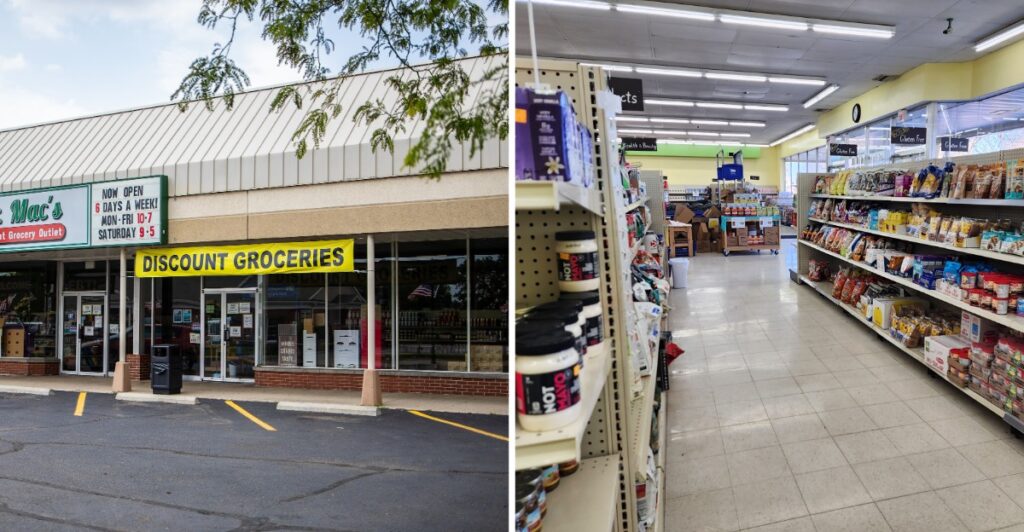
Bring your grocery list.
Just know it may lose voting rights somewhere near aisle three.
At this family-owned discount store, overstock and factory closeouts decide what lands on the shelves.
Familiar brands can show up for far less than usual, then vanish before you have time to declare them your new weekly staple.
That makes every trip a little less grocery run and a little more pantry treasure hunt.
You might come in for cereal and leave with dinner because the freezer aisle staged a very convincing takeover.
Refrigerated foods get in on the bargain hunting too, so the cart can wander well beyond cans and snacks.
My cart would keep one corner open for whatever bargain starts making the strongest case.
Around here, dinner may be decided by whichever deal wins the aisle.
Closeout Buying Changes The Way You Shop
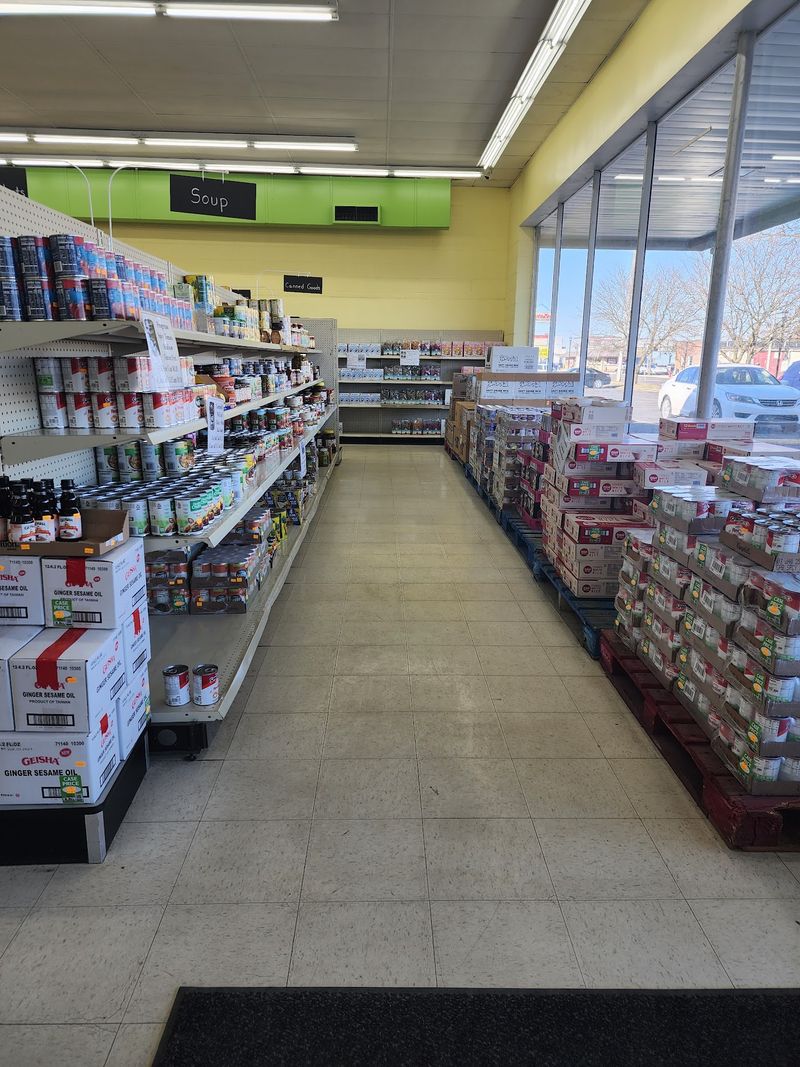
Mr. Mac’s buys large lots of food from grocery chains and factory closeouts, giving products another route to shoppers instead of leaving excess inventory sitting unused.
That buying model is the foundation of the store, and it explains both the lower prices and the constantly shifting assortment.
Some products are still within their printed dates, while others may be past a date printed on the package. Every item is inspected before reaching the sales floor, and purchases are covered by a 100 percent money-back guarantee.
That makes reading labels part of the normal routine here. Anyone particular about dates can check each package before putting it in the cart and make the decision that feels right for the household.
The bigger adjustment is learning not to expect a traditional supermarket pattern. A standard grocery store works hard to keep the same products in the same places. Closeout shopping is almost the opposite.
What arrives depends on available lots, so one week can look noticeably different from the next.
A flexible list helps. Bread, cereal, snacks, sauces, and pantry staples may be easy to cover, but insisting on one exact brand or flavor can make the trip harder than it needs to be.
Start with the bargains that fit the week, then fill any remaining gaps elsewhere.
Most Products Are Priced At Half Of Retail Or Less
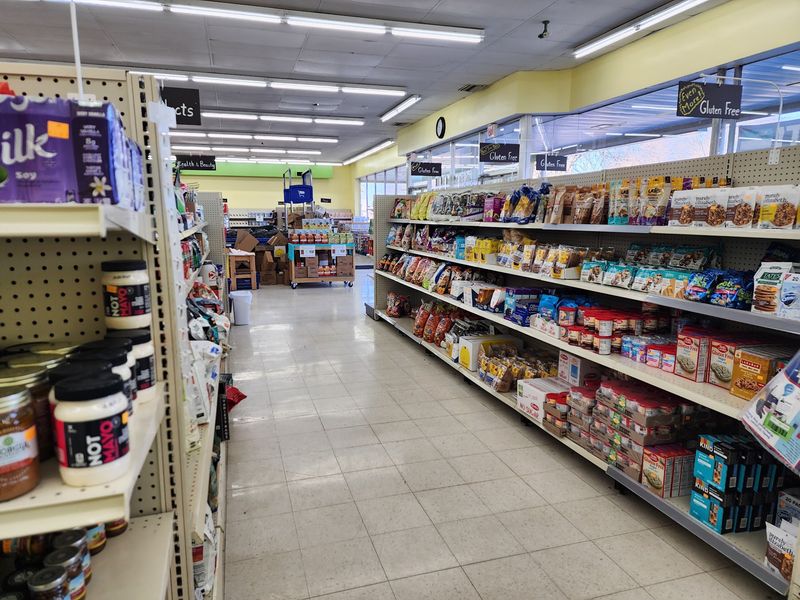
The strongest number attached to Mr. Mac’s is also one of the simplest: most products are priced at half of regular retail or less.
That does not mean every item carries the same percentage markdown, but the overall pricing model goes well beyond an occasional sale sticker.
That difference becomes easier to notice when shopping for things already familiar at home. A box of cereal, packaged snack, condiment, or freezer item is easier to judge when you know roughly what it costs at a conventional supermarket.
There is no need to turn the trip into an accounting exercise. Pick a few products you buy regularly and use those as reference points. If the price works, put them in the cart.
If it does not, move on.
The store’s changing inventory also rewards selective stocking up. Finding three packages of something the household uses regularly may be more useful than buying one and hoping the same item returns next week.
That does not mean every bargain belongs in the cart. A low price only helps when the food will actually get eaten.
A little restraint keeps the savings useful. Grab the strong deals, leave the curiosities that would sit forgotten in the cupboard, and let the budget decide when a second package makes sense.
Frozen And Refrigerated Foods Expand The Options
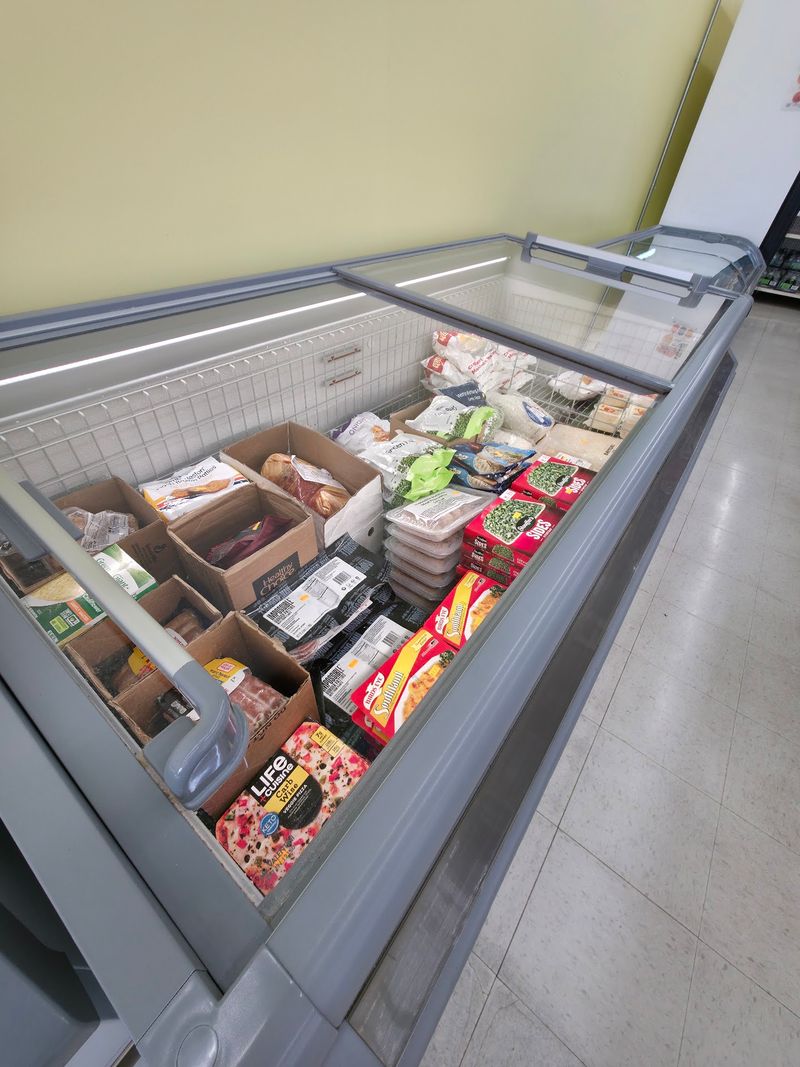
The cold section gives this discount model more range than a shelf-stable closeout shop.
Mr. Mac’s operates six commercial freezers and four commercial coolers, giving frozen and refrigerated foods a permanent place in the store rather than treating them as occasional extras.
The freezers can contain items such as chicken products, vegetables, and ice cream, with the selection changing as new shipments arrive. The coolers handle foods such as eggs, drinks, butter, cheese, and other perishables.
That opens more possibilities for an ordinary weekly food run. Pantry bargains are useful, but eggs and cheese can solve breakfast, frozen vegetables can cover a side dish, and something from the freezer can simplify a night when nobody feels like doing much cooking.
The rotating stock still applies. One freezer visit may lean heavily toward meal ingredients, while another may offer more snacks or desserts. Treating the section like a fixed menu would miss the point.
A cooler in the car can be useful when the drive home is long or the weather is warm. It also gives shoppers freedom to browse without worrying about how long frozen purchases are sitting in the trunk.
Check the cold cases before finishing the trip. The item that saves dinner may not be waiting in the pantry aisle at all.
Local Greens Add A Fresh Option To The Mix

Not everything at Mr. Mac’s arrives through a closeout shipment. Hydroponic greens from Davidson Family Growers in New Carlisle add a locally produced fresh option alongside the discounted pantry, freezer, and cooler products.
That creates an easy way to mix bargain shopping with something grown nearby. A package of greens can become the starting point for lunch or dinner, while discounted pantry items provide the extras around it.
This is where shopping by combination becomes more useful than shopping by category. Greens plus cheese can point toward a salad. Add beans, another protein, or something from the freezer and dinner begins taking shape without much advance planning.
Availability can naturally change, so the fresh section is worth checking before building an entire meal around one specific item. The same logic applies throughout the store: see what is there first, then make the plan.
Mr. Mac’s Discount Grocery Outlet is located at 409 N Main St, New Carlisle, OH 45344.
A grocery trip built around closeouts does not need to be all packaged food. Fresh local greens give the cart another direction when something lighter or simpler sounds better.
Credit Debit And EBT Are Accepted At Checkout
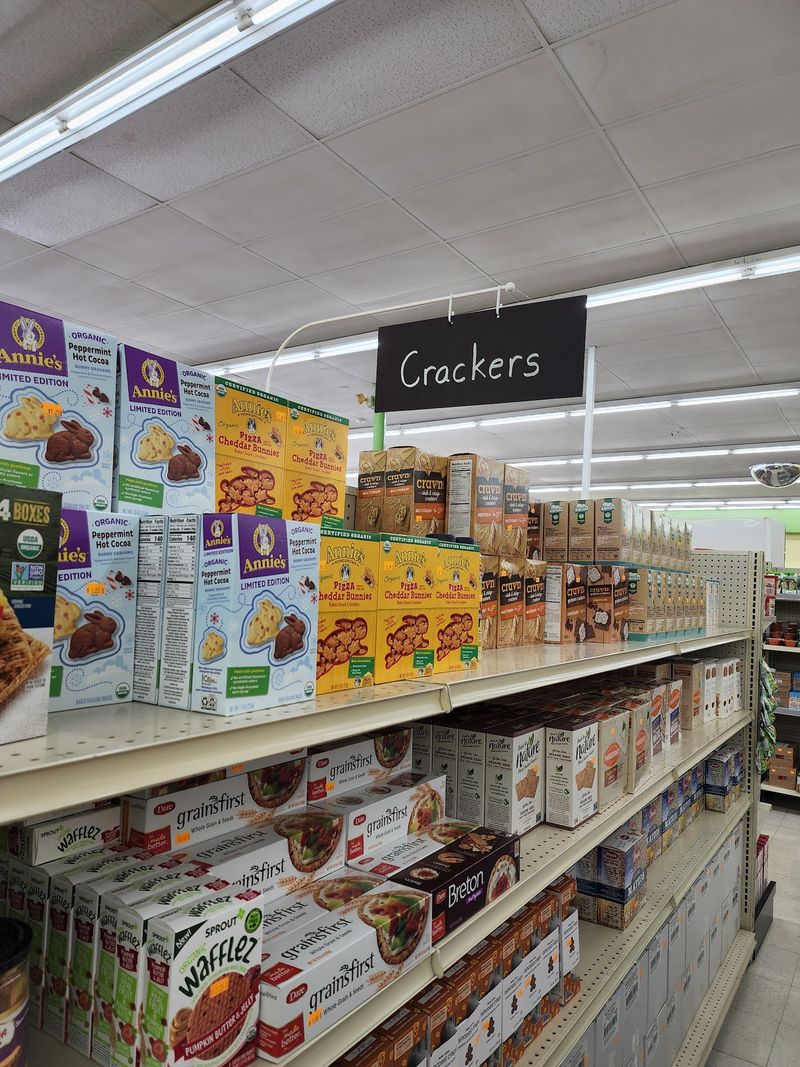
Payment is straightforward once the cart reaches the register. Mr. Mac’s accepts credit cards, debit cards, and EBT, giving shoppers several ways to pay for eligible grocery purchases.
For anyone using EBT, the same basic shopping strategy still applies: start with the products that fit the household, compare the available prices, and remember that eligibility follows the normal program rules.
The store’s discount structure can make comparison especially useful. When most products are priced at half of retail or less, a little flexibility can stretch a grocery budget across more items without requiring every purchase to come from the same category.
That is another reason to walk the whole store before deciding the cart is finished. A useful freezer item may change the dinner plan. Cheese from the cooler might remove something from tomorrow’s list.
A pantry staple at a strong price could be worth buying before checking out.
The 100 percent money-back guarantee also remains part of the store’s operating model, covering the products sold through the outlet.
There is no complicated bargain system to learn. The practical approach is simply to compare, check labels, choose foods the household will use, and move past anything that does not make sense.
Changing Shipments Reward A Flexible Grocery List
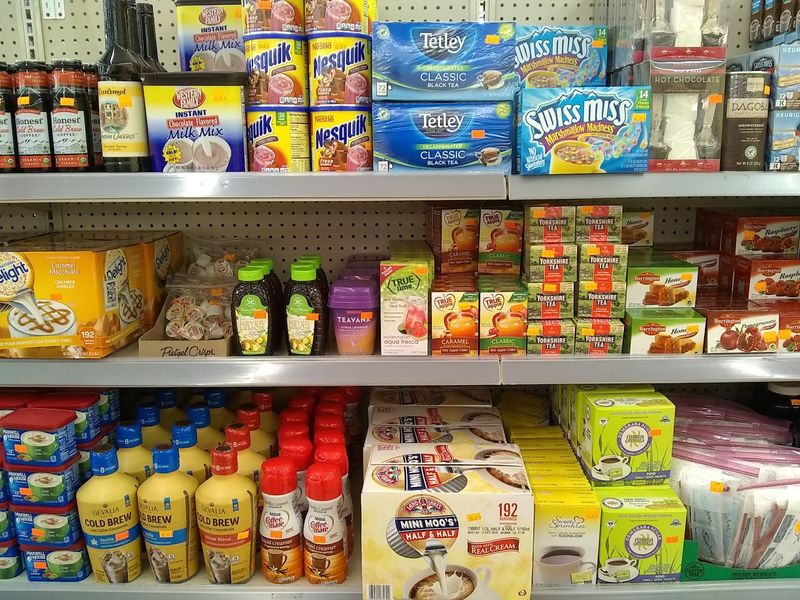
Predictability is not the main attraction of a closeout grocery store. Mr. Mac’s receives changing lots, and the freezer selection alone can shift weekly as new shipments arrive.
That means last week’s bargain may not be waiting during the next visit. It also means something entirely different can take its place.
Instead of treating that as a problem, build the shopping list in two parts. Keep true necessities at the top, then leave a second section open for foods that can change according to price and availability.
Dinner is an easy place to experiment. If the preferred frozen item is missing, another protein or vegetable may work. If a familiar snack disappears, the shelf beside it may offer an alternative at a better price.
Stocking up makes the most sense with items the household already uses and can store properly. A deeply discounted product is less useful when there is no room in the freezer or no realistic chance of finishing it.
The changing assortment also keeps the trip fairly focused. There is little reason to spend time hunting for something that simply did not arrive in the latest shipment.
See what is available, make the strongest choices from that selection, and let another store handle the few essentials that remain.
The Weekly Schedule Leaves Six Days To Shop
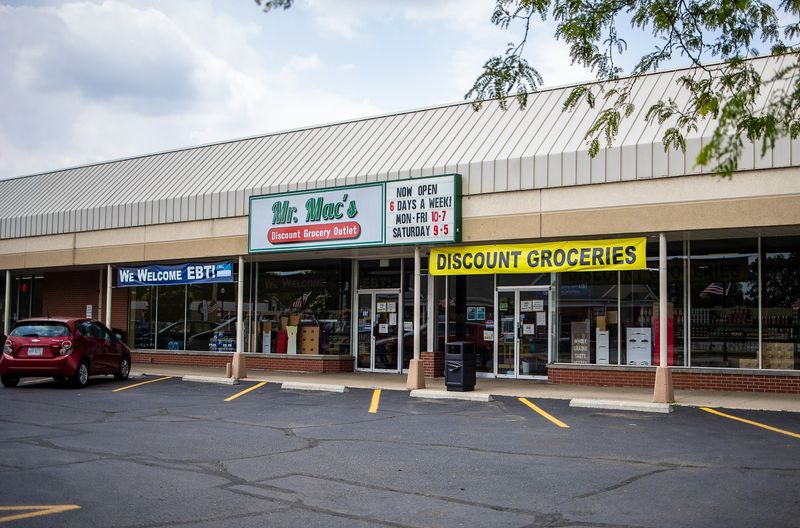
Mr. Mac’s is currently open Monday through Friday from 10 a.m. to 7 p.m. and Saturday from 9 a.m. to 5 p.m. The store is closed on Sunday.
Those hours leave plenty of room for different shopping styles. A weekday visit can happen late in the morning, after lunch, or toward the end of the workday. Saturday starts earlier but wraps up sooner, so an afternoon bargain run needs a little more attention to the clock.
Timing can matter more for inventory than anything else. Closeout products are limited by the quantities that arrive, so waiting for a later visit may mean a particular item has already been replaced by something different.
That is especially relevant when a useful staple shows up at a price that fits the budget. There is no guarantee that the next shipment will repeat the same deal.
The better strategy is not to chase every bargain. It is to recognize the ones that match what the household already eats.
Take a flexible list, check the dates, compare familiar prices, make room for frozen or refrigerated finds, and keep the cart focused on foods that will actually be used.
At Mr. Mac’s, that approach turns an unpredictable shelf into something much more practical: a grocery trip where the changing inventory can work in the budget’s favor.