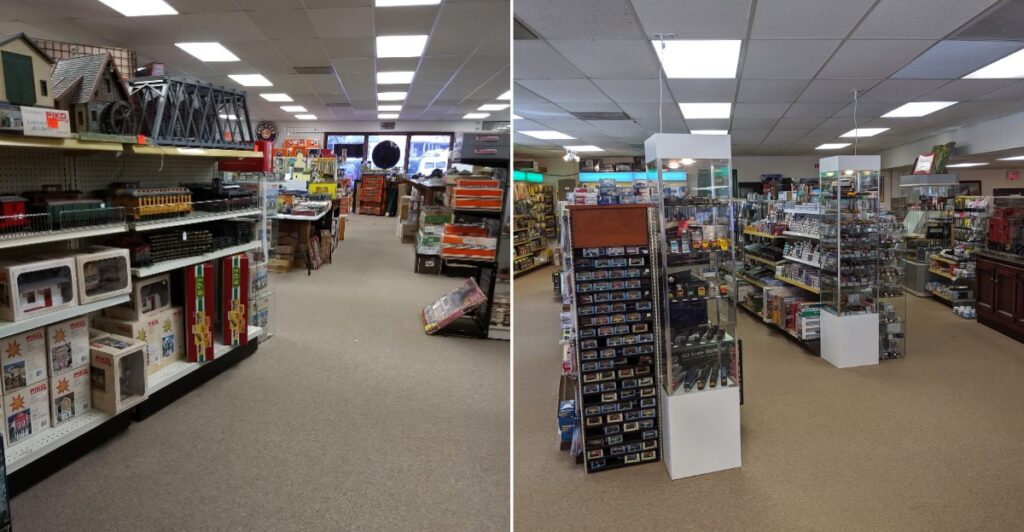
There is something wonderfully absorbing about a hobby shop where an entire railroad can fit on a tabletop and still keep you busy for hours.
For model train fans, this Kansas stop is less about grabbing one item and more about getting pulled into the details.
Locomotives, track pieces, scenery, and tiny buildings can turn a quick browse into a full afternoon of comparing, imagining, and planning the next layout upgrade.
The old-school atmosphere helps too. Nothing feels rushed, and every shelf seems to offer one more reason to keep looking.
Tiny trains, big time commitment.
I once went into a train shop with someone who promised we would only be a few minutes. That promise did not survive the first display case.
Before long, we were debating miniature station designs like the future of transportation depended on us.
I knew we had been there too long when I started recognizing which tiny houses I had already inspected. Honestly, I would have happily stayed longer.
A Kansas Address Built For Browsing
My first stop on this train-filled adventure was a plain suburban storefront on 103rd Street.
Fred’s Train Shop sits at 10400 W 103rd St, Suite 30, in Overland Park, Kansas, in the United States.
It is part of the busy Kansas City metro area, so reaching it by car is easy from both sides of the state line.
From the outside, it looks like a regular shop in a regular strip center. That is part of the charm, because the real show waits inside.
Parking is simple, which matters when you may leave carrying a long box of track. I liked that I could pull up, walk a few steps, and be surrounded by locomotives in under a minute.
If you are driving in from elsewhere in Kansas or from Missouri, plan your trip around the store hours.
Budget more time than you think you need, since browsing here moves at its own pace.
Think of the address as your station platform, because the fun departs right after you step inside.
Every Scale From Z To G
Here is a fun fact that surprised me: many train shops today mostly stock just HO and N scale.
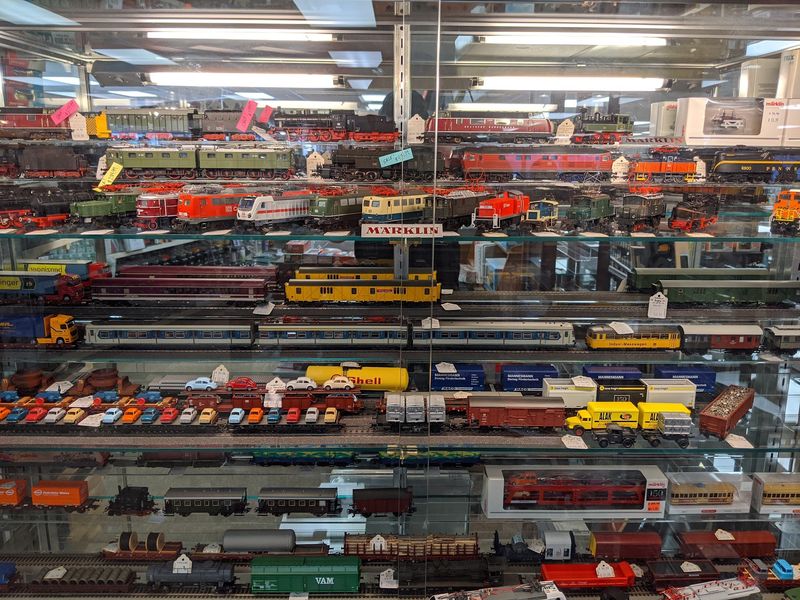
This shop goes much further. The shelves hold trains from tiny Z scale all the way up to chunky G scale, with HO, N, O, and even S scale in between.
For anyone new to the hobby, scale simply means how much smaller the model is than a real train.
Z scale is so small you could fit a whole layout on a coffee table. G scale is sturdy enough to run outside in a garden.
I spent a silly amount of time comparing the same kind of engine in different sizes. It felt a bit like meeting a family of trains, from the baby to the grandpa.
My practical tip is to measure your space at home before you shop. Knowing whether you have a closet, a basement, or a backyard helps you pick the right scale quickly.
Once you choose, the shelves become a treasure map instead of a maze.
The Mighty World Of N Scale
Small trains, big fan club, and I understood why after five minutes in the N scale section.
N scale models are about half the size of HO models. That means you can build long, winding layouts in a spare room without taking over the whole house.
The N scale selection here is deep. I saw locomotives, freight cars, passenger cars, and track pieces lined up in neat rows.
Some shoppers come just for this section, and it is easy to see why. The detail on these tiny models is amazing, with painted logos and railings thinner than a pencil line.
If you are just starting, an N scale starter set is a smart way to try the hobby. Staff here have a reputation for helping beginners pick their first N scale set.
Bring reading glasses if you need them, since the labels on these boxes can be small too. I left with a new respect for anyone who paints these little wonders by hand.
Used Trains With Stories To Tell
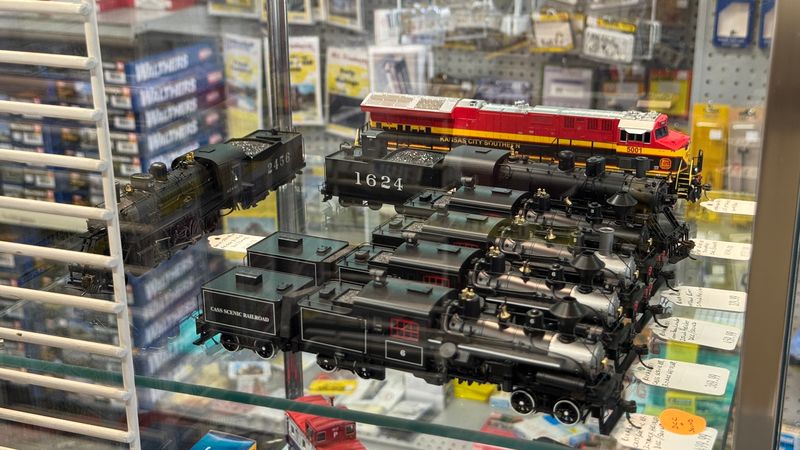
Old trains carry a special kind of magic, and the used section here proves it quite well.
Along with new products, the shop sells used trains and accessories. I found engines in older boxes, some with faded art that reminded me of hobby catalogs from decades ago.
Buying used is a great way to find models that are no longer made. It is also how many collectors fill gaps in their fleets.
I noticed that prices on used pieces can be a little higher than you might guess. That makes sense for rare items, but it helps to know what you want before you shop.
A good tip is to look up a model at home and check its usual value. Then you can walk in feeling confident instead of guessing.
Ask if a used engine can be tested before you buy it. Seeing it run on track gives you peace of mind.
Every scuffed box on that shelf seemed to whisper a tale from someone else’s railroad.
Train Sets For First-Time Engineers
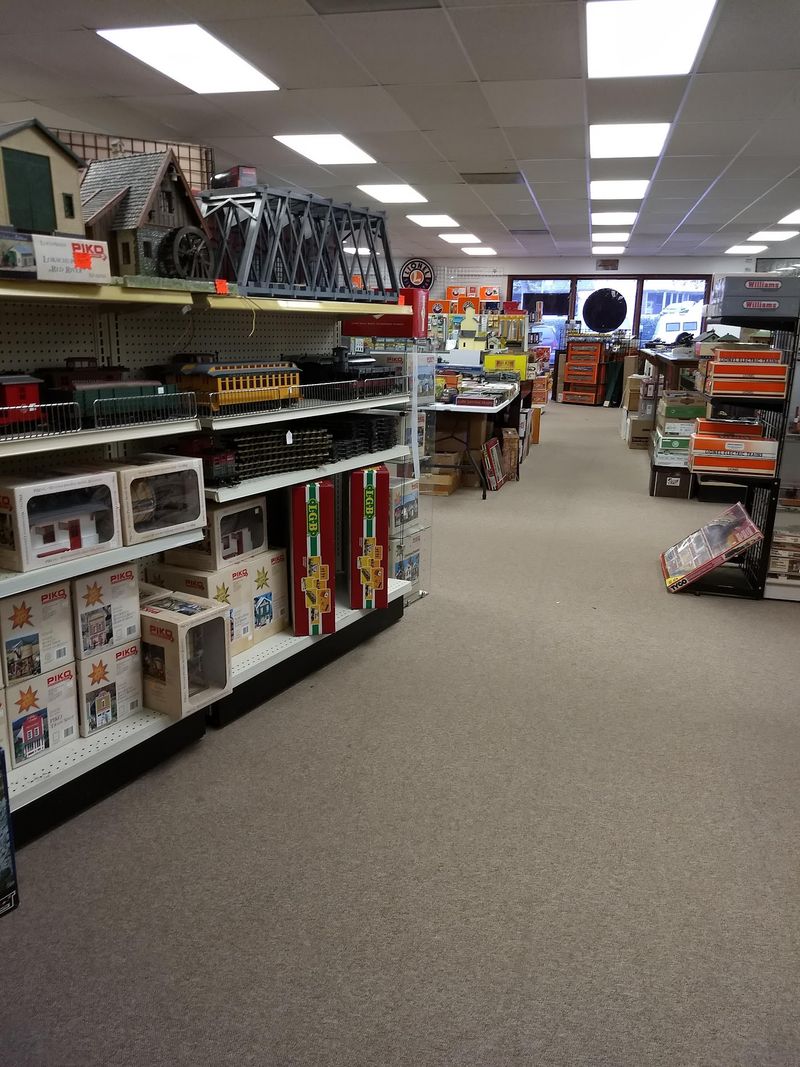
Starting a new hobby can feel scary, but a complete train set takes much of the guesswork away.
The shop carries boxed sets that include an engine, cars, track, and a power pack. Open the box, snap the track together, and your first railroad is ready to roll.
I saw sets in several scales, which makes it easier to match the right one to your space and budget. There were options for curious kids and for grown-ups who finally decided to chase an old dream.
Young children are not forgotten either. The store has a wooden train area that little ones seem to adore.
My advice is to think about who will run the train most. A small child may need something tough and simple, while an older kid might enjoy more detail.
Holiday shoppers take note, because a train circling a Christmas tree never goes out of style. Grab a set here, and you might just start a family tradition that chugs along for years.
Scenery Supplies For Tiny Towns
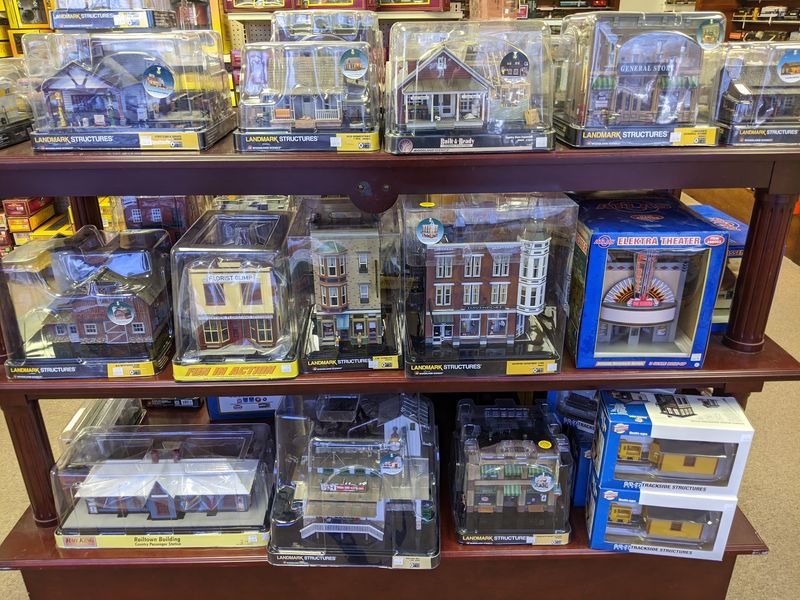
Tracks are only half the fun, because a railroad needs somewhere interesting to go each day.
This store stocks the pieces that turn a loop of track into a whole little world. I spotted building kits, tunnels, trees, and packs of miniature people waiting for a town to live in.
Walking these aisles got my imagination running full steam. I pictured a tiny main street, a farm, and maybe a grain elevator, which feels very fitting in Kansas.
Scenery is where your layout gets its personality. Two people can buy the same train and end up with completely different railroads.
Here is a simple tip for beginners. Start with just one scene, like a small station or a bridge, before you try to build a whole county.
Kits also make great rainy-day projects for families. Gluing, painting, and placing tiny figures can keep kids busy and proud of their work.
By the end of this aisle, my shopping list had grown taller than a scale water tower.
Vintage Trains And Collector Finds
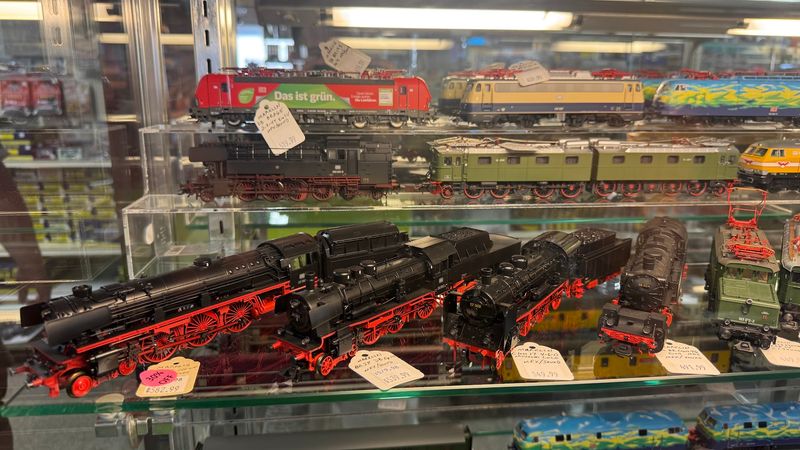
Old, detailed, and wonderfully varied, vintage trains are the collector corner of the model world.
This shop carries vintage models, which many collectors prize for their history and craftsmanship.
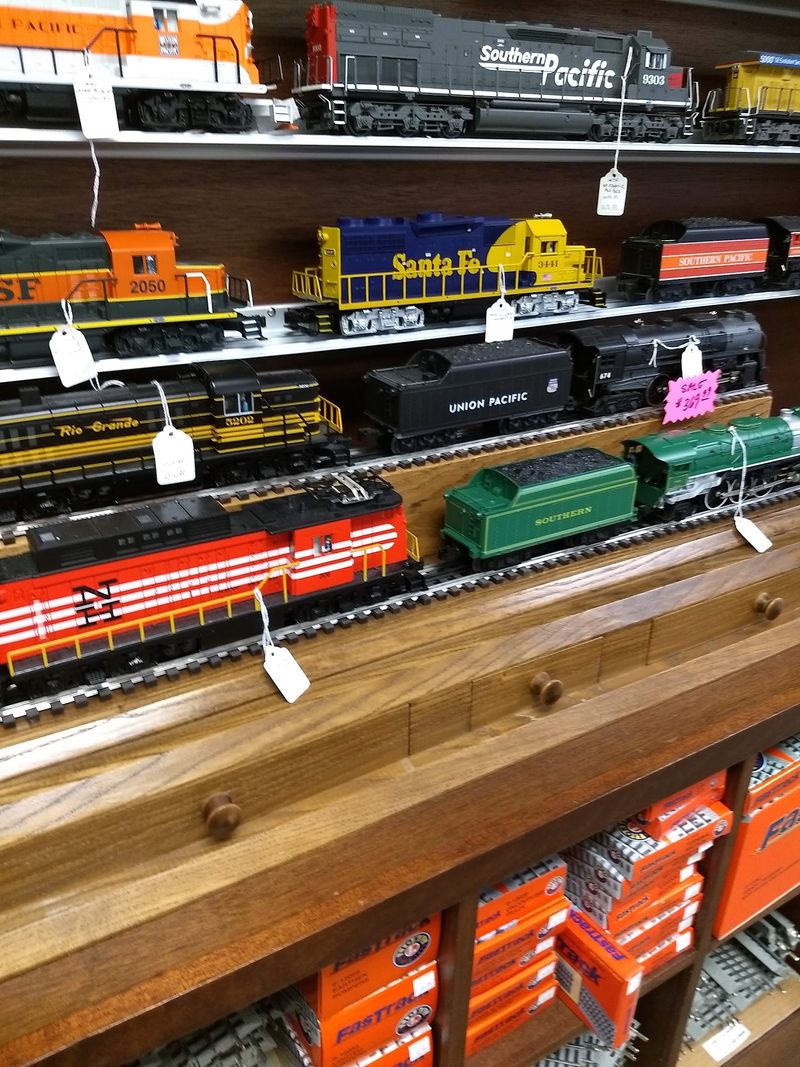
The selection includes older Lionel, American Flyer, Marx, Marklin, LGB, and assorted HO and N trains.
I leaned in close to some and could see tiny lettering, wheels, and hardware. It is the kind of detail that makes you slow down and really look.
Vintage models can cost more than newer pieces. They are often bought by serious collectors who know exactly what they are hunting for.
If you are curious but not ready to buy, simply looking is still a treat. Seeing older equipment up close teaches you plenty about how the hobby has changed.
For future collectors, a good first step is learning which railroads and eras you love most. That focus makes shopping for older pieces much easier.
I walked away without one, but my wish list now feels a little longer.
Books, Magazines, And Railroad Paper
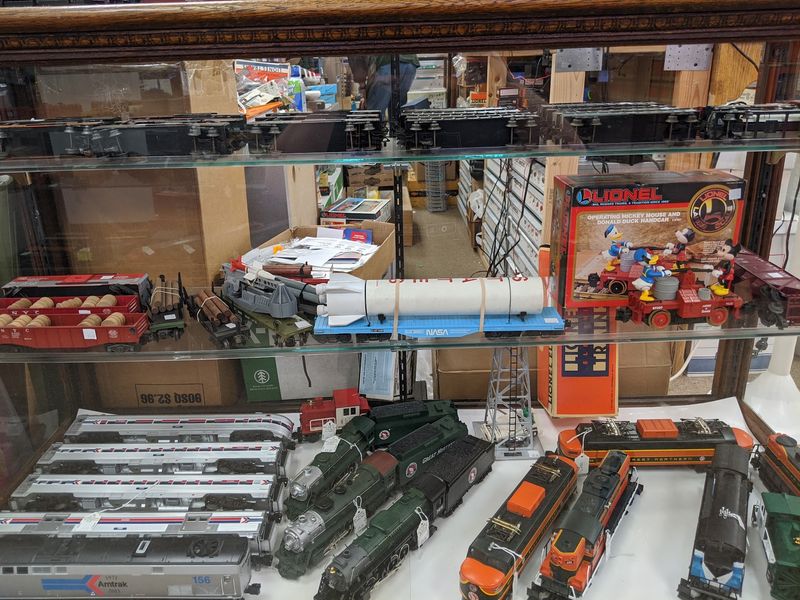
Paper lovers, listen up, because some of my favorite finds here did not even have wheels.
The shop keeps a strong selection of train books and magazines. I also noticed calendars and railroad timetables, which are not easy to find in most stores.
Books are a smart buy for anyone learning the hobby. They explain wiring, track plans, and scenery tricks in clear steps.
Magazines are great for fresh ideas and new product news. Flipping through one can spark a whole new project for your layout.
Old timetables are fun for history buffs. They show how real trains once moved people and goods across Kansas and the rest of the country.
My tip is to grab one how-to book before buying lots of gear. A little reading first can save you money and frustration later.
I left with a magazine tucked under my arm and a head full of plans. Sometimes the best souvenir from a train shop is simply a good story to read.
Help For Trains That Refuse To Run
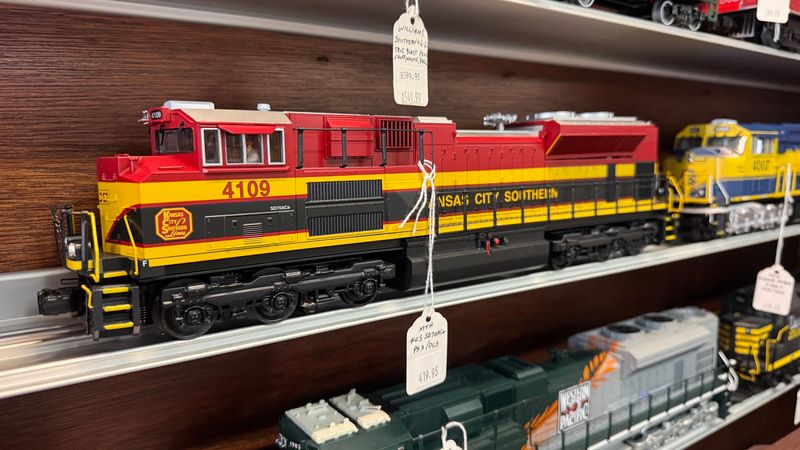
Few things are sadder than a holiday train that sits frozen under the tree, going nowhere fast.
The folks here are known for testing and checking equipment. I watched an engine being run on track to make sure it worked properly before it went home.
That kind of help is valuable, especially if you are new. A problem might be the engine, the track, or the power pack, and figuring that out takes know-how.
If your train is acting up, bring the pieces with you. Having the engine, a bit of track, and the controller makes it easier to find the trouble.
Staff here are known for deep knowledge of many scales, including less common ones like S scale. Asking questions is one of the best ways to learn.
My tip is to write down the brand and model before you visit. Clear details help any hobby expert help you faster.
Leaving with a train that runs again feels like a small victory lap around the living room.
Planning Your Afternoon Visit
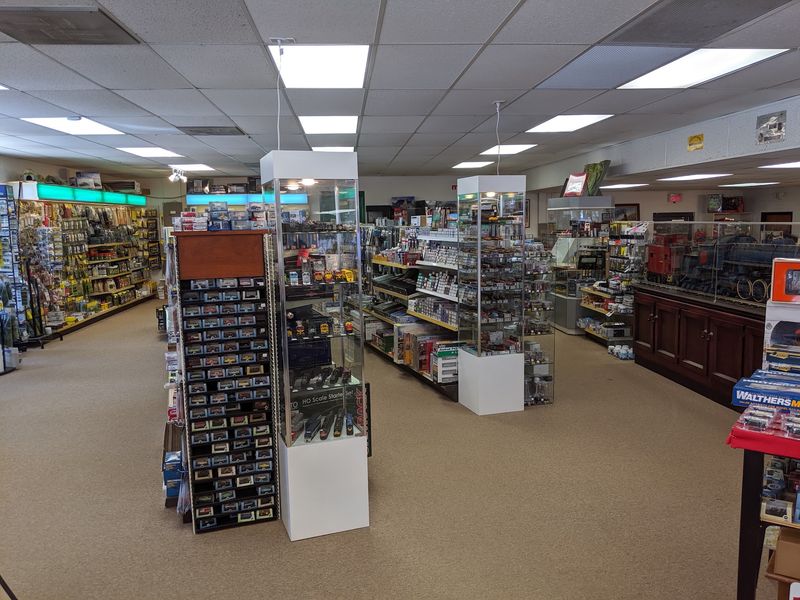
Timing matters here, so I learned the schedule before heading over to shop on a weekday.
The store is open Tuesday through Friday from 10 AM to 6 PM. On Saturday, hours run from 9 AM to 5 PM, and it is closed on Sunday and Monday.
Saturday mornings are handy if you want an early start. Weekday afternoons can feel calmer if you like to browse slowly.
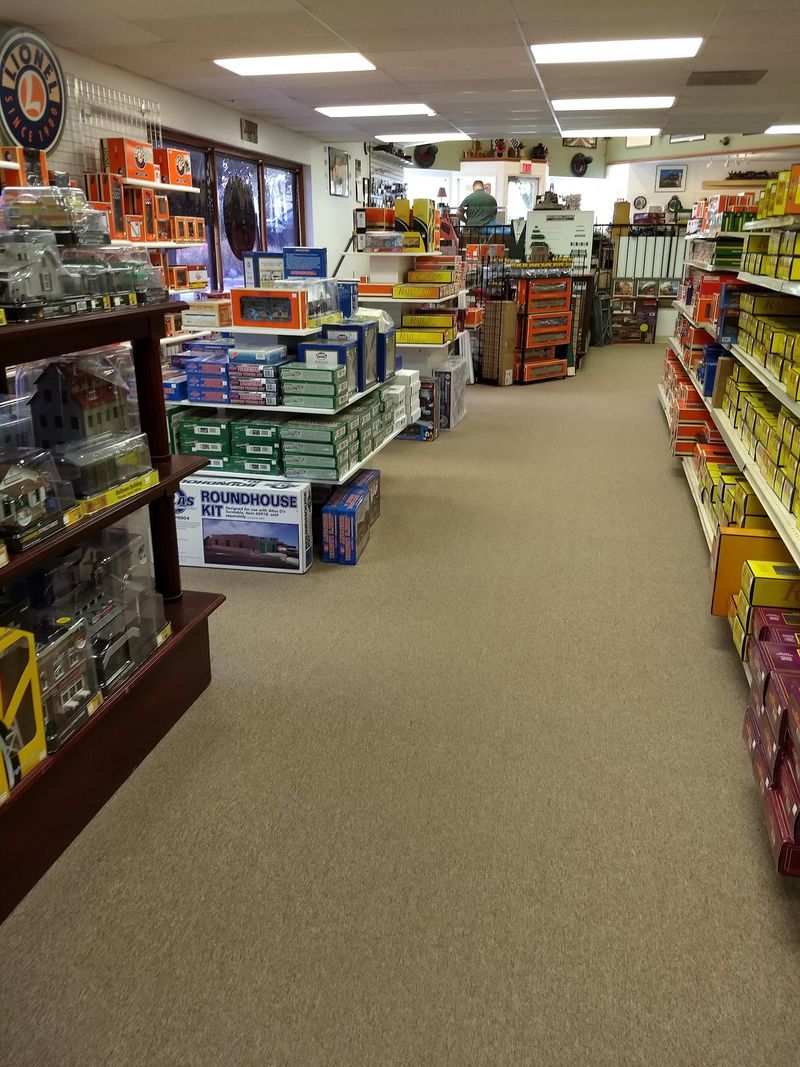
The aisles are neat and organized, but there is a lot to see. I suggest walking the whole store once before picking anything up.
It also helps to bring a short list. Write down your scale, the parts you need, and a budget so you stay on track.
Public restrooms may not be available, so plan a stop before you arrive. That small step makes a long browse much more comfortable.
Fred’s Train Shop is a place that rewards patience, and it is one of the best reasons for train fans to visit this corner of Kansas. Give yourself the whole afternoon, and let the little engines set the pace.