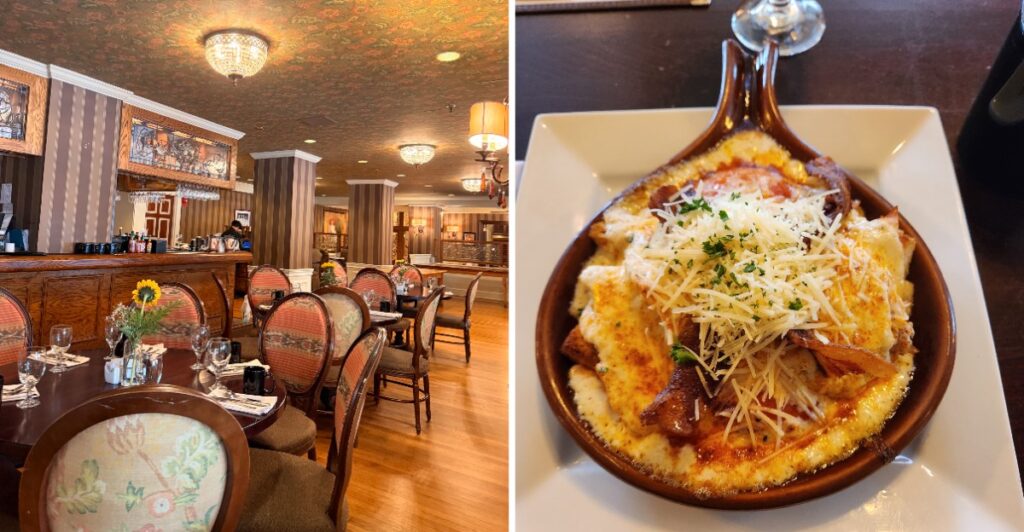
Hungry dancers are responsible for more food history than they probably realized.
Back in 1926, a Louisville hotel needed something substantial for guests who had worked up an appetite after a long night of dancing.
The kitchen came up with an answer.
A century later, you can still order that same creation under the roof where the idea first took shape.
That alone gives lunch a little extra personality.
Turkey and bacon bring the savory side, while Mornay sauce turns the whole thing into something far richer than an ordinary open-faced sandwich.
Kentucky history is sitting right there on the plate, but you do not need a lecture before the first bite.
I would look around the old hotel, order the original, and save the backstory for between bites.
After all, what did hungry dancers taste here in 1926 that Louisville is still talking about a century later?
The Hot Brown Was Invented Here In 1926
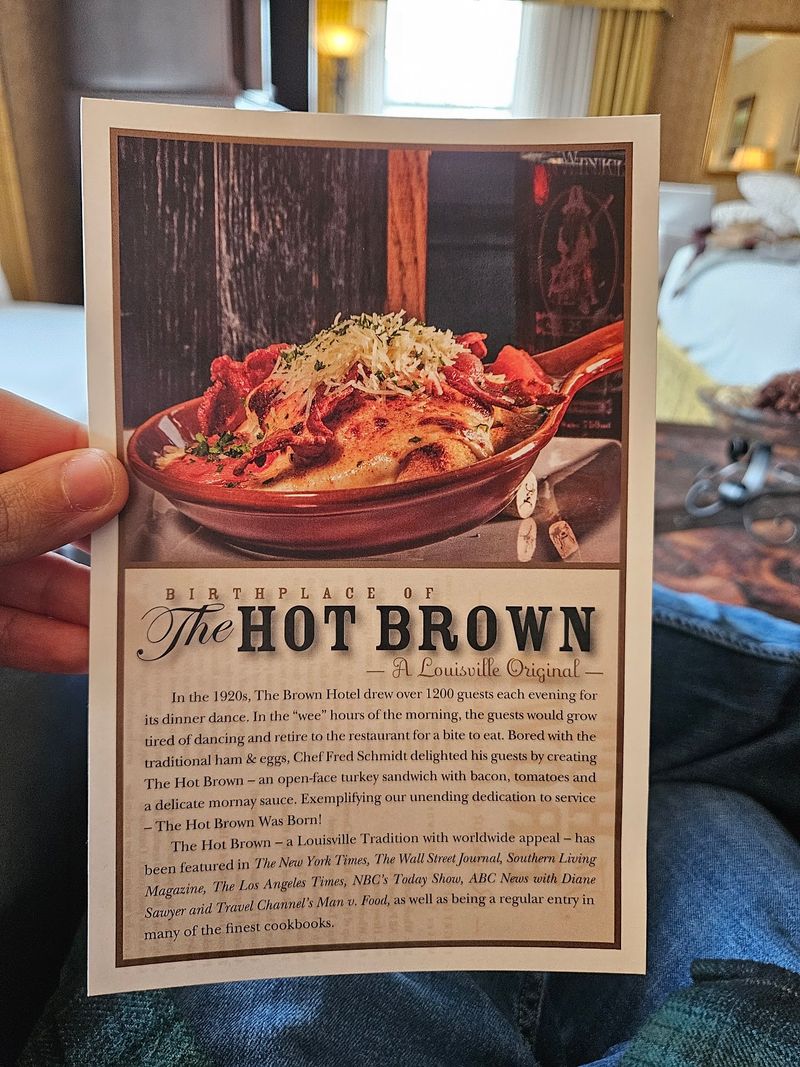
Few sandwiches can point to an exact birthplace, but this one can. The Hot Brown first appeared in 1926 inside the kitchen of The Brown Hotel in downtown Louisville.
The hotel itself had opened in 1923, so the dish arrived only a few years after the building began welcoming guests. Its early years included dinner dances that stretched late into the night, creating the setting that would eventually give the sandwich its reason to exist.
That history remains unusually easy to trace. The building is still standing, the hotel is still operating, and the Hot Brown is still served there.
For a first visit, that makes the order fairly simple. Start with the dish tied most closely to the place, then look around the hotel after lunch rather than treating the café as an isolated stop.
The Hot Brown’s centennial in 2026 adds another layer to the story, but the appeal does not depend on the anniversary. The sandwich had already spent decades connected to Louisville before reaching the hundred-year mark.
A lot has changed around it since 1926. The basic reason people come here for it has not.
Chef Fred Schmidt Created It For Late-Night Diners
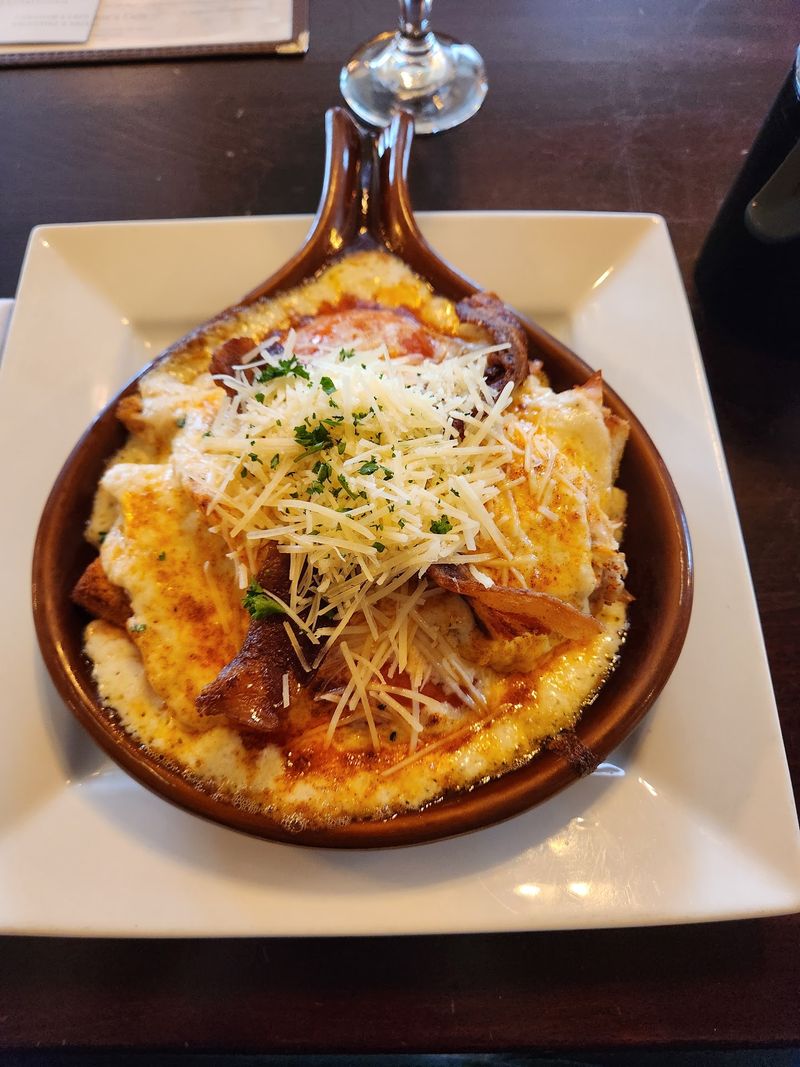
Picture a 1920s hotel ballroom still busy long after dinner. Guests had spent hours dancing, and the usual late-night ham and eggs were starting to feel predictable.
Chef Fred K. Schmidt came up with a different answer. He created an open-faced turkey sandwich topped with Mornay sauce and bacon, giving the late-night crowd something richer and more substantial.
The dish came directly from that dinner-dance era, when large evening crowds filled the hotel and the kitchen needed something beyond the usual late-night options.
That origin helps explain why the Hot Brown eats more like a plated meal than a handheld sandwich. It was built for a table, a fork, and a knife from the beginning.
The idea also fits the hotel setting. Rather than inventing a quick snack for the road, Schmidt created something designed to arrive hot from the kitchen and be eaten immediately.
That is still the practical way to approach it. Order it when you are ready for a full meal, not when you are looking for something light between stops.
The late-night dance floor may be gone, but the dish that came out of it remains on the menu.
Turkey, Bacon, Tomatoes And Mornay Define The Hot Brown
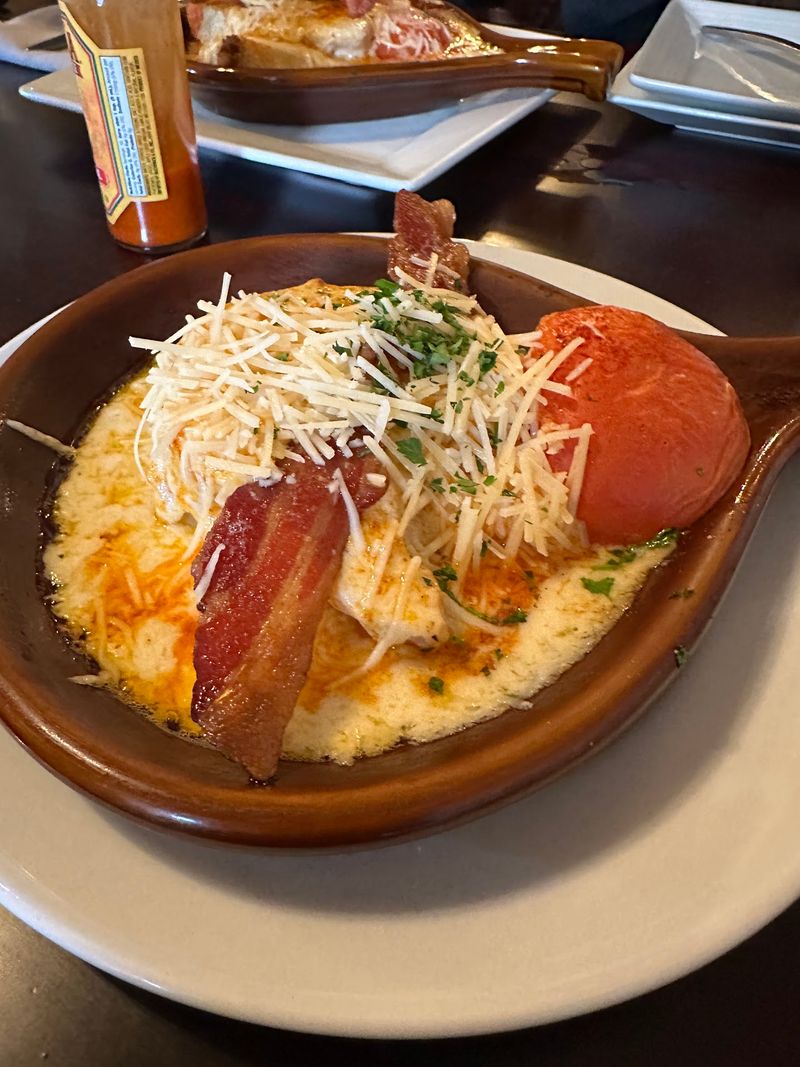
Bubbling, golden, and firmly in knife-and-fork territory, the Hot Brown has a clear set of ingredients that still define the original.
The current version at J. Graham’s Café is built with roasted turkey breast, toast points, tomatoes, bacon, Mornay sauce, and Pecorino Romano. Paprika and parsley finish the dish.
Mornay is the element that pulls everything together. It is a cheese-enriched sauce spread over the turkey and toast before the dish is finished under high heat.
The tomatoes add another layer beneath the sauce, while the bacon brings a crisp element across the top. Pecorino Romano adds more cheese flavor to the finished plate.
The café also offers a Petite Hot Brown, which gives lighter appetites a smaller version of the same basic combination.
That makes the choice less about changing the recipe and more about deciding how much lunch you want.
Either version is meant to be eaten hot. The sauce, turkey, toast, bacon, and tomatoes are all part of one assembled plate rather than separate sides.
If this is your first Hot Brown, the original full-size version gives you the clearest look at how the hotel still serves the dish a century after its creation.
J. Graham’s Café Keeps The Tradition Going
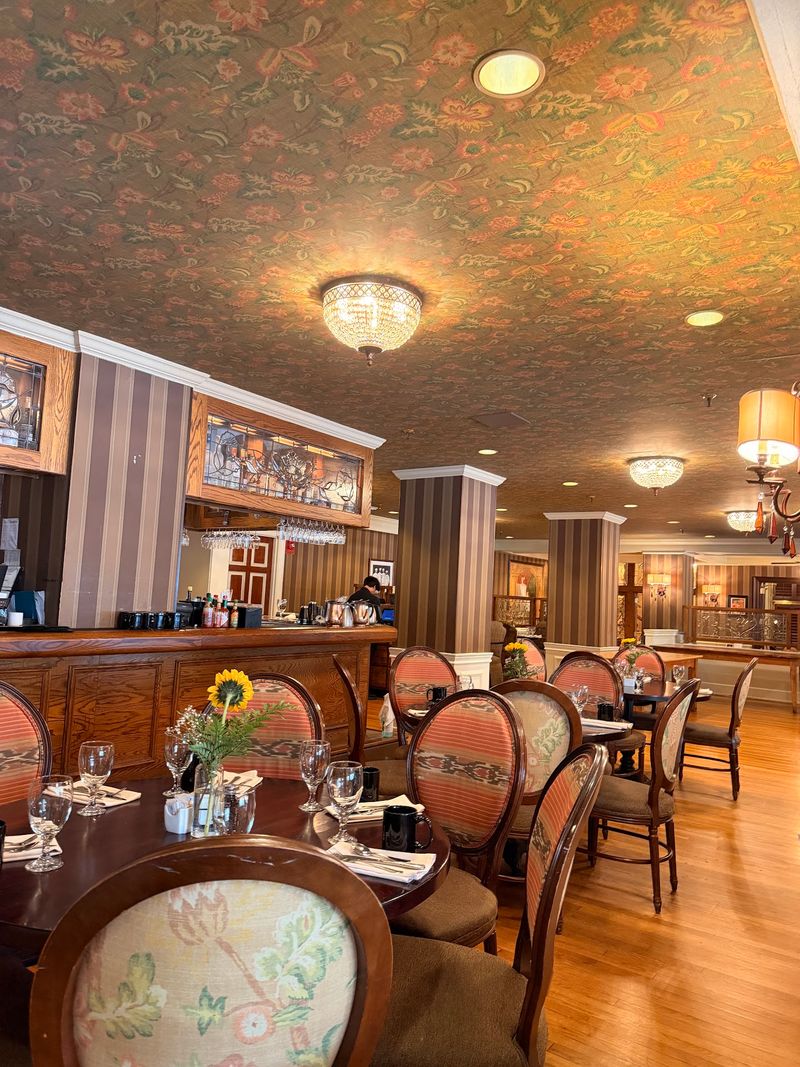
J. Graham’s Café is the hotel’s ground-floor dining room for breakfast and lunch, which makes it the most straightforward place to work the Hot Brown into a daytime visit.
The café serves breakfast and lunch seven days a week, with weekday and weekend hours divided between morning and midday service. That gives travelers room to plan around either an early start or a lunch stop.
Inside, the room keeps a traditional hotel feel rather than trying to imitate a modern sandwich shop. The Hot Brown arrives in a setting connected directly to the building’s long history.
The menu goes beyond the signature dish, so not everyone at the table has to order the same thing. Current lunch offerings include soups, salads, sandwiches, entrées, and desserts alongside the Hot Brown.
Derby Pie remains one of the dessert choices, while seasonal sweets can give the final course a different direction depending on the menu.
After the meal, the hotel itself is easy to include in the visit. The lobby and public spaces add architectural context without requiring a separate destination.
J. Graham’s Café sits inside The Brown Hotel at 335 W Broadway, Louisville, KY 40202, placing lunch right in the middle of downtown.
The Sandwich Became A Louisville Signature
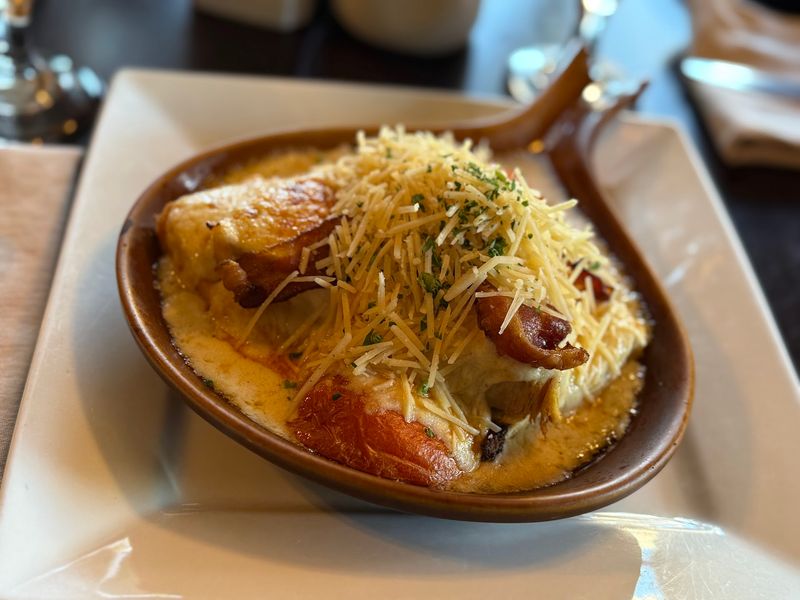
The Hot Brown did not stay a hotel curiosity for long. Over time, it became one of the foods most closely associated with Louisville.
Its name has traveled through cookbooks, newspaper features, television coverage, tourism material, and restaurant menus far beyond the room where it started.
Louisville now treats the Hot Brown as part of its culinary identity, especially because the origin is so specific. There is no need to choose among competing birthplace stories or vague family legends. The dish can be traced to one hotel kitchen and one chef.
That clarity makes it unusually useful for travelers who like regional food with a strong local connection.
You can eat it as lunch, but you are also getting a direct link to the city’s hospitality history and the era that produced it.
The centennial marks a clear milestone in 2026, a full century after the sandwich first appeared.
For anyone building a food-focused day around the city, the Hot Brown gives the itinerary an obvious anchor.
Start with the original, then let the rest of Louisville’s food scene widen the picture.
Other Kitchens Have Created Their Own Versions
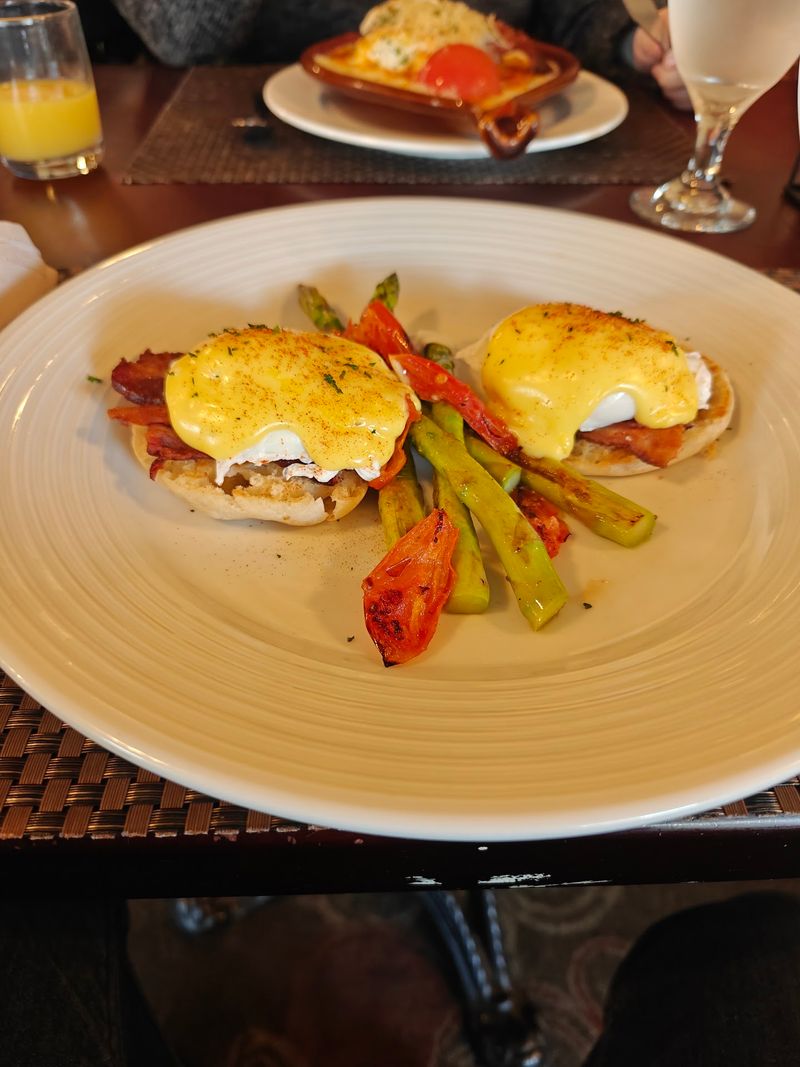
Once a dish becomes closely tied to a city, variations are almost inevitable. Louisville restaurants have created their own Hot Brown interpretations in forms that move well beyond the original plated sandwich.
Some versions change the bread or cheese. Others turn the idea into biscuits, pizza, fries, or other formats while keeping a connection to turkey, bacon, tomatoes, or cheese sauce.
That makes the original at The Brown Hotel useful as a reference point. You can see the starting structure first, then notice exactly what another kitchen changes later.
The hotel also publishes the Hot Brown recipe, including the Mornay sauce and assembly method, so the dish is not treated as a secret formula.
That openness has helped the recipe travel far beyond the building while still keeping its Louisville identity intact.
For curious cooks, the published method offers another way to understand the sandwich after the meal. For travelers, it simply makes the original easier to compare with the versions found elsewhere around town.
You do not need to turn lunch into a citywide tasting project, of course.
One Hot Brown can be plenty. But if another version appears later in the trip, you will know exactly what it is riffing on.
A Century Later The Original Is Still Served Where It Began
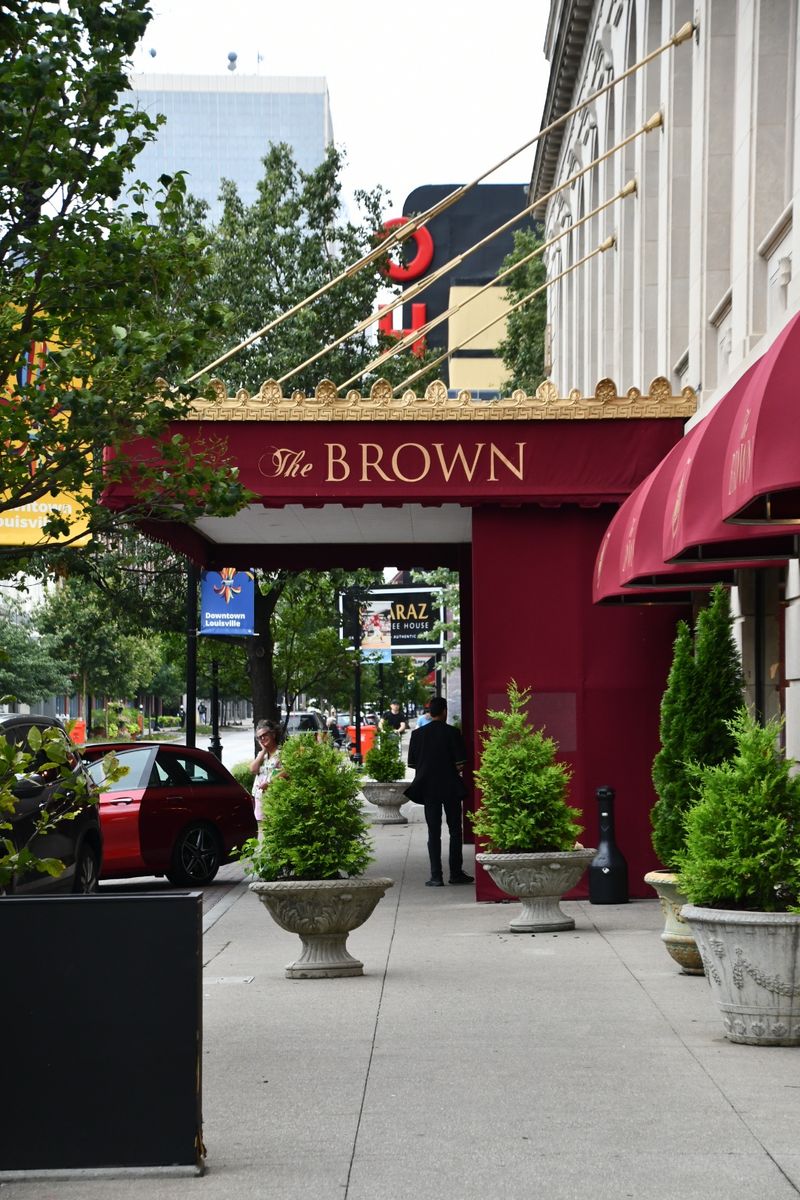
A hundred years after its debut, the Hot Brown is still being served under the same roof where Chef Fred Schmidt created it.
J. Graham’s Café remains the most direct daytime option, while the Hot Brown is also available elsewhere inside the hotel.
That gives visitors some flexibility without sending them to a different building or a modern recreation elsewhere in town.
The important part is continuity. The dish is still tied to The Brown Hotel, still built around turkey, bacon, tomatoes, toast, and Mornay sauce, and still presented as the hotel’s signature creation.
Reservations are available, which can make planning easier if the Hot Brown is a fixed part of your Louisville schedule.
The centennial gives the meal an obvious historical milestone in 2026, but there is no need to turn the plate into a ceremony. It is still lunch, and the practical question is still whether you want the full version or the petite one.
That balance is part of what keeps the story interesting. A dish can carry a century of history and still arrive as something meant to be eaten while it is hot.
For a Louisville food stop with a very specific beginning, few meals make the connection this clearly.