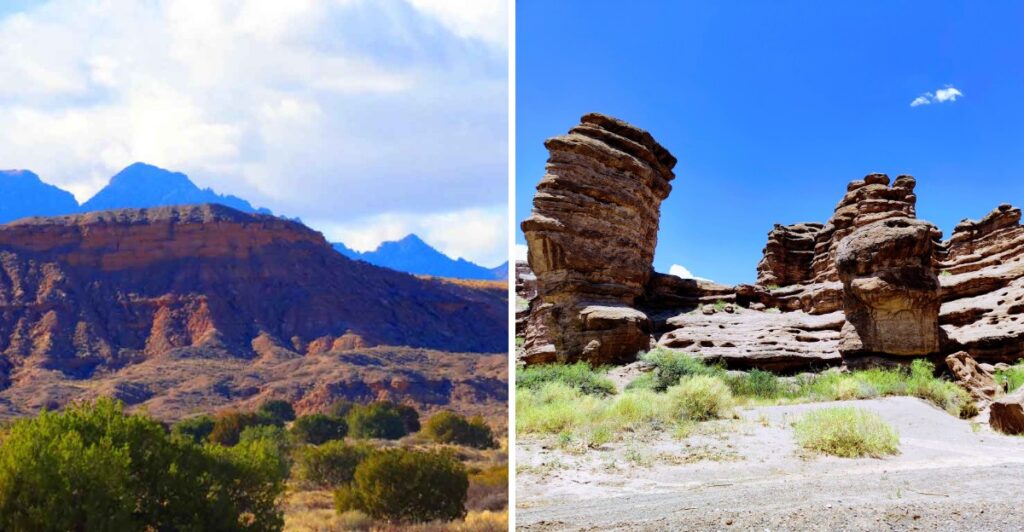
Some places look impressive in photos. Others do not really make sense until you are standing there and realize just how far the landscape stretches.
North of Socorro, one enormous protected area delivers that feeling almost immediately. The road gives way to open country, distant ridges, and the kind of silence that makes the whole place feel much farther removed than it actually is.
You do not need a long hike to understand the appeal. Even a short visit can feel unexpectedly memorable, especially when wildlife appears somewhere in the distance or the horizon seems to keep moving farther away.
That is what makes this New Mexico stop so easy to underestimate. At first, it may seem like another scenic detour.
Then the scale starts to sink in. A quick visit can easily turn into one of those places you keep thinking about long after you leave.
Desert Wilderness Beyond The Horizon
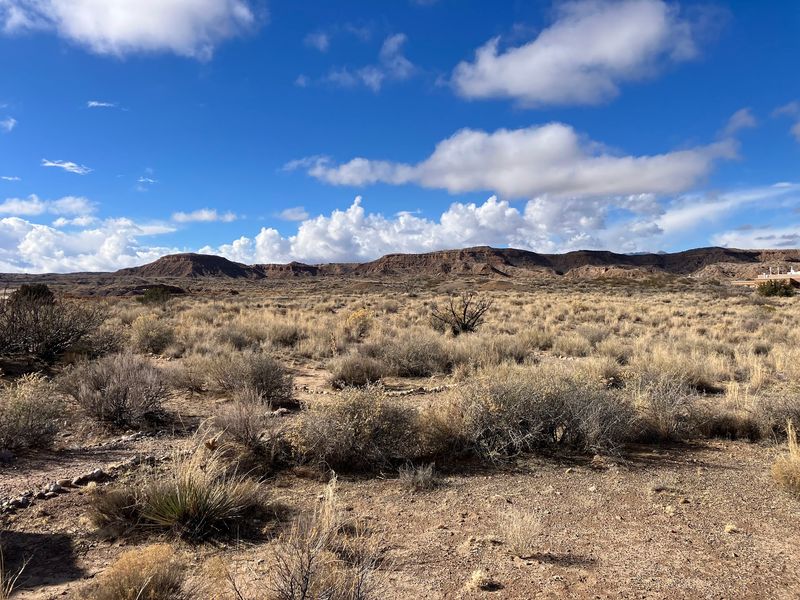
Out past the last gas station, the land opens up in a way that makes cars look tiny. Golden grass rolls toward faraway ridges, and the sky seems to stretch forever in every direction.
Roughly 360 square miles of protected ground spread across both sides of the Rio Grande here. That makes this refuge one of the largest wildlife refuges in the lower 48 states.
Most of the land is kept off-limits on purpose, so animals can live with very little human traffic. Scientists study the area closely, and the quiet helps their research stay accurate.
Honestly, I love the idea that a place this big is mostly left alone. It feels like a promise that some wild corners still belong to the animals first.
Travelers still get a solid window into all this space. A visitor center sits close to the interstate, and short trails lead right out into the open desert.
Plants and rocks steal the show for many hikers. Twisted shrubs, colorful stones, and wide views make even a quick walk feel like a real escape from the road.
The air here is dry, and the wind often has plenty to say. Water and sun protection belong in every bag before stepping onto the trails.
For a stop just off the highway, the payoff is surprisingly grand. One short drive swaps traffic noise for a horizon that seems to never quite end.
Travelers can find all of this at Sevilleta National Wildlife Refuge, 40 Refuge Rd, San Acacia, NM 87831, in New Mexico.
Where Four Wild Landscapes Meet
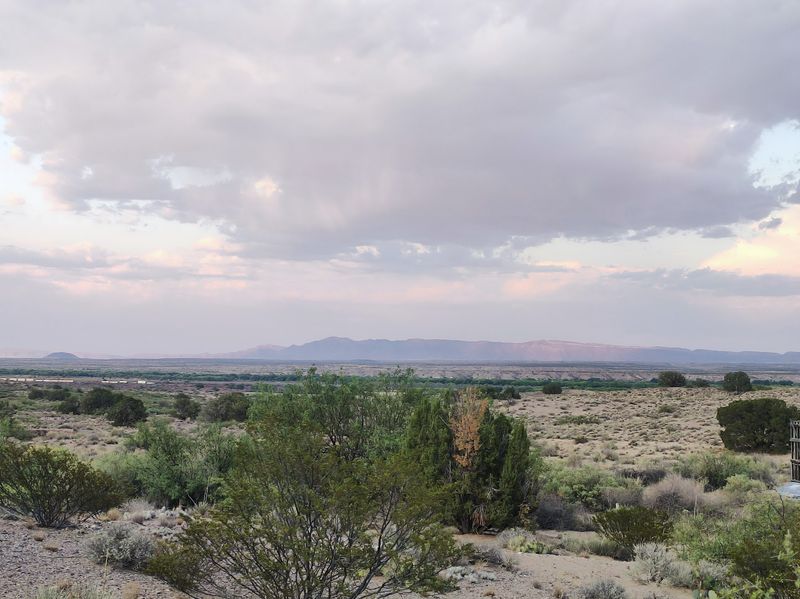
Few places on the map can claim a four-way crossroads of nature. At Sevilleta, the Chihuahuan Desert, the Great Plains grassland, the Colorado Plateau shrub-steppe, and piñon-juniper woodland all bump into one another.
Each of these communities brings its own plants and animals. When they overlap, the mix of life becomes much richer than any single habitat could offer alone.
That blend is a big reason scientists care so much about this land. A long-term research program has studied the refuge for decades, watching how plants and animals respond to changes over time.
I find it fascinating that one walk can pass through more than one natural neighborhood. Grasses give way to shrubs, and shrubs give way to rocky slopes with scattered junipers.
Exhibits inside the visitor center help explain how these habitats fit together. Maps and displays make it easier to spot the differences once outside on the trail.
Paying attention to small details pays off here. The shape of a leaf or the color of the soil can hint at which landscape is underfoot.
Seasons shift the picture, too. Spring can bring blooming wildflowers, while summer heat makes the desert side feel extra fierce.
Nature clearly did not want to pick just one style here. The result is a landscape with a split personality in the best possible way.
Trails Through Big-Sky Country
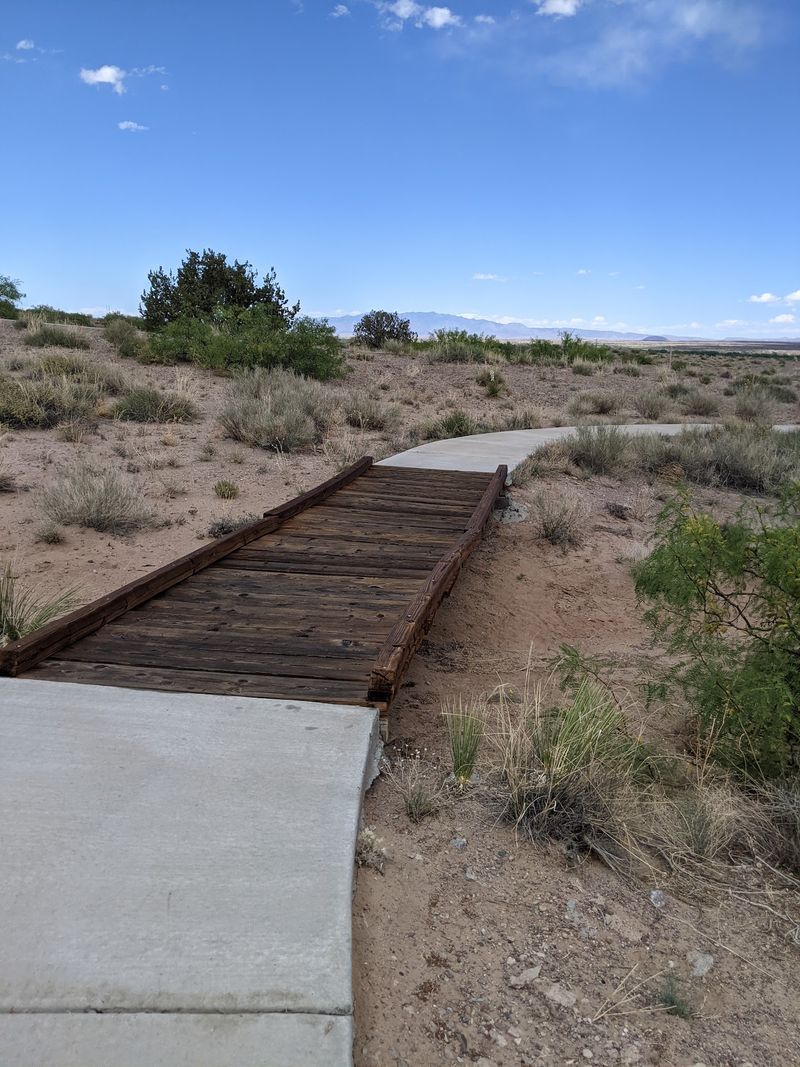
Hikers, runners, and leg-stretchers all share one big reason to stop here. A small network of trails starts near the visitor center and heads out into the open land.
The paths range from short and easy to moderate. Some climb up onto the mesa, where the views get wider with every step.
Since most of the refuge is closed to the public, these trails are the main way to explore on foot. Staying on the marked routes protects fragile soil and keeps wildlife habitat undisturbed.
Trail markers deserve close attention. A few turns are easy to miss, so a quick glance at a map before starting can save some backtracking.
Shade is hard to find out here, and that matters a lot. Plenty of water, a hat, and sturdy shoes make the walk far more pleasant.
Summer heat can be intense on these exposed paths. Cooler months and early mornings tend to make for a happier hike.
I have to admit that the phrase big-sky country fits almost too well here. The sky feels like the main character, and the trail is just the stage.
Wind often sweeps across the mesa, so a light jacket can help even on sunny days. Out here, the breeze tends to have opinions.
Wildlife Appears Without Warning
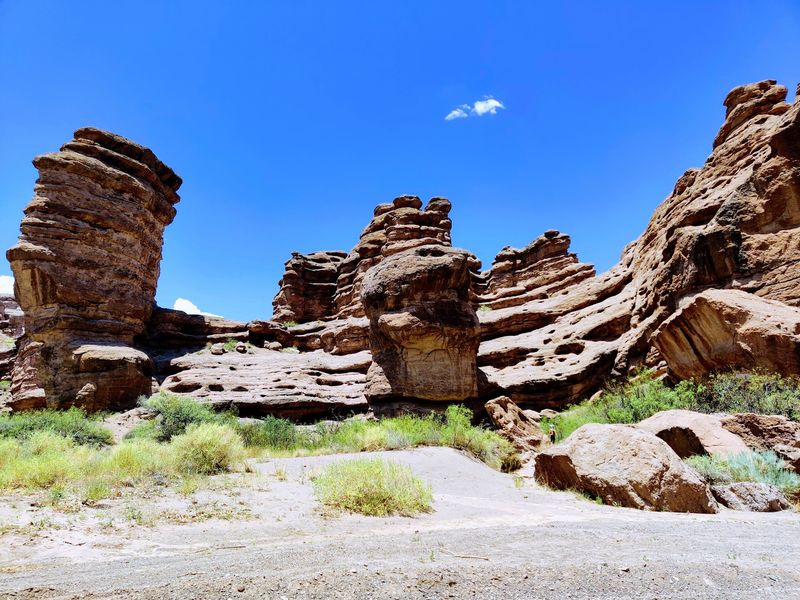
Patience is the secret ticket to wildlife watching here. Animals do not follow a schedule, and they rarely pose on cue.
The refuge supports a wide range of creatures, thanks to its mix of habitats. Pronghorn, mule deer, coyotes, and many kinds of birds call this land home.
Prairie dogs have a special place in the refuge story. Staff have worked with these busy little diggers, and their colonies help many other animals survive.
Spotting wildlife can be hit or miss, especially in winter. Some days bring a parade of birds, while other days feel very quiet.
That surprise factor is part of the fun, in my view. A sudden flash of wings or a lizard dashing across the path can turn an ordinary hike into a highlight.
Early morning and late afternoon are usually the busiest times for animals. Midday heat sends many of them into shade or underground burrows.
Binoculars are a smart thing to pack. Animals often keep their distance, and a closer look makes the moment much more rewarding.
Nearby wetlands along the Rio Grande attract birds like herons and other waterfowl in the cooler months. Those spots add even more chances to see feathered visitors.
Out here, the wildlife sets the rules. Visitors simply get lucky enough to watch.
A Window Into The Wild
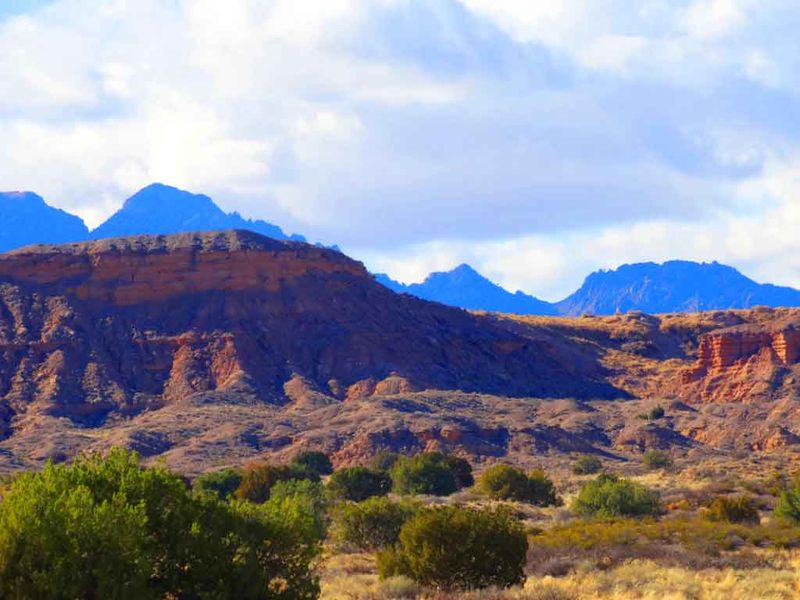
Before lacing up hiking boots, a quick look inside the visitor center makes a lot of sense. The building works as a friendly front door to this enormous refuge.
Exhibits explain the land, its habitats, and the animals that live here. A small museum-style space packs in plenty of information without feeling overwhelming.
Live cameras add a fun twist to the experience. They offer a peek at parts of the refuge that visitors cannot reach on foot.
A small gift shop rounds things out nicely. It is a handy spot to pick up a souvenir or a nature-themed keepsake.
Staff and volunteers are known for being friendly and full of helpful facts. They can share trail tips, wildlife news, and ideas for nearby spots worth seeing.
Hours are limited, so planning ahead matters. The center is open Wednesday through Friday from 8 AM to 4:30 PM, and closed Saturday through Tuesday.
Checking the official refuge website before a trip is a good habit. Schedules can change, especially in slower seasons.
I really appreciate how much this small building manages to hold. It turns a huge, mostly closed landscape into something easy to understand.
Outside, the decor and landscaping add their own charm. The welcome starts before visitors even open the door.
Arroyos Cut Through The Desert
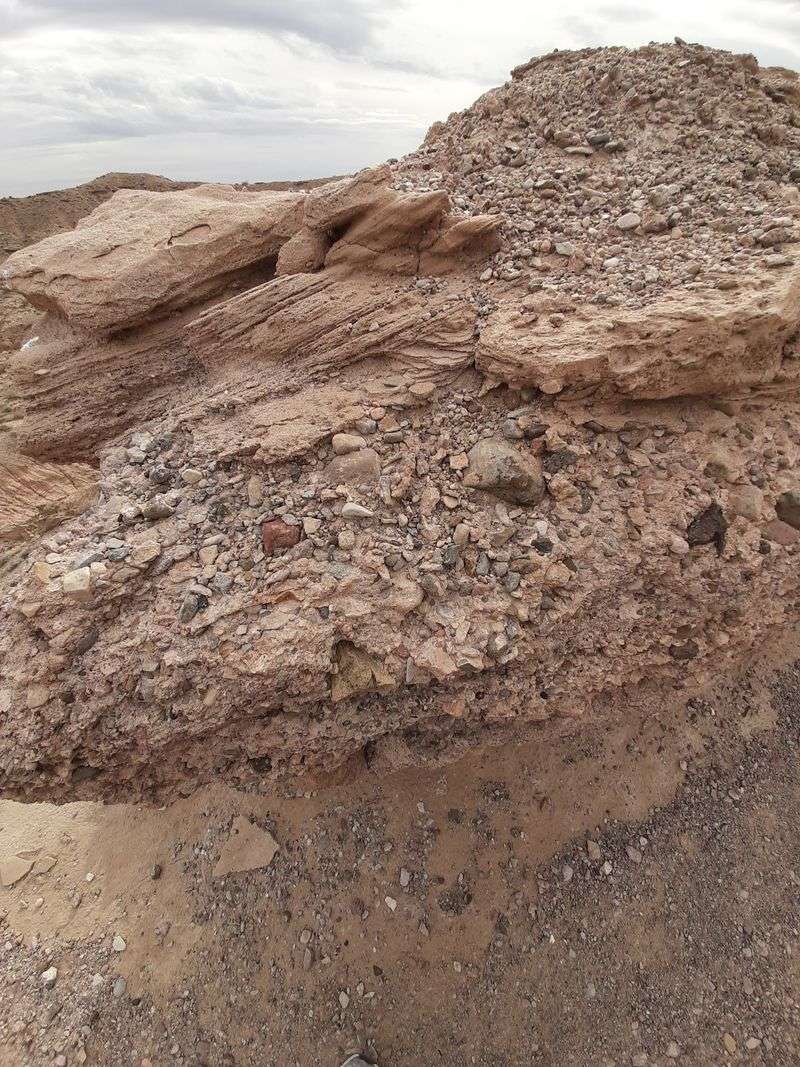
Dry riverbeds tell stories that rain only whispers about once in a while. In the Southwest, these channels are called arroyos, and they shape much of the land around the refuge.
Most of the year, an arroyo looks like a sandy path. When a strong storm rolls in, water can rush through quickly and carve the ground even deeper.
Over time, that power has sculpted banks, ledges, and interesting rock formations. Layers of stone and soil show up in the walls, revealing bits of the land’s long history.
Hikers often notice colorful rocks and twisted shapes along the way. I think these rocky details are some of the most underrated sights on the trails.
Plants tend to gather along the edges of arroyos. A little extra moisture after storms gives them a better shot at growing.
Animals use these channels as natural highways, too. Tracks in the sand can hint at who passed through overnight.
Safety matters here, especially during the summer storm season. Flash floods can arrive fast, so staying out of arroyos when storms threaten is wise.
On a calm, dry day, these sandy channels feel almost peaceful. It is hard to believe such quiet ground can roar to life after a big rain.
The desert, it turns out, keeps a few dramatic tricks up its sleeve.
Mountain Views Beyond The Mesa
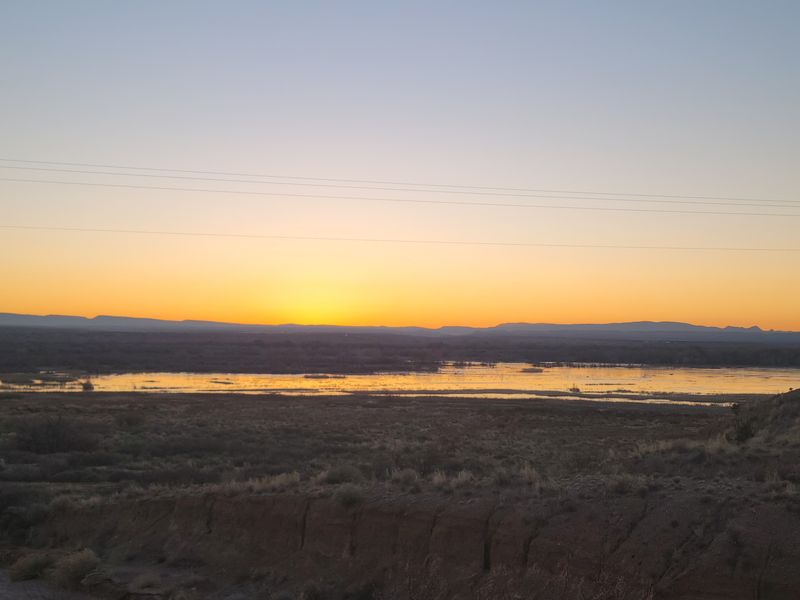
Climb a little, and the whole valley rewards the effort. Trails near the visitor center rise onto the mesa, where the scenery suddenly opens wide.
From up top, the Rio Grande valley spreads out below. Green ribbons of trees trace the river, standing out against the tan and gold of the surrounding desert.
Mountain ranges line the distance on clear days. The refuge itself includes rugged highlands, with the Ladron Mountains rising to the west and Los Pinos Mountains to the east.
Light changes the scene throughout the day. Morning brings soft colors, while late afternoon can paint the hills in warm shades of orange and pink.
I find that sunset views here feel almost unfair to the rest of the day. Everything glows, and the shadows stretch across the land in dramatic lines.
Photographers will want to keep cameras ready. The open terrain makes it easy to capture big, sweeping scenes without much effort.
The mesa can be breezy, so hats need a firm grip. A sudden gust has a way of making sun protection fly off on its own adventure.
Returning hikers should keep track of time, since the visitor center closes at 4:30 PM on open days. The views, thankfully, stay open to every patient eye.
A Quiet Trail Into Nature
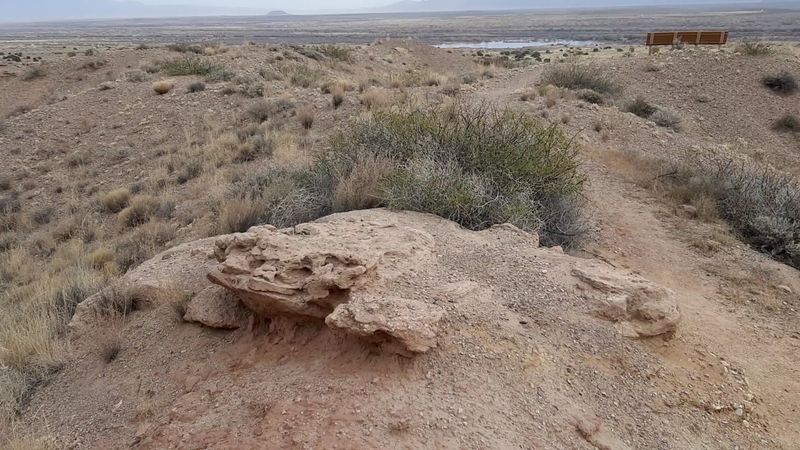
Silence has a sound out here, and it is surprisingly soothing. Wind in the grass and the call of a distant bird often replace the hum of traffic.
The trails near the visitor center make a calm break from a long road trip. Even a short walk helps travelers stretch their legs and reset their minds.
Many people stop just to take a breather off Interstate 25. They often leave with a deeper appreciation for this wide, open part of New Mexico.
Volunteers help keep the refuge in good shape through work projects guided by staff. Giving back to the land adds a rewarding layer to any visit.
Respect for the refuge goes a long way. Packing out trash and staying on trails keeps this quiet place healthy for animals and future visitors.
Restrooms are available inside the visitor center only during its open hours. Planning around open hours makes the trip smoother.
Personally, I love that a place this peaceful sits so close to a busy highway. It proves calm can be just one exit away.
Each season brings a different mood to the land. Spring blooms, autumn light, and crisp winter mornings all show off new sides of the refuge.
Some places shout for attention. This one simply waits, quietly, for anyone willing to listen.