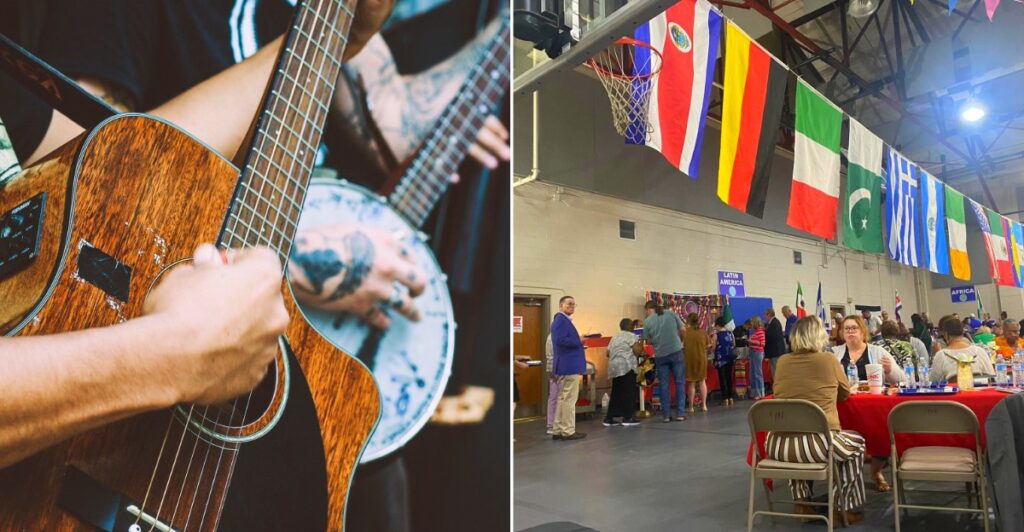
October gets pleasantly old-fashioned when a small Louisiana downtown fills with bluegrass, cast iron, handmade crafts, and the smell of something slowly cooking outdoors. For one free Saturday, streets and museum grounds become a living showcase of regional traditions that usually sit quietly in family kitchens, workshops, and memory.
Folk demonstrations and Dutch oven cooking give the day a hands-on rhythm, while music and children’s activities keep it from feeling like a history lesson.
In Louisiana, folk culture feels wonderfully alive when music, foodways, craft, and community all share the same downtown streets.
What I like most is the scale. The festival is compact enough to wander without a plan, yet varied enough that one small demonstration can pull you in for twenty minutes.
A fiddle tune, a blackened pot, or a handmade tool suddenly becomes the reason to linger, and the whole afternoon feels richer than expected for it.
The Museum Plaza Is Your Starting Point
One address keeps the outing simple: 211 N Main St, Farmerville, LA 71241. The Union Museum of History and Art hosts the festival on its plaza, with activities extending onto adjoining streets.
Use the museum as your first landmark rather than hunting for a separate festival ground. Once you arrive, take a moment to understand where demonstrations, music, and children’s activities are located.
Street use during an event can affect your usual driving route, so follow posted directions and avoid assuming you can park directly beside the entrance. Ask organizers about accessible arrival options if someone in your group needs a shorter walk.
A clear meeting point also helps families stay organized. Choose a visible spot near the museum, agree on it before wandering, and let the festival unfold from there.
Simple arrangements leave more attention for the interesting things happening around you.
Main Street Turns Into Folk Festival Country
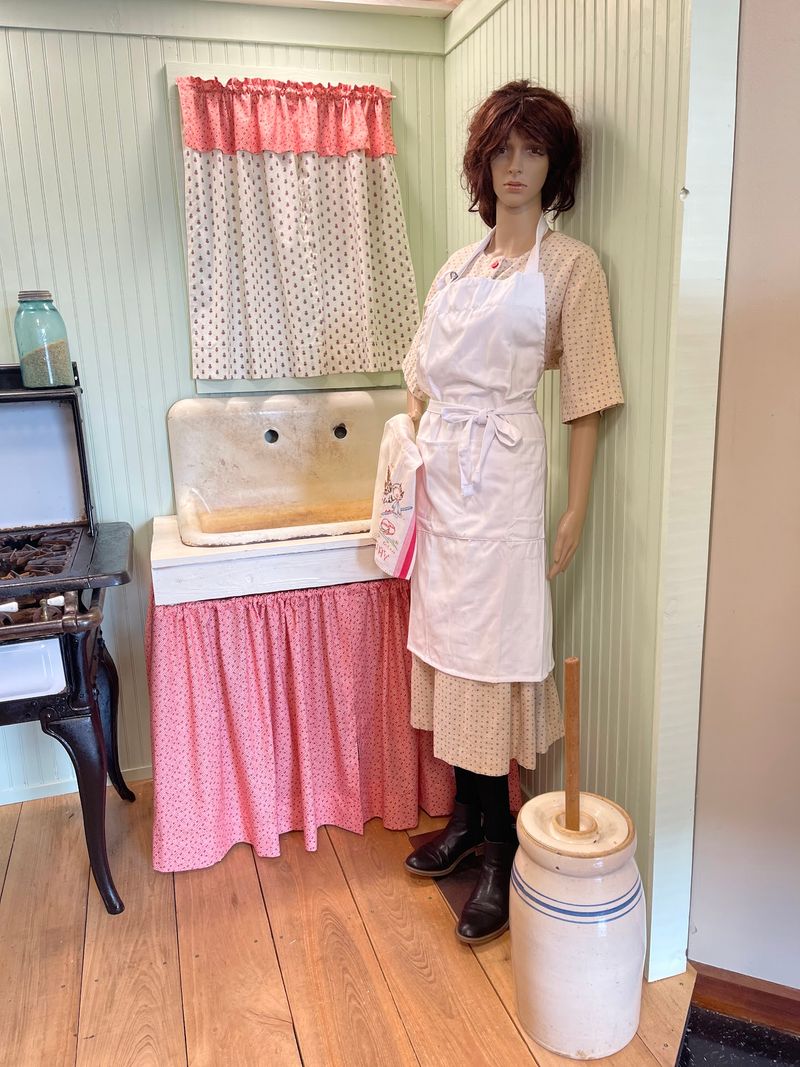
Bayou D’Arbonne Folk Festival takes over the Union Museum of History and Art at 211 N Main Street in Farmerville, Louisiana, on October 24, 2026. North Main Street is the best arrival anchor, with the museum plaza sitting right in downtown Farmerville.
The last few blocks get busier once the festival starts spilling beyond the museum grounds. Bluegrass, vendors, craft demonstrations, and re-enactors spread across the plaza and adjoining streets, so the event footprint feels bigger than a single museum stop.
Park in legal public parking around downtown and finish the trip on foot toward 211 N Main Street. Once you reach the museum plaza, the festival extends outward into the surrounding streets rather than funneling through one single entrance.
Bluegrass Deserves More Than A Passing Listen
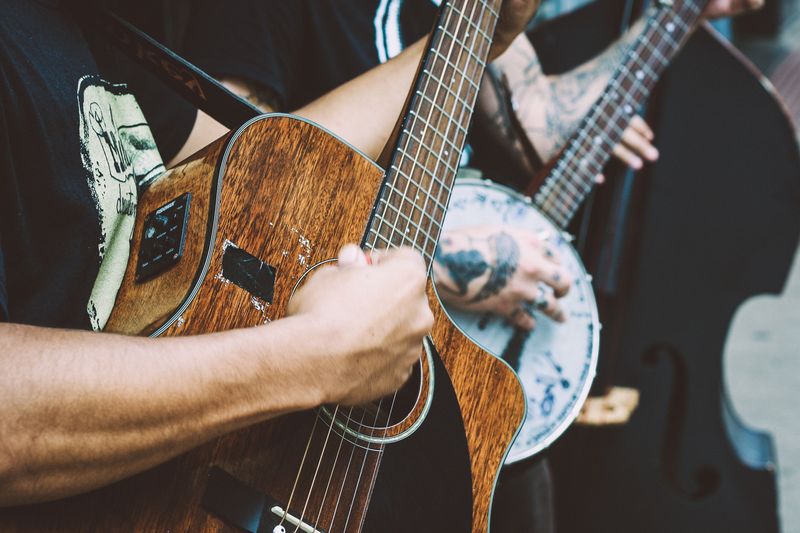
A quick musical stop can become the part of the day you remember best. Live bluegrass is a central feature of the Bayou D’Arbonne Folk Festival, connecting the celebration with traditional acoustic music.
Give yourself time to hear a complete tune instead of treating the performance as background noise. Listen for how the instruments answer one another and how the rhythm holds the group together.
Check the day’s program for performance times and the actual musician lineup. Specific instruments, bands, and sets should not be assumed before organizers announce them.
For children, try a small listening challenge: notice when a different instrument takes the lead. Adults might enjoy the same game, even if they refuse to call it one.
Stand where you can hear comfortably while leaving room for other visitors to pass. Good listening needs attention, not a front-row claim.
Dutch Oven Cooking Makes Heat Visible
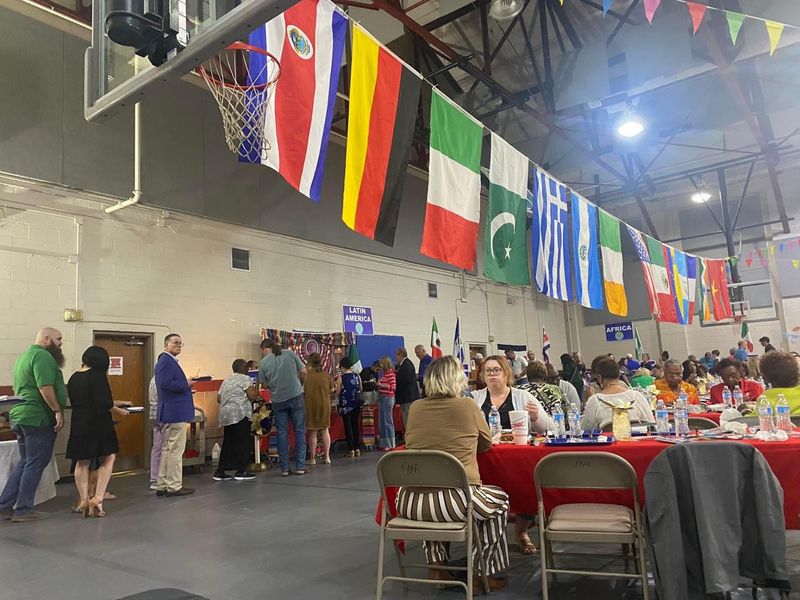
A heavy iron pot can teach quite a lesson about patience. Dutch oven cooking demonstrations show how cooks prepare food with cast iron and carefully managed heat rather than a kitchen stove.
Traditional camp ovens often have short legs and lids designed to hold coals. Heat from below and above helps explain why these pots can do more than simply boil a meal.
Watch the cook’s choices before focusing on the finished food. Ask how coal placement affects temperature, how often the lid should be lifted, and what makes a dish suitable for this method.
Sampling may be offered, but availability and menus should be confirmed at the demonstration. Mention food allergies before accepting anything.
Keep children clear of hot metal and cooking areas, even when the pot looks still. Cast iron is wonderfully useful, but it does not announce its temperature.
Pioneer Crafts Reward A Closer Look
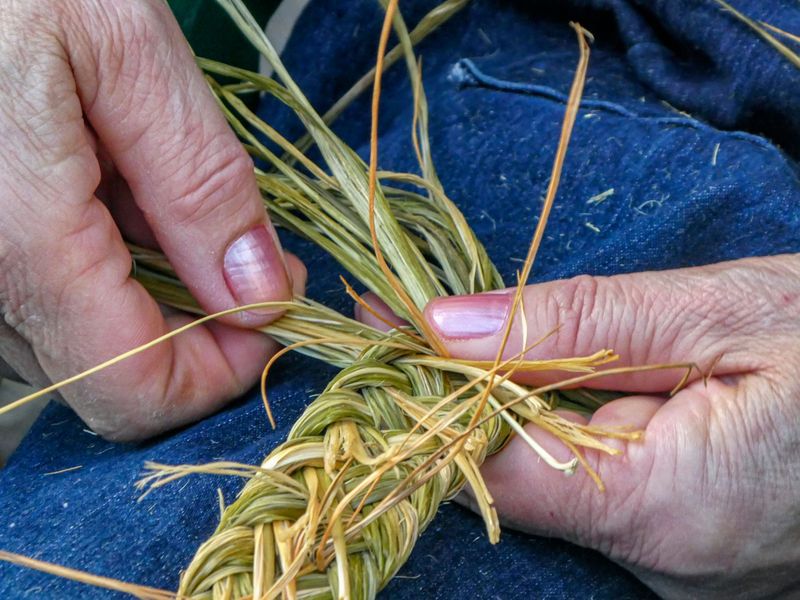
Hands often explain an old skill better than a finished object does. Folk craft demonstrations are part of the festival’s heritage focus, showing work that helped people meet everyday needs generations ago.
Rather than moving on after a quick glance, follow one small task from beginning to end. Notice the tools, repeated movements, and decisions that turn ordinary materials into something useful.
Ask what a beginner usually gets wrong or how long the skill takes to learn. Those questions invite clear answers and help younger visitors understand why experience matters.
The exact craft lineup can vary, so check current announcements instead of expecting every activity from earlier years. Touch tools or materials only when invited.
A demonstration is not automatically a hands-on station, and giving artisans working space helps everyone see the process. Sometimes the most interesting detail is a tiny correction.
Past Traditions Offer Clues, Not Promises
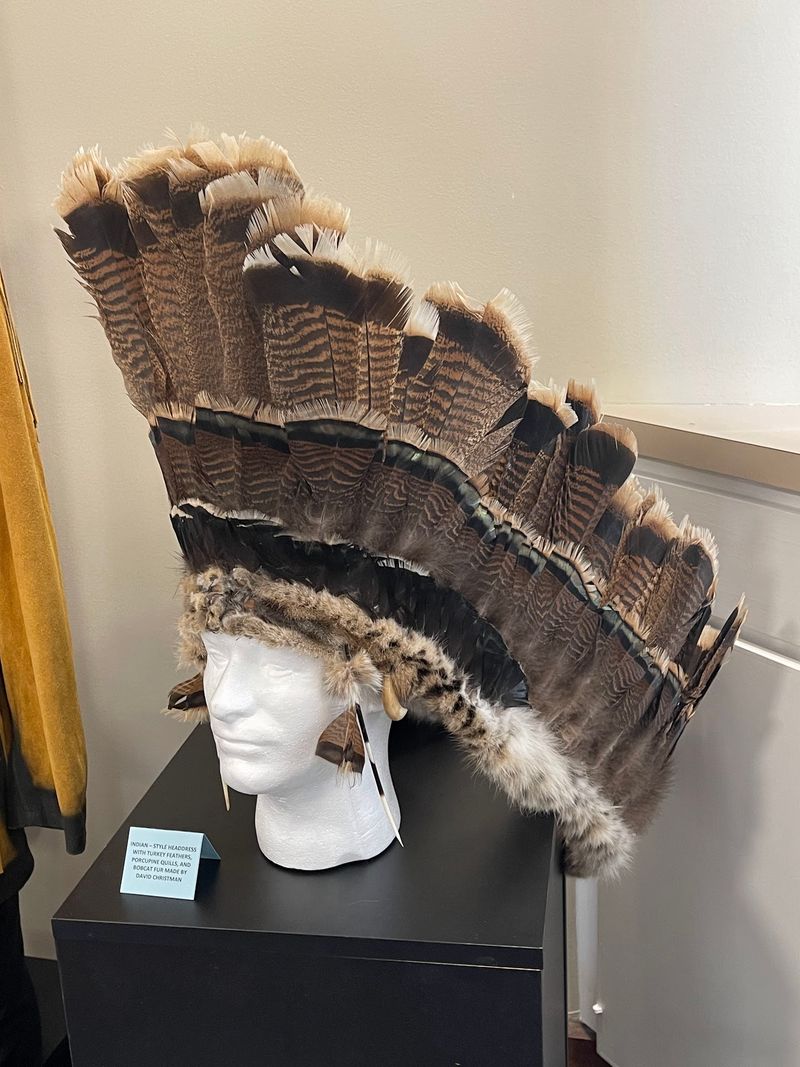
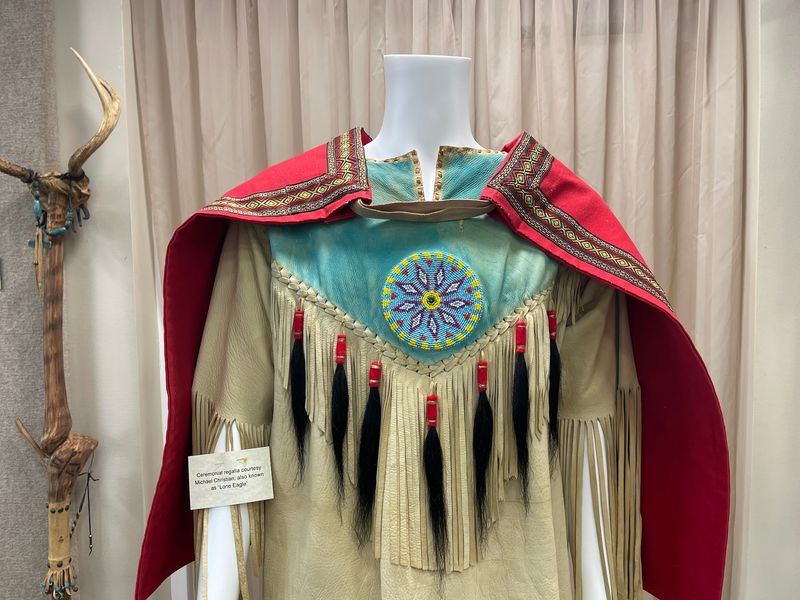
Quilting and hide tanning have appeared at past festival events, offering two very different views of practical work. One joins fabric through careful stitching; the other prepares animal hide for use.
These examples help explain the festival’s interest in resourcefulness, but they are not a confirmed list for 2026. Look for the current program before promising a child a particular demonstration.
If quilting appears, study the stitches as well as the pattern. If hide work is included, let the demonstrator explain the process and decide whether it suits your family’s interests.
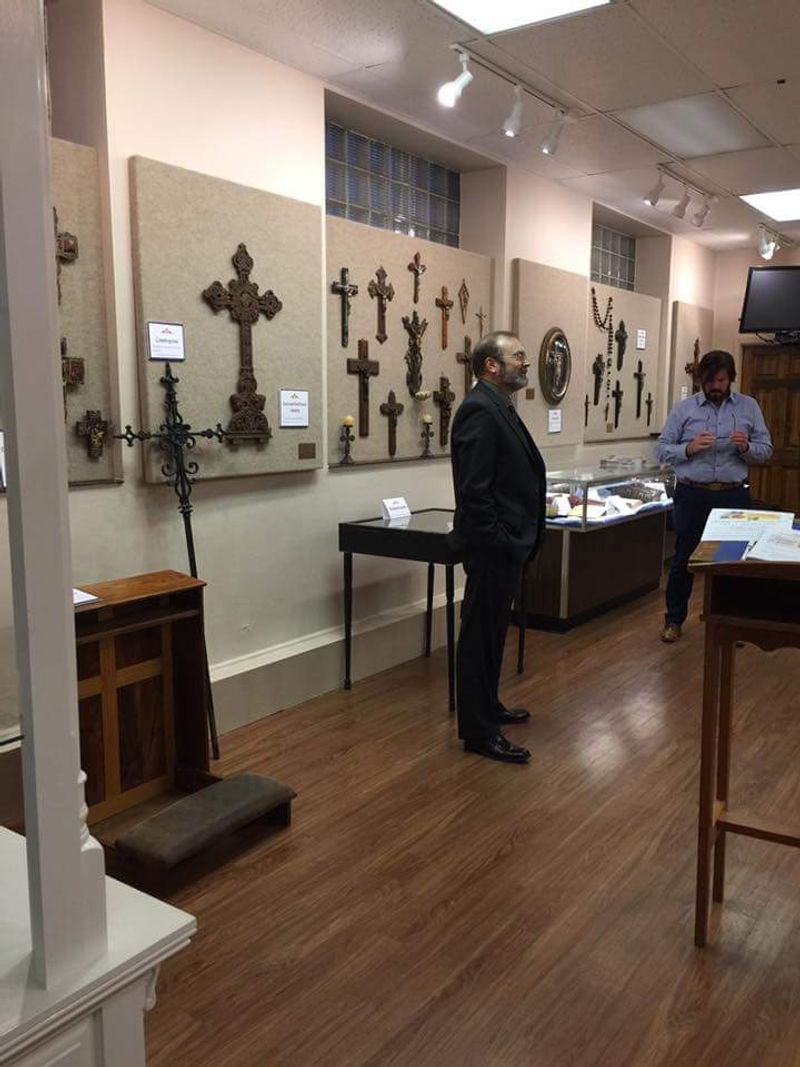
The museum also supports traditional skills through its Folkcrafts series, which has included blacksmithing. Ask about current classes if watching sparks a wish to learn.
A festival can introduce a craft in minutes, while real practice takes much longer. That gap is part of what makes skilled work worth slowing down for.
Children Get Their Own Ways To Explore
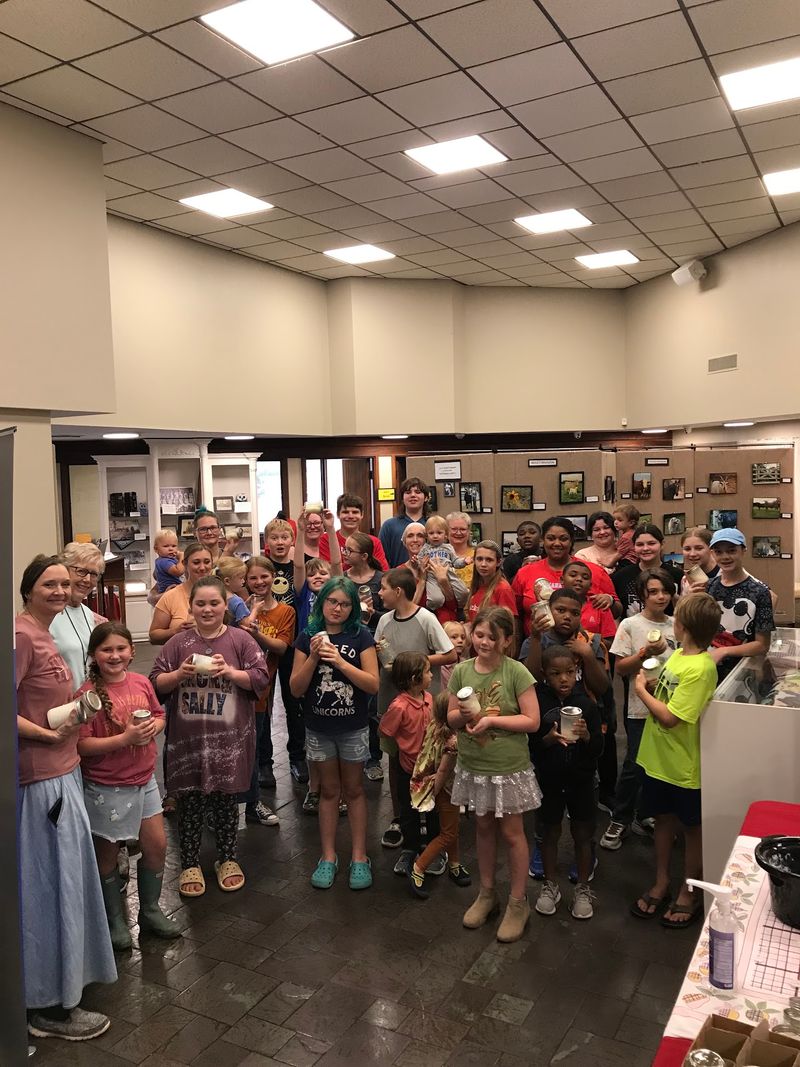
Small hands need something to do besides stay out of the way. The festival includes children’s art experiences and games, giving younger visitors their own entry into a day centered on local traditions.
Find these activities early so you can fit them between longer demonstrations. A child who has enjoyed making something may have more patience for watching someone else work.
Ask which activities suit your child’s age and whether an adult should remain beside the station. Do not assume every game or art experience runs continuously throughout the festival.
Leave room in your bag for any project children are allowed to take home. More importantly, ask them what they noticed while making it.
Their answer might connect color, tools, or materials with something seen elsewhere that day. Heritage becomes easier to understand when it includes a little doing, not only listening.
Free Admission Leaves Room For Curiosity
No admission charge means you can build the visit around interest rather than getting your money’s worth. The announced festival is free to attend, which makes a short family visit a reasonable option.
That does not mean every possible purchase or food offering is free. Bring a sensible spending budget if you hope to buy anything, and ask about prices before making a choice.
Families can also enjoy the main heritage program without turning the day into a shopping trip. Music, demonstrations, and time spent watching skilled hands provide plenty to talk about afterward.
Let each person choose one priority, then compare notes over a break. Someone may favor cooking while someone else follows the music.
Free entry removes one barrier, but a relaxed plan removes another: the feeling that everyone must enjoy exactly the same thing at exactly the same time.
Pack For An October Day Outdoors

October on the calendar is not a weather forecast. Because the festival uses the museum plaza and adjoining streets, prepare for time outdoors and check Farmerville’s forecast shortly before your visit.
Comfortable walking shoes, drinking water, and clothing you can adjust are sensible basics. Sun protection can still matter, even when the month sounds cooler than summer.
Keep bags light enough that standing through a demonstration remains comfortable. If you use a stroller or mobility aid, ask organizers about routes, surfaces, seating, and restroom access rather than relying on guesses.
Build a pause into your plans before anyone gets tired or hungry. A brief reset helps children and adults return to the activities with more attention.
For weather updates or practical questions, contact the museum at 318-982-8020. Checking ahead is less exciting than watching a craft, but it makes that watching much easier.
One Good Question Can Change The Visit
The best souvenir may be an answer you did not expect. Demonstrations become richer when visitors ask about the choices behind a skill instead of only admiring the result.
Try a simple question: who taught you, what takes the most practice, or which tool matters most? Wait for a safe pause, especially around hot cookware or active tools, and keep the exchange brief when others are waiting.
Before leaving, revisit the activity that caught your attention first. A second look often reveals something you missed when the festival still felt unfamiliar.
If the experience makes you curious about learning more, check the museum’s website for future programs and current Folkcrafts opportunities. The day’s value is not measured by how many stations you finish.
It is found in a tune remembered, a technique understood, or a local story carried home and shared with someone.