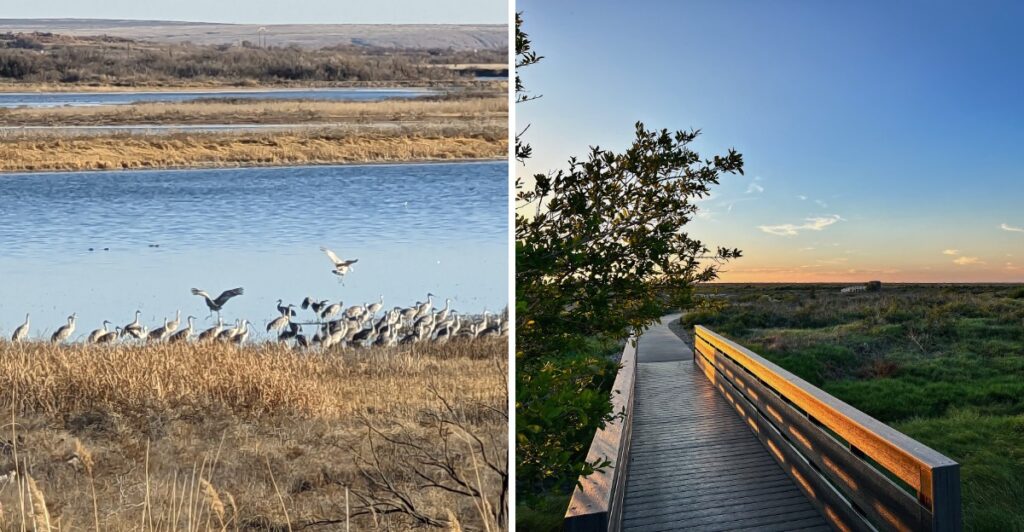
It starts with a strange sound coming over the water. Then you look up.
A whole flock of sandhill cranes is heading toward the wetlands, calling loudly as their long wings carry them over the desert. More birds appear behind them, and suddenly the peaceful evening has a soundtrack you won’t forget.
This happens every fall near Roswell, although the city’s alien attractions tend to get more attention. I think the real flying visitors deserve some of that spotlight.
Thousands of cranes gather at a wildlife refuge where natural springs create an unexpected landscape in southeastern New Mexico. You can watch the birds during a scenic drive, then explore trails that reveal another side of the desert.
There’s even a place where dragonflies steal the show during summer. But autumn evenings belong to the cranes.
Arrive before sunset, find a good viewing spot, and listen for those calls overhead.
A Desert Oasis Alive With Wildlife
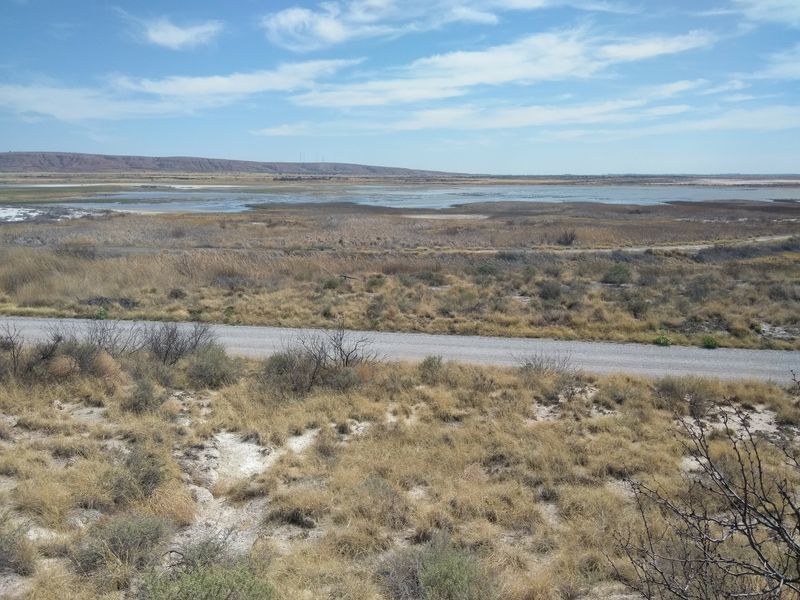
Out on the dry plains, water is a rare and precious thing. That makes this protected patch of wetlands a true lifeline for creatures big and small.
The refuge was set up in 1937 to give migrating birds a safe place to rest and feed. Today it covers more than 24,000 acres of marsh, grassland, and desert scrub.
Bird lovers have counted more than 350 kinds of birds here over the years. Ducks, geese, herons, and shorebirds all take turns using the ponds through the seasons.
Birds are only part of the story, though. Mule deer, coyotes, and bobcats roam the uplands, while rare fish and snails live in the springs and sinkholes.
I love that a place so close to dusty ranch land hides this much life. It feels like the desert keeps a secret and only shares it with patient visitors.
A good first stop is the visitor center, where maps and exhibits explain the habitats. Staff and volunteers can also point you toward recent wildlife sightings on the refuge.
All of this wild action waits just outside a small southwestern city. You can find it at Bitter Lake National Wildlife Refuge Visitor Center, 4200 E Pine Lodge Rd, Roswell, NM 88201, in New Mexico.
Where Endless Wetlands Meet The Desert
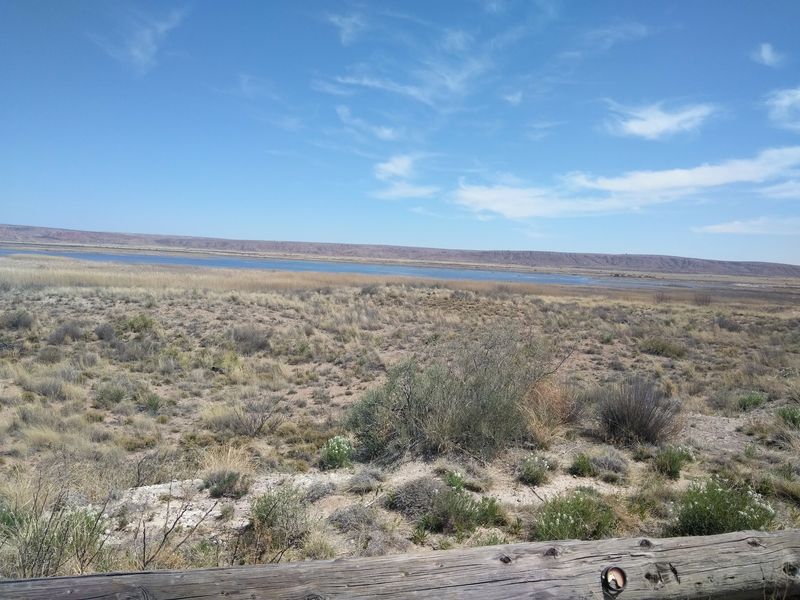
Few places show such a sharp line between wet and dry. On one side you see cattails and open water, and on the other you see creosote bushes and sandy soil.
The refuge sits where the Chihuahuan Desert meets the shortgrass prairie. Because of this mix, plants and animals from both worlds can share the same small area.
Natural sinkholes dot the land and fill with groundwater. Some are deep and clear, and they hold salty or mineral-rich water that gives Bitter Lake its name.
Those salty waters matter more than you might guess. Several tiny creatures live in these springs and almost nowhere else on Earth.
Honestly, the idea of a fish that calls only a few sinkholes home blows my mind. It shows how special this spot is for science and nature alike.
Managers also control water levels in many of the ponds, called impoundments. By raising and lowering the water, they create mudflats, marshes, and open pools for different birds.
The result is a patchwork of habitats that changes with every season. Each visit can look a little different, even along the same stretch of road.
Wet meets dry here, and somehow both win.
When Thousands Of Cranes Fill The Sky
Listen before you look. The rolling, bugle-like calls of sandhill cranes often reach your ears long before the birds appear.
These tall gray birds stand about four feet high and have wings that stretch nearly seven feet. A patch of red skin on the forehead makes them easy to spot up close.
Cranes begin arriving in the fall, often around October. Many stay through the winter and head north again by late February or March.
At their peak, the refuge can host many thousands of cranes at once. Snow geese and other waterfowl often join them, adding even more noise to the scene.
During the day, cranes fly out to nearby fields to feed on grain and insects. As evening comes, they return to the shallow water, where standing together keeps them safer from predators.
I can’t think of many sounds as wild as a whole sky of cranes calling at once. It is loud, messy, and wonderful all at the same time.
Each fall the refuge has also hosted a festival celebrating the cranes’ return. Check the refuge website for current dates before planning around it.
Winter here is anything but quiet.
A Scenic Drive Through Crane Country
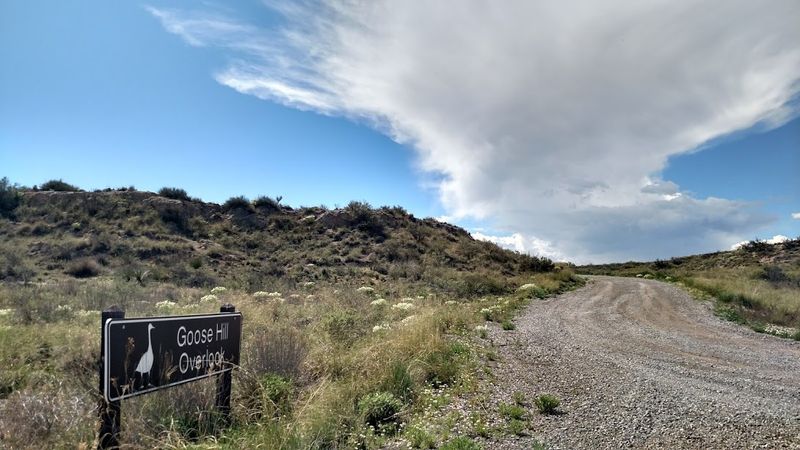
Good news for anyone who prefers wheels to hiking boots. A wildlife auto tour route loops through the heart of the refuge.
The drive runs about eight and a half miles past ponds, marshes, and open grassland. Most of it is gravel, so slow speeds are both safer and better for spotting animals.
Your car actually works as a handy wildlife blind. Birds tend to stay calmer around a parked vehicle than around people walking on foot.
Pullouts along the way let you stop and scan the water with binoculars. Interpretive signs explain what lives in each pond and why it matters.
The route is usually open from about an hour before sunrise to an hour after sunset. Hours can change, so it helps to check posted signs or ask at the visitor center.
I find it charming that the slowest drive in the county might also be the most exciting. Rushing here only means missing the herons standing perfectly still.
Keep an eye on the edges of the road too. Roadrunners, jackrabbits, and lizards often dart across when you least expect them.
Crane country rewards drivers who take their sweet time.
Front-Row Views Of The Wild
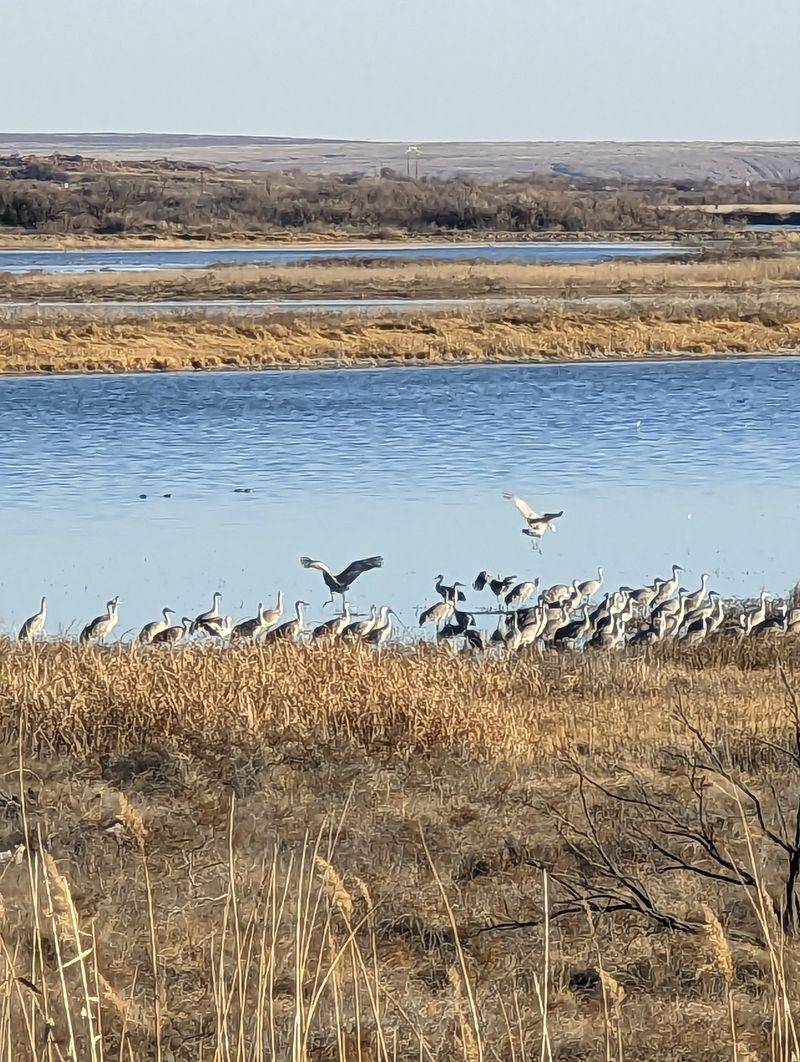
Sometimes the best seat in the house has no roof at all. Viewing platforms and overlooks around the refuge give visitors clear looks across the water.
These spots sit close enough to the ponds for good views without bothering the birds. Bringing binoculars or a spotting scope makes a huge difference.
Inside the visitor center, large windows and exhibits help you learn before heading out. Displays cover the refuge’s birds, rare fish, and the unusual sinkhole habitats.
Photographers love the open sightlines here. Early morning and late afternoon offer softer light and more active birds.
One fact I enjoy is that patience usually beats fancy gear. Sitting quietly for ten minutes often brings shy birds back into view.
Keep some distance from wildlife, especially during the busy winter season. Getting too close can make birds burn energy they need for cold nights.
Restrooms and parking are available near the visitor center. Since services in the refuge are limited, packing water and snacks is a smart move.
Dress in layers during winter, because desert evenings cool off fast. A warm hat makes long waits at the rail far more pleasant.
Great views here cost nothing but a little quiet.
The Dragonfly Trail’s Unexpected Beauty
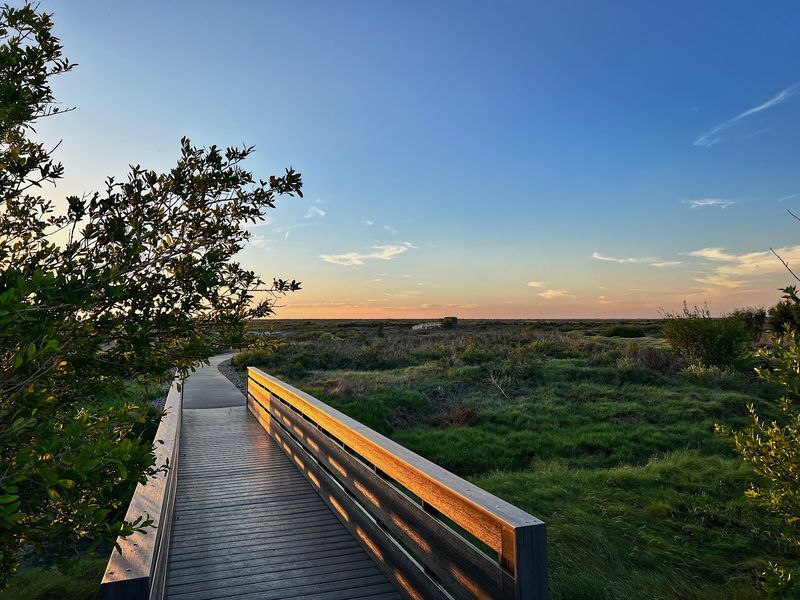
Cranes rule the winter, but summer belongs to a smaller flyer. Bitter Lake is famous among bug fans for its dragonflies and damselflies.
Around 100 species of these insects have been recorded here. That makes the refuge one of the richest dragonfly spots in the whole country.
The Dragonfly Trail is a short loop that winds past sinkholes and wetlands. It is an easy walk, which makes it a nice pick for families.
Bright reds, blues, and greens flash over the water on warm days. Late spring through early fall is usually the best time to see them zipping around.
I have to admit, a dragonfly festival in the desert sounds like a riddle. Yet the refuge has hosted one, drawing curious crowds every summer.
Summer heat can be strong, so mornings tend to be more comfortable. Sunscreen, a hat, and plenty of water go a long way on this open trail.
Stay on the path to protect the fragile sinkhole edges. Some of the rare animals living in these waters need undisturbed shorelines to survive.
Tiny wings, it turns out, can steal the spotlight from giant ones.
Where The Pecos River Feeds The Wetlands
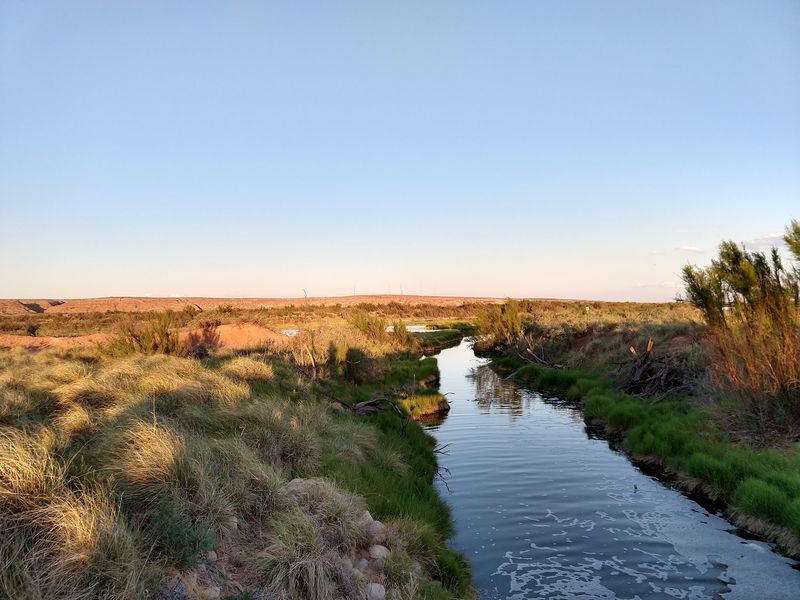
Every oasis needs a source, and here that role falls partly to the Pecos River. Its waters help shape the wetlands along the refuge’s eastern side.
The river flows south through the region, carrying water through an otherwise dry land. Springs and groundwater add even more moisture to the area.
Underground water rises into sinkholes and springs across the refuge. Much of it carries dissolved minerals, giving some ponds their bitter, salty taste.
Native fish like the Pecos gambusia and the Pecos pupfish depend on these waters. Both are rare and receive special protection.
It amazes me that tiny fish smaller than a finger get so much careful attention. Their survival tells scientists a lot about the health of the whole system.
Refuge staff also work to remove invasive plants like saltcedar along the river. Clearing it helps native plants return and keeps more water available for wildlife.
Healthy water benefits everyone, including the cranes that roost in winter. Without these springs and river flows, the great flocks would have nowhere to land.
So the next time cranes fill the sky, thank the water hiding underground.
Sunset Turns The Water Into Gold
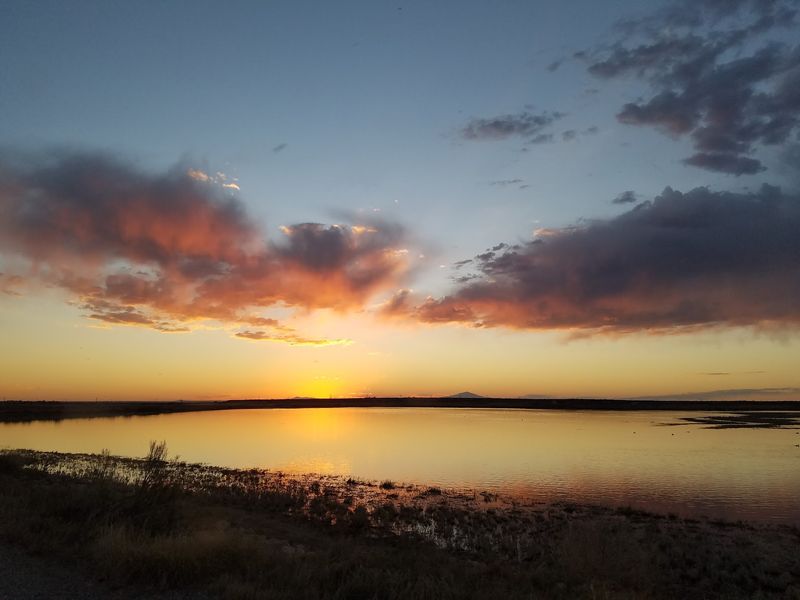
As daylight fades, the whole refuge seems to hold its breath. The ponds catch the last light and glow in shades of gold and orange.
This is when the cranes come home. Wave after wave drops from the sky, calling loudly as they land in the shallow water.
Arriving about an hour before sunset gives you time to find a good spot. The flights often keep coming until the sky turns dark blue.
Silhouettes of long necks and wide wings make for striking photos. Even a phone camera can capture something special in this light.
I think this daily return is the refuge’s best free show. No ticket, no stage, just birds and a painted sky.
Sunrise offers a second act, when the flocks lift off together to feed. Hardy early risers may get to hear the noisy takeoff in the chilly air.
Remember that the auto tour route closes after dark. Planning your exit keeps the evening relaxed instead of rushed.
Winter evenings get cold quickly in New Mexico, so a heavy coat is wise. Warm hands make it easier to stay until the very last crane lands.
Gold water, gray birds, and pure magic.