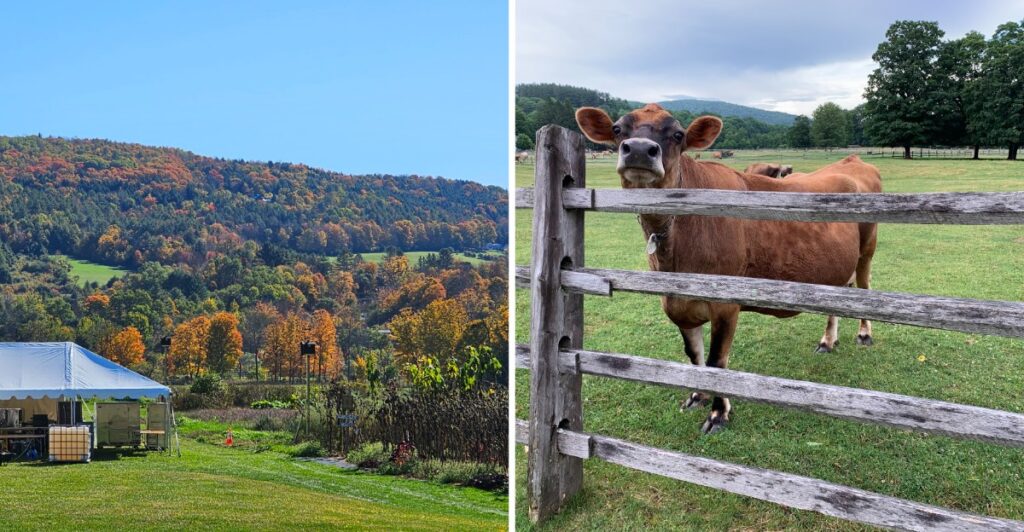
A fall postcard gets much better when a Jersey cow walks into it.
Here, the barns are real. The farm is still working. And those colorful hills are not just there for decoration.
The property dates back to 1871, so there is plenty of history behind the pretty view.
Step inside the old farmhouse. Wander through the barn. See how rural life looked generations ago.
Vermont fits the scene almost suspiciously well.
And if you still have some walking left in you, wooded trails nearby can stretch the day beyond the farm.
I would not try to squeeze everything into one perfect plan.
Spend a little longer with the animals. Get curious about the old farm tools. Let the village wait.
The cows certainly are not checking the clock.
A Storybook Farm On The Edge Of Woodstock
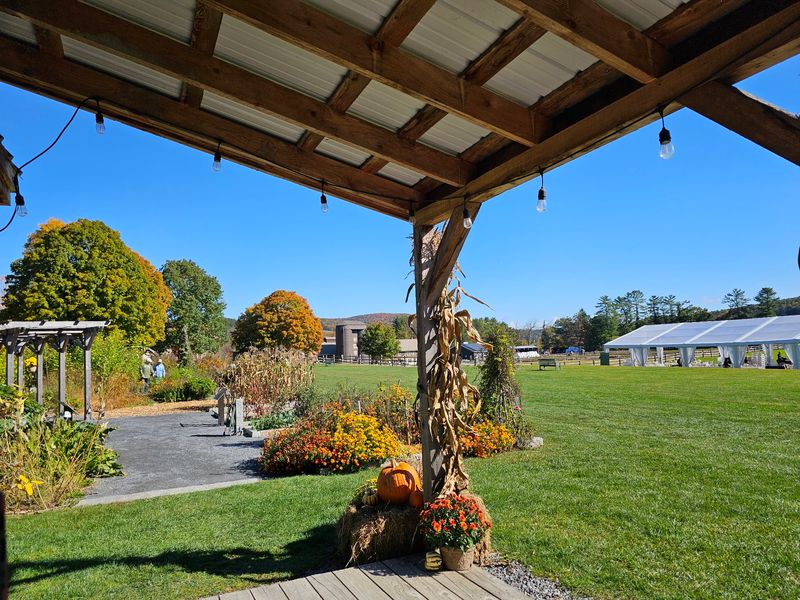
Cows have been part of this landscape since the nineteenth century, and dairy farming remains central to the property. Billings Farm & Museum sits just outside Woodstock village in the Ottauquechee River valley.
Part working dairy farm and part history museum, it offers two experiences in one visit. Walk through animal barns and learn about current farm operations, then explore displays that show the tools and routines of rural Vermont in earlier generations.
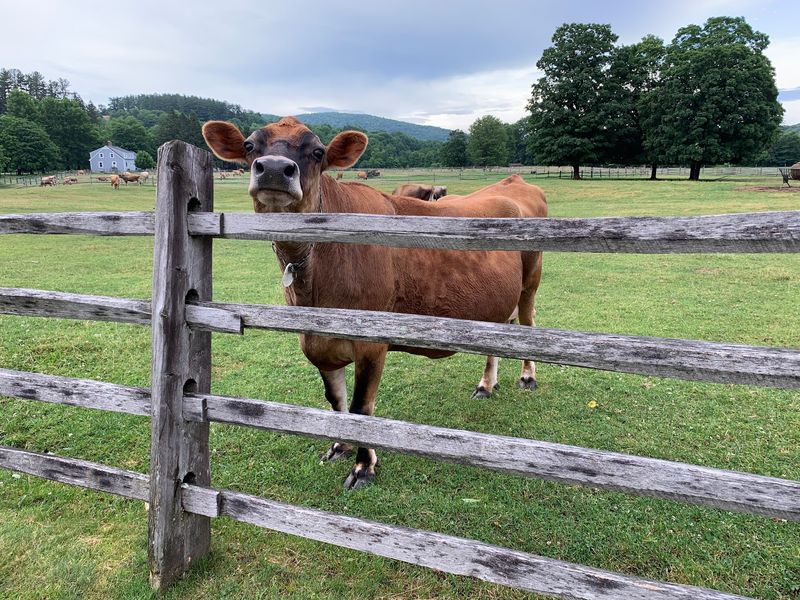
The farm is especially associated with Jersey cattle, a breed known for milk with a high butterfat content. The herd is part of a working agricultural operation, so where individual animals can be seen may vary as the day unfolds.
Across Route 12 lies Marsh-Billings-Rockefeller National Historical Park. Its wooded landscape and carriage roads offer a different perspective on the area’s agricultural and conservation history.
Frederick Billings established the farm in 1871 with an interest in improving agricultural methods and caring for the land. The public museum opened in 1983, bringing the farm’s history together with its continuing dairy operations.
Why Autumn Turns This Farm Into A Postcard Scene
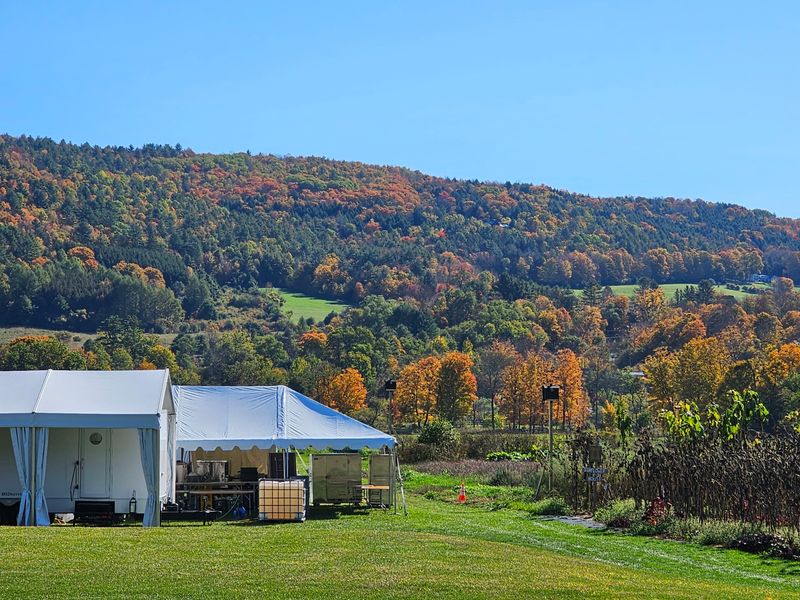
Crunchy leaves underfoot, cooler air, and wooded hillsides shifting from green to gold bring a different setting to the farm in autumn. Pastures and barn buildings form the foreground, while the forested slopes of Mount Tom rise beyond them.
The mix of working agriculture and seasonal color gives you more to explore than a roadside viewpoint. Instead of seeing the trees only through a windshield, you can walk between farm buildings and pause near the fences to take in the view.
The fields provide open sightlines toward trees beyond the farm. On a clear day, autumn colors stand out against the grass and the lighter tones of historic buildings.
Billings Farmstead Gardens offer another place to explore during their growing season. Paths connect garden spaces where vegetables, herbs, and flowers are cultivated.
By fall, the planting areas may look different from their summer displays, so take time to notice seed heads, changing leaves, and the seasonal work in the beds.
Woodstock village is nearby, with its green, historic streets, and covered bridge providing another stop during a day in the area. A farm visit and a walk through town make a manageable pairing without requiring a long drive.
Bring a layer for the morning and shoes that can handle gravel paths. Leave a little flexibility for the outdoor areas, especially when the autumn weather changes during the day.
Old Barns And Rolling Fields That Steal The Show
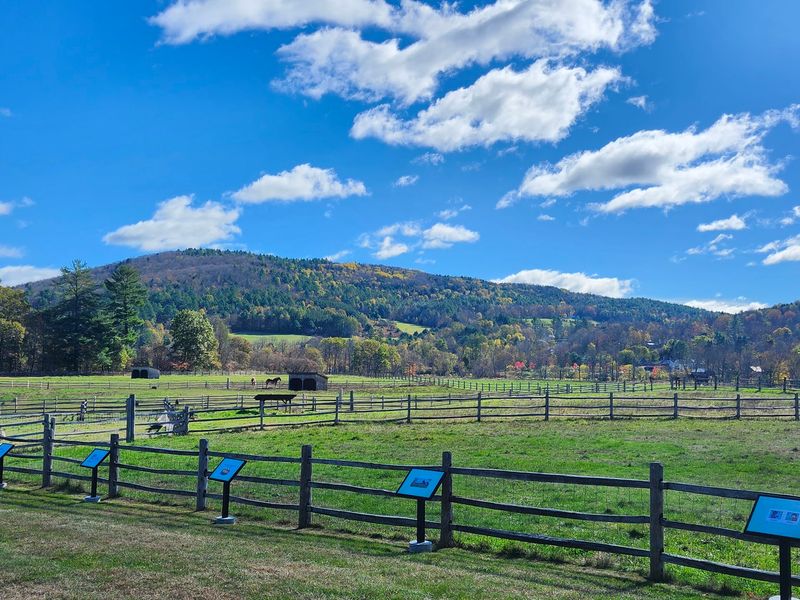
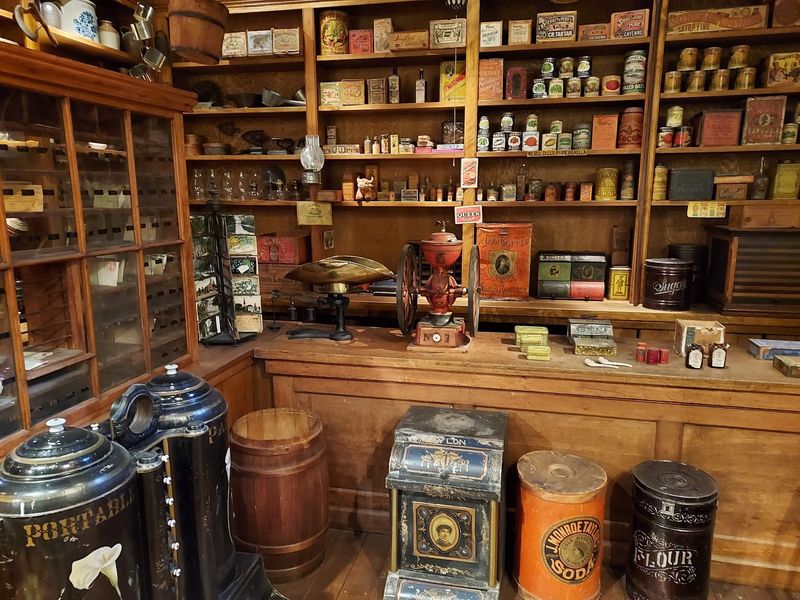
The barns and historic buildings hold much of the farm’s story. Exhibits in nineteenth-century barns use objects, photographs, and accounts of rural life to explore the jobs that shaped a Vermont agricultural year.
One highlight is the restored 1890 Farm Manager’s House. Its rooms show how the building combined private family space with an office and farm-related work areas.
Self-guided materials help visitors explore the house, while interpreters may be available to answer questions.
Down in the basement is a historic creamery. Its equipment includes Cooley Creamers and a water-powered Davis Swing Churn, machinery once used in the farm’s butter-making operations.
The kitchen contains a cast-iron woodstove, and the house includes features that were unusually modern for the time, including central heating and running hot water.
Outside, the farm’s livestock includes Jersey cows, Southdown sheep, oxen, and draft horses. The barns and surrounding fields provide another opportunity to observe the animals and their place in the farm’s daily operations.
For photographs, try framing a barn doorway against the outdoor landscape or focusing on small details such as wooden doors and farm equipment. The fields and wooded slopes provide another backdrop when the foliage begins to change.
Timing Your Trip For Peak Leaf Season
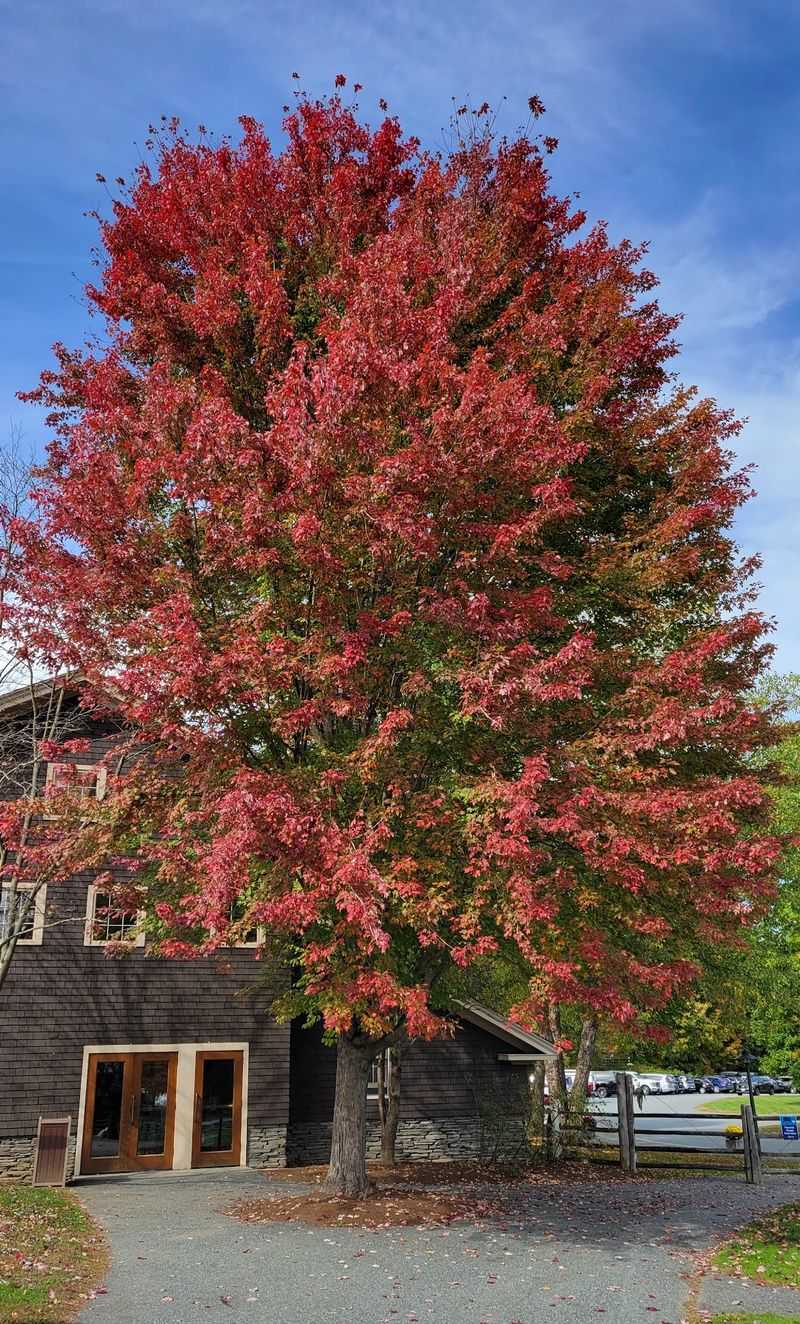
Show up early in the foliage season and some trees may still be green. Arrive later and the brighter leaves might already have fallen. Around Woodstock, autumn color often develops from late September into October, though weather changes the timing each year.
Cool nights and sunny days can encourage colorful foliage, while wind and rain can bring leaves down quickly. Checking Vermont’s foliage conditions close to your travel date is more useful than relying on a fixed weekend months in advance.
The farm’s 2026 summer and fall schedule runs daily from May 23 through October 31, from 10 a.m. to 5 p.m.
Beginning November 1, the schedule changes to weekends and selected dates, with hours from 10 a.m. to 4 p.m. Keep that change in mind when planning a late-autumn outing.
Morning can offer cooler walking conditions, while later daylight changes how the barns and wooded slopes appear in photographs. Allow time to explore both the indoor exhibits and the grounds, particularly if you want to stop for pictures.
If you are making a full day of Woodstock, decide in advance whether you want to devote the extra time to the national park’s trails or a slower walk through the village.
Cows, Butter, And Hands-On Farm Fun
Ever wondered how cream became butter before modern processing equipment? The historic creamery in the Farm Manager’s House offers a close look at the machinery once used for that work, including a water-powered churn.
Billings Farm also uses interpretive programs and seasonal activities to explore agricultural history. Demonstrations, crafts, and special events vary, so the day’s program determines which activities you can actually join.
The animal barns are another part of the visit. Jersey cows are central to the dairy operation, while sheep, oxen, and draft horses introduce other kinds of farm work. Follow posted animal-contact instructions and ask an interpreter before touching any livestock.
Inside the museum, farm-life exhibits use historical artifacts and images to explain seasonal chores and how families organized their working days. Those displays provide an indoor option if the weather turns cool or rainy.
The visitor center also offers “A Place in the Land,” a film exploring the development of Billings Farm and the region’s conservation history.
Seasonal activities may include food-related programs, but plan around a particular demonstration only when it is scheduled for your visit.
Save room for a sweet stop if the seasonal Farmhouse Scoop Shop is operating. It serves ice cream and other snacks, with availability tied to the season.
Where To Snap Your Best Fall Photos
The pastures offer a starting place for photographs, especially when animals are visible near the visitor areas. Keep a respectful distance and let the animals move without interruption.
The Farm Manager’s House provides an architectural subject that does not depend on perfect foliage. Its restored exterior and nineteenth-century details look different as sunlight moves across the building throughout the day.
Barn doors, fences, and paths can create natural lines through a photograph. Try stepping back to include wooded slopes in the background, then move closer for a second image focused on the construction details.
Gardens can supply another kind of texture, with autumn plantings, leaves, and seed heads taking the place of some summer blooms. The exact appearance changes with the season and garden work.
For gentler light, consider the earlier or later portion of the farm’s opening hours. Overcast skies can also be useful when photographing building details because harsh shadows are reduced.
Personal photography with handheld cameras is permitted, but tripods and drones are not. Stay on visitor paths and respect the areas used for farm work.
Rather than getting closer to an animal for a photograph, wait for a clear view from a permitted area. There are plenty of opportunities to capture the barns, livestock, and surrounding fields without crossing barriers.
Smart Tips Before You Head To Woodstock
A little planning goes a long way, especially when you’re combining museum time with an autumn walk. Billings Farm & Museum is at 69 Old River Road, Woodstock, VT 05091, a short distance north of the village center.
Admission is ticketed, with lower rates for seniors, students, and children. Children under three enter free. General admission does not require advance reservations, though buying ahead can simplify arrival.
Plan for about three hours to see the barns, exhibits, and historic house without rushing. Comfortable shoes help on gravel and other uneven surfaces, and a jacket is useful when moving between indoor and outdoor areas.
Bring your own food if you prefer, but eat in designated areas rather than inside exhibit spaces. The gift shop carries farm products, including cheese. The Farmhouse Scoop Shop operates seasonally, so treat it as an option rather than a guaranteed stop every day.
Free parking is available in the main lot near the visitor center, with an overflow lot across the street. Outdoor paths are mostly crushed stone or gravel, so surfaces can be uneven.
The national historical park is across Route 12. Its trails and carriage roads offer a longer walk after the museum. Cross at the designated crossing and allow extra time for the uphill approach to the park’s visitor area.
Animals may be in different locations throughout the day, and seasonal activities can vary. Keep the schedule flexible enough to explore whichever barns, exhibits, and outdoor areas are available.
Pack your curiosity, charge your camera, and leave a little room in the day for the Woodstock landscape beyond the farm gates.