A bear at the edge of the driveway is one way to make an ordinary morning unforgettable. Imagine opening the curtains and finding a furry visitor investigating the trash before breakfast.
It sounds like a scene from a wildlife show, but encounters like this have become a real concern in New Mexico.
Bears spend fall searching for enough food to carry them through winter, and a tempting smell can lead them straight into neighborhoods. Bird feeders and fallen fruit may look harmless to homeowners.
To a hungry bear, they can be an invitation worth following.
Wildlife officials have reported more encounters statewide in 2026, making a little preparation important. The six counties ahead have communities close to bear habitat, where a quiet street can turn into an unexpected wildlife crossing.
Find out what attracts bears near homes and what residents can do to discourage visits without putting anyone at risk.
1. Los Alamos County
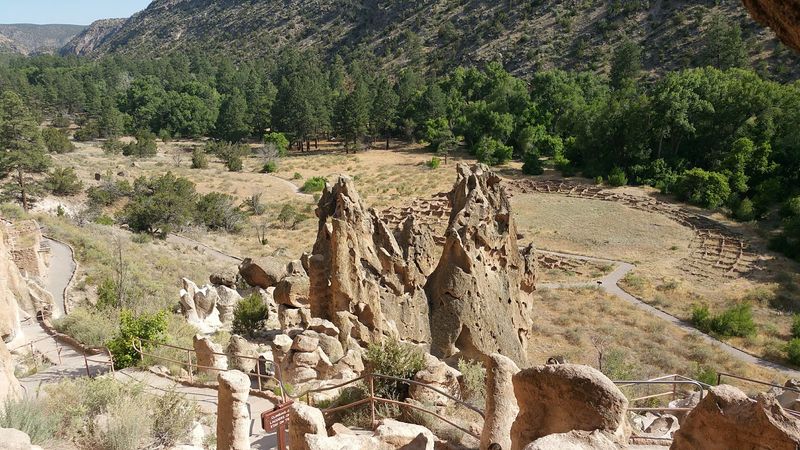
Tall pines hug the edges of Los Alamos, and bears treat those trees like a welcome mat into town. Los Alamos County sits on the Pajarito Plateau in northern New Mexico, with the towns of Los Alamos and White Rock close to deep canyons.
Those canyons work like hidden hallways that let bears slip quietly between the forest and backyards.
Fall is when residents tend to notice more paw prints. Bears are in a stage called hyperphagia, which simply means they eat almost nonstop to store fat for winter.
A black bear may munch for most of the day, so a full trash can looks like a free buffet with no waiting line.
Many local reports involve bears tipping over bins, raiding bird feeders, and checking out fruit trees. In White Rock, homes sit near canyon rims, which gives bears an easy path in and out.
I have to admit, a bear casually strolling past a mailbox sounds both funny and a little nerve-racking.
Families can make their homes far less tasty with a few smart habits. Keep garbage inside a garage or use a bear-resistant container until the morning of pickup.
Take down bird feeders during fall, pick ripe fruit quickly, and never leave pet food on the porch.
If a bear does show up, stay calm and give it plenty of space. Make yourself look big, speak in a firm voice, and back away slowly instead of running.
Most black bears are shy and would rather leave than deal with a loud human.
Hikers on canyon trails should also stay alert. Talking or singing as you walk lets bears know you are coming, which helps avoid surprise meetings.
Keeping dogs on a leash matters too, since a curious pup chasing a bear can quickly turn into a pup being chased back.
Fun fact: black bears are not always black. Some in this area have brown, cinnamon, or even blond fur, which surprises plenty of newcomers.
Folks around here have learned that a tidy yard is the best neighborhood watch against furry snack bandits.
2. Taos County
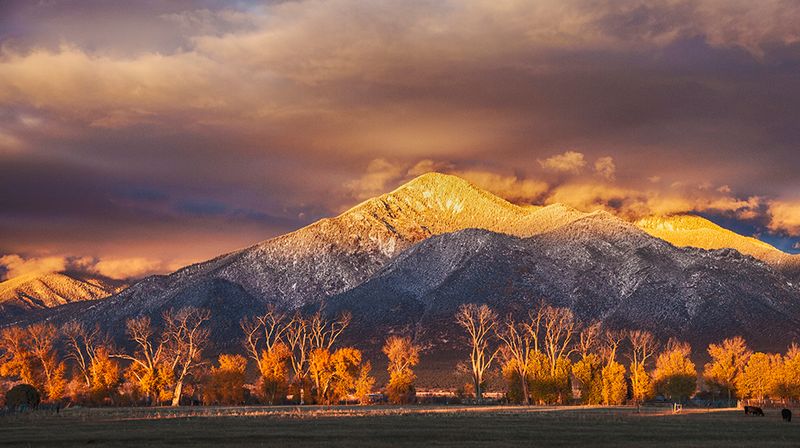
Apple trees and adobe walls might seem like a cozy postcard scene, but to a bear they spell dinner. Taos County, tucked into the Sangre de Cristo Mountains of northern New Mexico, includes Taos, Questa, and El Prado.
Each of these communities sits close to thick forests where black bears spend most of their time.
Old orchards are a big reason bears wander into town. Many homes around El Prado and Questa have fruit trees, and fallen apples on the ground send out a sweet smell that travels far.
When wild food like chokecherries or acorns runs short in the mountains, bears follow their noses downhill.
Questa, closer to the Colorado border, has plenty of wild land around it. Bears there often pass through yards, fields, and even school areas while searching for food.
Honestly, I think a bear picking apples at dawn would be one of the most memorable sights a person could see from a kitchen window.
Neighbors can work together to cut down on visits. Picking fruit as soon as it ripens and cleaning up fallen apples removes the biggest temptation.
Some people also use electric fencing around chicken coops and beehives, since bears love both eggs and honey.
Visitors heading to trails near Taos Ski Valley or the Rio Grande Gorge should store snacks carefully. Leaving food in a parked car with the windows cracked can invite a bear to try opening the door.
Yes, bears can and do figure out car handles.
Campers should keep coolers locked in a hard-sided vehicle or use bear-proof boxes when available. Cooking away from tents and cleaning up crumbs right away keeps campsites less interesting to wandering noses.
Even toothpaste and lip balm count as scented items worth packing away.
Here is a neat bit of history: bears have long been part of stories and art in this region. Seeing one up close is special, but only from a respectful distance.
In Taos County, the apple harvest belongs to everyone, though bears tend to skip the line.
3. Santa Fe County
Pinon nuts are a fall favorite in Santa Fe, and people are not the only ones gathering them. Santa Fe County includes the city of Santa Fe and the small village of Tesuque, both sitting near the foothills of the Sangre de Cristo Mountains.
When the pinon crop is thin, bears go looking for other meals closer to homes.
Neighborhoods on the east side of Santa Fe, near hiking trails and arroyos, often get the most bear visits. Arroyos are dry creek beds, and they give bears a quiet path straight into town.
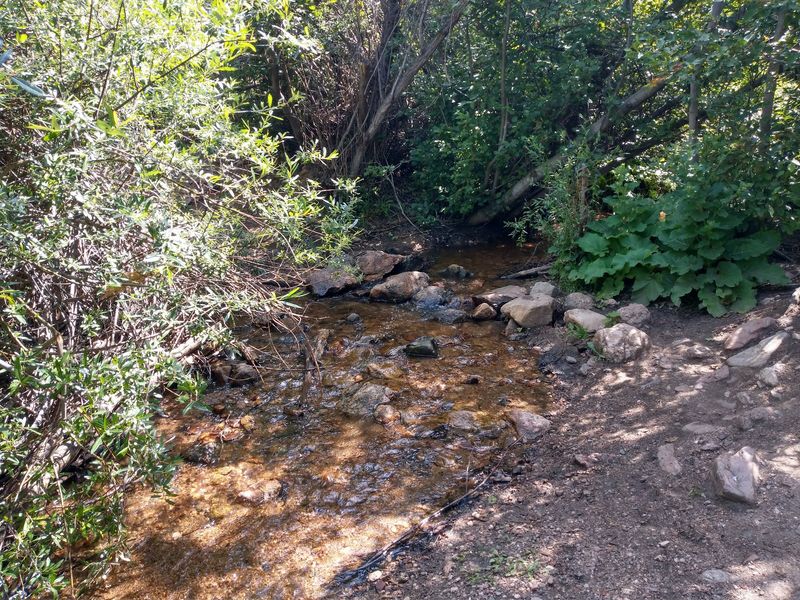
Tesuque, with its leafy trees and nearby creek, offers shade, water, and plenty of hiding spots.
Bears here have been spotted lounging in trees, checking out dumpsters behind businesses, and even wandering near downtown. A bear napping in a tree above a busy street makes for quite the conversation starter.
I love how these animals seem completely unbothered by the city around them.
Wildlife officers sometimes have to move bears that keep returning to the same trash cans. Once a bear learns that people mean food, it becomes harder to change that habit.
Keeping bears wild is the kindest thing a community can do.
Simple steps go a long way. Lock trash in a sturdy shed, rinse out food containers before tossing them, and keep grills clean after barbecues.
Outdoor pet bowls and compost piles can also attract bears, so bring them in or secure them.
Restaurants and shops can help by locking dumpsters at night. Hotels near trailheads often remind guests not to leave snacks in their cars.
Even a single granola bar wrapper can be enough to tempt a curious nose.
On trails around the Santa Fe National Forest, hikers should carry bear spray and know how to use it. Walking in groups during early morning or evening is also smart, since bears are often active at those times.
The pinon season may be short, but Santa Fe’s bears plan their menus all year.
4. Sandoval County
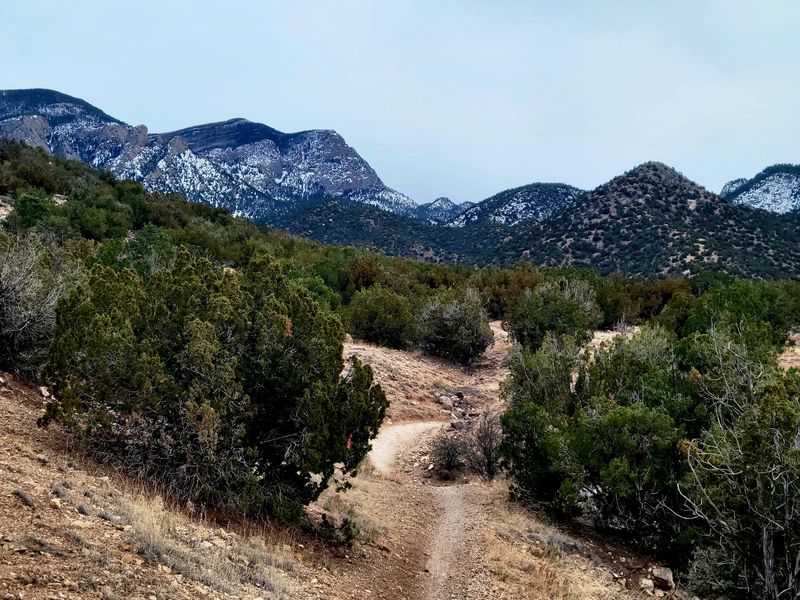
Red cliffs, warm springs, and quiet roads make the Jemez area feel peaceful, at least until a bear wanders by. Sandoval County stretches across central New Mexico and includes Placitas and Jemez Springs.
Both places sit near wild land that bears call home.
Jemez Springs lies in a narrow canyon beside the Jemez River, surrounded by the Santa Fe National Forest. Bears use the river and canyon as a natural highway.
In fall, they often pass right through the village while searching for berries and acorns.
Placitas is a different story. This small community rests at the north end of the Sandia Mountains, where homes are spread out among juniper and pinon.
Bears coming down from the mountains often find bird feeders, garbage, and outdoor freezers along the way.
Outdoor freezers might be the sneakiest bear magnet of all. A bear can smell food through the door and may try to rip it open.
Keeping freezers inside a locked garage solves the problem quickly.
Many people in Placitas also keep horses and chickens. Feed bins for animals should be locked tight, since grain smells just as yummy to a bear as it does to a horse.
I find it pretty clever how bears remember exactly which houses had food last year.
Visitors heading to the hot springs or hiking near Jemez Falls should pack out every bit of trash. Picnic tables covered in crumbs can teach bears to hang around places where people gather.
Clean picnic spots keep both humans and bears happier.
Driving through these areas at dusk calls for extra care. Bears often cross roads in the evening, and their dark fur can be hard to spot.
Slowing down on winding canyon roads helps protect everyone.
Did you know black bears can run surprisingly fast for short distances? That is why running away is never a good idea.
In Sandoval County, the bears may move quietly, but their footprints tell the whole story.
5. Lincoln County
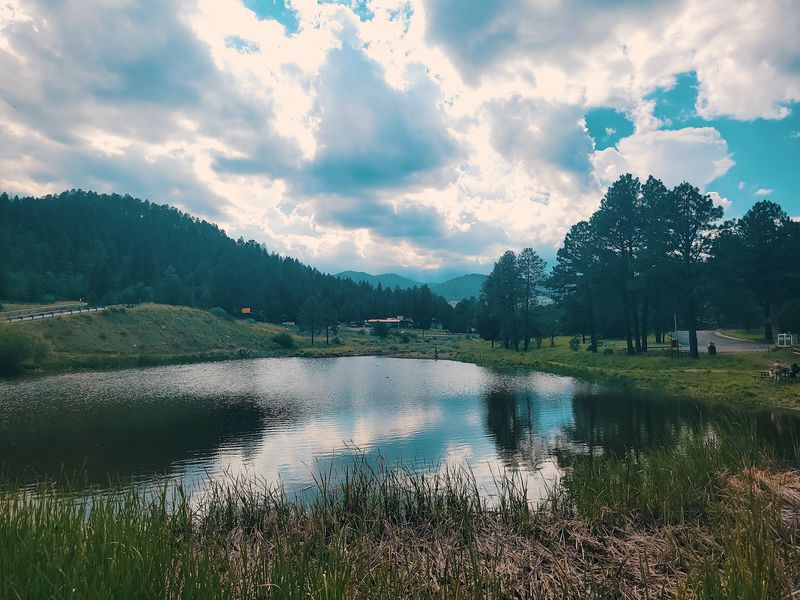
Cabins in the pines draw families to Ruidoso every fall, and bears seem to enjoy the scenery too. Lincoln County, in south-central New Mexico, includes the mountain town of Ruidoso and the small town of Capitan.
Both are surrounded by forests that make excellent bear country.
Ruidoso is a popular getaway spot, which means lots of rental cabins and lots of trash cans. Visitors who are not used to bears sometimes leave garbage outside overnight.
By morning, a bear may have turned that bag into a scattered mess across the yard.
The town has worked hard to help with the problem. Many areas use bear-resistant trash containers, and signs remind guests to secure their food.
It feels a bit funny that a bear could outsmart a regular garbage lid, yet it happens all the time.
Capitan has a special place in bear history. It is the hometown of Smokey Bear, the real cub rescued after a forest fire in the nearby Capitan Mountains.
The Smokey Bear Historical Park in Capitan tells his story and teaches visitors about fire safety.
That connection makes bear awareness feel extra important here. Smokey reminded people to protect forests, and today residents also work to protect the bears living in them.
A healthy forest full of natural food keeps bears from wandering into town as often.
Hikers heading into the Lincoln National Forest should be ready for surprises. Making noise on the trail, keeping kids close, and carrying bear spray are all smart moves.
Leaving the area calmly if a bear is spotted is always the safest choice.
Cabin guests can help by storing coolers indoors and never feeding wildlife. Even tossing a single treat to a cute bear can teach it to bother people.
Fed bears often end up being moved far from home.
Fun fact: black bears are excellent tree climbers, especially young ones. Cubs often scramble up a trunk when they feel nervous.
In Lincoln County, Smokey’s legacy lives on in every locked trash can.
6. Bernalillo County
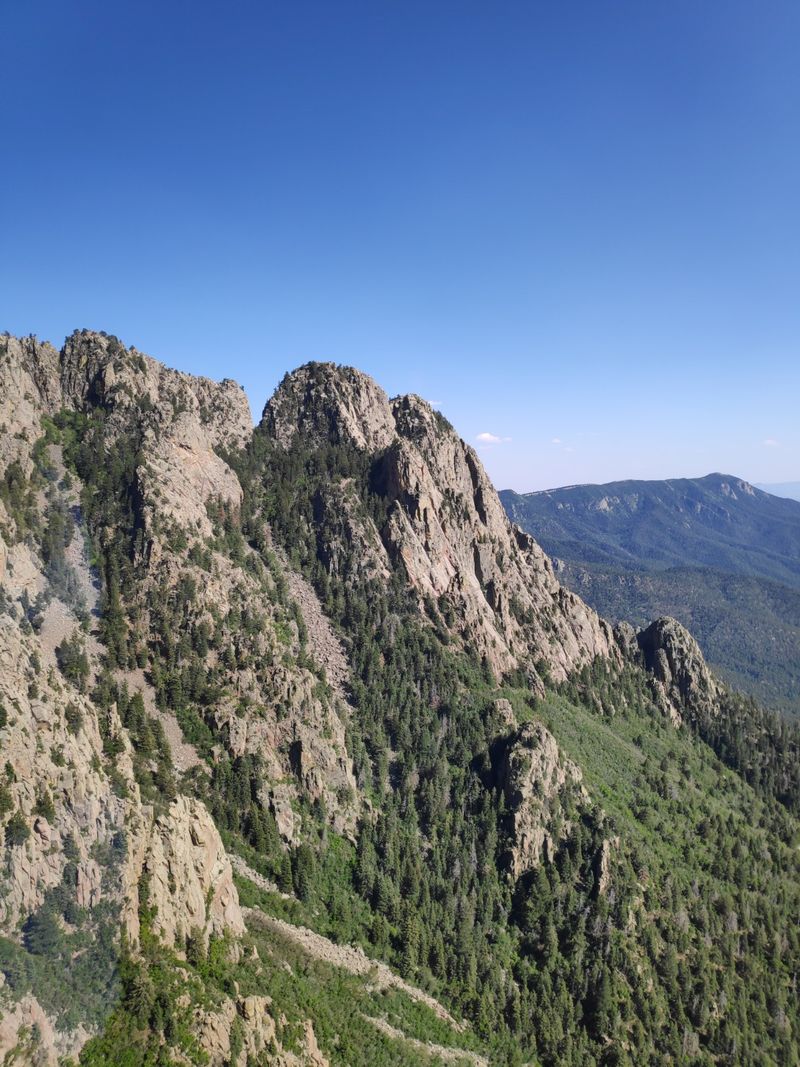
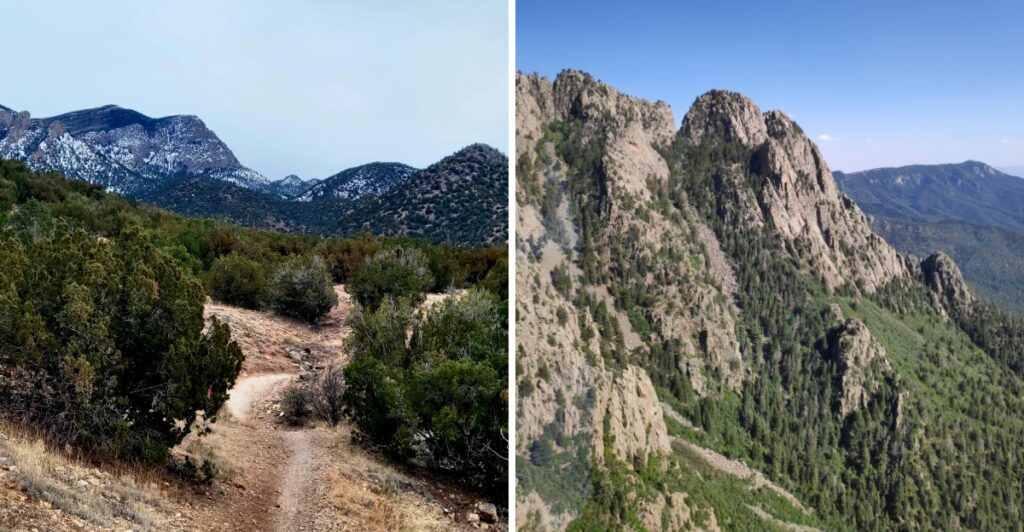
A big city might not seem like bear territory, yet Albuquerque has the Sandia Mountains right in its backyard. Bernalillo County includes Albuquerque, the foothill neighborhood of Sandia Heights, and the mountain village of Tijeras.
Bears move between these areas more often than many people expect.
Sandia Heights sits at the base of the mountains on the city’s northeast edge. Homes there are close to trails and open land, so bears can stroll in easily.
In fall, residents may spot them checking out patios, pools, and garbage bins.
Tijeras, located in the canyon on the east side of the Sandias, has a more rural feel. Bears there pass through fields, yards, and wooded lots while searching for food.
Chicken coops and fruit trees are common targets.
Every so often, a bear makes the news by wandering deeper into Albuquerque. Some have been seen near schools or climbing trees in neighborhoods far from the foothills.
I think it says a lot about how hungry bears get when wild food runs low.
City living brings its own set of bear-proofing habits. Keep trash cans in the garage until pickup day, and clean up after outdoor meals.
Pet food, birdseed, and greasy grills all send out an invitation that bears are happy to accept.
People who hike the Sandia foothills trails should stay aware of their surroundings, especially early or late in the day. Dogs should stay leashed, and children should walk near adults.
If a bear appears, give it a clear path to leave.
Reporting bear sightings to the New Mexico Department of Wildlife helps experts track activity. They can share tips and step in if a bear becomes too comfortable around people.
Calling them is much better than trying to handle the situation alone.
Here is a cool fact: the word Sandia means watermelon in Spanish, named for the pink glow the mountains show at sunset. Bears probably care more about snacks than sunsets.
Around Bernalillo County, the mountains glow pink while bears stay tickled by unlocked trash.