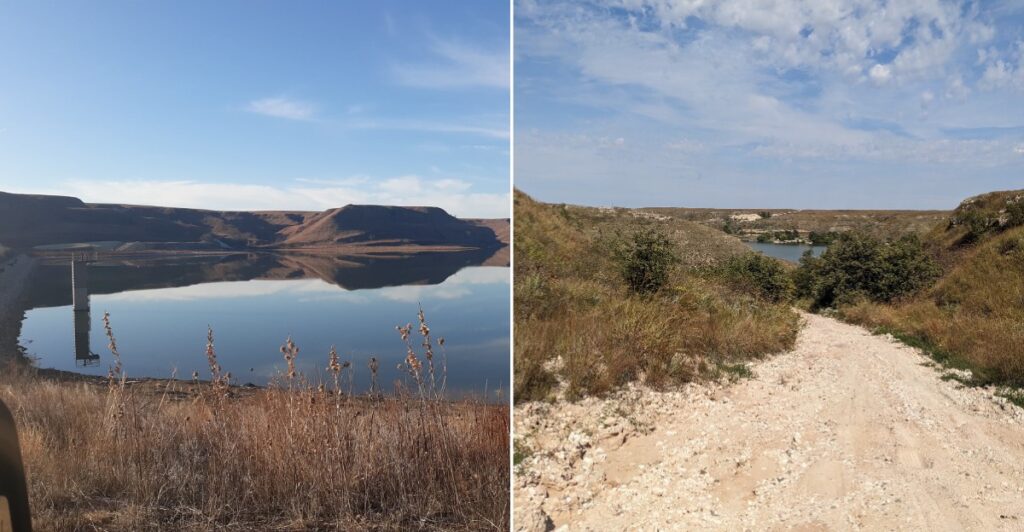
Some places become more appealing the harder they are to pin down.
A quiet Kansas lake surrounded by open land and big sky can make people strangely protective, especially when the water stays calm and the crowds stay somewhere else.
That is the charm here. The shoreline offers room to slow down, cast a line, watch the light move across the water, or simply sit without hearing much beyond the wind.
It is easy to understand why locals might hesitate before giving away the exact spot.
Once a peaceful place starts drawing attention, it rarely stays peaceful for long.
I remember asking someone for directions to a favorite fishing lake and getting an answer so vague it sounded like a riddle.
“You’ll know it when you see it,” he said. I laughed, drove on, and eventually found a stretch of water so quiet I understood the secrecy immediately.
I took a photo, sent it to him, and got one reply: “Delete the pin.”
A Canyon Lake Hiding In Plain Sight
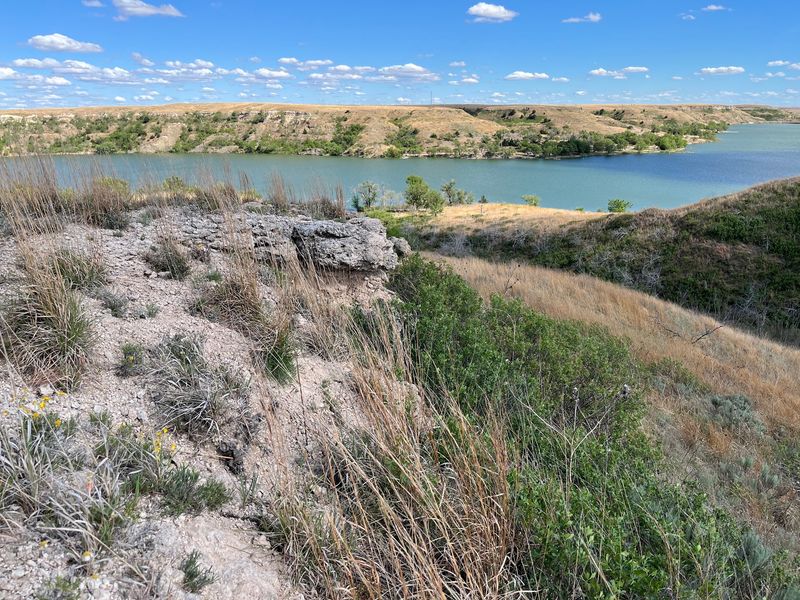
Nobody warned me that a Kansas drive could suddenly drop me into a canyon full of shimmering water.
Clark State Fishing Lake sits in Clark County, north of Ashland, where the land breaks into steep bluffs and rugged draws.
The lake fills a long, narrow valley, so the shoreline twists and turns instead of forming a simple circle.
That shape is part of the magic. Around every bend, I found a fresh view of rock walls, cedar-dotted slopes, and water that changed color with the clouds.
Because the lake sits below the surrounding prairie, it stays hidden until you are almost on top of it. Many travelers zoom past the area on the highway without ever guessing it exists.
My tip is simple: slow down and pull over at the higher spots along the rim. Those overlooks give the best photos and the clearest sense of how dramatic this landscape really is.
Once I saw the canyon from above, I stopped wondering why folks keep it to themselves and started wondering how long I could stay.
Red Hills Scenery That Surprises Everyone
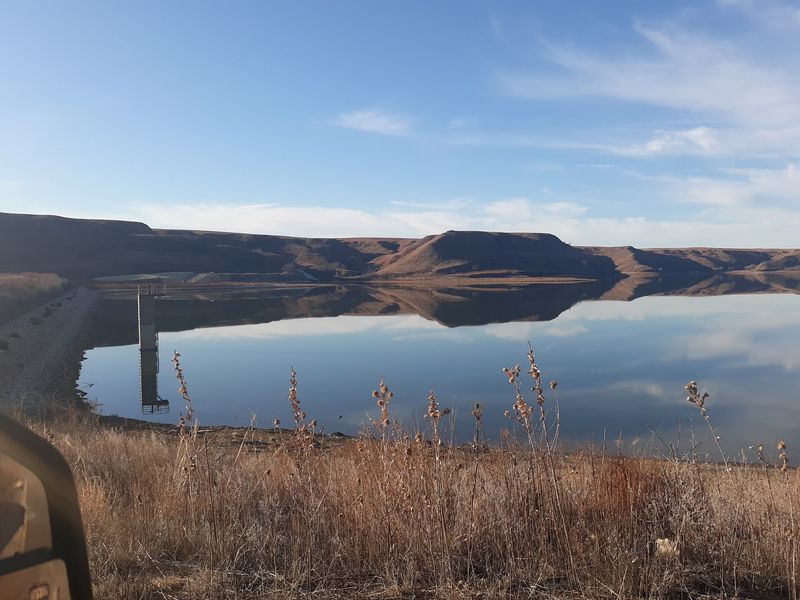
Red dirt, white rock, and green cedars make this corner of the state look almost painted by hand.
The lake sits near the Red Hills, also called the Gyp Hills, a region known for its rusty soil and flat-topped buttes. That color comes from iron in the ground, and it glows during sunrise and sunset.
I spent one whole evening just watching the light slide across the bluffs. The hills turned orange, then pink, then a deep purple that made the water look like glass.
For photographers, golden hour is the time to be ready. Bring a wide lens for the canyon and a zoom lens for hawks and deer on the slopes.
Painters and sketchers will love it too, since the colors shift so quickly. A small notebook and a few colored pencils kept me busy for hours.
Few places in Kansas pack this much contrast into one view. Honestly, the scenery alone is reason enough for locals to guard the directions like a family recipe.
Fishing That Keeps Anglers Coming Back
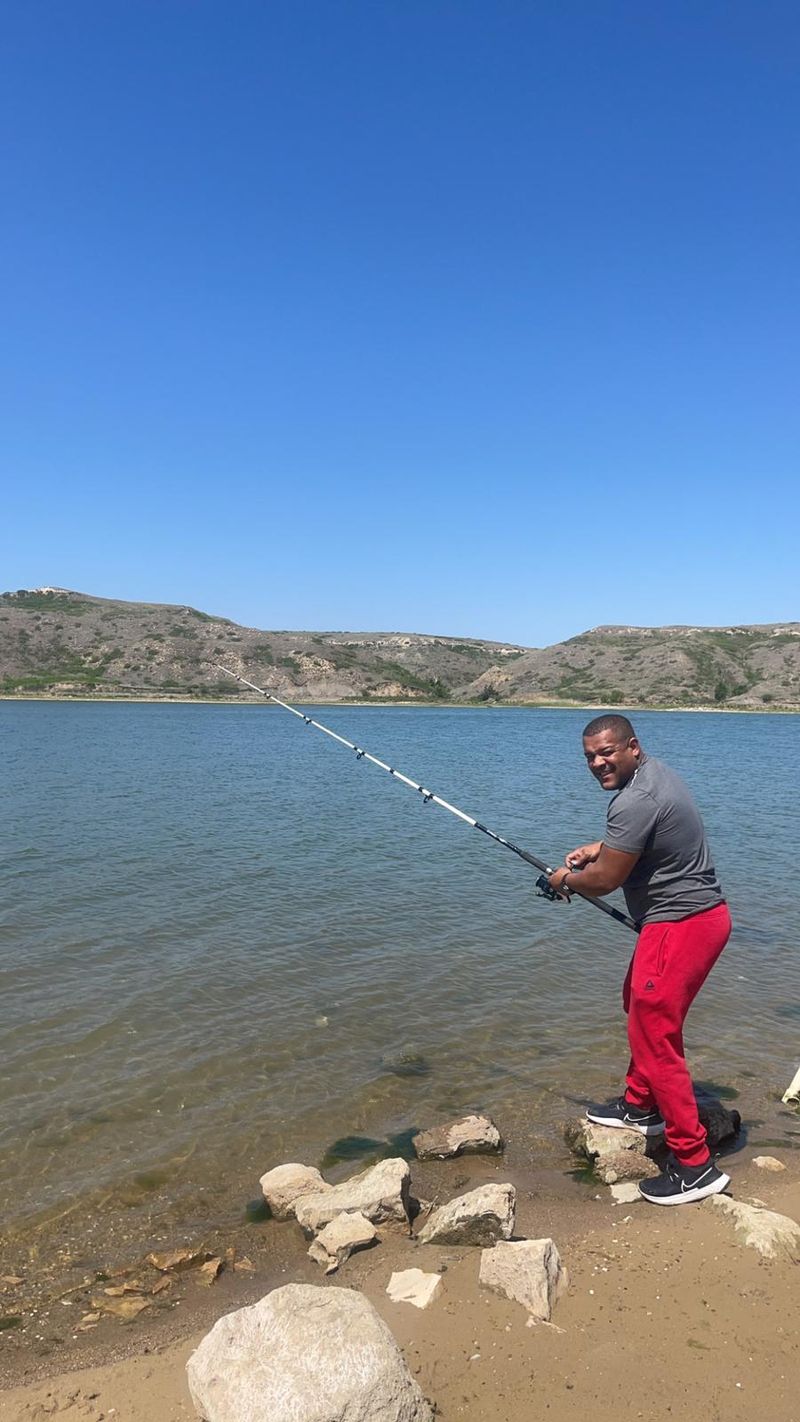
Ask any angler in the area about their favorite spot, and you might get a polite smile and silence.
Fishing is the main event here, and the lake is managed by the state with that purpose in mind.
Largemouth bass, channel catfish, crappie, and bluegill are common targets, and the rocky structure gives fish plenty of places to hide.
I had the best luck in the early morning near the rocky points. Soft plastic worms worked for bass, while simple worms on a hook kept the bluegill busy.
Catfish seemed to wake up after dark. A lawn chair, a lantern, and some stinky bait made for a very relaxing night.
Remember to carry a valid Kansas fishing license if you are old enough to need one. Check posted rules for size and creel limits before you keep anything.
The quiet water and steady bites explain a lot of the secrecy. Once a good fishing hole gets popular, it rarely stays good, and the regulars know it.
Primitive Camping Under Giant Skies
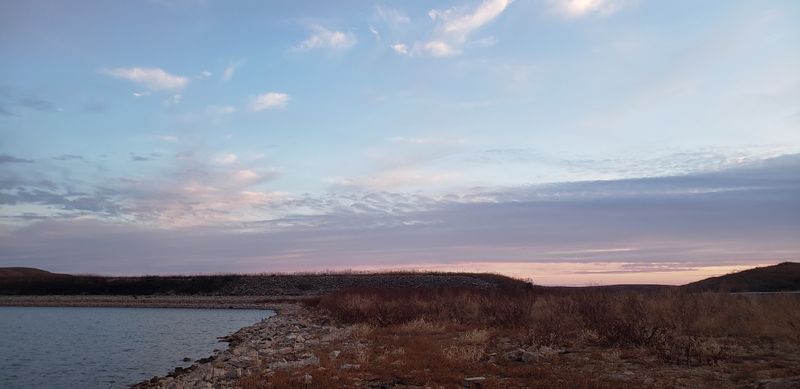
Forget fancy hookups, because camping here is all about a tent, a cooler, and a quiet shoreline.
The area offers primitive camping, which means you should not expect electric posts or full service buildings. I packed my own water, food, lights, and trash bags, and that made everything easy.
The reward is peace. At night, the only sounds were frogs, coyotes far away, and tiny waves tapping the rocks.
Weekdays felt calm and roomy. Weekends can get busy, so arriving early on a Friday helped me grab a flat spot with a view.
Wind is a real thing on the plains. I used extra stakes and kept my tent door facing away from the strongest gusts.
A friendly reminder: sound travels far across water. Keeping noise low, including generators, helps everyone enjoy the stillness that makes this place special.
Waking up to the sun climbing over the bluffs, coffee in hand, I decided that roughing it here is not rough at all.
Stars So Bright They Steal The Show
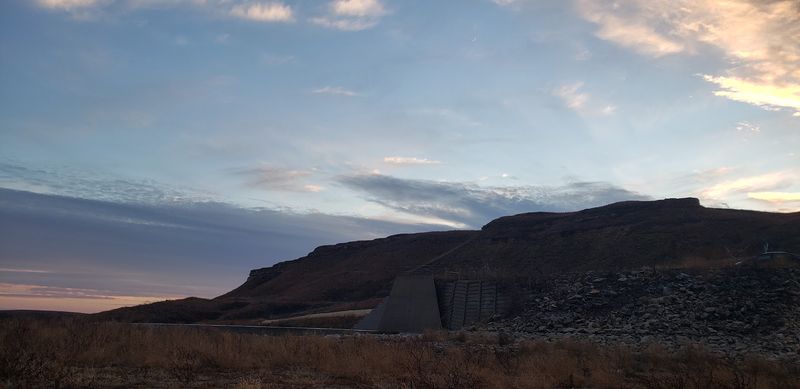
Once the sun drops, the real headliner shows up, and it brings billions of tiny backup dancers.
This part of southwest Kansas is far from big cities, so light pollution is very low. On clear nights, I could see the Milky Way stretching right across the canyon.
Bring a blanket and lie on your back for a while. Your eyes need about twenty minutes to adjust, so try not to check your phone screen during that time.
A red flashlight is a smart tool. It lets you walk around camp without ruining your night vision.
Summer nights often bring meteor showers, and the open sky makes them easy to spot. I counted shooting stars until I lost track and simply enjoyed the show.
Moonless nights give the darkest skies, so check a moon calendar before planning a stargazing trip.
Kids especially love finding the Big Dipper and making wishes. Honestly, so did I, and one of my wishes was that this sky would stay this dark forever.
Wildlife Around Every Bend
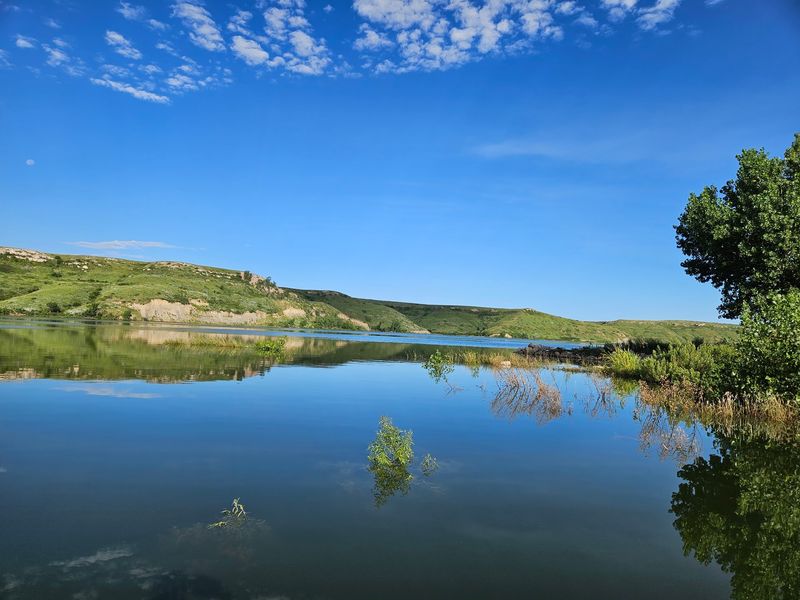
Early one morning, a mule deer stared at me from a ridge as if I were the strange visitor here.
The lake is part of a larger state wildlife area, so the land around the water is managed for animals and habitat. That means plenty of chances to spot creatures going about their day.
I saw deer, wild turkeys, and lots of birds, including hawks riding the wind above the bluffs. Ducks and herons also hung around the quieter coves.
Binoculars made a huge difference. I kept a pair around my neck and pulled them out every time something moved.
Dawn and dusk are prime viewing hours. Animals are most active then, and the soft light makes them easier to photograph.
Please keep your distance and never feed wildlife. Food scraps can hurt animals and change their natural habits.
Hunting seasons also happen in the wildlife area, so wearing bright colors in fall is a smart idea. A little planning keeps the whole visit safe and fun for everyone.
Roads That Reward Careful Drivers
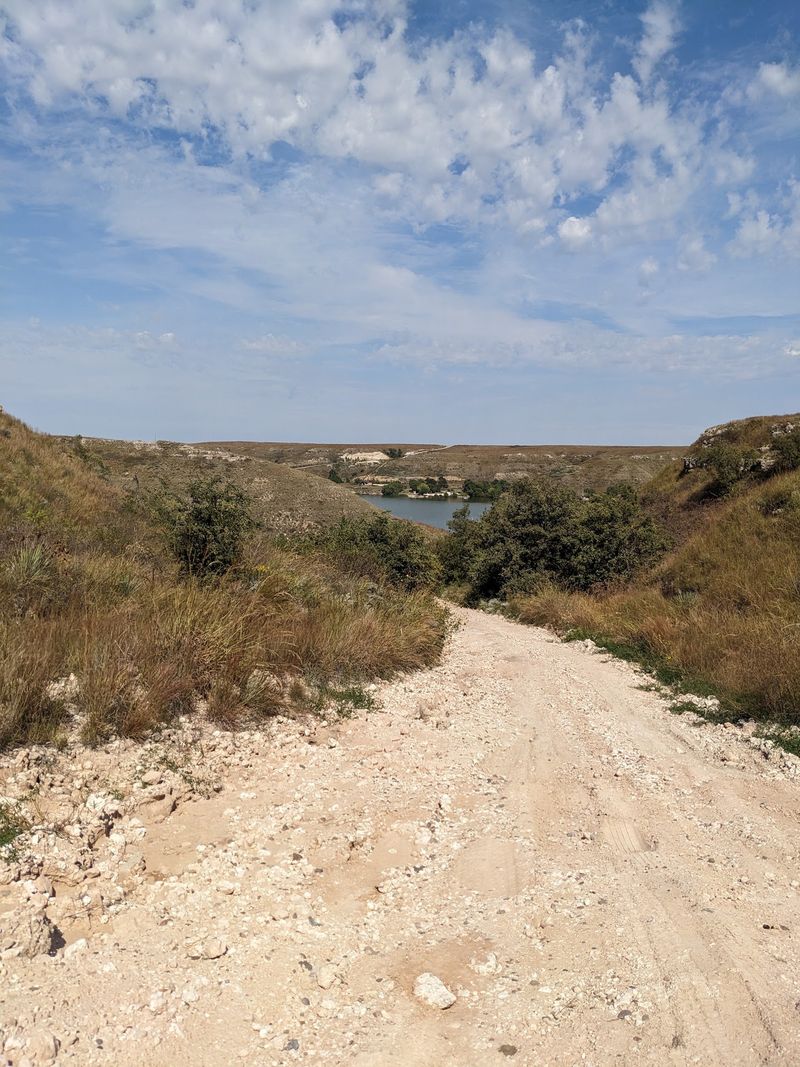
My little car and I learned quickly that some lake roads are better suited for trucks than sedans.
The main park area is in decent shape, but some unpaved roads around the lake can be rough, rutted, and steep. Rain turns red clay into a slippery mess in a hurry.
If you plan to explore the far side, a high clearance vehicle is your best friend. Four-wheel drive makes it even better after a storm.
I drove slowly, watched for washouts, and turned around when a stretch looked too risky. There is no shame in a careful U-turn.
Fill your gas tank before leaving town, since services are limited in this quiet stretch of Kansas. Download offline maps too, because phone signal can fade between the hills.
On the bright side, those winding roads deliver some of the best views. Climbing a hill and seeing the whole lake spread out below felt like earning a prize.
Bumpy roads also help keep crowds small, which might be the locals’ favorite feature.
Boat Ramps Ready For Quiet Paddles
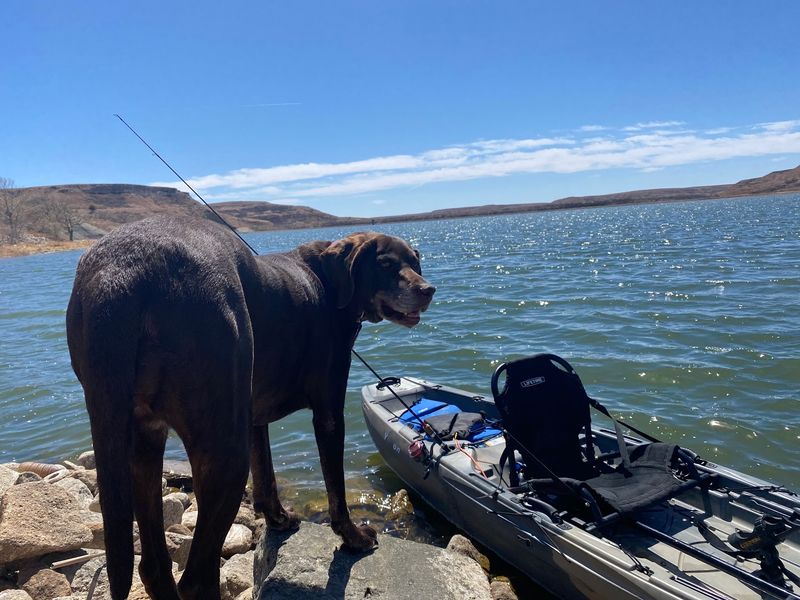
Out on the water, the canyon walls rise around you, and the whole world seems to shrink to a whisper.
Several boat ramps around the lake make launching easy, and I found them handy for both small boats and kayaks. Paddling let me reach rocky coves that are hard to fish from shore.
Swimming is not allowed here, and motorboats may only be used for fishing purposes. Always wear a life jacket, even if you feel confident.
Mornings are usually calmer. By afternoon, the famous Kansas wind can kick up choppy waves quickly.
I kept my trips short and stayed close to shore when clouds started building. Weather on the plains changes fast, and lightning over open water is no joke.
Bring a dry bag for your phone, snacks, and sunscreen. Shade is rare in the middle of the lake.
Gliding past bluffs while fish splashed nearby was easily my favorite hour of the trip, and I did not see another boat the entire time.
A Landscape That Bounced Back
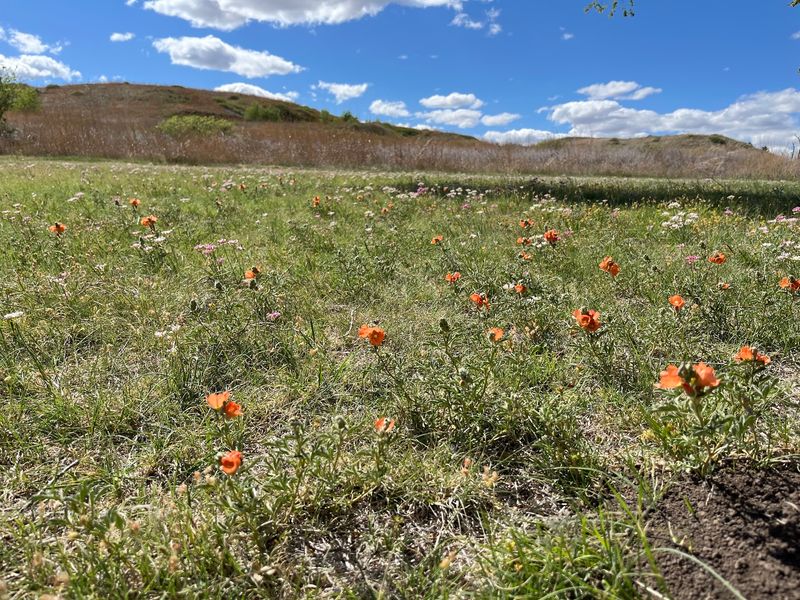
In March 2017, a massive wildfire swept across Clark County, and much of the county suffered destructive wildfire damage.
Known as the Starbuck Fire, it burned a huge area of southwest Kansas and parts of Oklahoma. Many trees and ranchlands throughout Clark County were severely damaged.
Here is the hopeful part. Prairie grasses are tough, and they often grow back strong after fire.
During my stay, I noticed bright green grass covering hills that once looked charred. A few dark cedar trunks still stand as reminders, but life is clearly returning.
Fire is actually a natural part of prairie health. Controlled burns help clear old growth and make room for fresh plants that wildlife love.
Visitors can help by following fire rules closely. Use designated fire rings, never leave flames unattended, and skip fires completely on windy or dry days.
Seeing the land heal gave me a new respect for this place. It is beautiful, yes, but it is also stubborn in the very best way.
Smart Timing For The Best Visit
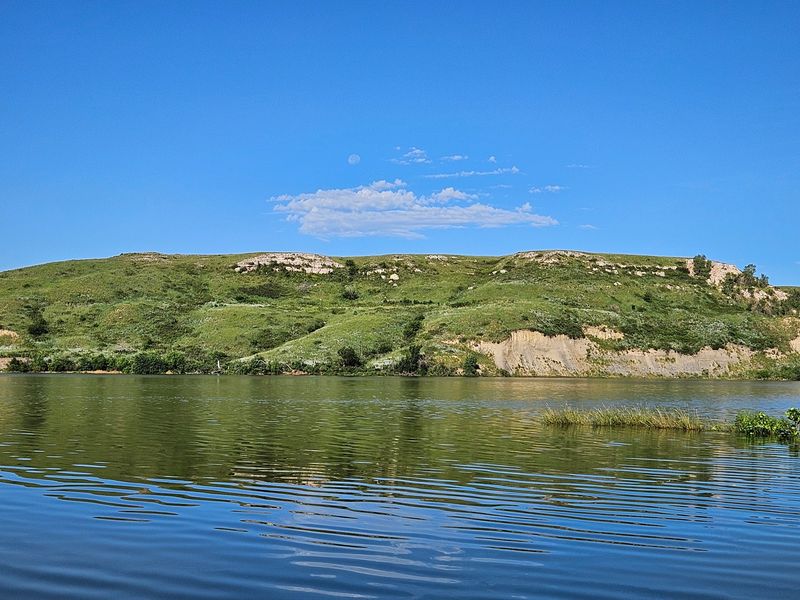
Good timing turned my trip from pleasant to perfect, and the calendar matters more than you might think.
Spring and fall are my top picks. Temperatures are mild, fish are active, and the hills look their most colorful.
Summer can be very hot in southwest Kansas. If you visit then, fish early, rest in the shade at midday, and drink plenty of water.
Weekdays are the quietest choice. Weekends, especially holidays, bring more campers, so plan ahead if you want a prime shoreline spot.
Pack for changing weather no matter the season. I brought a warm jacket, rain gear, sunscreen, and bug spray, and I used all of them.
Ashland is the nearest town for basic supplies, so stock up before heading out. Grocery runs are much easier than a long drive back halfway through your stay.
Leave no trace when you go, and the lake will stay lovely for the next visitor. Treat it kindly, and you might just become one of those locals who keeps the secret too.