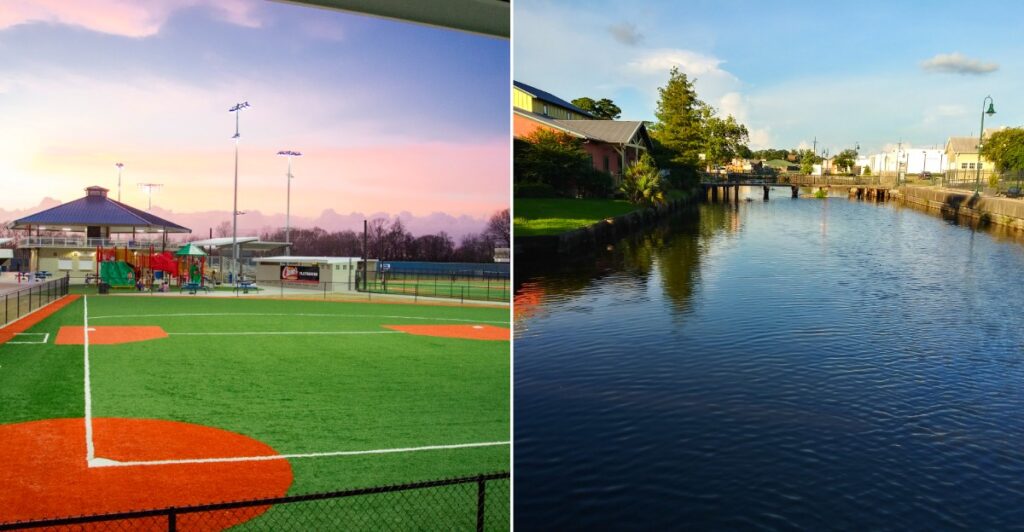
Louisiana living can look different from one town to the next. One community might offer a lakefront path and subdivisions, while another brings Saturday football, railroad history, bayou scenery, or a main street lined with old buildings and restaurants.
That variety is what makes comparing these places interesting, especially if you are thinking beyond a quick visit.
From Baton Rouge suburbs to Acadiana towns and bayou communities, Louisiana offers appealing places to live with parks, local flavor, history, and distinct everyday rhythms.
What I like most is how much personality shows up in the details. A town can feel welcoming because of its food, green spaces, commute, or simply the way neighbors use public places.
There is no verified statewide ranking behind this list, so think of it as a starting point. Look closely at costs, travel times, flood risk, and the kind of daily life each place actually offers.
10. Harahan: River Views And Railroad Roots
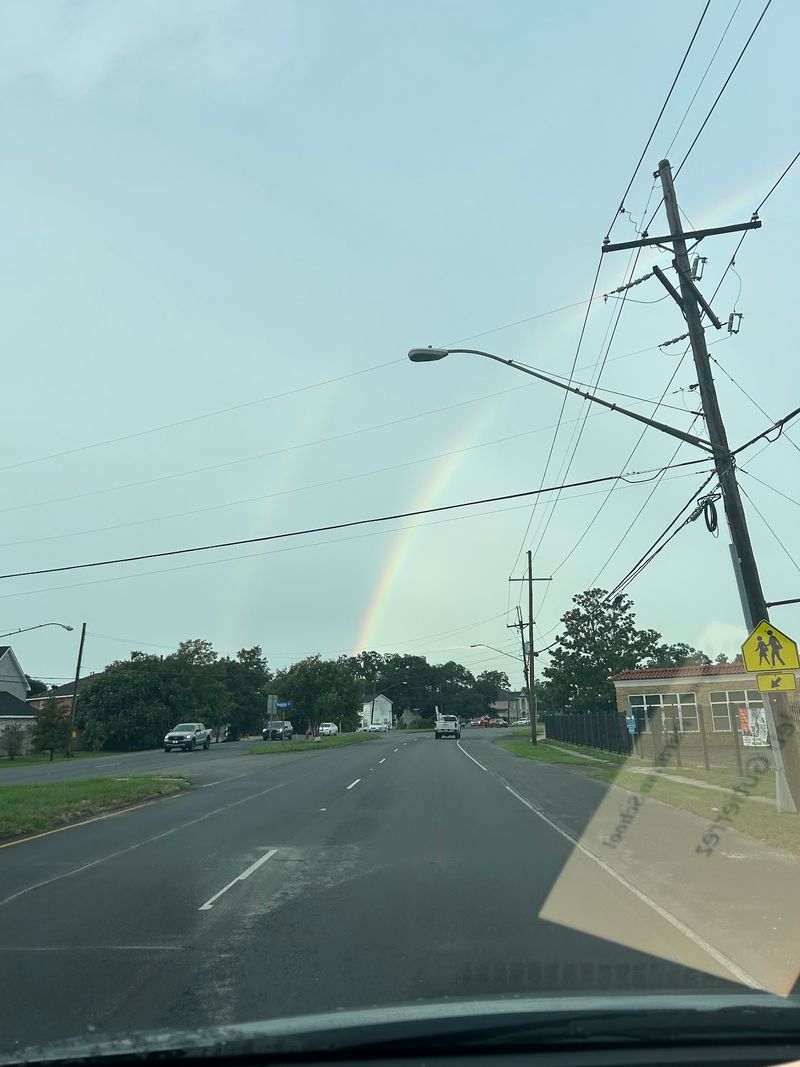
A broad Mississippi River levee gives this compact Jefferson Parish community one of its easiest escapes from traffic and errands. Harahan sits just upriver from New Orleans, close enough for access to the city while maintaining the smaller scale of a place where many residential streets feel distinctly suburban.
The name itself comes from railroad history. Incorporated in 1920, the city honors James Theodore Harahan, a former Illinois Central Railroad president, reflecting how closely rail development shaped the area before modern commuting took over.
Today, the river remains one of the most appealing parts of the setting. The levee offers room for walking, running, and cycling beneath open skies, although shade is limited and Louisiana heat makes water and sun protection worthwhile for much of the year.
Harahan also benefits from practical proximity. Jefferson Highway and nearby commercial corridors make groceries, restaurants, healthcare, and other daily needs relatively easy to reach without heading into central New Orleans for everything.
Anyone considering a move should test that convenience during actual rush-hour traffic rather than a quiet Sunday drive. Drainage, flood zones, insurance, and individual property elevation also deserve careful research because those factors can vary block by block.
9. Mandeville: Make Time For The Lakefront
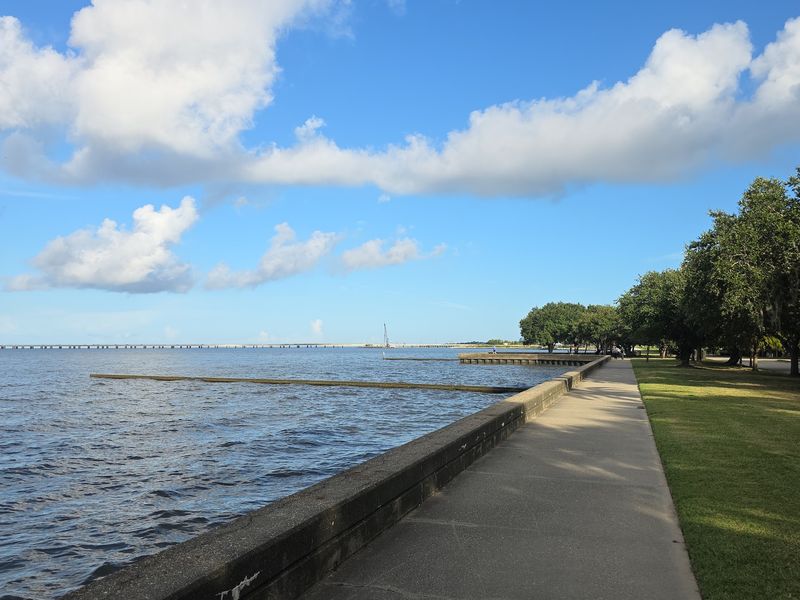
Massive live oaks and open views across Lake Pontchartrain give this Northshore city a setting that feels unusually spacious. Mandeville’s lakefront remains one of its defining public spaces, stretching roughly a mile along the water with walking areas, greenspace, and a front-row seat for sunsets that need very little assistance.
That waterfront identity dates back nearly two centuries. Bernard de Marigny founded Mandeville in 1834 as a lakeside resort community, and the city still treats the shoreline as its civic heart rather than simply a backdrop for private development.
Modern life adds considerably more than scenery. The city highlights parks, walking and biking paths, restaurants, shopping, schools, bayous, and a steady calendar of lakefront events, including concerts and community celebrations.
Fontainebleau State Park sits just east of town and adds trails, camping, wildlife habitat, and Lake Pontchartrain access to the list of outdoor options. That makes it easy to find a weekend activity without committing to the drive across the Causeway.
For commuters, however, that bridge deserves a real-world test. Drive the Lake Pontchartrain Causeway during the hours you would actually use it and factor tolls, traffic, and weather into the decision.
8. Addis: A Small Town With A Rail Story
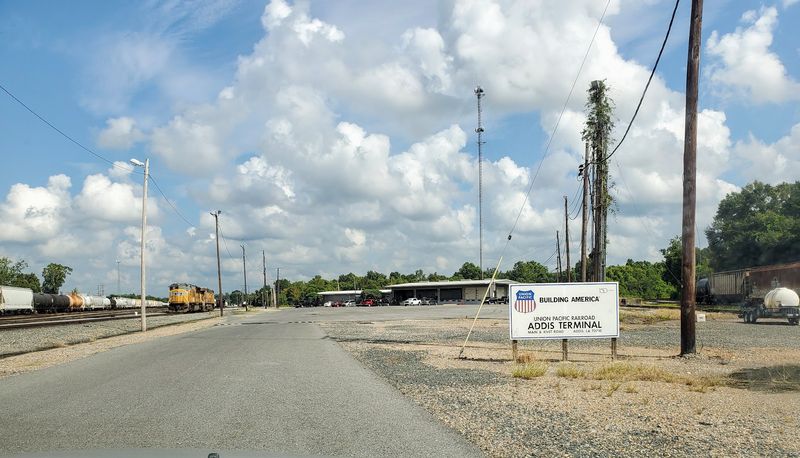
Old railroad geography still explains a surprising amount about this small West Baton Rouge Parish town. Before becoming Addis, the community was known as Baton Rouge Junction, a name that makes considerably more sense once you understand how rail connections helped shape its early growth.
The town incorporated in 1915 and sits across the Mississippi River from Baton Rouge. That proximity gives residents access to a much larger employment and service center while preserving the quieter scale of a community with fewer than the capital’s layers of traffic and development.
One of the better places to explore the local story is the former Bank of Addis building, now associated with community history and preservation. Its older architecture offers a useful reminder that the town existed long before newer subdivisions began reshaping this side of the river.
For prospective residents, the appeal is more practical than touristic. Grocery access, schools, parks, nearby employers, and the cost of getting across the river regularly matter far more than having a long list of attractions.
7. Broussard: Front Porches Meet Playing Fields
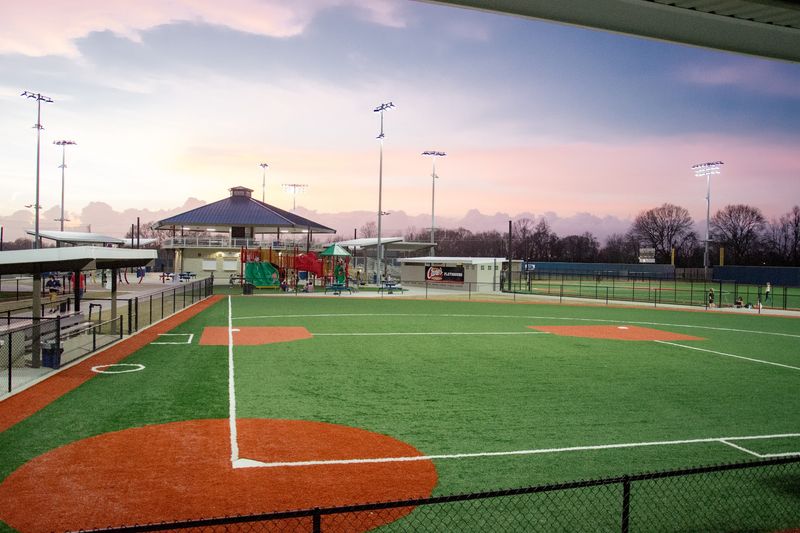
Historic houses and modern sports fields sit unusually comfortably beside one another in this growing Acadiana community. Broussard began as an Acadian settlement known as Côte Gelée, or Frozen Hill, before eventually taking the name of Valsin Broussard and developing into one of the Lafayette area’s increasingly important residential centers.
Older sections still preserve some of that history. Broad porches, shaded yards, churches, and traditional architecture give parts of town a scale that feels very different from the newer subdivisions appearing farther out.
The modern recreational centerpiece is St. Julien Park and the Broussard Sports Complex. Baseball and softball fields, walking trails, playground areas, a splash pad, and other facilities make organized recreation a particularly visible part of local life.
That mix helps explain the town’s appeal to families who want proximity to Lafayette without necessarily living inside it. Restaurants, healthcare, shopping, and major employment areas remain close enough for regular use while the community maintains its own civic identity.
Growth also means research matters. New development can change traffic patterns quickly, and drainage performance may differ between neighborhoods that look similar on a map.
Check school assignments, construction quality, flood history, and commute times before settling on a property.
6. Central: Room To Breathe Near Baton Rouge
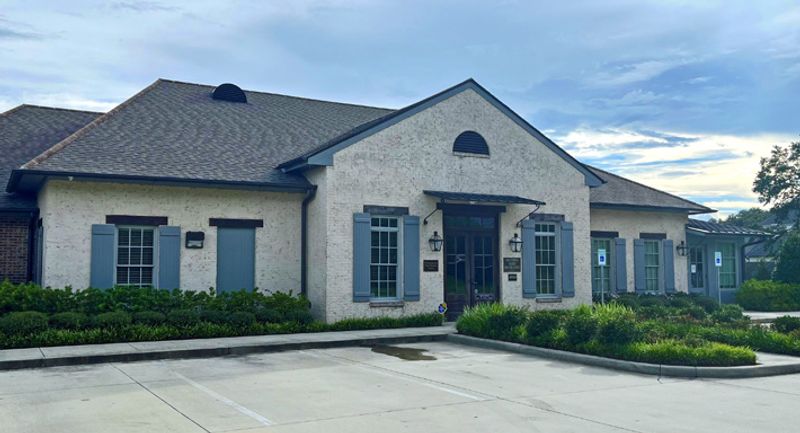
Large residential lots and wooded roads give parts of this community a sense of space that can feel far removed from nearby Baton Rouge. Central incorporated only in 2005, making it one of Louisiana’s younger cities even though people had lived in the area for generations before formal city government arrived.
The community’s separate public school system became an important part of that new identity. For families considering a move, school attendance boundaries therefore deserve direct verification rather than assumptions based on a mailing address.
Outdoor space provides another advantage. Blackwater Conservation Area offers wooded trails, ponds, birding opportunities, and enough greenery to make a morning walk feel like a genuine change of pace from suburban roads.
Central is physically spread out, however, and that space affects everyday life. Two houses with the same city name can have very different distances to grocery stores, schools, healthcare, and major commuting corridors.
That makes map-based house hunting especially unreliable. Drive from a potential address to the places you would actually use during a normal week and pay attention to road capacity during busy school and work periods.
Flood history is another major consideration. Discuss property elevation, drainage, prior flooding, and insurance with qualified local professionals before deciding that a large yard automatically equals an easier lifestyle.
5. Sulphur: Industry Leaves An Interesting Footprint
Few Louisiana town names explain themselves as directly as this one. Sulphur grew around the mineral deposits beneath southwest Louisiana, with industrial development accelerating after Herman Frasch’s extraction process made the underground sulfur commercially valuable.
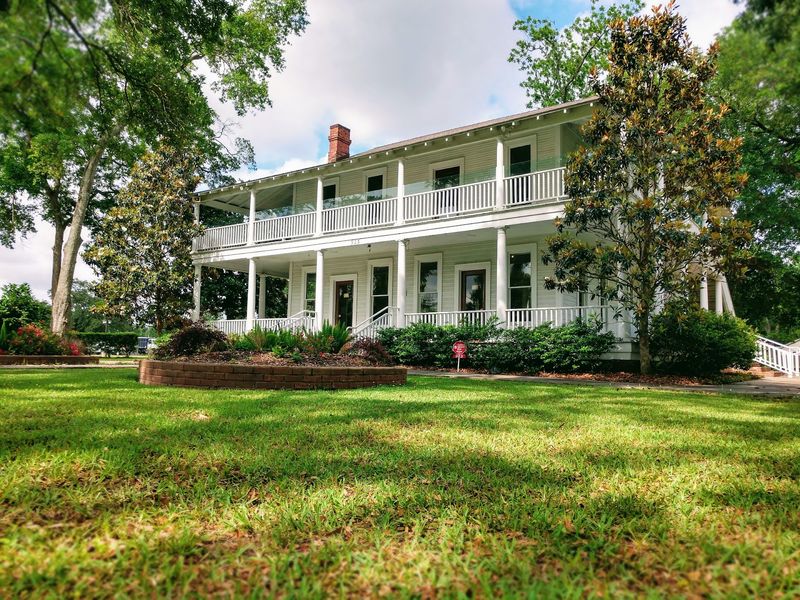
That industrial history remains part of the community’s identity, but it is not the only story visible today. The Henning Cultural Center occupies a historic building and hosts rotating exhibitions, cultural programming, and events that provide a quieter counterpoint to the petrochemical landscape surrounding the broader region.
Local parks, sports facilities, schools, and shopping give the city the infrastructure of a working regional community rather than a one-industry outpost. Lake Charles sits nearby, expanding employment, healthcare, dining, and entertainment options without requiring residents to live in the larger city itself.
Anyone seriously considering Sulphur should evaluate housing with southwest Louisiana weather in mind. Hurricane resilience, roof age, drainage, elevation, flood exposure, insurance, and previous storm damage can matter more financially than cosmetic upgrades inside a house.
Commute patterns deserve attention too, particularly for jobs tied to industrial corridors where shift changes can affect traffic dramatically. Try the drive at the times you would actually travel instead of judging distance solely by mileage.
4. Zachary: Follow The Depot Backstory
A railroad depot helped put this north Baton Rouge community on the map, but schools and recreation are much bigger parts of its modern reputation. The town took its name from Darel Zachary, who donated land for an Illinois Central Railroad depot during the nineteenth century, connecting its early growth directly to rail travel.
Today, the Zachary Community School District is one of the city’s most prominent features. Current city information notes that the district has maintained an A rating and ranks among Louisiana’s stronger-performing systems, making school boundaries especially important for families evaluating individual addresses.
Recreation is equally visible. The 33-acre Zachary Youth Park includes baseball and softball fields, batting facilities, a walking track, playgrounds, and picnic areas, while nearby BREC facilities add trails, ponds, a splash pad, fitness stations, and other public amenities.
Healthcare also anchors the local economy through Lane Regional Medical Center, one of the area’s major employers. That combination gives Zachary more everyday infrastructure than the phrase “small town north of Baton Rouge” might suggest.
Prospective residents should still test the commute toward Baton Rouge if work takes them south. Traffic conditions can change the practical meaning of what appears to be a manageable distance.
3. Covington: Small Streets With Creative Energy
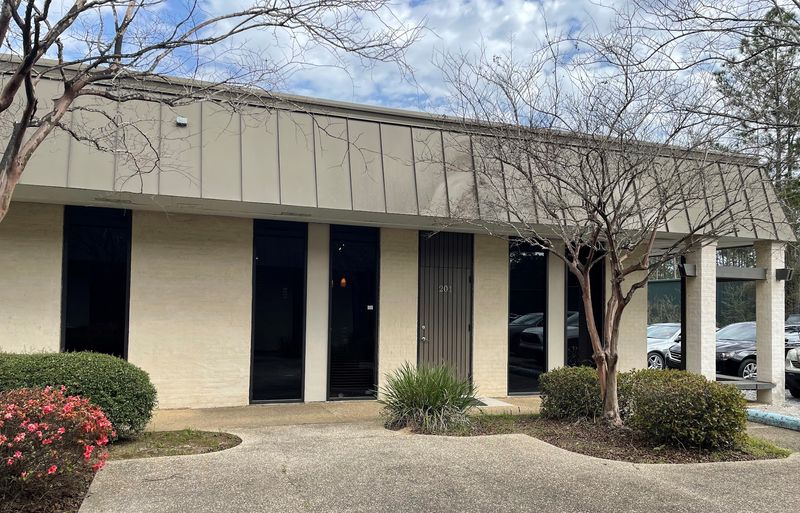
A few blocks of galleries, cafes, trees, and older storefronts make downtown wandering feel unusually easy here. Covington’s Columbia Street and nearby Lee Lane create the kind of compact center where errands, lunch, browsing, and a walk can happen without constantly returning to the car.
The city traces its origins to 1813, when it was founded as the Town of Wharton. That long history remains visible in older buildings and the street pattern, while arts organizations and independent businesses keep the downtown from feeling preserved only for photographs.
Outdoor space sits remarkably close to that urban core. Bogue Falaya Park at 213 Park Drive provides riverfront green space and paddling access, while the Covington Trailhead at 419 North New Hampshire Street marks the beginning of the Tammany Trace for cyclists and walkers.
Those amenities give residents several ways to spend time outside without leaving town. Parks, trails, downtown events, and nearby Northshore services make it possible to build a weekend around local options rather than automatically heading toward New Orleans.
House hunting still requires a more analytical eye. Flood exposure, drainage, insurance, sidewalk availability, traffic, and property upkeep can vary significantly between downtown and more suburban sections.
2. Youngsville: Growth With A Sporting Streak
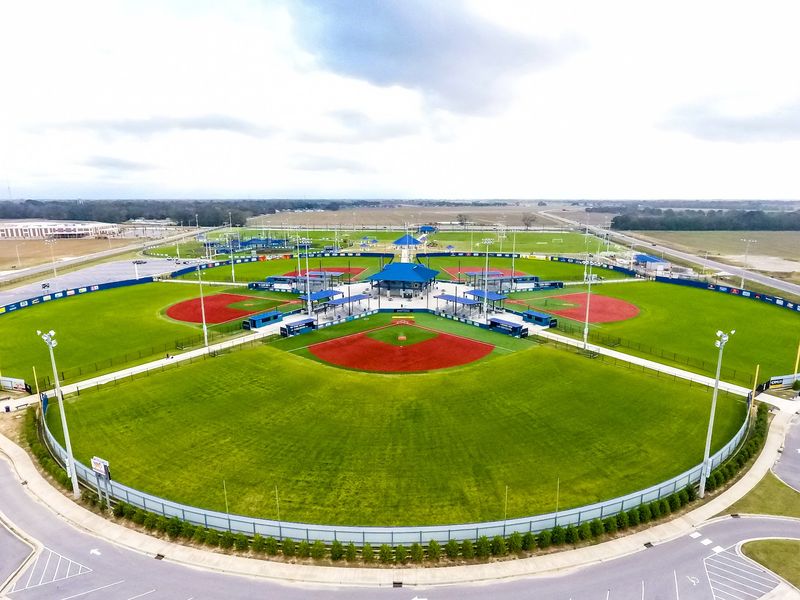
Baseball diamonds, volleyball courts, walking paths, and an amphitheater make organized recreation almost impossible to miss in this fast-growing Acadiana city. Youngsville Sports Complex has become one of the community’s defining investments, turning what began as a major youth-sports facility into a much broader regional recreation destination.
The complex opened in 2014 and now spans 116 acres, with baseball and softball fields, playgrounds, a splash park, a fishing pond, walking paths, tennis facilities, pavilions, and Sugar Beach volleyball courts. A newer expansion added collegiate-size baseball fields, pickleball courts, additional parking, and the Youngsville Amphitheater.
That scale changes more than weekend entertainment. Large tournaments and events bring visitors, support nearby restaurants and hotels, and give residents access to facilities that many similar-size cities do not have.
Youngsville itself has changed quickly too. Once known as Royville, it adopted its current name in 1908, and newer subdivisions now sit beside reminders of the agricultural landscape that surrounded the community for generations.
Sugar Mill Pond offers another version of recent growth, combining homes, businesses, public spaces, and planned development within one neighborhood.
Buyers should inspect drainage, construction quality, school assignments, and traffic patterns carefully. Rapid growth can improve services while also putting new pressure on roads.
1. Houma: Everyday Life Along The Bayous
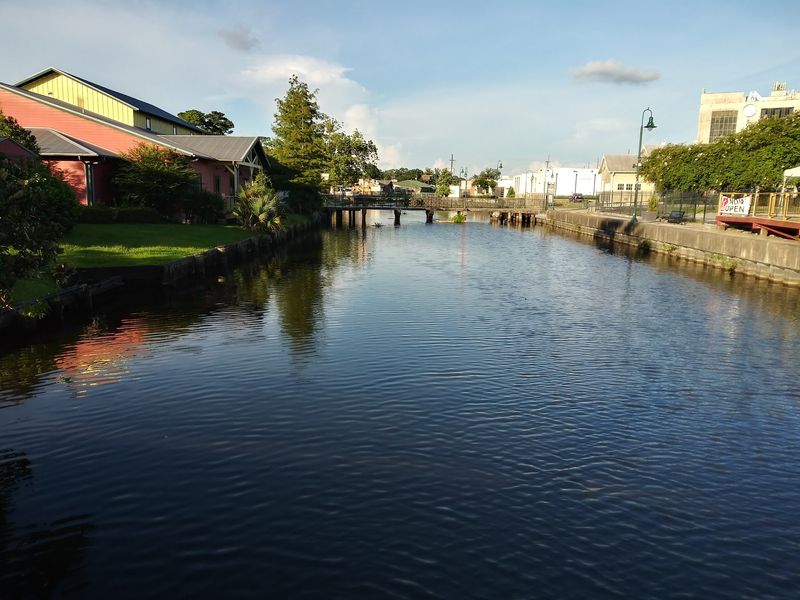
Water is not simply scenery here. Bayous, wetlands, fishing, seafood, boats, and coastal industries have shaped how Terrebonne Parish works for generations, giving Houma a cultural identity that feels inseparable from the surrounding landscape.
The city’s name comes from the Houma people, whose history and continuing presence remain an essential part of understanding the region. Anyone trying to appreciate the area beyond a quick visit should start with that Indigenous history rather than treating bayou culture as only food and scenery.
The Bayou Terrebonne Waterlife Museum provides another useful introduction to the relationship between residents and local waterways. Exhibits explore fishing, transportation, industry, wetlands, and the ways generations have made lives around water.
That connection carries into everyday food through shrimp, oysters, fish, crab, and Cajun cooking, though availability naturally follows seasons, harvests, and restaurant menus rather than tourist expectations.
For prospective residents, coastal realities require serious planning. Flood zones, elevation, hurricane protection, insurance premiums, roof condition, drainage, evacuation routes, and previous storm damage should all be investigated before choosing a property.
Employment and daily travel also matter, particularly for jobs connected with energy, marine services, healthcare, government, and regional industry.