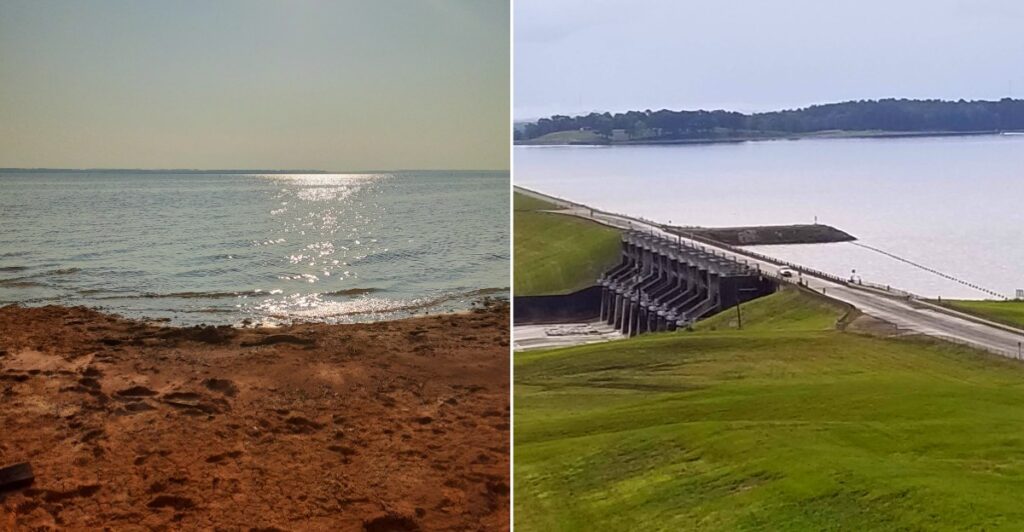
Some lakes feel timeless until you learn how recently they appeared. Along the Louisiana and Texas border, this enormous reservoir spreads across roughly 185,000 acres, with wooded shores, coves, and open water that makes the horizon feel farther away.
Fishing and boating may be the obvious draws, but beneath that scenery sits a complicated story.
What looks like a peaceful Louisiana getaway today was created by a massive 1960s engineering project that reshaped the Sabine River valley and displaced the people who once called it home.
That history changes the way I see the water. Boat ramps and fishing spots tell one part of the story, while flooded roads, former homesites, and old communities tell another.
Come for the wide views and outdoor fun, but leave time to think about what had to disappear to create them. The lake is beautiful, useful, and impossible to understand fully without its past.
The Shoreline Had Neighbors Before It Had Waves
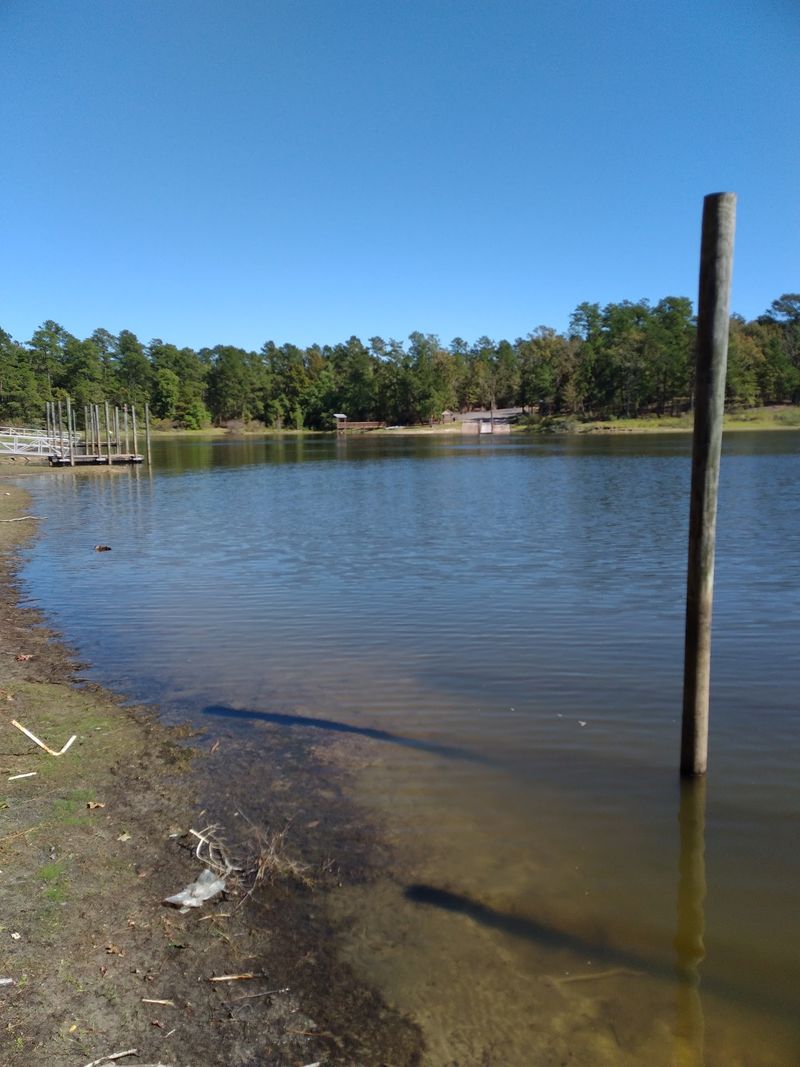
Open water makes an easy disguise for an older landscape. Before Toledo Bend filled, the Sabine River valley held homes, farms, roads, and communities whose residents had to leave as the reservoir project moved forward.
That history deserves more care than a spooky story about a sunken town. Families lost familiar places, and the change reshaped how people lived on both sides of the river.
Before visiting, look for historical accounts from local heritage groups and the Sabine River authorities. Old maps and photographs can help you picture the land without treating every lake legend as fact.
Avoid assuming that a shape seen during low water is a rooftop or grave. Never disturb exposed objects or enter private shoreline property.
The most meaningful way to explore this hidden past is through records, careful questions, and respect for the people connected to it.
A Lake Big Enough To Shape Your Plans
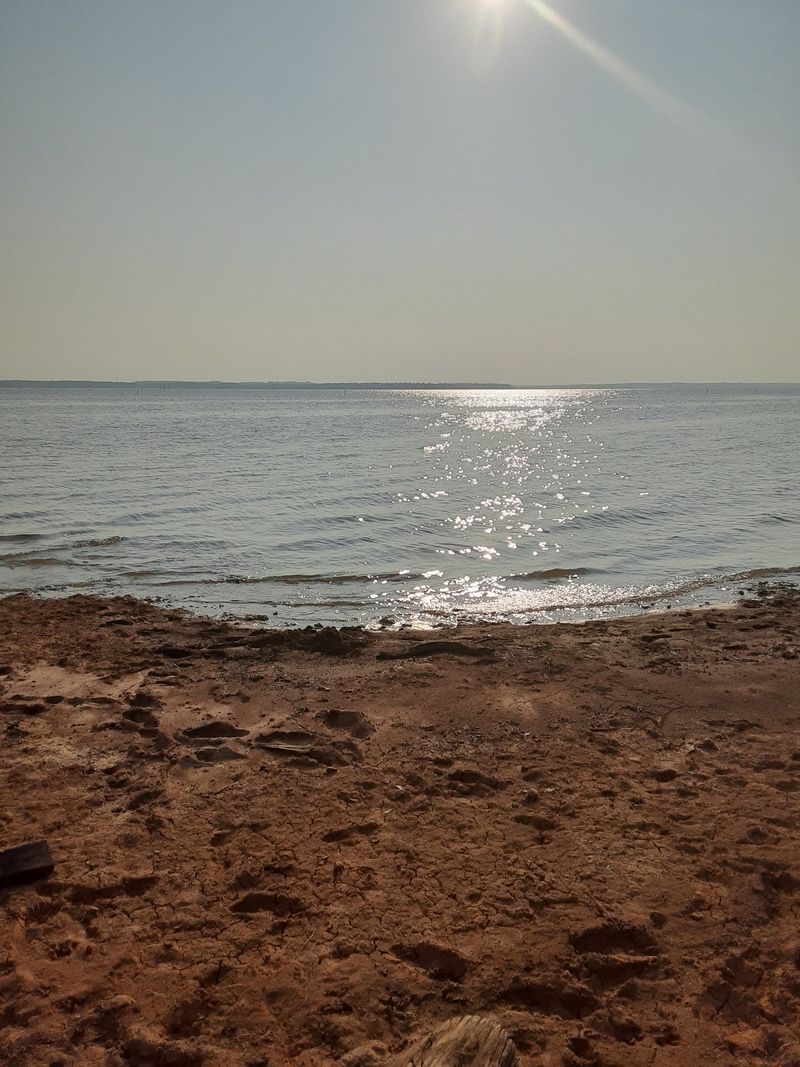
Toledo Bend Reservoir stretches along western Louisiana near Many, with Highway 6 serving as one of the most useful approaches to the central part of the lake. For a first stop, aim for the Sabine River Authority Tourist Information Center at 15091 Texas Highway in Many, Louisiana, which puts you right in Toledo Bend Lake Country.
The closer you get to the reservoir, the landscape starts opening into pine woods, boat ramps, coves, and broad flashes of water. From the visitor center, roads such as Louisiana Highway 191 branch toward major public access points including Cypress Bend, San Miguel, Pendleton Bridge, and Pleasure Point.
Use the visitor center parking as your first stop, grab a lake map, then continue by car to the specific park, launch, campground, or shoreline area you want. There is no single “Toledo Bend parking lot,” so choosing your access point before the final leg saves a lot of unnecessary driving around this enormous reservoir.
Two States Built More Than A Fishing Lake
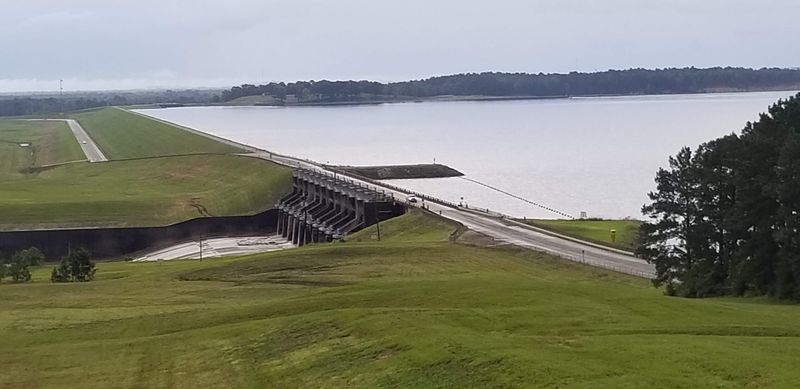
Concrete and turbines explain a side of Toledo Bend that a fishing photo cannot. Louisiana and Texas developed the reservoir together for water supply, hydroelectric power, and recreation, with construction beginning in 1964.
The dam, spillway, and power facilities were completed by 1969. The project was financed without federal funding, an unusual feature for such a large public undertaking.
Knowing that background changes the view: this is a working reservoir, not simply a giant outdoor playground. Water levels can change with operating needs and weather, affecting ramps, shorelines, and boating conditions.
Check current lake information from the Sabine River authorities before heading out. If you visit near the dam, use only public areas and obey posted restrictions.
A few minutes learning how the system works makes the scale of the place easier to understand and helps explain its changing shoreline.
Follow The Boat Lanes, Not Your Curiosity
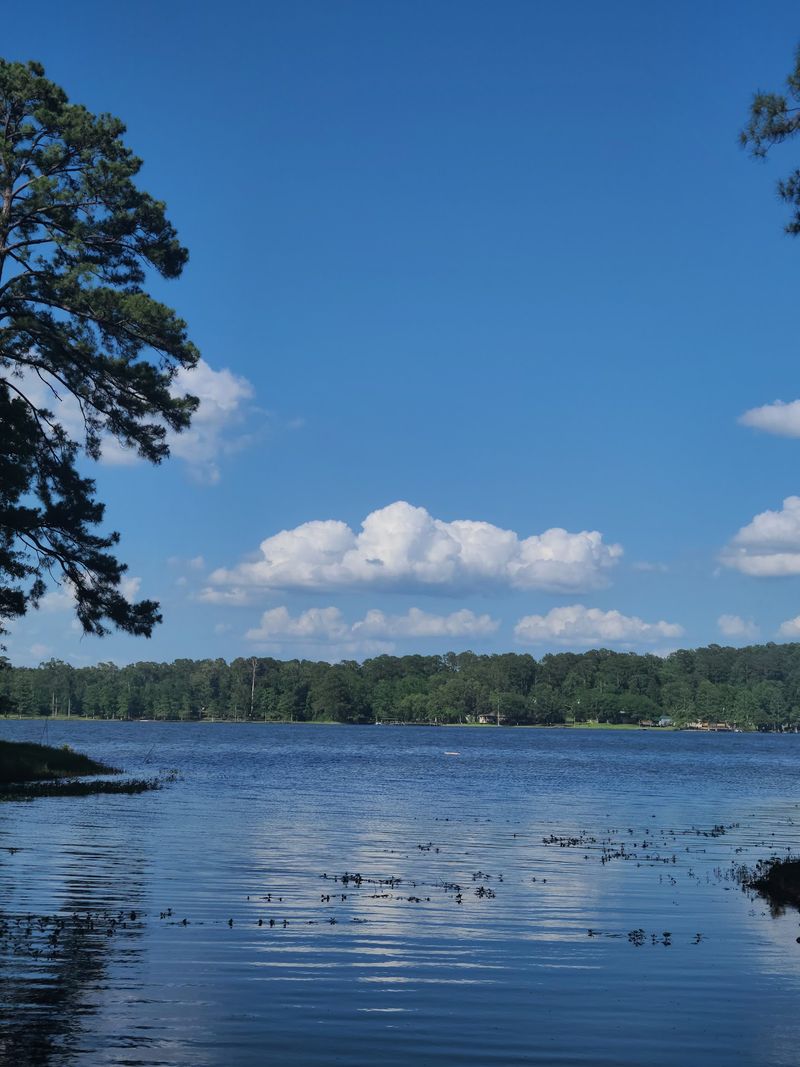
A smooth surface does not mean a clear path below. Toledo Bend contains submerged timber and other underwater hazards, especially outside established boat lanes and in shallower areas.
Use current navigation information, watch the markers, and ask a local marina about conditions before leaving the ramp. A marked route still calls for attention, particularly when water levels change.
Keep your speed low near unfamiliar coves, wear a properly fitted life jacket, and carry required safety equipment. Tell someone where you plan to go and when you expect to return.
Wind deserves equal respect on water this large. Check the forecast and leave time to get back before storms arrive.
Exploring slowly is not missing the adventure; it is how you keep an interesting afternoon from turning into a difficult trip home for everyone riding along in the boat.
Bass Fame Comes With A Conservation Lesson
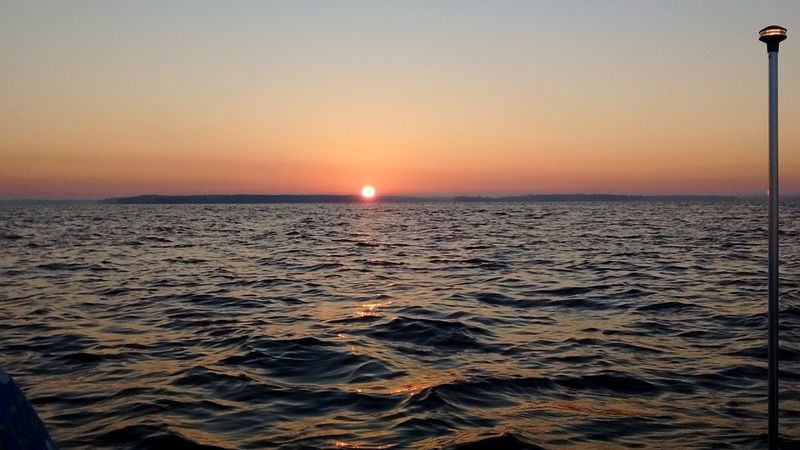
For many visitors, one good cast is the whole reason to come. Toledo Bend is known for largemouth bass, while crappie, catfish, and sunfish give anglers other reasons to keep a rod handy.
Creek channels, timber, and changing depths provide fish habitat, but they also make local knowledge useful. Hiring a licensed guide can help a newcomer understand the lake without spending the day guessing.
Check current license requirements, size limits, and possession limits with the appropriate wildlife agency before fishing. Border waters have rules that deserve a closer look than a quick assumption.
The Toledo Bend Lunker Bass Program celebrates qualifying trophy catches while encouraging live release. Read its current rules before participating.
Handle fish gently, minimize time out of water, and remember that a successful day can end with the fish swimming away, not sitting in a cooler.
Winter Wings Give The Water Another Story
Bring binoculars even if fishing is not on your schedule. Bald eagles can be seen around Toledo Bend, and the cooler months offer chances to watch visiting waterbirds as well.
Scan tall shoreline trees before searching the sky. An eagle sitting still can be easier to miss than one circling overhead, while cormorants and other birds may gather near open water.
Choose a public overlook, park shoreline, or quiet picnic area, and give yourself time rather than chasing sightings. Early light often makes watching more pleasant, though wildlife never follows a visitor’s timetable.
Keep a respectful distance from birds and nests, leave pets under control, and avoid playing calls to draw animals closer. A field guide helps turn an unfamiliar shape into a name.
Even without an eagle, there is plenty to notice where woods meet water along the bank.
Find Your Pace At The State Parks
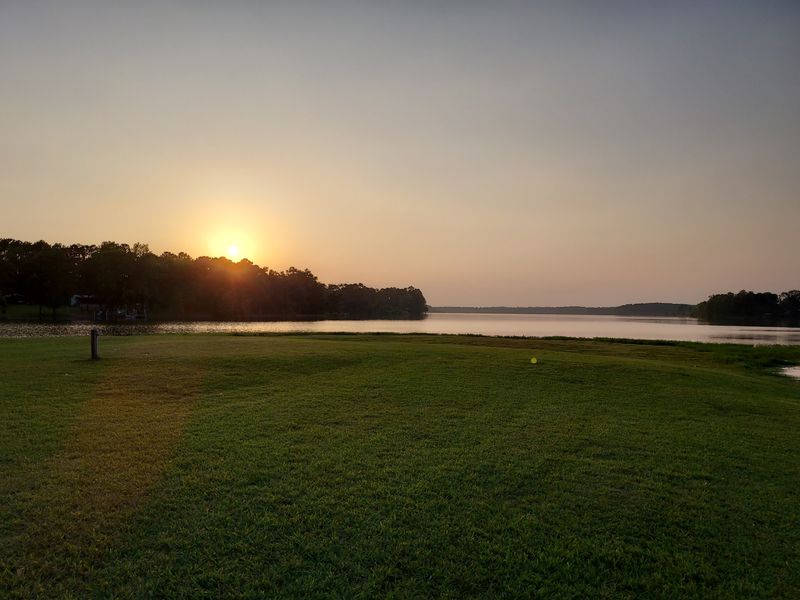
Pine shade offers a welcome change after time on bright, open water. North Toledo Bend State Park and South Toledo Bend State Park provide Louisiana bases for enjoying the reservoir without needing a boat.
Both parks offer outdoor recreation and overnight options, making them useful starting points for a slower visit. Walking, picnicking, and sitting near the shore can fill a day without much equipment.
Check the Louisiana State Parks website for current trail conditions, facility details, entrance fees, and reservation information. Choose a walk that matches your group’s comfort level rather than planning around an appealing trail name.
Bring drinking water, insect protection, and shoes suited to uneven ground. Summer heat can make a short route feel longer than expected.
Leave room in the schedule for an unhurried break, because a park visit need not become an endurance test.
Stay Overnight Without Packing For The Wrong Trip
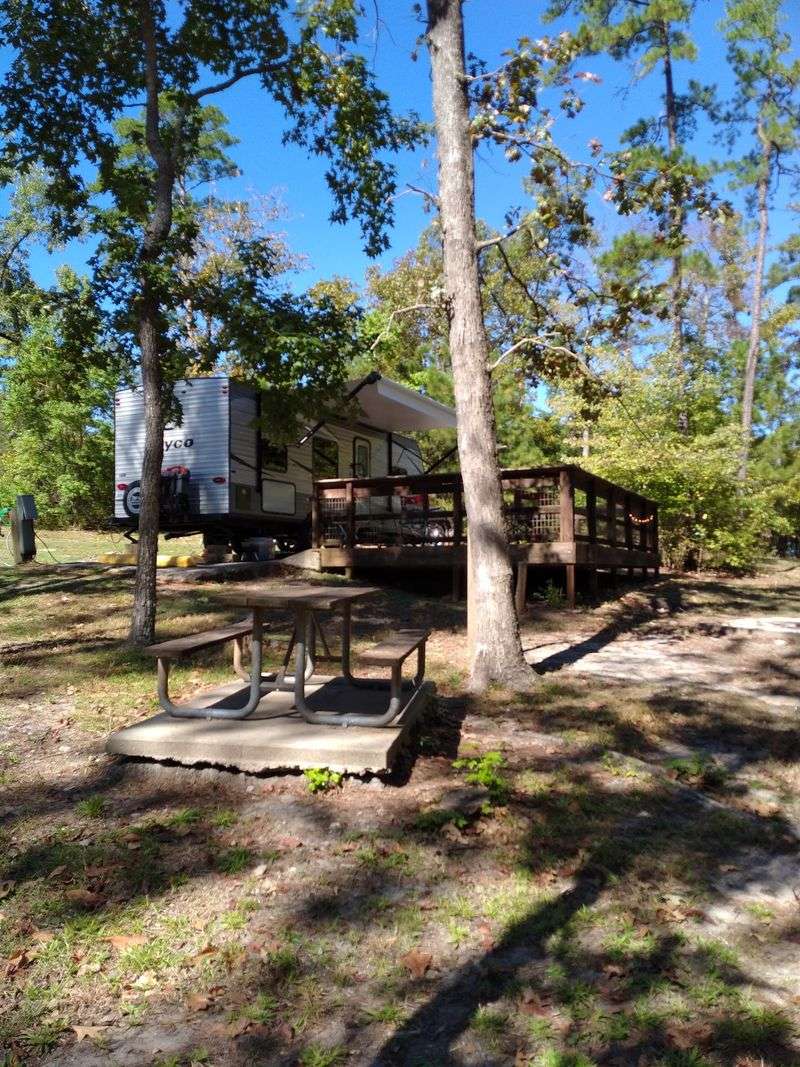
Sleeping near the lake changes the rhythm of a visit. Instead of rushing back to the highway, you can watch evening light settle over the water and start the next morning close to your plans.
Louisiana shoreline lodging includes campgrounds, cabins, and other rentals, but their facilities vary. Check whether your booking includes linens, cooking supplies, hookups, or direct access to the water.
Reserve ahead for busy weekends and fishing events. If bringing a boat, ask about parking, ramp access, and whether current water levels affect the launch you expect to use.
Pack for damp weather as well as sunshine, and keep food secured at your campsite. Quiet hours matter in shared outdoor spaces.
The best overnight choice is not necessarily the fanciest one; it is the place that fits your group, equipment, and plans without adding avoidable complications.
Take The Scenic Route Along The Louisiana Side
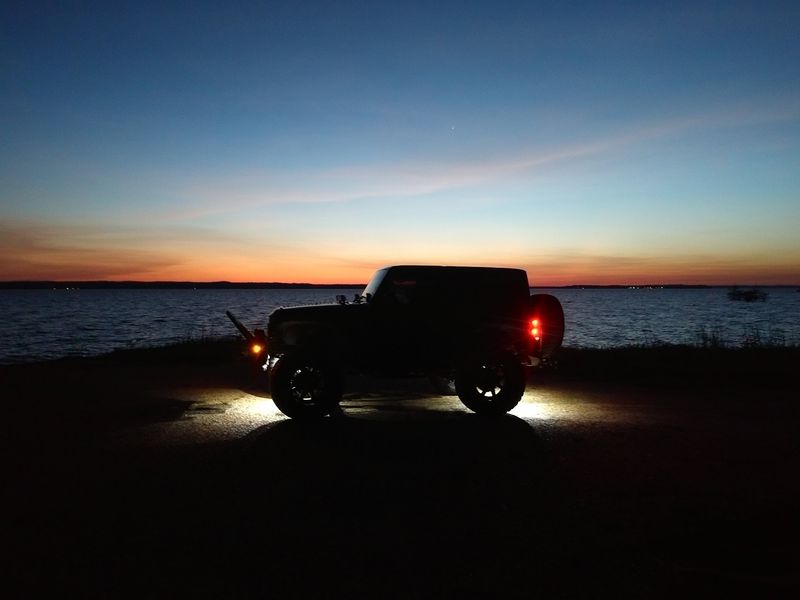
The road offers a different kind of lake day, with no life jacket required. The Toledo Bend Forest Scenic Byway follows the Louisiana side of the region through wooded scenery and communities connected to the reservoir.
Expect a landscape of pines, smaller roads, and occasional openings toward the water rather than a constant lakeside panorama. That mix makes the drive feel less like a viewing platform and more like a look at everyday surroundings.
Plan stops at public access points instead of pulling onto private lanes for a better photograph. Download your route, check fuel, and allow extra time for distances that appear short on a map.
A scenic drive works especially well when wind makes boating less appealing. Pair it with a picnic or shoreline walk, and keep the schedule flexible enough to enjoy the places where stopping is permitted.
Low Water Is Not An Invitation To Treasure Hunt
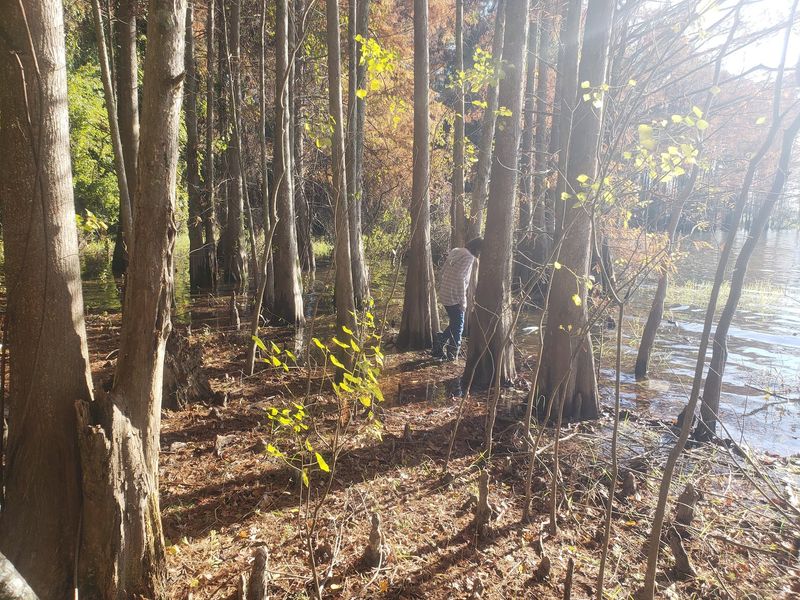
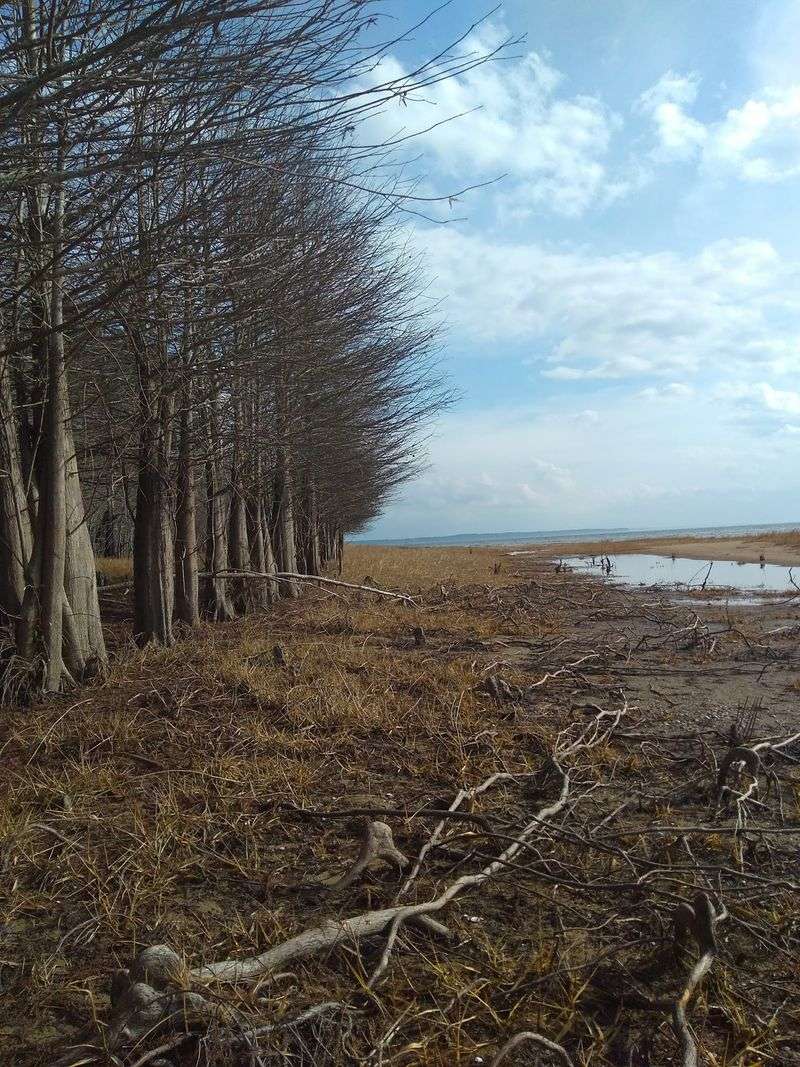
An exposed stump can make the reservoir’s old landscape suddenly easier to imagine. When lake levels fall, areas usually covered by water may reveal more of the ground and timber beneath the surface.
Resist the urge to turn every unusual object into evidence of a lost settlement. Stories about uncovered buildings or cemeteries need reliable documentation, not just an exciting photograph and a confident caption.
Stay on permitted access routes, avoid unstable mud, and leave objects where they lie. Exposed ground may be unsafe, privately owned, or historically sensitive.
If something appears to be an archaeological find or human remains, do not touch it. Notify the appropriate authorities and follow their instructions.
Looking carefully is welcome; collecting is another matter. The lake’s hidden history becomes more valuable when its evidence stays protected for people who can study it properly later.
Leave Time For A Quiet Shoreline Finish
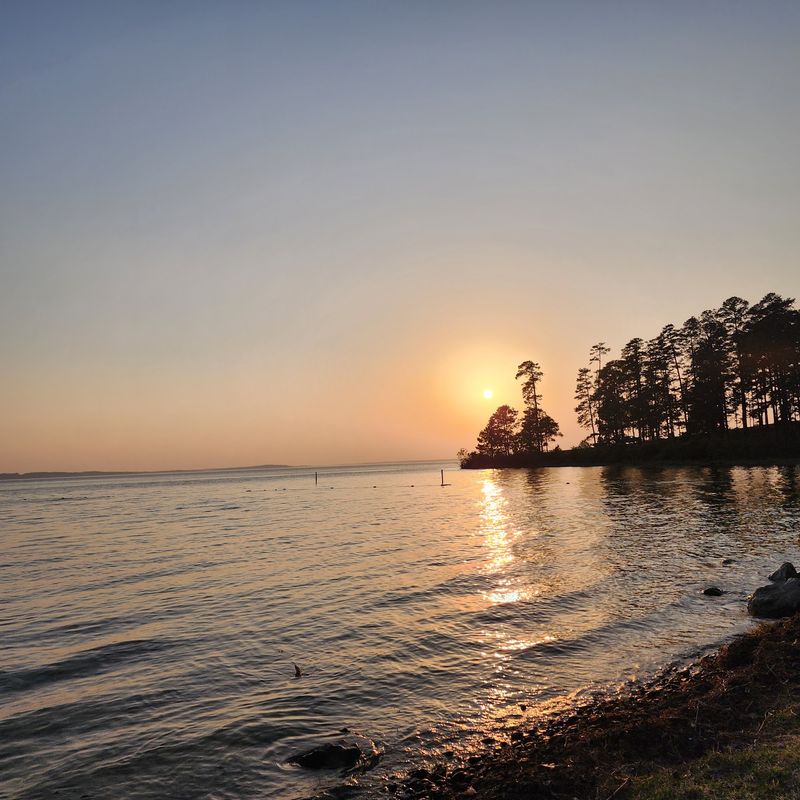
Sometimes the best final stop requires nothing more than a place to sit. A public shoreline near evening gives you time to notice how large Toledo Bend feels when boats grow distant and the light changes.
Choose your spot before dark, confirm closing hours, and keep enough daylight for the walk or drive back. Bring a light if needed, but do not rely on a phone battery for every part of your plan.
Carry out snack wrappers and other rubbish, and keep music low so the setting remains pleasant for everyone. Stay back from steep banks and avoid swimming in an unfamiliar area.
After learning about the flooded valley, that wide view means more than it did on arrival. Water supply, wildlife, recreation, and displaced lives share the same landscape.
Ending slowly gives those connections a little space to settle.