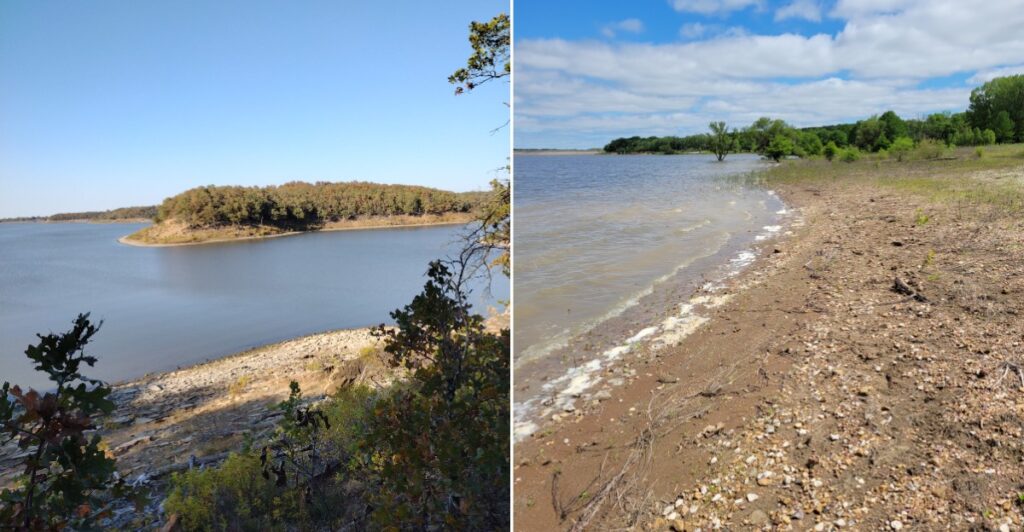
Some of the oak trees along one trail here started growing around the 1720s.
That means they were already old before the United States even existed. I can’t imagine a better excuse for a fall drive.
Those twisted post oaks and blackjack oaks hug the shore of a quiet 2,800-acre lake.
Come late September and October, the woods around the water turn red, orange, and gold. It’s a lot more forest than most folks expect from Kansas.
I like how calm this spot feels. Cell service is spotty in places, so your phone may quietly give up on you.
Honestly, that sounds like a feature.
You can hike, paddle, fish, or just sit by a campfire and stare at the colors. A cozy lakeside cabin is waiting, too.
So why does this lake stay such a secret?
Where The Forest Meets The Prairie, The Colors Go Wild
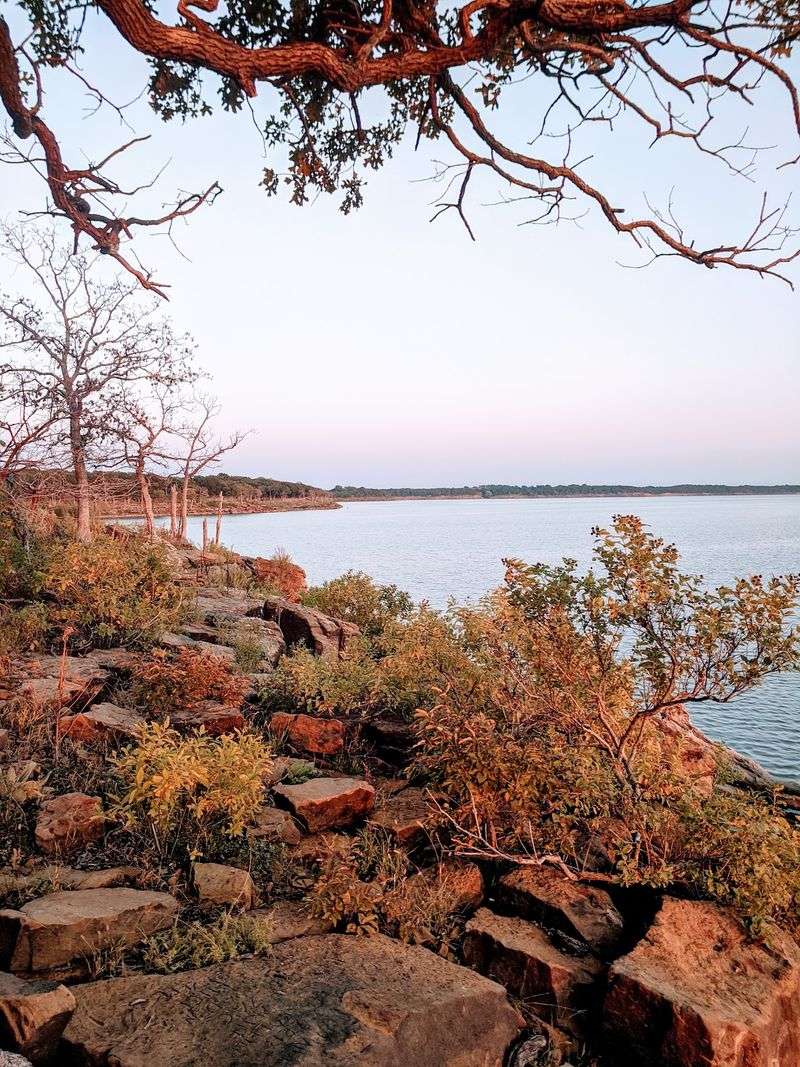
Kansas is famous for prairie, so a lake wrapped in thick oak woods feels like a happy plot twist.
Cross Timbers State Park at Toronto Lake sits right where eastern forests bump into western grasslands.
That mix is called the Cross Timbers region. It stretches across parts of several states, and this park shows it off beautifully along the Verdigris River Valley.
The park covers 1,075 acres on the shore of the 2,800-acre Toronto Reservoir. Post oak and blackjack oak woodlands roll over gentle hills, with open prairie and oak savanna mixed in.
Why does that matter for a fall trip? More trees mean more color, plain and simple.
Late September through October is the sweet spot for a visit. Oaks and hickories swap their summer green for deep reds, bright oranges, and rich golds.
The lake itself stays quiet and easy to manage. It feels like a place where you can actually hear yourself think.
Pack a jacket, because autumn mornings near the water can feel crisp. Then grab your camera and plan for lots of unscheduled stops.
Those hills will keep tempting you to pull over. Good luck resisting.
Say Hello To Oaks Older Than The Country
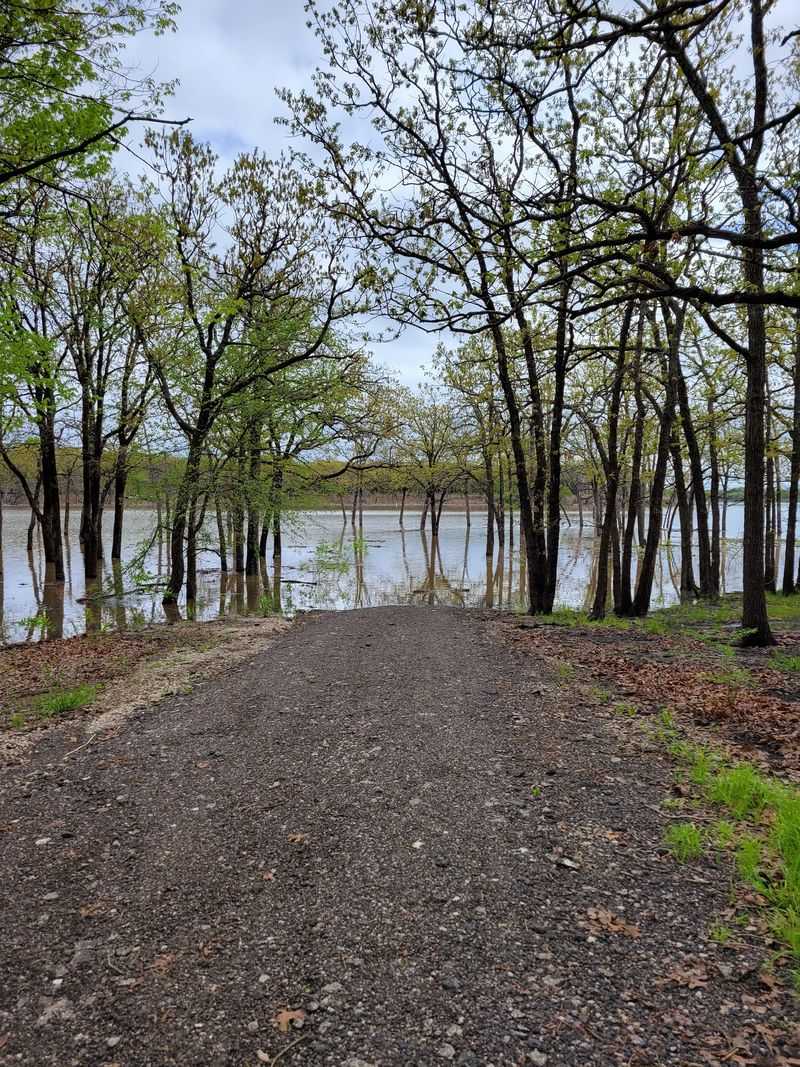
Some of these trees were already growing when colonial America was still figuring things out.
The Ancient Trees Trail winds through old-growth Cross Timbers forest packed with post oaks and blackjack oaks.
Several of those oaks are estimated to be 300 to 400 years old. Researchers studying trees in the park identified post oaks dating back to the 1720s, 1730s, and 1740s.
They don’t look like giant redwoods, though. Cross Timbers oaks tend to grow short, tough, and twisted, built to handle a rugged spot.
Interpretive signs along the path share the history behind these old survivors. It’s like a museum, only the exhibits have bark.
The wider Cross Timbers region is also home to remarkably old eastern redcedars, some exceeding 500 years in age.
The trail runs about one mile, so most families can handle it. It’s for hikers only, which keeps the pace slow and peaceful.
Wear sturdy shoes, since paths can be uneven or muddy after rain. In warmer weather, bug spray is a smart idea too.
Fall makes this walk extra special. Golden leaves on ancient branches?
That’s a pretty great combo.
About Fifteen Miles Of Trails Are Calling Your Boots
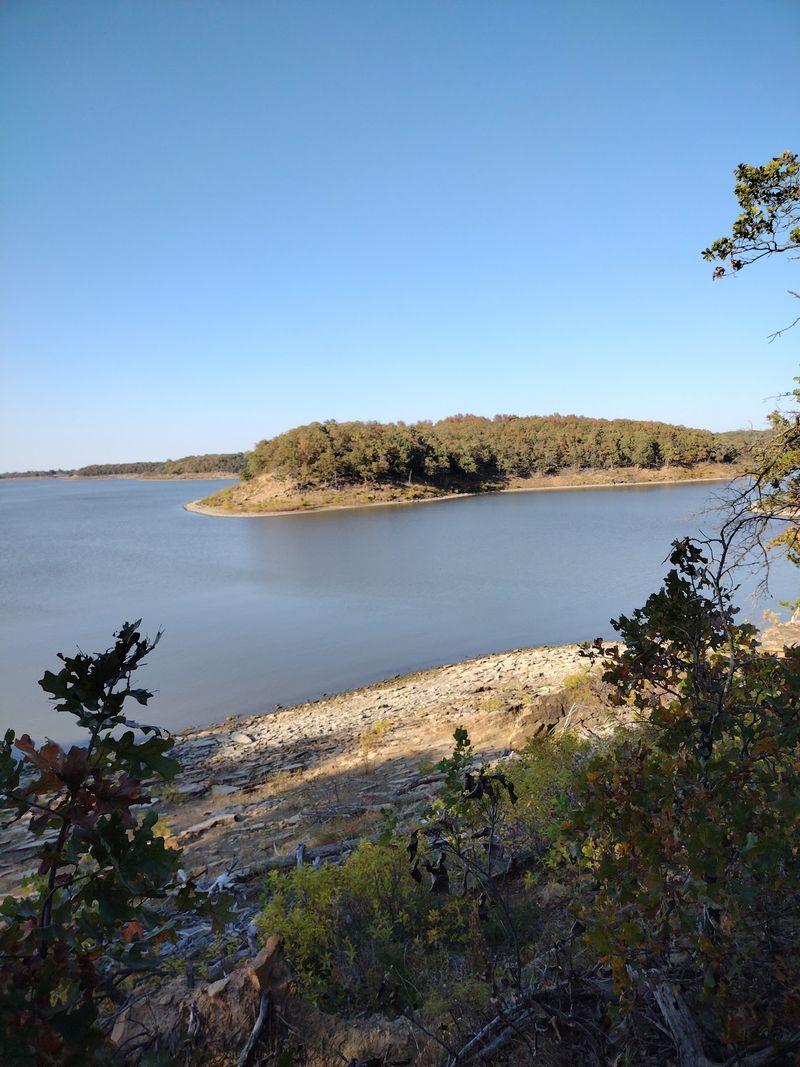
One short hike is nice. A whole network of them is better, and this park has roughly 15 miles of trails.
The terrain ranges from easy to moderate, so you can pick your own adventure. All trails welcome both hikers and mountain bikers, except the Ancient Trees Trail.
Want a longer adventure? The Chautauqua Hills Trail stretches 11 miles in total, with several loop options that let hikers choose different distances.
It even allows backcountry camping on designated segments with a special permit.
Prefer something shorter? The 1.25-mile Overlook Trail offers a chance to explore the park’s wooded hills and enjoy views of the surrounding landscape.
The half-mile Oak Ridge Trail is another option for hikers and mountain bikers who want a quick outing.
Then there’s the 1-mile Blackjack Trail, a solid choice for spotting wildlife. Short legs in your group will appreciate it.
The 1-mile Ancient Trees Trail rounds out the official trail network. This hiking-only route takes visitors through old-growth woodland with interpretive signs explaining the forest’s history.
Trails here tend to be quiet, which is perfect for leaf peeping. Bring water, snacks, and shoes you don’t mind getting dirty.
Every path stays open year-round, too. Your autumn calendar just got busier.
Free Kayaks Make Fall Paddling An Easy Yes
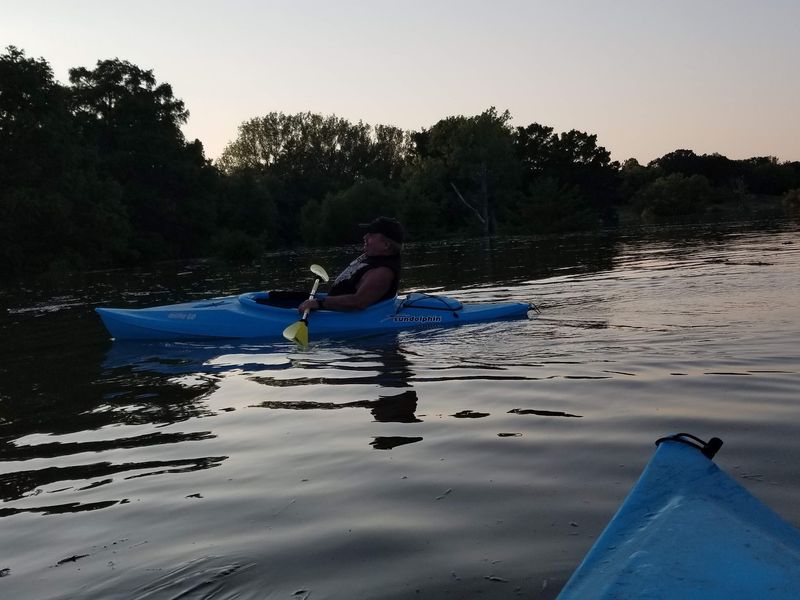
Free is a beautiful word, especially when it comes with a kayak attached.
The park offers free kayak rentals, complete with life jackets, for paddling the Blue Water Trail in Moon’s Cove.
That’s a big win for anyone who doesn’t own a boat. You just show up, gear up, and push off.
Toronto Lake spreads across about 2,800 acres. It supports boating, kayaking, canoeing, and swimming, depending on the season and your bravery level.
Paddling in fall feels a little magical. Colorful trees line the shore, and their reflections ripple across the water as you glide by.
Bigger boats are welcome on the lake too. If you’re hauling your own, you can launch and explore farther out.
A quick safety tip makes sense here. Always wear that life jacket, even on a calm, sunny afternoon.
Cooler weather means cooler water, so dress in layers and pack a dry change of clothes. Nobody enjoys a chilly ride home in soggy socks.
Paddle slowly and keep your eyes open. You never know what might be watching from the trees along the bank.
Your Fishing Rod Deserves A Road Trip Too
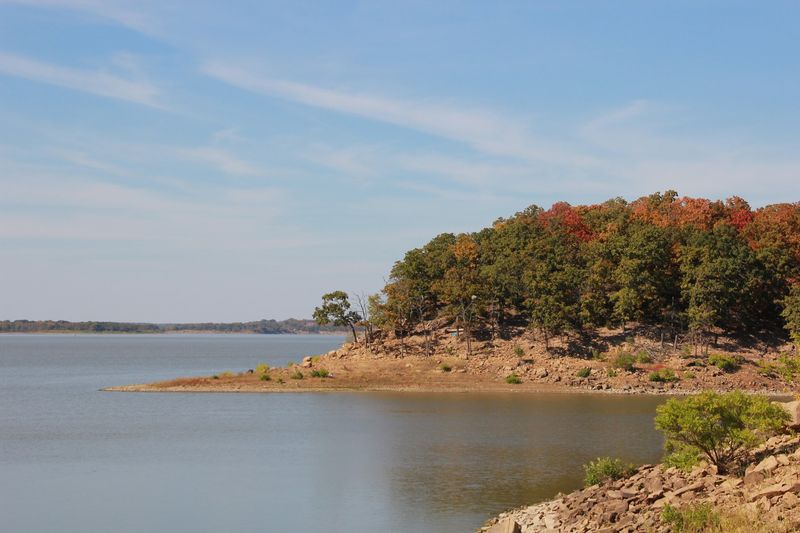
Crappie, catfish, and bass all call these waters home.
Toronto Lake and the nearby Verdigris River give anglers plenty of reasons to bring tackle along.
The list of species is impressive. You can try for white crappie, white bass, channel catfish, flathead catfish, black bass, bluegill, and sunfish.
That variety keeps things fun for every skill level. Kids can chase bluegill while grownups test their patience on a big flathead.
Accessibility matters here, too. The lake has a handicap-accessible fishing pier, so more people can join the action comfortably.
Fall can be a lovely season to cast a line. The air feels fresher, the shore glows with color, and the scenery makes slow bites easier to tolerate.
Remember that Kansas requires fishing licenses for most anglers. Sort that out before you leave home so nothing slows you down.
Toronto, the small town nearby, has limited grocery options. Stock up on snacks and supplies ahead of time, and consider Fredonia for a bigger store.
Bring a folding chair and a thermos of something warm. Even if the fish ignore you, the view won’t.
Keep Your Binoculars Handy Because Autumn Brings Company
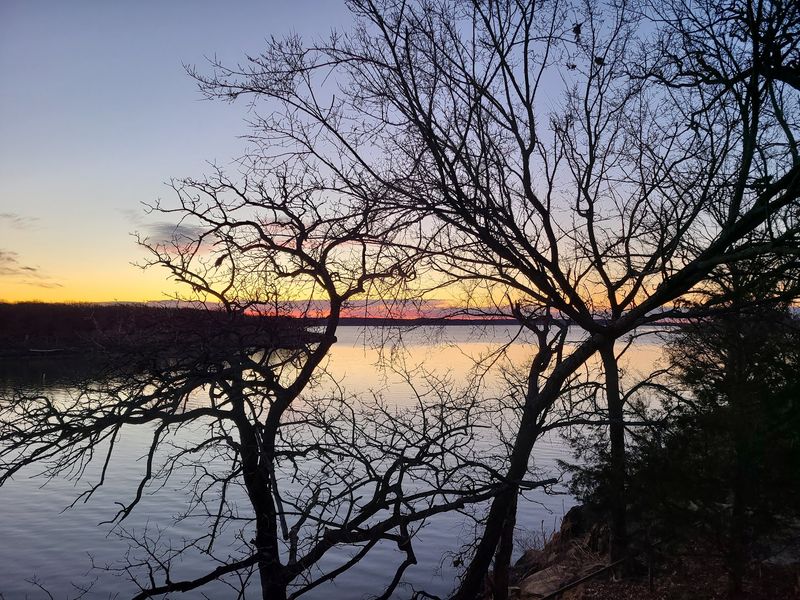
Autumn is when the neighbors get busy. Wildlife viewing picks up in fall across the park and the 4,600-acre Toronto Wildlife Area next door.
White-tailed deer and wild turkeys roam these woods. Quail, squirrels, rabbits, doves, and raccoons round out the cast.
Bird lovers, this part is for you. The park lies along the Central Flyway, a major route for migrating birds.
That makes fall a prime season for spotting travelers passing through. Plenty of songbirds also hang around, which keeps photographers happy.
Early mornings and evenings tend to be good times to look. Move quietly, pause often, and let your eyes adjust to the shadows.
A pair of binoculars makes a huge difference. So does a zoom lens, if you want photos that show more than a tiny brown blur.
Give every animal plenty of space. Watching from a distance keeps both you and the critters safe and calm.
Kids especially love this kind of treasure hunt. Turn it into a game and see who spots the first turkey of the day.
Book One Of These Lakeside Cabins Before Someone Else Does
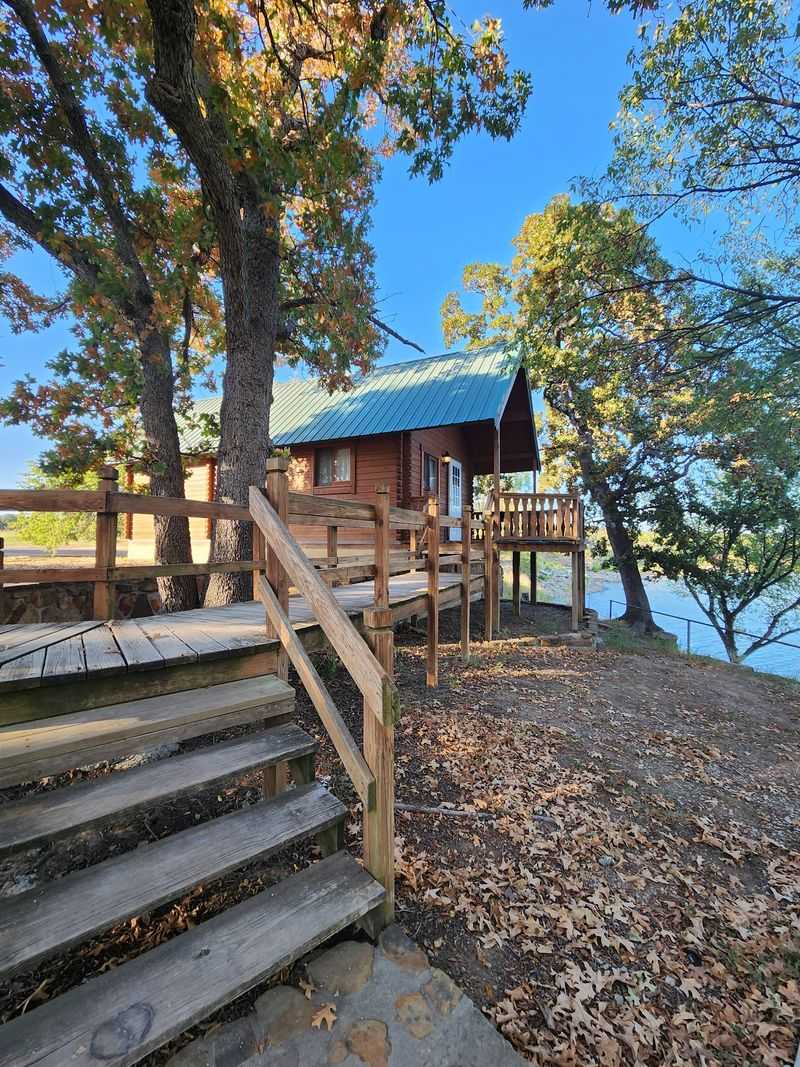
Only four cabins exist here, and that’s exactly why planning ahead matters.
They sit in the Toronto Point area, offering lake views and a peaceful vibe. Sandstone Bluff, Whispering Oaks, and Eagle’s Nest each sleep eight guests.
Inside, you’ll find a bathroom with a shower, a two-burner range top, refrigerator, microwave, toaster, and coffee pot.
A table, chairs, and a futon couch complete the setup. Outside, each has a campfire ring with a grill for s’mores and late-night stories.
Timber Walker sleeps six and is handicapped accessible. It adds a dishwasher and an apartment-sized stove to the usual features.
Every cabin comes stocked with glassware, flatware, dishware, and cookware. That means fewer boxes to cram into your trunk.
Traveling with a dog? Eagle’s Nest is the only pet-friendly cabin, and it carries a pet fee.
Reservations open up to a year in advance through ReserveAmerica, the Campit KS app, or the park office. Weekends often fill six months out.
Smoking and tents aren’t allowed in cabin areas. All four cabins stay open year-round, so fall weekends are fair game.
Tent, RV, Or Primitive Site? Pick Your Kind Of Cozy
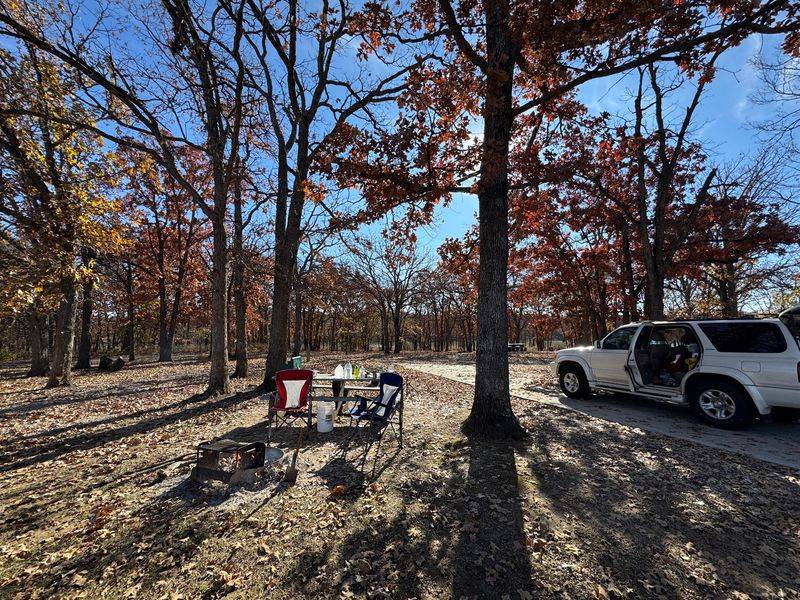
Campers get choices here, and lots of them.
Cross Timbers State Park at Toronto Lake offers full RV hookups, electric and water sites, electric-only sites, and primitive camping.
Many sites sit in shady spots among the trees. In fall, that shade turns into a colorful canopy over your morning breakfast.
Most campgrounds have modern bathrooms and showers nearby. Mann’s Cove Loop is the exception, with a vault toilet instead.
Planning a late-season trip? Shower houses and water in some campgrounds, like Blackjack and Clovis Point, shut off for winter.
Still, certain sites stay available year-round. Full hookup sites in Osage Plains and East Ramp, plus electric and water sites in Timber Ridge, keep running.
Laundry facilities stay open all year too. Muddy hiking clothes don’t stand a chance.
Families will appreciate the playgrounds. Big Timbers playground in Toronto Point suits kids ages 5 to 12, and Osage Plains has a smaller one.
Picnic areas dot the park as well. Grab a table, spread out lunch, and let the leaves drift onto your sandwich.
Plan Your Route, Then Let The Hills Do The Talking
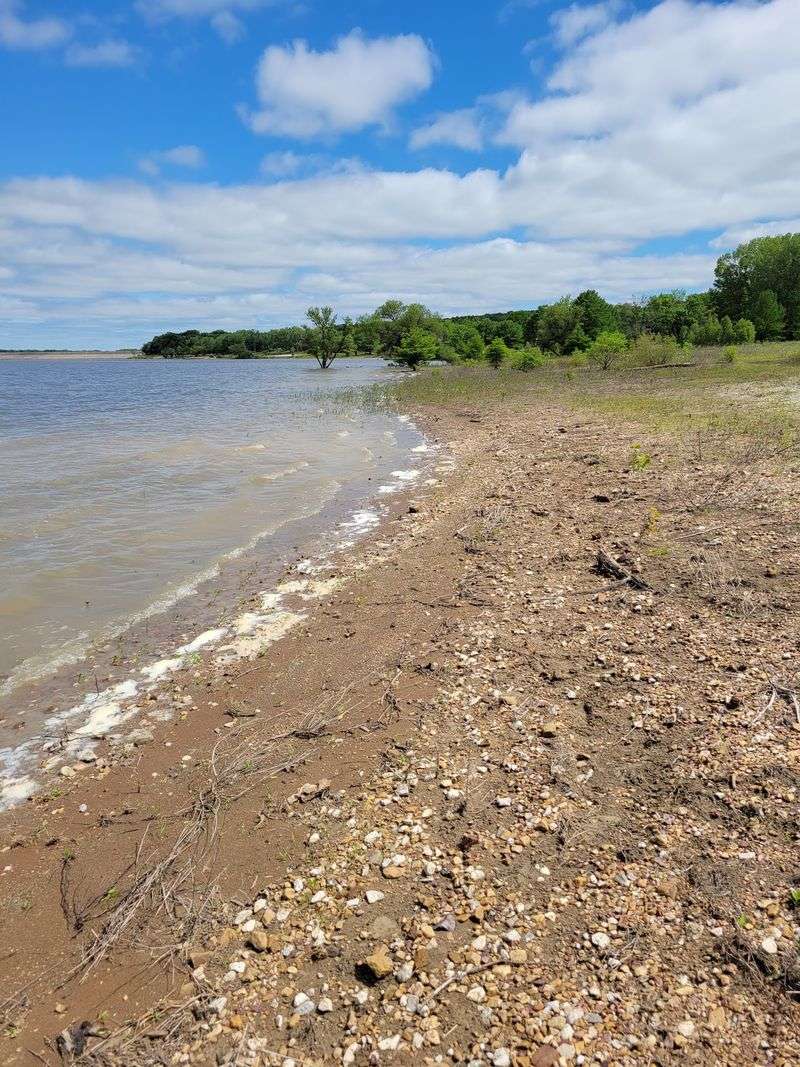
Getting there is half the fun, as long as you plan well.
The park sits at 144 Highway 105, Toronto, KS 66777, just south of the small town of Toronto.
It’s in Woodson County, about 12 miles west of Yates Center. That puts you in the gently rolling hills of southeast Kansas.
Map out your route before you lose signal. Cell service can be weak or missing in parts of the park.
The history adds depth to the drive. The Cross Timbers region has hosted people for thousands of years, including the Osage Nation, who hunted, fished, and gathered food here.
Toronto Lake came later. The U.S.
Army Corps of Engineers began construction in November 1954, and the reservoir entered full flood-control operation in March 1960.
The park itself was once called Toronto State Park. Its name changed to Cross Timbers State Park at Toronto Lake on April 25, 2002.
Want to stretch your trip? Fall River State Park is about 38 miles away, and Tallgrass Prairie National Preserve is roughly 58 miles out.
The park stays open all year. Autumn just happens to be its showiest season.