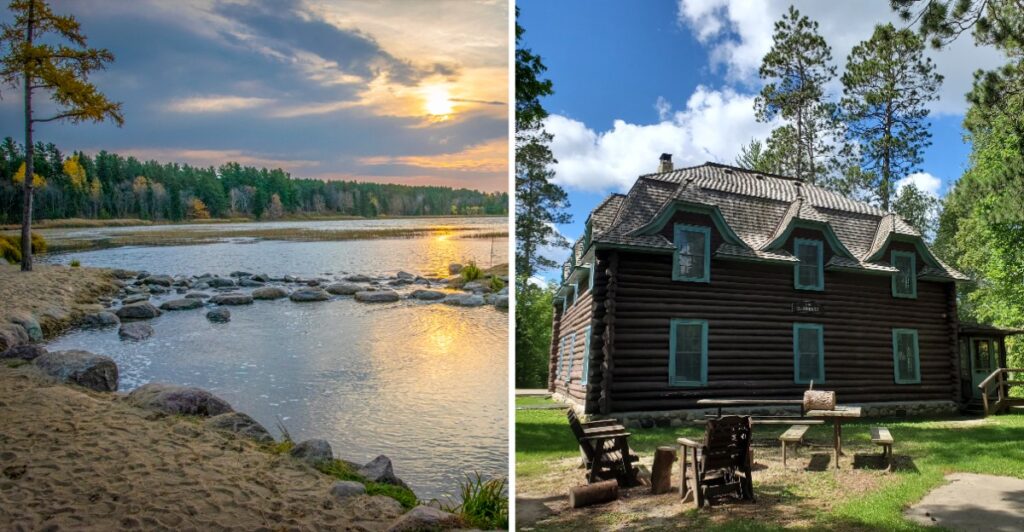
The mighty Mississippi River starts out about 18 inches deep. You can cross it on a line of rocks without getting your knees wet.
That same river later runs 2,552 miles to the Gulf of Mexico.
Up here in northern Minnesota, it’s barely wider than a big living room. A historic wooden post marks the exact spot where it begins.
I like how this spot turns a famous river into something you can actually touch. Kids splash across it. Grown-ups do too, usually with a little more giggling than they planned.
The park around it is also huge, old, and packed with pine forests and lakes.
I can’t imagine stopping at the river and driving home.
Your Shoes Might Get Wet, But The Bragging Rights Are Worth It
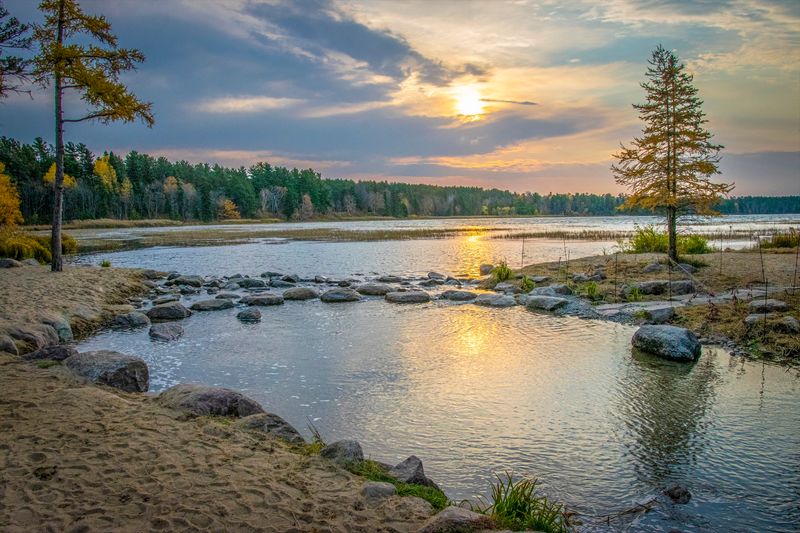
Few rivers let you walk across them on day one. At Itasca State Park, the Mississippi spills out of Lake Itasca as a clear, shallow stream about 18 feet wide.
The water runs roughly 18 inches deep at the source. A line of rocks gives you a path from one side to the other, if your balance cooperates.
Wading works too, and plenty of people simply roll up their pants. Pack a towel and maybe a spare pair of socks. Your car seat will thank you later.
A historic post marks the official start of the river’s long journey south. It’s the photo stop everyone wants, so expect to wait a moment for your turn.
A wooden boardwalk follows the first stretch of the river. That gives non-waders a way to enjoy the view and stay perfectly dry.
Timing matters here more than you’d think. Early mornings and weekdays usually mean a calmer scene and clearer photos.
The best part is how small it all feels. Later, this same water will pass big cities and roll through several states. Right here, it’s a creek you can hop across in a minute.
That’s a strange and wonderful thing to stand on.
Start Your Headwaters Trip At The Center Built For It
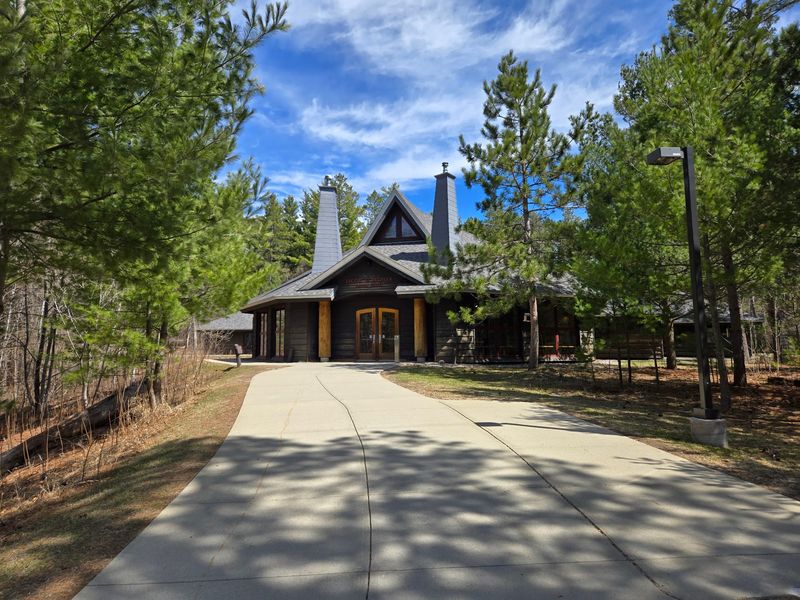
Smart visitors begin at the Mary Gibbs Mississippi Headwaters Center. It works like a front door to the famous river crossing.
Inside, exhibits cover the natural and cultural history of the area. You’ll get context before your toes hit the water, which makes the moment feel bigger.
Hungry? A seasonal cafe offers a convenient spot to grab a bite, while the gift shop has souvenirs to remember your visit.
Hours can vary by season, so check the current schedule before heading over.
The outdoor exhibits stay open much longer, from 8 a.m. to 10 p.m. That means an evening stroll to the river is still on the table.
The Mary Gibbs Mississippi Headwaters Trail connects the center to the headwaters. It’s a short, easygoing walk through the trees.
Families with strollers or wagons will appreciate the trail’s gentle layout. Folks using wheelchairs can reach the area too.
Here’s a practical tip. Grab a snack at the cafe after your wade, not before. Cold feet and warm food make a fine pairing on a breezy Minnesota afternoon.
A Visitor Center So Good You Might Forget To Leave
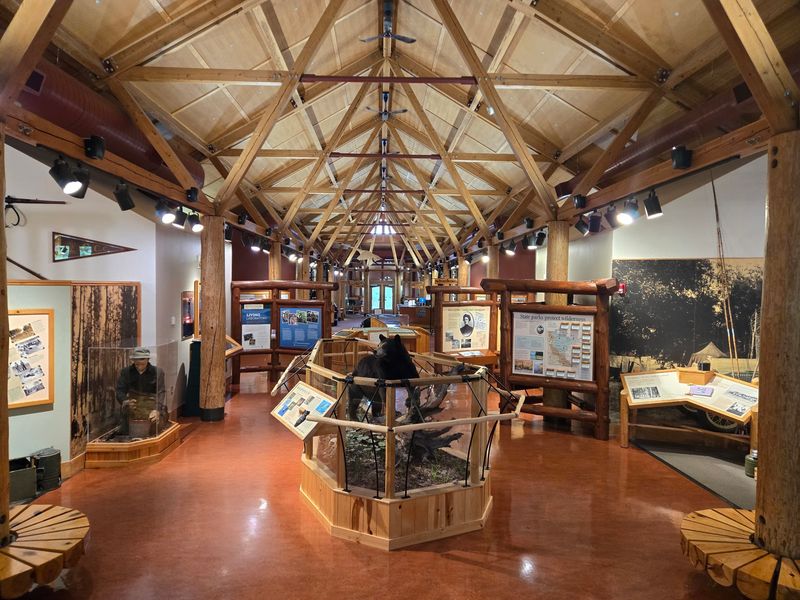
Some visitor centers are just a desk and a map rack. The Jacob V. Brower Visitor Center aims much higher than that.
Its namesake earned the nickname Father of Itasca State Park. Brower was a historian and land surveyor who helped confirm the headwaters location.
He also pushed hard to save the towering pines from logging. His efforts helped lead to the park’s creation in 1891.
Today, the center welcomes visitors year-round. Inside, you’ll find a service desk, nature store, and exhibits that help bring the park’s history and natural beauty to life. Check current operating hours before your visit.
My favorite feature is the fireplace lounge. Big observation windows let you watch for wildlife while staying cozy indoors.
Public Wi-Fi is available too. That’s handy for checking the weather or sending your best headwaters photo to a jealous friend.
Plan a real stop here, not a quick bathroom break. The exhibits help explain why this forest matters so much to Minnesota. You’ll head back outside with sharper eyes and better trivia, which is a pretty solid trade for a few minutes of your time.
How A Made-Up Word Named A Famous Lake
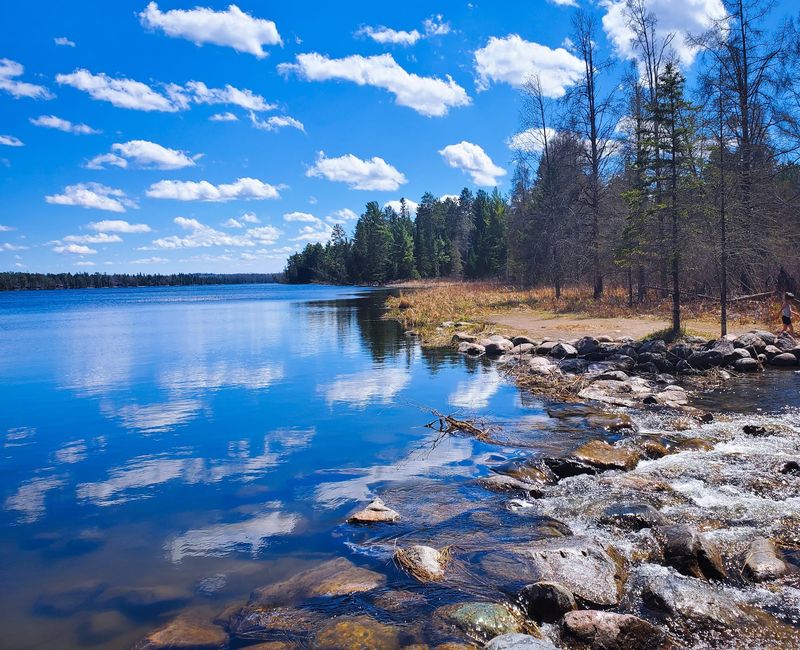
In 1832, an Ojibwe guide named Ozaawindib led explorer Henry Schoolcraft to a quiet northern lake.
Schoolcraft declared it the true source of the Mississippi River.
Then he needed a name. With a missionary’s help, he stitched together pieces of two Latin words.
Veritas means truth, and caput means head. Chop the ends off, glue the middle together, and you get Itasca. It’s basically a word puzzle that stuck around for nearly two centuries.
The park itself arrived on April 20, 1891. That makes it the oldest state park in Minnesota.
It’s also the second-oldest state park in the whole country. Only Niagara Falls State Park in New York beats it.
Itasca State Park joined the National Register of Historic Places in 1973. Several archaeological sites sit within its borders as well.
One of them, the Itasca Bison Site, dates back thousands of years. People lived and gathered here long before any explorer arrived with a notebook. Knowing that adds real weight to a simple walk along the shore.
This lake has been important for a very long time.
Roll Down The Windows For A 10-Mile Forest Cruise
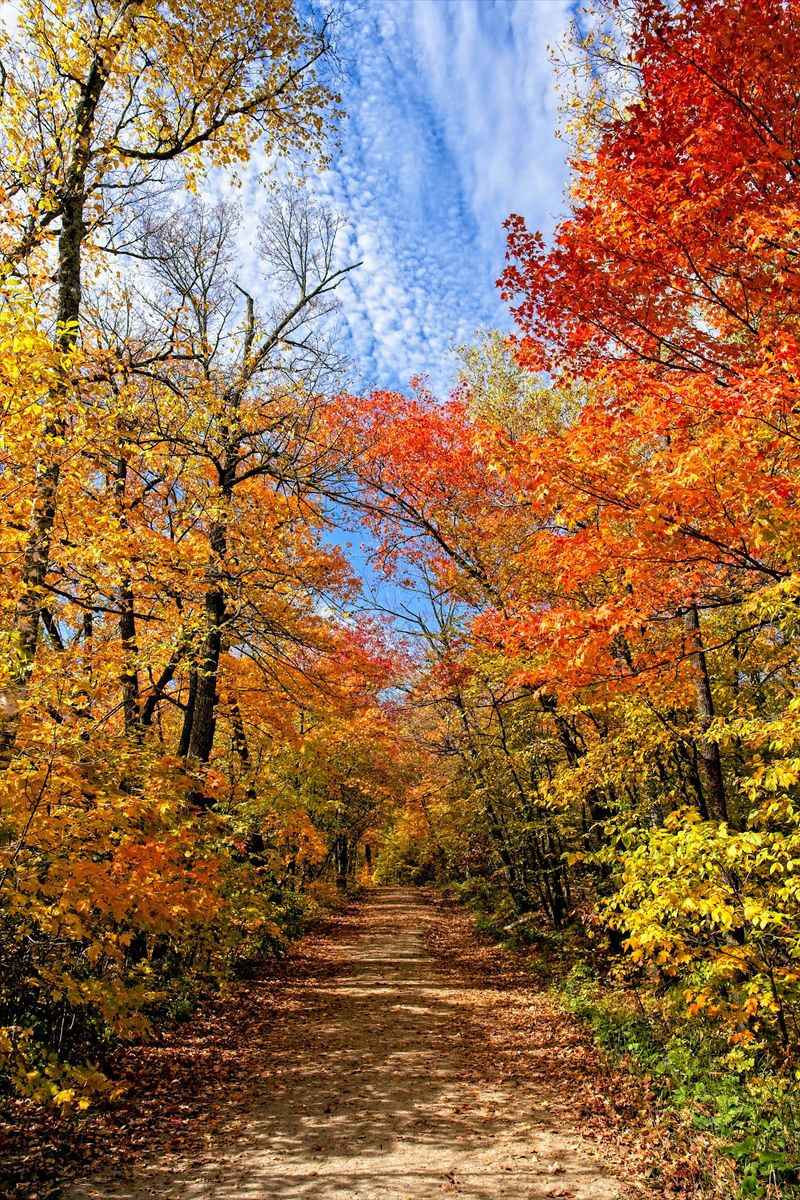
Not every great view requires hiking boots. Wilderness Drive gives you a 10-mile scenic route through some of the park’s most impressive woods.
The road passes the 2,000-acre Itasca Wilderness Sanctuary. That area protects old-growth pine forest that escaped the logging era.
Commercial logging in the park ended around 1920. Much of what you see today shows what patience and protection can do.
The sanctuary was set aside in 1939. In 1965, it became the first National Natural Landmark in Minnesota.
It earned another title in 1989 as a State Scientific and Natural Area. Not bad for a stand of trees.
Drive slowly and use the pullouts. Rushing a road like this feels like speed-reading a good book.
Fall is an especially lovely time to go. The mix of deep green pines and bright leaves makes the whole route pop.
Bring a snack and a full tank. Cell service in thick forest can be unpredictable, so download a park map ahead of time. Then just enjoy the quiet stretch of road under trees that have stood there for generations.
Climb The Fire Tower And Pick A Trail That Fits Your Mood
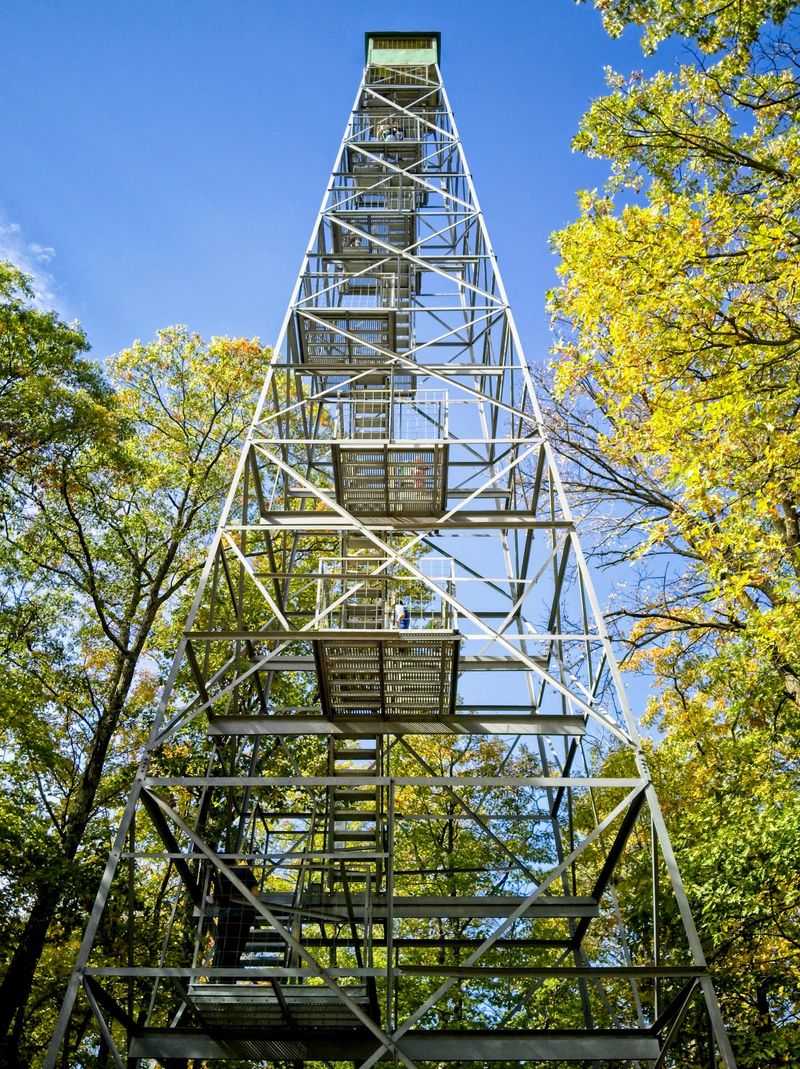
Leg day, anyone? The Aiton Heights Fire Tower Trail ends with a climb that rewards you with a sweeping look over the treetops.
From up there, the forest stretches out like a green carpet. It’s a great way to grasp just how big this place really is.
Itasca State Park covers more than 32,000 acres. It also holds over 100 lakes, so there’s plenty to explore.
Hikers can choose from several named routes. The Dr. Roberts Trail and Bohall Trail offer more chances to wander through the woods.
Prefer wheels? Paved bike paths connect many of the main spots. Bicycle rentals are available, which helps if you didn’t bring your own.
Birders and wildlife watchers have plenty to do here too. Keep an eye on the lakes for loons and other feathered locals.
A quick safety note goes a long way. Ticks can show up on brushy trails in early summer, so wear long pants and do a check afterward.
Pick one big trail and one easy stroll for a single day. Trying to see everything at once is a recipe for tired feet.
Grab A Paddle, A Pole, Or A Beach Towel
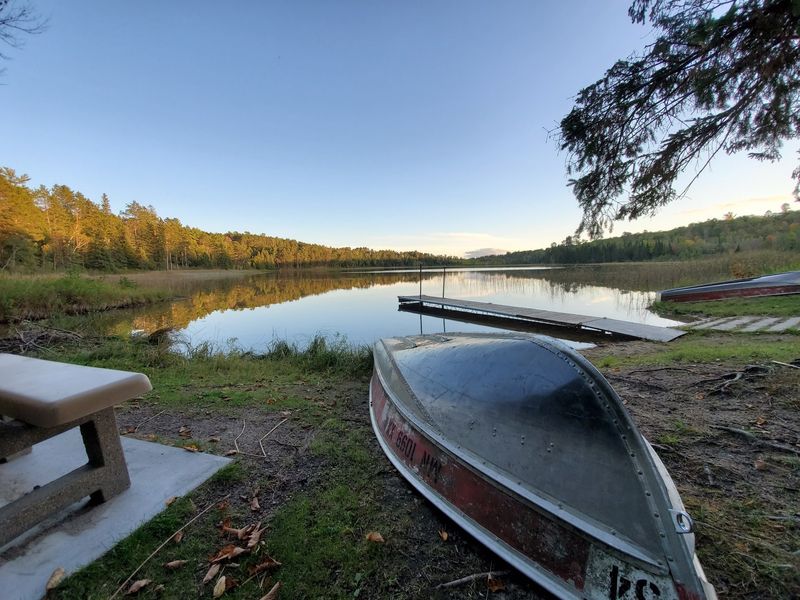
Lake Itasca isn’t just a pretty backdrop for river photos. It’s also a playground for anyone who likes getting out on the water.
The park offers rentals for canoes, kayaks, fishing boats, and pontoons. You don’t need to haul your own gear from home.
Paddling the lake gives you a different angle on the shoreline. The pines look even taller from a low seat in a canoe.
Anglers can cast a line in the lake and enjoy a slow, peaceful afternoon. Just make sure you follow Minnesota fishing rules before you start.
A swimming beach gives families an easy spot to cool off. Playgrounds nearby help burn off any leftover kid energy.
Picnic grounds round out the setup nicely. Pack lunch, claim a table, and let the afternoon stretch out.
Here’s my favorite plan for a summer day. Wade the headwaters in the morning, paddle at midday, and swim before dinner. That’s three water adventures, and only one of them involves balancing on slippery rocks.
You’ll sleep well that night, guaranteed.
Sleep Where Visitors Have Bunked Since 1905
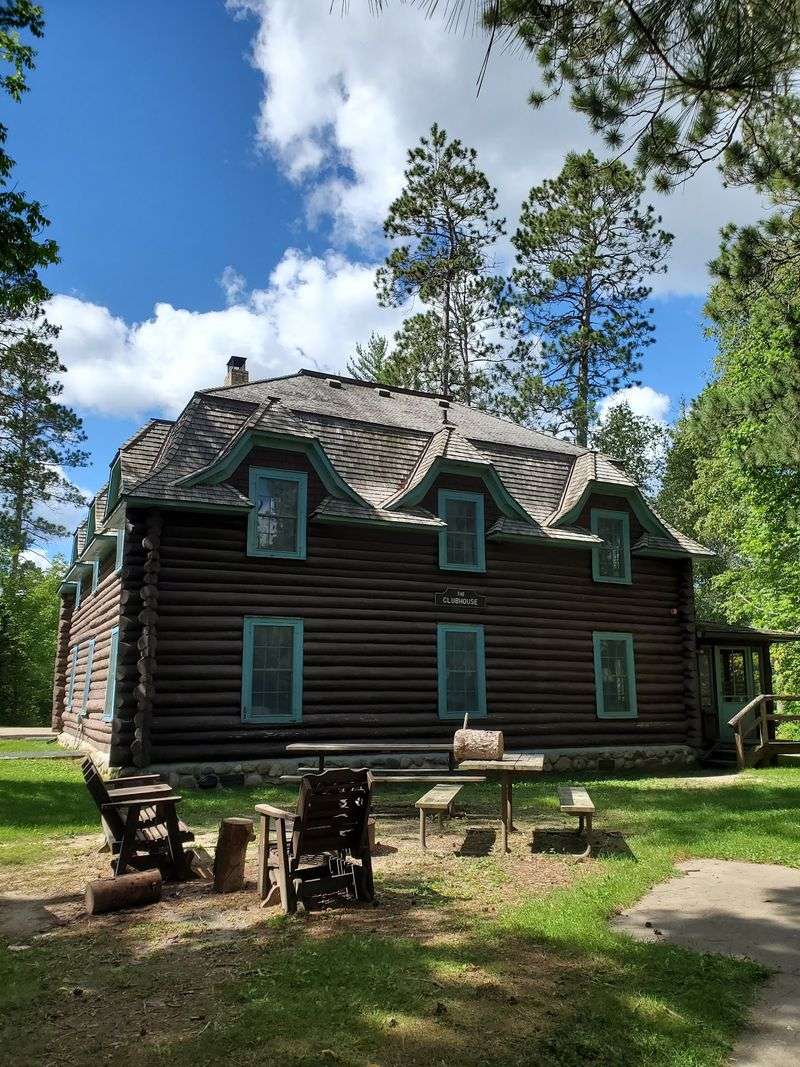
Douglas Lodge opened in 1905 as the first building made for overnight guests in the park. More than a century later, it still welcomes travelers.
Guest rooms sit on the second floor with traditional lodge-style furnishings. The lobby features a large stone fireplace, and a front porch looks toward the lake.
Its restaurant serves dishes built around classic Minnesota ingredients. It runs seasonally, so check hours before you plan a meal around it.
The Headwaters Inn offers another historic choice. This log building dates to the 1920s and has six guest rooms open all year.
Guests share a big kitchen, three bathrooms, and a great room with a wood-burning stone fireplace. It’s within walking distance of the beach and trails.
Campers have more than 200 tent and RV options. Camper cabins and a range of other cabins are available too.
Reservations open up to 120 days ahead. Popular dates fill fast, so set a reminder on your phone. The park’s mailing address is 36750 Main Park Drive, Park Rapids, MN 56470.
Plug it in, and the adventure starts in the driveway.