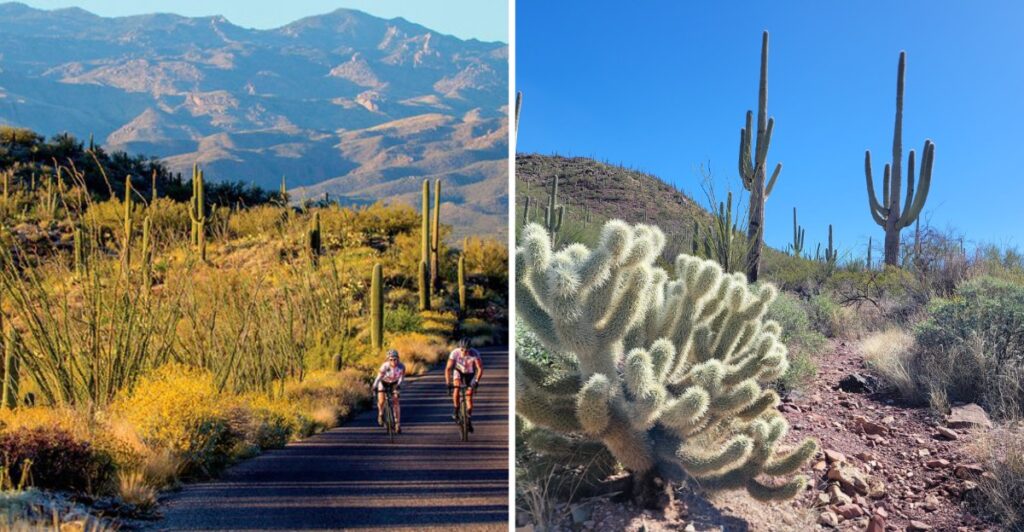
Some of the cacti here can grow taller than a four-story building. A few have been standing for well over 150 years, raising their arms at the sky like they just won something.
I like how this place splits itself in two. There’s an east side and a west side, with a whole city sitting between them. Each half has its own visitor center, its own scenic drive, and its own personality.
Arizona summers can push the thermometer past 100 degrees here. That’s why the cooler months feel like the golden ticket. November through April brings friendlier air, easier hikes, and spring wildflowers that usually peak around March.
I believe the desert saves its best moods for people who time things right. So why not plan a trip before 2026 slips away?
Those Arm-Waving Giants Are The Main Event
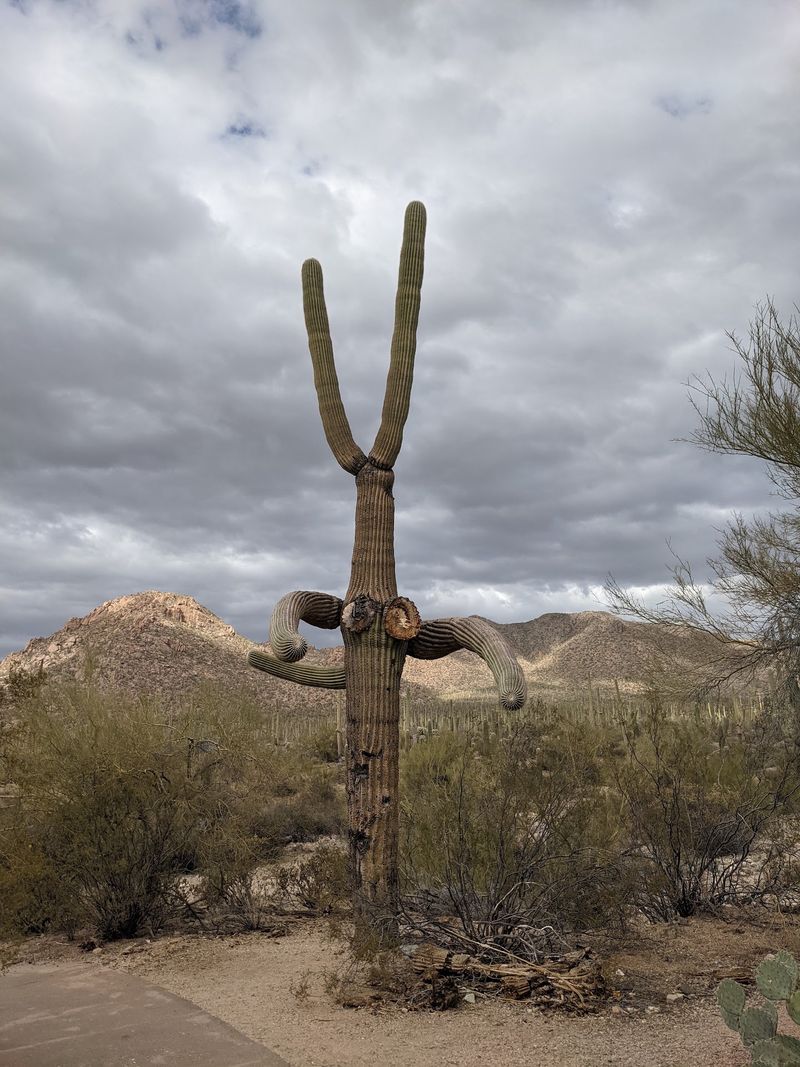
Forty feet tall is a lot of cactus. Some saguaros at Saguaro National Park reach that height, and many have stood for more than 150 years.
The park exists to protect these famous plants. It was first set aside as Saguaro National Monument in 1933, then became a full national park in 1994. That’s a long time spent guarding some very prickly residents.
Here’s a fun detail for your next trivia night. The giant saguaro grows naturally only in the Sonoran Desert, and this park sits right in the middle of it in southern Arizona. So yes, the classic cactus from cartoons and postcards is real, and it lives here.
Each one looks a little different. Some wave a single arm, while others sprout so many that they look like they’re directing traffic. Spotting the silliest pose can turn into a game fast.
The park is split into two districts with Tucson in between. The Rincon Mountain District sits to the east, and the Tucson Mountain District sits to the west. Both give you plenty of giants to admire, so you really can’t pick wrong.
You Can Cruise Eight Miles Through A Cactus Forest
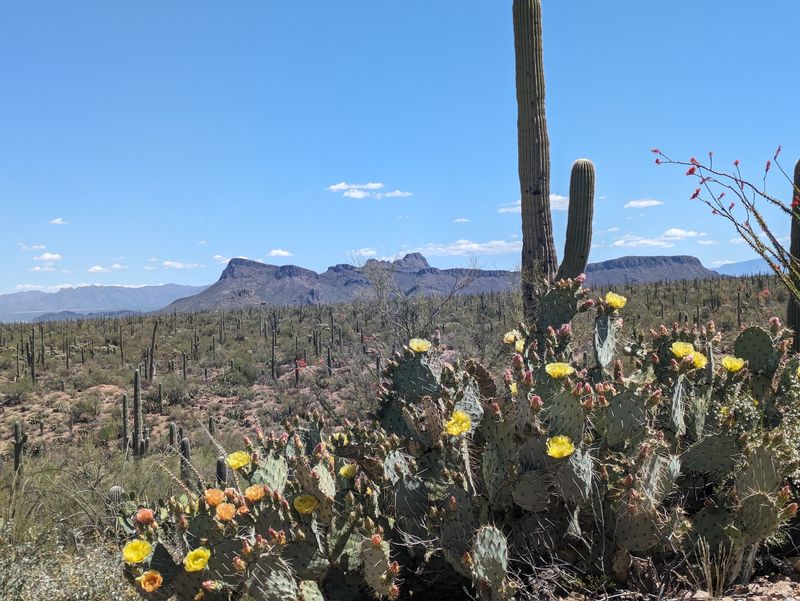
Some scenic drives give you a view or two. The Cactus Forest Loop Drive gives you eight paved miles packed with saguaros on both sides.
This one-way road winds through the Rincon Mountain District, the park’s east side.
It’s open from 5 a.m. to 8:30 p.m., so early birds and sunset chasers both get a fair shot.
Pullouts and trailheads pop up along the route, so stopping for photos is easy.
Going slow is part of the fun. The road curves and dips, and every bend shows off another crowd of cacti. Rushing it would be like speed-reading a comic book.
The west side has its own option too. The Bajada Loop Drive is a six-mile graded dirt road in the Tucson Mountain District. Most regular cars can handle it, though weather can change that.
Flash flooding has closed parts of the Bajada route in the past, including sections of Hohokam Road and Golden Gate Road. Check current road conditions before you head west. A quick look ahead of time beats a surprise detour in the desert.
Start Your Day At The East Side Visitor Center
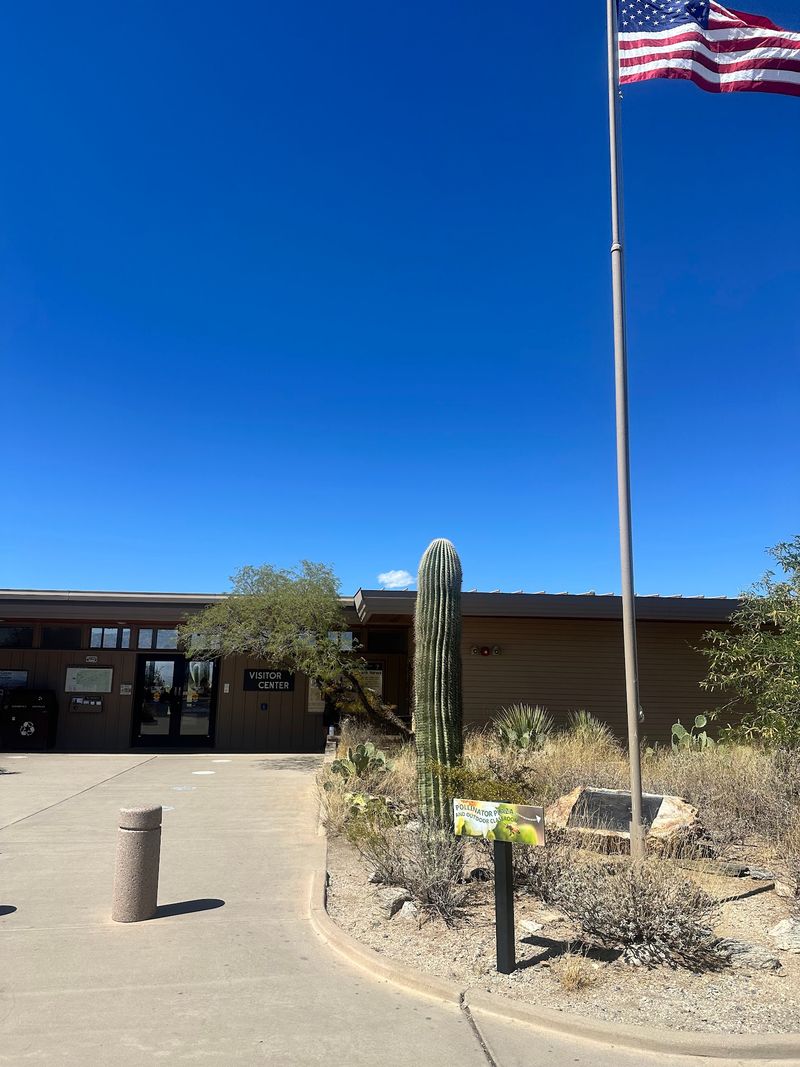
Smart trips begin with a map. The Rincon Mountain Visitor Center is the front door to the park’s east district, and it’s worth a stop before you hit the road.
You’ll find it at 3693 S Old Spanish Trail, Tucson, AZ 85730.
Restrooms, water fountains, maps, and park staff are all ready to help.
Cell service can be spotty, so download any maps or park information you need before arriving.
From October 1 through May 31, the visitor centers are usually open from 9 a.m. to 5 p.m. That lines up nicely with cool-weather trips.
Both visitor centers close on Thanksgiving Day and Christmas Day, so plan around these holidays before your visit.
The west district has its own spot, called the Red Hills Visitor Center. It sits at 2700 N Kinney Rd on the other side of Tucson. Visiting both makes a great two-day plan.
One more tip matters a lot. Saguaro National Park has no restaurants or snack stands inside, so pack food and plenty of water. Your future self, halfway around the loop, will thank you.
Lace Up For Trails That Fit Every Energy Level
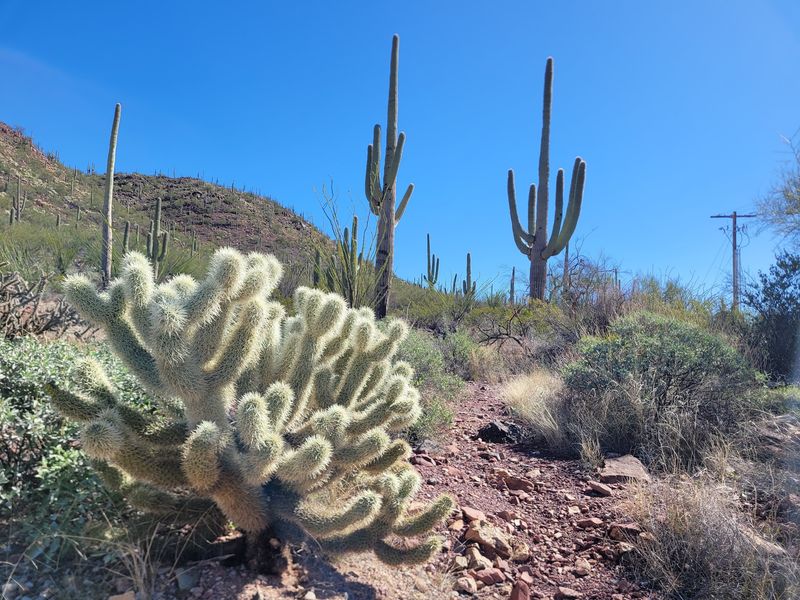
Around 165 miles of trails run through the park. That’s enough walking to wear out the bounciest pair of sneakers.
Short and easy options keep things friendly. On the west side, the Desert Discovery Nature Trail is a paved half-mile loop with signs that explain the desert. It’s a smart pick for families and anyone wanting a gentle stroll.
The Valley View Overlook Trail is another favorite in the west district. It’s short, yet it leads to wide views across a saguaro-covered landscape. Bring your camera, because you’ll want proof.
Over in the east district, the Freeman Homestead Trail is about a one-mile loop. It shares bits of the desert’s past along the way. The Loma Verde Loop runs about 3.8 miles for folks wanting a longer outing.
Timing makes a huge difference here in Arizona. Summer temperatures often climb past 100 degrees, which turns a hike into a sweaty chore. November through April brings cooler air, so pack layers, start early, and enjoy every step.
Ancient Rock Art Is Hiding In Plain Sight
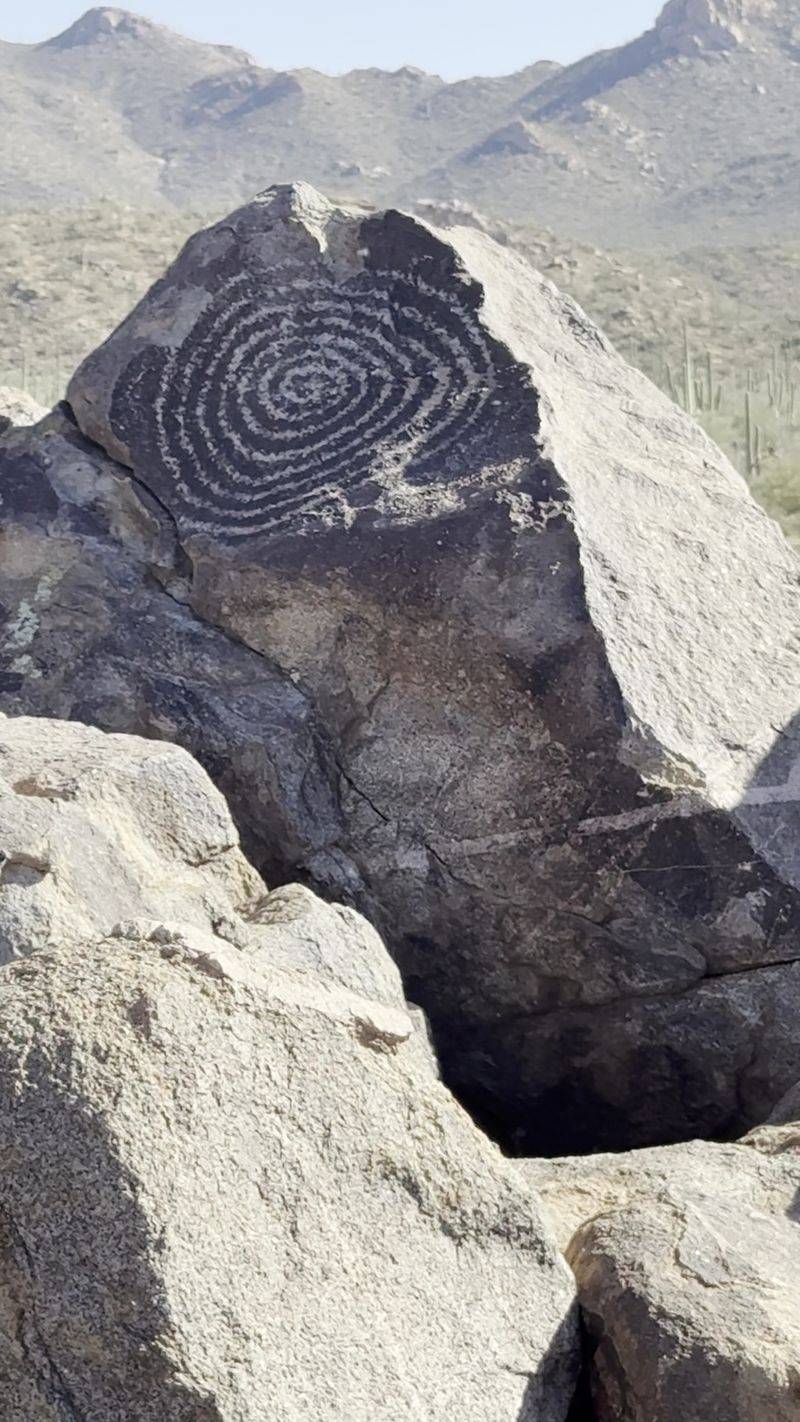
Over 800 years ago, people carved pictures into rocks here. You can still see them today at Signal Hill in the park’s west district.
The Hohokam people made these petroglyphs long before anyone drew a park boundary.
A short walk from the Signal Hill Picnic Area brings you right up to them. It’s a quiet, amazing link to the first people who called this desert home.
Look closely at the shapes and swirls. Nobody left a guidebook explaining them, which makes the mystery part of the appeal. Kids and adults can trade guesses about what each design means.
Please admire without touching. Skin oils can harm the rock surface, and these carvings have survived centuries just fine without our help.
The park’s own history adds a few more chapters. President Herbert Hoover first protected the area as a national monument in 1933. President John F.
Kennedy added the Tucson Mountain District in 1961, and Congress made it a national park in 1994. Not bad for a place full of cacti.
Keep Your Eyes Peeled For Javelinas And Roadrunners
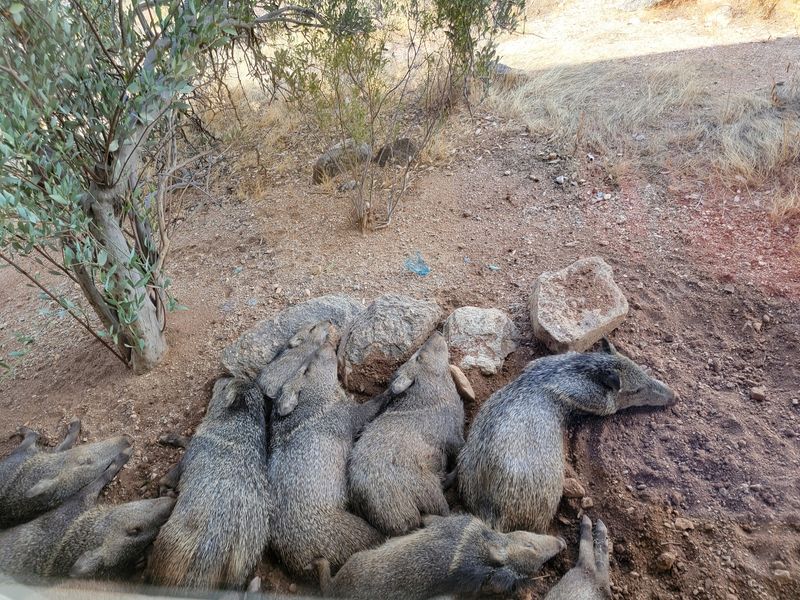
Javelinas look like a pig wearing a scruffy sweater. They’re actually collared peccaries, and they roam the park along with plenty of other neighbors.
More than 325 vertebrate species live in Saguaro National Park. Roadrunners, horned lizards, and Gila monsters all make the list. Cactus wrens often perch right on top of saguaros, like they own the place.
Gilded flickers are fun to watch too. These birds peek out from holes in the cacti, turning the giant plants into apartment buildings.
Head higher into the Rincon Mountains, and the cast changes. Black bears and white-tailed deer live in the upper elevations of the east district. That’s a big surprise for a desert park.
Early mornings and late afternoons usually give you the best shot at sightings. Animals are more active when the sun isn’t blazing. Give every creature plenty of space, and watch where you step, since rattlesnakes live here too.
Binoculars are a great thing to toss in your bag before you go.
Golden Hour Turns Every Cactus Into A Silhouette Star
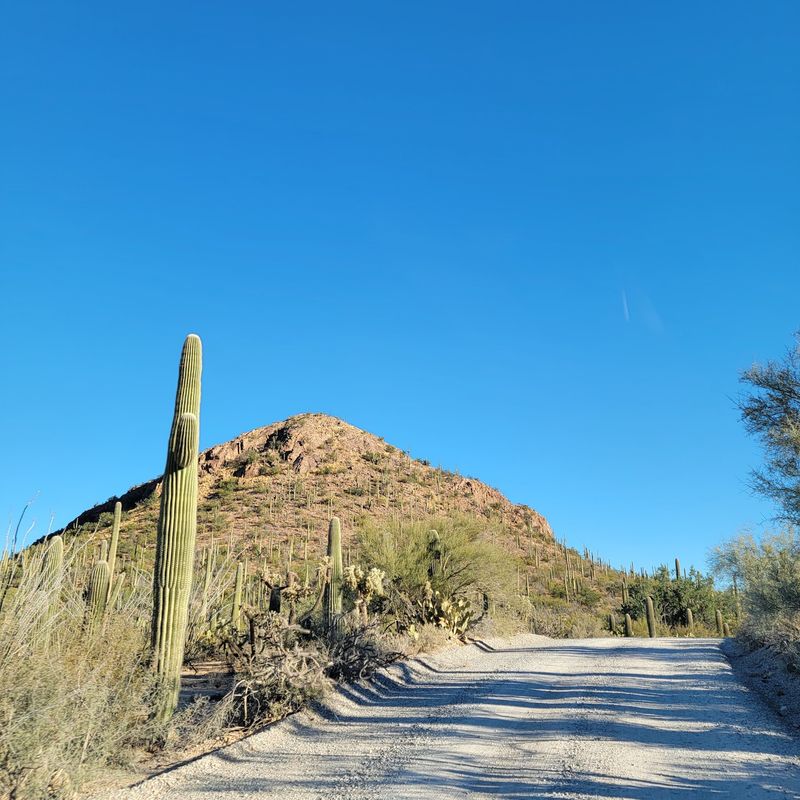
When the sun drops low, the saguaros turn into dark cutouts against a glowing sky. It’s the kind of scene that makes your phone camera feel very busy.
Desert sunsets here are famous for good reason. Oranges, pinks, and purples spread across the horizon while the cacti stand still for their close-up.
They’re the most patient models you’ll ever photograph.
Javelina Rocks in the east district is a popular sunset pick. The spot sits along the Cactus Forest Loop Drive, so getting there is simple. Arrive a little early and enjoy the show building slowly.
Keep an eye on the clock, though. The loop drive closes at 8:30 p.m., and cool-season sunsets come early. That works out nicely, since you won’t be racing the gates.
Cooler months bring another bonus. Crisp air often makes evening light feel sharper, and a light jacket keeps you comfortable while the colors fade.
Pack a snack, find a good angle, and let the saguaros strike their best poses.
Pedal The Loop Or Sleep Under The Saguaros
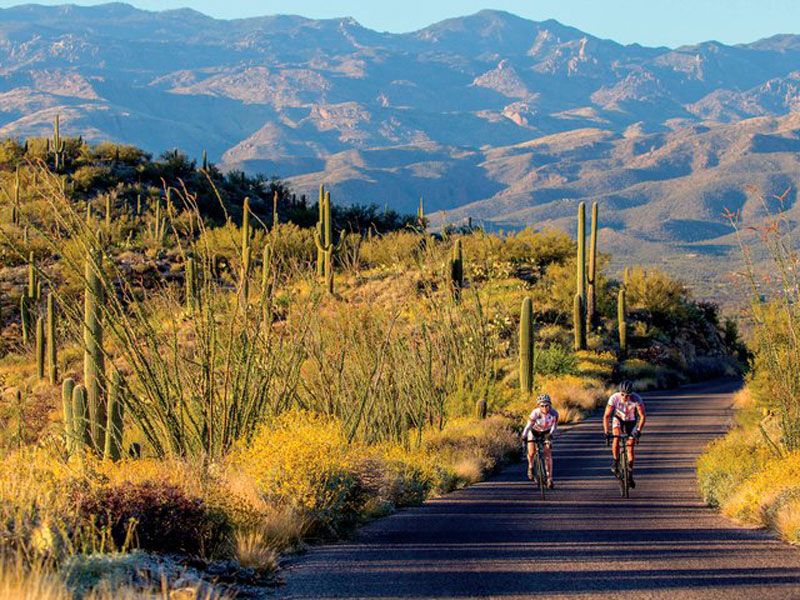
Two wheels and a cactus forest make a great combo. Biking is allowed on designated roads and trails, and the paved Cactus Forest Loop Drive is a favorite ride.
The eight-mile loop has hills and curves that keep things interesting.
Cars share the road, so wear bright colors and ride with care. Cooler months make the climbs much easier on your legs.
Want to stretch the adventure overnight? Car and RV camping aren’t offered inside the park. Hike-in backcountry campsites are available in the east district for people ready to carry their gear.
You’ll need a permit for those campsites. Reservations go through Recreation.gov, so plan ahead before your trip to Arizona. Popular dates can fill up during the pleasant season.
Bringing a dog? Leashed pets can join you on roads, at picnic areas, and on a couple of approved trails.
Those include the Desert Discovery and Desert Ecology trails. With so many ways to explore, Saguaro National Park makes the last months of 2026 feel like a gift worth opening.