One wooden bridge in Vermont has two full lanes side by side, and it has been carrying people over a river for roughly two centuries.
That still blows my mind. Generations of wagons and cars have crossed this historic bridge, which has undergone repairs and restoration over the years.
The surprises keep stacking up. One bridge comes with a ghost story about a heartbroken woman.
Another was built using traditional methods and wooden pegs in 1969, long after most builders had switched to modern construction techniques.
I love that these bridges are not museum pieces behind glass. Most of them still carry traffic, so you can drive right through history with the windows down.
A few even have paths that lead down to the water below.
So which one would you cross first? The red beauty by the waterfall, the one with the spooky legend, or the old giant with two lanes?
1. Historic Taftsville Covered Bridge
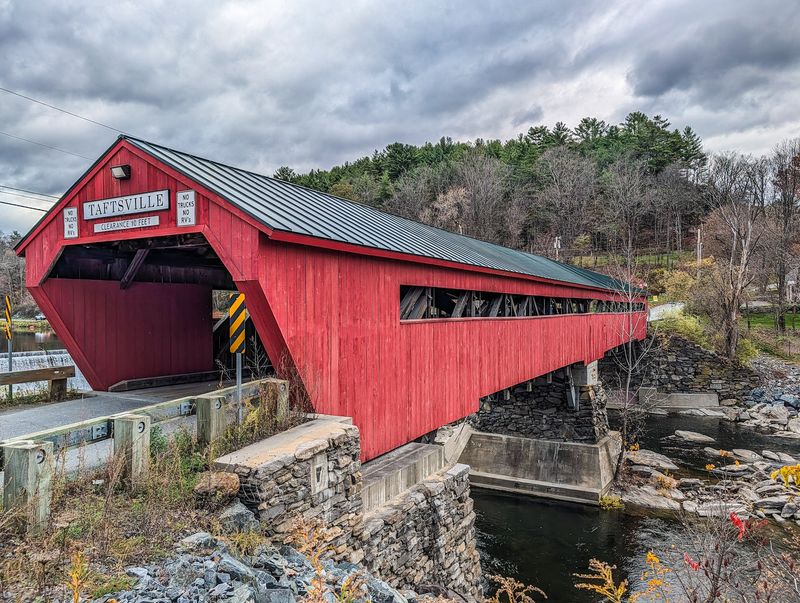
Red is a bold color choice for a bridge built in 1836, and this one wears it proudly. You’ll spot it long before you reach it, glowing against the trees above the Ottauquechee River.
This bridge ranks among the oldest covered bridges in Vermont. It has been crossing the river since Andrew Jackson was president, which is a pretty wild thought when you’re driving over it in a modern car.
Its toughest moment came in 2011. Tropical Storm Irene slammed the region and badly damaged the bridge, so it closed for repairs. Crews fixed it up, and it reopened in 2013, ready for another long run.
Here’s the fun part for photo lovers. A set of steps leads down toward the river, giving you a view of the bridge from below. A small waterfall tumbles nearby, so your pictures get a bonus splash of white water.
Want to linger? A picnic bench sits near the water, which makes this a great spot for a snack break. There’s free parking right before the bridge, so you won’t have to circle around looking for a space.
The bridge is open around the clock, but timing still matters. Weekend afternoons tend to get busier, while early Sunday mornings are usually calmer. Go early, and you might have the river view mostly to yourself.
Bring a camera, a sandwich, and a little patience for that perfect shot. This red classic rewards anyone who pulls over instead of just rolling through.
Address: 403 E Woodstock Rd, Woodstock, VT 05091.
2. Historic Silk Road Covered Bridge
Silk Road sounds like a route to faraway markets in Asia. In Bennington, it leads somewhere much closer and a lot more wooden.
The Silk Road Covered Bridge is a short, sturdy crossing that still works as a real road. Cars use it, so this is a living bridge rather than a roped-off display. You get history and a practical shortcut in the same package.
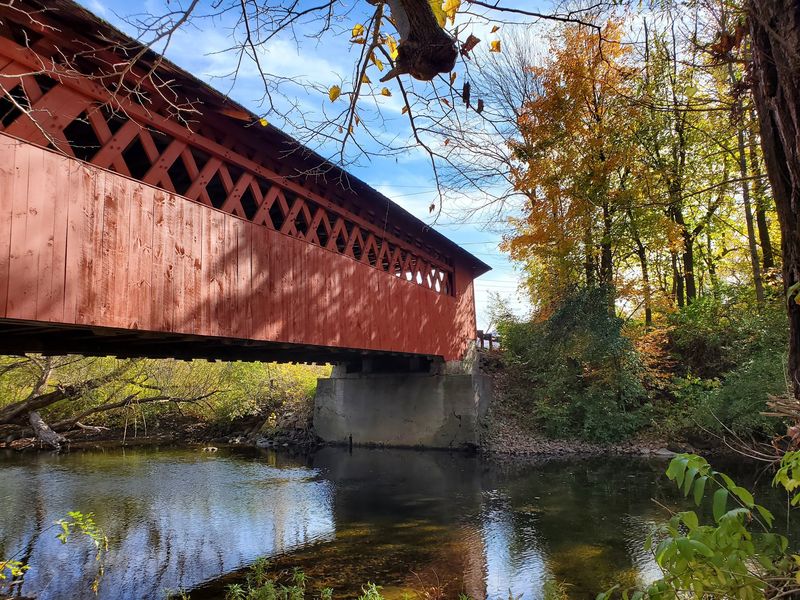
Take a close look at the trusses when you park. The bridge uses wood-pegged trusses, a building method that relies on wooden pins instead of metal fasteners. It’s a neat reminder of how builders solved problems before hardware stores existed.
The bridge is well kept, which makes it extra friendly for photos. Paths lead down toward the water, so you can frame the whole structure from the bank. That low angle shows off the shape far better than a quick snap from your car window.
Since it’s short, you won’t need much time here. That makes it a smart add-on if you’re already exploring the Bennington area. Fifteen minutes can turn into a pleasant little pause on a long drive.
Kids usually enjoy the simple thrill of rumbling through a covered bridge. Let them count the pegs or guess how old the boards are. Spoiler: the answer is old enough to be impressive.
Southern Vermont has several covered bridges, and this one makes a fine starting point. Short, sweet, and easy to reach, it proves a bridge doesn’t need size to have charm.
Address: Silk Rd, Bennington, VT 05201.
3. Historic Creamery Covered Bridge
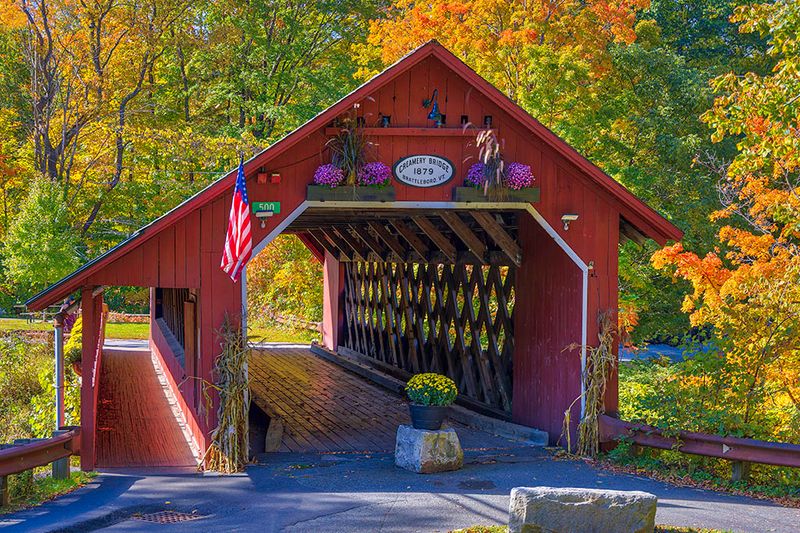
Leave the car behind for this one, because the Creamery Covered Bridge is now for foot traffic only. That rule changes the whole mood, since you can stroll inside without dodging traffic.
Brattleboro once had more covered bridges, but this is the last 19th-century one still standing in town. That makes it a real survivor. It sits just minutes from downtown, so it’s easy to fit into a day of exploring.
The name points back to the area’s farming past. A creamery once operated nearby, and the bridge kept the name long after the dairy days. It’s a small clue to how this part of Vermont used to work.
Flowers add a pretty touch here. A flower garden decorates the area around the bridge, giving your photos a pop of color. Picnic tables sit nearby too, which means lunch with a historic view is totally doable.
Because it’s pedestrian-only, this is one of the better bridges for slow walking. You can stop in the middle, look at the old beams, and take your time. No honking cars will hurry you along.
Photographers love this spot, and for good reason. The bridge makes a lovely backdrop for family pictures or a quick shot for your feed. Parking is available on site, so getting here is easy.
Got kids with energy to burn? A walk across and a picnic afterward makes for a simple, happy outing. Sometimes the best stops are the ones that ask you to slow down completely.
Address: 500 Western Ave, Brattleboro, VT 05301.
4. Historic Gold Brook Covered Bridge
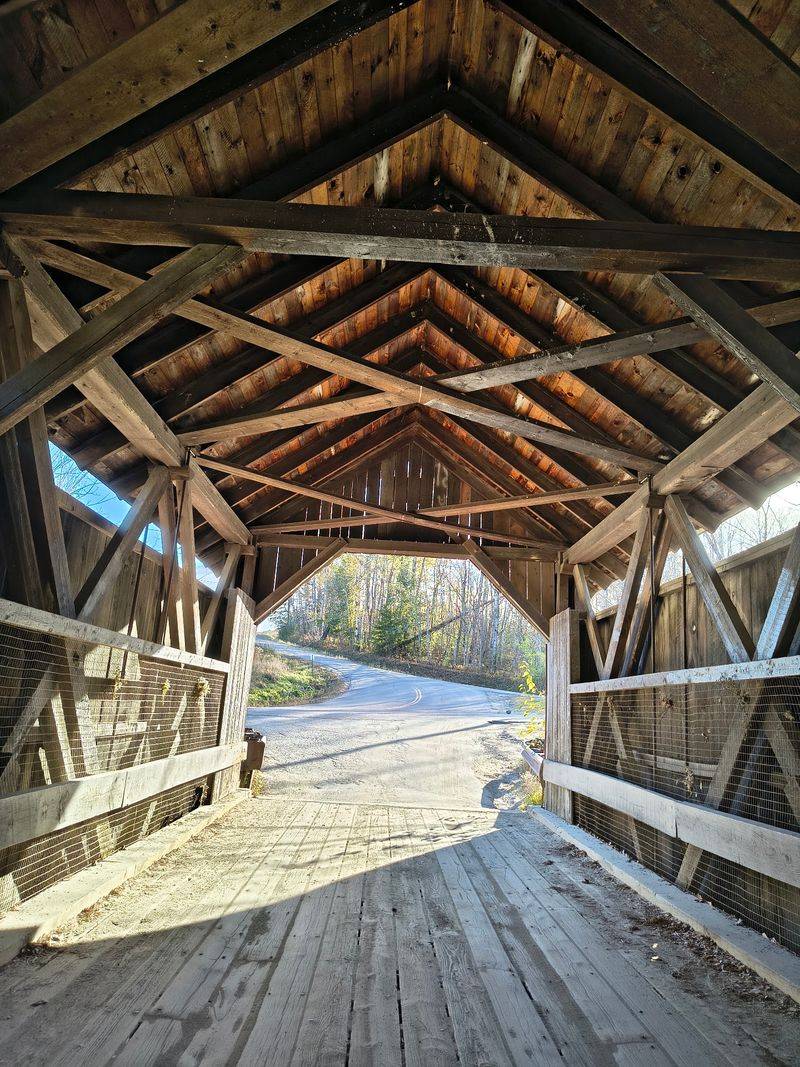
Ghost stories and covered bridges go together like campfires and marshmallows. In Stowe, the Gold Brook Covered Bridge comes with a legend so famous that many people call it Emily’s Bridge.
The tale centers on a young woman named Emily and a sad love story. Folks have told spooky versions of it for years, though nobody can prove any of it happened. Still, it’s fun to whisper about while you walk through.
The bridge itself is plenty interesting without the ghost. Built in 1844, it uses a Howe truss design. It’s the only 19th-century covered bridge left in Stowe, which gives it extra bragging rights.
Look up at the gable ends on your way in. They’re walnut-stained, giving the bridge a rich brown look. A sign nearby explains the bridge’s history, so you can learn the real story along with the legend.
You’ll find several good viewpoints here. One lets you walk down to the water for a postcard-style shot of the bridge over the creek. The setting is full of trees and plants, which looks great in nearly any season.
The bridge is open at all hours, and free parking makes stopping simple. Some brave visitors like coming after dark for extra chills. Daytime works just fine if spooky isn’t your thing.
Stowe is already a favorite Vermont destination for mountain views. Adding this bridge to your trip gives you a dose of history and a story to tell later. Just don’t blame us if the boards creak.
Address: Covered Bridge Rd, Stowe, VT 05672.
5. Historic Waitsfield Covered Bridge, Waitsfield, VT
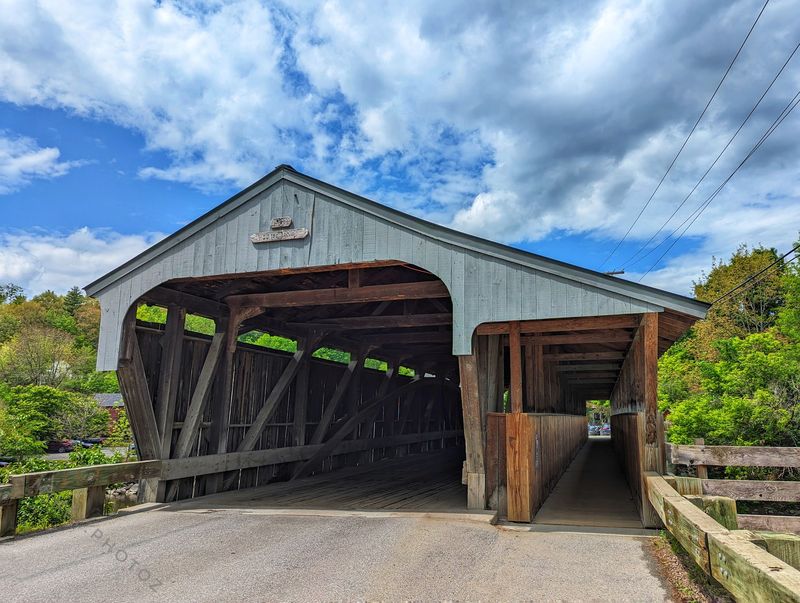
Swimming holes and history rarely share the same address. At the Waitsfield Covered Bridge, you get both, plus a walkway that keeps you safe from passing cars.
Also called the Big Eddy Bridge or the Great Eddy Bridge, it dates to 1833. That makes it one of the oldest covered bridges in Vermont still in use. It crosses the Mad River right in the village.
The nickname comes from the river itself. A rock near the bridge creates a swirling eddy in the water below. On hot days, the river access here is popular with swimmers looking to cool off.
The bridge has a separate walking section, which is a big plus. You can cross on foot while vehicles weighing no more than three tons and standing no taller than 9 feet 6 inches use the main lane, one at a time.
Waitsfield adds to the fun. The bridge sits close to shops and places to grab food, so you can turn a quick look into an afternoon. Wander, snack, and then wander back for another photo.
Finding it is simple, since it’s right in town on Bridge Street. It’s open at all hours, so a sunset stroll is on the table. Sunday daytime tends to be the busiest stretch.
The Mad River Valley has plenty of scenic drives. This bridge gives you a reason to stop the car and stretch your legs. Bring a towel if summer is calling your name.
Address: Bridge St, Waitsfield, VT 05673.
6. Historic Pulp Mill Covered Bridge
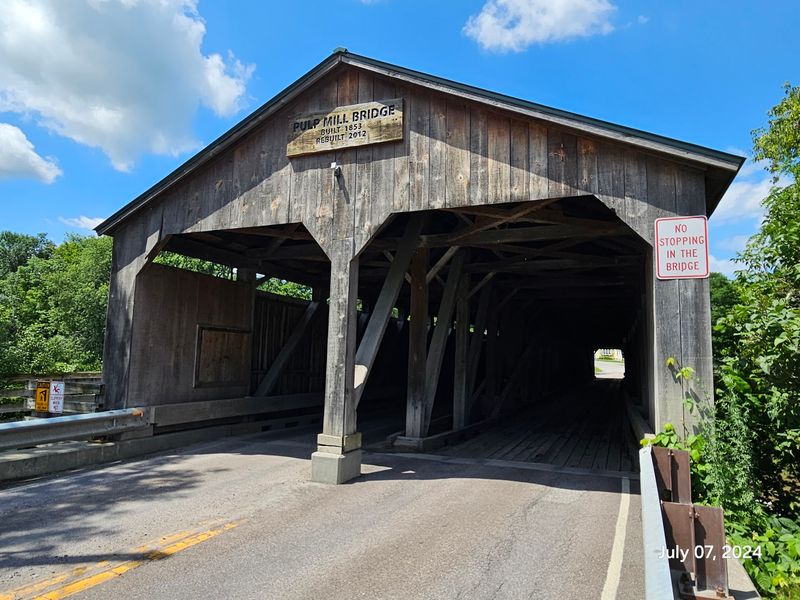
Two lanes inside one covered bridge is a rare sight anywhere. The Pulp Mill Covered Bridge pulls it off, and it’s often called the oldest covered bridge in Vermont.
Its age is part of the magic. The bridge is traditionally dated to around 1820, although historical research suggests it may have been constructed in the 1850s.
Either way, it has been around far longer than cars, phones, or sliced bread.
Builders call this kind of crossing double-barreled. Picture two tunnels joined side by side, each one handling its own lane of traffic. Very few bridges like it survive in the whole country.
The bridge crosses Otter Creek and links Middlebury with Weybridge. A pedestrian walkway runs alongside, so you can cross on foot without sharing space with vehicles. That’s handy for anyone who wants a slow, close look.
The name hints at the area’s working past. Mills once used the river’s power nearby, and the bridge took its name from that industry. Today the setting is far quieter.
Bonus views wait close by. Falls on Otter Creek can be seen near the bridge, and a park sits in the area too. It all adds up to a pleasant place to spend some time.
The bridge is open at all hours, and weekday visits tend to be calm. Saturday evenings usually see more people. Come with a curious mind, because two lanes of history are a lot to take in.
Address: Seymour St, Weybridge, VT 05753.
7. Historic Middle Covered Bridge
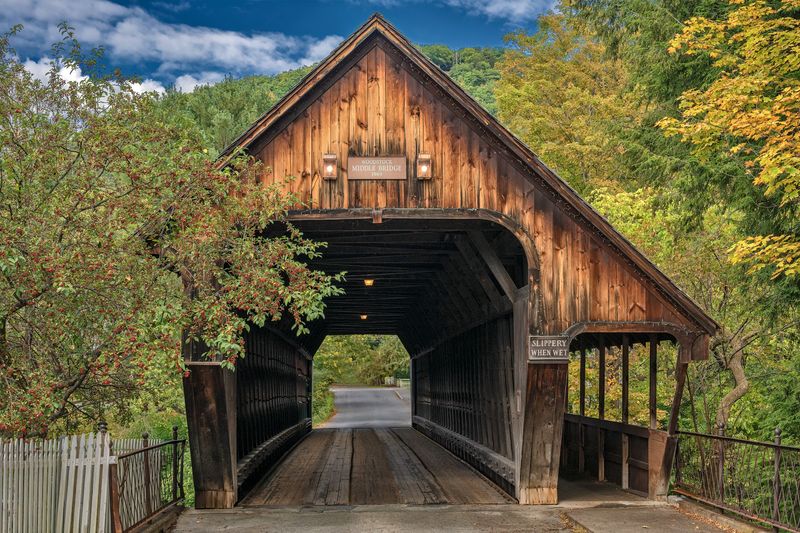
Plenty of covered bridges are old, but this one is surprisingly young. The Middle Covered Bridge went up in 1969, built the old-fashioned way with wooden pegs.
Woodstock wanted a bridge that matched its classic look. Builder Milton Graton used traditional methods, including teams and hand tools, to raise it. The result feels like it belongs to another century.
Its story took a rough turn in 1974. A fire set on purpose damaged the bridge. The town repaired it, and it still carries traffic across the Ottauquechee River today.
Location is a big perk here. The bridge stands right in the middle of Woodstock, so you can walk to it while exploring the village. Shops and streets are just a short stroll away.
Drivers and walkers each get their own space. Vehicles pass through the main opening, while people on foot use a separate walkway. That makes it easy to stop and admire the river without worrying about traffic.
Photographers, this one is for you. Easy access means you can line up that classic Woodstock picture without a long hike. River views from the bridge add a peaceful touch.
If you’re already visiting the red bridge in Taftsville, pair the two. They make a fun before-and-after lesson in Vermont bridge building. One is nearly two centuries old, and the other just proves the old ways still work.
Address: Mountain Ave, Woodstock, VT 05091.
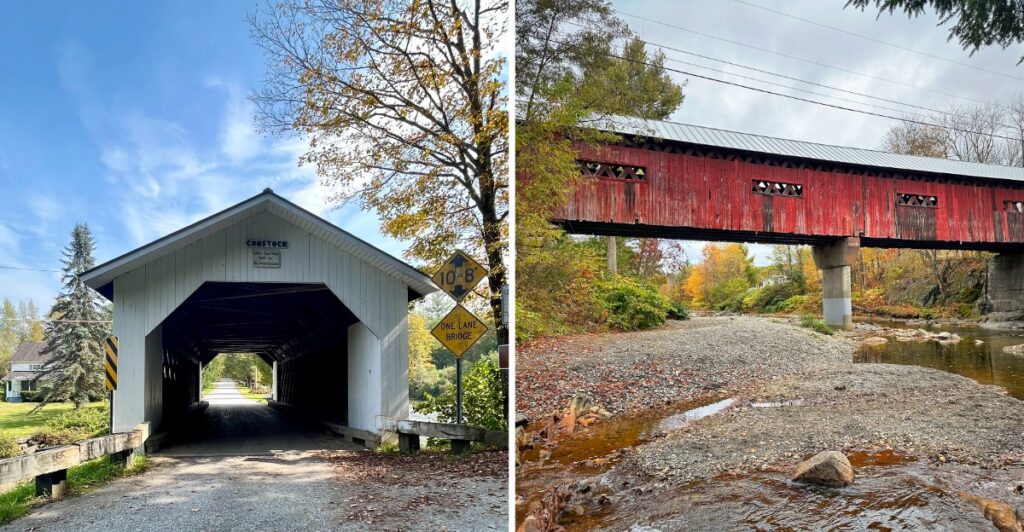
8. Historic Comstock Covered Bridge
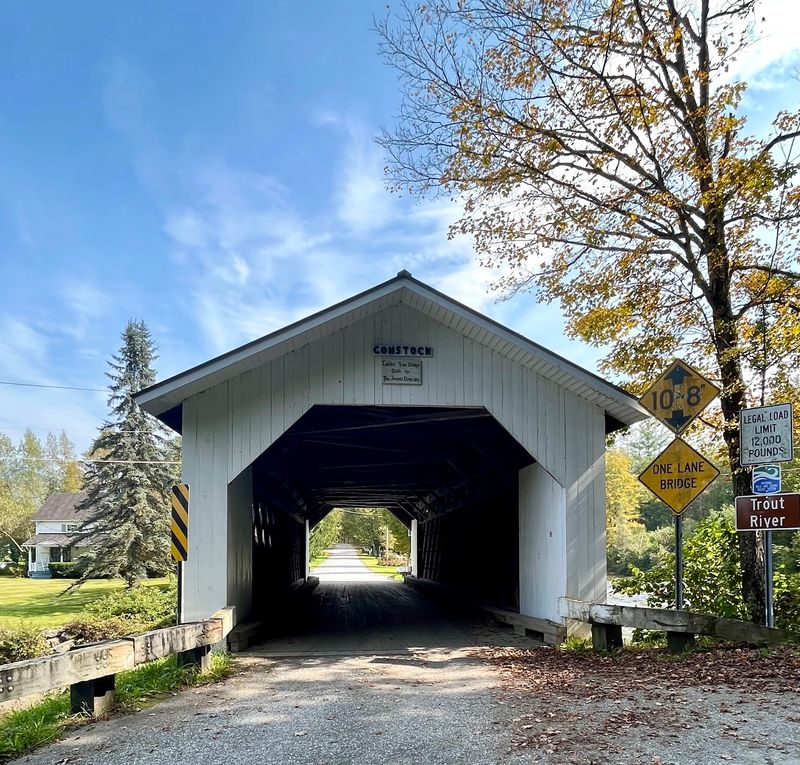
Montgomery takes its covered bridges seriously. The town has several, and the Comstock Covered Bridge is one of the easiest to love.
Brothers Sheldon and Savannah Jewett built it in 1883. These two builders created a number of bridges in the Montgomery area, earning a solid reputation in northern Vermont. Their work has held up for well over a century.
The bridge crosses the Trout River near Montgomery Center. It uses a Town lattice truss, a crisscross pattern of boards that looks a bit like a giant wooden fence. Peek inside, and you’ll see the pattern up close.
The look here is rustic in the best way. Weathered boards and a rural setting make it feel far from busy highways. It’s the kind of place where you might hear the river before you see it.
And yes, you can still go through it. The bridge remains open, so crossing it is part of the experience. Slow down, roll your window down, and listen to the boards beneath your tires.
Since Montgomery has more than one covered bridge, consider making a mini tour of it. Hopping from bridge to bridge turns a regular drive into a scavenger hunt. Kids tend to enjoy keeping count.
This corner of Vermont sits close to the Canadian border, so it’s quieter than some tourist areas. That calm is part of the reward. Bring snacks, because rural roads here don’t always come with quick stops.
Address: Montgomery Center, VT 05471.
9. Northfield Falls Covered Bridge
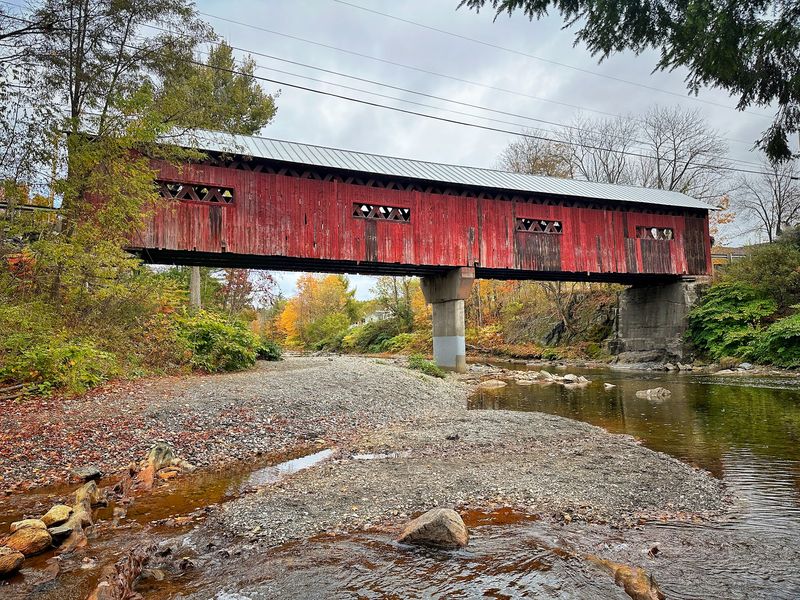
One covered bridge is nice, but how about spotting another one from where you stand? Northfield Falls offers that rare treat, and this bridge is the place to start.
Built in 1872, the Northfield Falls Covered Bridge crosses the Dog River. Some people call it the Station Bridge. It’s still in use, so cars rumble through just like they have for generations.
Take a peek at the construction. The bridge uses a lattice design held together with wooden pegs instead of nails or screws. It’s like a giant woodworking project that never fell apart.
Here’s the real fun. Two other covered bridges sit nearby along Cox Brook Road, making this a great cluster for bridge fans. You can see three bridges in one short outing without long drives in between.
Summer brings another perk. The river here is a fun place to swim, so packing a towel isn’t a bad idea. Just check the water conditions before jumping in.
Photos are easy to grab, and parking is free nearby. The bridge is open at all hours too. Friday evenings tend to be the busiest time.
Northfield is a small Vermont town, and that suits this stop perfectly. No crowds of tour buses, just wood, water, and a little history. If you love checking things off a list, three bridges in one visit is a pretty sweet deal.
Address: 37 Cox Brook Rd, Northfield, VT 05663.
10. Historic Quechee Covered Bridge
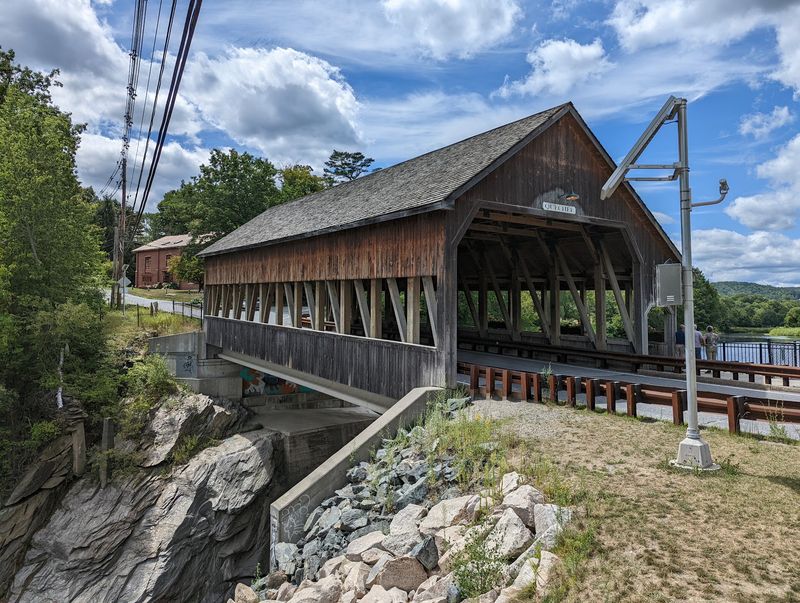
Few bridges come with a built-in waterfall soundtrack. The Quechee Covered Bridge sits right beside falling water, so the roar follows you across.
This brown bridge spans the Ottauquechee River in Quechee village.
Tropical Storm Irene caused severe damage to the original bridge in 2011, leading to its replacement.
A replacement bridge opened in December 2012 after the original was destroyed by Tropical Storm Irene, and it carries traffic today.
The setting is the star. Rock formations line the river, and the waterfall tumbles just beside the bridge. It’s the kind of scene that makes you reach for your camera right away.
A restaurant sits next to the bridge in an old mill building. That means you can pair your bridge stop with a meal and a view of the falls. Not a bad way to spend an afternoon.
Traffic does use this bridge, so be patient with photos. You may need to wait for a car to pass before you get a clear shot. A few seconds of waiting is worth it.
Parking is available near the bridge, but visitors should check posted signs and any parking restrictions before leaving their vehicles.
Check parking signs before exploring the bridge and nearby attractions. The area feels quiet, which adds to its charm.
Quechee is also famous for its gorge just down the road. Many visitors combine both stops in one trip. Start with the gorge, end at the bridge, and let the waterfall wrap up your Vermont adventure with a splash.
Address: Waterman Hill Rd #4, Quechee, VT 05059.