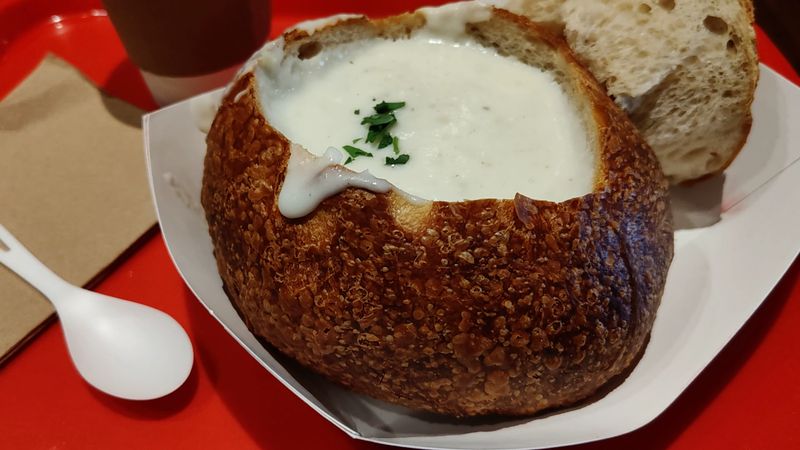
A bowl you can eat after the soup is gone sounds like a gimmick until you tear off the first tangy, chewy piece. I walked in expecting a quick tourist snack near the sea lions and walked out thinking about a bread recipe older than most towns in California.
The secret is a living starter that has been fed and carried forward since the Gold Rush. That kind of story makes a simple lunch feel like a small piece of history you can hold in your hands.
A Bakery Cafe on the Busiest Pier in Town
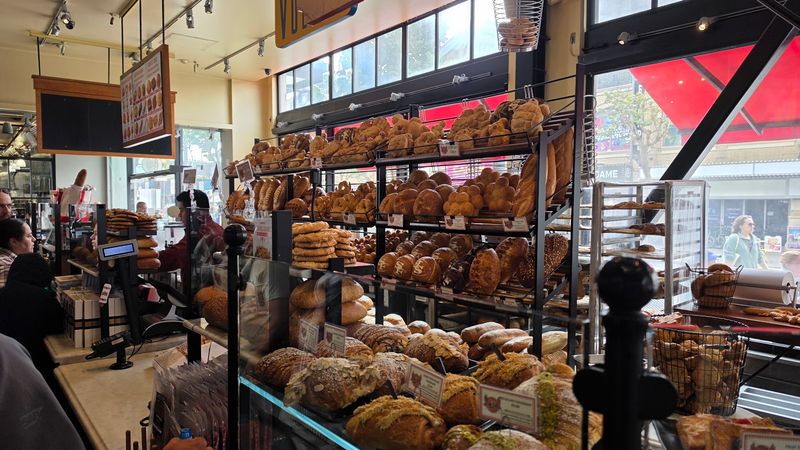
Right on the upper level of Pier 39, steps from the boardwalk crowds, sits a cafe that smells like warm crust the moment you get near the door. Boudin Bakery Cafe occupies Space 5-Q along Beach Street, putting it in the middle of Fisherman’s Wharf action.
Officially it is listed as a bakery, but it works like a full casual cafe. You can grab a loaf to go, sit down for a bread bowl, or simply wander in to look at the bread displays.
Visitors often describe it as one of those classic San Francisco stops worth experiencing at least once.
The location makes it easy to fit into a waterfront day. Plenty of people stop in right after watching the sea lions or before strolling toward the Ferris wheel.
Others treat it as a warm refuge when the bay breeze turns chilly, which happens often here.
What makes the spot special is not just convenience, though. The bread served here comes from a bakery that has been shaping San Francisco sourdough since 1849.
That long history gives every bite a little extra meaning, even on a crowded weekend afternoon.
Gold Rush Roots and a Baker from Burgundy
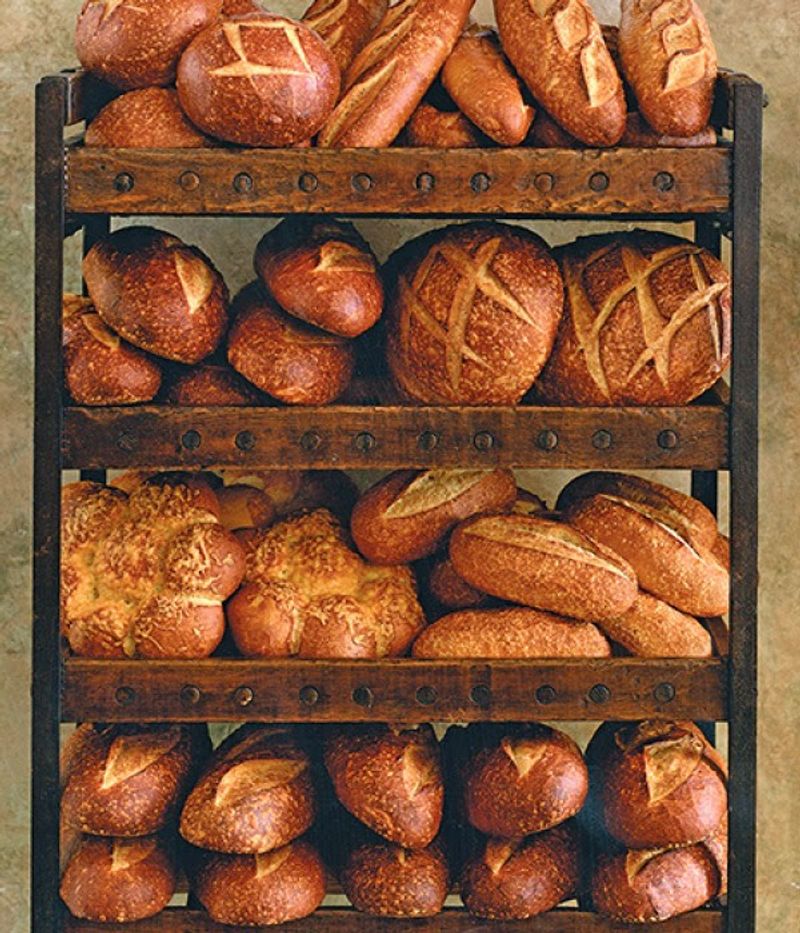
Back in 1849, while fortune seekers poured into San Francisco hunting for gold, a master baker named Isidore Boudin was hunting for something else. He came from Burgundy, France, and he brought serious bread skills with him.
Boudin started baking in a city that was growing fast and hungry for good food. Miners and new arrivals needed hearty bread, and his loaves quickly found fans.
What began as one baker’s business grew into a true San Francisco institution.
Here is a fun fact to share at your table: Boudin is recognized as the oldest continuously operating business in San Francisco. Think about all the changes the city has seen since then, from cable cars to skyscrapers.
Through all of it, the ovens kept going.
The bakery also survived fires and earthquakes along the way. That kind of staying power is rare for any business, let alone a bakery that depends on daily routines and careful hands.
So when you sit down at the Pier 39 cafe, you are tasting the result of more than 175 years of baking tradition. Not bad for a lunch break between sightseeing stops.
The Mother Dough That Kept Going
Four ingredients. That is all it takes: flour, water, salt, and a special starter the bakers call the mother dough.
The mother dough is a wild yeast starter, a living mix of local wild yeast and lactobacillus. A portion of the original has been carefully preserved and used in every Boudin sourdough loaf since the Gold Rush era.
Bakers feed it, save part of it, and use it again, keeping the chain unbroken.
Its most dramatic moment came during the 1906 San Francisco earthquake. As the city faced enormous damage, the mother dough was safeguarded and carried to safety.
Because of that rescue, the flavor tradition continued.
Local conditions play a big role too. The starter thrives in San Francisco’s cool, foggy climate, which helps create that signature sour tang.
Many bakers say this flavor is difficult to copy anywhere else, which is part of why the city is so tied to sourdough.
Staff at the cafe often mention the mother dough with obvious pride. Once you know the story, tearing into a crusty loaf feels a lot like tasting a family heirloom that happens to come warm from the oven.
Watching Bakers Behind the Glass
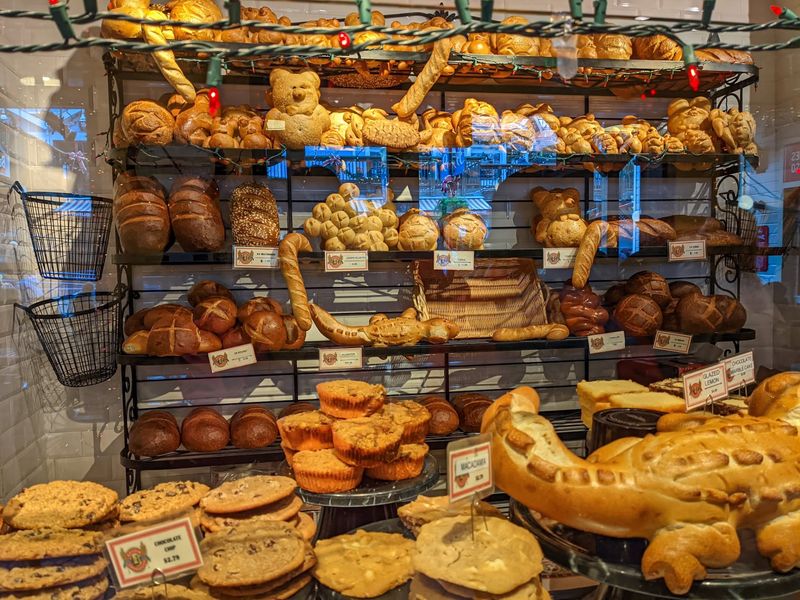
Kids press their noses to the glass, and honestly, so do plenty of adults. The live bakery setup is one of the most fun parts of a visit here.
Through the windows, you can watch bakers shaping dough and preparing fresh loaves while you eat lunch. Visitors often say this little show adds a lot to the experience.
It turns a regular meal into something closer to a behind-the-scenes tour.
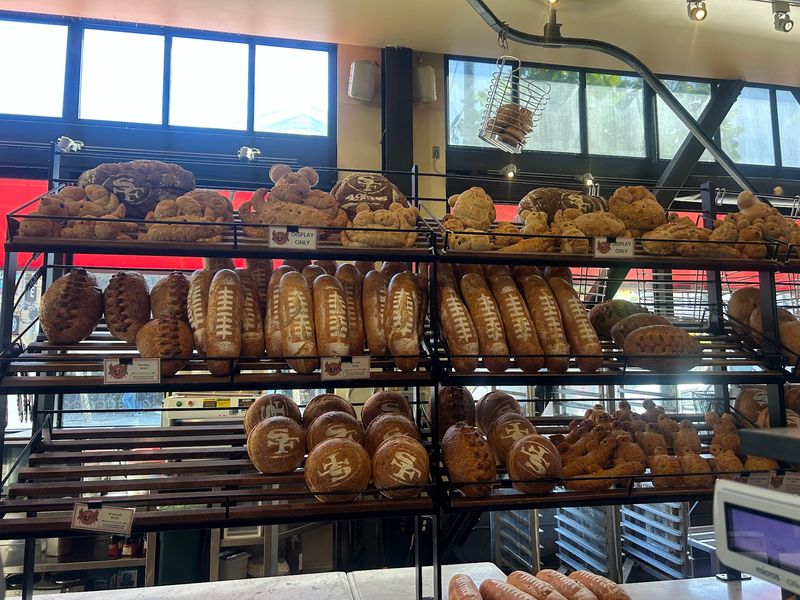
The variety of shapes and sizes surprises many first-timers. Beyond classic rounds and long loaves, the displays show off breads in creative forms that make great photos.
Guests regularly mention being impressed by how many styles come out of the same ovens.
Then there is the smell. Warm bread drifts through the air and pulls people in from the pier, almost like a magnet.
One visitor described the aroma as the thing that made the visit memorable even before ordering.
Even if you are not hungry, walking through to watch the bakers is worth a few minutes. Grab a spot near the glass, take a peek at the process, and enjoy a slice of San Francisco history being made right in front of you.
Clam Chowder in a Sourdough Bowl
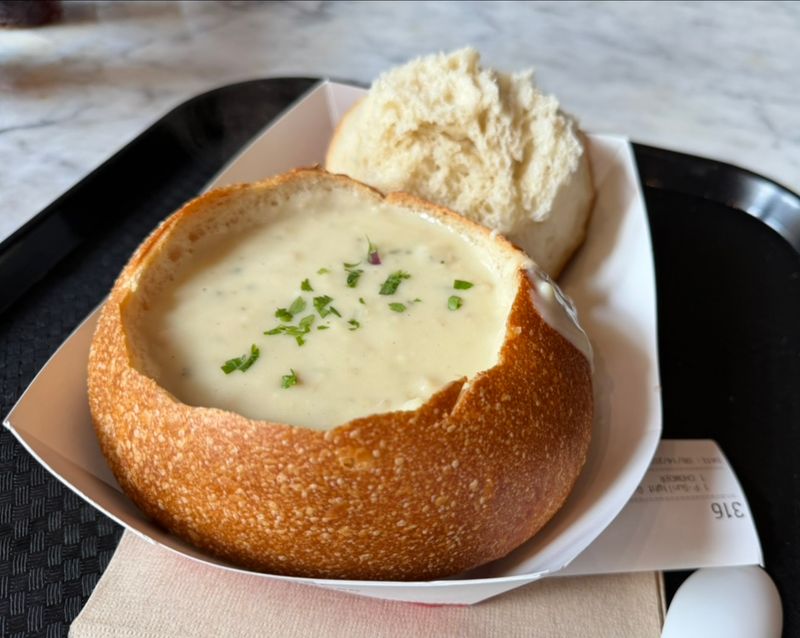
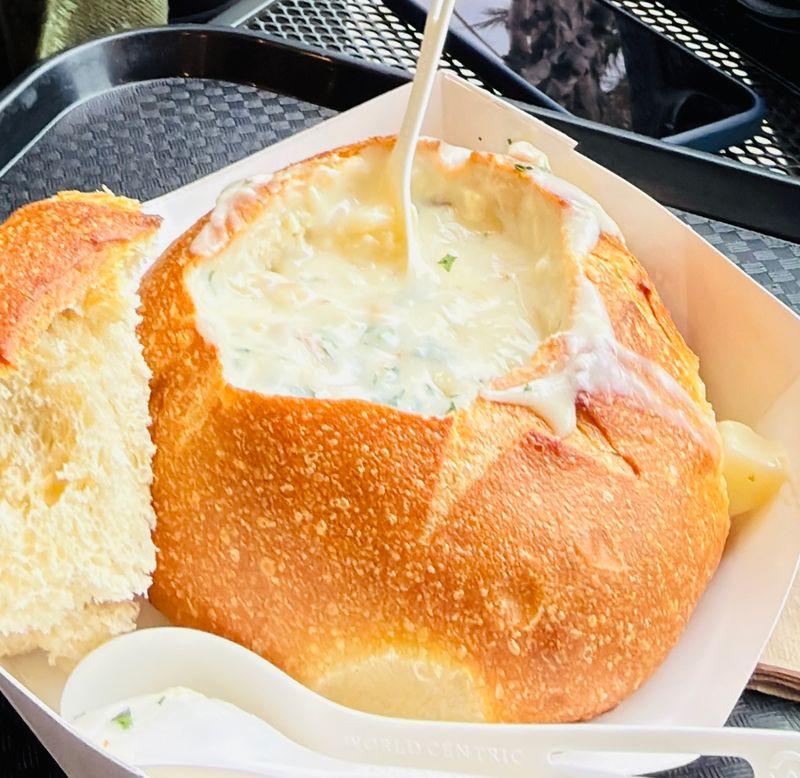
Spoon in, tear off the lid, dunk, repeat. The clam chowder bread bowl is the dish most people line up for, and it is easy to see why.
The chowder comes hot and creamy, poured into a hollowed sourdough round. Guests describe the bread as tangy with a chewy crust, while the inside stays soft enough to soak up the soup.
The bowl holds up well, so you are not racing against a soggy mess.
Portions are generous. Several visitors say one bowl is big enough for two people to share, and others admit they could not finish all the bread after the filling was gone.
Bring an appetite or a buddy.
Opinions on the chowder itself vary a little. Some love its rich, comforting flavor, while a few find it briny or simple.
Almost everyone agrees, though, that the sourdough is the real star of the plate.
On a foggy day by the bay, few lunches feel more fitting. Several fans liked it so much they bought canned chowder to take home, which says plenty about how strong the craving can get.
Other Soups Worth a Spoon
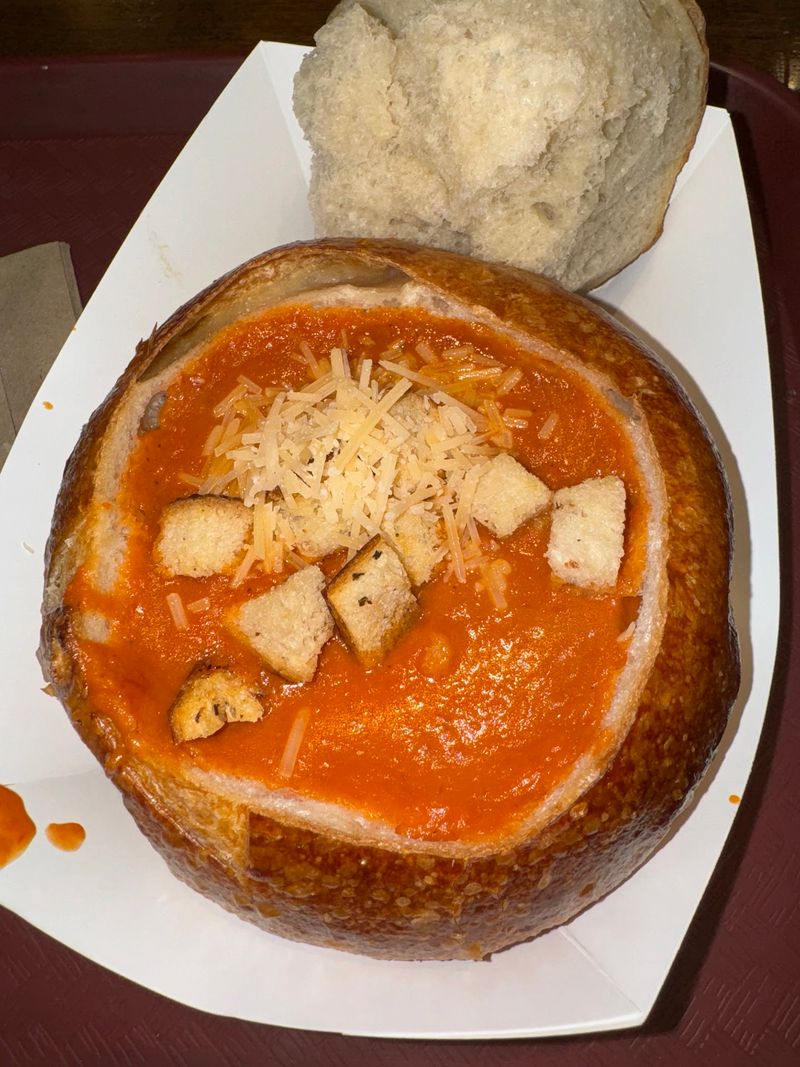
Not a clam fan? No problem at all, because the bread bowl lineup goes well beyond the famous chowder.
Rustic tomato soup is a popular choice, especially for kids and anyone who wants something lighter. It pairs nicely with the tangy bread, and families often order one chowder and one tomato to share and compare.
Beef chili is another hearty option for bigger appetites.
Crab lovers have choices too. The menu includes crab chowder, and some visitors have tried a crab and corn bisque that one guest called absolutely stunning.
That fits right in with the seafood spirit of Fisherman’s Wharf.
Soup sizes can vary, so if you have already snacked your way along the pier, you might go smaller. The bread bowl itself is quite filling, so there is no shame in skipping the side dishes.
One smart move is ordering different soups across your group. Everyone gets their own bowl, but you can swap spoonfuls and decide on a favorite.
It turns lunch into a small tasting adventure, and it is a fun way to see how each soup plays with that famous sourdough.
Sandwiches, Pinsa, and Seafood Plates
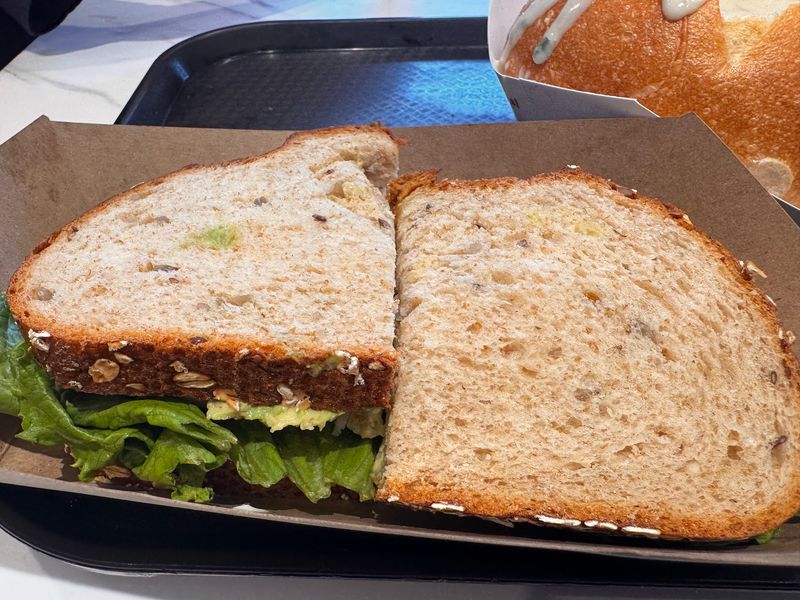
Bread this good deserves a few fillings. The sandwich menu leans on Boudin sourdough, with choices like turkey avocado, tuna salad, and grilled cheese.
The sourdough grilled cheese earns quiet praise. Guests say the simple sandwich gets extra character from the tangy bread.
The French dip and crab sandwich also come up often among regulars, making them good picks if soup is not your thing.
Pinsa pizzas offer another direction. One couple enjoyed a pepperoni version with stretchy cheese and crispy pepperoni for about $16.
Others felt the pizzas and burgers were just average next to the seafood.
Speaking of seafood, some diners call it an overlooked strength. The halibut gets compliments for being flaky and fresh, and fish and chips land among the highlights for some groups.
It is a nice option if you want something a bit more upscale than a bread bowl.
A fair warning from a few guests: some sandwiches can feel rushed during peak hours. Your safest bets tend to be the classics built around bread and seafood.
Stick with those, and you will probably leave happy and full.
Sweet Treats and Loaves to Carry Home
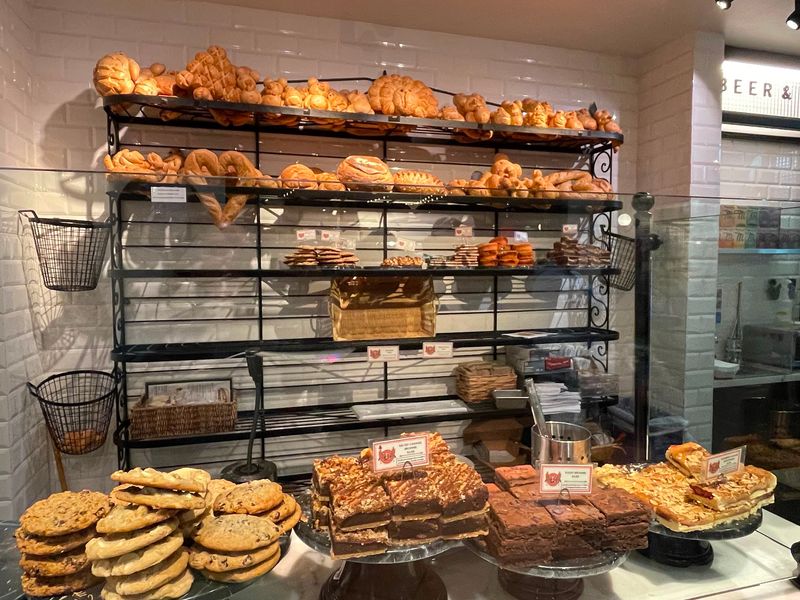
Save room, or better yet, pack a bag. The glass cases here are full of sweet and savory treats that tempt even people who claim they are not bread lovers.
Freshly baked cookies get plenty of fans, with chocolate chip being a reliable pick. Cinnamon rolls have their own loyal following, and one family even carried some home for a relative who adores them.
A Dubai Chocolate Croissant has also been called a must-try by an excited visitor.
Then there are the loaves. Fresh sourdough rounds, long loaves, and baguettes are available to purchase, making them a perfect edible souvenir.
Many visitors say grabbing a loaf is reason enough to stop in, even without a meal.
Plain sourdough toast with butter surprised at least one guest with how good it was. When the bread is the main event, simple really does work.
Look for the friendly staffer near the door who sometimes hands out sourdough samples. A free taste is the easiest way to decide which loaf to buy.
Pair it with coffee, which some guests rate as excellent, and you have a sweet little break between pier attractions.
Crowds, Comfy Sofas, and Who Will Love It
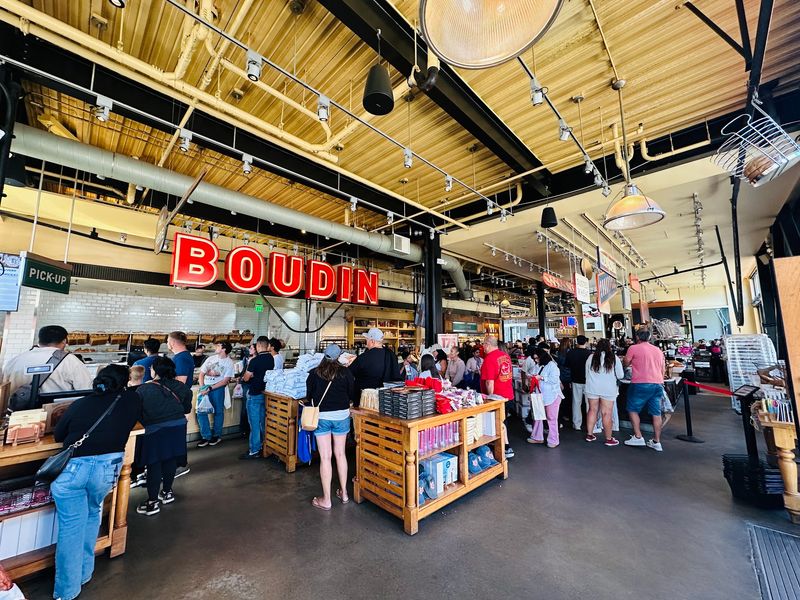
Lively is the polite word. Packed is the honest one, especially on weekends and around lunchtime.
Still, the energy feels cheerful more than chaotic. You order at the counter, then head to a pickup area, and guests say lines tend to move quickly.
Wait times of about 10 to 20 minutes are commonly mentioned. One visitor shared a table with strangers and found the sofas incredibly comfy.
Seating includes plenty of indoor space plus outdoor tables with that classic pier atmosphere. Larger groups may struggle to find a table together at busy times, so splitting up briefly can help.
Families fit right in here. The vibe is relaxed and kid-friendly, and during the holiday season the first floor has even hosted a Santa photo station.
First-time visitors to San Francisco and locals craving comfort food both show up regularly.
If you want a polished French pastry shop feel, this is not quite that. It is a casual, busy, history-filled bread hall.
People who care about great sourdough and want a warm meal by the bay will feel right at home.
Hours, Prices, and Getting There
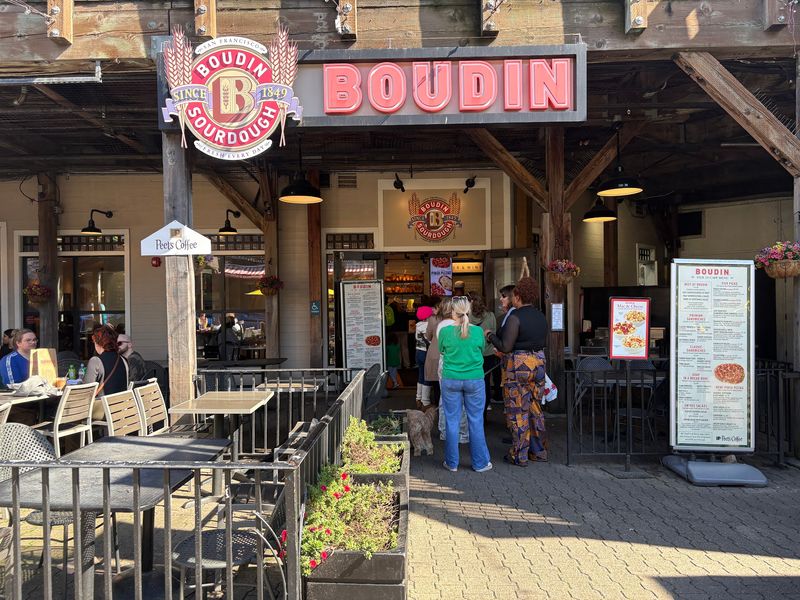
Mornings start early here. Boudin Bakery Cafe opens at 8:30 am every day of the week.
Closing times shift a bit. From Sunday through Thursday, doors close at 9 pm.
On Friday and Saturday, you get an extra hour, with closing at 10 pm. One regular discovered that visiting close to closing on a weekend meant almost no line, which is a handy trick.
Prices land on the higher side, according to many guests. One visitor paid about $43 for two sandwiches and a bottle of water.
Others felt prices matched other Boudin locations and called them fair for the area. A pepperoni pinsa ran around $16.
Finding it is easy. The cafe sits on the Pier 39 level along Beach Street in the Fisherman’s Wharf neighborhood.
It works well as a stop before or after seeing the sea lions or riding the Ferris wheel.
For a smoother visit, aim for mid-morning or later evening instead of the noon rush. Layers help too, since the waterfront can feel chilly even in summer, and a hot bread bowl tastes best when you actually need warming up.
A Warm Verdict by the Bay
Come for the bread. That simple advice sums up what most visitors walk away believing.
Boudin Bakery Cafe at Pier 39 is not a quiet, hidden hideaway. It is busy, popular, and right in the heart of a major attraction.
Yet the sourdough here is the real thing, carried forward from 1849 through a mother dough that survived fires and the 1906 earthquake.
The clam chowder bread bowl remains the classic order, and it fits a foggy bay afternoon perfectly. Seafood dishes, cookies, and cinnamon rolls round out a strong lineup, while some other menu items feel more ordinary.
Families, first-time visitors, and anyone who loves good bread will likely enjoy themselves. Budget travelers may want to share a bowl or grab a loaf to go instead of a full meal.
This weekend could be the perfect time to plan a Fisherman’s Wharf outing. Watch the sea lions, wander the pier, then step inside for warm sourdough and a peek at the bakers.
Leave with a loaf under your arm, and you will carry a little piece of California history home with you.