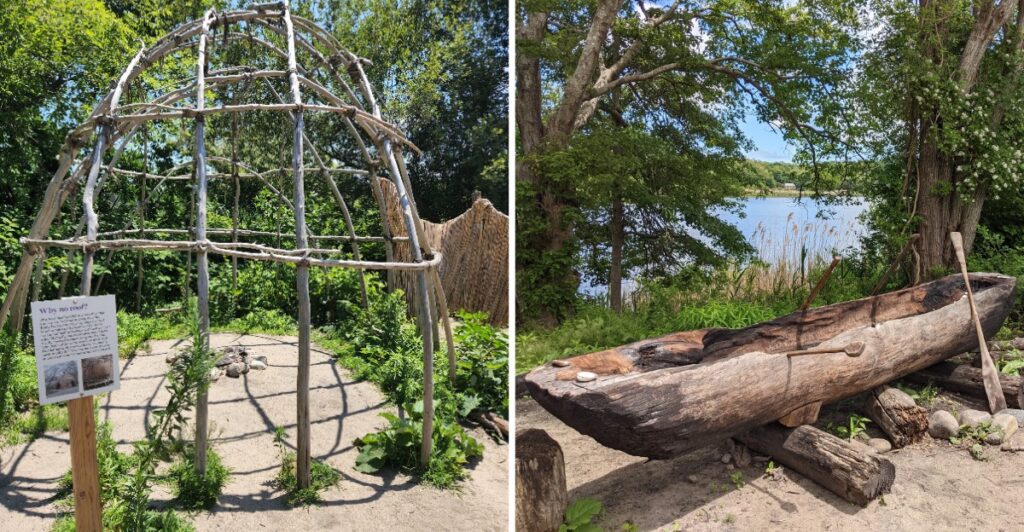
In past November programs, this living history museum has turned its clock back from 1627 to 1621.
That’s the year of the famous harvest gathering we now call the first Thanksgiving.
The costumed villagers there stay fully in character as English colonists. Ask about your phone, and you’ll likely get a puzzled look.
Nearby, Wampanoag interpreters share their own living culture as people of today, not actors playing a part.
Honestly, that pairing sold me. You get perspectives from both Wampanoag people and English colonists in one Massachusetts afternoon.
There’s a full-size ship, a working mill, and a cafe with a turkey-themed rewards program. So which part of the Thanksgiving story do you think you really know?
Two Worlds Share One Story Here
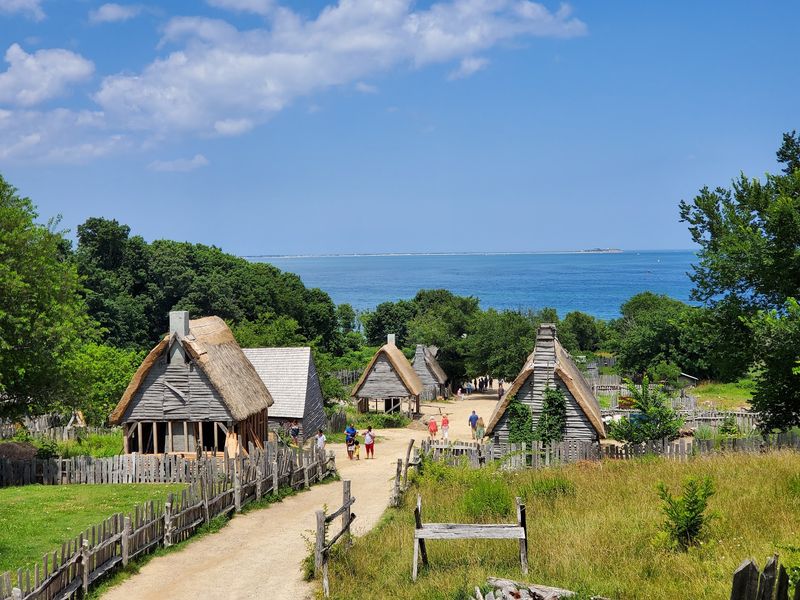
Plimoth Patuxet Museums tells the Thanksgiving story from more than one angle. It explores how English and Indigenous cultures crossed paths in the 1600s, sometimes working together and sometimes clashing.
The museum began in 1947, founded by Henry Hornblower II. For decades, most folks knew it as Plimoth Plantation. In July 2020, the name changed to honor a more inclusive way of telling history.
That shift matters more than a new sign out front. Patuxet is the Wampanoag place where the colonists built their town. Putting that word in the name reminds everyone who was here first.
The research behind the exhibits stretches back decades. Historians have studied the Wampanoag Homeland and Plymouth Colony closely to get the details right. You’ll feel that care in the clothing, tools, homes, and conversations.
Awards keep stacking up, too. USA TODAY 10Best readers named it the number one open-air museum in the country for 2024, 2025, and 2026. It has also been voted the best history museum and best historical site in New England.
Not bad for a place where nobody owns a smartphone. At least, nobody in the village admits to it.
Meet The People Whose Homeland This Has Been
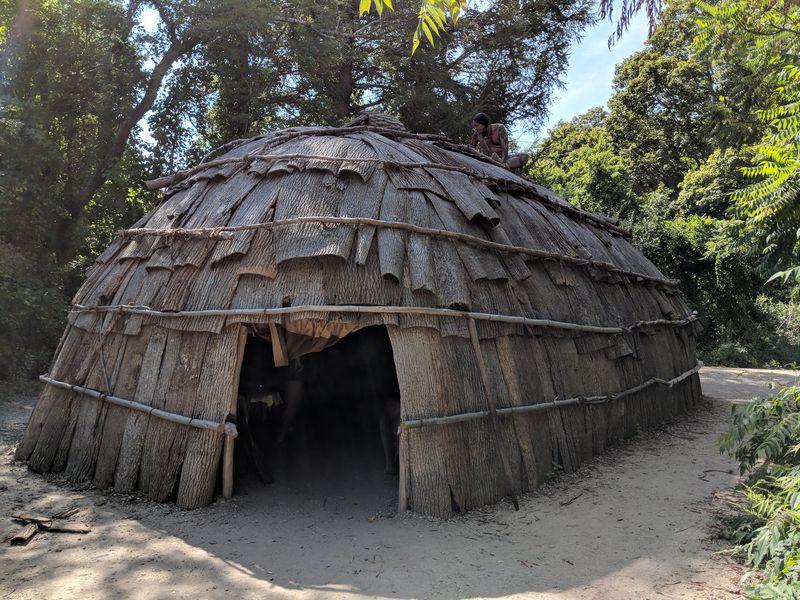
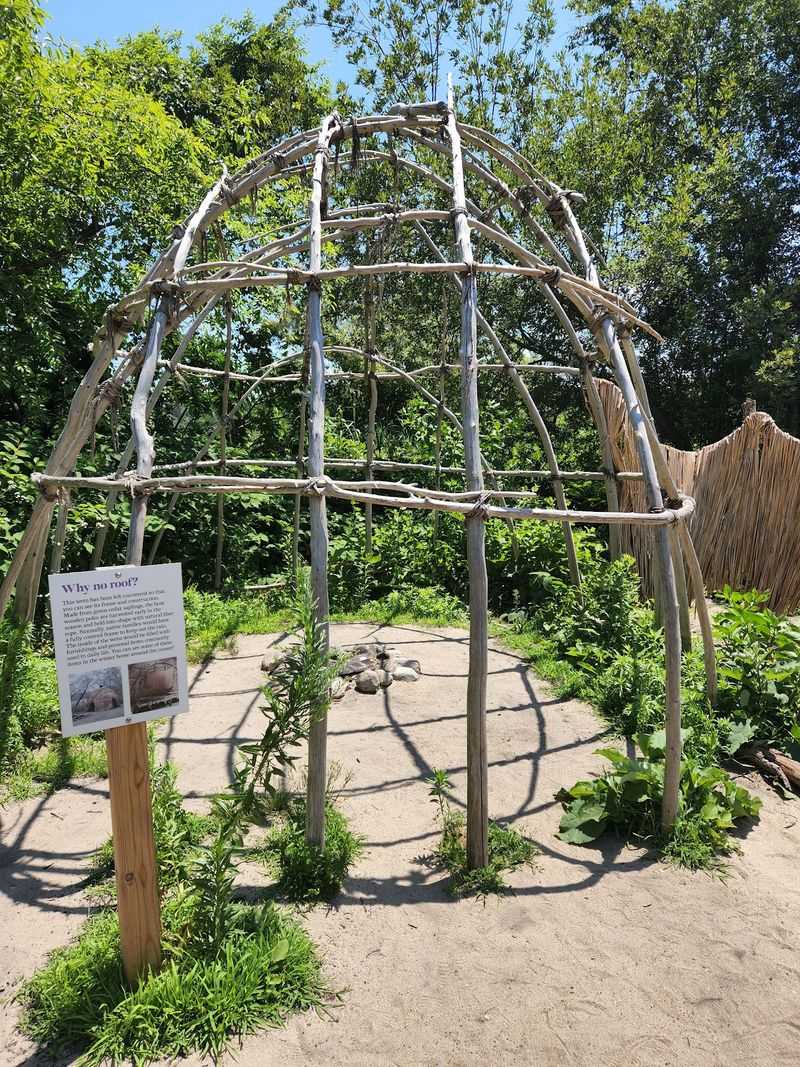
Smoke curls up from a fire near a domed home made of bark and saplings. Welcome to the Historic Patuxet Homesite, one of the most meaningful stops on the grounds.
The staff here aren’t role-players. They’re contemporary Indigenous interpreters who share Wampanoag heritage and 17th-century lifeways from a modern point of view. You can ask real questions and get thoughtful, honest answers.
Look for the wetus, which are traditional homes. Gardens grow nearby, and you may catch demonstrations of cooking or hand weaving. Each skill tells you something about daily life long before the Mayflower showed up.
The Wampanoag lived along the Eel River for thousands of years.
In spring 1621, Wampanoag people helped the English colonists learn how to cultivate Indigenous crops. They shared planting techniques, particularly for growing corn, that helped the colony survive.
The history behind the 1621 harvest gathering is deeply connected to the Wampanoag homeland and the knowledge its people shared with English colonists.
Without this knowledge, the English harvest would have looked pretty sad.
One tip helps a lot. Arrive curious and listen more than you talk. The conversations you have at this homesite may end up being the part of your visit you remember longest.
Somebody Is Carving A Canoe Out Of A Whole Tree
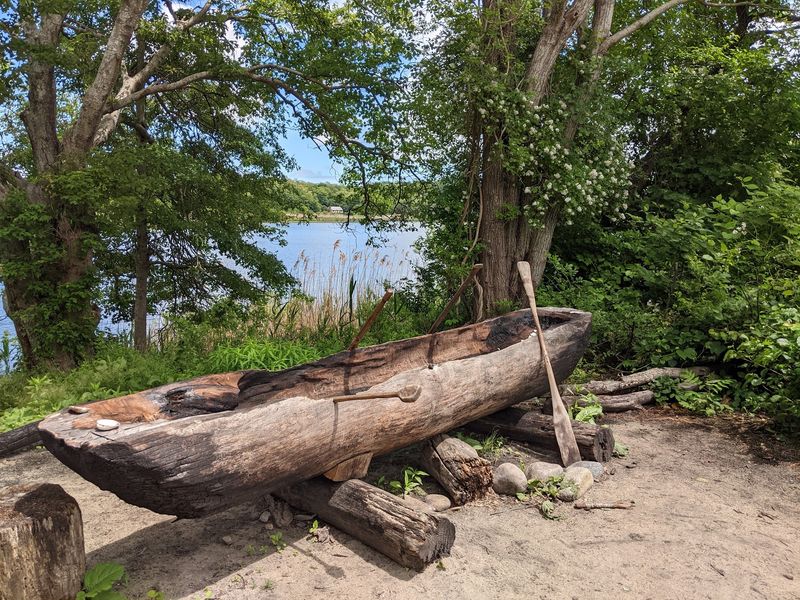
A log goes in, and a boat comes out. That’s the simple idea behind the mishoon, a dugout canoe made at the Patuxet Homesite.
Watching this craft feels like seeing patience turned into art. Interpreters shape these canoes using traditional methods. It’s slow, careful work, and that’s exactly the point.
Kids especially love this stop. It’s hard to scroll past a giant log being hollowed out by hand. The project often sparks questions about how something so heavy could float so well.
Here’s a smart move for families. Let your children ask the questions themselves. Interpreters are happy to explain the process, and kids tend to remember answers they asked for.
This demonstration also connects to the bigger Thanksgiving story. The Wampanoag traveled waterways long before English ships arrived. Their boats carried people, food, and trade along the coast and rivers of what is now Massachusetts.
Don’t rush past this spot on your way to the village. A few extra minutes here can turn into one of the coolest lessons of the day. Plus, you’ll finally understand why your own weekend projects take so long.
Say Good Morrow To Your New 1627 Neighbors
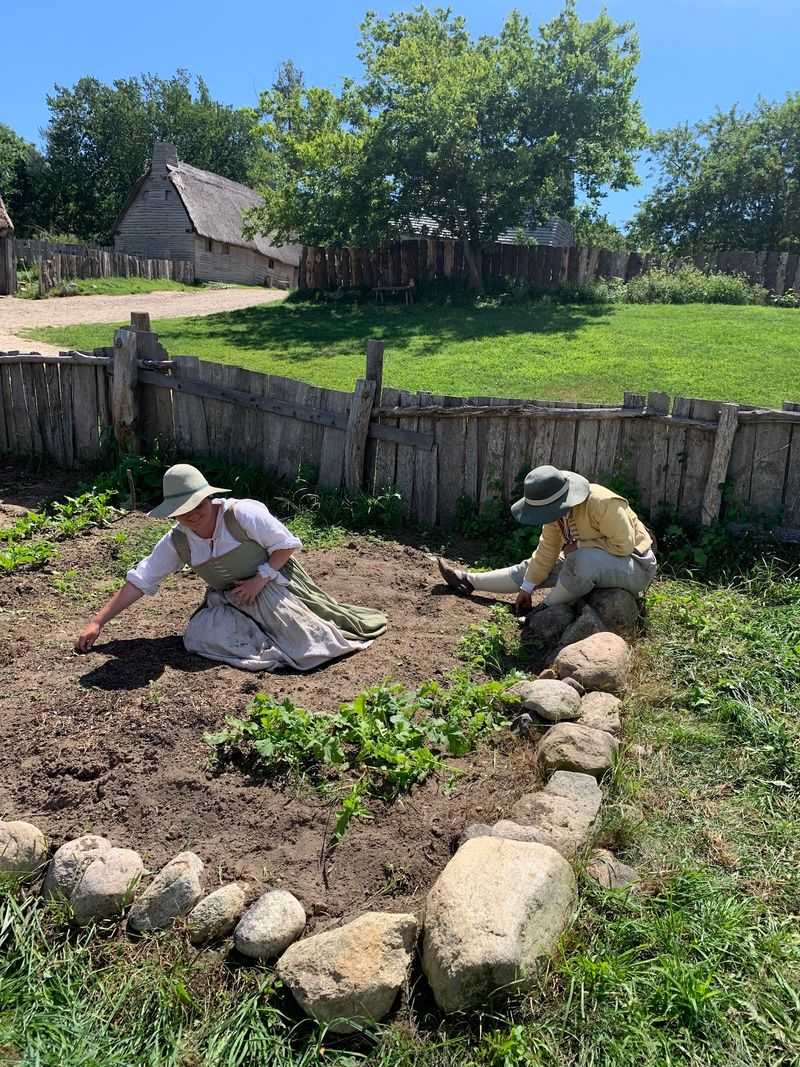
Good morrow! In the 17th-Century English Village, it’s 1627, and everyone acts like it. Costumed role-players portray real Plymouth colonists going about their daily routines.
You might see someone cooking, planting crops, or tending animals. Each person stays in character, speaking from the viewpoint of a colonist. Mention a car, and things get delightfully confusing.
Go ahead and step into the houses. The village is built for hands-on exploring, and kids are encouraged to touch and ask questions. That makes it way more fun than standing behind velvet ropes.
In past years, November has brought a special twist. The village has temporarily shifted its interpretation back to 1621, the year of the harvest gathering later remembered as the First Thanksgiving.
That famous harvest gathering included Massasoit and about 90 Wampanoag men joining the colonists. Ask the villagers about it, and you’ll hear their take on the event.
A quick tip goes a long way. Try asking a villager about their family, chores, or voyage. Personal questions often unlock the best stories.
Just don’t expect anyone to know what a pumpkin spice latte is.
All Aboard A Full-Size Ship With A Famous Name
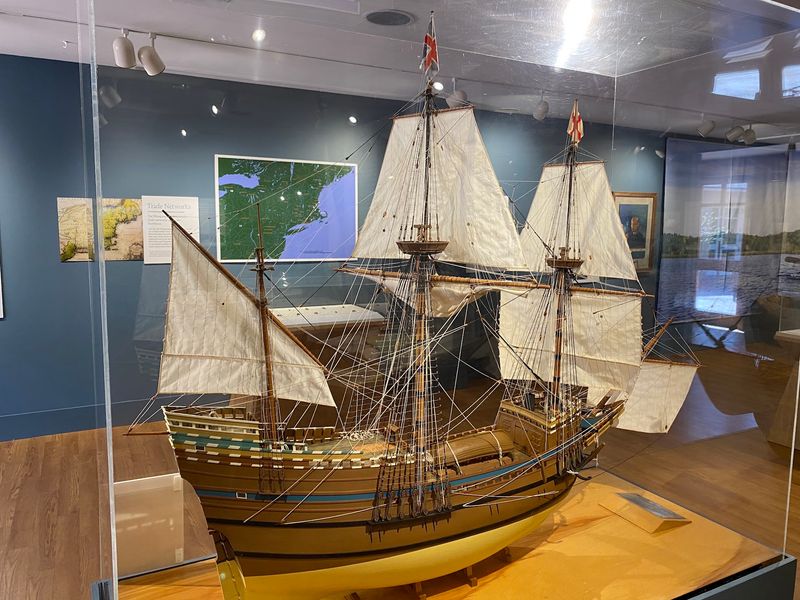
Ever wondered how 102 passengers squeezed onto one wooden ship? Mayflower II lets you see it for yourself. It’s a full-scale reproduction of the ship that brought the Pilgrims to Plymouth in 1620.
You won’t find it at the main museum campus. The ship docks on the Plymouth waterfront, so plan a short drive into town. Many guests pair it with a stop at Plymouth Rock nearby.
The crew here works a little differently. Interpreters on board wear modern clothing and answer questions as people of today. That means you can ask anything, from sailing tricks to cramped sleeping spaces.
Standing on the deck changes how the story feels. Suddenly, a long voyage across the Atlantic seems very real. You’ll probably gain new respect for anyone who survived that trip.
Families should look for chances to explore below deck. Kids can get a feel for how tight the living quarters were. It’s a great chance to talk about bravery and tough choices.
Consider a combo ticket that includes the ship. It saves you from deciding later, when your feet are tired and your snack supply is gone.
Grind Some Corn At A Mill With Serious History
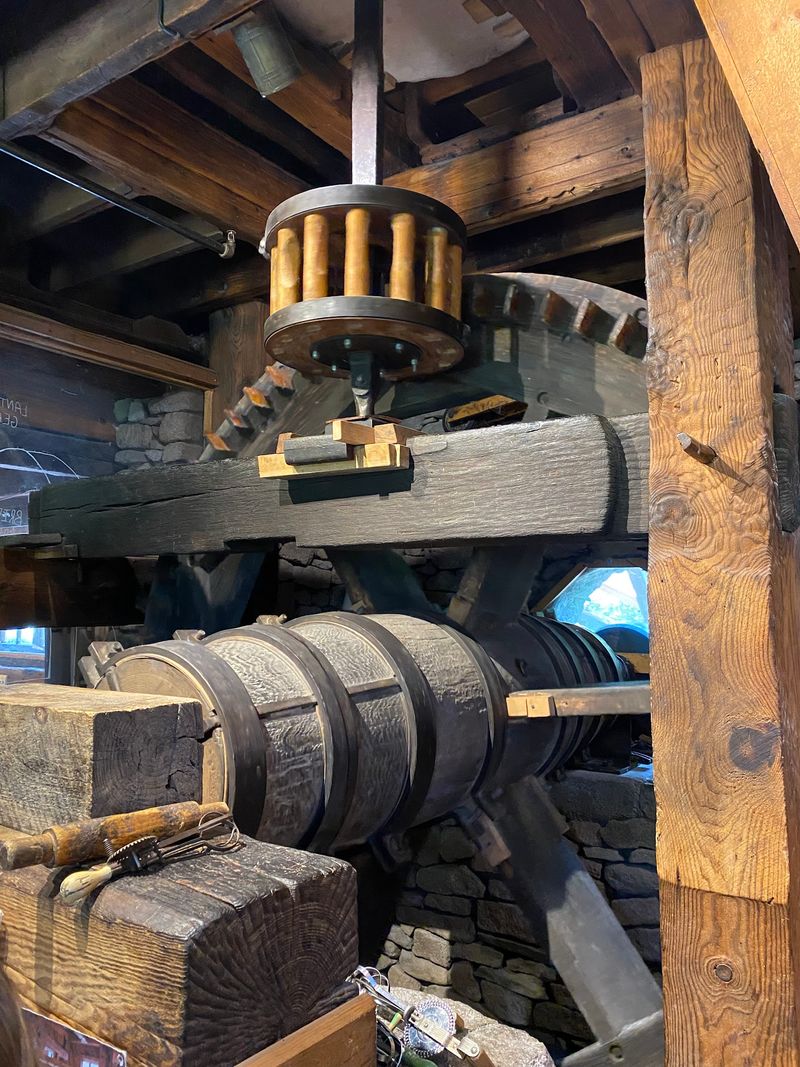
Corn was a big deal in early Plymouth. The Plimoth Grist Mill shows exactly how settlers turned it into meal.
This building is a reconstruction of the 1636 mill the colonists built on Town Brook. Water power did the heavy lifting back then. Today, the mill still teaches that clever bit of engineering.
Better yet, you can get your hands busy. The mill offers hands-on learning, including chances to grind corn. It’s a simple task that suddenly makes breakfast feel like a lot more work.
The connection to Thanksgiving runs deep here. Remember, the Wampanoag taught the colonists how to grow corn in 1621.
By 1636, the colony had established a water-powered grist mill, making corn grinding an important part of town life.
Like Mayflower II, the mill sits apart from the main museum grounds. It’s in town, so you’ll need to plan your route. Mapping your day ahead helps you fit everything in without rushing.
Got kids who love gears, wheels, and moving water? Put this stop high on the list. It turns a history lesson into a real-life science demo, and nobody has to take a quiz afterward.
Your Stomach Gets Its Own History Lesson
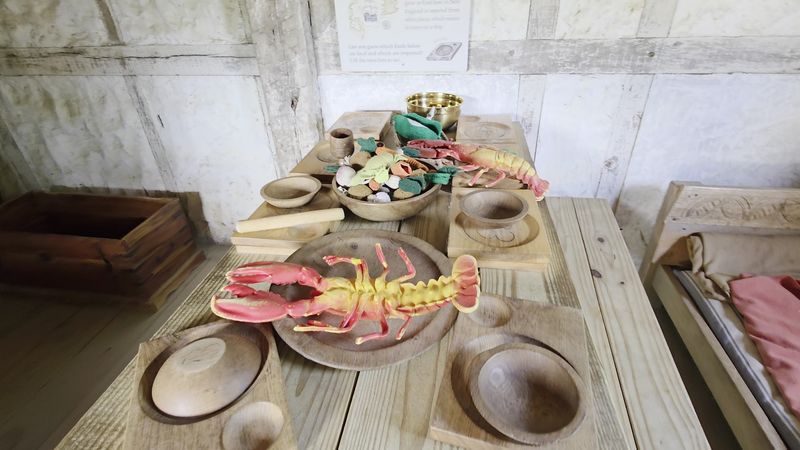
History makes people hungry. Luckily, the Plentiful Cafe sits right inside the Visitor Center at Plimoth Patuxet Museums.
The menu draws inspiration from both Wampanoag and English culinary traditions. You’ll also find modern choices like salads, sandwiches, and daily specials. A kids’ menu helps keep younger explorers happy.
Frequent visitors can join the Turkey Reward program. Yes, it’s called that, and yes, it fits this place perfectly. Few museums lean into their theme quite this hard.
Fall brings even bigger meals to the table. The museum hosts Fall Harvest Dinners, a New England Harvest Feast, and The Story of Thanksgiving Dinner. Each one mixes food with history in a festive way.
On Thanksgiving Day, there’s a Homestyle Buffet too. These seasonal meals feature a culinary partnership with Gourmet Caterers. Holiday spots can be popular, so booking early is a smart idea.
Planning tip for families: eat before heading into the villages. The grounds involve plenty of walking, and a full belly helps. Nobody wants a hangry kid halfway through 1627, especially one asking why the Pilgrims had no vending machines.
Smart Planning Makes Time Travel Way Easier
Comfortable shoes are not optional here. Exploring the main site covers about half a mile of walking over uneven ground.
You’ll find the museum at 137 Warren Ave, Plymouth, MA 02360. Plymouth is New England’s oldest town, and the grounds overlook Cape Cod Bay. The views alone make the walk worth it.
Getting there is pretty easy. The museum sits less than an hour south of Boston. It’s also about 15 minutes north of Cape Cod, so beach trips pair nicely.
The season usually runs from mid-March through November. Hours are typically 9 a.m. to 5 p.m., seven days a week. Check the schedule before going, since seasonal dates can shift.
Bringing a stroller? Jogging strollers work best on the unpaved paths. Service animals are welcome too, which helps many families plan with confidence.
Visiting in December? The museum hosts a Winter Fine Arts and Craft Fair, wreath-making workshops, and mincemeat pie classes. Lecture series also pop up for history fans.
Massachusetts has plenty of historic stops, but this one feels truly alive. Bring questions, curiosity, and snacks. The 1600s are waiting, and they’re surprisingly chatty.