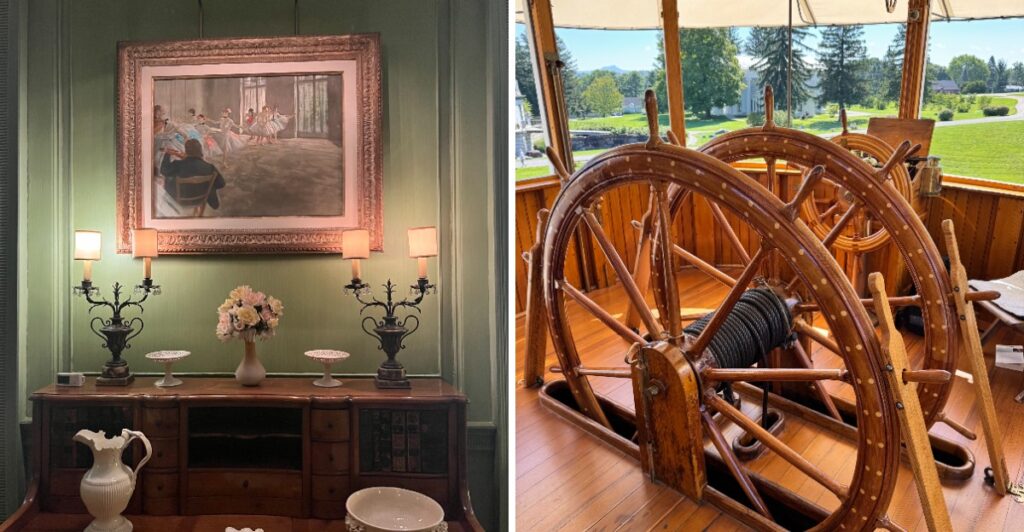
A 220-foot steamboat sits on dry land in a Vermont field. It once carried passengers, freight, and even cars across Lake Champlain until 1953.
The boat has plenty of company out there. A 168-foot covered bridge from 1845 crosses a pond nearby, and it was moved here too.
A lighthouse and a jail made the trip as well, and that relocated jail is my favorite detail. Someone looked at a jail and decided it deserved a scenic new home.
Dozens of historic buildings now share 45 acres in the Champlain Valley, filled with art and everyday treasures. One woman dreamed it all up, and that land-locked steamboat is only her opening act.
One Collector Built A Whole Village To Hold Her Stuff
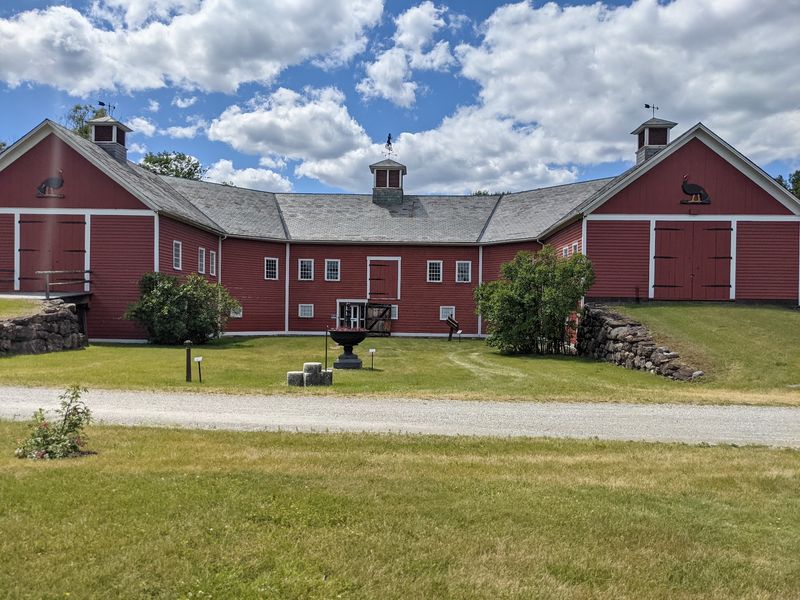
Most collectors buy a bigger shelf. Electra Havemeyer Webb bought whole buildings instead, and Shelburne Museum is the happy result.
She founded the museum in 1947, and it opened to the public in 1952. It started as a home for her family’s horse-drawn carriages. Then she began moving 18th- and 19th-century buildings from New England and New York to house everything else.
She called it a collection of collections. That description still fits perfectly today. The museum holds more than 100,000 objects spanning four centuries.
You’ll find folk art, quilts, toys, decoys, carriages, circus pieces, and American paintings. The museum calls itself the largest art and history museum in northern New England. With 39 buildings on 45 acres, that claim feels easy to believe.
Of those buildings, 25 are historic structures relocated to the grounds. That means you’re strolling through a village assembled one moved building at a time. It’s a little like a giant puzzle that a single determined person solved.
Webb was a pioneering collector of American folk art. Her taste shaped every corner here. Knowing her story first makes each building feel more personal and a lot more fun.
You Can Explore A Giant Steamboat Without Getting Your Feet Wet
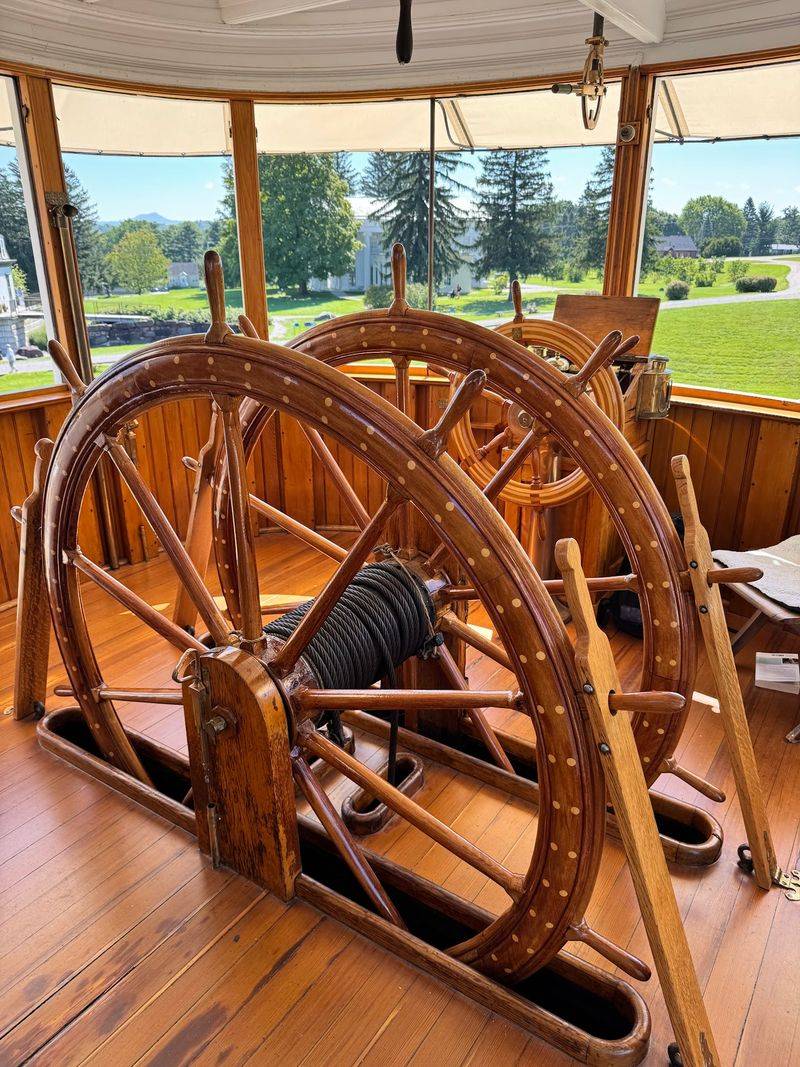
Built right in Shelburne in 1906, the Ticonderoga spent decades working on Lake Champlain.
It hauled passengers, freight, and even automobiles until 1953.
In 1955, it was moved two miles overland to the museum.
Today the 220-foot boat is a National Historic Landmark. It’s also the last remaining walking beam side-wheel passenger steamer in existence. Nobody else has one, so this is your only shot.
Daily walking tours cover how the steamboat operated and why it mattered. You’ll learn about its mechanics and its long history on the lake. Gearheads and history fans will both find plenty to love.
The scale is the big surprise. Seeing a full-size steamer parked on grass messes with your sense of normal. Getting that boat there took serious effort, and it shows.
Plan extra time for this stop, because it’s easy to linger. There are multiple levels and spaces to explore. Kids tend to treat it like the world’s grandest playground.
A smart move is joining a tour early in your visit. The stories you hear onboard make the rest of the grounds click. Plus, you’ll have bragging rights about touring a one-of-a-kind ship.
Walk Across A Covered Bridge That Used To Carry Two Lanes
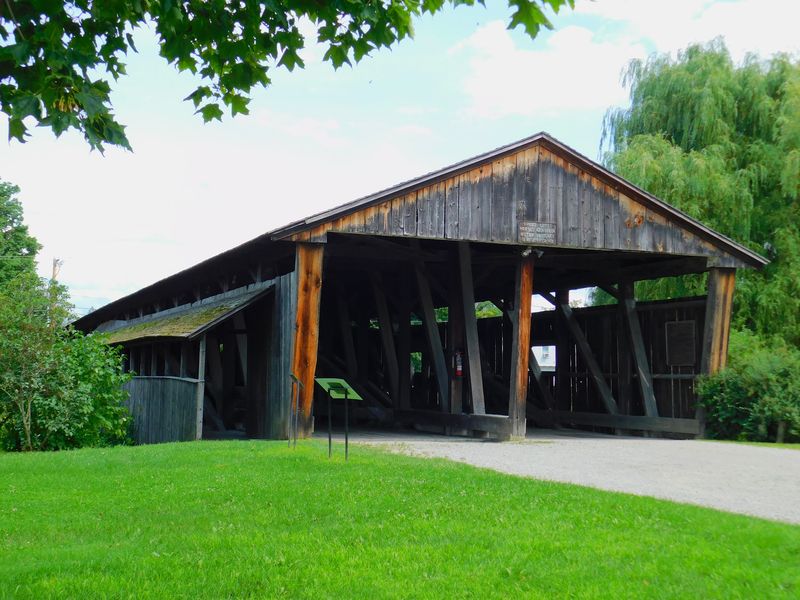
Covered bridges are basically Vermont’s signature, but this one is extra rare. It has two lanes, which makes it one of only two in the state.
The bridge was built in 1845 to cross the Lamoille River in Cambridge, Vermont. Around 1950, it was moved to the museum to span Burr Pond. Imagine telling a bridge it’s switching rivers for a pond.
It stretches 168 feet long. The design uses an arch truss patented by Vermont inventor Theodore Burr in 1804. That pond name now makes a lot more sense.
For years, the bridge served as a vehicle entrance. These days, it’s mainly for people on foot. That means you can slow down and actually look at the woodwork.
Bring your camera here for sure. The bridge reflecting on the water makes an easy, classic shot. It’s one of the most photographed spots on the grounds for good reason.
Engineering fans should check out the truss pattern overhead. The arches show how builders handled long spans without steel. It’s a quiet lesson in clever thinking from nearly two centuries ago.
Old Shops, A Lighthouse, And Yes, A Jail, Are Waiting
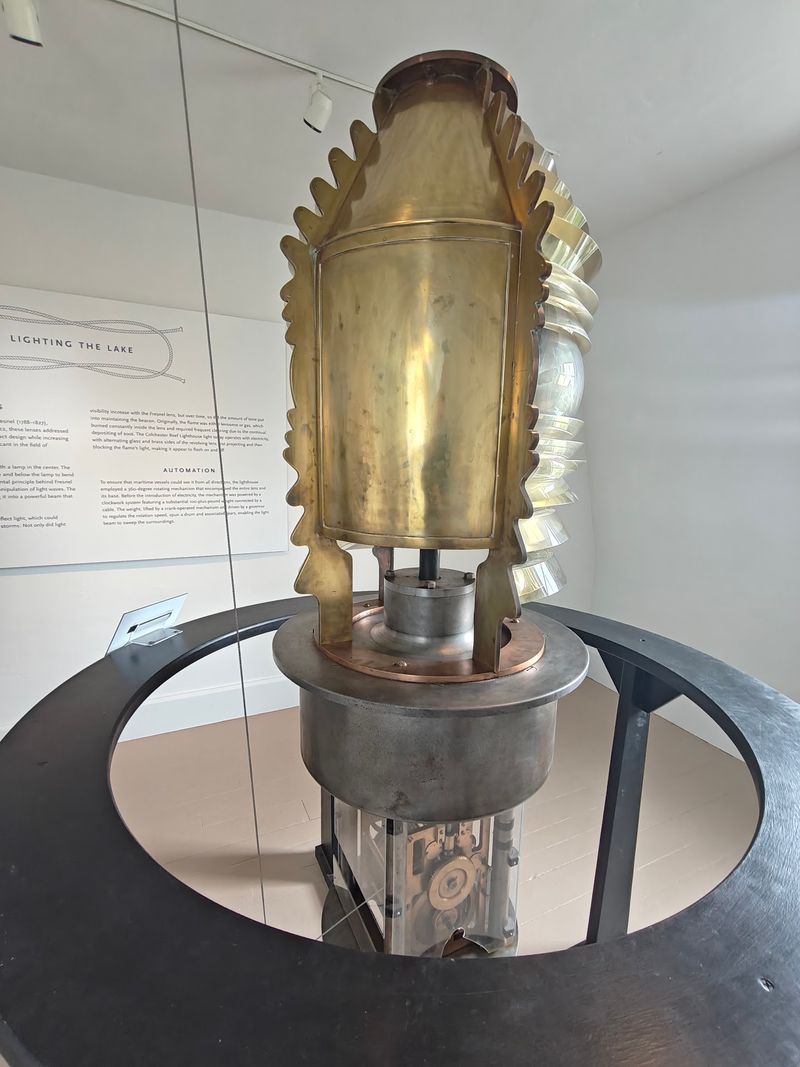
A round barn, a general store, and a one-room schoolhouse share the same neighborhood here. Throw in a lighthouse, a jail, and a meeting house, and you’ve got a very odd little town.
All of them were relocated from across New England and New York. Each building holds part of the museum’s huge collection. Walking from one to the next feels like flipping through history chapters.
The Shaker-design Round Barn is a standout. It holds carriages from the museum’s collection. The shape alone makes it worth a stop.
Next, peek into the schoolhouse and picture learning with every grade in one room. Then visit the general store, packed with goods from another era. It’s shopping, minus the checkout line.
The jail adds a playful twist for kids. They’ll want to see where troublemakers once landed. Parents may find it useful for a little lighthearted warning.
Grab a map at the start, since buildings spread across the grounds. An electric shuttle helps when legs get tired. Comfortable shoes are your best friend, because every corner seems to hide another doorway worth opening.
Famous Paintings Hang In Rooms From A New York Apartment
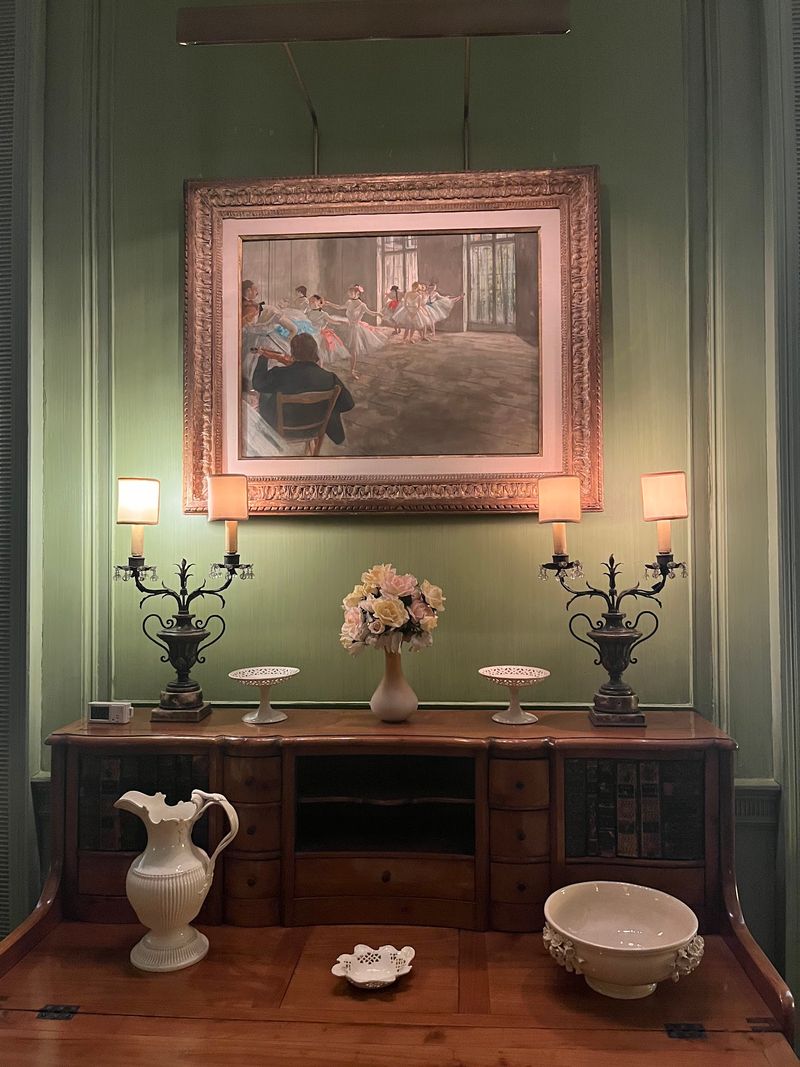
Impressionist paintings hang inside rooms rebuilt from Electra Webb’s former New York City apartment. That’s right, her actual living spaces now sit in Vermont. It’s a fancy apartment tour without the elevator.
You’ll find these rooms in the Electra Havemeyer Webb Memorial Building. It was built after Webb’s passing in 1960 to honor her. The setting makes the art feel homey instead of stiff.
Over at the Webb Gallery, American paintings take the spotlight. Look for work by Andrew Wyeth, Winslow Homer, Grandma Moses, and John Singleton Copley. That’s a seriously impressive lineup for a museum surrounded by barns.
Then there’s the Pizzagalli Center for Art and Education. It opened in 2013 and hosts changing exhibitions. Every season can bring something new to see.
Art can surprise people who came only for the steamboat. Many visitors don’t expect famous names at Shelburne Museum. Give yourself time to slow down here.
A good tip is saving the galleries for a hot afternoon or a drizzly hour. Indoor rooms make a nice break from walking outside. Your feet and your brain will both thank you.
Free Carousel Rides Keep The Fun Rolling In 2027
Free carousel rides might be the best deal in Vermont. Visitors can hop on the vintage carousel without spending a thing.
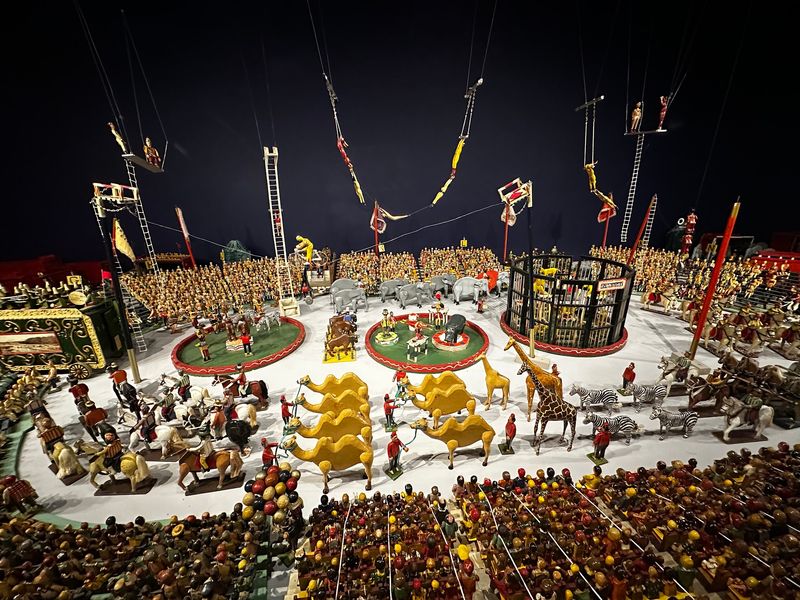
The Circus Building houses carousel horses and intricate model circuses, but it is closed for preservation work and is scheduled to reopen in 2028.
Those intricate miniature displays will be worth exploring once the Circus Building reopens.
The miniature circus displays are currently inaccessible during the Circus Building’s renovation, which is scheduled to finish in 2028.
Hands-on fun continues at the Blacksmith Shop and Printing Shop. Live daily demonstrations show early 20th-century blacksmithing and letterpress printing. Watching metal and type come together beats any screen.
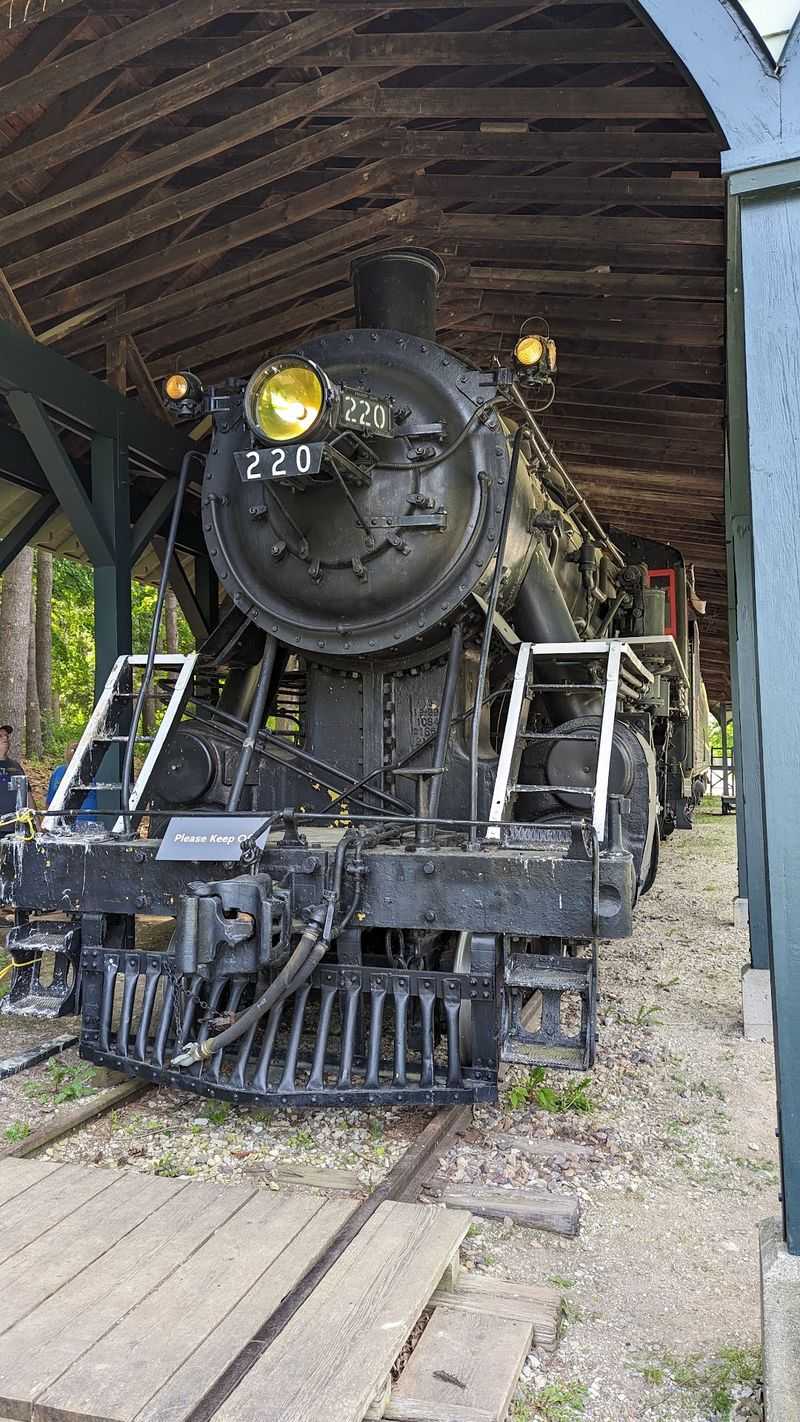
Train lovers get their own corner, too. The Railroad Station, the rail car Grand Isle, Locomotive 220, and a freight shed are all open to explore. Little conductors will be thrilled.
Families should ask for the Family Fun Guide when they arrive. It helps kids hunt for highlights around the grounds. That turns a big museum into a game.
Here’s a pacing trick worth trying. Mix a big indoor stop with a carousel spin or demonstration. Kids stay curious longer when the day has rhythm, and grown-ups secretly enjoy the carousel just as much.
Lilac Season Turns The Grounds Into A Giant Bouquet
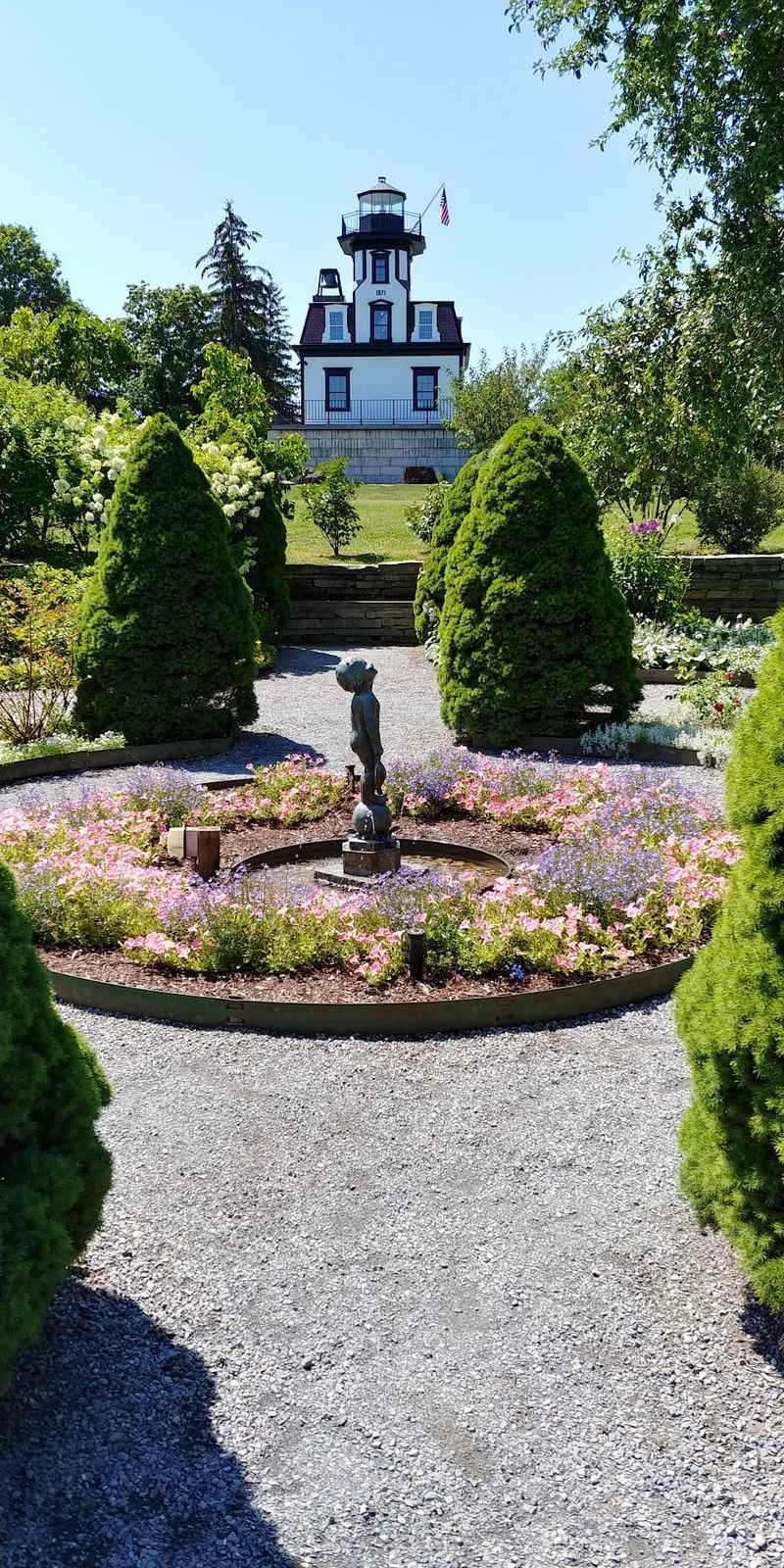
More than 400 lilac bushes grow across the museum grounds. When they bloom, the whole place looks like nature showed off on purpose.
Lilacs are just one part of the outdoor story. Shelburne Museum features 22 landscaped gardens. You’ll find herb gardens, heirloom vegetable gardens, and perennial beds.
A circular formal garden adds a neat, polished touch. It contrasts nicely with the rustic barns and old shops. Think of it as the museum’s dressy outfit.
The gardens make great breathing room between buildings. After lots of looking, stepping into green space feels refreshing. It’s also a sneaky way to rest without admitting you’re tired.
Garden fans should check the season when planning. The museum opens in early May, so spring brings fresh growth. Summer and early fall keep things colorful through late October.
Bring a water bottle and wander slowly. The paths connect many of the historic stops, so you’ll pass gardens often. Snap a few photos as you go, because the flowers paired with old buildings make some of the prettiest scenes on the whole property.
Your Ticket Lasts Two Days, And You’ll Probably Need Both
Admission covers two consecutive days, which tells you something about the size here. Nobody hands out a bonus day for a tiny museum.
You’ll find Shelburne Museum at 6000 Shelburne Rd, Shelburne, VT 05482. It sits seven miles south of Burlington on Route 7 in the Champlain Valley. Getting there is simple, and the scenery is a bonus.
The 2026 season runs May 9 through October 25. Hours are 10 a.m. to 5 p.m. daily, holidays included. Expect a similar early May to late October pattern for 2027.
Kids under five get in free. A family pass covers two adults and children ages 5 to 17 from the same family. That makes a two-day adventure much friendlier on the budget.
Hungry? The Weathervane Café serves food from 11 a.m. to 3 p.m. on operating days. Options include soups, chili, salads, burgers, veggie burgers, hot dogs, and soft-serve ice cream.
Gluten-free choices are available, too. Members get a small discount at the café. Splitting your visit across two days, with lunch in the middle, keeps everyone happy and well fed.