A seven-room pueblo built by Taos people in 1664 once stood on the plains of western Kansas. Yes, a pueblo.
On the prairie.
Its ruins still mark the spot, and it’s the only known Indian pueblo in the state. I love that a detail like that can hide in a place most folks just drive past.
Nearby, white chalk canyons hold fossils of swimming and flying reptiles from an ocean that covered the land 85 million years ago.
That’s the fun of Kansas state parks. Pioneer caves, a replica of a sacred spring, a tree older than the country, and a lake built by the Civilian Conservation Corps are waiting out there.
Plenty of them come with fishing and campsites, too.
I can’t think of a better way to meet the past than with muddy shoes and a picnic. So which chapter of history are you exploring first?
1. Kanopolis State Park
Kansas waited until 1955 to open its first state park, and it picked a beauty.
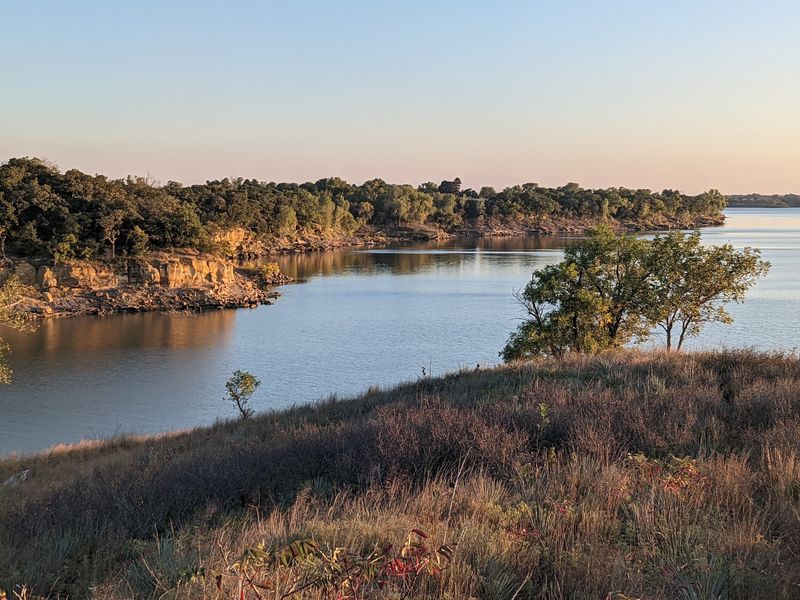
Kanopolis sits in the Smoky Hills, where bluffs and woods break up the prairie in a big way.
The centerpiece is the 3,500-acre Kanopolis Reservoir, built in 1948 for flood control. Anglers chase walleye, saugeye, crappie, wiper, white bass, and channel catfish here.
History runs deeper than the dam, though. The Pawnee, Cheyenne, and Sioux hunted, fished, and gathered on this land long before settlers arrived.
Then come the Faris Caves, carved by early pioneers. Over the years, they served as homes and storage spaces, which is one clever way to handle a Kansas summer.
Trail lovers get more than 30 miles to explore on foot, bike, or horseback. The Buffalo Track Nature Trail, Horsethief trails, Prairie Trails, and Alum Creek trails each offer a different mood.
Campers can pick from 14 campgrounds with more than 200 primitive sites and 119 utility sites. That’s a lot of choices for one weekend, so you may need a second trip.
Don’t skip Mushroom Rock State Park, which Kanopolis staff also manage. Fort Harker, founded nearby in 1866, has preserved buildings you can visit too.
Address: 200 Horsethief Rd., Marquette, KS 67464
2. Historic Lake Scott State Park
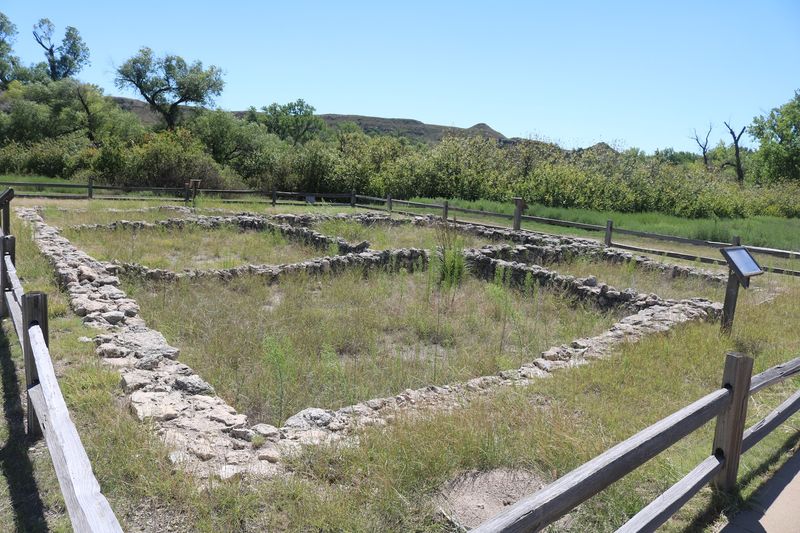
Long before anyone dreamed of campsites here, Taos people built a seven-room pueblo in 1664 while fleeing Spanish rule.
The ruins, called El Cuartelejo, are the only known Indian pueblo in Kansas.
Picuri people later reoccupied the site in 1696. It earned National Historic Landmark status in 1964, and standing near it gives you plenty to think about while the prairie wind blows.
Then there’s the Steele Homestead. Herbert and Eliza Steele homesteaded here in 1888, and their home is now a museum filled with early settler furnishings and tools.
The Steele family donated the land, and the park was born in 1928. Talk about a generous gift that keeps on giving.
At the heart of the 1,120-acre park is a 100-acre spring-fed lake. You can swim at the beach or rent a canoe or paddleboat from the seasonal concession.
Nature trails welcome hikers, horseback riders, and curious naturalists. Keep your eyes open for wild turkey, deer, bobcat, and beaver along the way.
Campers get 55 utility sites, 100 primitive sites, and three modern shower buildings. Bringing a horse?
A dedicated horse camp means your four-legged friend gets a spot too.
Address: 101 W Scott Lake Drive, Scott City, KS 67871
3. Little Jerusalem Badlands State Park
Eighty million years ago, you’d have needed a boat to visit this spot.
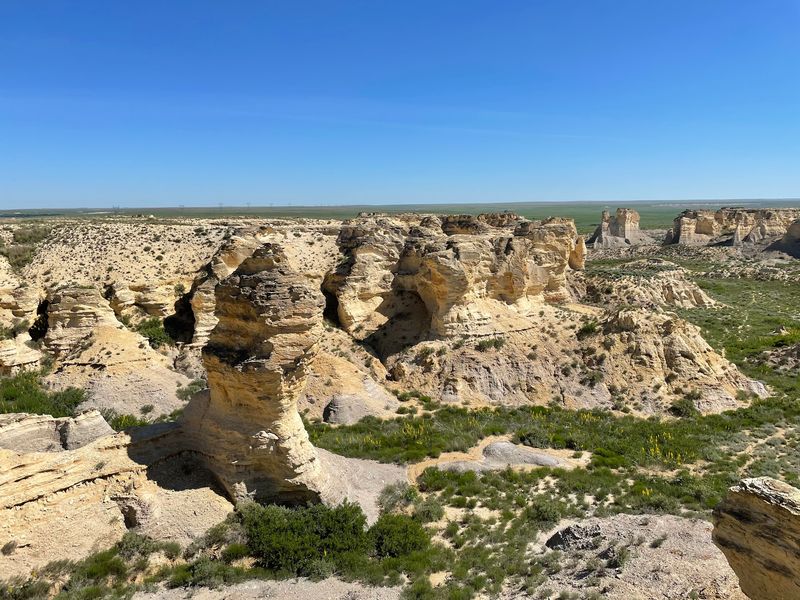
An ancient sea covered much of Kansas, and its chalk now forms towering white walls.
Little Jerusalem Badlands opened on October 12, 2019, making it one of Kansas’s newer state parks. The name comes from rock formations often compared to the walls of ancient Jerusalem.
The park covers approximately 332 acres, with 220 acres of Smoky Hill Chalk badlands. Narrow canyons twist through the white rock like a maze.
Two trails let you explore on your own. The quarter-mile overlook trail is quick, while the 1.5-mile self-guided trail gives you more time with the views.
Want to see the interior? Guided tours into the canyons can be scheduled by appointment.
Fossils of swimming and flying reptiles from 85 million years ago have turned up here. Ancient clams and oysters are more common finds, but leave them where they lie because collecting isn’t allowed.
Birders, bring binoculars for ferruginous hawks, cliff swallows, Say’s phoebes, and rock wrens. The park also protects the single largest population of Great Plains wild buckwheat.
Plan your trip for daytime, since the park is open only during daylight hours. Sunset fans will have to say goodbye a little early.
Address: County Road 400 and Gold Road, Oakley, KS 67748
4. Meade State Park
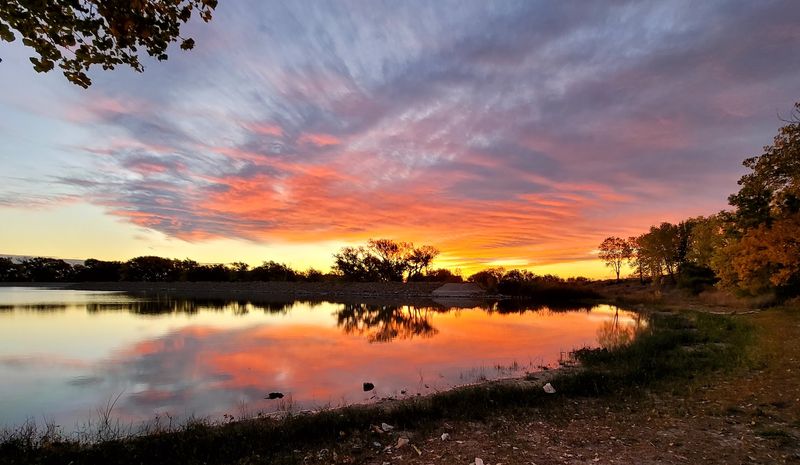
Back in 1927, a slice of the Turkey Track Ranch became something new.
Today, Meade State Park pairs an 80-acre lake with 440 acres of campsites and wildlife area.
The area also has ties to the Civilian Conservation Corps and the Works Projects Administration.
Those New Deal programs left their mark on parks nationwide, and this one shares in that story.
Fishing is the main event on the water. Bluegill, channel catfish, and largemouth bass are the usual targets.
Boaters should know the rules before launching. Motorized boats are for fishing only and must stay at no-wake speeds, so this is a calm lake, not a racetrack.
On hot days, the swimming beach is a welcome sight. Kids can also burn off extra energy at the playground.
The park’s nature trails normally offer opportunities for birding, biking, and hiking.
However, the trail system remains listed as closed following a May 2026 wildfire, so check with park staff before planning a hike.
Hunters have 360 acres of wildlife area to explore for dove, quail, deer, turkey, and waterfowl. Camping comes with or without electric hookups.
Curious about where fish come from? The Meade Fish Hatchery offers tours by appointment, which makes a neat side trip.
Camping options are available throughout the year, although some primitive camping areas have been affected by wildfire closures.
Check current campsite availability and restrictions before your visit.
Address: 12165 South V Road, Meade, KS 67864
5. Crawford State Park
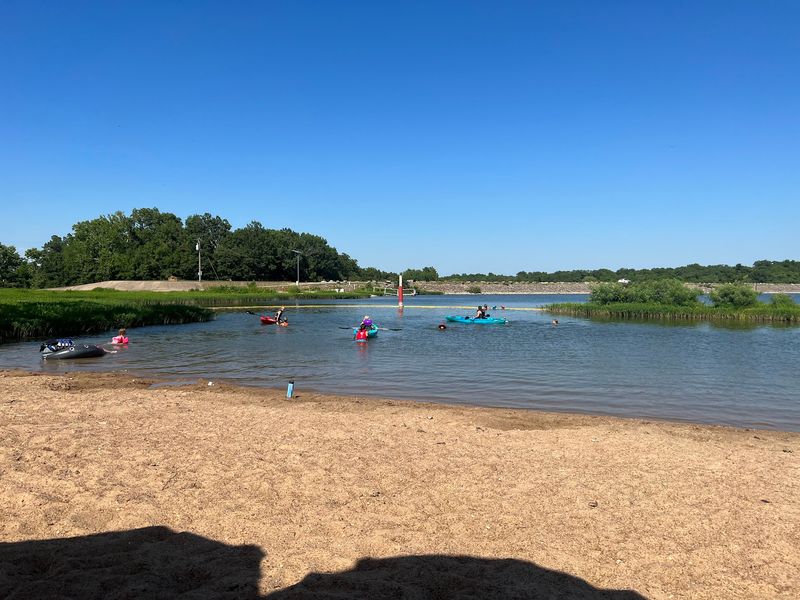
Young workers built this lake back in the 1930s, and it’s still the star of the show.
The Civilian Conservation Corps created the 150-acre lake that anchors Crawford State Park.
The park itself covers 500 acres and became a state park in 1965. Two recorded archaeological sites sit within its boundaries.
One of those sites includes remnants of a 19th-century U.S. military outpost. It’s a fun reminder that southeast Kansas had plenty going on long before campers showed up.
The water here gets creative. Along with fishing and pleasure boating, the lake is a spot for scuba diving, and yes, that’s in Kansas.
Anglers go after channel catfish, crappie, and striped bass. Two boat ramps make getting on the water simple.
Need a snack or fuel? The full-service marina carries limited food, fuel, and convenience items, plus a restaurant that runs Friday breakfast through Sunday in summer.
Lakefront rental cabins are available year-round. Six campgrounds also offer utility and primitive sites, plus three bathhouses.
Four hiking and biking trails wind through the park. Back at camp, sand volleyball, horseshoe pits, and a playground keep the fun going.
Address: 1 Lake Rd., Farlington, KS 66734
6. Cedar Bluff State Park
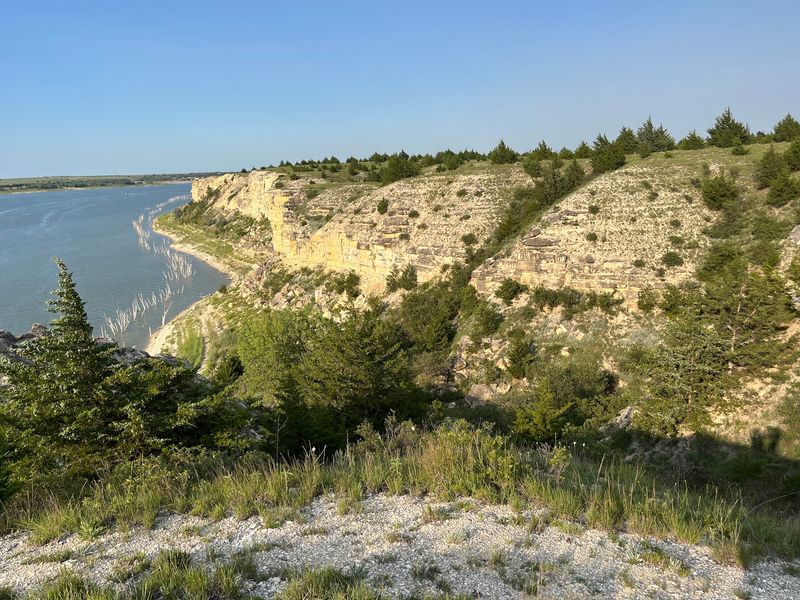
Early settlers got the name wrong, and nobody bothered fixing it. Those ‘cedars’ on the bluffs are actually native junipers.
The bluffs themselves are the real showstoppers.
Towering limestone formations overlook the reservoir, while nearby chalk bluffs rise roughly 100 feet above the surrounding landscape.
Cedar Bluff State Park was established in 1962 along Cedar Bluff Reservoir.
The park’s two recreation areas cover approximately 1,100 acres, with thousands more acres of reservoir and surrounding wildlife area nearby.
History buffs should head west of the park to Threshing Machine Canyon. In 1867, freight couriers transporting a threshing machine were attacked there.
The incident gave the canyon its name.
Carvings in the canyon’s limestone date back to the mid-1800s. Those old marks make the past feel close enough to touch.
The park splits into two areas, Bluffton and Page Creek. Each sits along the reservoir, so picking a favorite might take some testing.
Walleye anglers, this one’s for you. The reservoir is known as a premier walleye fishery, and a handicap-accessible fishing dock makes casting easier for more people.
Boating, skiing, and swimming fill out the water list. On land, you’ll find an archery range, a BMX track, sand volleyball, basketball, and horseshoes.
Modern rental cabins offer a comfy alternative to tents. Utility and primitive campsites, group campgrounds, and showerhouses round things out.
Address: 32001 Highway 147, Ellis, KS 67637
7. Glen Elder State Park
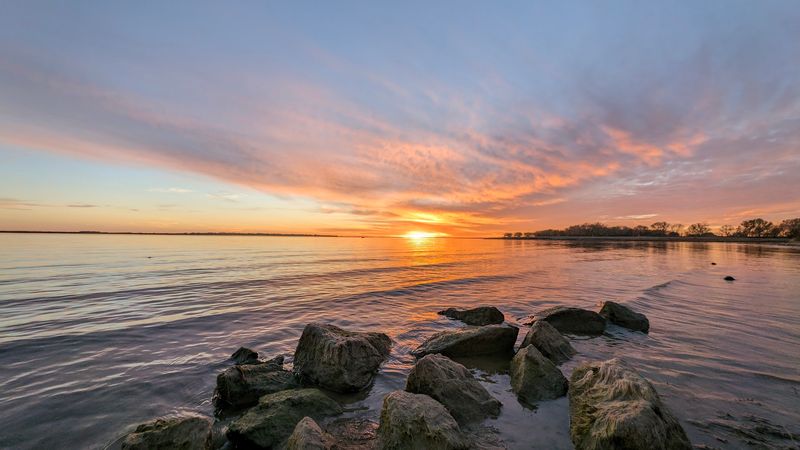
Somewhere under Waconda Lake lies a mineral spring that many Native Americans held sacred.
The 12,500-acre Glen Elder Reservoir now covers that spot, along with the site of a former sanitarium.
Glen Elder State Park, established in 1964, honors that story on its north shore.
The Waconda Springs Replica, dedicated June 5, 2005, pays tribute to the spring’s geology and Native American history.
Want more background? The Waconda Visitor and Education Center reopened after renovations on June 30, 2018, with artifacts about the spring, the old hotel, and the dam’s construction.
Waconda Heritage Village works as a living museum. The historic Hopewell Church sits just south of the park office, so it’s easy to add to your route.
Fishing options are serious here. Channel and flathead catfish, crappie, walleye, white bass, largemouth bass, and saugeye swim in these waters.
Shore anglers can try the Pawnee Overlook, which also has scenic views. The Chautauqua Fishing Pond offers another spot to drop a line.
The full-service marina handles boat rentals, fuel, bait, slips, and a convenience store. Afterward, a public fish cleaning station helps with your catch.
Cabins, modern sites, and primitive sites give campers options. Group shelters, an archery range, softball, and volleyball keep the crew busy.
Address: 2131 180 Rd, Glen Elder, KS 67446
8. Eisenhower State Park
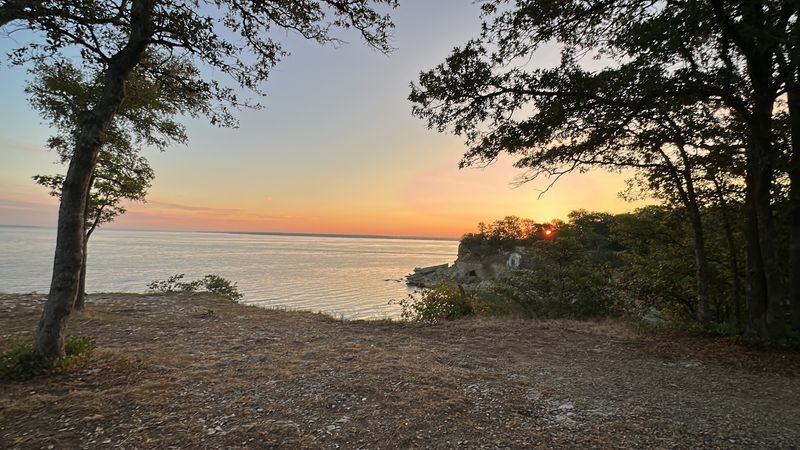
Kansas was home to future U.S. President Dwight D.
Eisenhower, who grew up in Abilene, and this park carries his name.
Dwight D. Eisenhower got the honor in 1990, when the legislature renamed the park.
Before that, it opened in 1975 as Melvern State Park. The new name gave this lakeside getaway a direct link to one of the state’s proudest stories.
The park sits on the north shore of 6,900-acre Melvern Lake. You get 1,785 acres in total, including 1,000 acres of tallgrass prairie and 440 acres of woodland, which is a lot of room to roam.
Horse owners, take note. A 22-mile horseback trail winds along the south side of the lake.
Prefer to stay on your own two feet? The interpretive nature trail is a half-mile self-guided walk, short enough for little legs.
Campsites come with electric, water, and sewer hookups. Boating, fishing, and a swimming beach cover the lake time.
Summer brings a Junior Naturalist Program along with other educational and entertainment events. It’s a smart way to sneak some learning into vacation.
Next door, the 10,008-acre Melvern Wildlife Area opens up even more space. Watch for white-tailed deer, eastern wild turkey, bobwhite quail, and waterfowl.
Picnic areas, a playground, and horseshoe pits finish the list. Pack a lunch and maybe a few presidential trivia questions.
Address: 29810 S Fairlawn Road, Osage City, KS 66523
9. Cross Timbers State Park
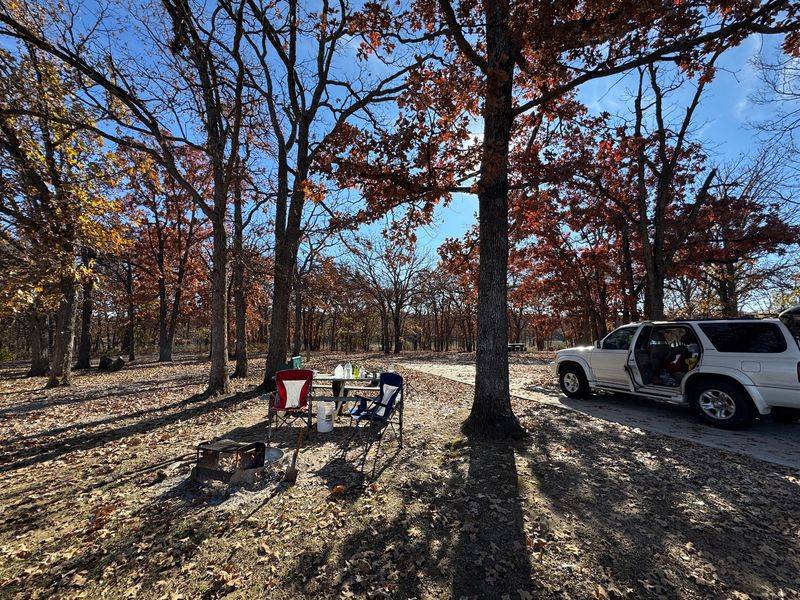
One tree on the Ancient Trees Trail is older than the United States.
Let that sink in the next time a birthday makes you feel old.
Originally authorized in 1960 as Toronto State Park, the park was renamed Cross Timbers State Park in 2002 after the Cross Timbers ecological region.
That transitional zone of oak woodlands stretches out from Kansas.
Long ago, the Osage Nation favored this area for hunting and camping. Walking these hills connects you with that long human story.
The park covers 1,075 acres in the rolling hills of the Verdigris River valley. It borders 2,800-acre Toronto Lake and the 4,600-acre Toronto Wildlife Area.
The Ancient Trees Trail is for hikers only. Other trails welcome mountain bikers who want to roll through the woods.
Feeling adventurous? Backcountry camping is allowed by special permit on certain segments of the Chautauqua Hills Trail.
Anglers can target white crappie, white bass, channel and flathead catfish, black bass, bluegill, and sunfish. Swimming, boating, and picnicking round out a lake day.
Bring a camera, because wildlife sightings are common here. White-tailed deer, wild turkey, quail, raccoons, and songbirds often make appearances.
Back at camp, choose RV hookup or primitive sites. Most campgrounds have modern bathrooms and showers, while Mann’s Cove Loop has a vault toilet instead.
Address: 144 Highway 105, Toronto, KS 66777
10. Tuttle Creek State Park
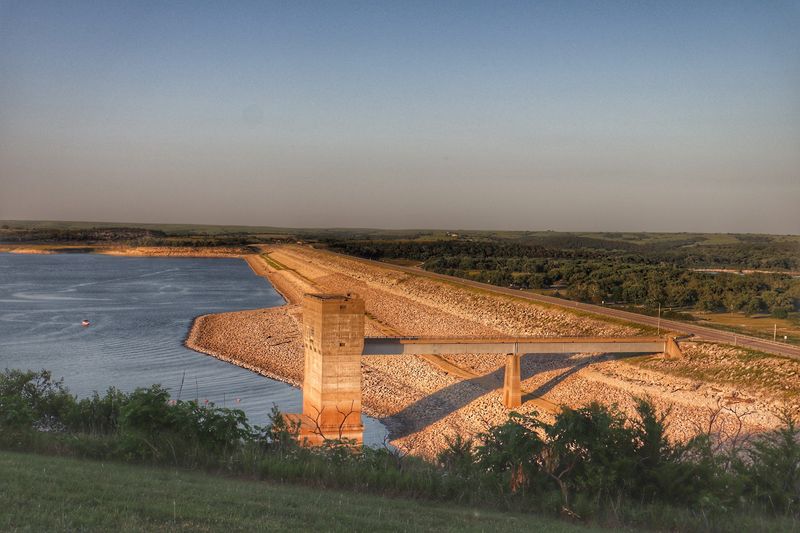
A flood in 1951 helped turn a decades-old idea into one of the biggest lakes in Kansas.
Officials first mentioned a flood control reservoir near the Big Blue River back in 1928.
The Flood Control Act of 1938 authorized the project. The Army Corps of Engineers built it, and the disastrous 1951 floods pushed development forward.
Today, Tuttle Creek Reservoir is the second-largest lake in the state. It spreads across 12,500 surface acres with 100 miles of rugged, wooded shoreline.
The state park wraps around it in five units. River Pond, Rocky Ford, Cedar Ridge, Fancy Creek, and Randolph each bring something to the table.
Mountain bikers can tackle a challenging 6-mile trail at Fancy Creek. That unit also has a state-of-the-art shooting range.
River Pond offers an archery range, while nearby Willow Lake is stocked with trout during fall and winter. Elsewhere, anglers chase channel catfish, flathead, bass, walleye, saugeye, and white bass.
Keep an eye on the sky, too. Bald eagles may be spotted around the reservoir.
An 18-hole disc golf course, an equestrian trail, and kayak and canoe rentals add variety. Rentals depend on the weather, so check before you go.
Cabin reservations can be made up to 364 days in advance. Campsites with electric, water, and sewer hookups, plus primitive sites, cover the rest.
Address: 5800 River Pond Rd, Manhattan, KS 66502