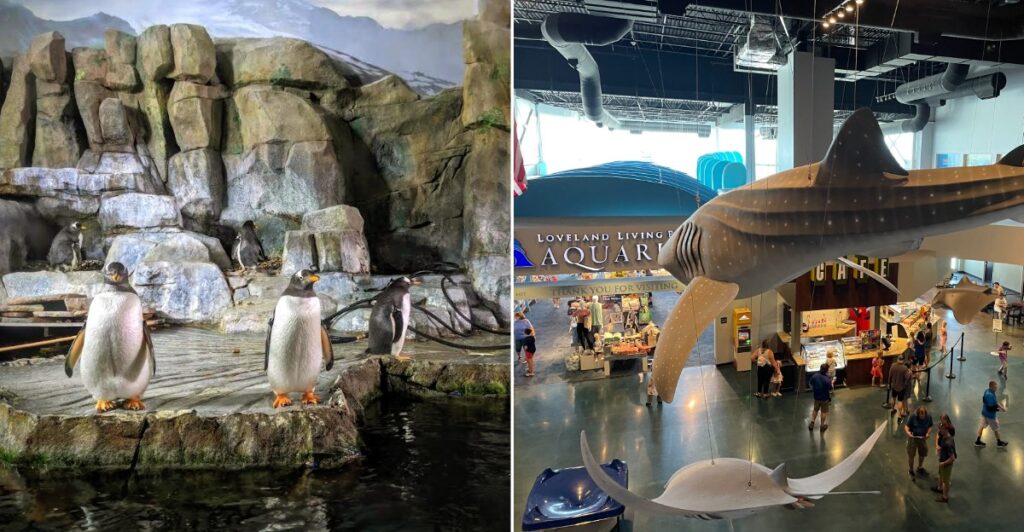
Each guest at one stingray feeding gets about four chances to offer a snack to a flat, gliding fish. You wear provided gloves, lean over a touch pool, and wait for a ray to swoop in.
I can’t imagine a better way to make a grown adult squeal like a kid.
The whole encounter lasts roughly 20 minutes. Only 10 people can join each session, so it never feels like a crowd scramble.
I like how small and personal that keeps things.
Utah is famous for red rock arches and snowy peaks, not ocean animals. Yet this spot holds almost 5,000 animals from more than 600 species.
That includes sharks, penguins, sloths, and poison dart frogs.
A landlocked state like Utah seems like the last place to pet a sea creature. So how does a desert crowd end up feeding rays by hand?
Your Fingers Are About To Become A Stingray Snack Bar
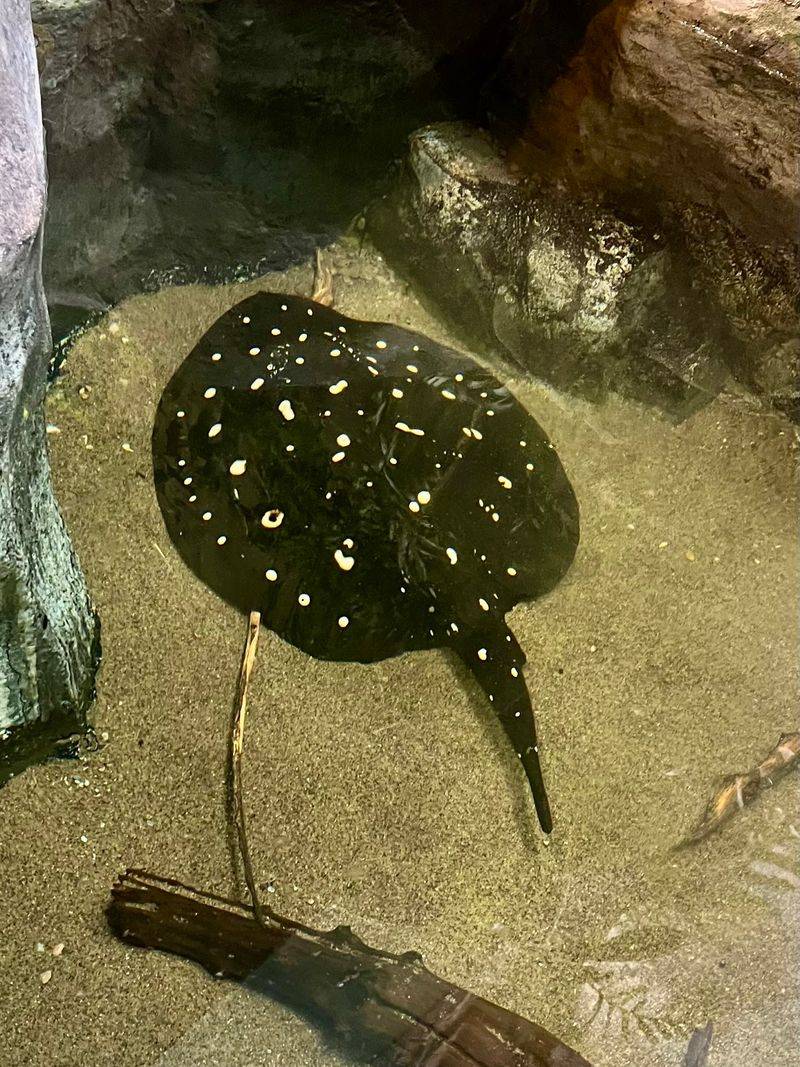
Stingrays don’t nibble politely like goldfish. At Loveland Living Planet Aquarium, the Stingray Encounter lets you hand-feed these flat swimmers inside the Ocean Explorer touch pool.
Each guest gets about four chances to offer food during the session. That’s four separate moments of a ray gliding up to claim its treat, which is plenty for bragging rights.
The whole experience runs roughly 20 minutes. It isn’t just a quick feeding and goodbye, either.
Aquarium educators walk you through how stingrays are built, how the animal care team looks after them, and what they need to eat.
Gloves come provided, and you’ll need to wear them the entire time. Think of them as your official ray-feeding uniform.
They protect both you and the animals, so nobody minds the fashion choice.
Groups stay small, with a maximum of 10 people per encounter. That means less elbowing and more actual time at the water’s edge.
You won’t spend half the session staring at someone’s backpack.
Honestly, it’s one of those things that sounds simple on paper. Then a ray slides past your glove, and suddenly you’re grinning like you just won a prize at the county fair.
Read The Fine Print Before Promising The Kids A Ray
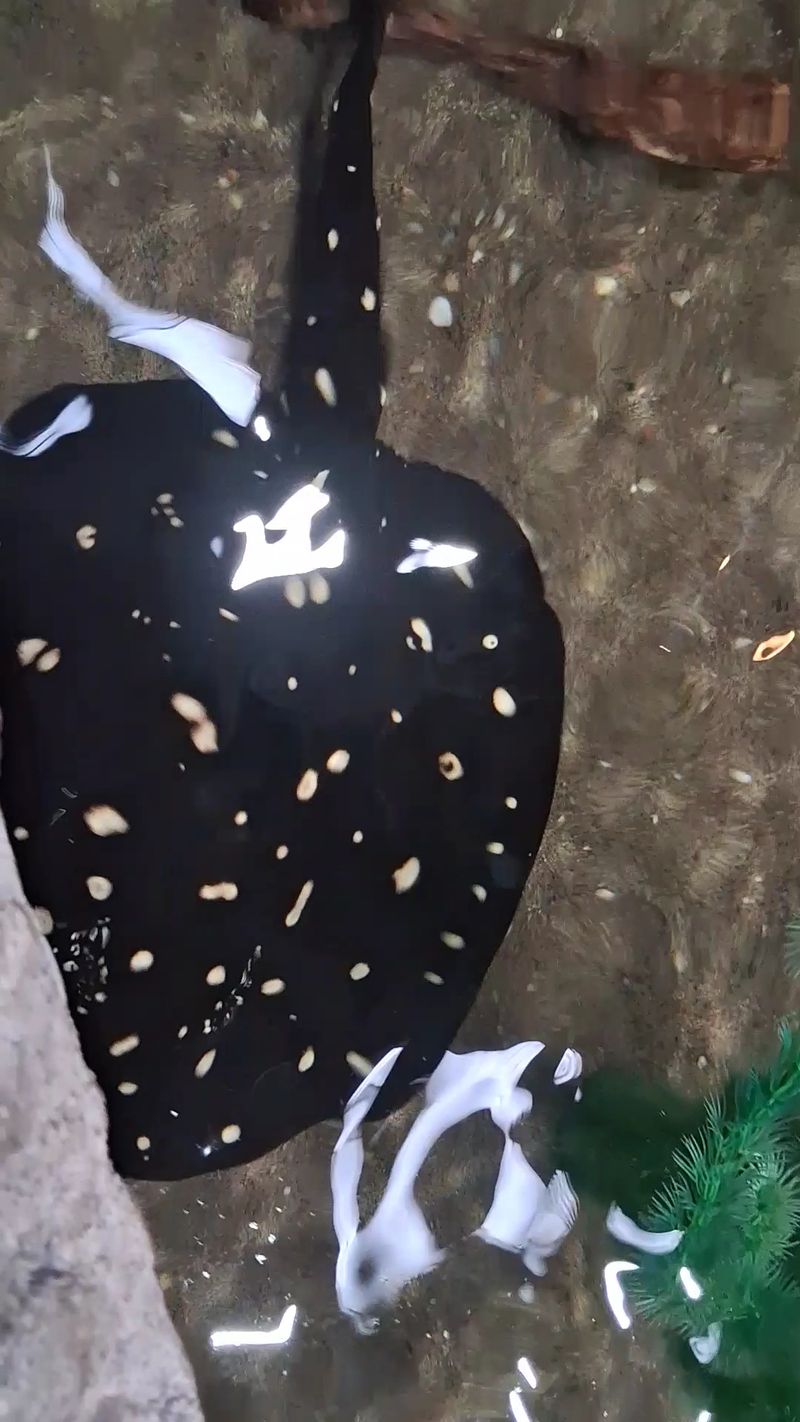
A little planning saves a lot of disappointment here. The Stingray Encounter needs its own ticket, separate from regular Aquarium admission.
Spots fill up because sessions are small. Reserving ahead is the smart move, especially if your heart is set on a certain day.
Height matters too. Everyone must be at least 48 inches tall to join or even stand in the feeding area.
Measure your youngest before the car ride, not at the pool’s edge.
Kids under 14 need a chaperone at the touch pool. That grown-up also needs a Stingray Encounter ticket to be in the feeding zone.
So if Grandma wants to watch up close, she’s buying a ticket and probably feeding a ray herself.
That last part sounds like a rule, but it’s really a bonus. Why stand on the sidelines when you could get your own four turns?
Once everyone qualifies, the hard part is over. Bring your sense of wonder, listen to the educators, and keep your gloves on.
The rays handle the rest with surprising enthusiasm. Your only job is holding steady when a slippery visitor swings by for lunch.
Sharks Swim Over Your Head In A 40-Foot Tunnel
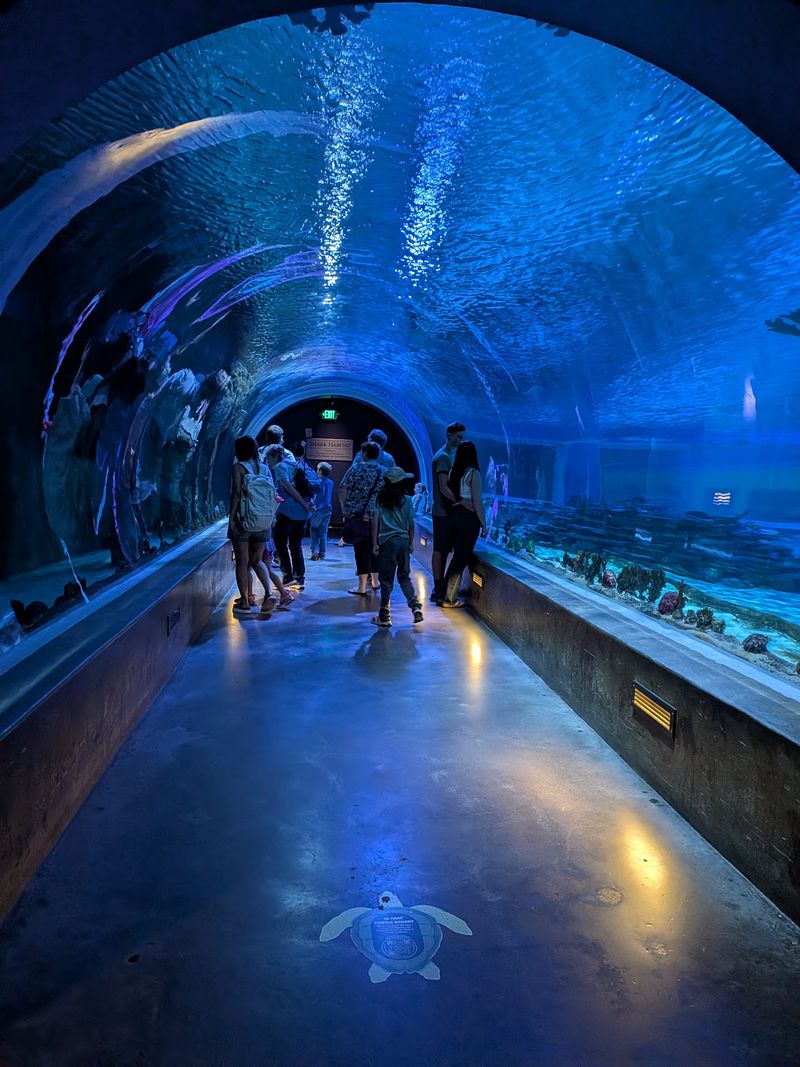
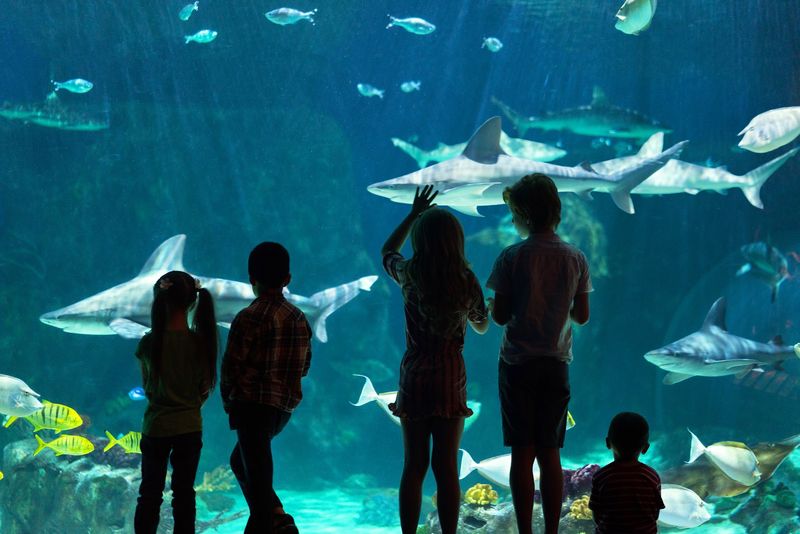
Three hundred thousand gallons of water hang right above you. That’s the shark exhibit inside Ocean Explorer, the same area that houses the stingray touch pool.
A 40-foot walk-through tunnel cuts straight through the habitat. Seven species of sharks cruise around you, along with sea turtles and stingrays.
It feels a bit like strolling across the seafloor without getting your socks wet.
Look up, and you might catch the pale belly of a ray sweeping past. Look sideways, and a shark may be slowly patrolling its route.
Sea turtles add a calmer vibe to the scene.
This is a great stop right after your feeding session. You’ve just met rays up close at the touch pool.
Now you get to watch their relatives glide freely overhead in a much bigger space.
Photographers, take note. The blue glow of the tunnel makes for striking pictures, so keep your phone handy.
Kids tend to press their noses toward the glass here, and frankly, adults aren’t much better. Take your time walking through.
There’s no prize for finishing first, and the sharks certainly aren’t in a hurry to leave.
Gentoo Penguins Run Their Own Research Station Here
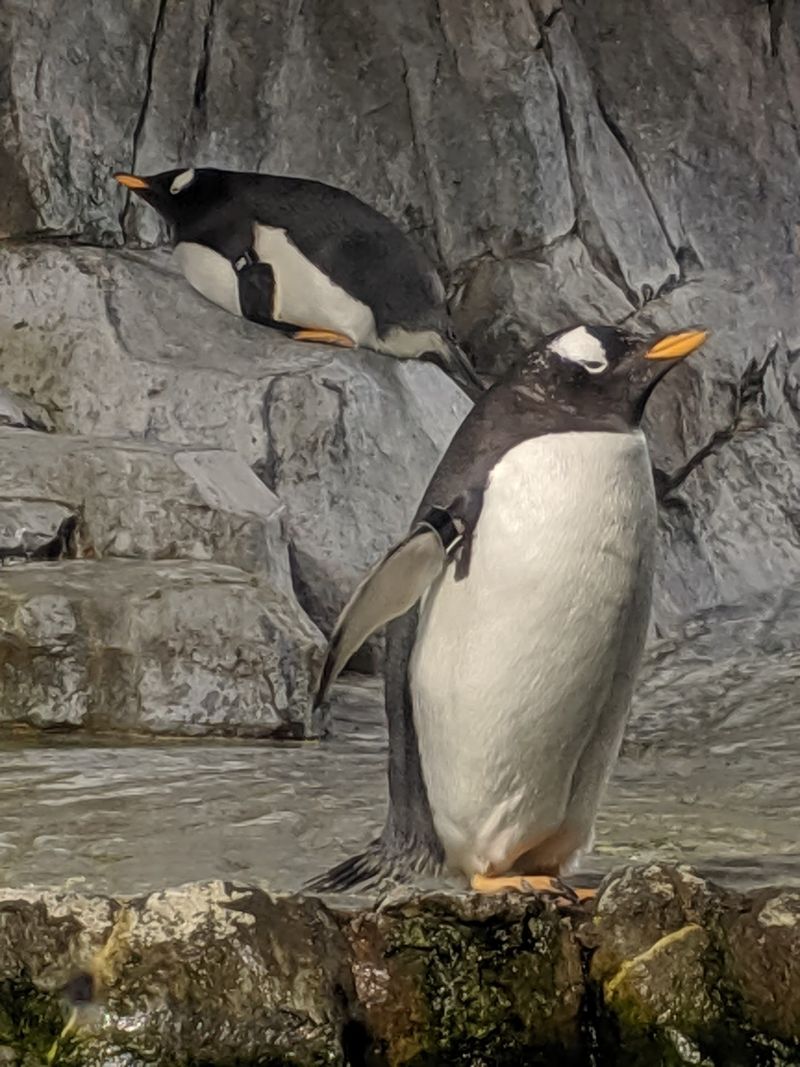
Tuxedos are mandatory in this neighborhood. The Penguin Research Station at Loveland Living Planet Aquarium is home to gentoo penguins, those bright-beaked birds with a white patch over each eye.
Watching them is pure entertainment. Gentoos waddle on land, then turn into sleek little torpedoes once they hit the water.
The switch is almost comical.
Already loved feeding the stingrays? The aquarium also offers Penguin Encounters for an additional fee.
These let you meet the penguins and help feed them, which is a very different vibe from a ray swooping past your glove.
Pairing both encounters could make for one unforgettable day. You’d go from fins to flippers in a single visit.
Not many places in the Mountain West can say that.
If you’re skipping the paid encounter, the regular viewing area still delivers plenty of charm. Find a spot by the glass and watch them dive, preen, and generally act like they own the place.
Honestly, they kind of do. Penguins have a way of stealing attention from every other exhibit nearby.
Plan a few extra minutes here, because walking away is harder than it sounds.
Cross A Rope Bridge Into A Two-Story Rainforest
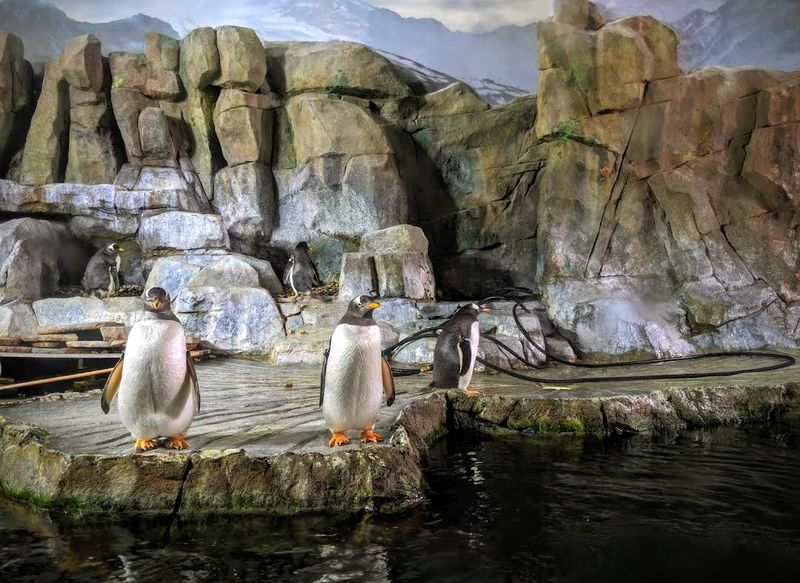
Swap the ocean for the jungle without leaving the building. Journey to South America stretches across two stories and feels like a full mini-expedition.
A waterfall anchors the space, and a rope bridge lets you cross above the scene. Yes, it’s an actual bridge, so keep a grip on your snacks.
The animal lineup is wonderfully varied. A sloth lives here, moving at that famously unhurried pace.
Spotting it can become a fun family challenge, especially for little eyes.
Birds add color and sound to the space. Tiny poison dart frogs show off bold, flashy skin that warns predators to stay away.
Kids usually love learning why something so small dresses so loudly.
Down in the water, large Amazonian river fish cruise around. They’re a reminder that rivers can hold giants too, not just oceans.
After the ocean-heavy Ocean Explorer zone, this exhibit feels like a change of season. The air of adventure is different, slower, and full of hidden details.
Take your time on the bridge and peek into every corner. That sloth isn’t going anywhere fast, and neither should you.
Asian Cloud Forests And Local Waters Share The Spotlight
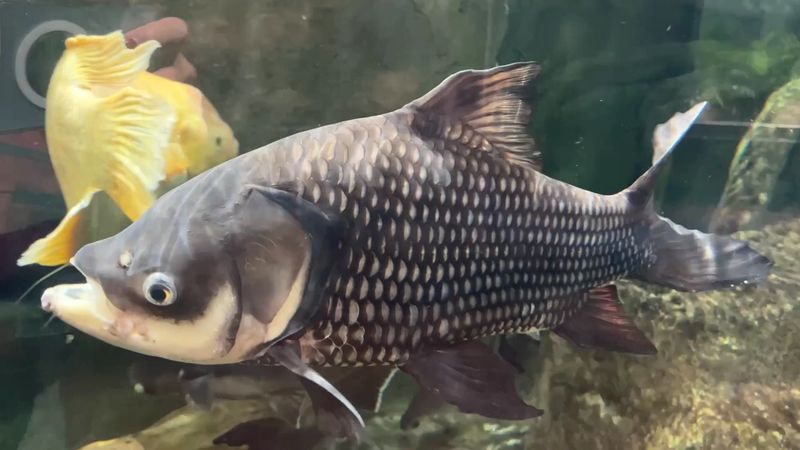
Variety is the real secret weapon of this place. Expedition: Asia showcases ecosystems from Asian cloud forests, giving you a peek at a world far from the Wasatch Front.
Cloud forests are misty, mountain habitats full of plants and creatures adapted to cool, damp air. It’s a fresh contrast to the tropical rainforest and the deep blue shark zone.
Then the aquarium swings back home. Discover Utah highlights local ecosystems and waterways, which might surprise first-time visitors.
Utah has its own fascinating water life worth celebrating.
I love that the aquarium gives local nature its own spotlight. It reminds families that wild places start right in their own backyard, not just across an ocean.
Deep Sea Lab rounds things out by exploring deep ocean environments. That’s the dark, mysterious zone most people never get close to seeing.
Moving between these galleries feels like hopping continents in an afternoon. One minute you’re in Asian highlands, the next you’re learning about creeks closer to home.
With almost 5,000 animals and more than 600 species on site, every room brings a new surprise. Pace yourself, because there’s a lot of planet packed in here.
Little Climbers Get Their Own Island To Conquer
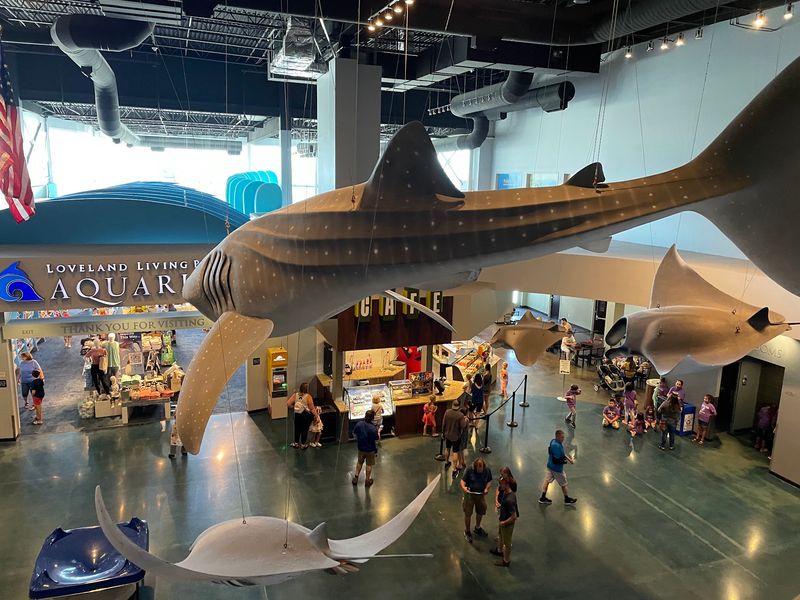
Kids eventually need to climb something. Tuki’s Island: Play and Party Center gives them a climbing structure and slides built for children 12 and younger.
It costs a little extra beyond general admission. For families with high-energy kids, that small add-on can feel like a smart investment in everyone’s sanity.
Here’s a good strategy. Schedule the stingray feeding, wander the galleries, then let the kids burn off steam at Tuki’s Island before heading home.
A tired kid in the car is a quiet kid in the car.
The EECO Voyager is another option worth checking out. It’s included with general admission, so there’s no extra ticket to buy.
Free fun inside a ticket you already paid for? Always welcome.
Planning around these spaces helps the day flow better. Exhibits are exciting, but young legs and short attention spans need breaks.
Mixing learning with play keeps moods bright.
Parents get a breather too. While the little ones scramble and slide, grown-ups can recharge for the next round of exhibits.
Everybody wins, and the stingrays get a short break from all the attention.
Refuel Before Round Two Of Animal Adventures
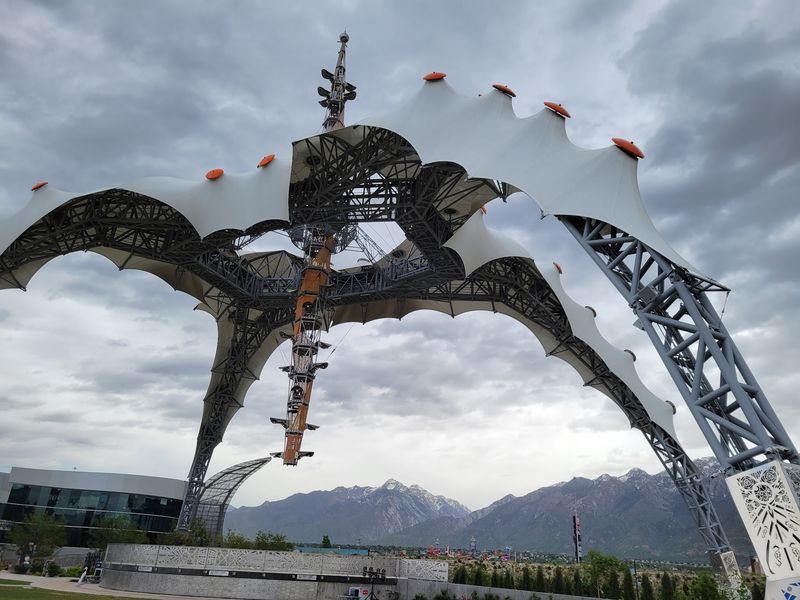
Hunger hits hard after a morning of sharks and sloths. Reef Café is the on-site dining option, so you won’t need to leave the building to grab a bite.
Eating on site keeps your momentum going. You can refuel, rest your feet, and talk over whether the rays or penguins won the day.
Need some fresh air? Rio Tinto Kennecott Plaza is an outdoor space on the property.
It’s a nice change of scenery after hours under the soft blue glow of the exhibits.
Stepping outside also helps reset little ones. A short break in open air can turn a cranky moment into a cheerful one surprisingly fast.
Timing your meal can make the whole visit smoother. Try eating between galleries instead of waiting until everyone is starving.
Hungry explorers don’t appreciate poison dart frogs nearly as much.
Think of these spaces as halftime. The animal show isn’t over, and plenty remains to explore afterward.
A good snack and a breath of air will have your crew ready for the shark tunnel again. Some families definitely go back for a second look.
Mondays Give You Two Bonus Hours With The Fish
Mark your calendar for Mondays. Loveland Living Planet Aquarium normally runs 10 a.m. to 6 p.m. daily, with last entry at 5 p.m.
On Mondays, though, it stays open until 8 p.m., with last entry at 7 p.m. That’s perfect for families who can’t swing a daytime trip.
You’ll find it at 12033 Lone Peak Pkwy, Draper, UT 84020. Draper sits in the Salt Lake Valley, making this an easy outing for many Utah families.
Hours can change for special events. The aquarium posts irregular hours and closures online, so a quick check before you leave is wise.
The aquarium is a 501(c)(3) non-profit and is accredited by the Association of Zoos and Aquariums. Its Draper home opened in March 2014.
That accreditation matters. It signals high standards for animal care and conservation, which makes your ticket feel even better spent.
So grab your reservation, measure the kids, and plan for gloves. A stingray is waiting somewhere in that touch pool for its next snack.
Fair warning, though. Once one glides across your glove, you might start planning a second Utah ocean adventure.